 Complete Gardening
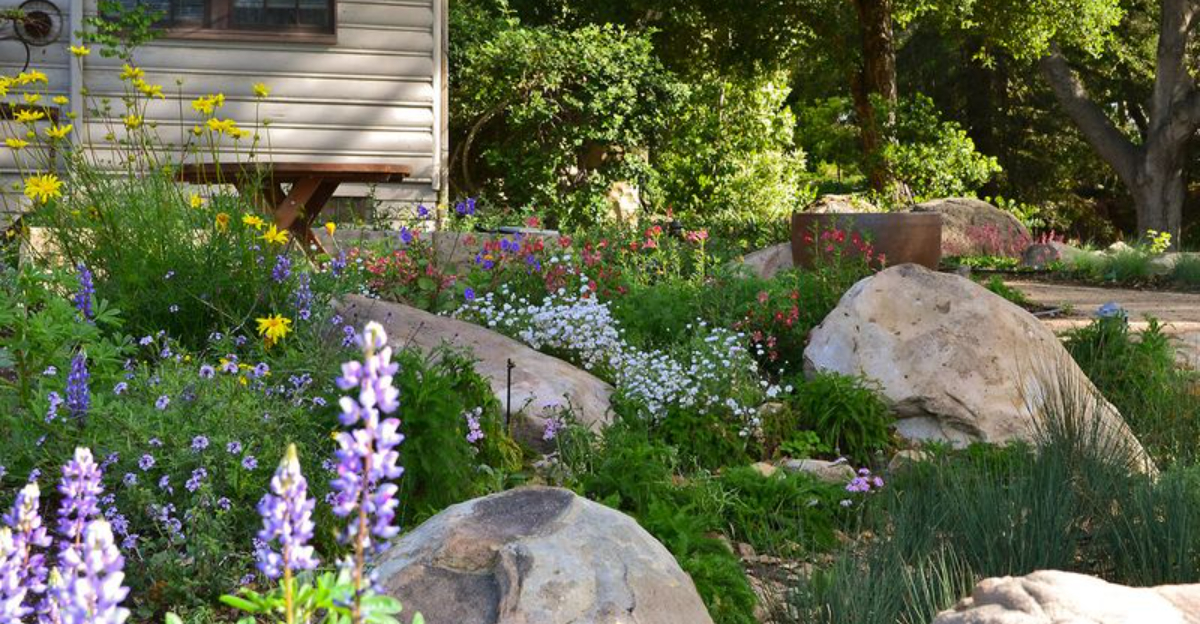
Our world’s plant diversity is quietly disappearing right under our noses. A shocking one-quarter of all native plant species in North America now face serious risk of extinction.
These aren’t just pretty flowers – they’re the foundation of entire ecosystems that animals and humans depend on. The good news? You don’t need to be a scientist to help save these precious plants from disappearing forever.
1. The Shocking Numbers Behind Plant Extinction
The plant extinction crisis is far worse than most people realize. Around 1,200 native plant species across North America currently teeter on the edge of disappearing forever – that’s 25% of all our native plant diversity! Unlike animal extinctions that often make headlines, plants vanish silently. When a plant species disappears, it doesn’t just mean one less pretty flower. It can trigger a domino effect throughout the entire ecosystem, affecting soil health, water filtration, and countless animal species that relied on that plant for food or habitat.
2. Plants Are Vanishing Faster Than Ever Before
Did you know plants make up nearly 60% of all living species on Earth? Despite their importance, they receive far less attention and protection than animals with fuzzy faces and cute behaviors. Scientists have discovered that plants are now disappearing at a rate hundreds of times faster than natural extinction. What took millions of years in the past now happens in decades. When a plant species vanishes completely, we don’t just lose its beauty – we lose potential medicines, food sources, and natural climate solutions that might have helped future generations.
3. Bulldozers and Buildings: The Habitat Crisis
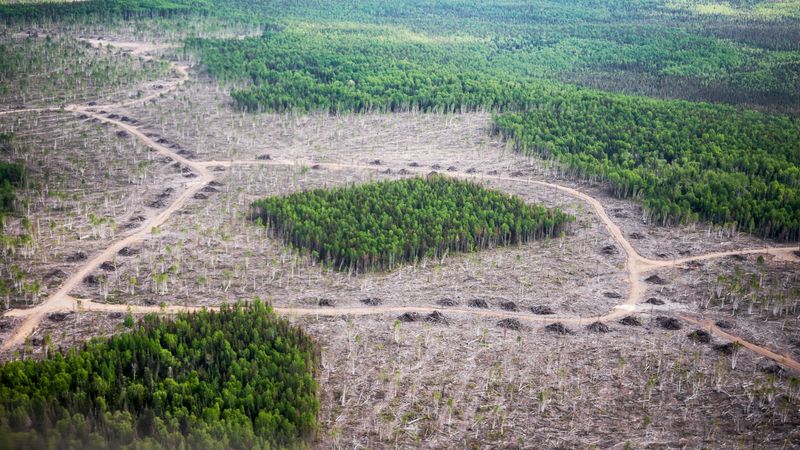
Imagine being forced out of your home with nowhere else to go. That’s exactly what happens to native plants when natural areas are bulldozed for new shopping centers, housing developments, or farms. Habitat destruction ranks as the number one threat to plant diversity worldwide. Many native species have evolved to thrive only in very specific conditions – a particular soil type, amount of shade, or water level. When these specialized habitats disappear, these plants simply have nowhere else to grow. Even fragmenting habitats into smaller patches can doom plant populations by preventing genetic exchange between isolated groups.
4. Green Invaders Taking Over
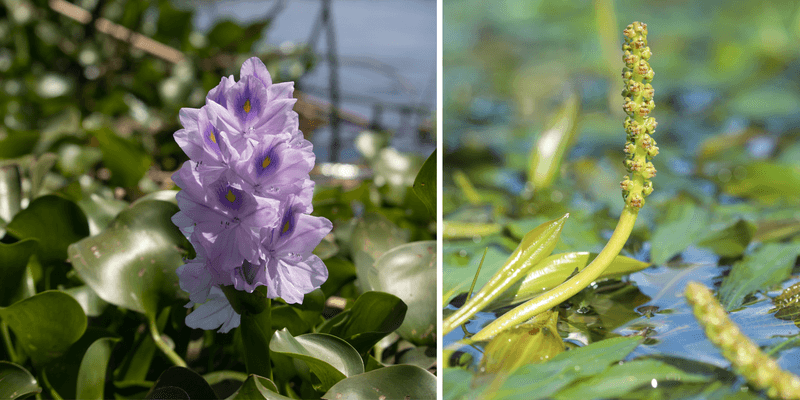
Some of the prettiest plants in garden centers are actually dangerous bullies in the wild. Invasive species like purple loosestrife and English ivy might look harmless, but they’re botanical thugs that muscle out native plants without mercy. These aggressive invaders spread rapidly without natural predators or diseases to keep them in check. They steal sunlight, water, and nutrients while altering soil chemistry to make it harder for natives to survive. Japanese knotweed can even grow through concrete! Many were originally introduced as ornamental garden plants before escaping and wreaking havoc on natural areas.
5. When Weather Patterns Go Haywire
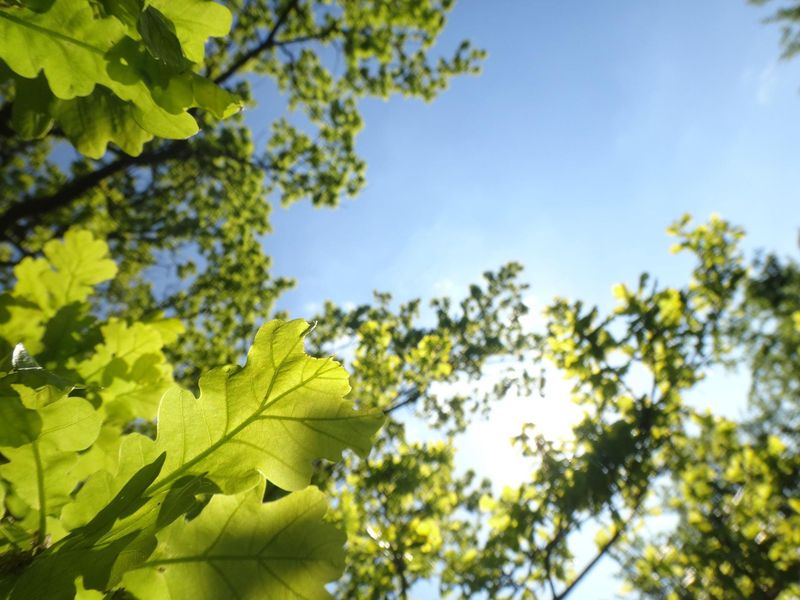
Climate change is rewriting the rulebook for plant survival. Native plants that evolved over thousands of years to bloom, set seed, and go dormant at specific times now face confusing signals as seasons shift unpredictably. Early spring thaws might trigger premature blooming, only to have frost kill the flowers before pollinators arrive. Summer droughts stress plants during their critical growing period. Winter warming periods can break dormancy cycles prematurely. Many species simply can’t adapt quickly enough to these rapid changes, especially those already confined to small habitat areas with nowhere to migrate as conditions change.
6. The Missing Buzz: Pollinator Problems
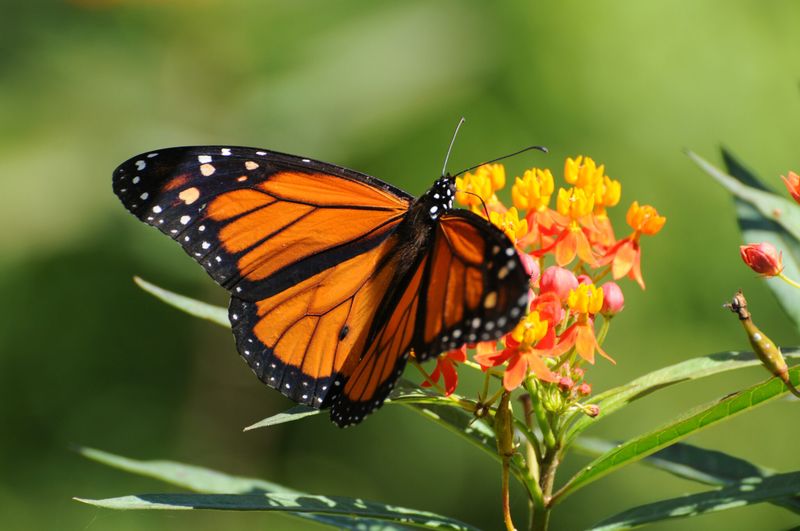
Many native plants have evolved alongside specific pollinators in a delicate dance of mutual dependence. When one partner disappears, the other often follows. Monarch butterflies need milkweed. Certain orchids rely on specific bee species with exactly the right body shape. As bee, butterfly, and bird populations plummet due to pesticides and habitat loss, many native plants lose their only means of reproduction. This creates a vicious cycle – fewer pollinators means fewer plants successfully reproducing, which means less food for remaining pollinators. Breaking this cycle requires protecting both plants and their animal partners.
7. The Overlooked Underdogs of Conservation
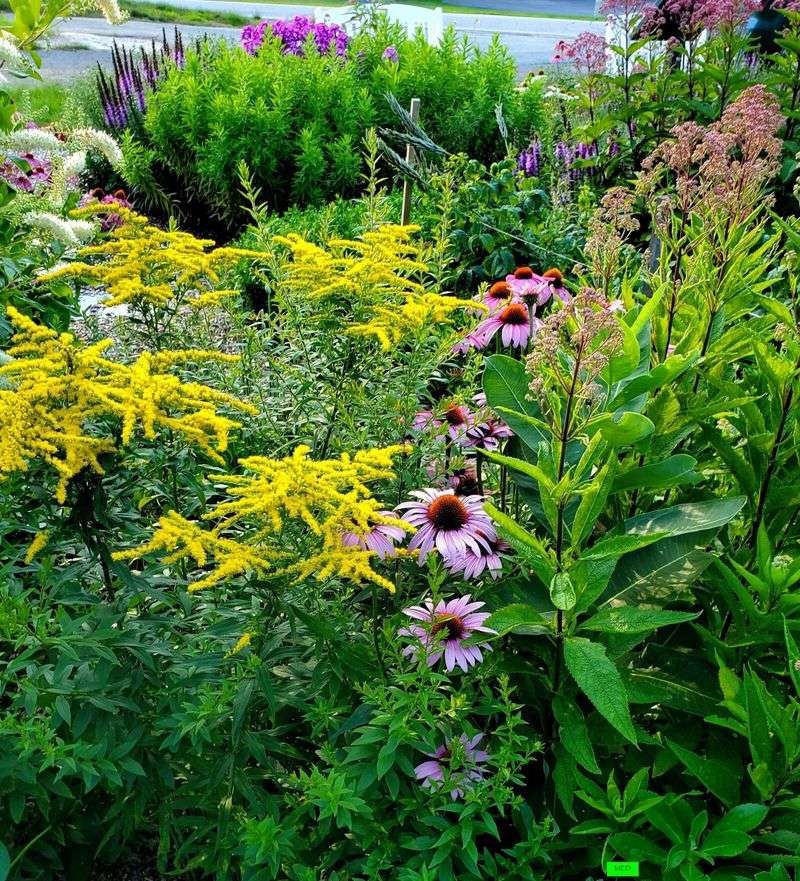
When’s the last time you saw a fundraising campaign featuring an endangered moss or wildflower? Probably never! Conservation efforts and funding overwhelmingly favor charismatic animals while plants struggle in obscurity. The truth is that many plant species receive zero protection despite their critical ecological roles. Only about 57% of federally listed endangered and threatened plant species have any recovery plan at all. This conservation bias has real consequences – plants receive less research attention, less habitat protection, and less public support despite forming the foundation of ecosystems that endangered animals depend on.
8. Native Plants: Nature’s Support System
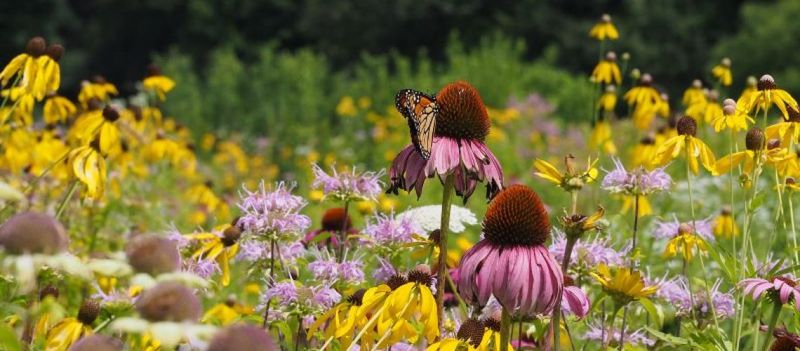
Native plants aren’t just pretty additions to the landscape – they’re the ecological foundation that wildlife depends on. Over 90% of insect herbivores can only eat plants they co-evolved with, not ornamental imports from other continents. A single native oak tree supports over 500 species of caterpillars, which in turn feed birds and other wildlife. Native berries provide precisely timed nutrition for migrating birds. Even dead plant material creates specialized habitats. When we replace native plant communities with lawns and non-native ornamentals, we’re essentially creating ecological food deserts for wildlife that has evolved to depend on specific native plant relationships.
9. Your Yard: A Lifesaving Refuge
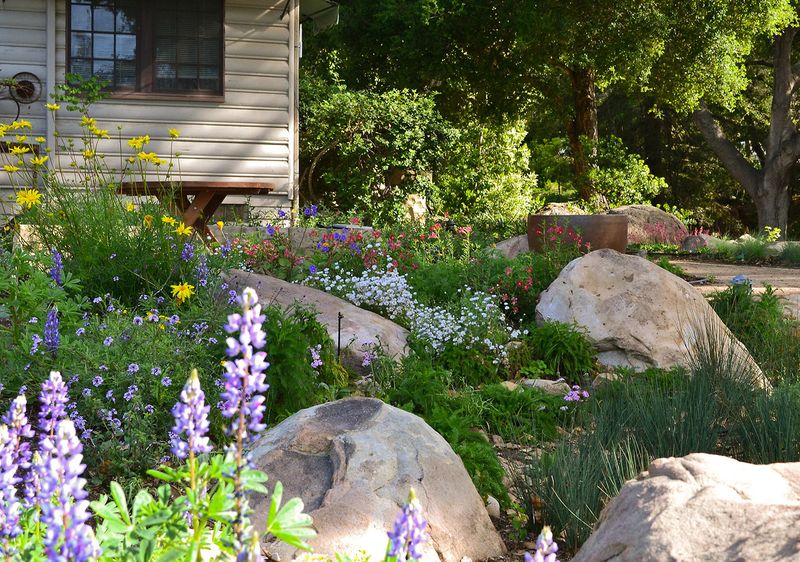
Your garden isn’t just a pretty space – it’s potentially powerful habitat! By transforming even a small portion of your yard into native plant gardens, you create crucial “stepping stones” that connect fragmented natural areas. Native plant gardens require less water, fertilizer, and maintenance than conventional landscapes once established. They provide food and shelter for birds, butterflies, and beneficial insects year-round. Even apartment dwellers can join in with native plant containers on balconies or windowsills. The collective impact of thousands of home gardens adds up to significant habitat restoration across entire regions.
10. Becoming Part of the Plant Protection Solution
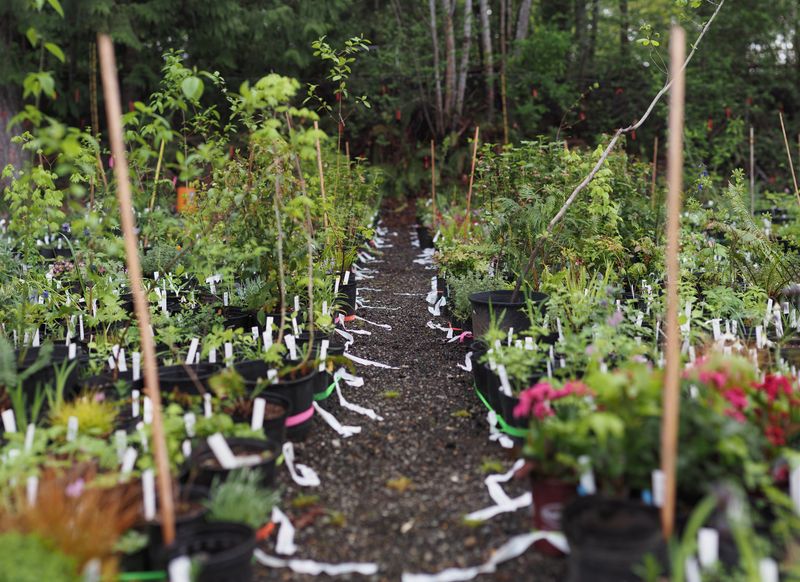
Saving native plants doesn’t require special training or huge time commitments – just thoughtful choices. Start by learning which plants are native to your specific region, not just your country or state. Local native plant societies offer invaluable guidance tailored to your area’s unique growing conditions. Replace invasive ornamentals in your landscape with native alternatives that offer similar aesthetics. Shop at nurseries that ethically propagate natives rather than wild-collecting rare species. Share extra native plants with neighbors, volunteer for habitat restoration projects, and advocate for native landscaping in public spaces and new developments.