 Complete Gardening

Gardening is a rewarding hobby that connects us with nature while offering numerous benefits and challenges. From boosting mental health to improving sustainability, the advantages are plentiful.
However, the challenges like pests and unpredictable weather can be daunting. Let’s explore both the bright benefits and not-so-great challenges of gardening in this detailed guide.
1. Stress Relief

Gardening is more than just a pastime; it’s a balm for the soul. Spending time amidst nature helps reduce cortisol levels, the hormone linked with stress. Imagine the gentle rustle of leaves and the earthy scent of soil working together to calm your mind.
These moments foster mindfulness, allowing you to focus on the present. Engaging with plants offers a sense of accomplishment and peace, making it an excellent way to unwind from daily pressures.
So, whether you’re tending to roses or tomatoes, remember, you’re also nurturing your inner peace.
2. Physical Exercise
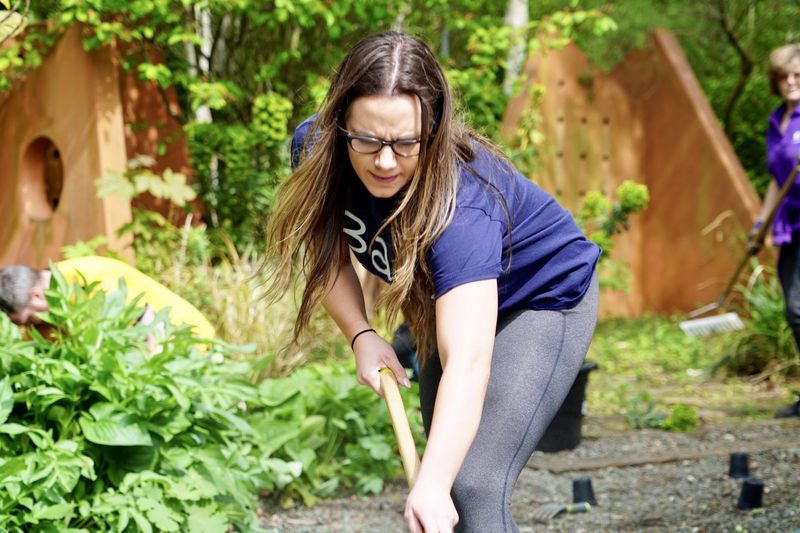
Gardening is not only good for the mind but also for the body. Think of it as a full-body workout without the gym membership. Tasks like digging, planting, and weeding engage various muscle groups, enhancing both flexibility and strength.
As you squat to plant seeds or reach to prune leaves, your body’s coordination improves. This physical activity burns calories and strengthens your heart.
So, next time you’re lifting a watering can, remember it’s not just the plants benefiting. Your body’s reaping rewards too, all while enjoying the fresh air and sunshine.
3. Fresh, Healthy Food
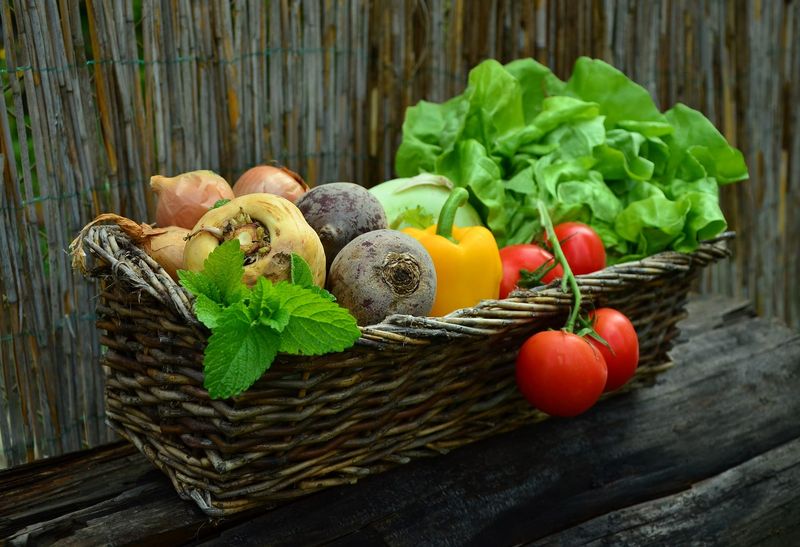
Imagine plucking a ripe tomato from your garden and biting into its juicy freshness. Gardening allows you to grow nutrient-dense, pesticide-free produce right at home.
This means fresher, healthier food on your plate, reducing the need for store-bought vegetables. Plus, the taste of homegrown fruits and vegetables tends to be superior, with more flavor and nutrients.
Additionally, growing your own food provides a sense of satisfaction and connection to your meals. It’s an empowering way to ensure your family enjoys organic, wholesome food every day, straight from your backyard.
4. Boosts Mental Health
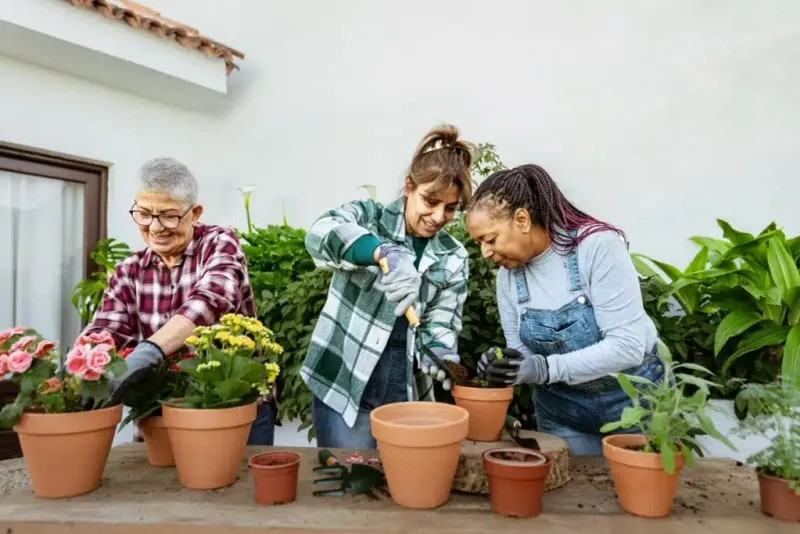
Gardening is a natural mood booster. Exposure to sunlight increases serotonin and dopamine, the feel-good hormones. Imagine the joy of witnessing seeds you planted grow into beautiful blooms or lush greens.
These experiences can combat depression and anxiety, offering a sense of purpose and achievement. Working with plants also provides a break from digital screens, encouraging mindfulness and relaxation.
Engaging with nature offers a therapeutic escape, promoting mental clarity and happiness. So, whether you’re planting seeds or pulling weeds, remember, you’re also nurturing your mental health.
5. Enhances Biodiversity
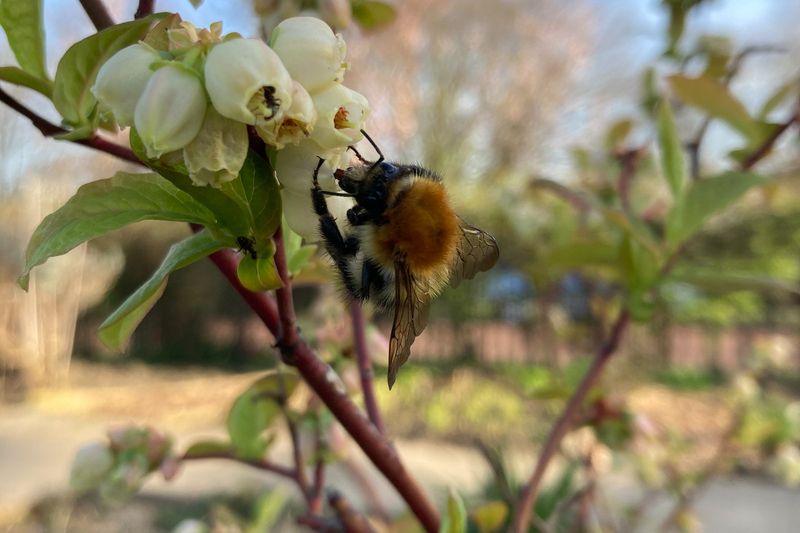
Gardens are thriving ecosystems. By planting a variety of flowers, vegetables, and herbs, you invite pollinators like bees, butterflies, and birds into your space. These creatures play a vital role in maintaining biodiversity, helping plants reproduce.
This not only supports local ecosystems but also ensures your garden flourishes. The buzz of bees and flutter of butterfly wings add life and vibrancy. Gardens also provide habitats for other beneficial insects and animals, creating a balanced ecosystem.
So, each plant you cultivate contributes to a healthier planet, enhancing biodiversity with every bloom.
6. Encourages Sustainability
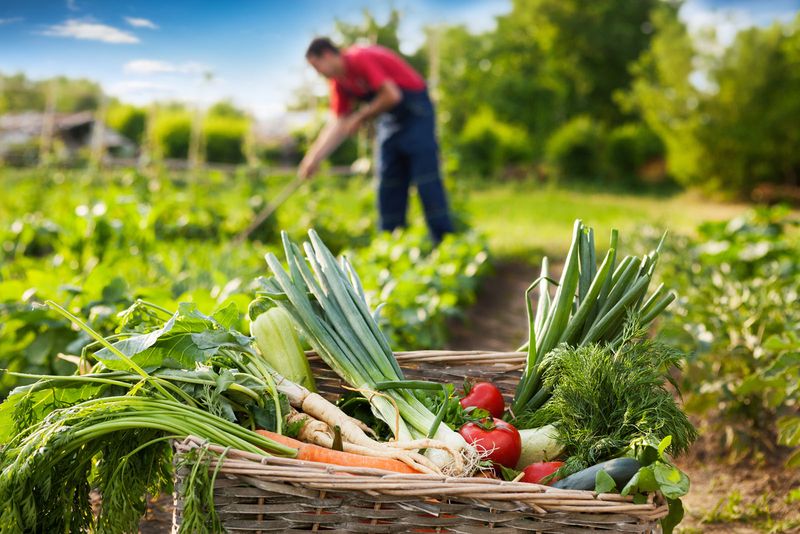
Gardening is a step towards sustainable living. By growing your own food, you reduce the carbon footprint associated with transporting produce. Imagine a garden where food waste is composted, turning scraps into nutrient-rich soil.
Employing techniques like rainwater harvesting and organic pest control further reduces environmental impact. These practices promote sustainability, ensuring resources are conserved for future generations.
Plus, gardening encourages awareness about ecological footprints. Each time you plant a seed or harvest a vegetable, you contribute to a greener planet, making gardening a powerful tool in combating climate change.
7. Promotes Creativity
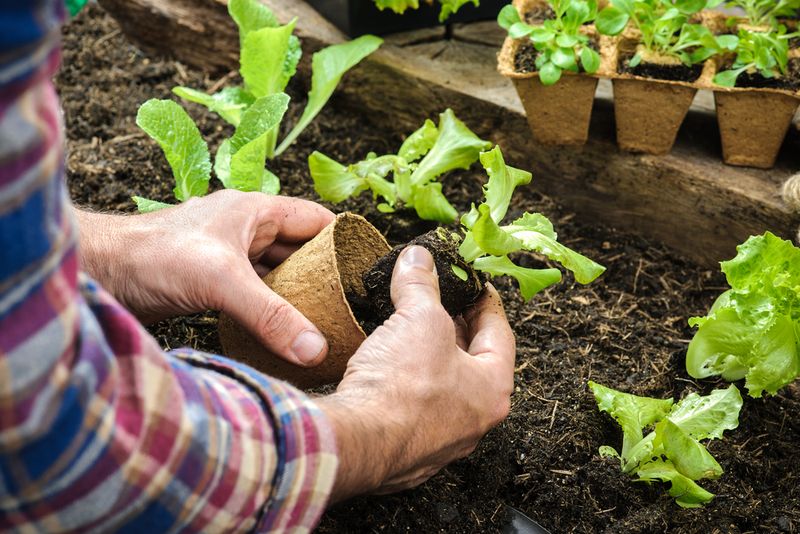
Gardening is an art form. Designing a garden layout or experimenting with color combinations sparks creative thinking. Picture a blank canvas transformed into a vibrant tapestry of colors and textures.
Each plant is a brushstroke, each flower a splash of color. This creative process is both satisfying and stimulating, offering a sense of accomplishment. Whether you’re planning a vegetable garden or a flower bed, the possibilities are endless.
Gardening encourages innovation, allowing you to express your personality through nature. So, dig in and let your creativity blossom, shaping your garden masterpiece.
8. Strengthens Immune System
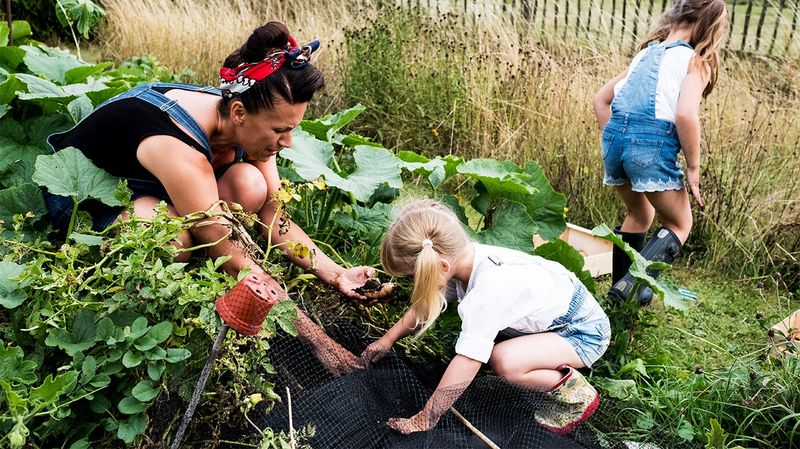
Believe it or not, getting your hands dirty in the garden can boost your immune system. Soil contains beneficial microbes like Mycobacterium vaccae, which can enhance your body’s defense mechanisms.
Picture a child playing in the dirt, absorbing these natural immune-boosters. Exposure to these microbes helps your immune system become more efficient.
Additionally, sunlight exposure while gardening increases vitamin D levels, essential for immune health. So, each time you dig, plant, and nurture, remember you’re not only growing plants but also fortifying your body’s natural defenses.
9. Increases Property Value

A beautiful garden can significantly boost your home’s curb appeal. Imagine a house surrounded by lush greenery and vibrant blooms. This not only makes your property more attractive but can also increase its market value.
A well-maintained garden conveys care and attention, appealing to potential buyers. It’s an investment that pays off, offering aesthetic and financial rewards.
Moreover, a garden provides a welcoming atmosphere, making your home stand out in the neighborhood. So, every time you plant a flower or trim a hedge, you’re enhancing your property’s charm and value.
10. Great Family or Solo Activity

Gardening is a versatile hobby that can be enjoyed alone or with family. Picture a family bonding over planting seeds or a solo gardener finding solace among flowers. It’s an activity that transcends ages, offering enjoyment and learning for everyone.
Whether it’s teaching children about nature or finding personal peace, gardening caters to varied interests. It encourages teamwork and patience, fostering strong family ties. For individuals, it’s a meditative practice, offering quiet reflection.
So, grab your gloves and immerse in this enriching pastime, whether you seek companionship or solitude.
1. Pests and Diseases

Gardening isn’t always smooth sailing. Pests like aphids and slugs can wreak havoc on your plants. Imagine the frustration of finding leaves riddled with holes or plants wilting from disease.
These invaders are relentless, challenging your patience and persistence. Organic pest control methods can help, but require constant vigilance. Diseases can spread quickly, impacting plant health and yield.
Dealing with these issues requires knowledge and resilience. So, while gardening offers many joys, it also demands dedication and problem-solving skills to overcome these common challenges.
2. Unpredictable Weather
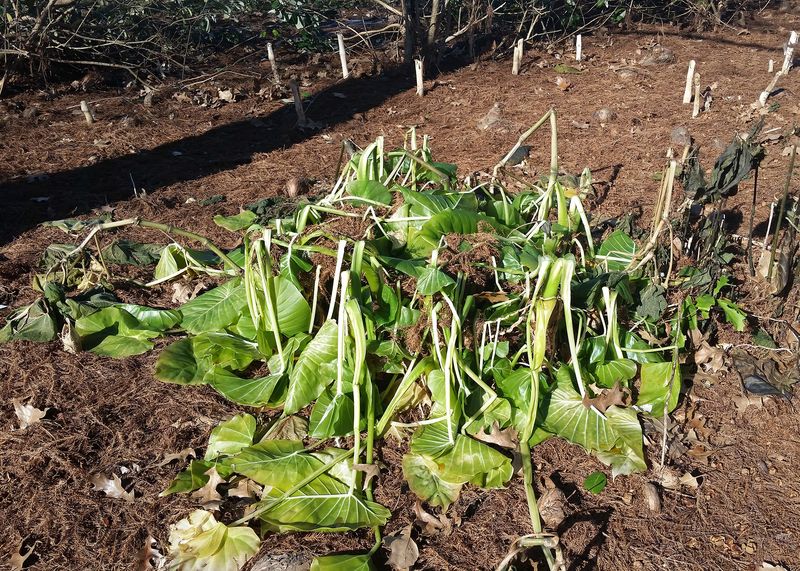
Weather, the great gardener’s gamble! Imagine nurturing your plants only to have them wiped out by a sudden frost or heatwave. Gardening binds you to the whims of nature, teaching resilience.
Each season brings its own set of challenges, from unexpected rains to scorching sun. These conditions can undo weeks of hard work overnight. Preparing for weather variability is key, requiring quick thinking and adaptability.
Protective measures like covers and mulches can help mitigate damage. Despite these hurdles, the unpredictability of weather adds an element of suspense to gardening.
3. Time-Consuming
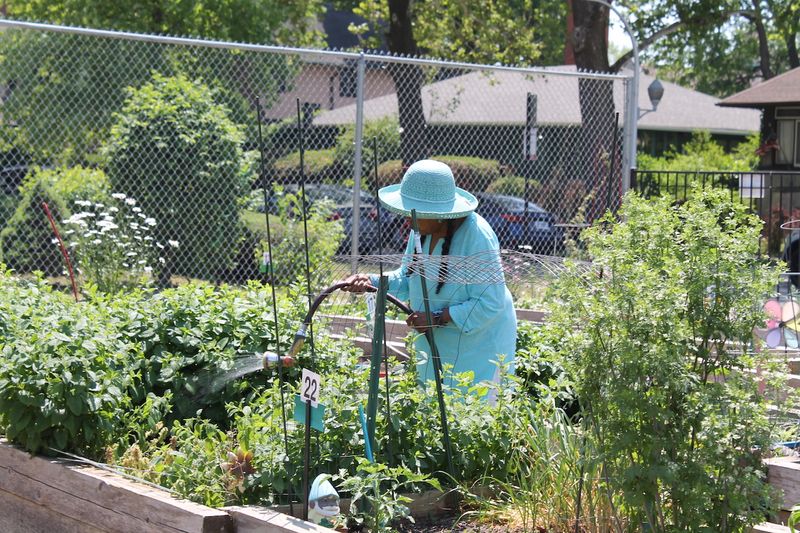
Gardening is a labor of love that demands time and patience. Imagine dedicating hours to watering, weeding, and nurturing your plants. This routine can become a significant commitment, especially for larger gardens.
It’s a rewarding process, but one that requires consistent attention and effort. The time invested yields beauty and bounty, yet it can be overwhelming. Finding a balance between daily duties and garden maintenance is crucial.
Despite the demands, gardening offers an escape from the hustle, turning time spent into cherished moments of peace and satisfaction.
4. Physical Strain

Gardening, while healthy, can be physically demanding. Imagine the toll on your body from constant bending, lifting, and repetitive motions. These actions can lead to back pain or joint issues if not done carefully.
Ergonomic tools and proper techniques help reduce strain, but awareness is crucial. Maintaining good posture and taking breaks are essential to prevent injuries. Stretching before and after gardening can alleviate discomfort.
Despite these challenges, the physical aspects of gardening keep you active and engaged. It’s a balance of labor and leisure, rewarding both body and spirit.
5. Cost of Supplies
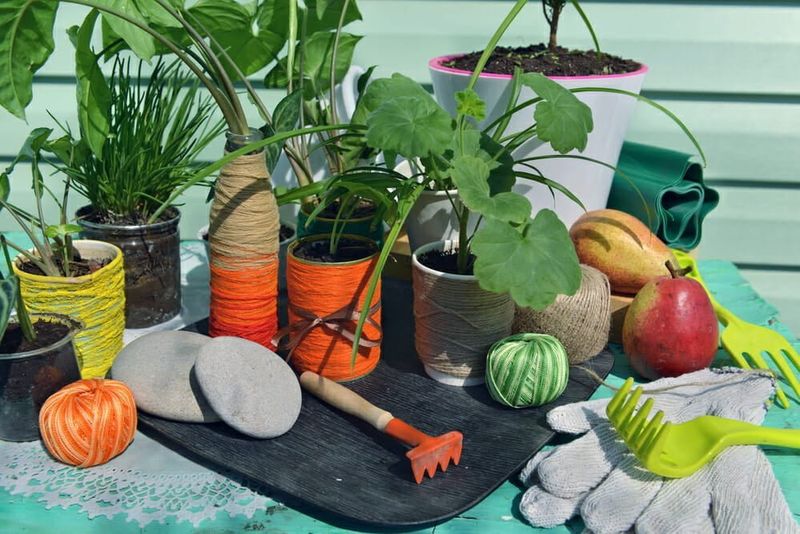
Gardening can be an expensive hobby. Picture a gardener surrounded by seeds, tools, and soil amendments, contemplating the costs. While seeds are often affordable, the expenses quickly add up with specialized tools, fertilizers, and pest control solutions.
Budgeting becomes essential to manage these costs. However, investing in quality supplies can enhance your gardening experience, making it more enjoyable and productive.
Finding cost-effective solutions, like DIY compost or tool sharing, can help alleviate the financial burden. Despite the expenses, the joy and satisfaction from gardening make it worthwhile.
6. Seasonal Limitations
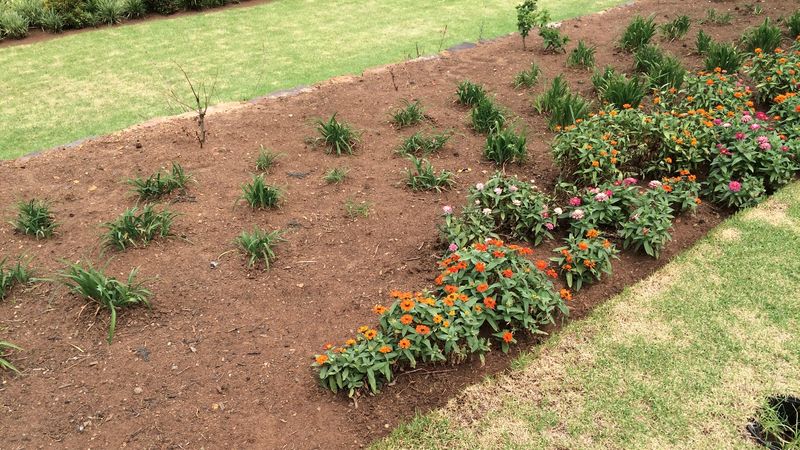
Gardening is at the mercy of the seasons. Imagine a garden flourishing in spring but lying dormant in winter. These cycles dictate planting and harvesting times, affecting what you can grow and when.
Unless you have a greenhouse, your gardening efforts are often restricted by your region’s climate. Each season brings unique challenges, requiring adaptation and planning.
From frost protection in winter to irrigation in summer, overcoming these limitations demands creativity. Despite these constraints, seasonal changes add rhythm and diversity to gardening, keeping the experience dynamic and rewarding.
7. Inconsistent Results
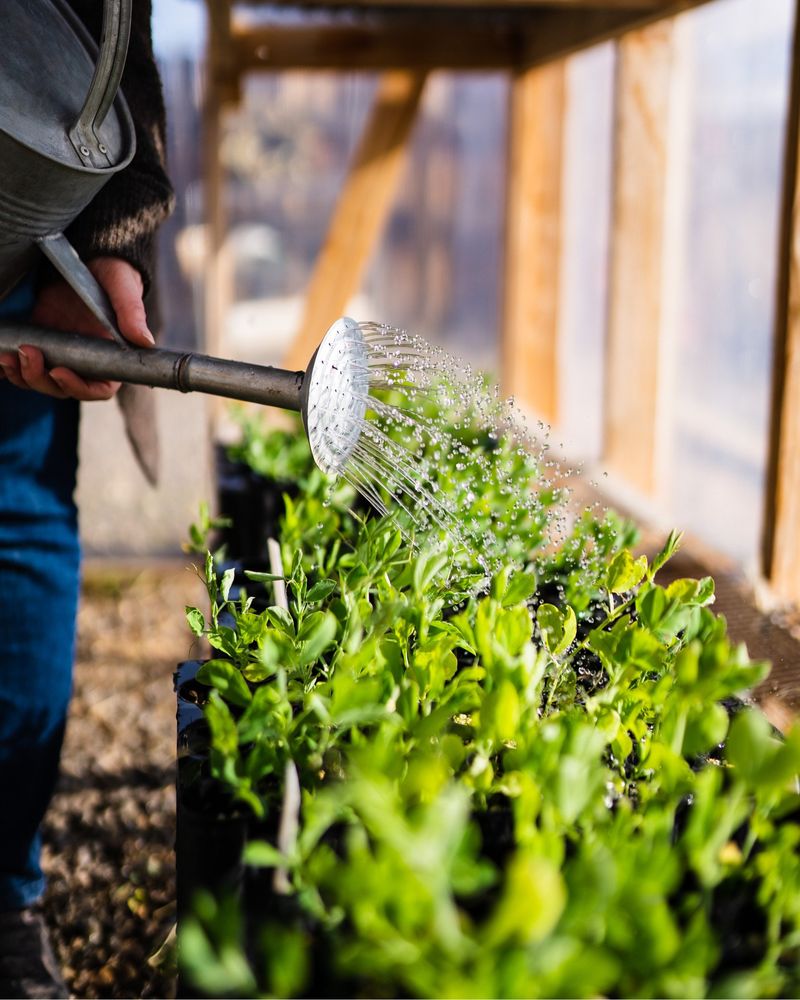
Gardening is full of surprises. Imagine doing everything right, yet some plants thrive while others fail. This inconsistency can be puzzling and discouraging. Factors like soil quality, pests, and weather contribute to these unpredictable outcomes.
Patience and experimentation become essential tools for success. Keeping a gardening journal can help track variables and improve results over time. Accepting that not every plant will succeed is part of the learning process.
Despite the disappointments, each trial offers valuable lessons and insights, making gardening an ongoing journey of discovery and growth.
8. Water Usage
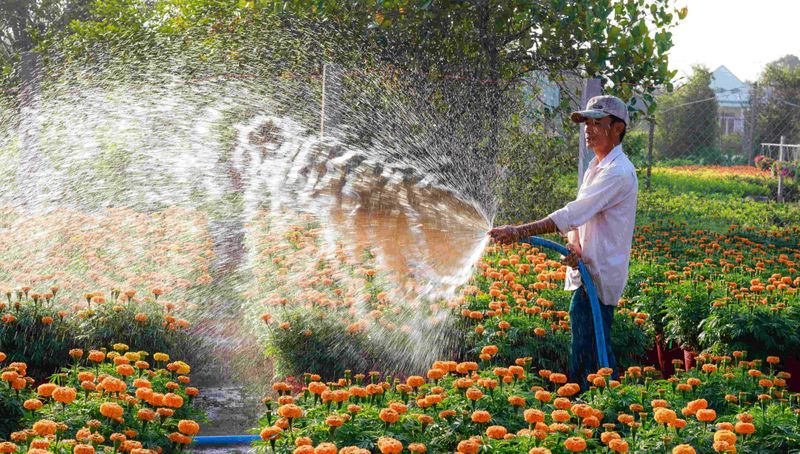
Water is a precious resource in gardening. Imagine the challenge of maintaining a lush garden while conserving water, especially in drought-prone areas.
Responsible water usage becomes crucial, requiring innovative solutions like drip irrigation and rainwater harvesting. These methods help reduce water waste and promote sustainability. Balancing plant needs with environmental responsibility is key.
Mulching and selecting drought-resistant plants can further optimize water usage. Despite these challenges, mindful water management ensures your garden remains vibrant while respecting the planet’s resources.
9. Weeds, Weeds, Weeds
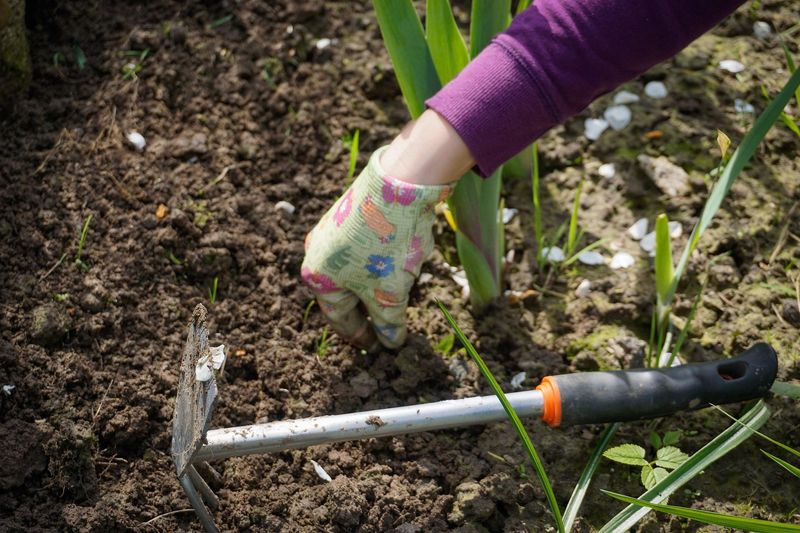
Weeds, the gardener’s persistent adversary! Imagine a flourishing garden plagued by unwanted intruders. No matter how many you pull, they seem to return stronger. Weeding becomes a constant battle, requiring vigilance and persistence.
Employing natural weed control methods, like mulching and hand-pulling, can help manage these invaders. However, it’s an ongoing challenge that tests patience and dedication. Despite their nuisance, weeds are a reminder of nature’s resilience.
They push gardeners to be proactive and innovative, turning this challenge into a test of will and creativity.
10. Garden Envy
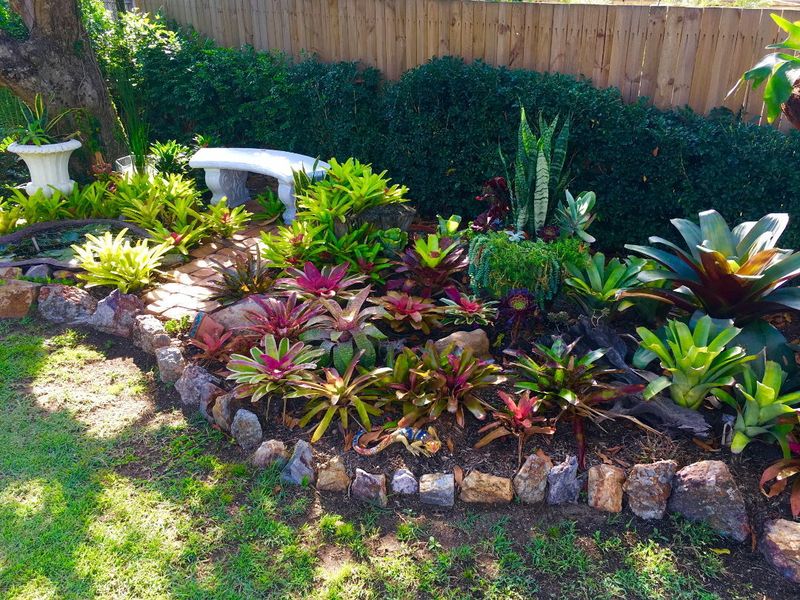
Comparing your garden to others can lead to feelings of envy and discouragement. Imagine scrolling through pictures of lush, perfect gardens while evaluating your own patch.
This comparison can be demotivating, making you doubt your gardening skills. However, it can also inspire improvement and innovation. Embracing your garden’s uniqueness and focusing on personal progress helps overcome envy.
Remember, every garden reflects its gardener’s journey. Celebrate small victories and enjoy the process of creating your own green haven. Ultimately, it’s about the joy of gardening, not competition.