 Complete Gardening
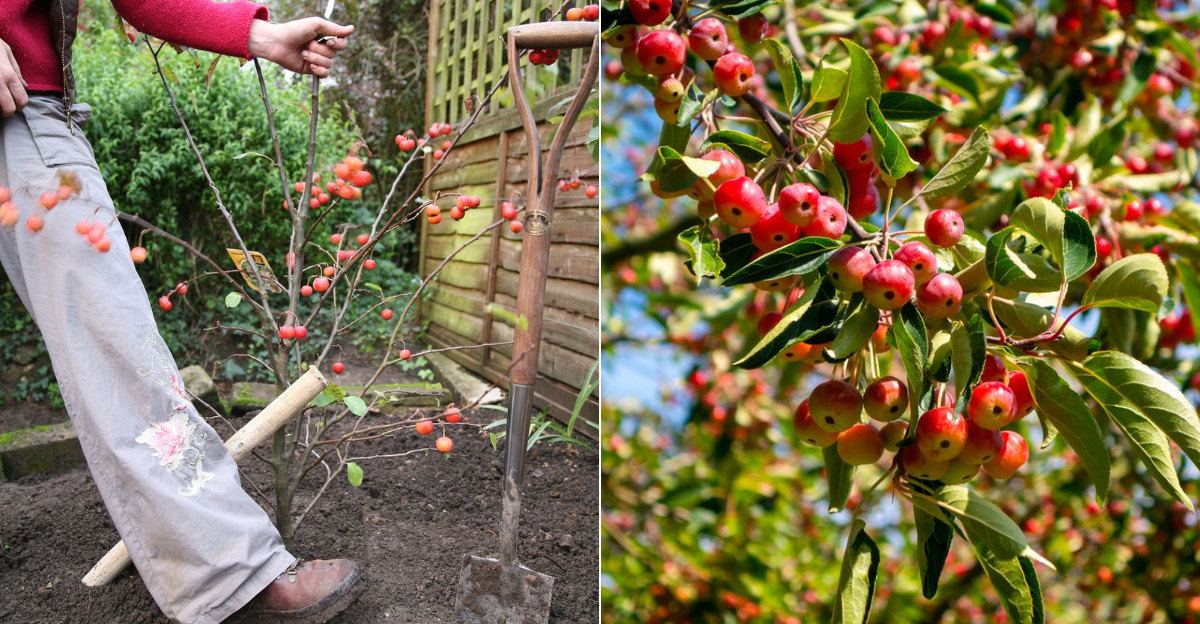
Caring for a crabapple tree requires a delicate balance of attention and understanding. These charming trees, with their vibrant blossoms and colorful fruits, can be a stunning addition to any garden.
However, common mistakes can quickly turn your delightful tree into a source of frustration. By learning about these errors, you’ll be better equipped to nurture a healthy, thriving crabapple tree that enhances your landscape for years to come.
1. Planting in Poorly Drained Soil
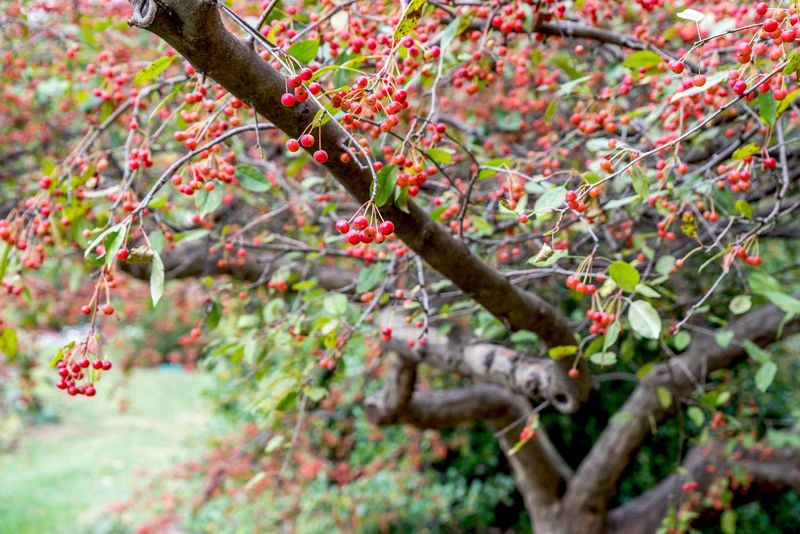
Crabapples dislike soggy feet. Roots suffocate in poorly drained soil, leading to root rot. A tree sitting in waterlogged conditions can look distressed, with leaves turning yellow and growth stunted. Imagine the discomfort of wet socks that never dry; that’s what your crabapple feels in such soil conditions.
Ensure the soil drains well by amending with organic matter or planting on a slight mound. The goal is to create an environment where excess water flows away, leaving just the right amount for the roots to thrive. Your tree will thank you with healthy foliage and vibrant blooms.
2. Choosing the Wrong Variety for Your Climate
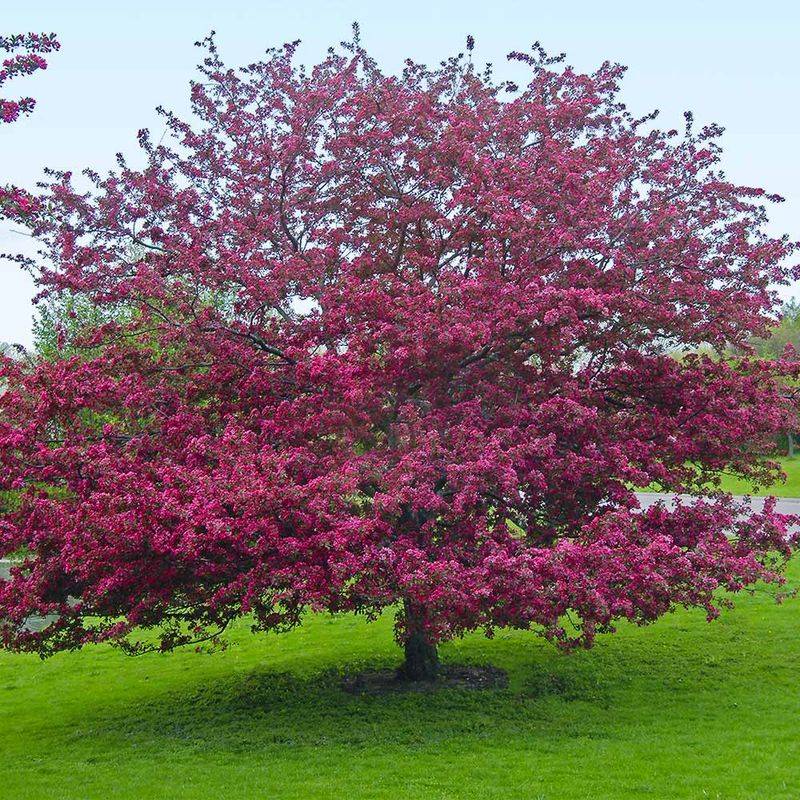
Not all crabapples thrive everywhere. Picking the wrong variety for your zone is like wearing a wool coat in summer—uncomfortable and unsustainable. Some crabapples need cold winters, while others bask in milder climates.
Research is your best friend here. Find a variety adapted to your local conditions to ensure success. Consider factors like temperature extremes and seasonal rainfall. Your efforts in choosing wisely will be rewarded with a robust tree that weathers your climate’s quirks with ease.
3. Overwatering or Underwatering
Watering can be tricky. Too much, and the roots drown; too little, and they parch. Imagine quenching your thirst with a flood or a mere sip. Consistency is key here.
Newly planted crabapples crave regular moisture, but mature trees need a balance. Water deeply and infrequently, allowing the soil to dry slightly between sessions. This encourages deep root growth and resilience during dry spells. The sight of even, lush foliage will be your reward for mastering this balance.
4. Skipping Pruning
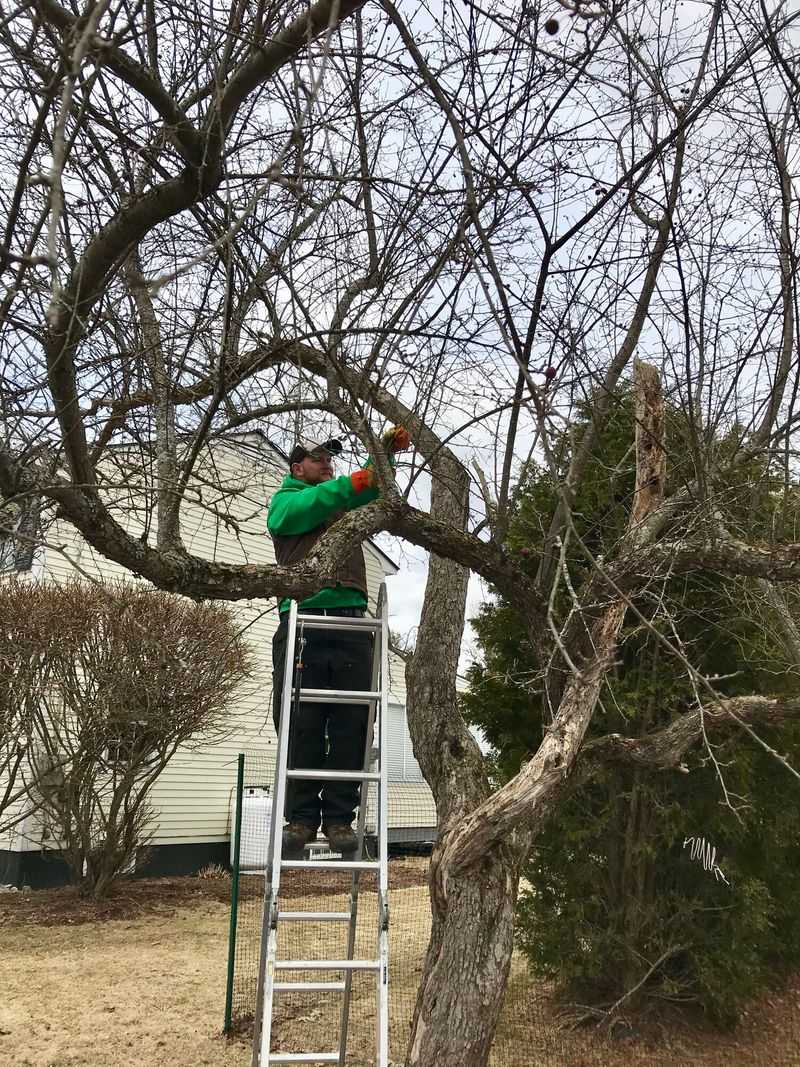
Neglecting to prune can turn your crabapple into a wild bush. Overgrown branches compete for sunlight, reducing air circulation and inviting disease. It’s like never cutting your hair, leading to tangles and split ends.
Regular pruning in late winter or early spring helps shape the tree, boosts flower production, and prevents disease. Aim to remove dead, damaged, or crossing branches. Your tree’s silhouette will stand gracefully, showcasing its blooms and fruits with minimal fuss.
5. Over-Pruning at the Wrong Time
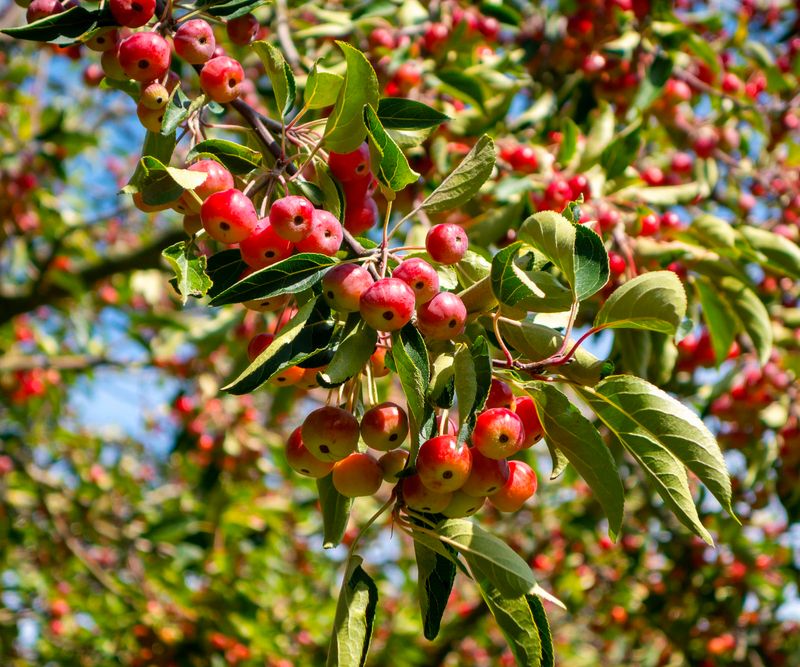
Timing matters in pruning. Over-pruning, especially in late summer or fall, can strip next year’s blooms. It’s like cutting your hair just before a big event, leaving your style lacking.
Prune judiciously in late winter or early spring when the tree is dormant. This timing fosters vigorous growth and abundant flowers without sacrificing the tree’s natural beauty. Respect the tree’s seasonal rhythm, and it will reward you with a cascade of springtime blossoms.
6. Ignoring Pests and Diseases
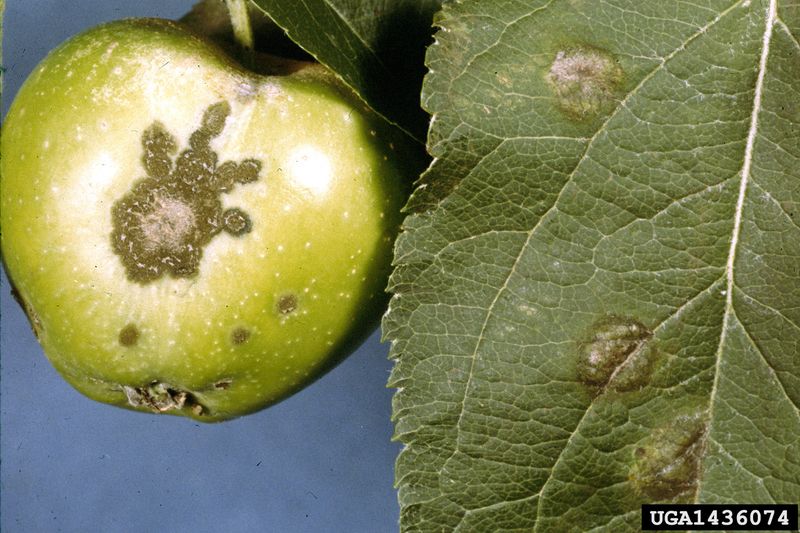
Crabapples are vulnerable to pests and diseases like apple scab and fire blight. Neglecting these issues can lead to a tree that’s more of a curse than a blessing. Think of it as a cold left unchecked, turning into a more severe ailment.
Regular monitoring and early intervention are crucial. Use appropriate treatments to combat pests and maintain tree health. A proactive approach ensures your crabapple remains a vibrant part of your landscape, free from the clutches of common afflictions.
7. Fertilizing Too Often or Incorrectly
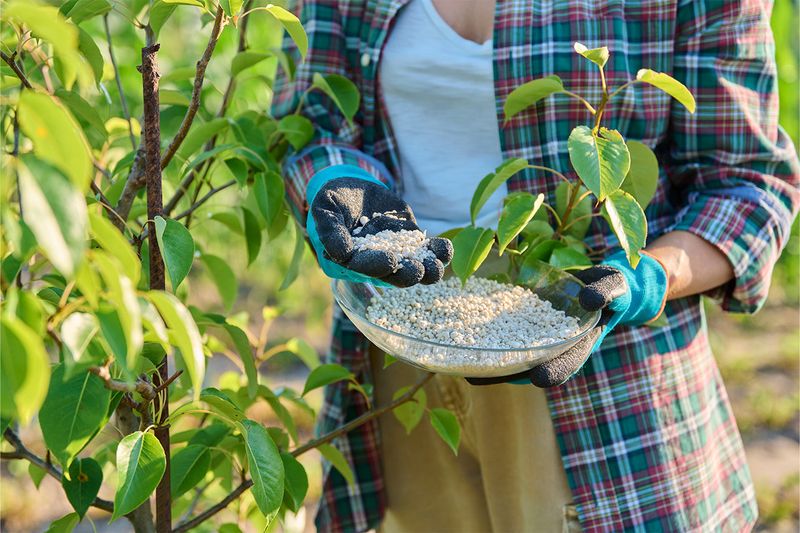
More is not always better with fertilization. Overdoing it, especially with nitrogen, results in leafy growth at the expense of flowers. It’s akin to overfeeding a pet, leading to unwanted weight but not health.
Understand your tree’s nutritional needs and fertilize appropriately. Typically, a balanced fertilizer applied in early spring suffices. Avoid late-season applications that can spur tender growth vulnerable to winter’s chill. Your tree’s balanced appearance will reflect your mindful approach.
8. Planting Too Close to Other Trees or Structures
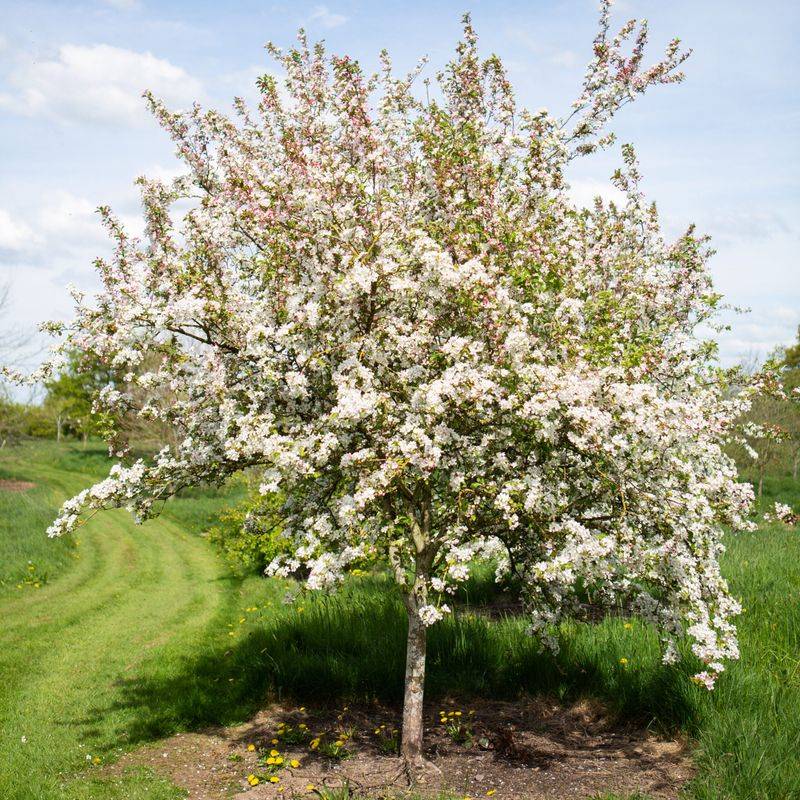
Space is vital for a crabapple’s health. Planting too close to others blocks sunlight and airflow, making the tree susceptible to disease. Imagine living in a cramped room; the lack of space is suffocating.
Ensure ample distance from buildings and other trees to allow for natural growth. Proper spacing means better air circulation and light penetration, crucial for a healthy tree. Your crabapple will stand proudly, unhindered by its surroundings.
9. Not Mulching (or Using the Wrong Mulch)
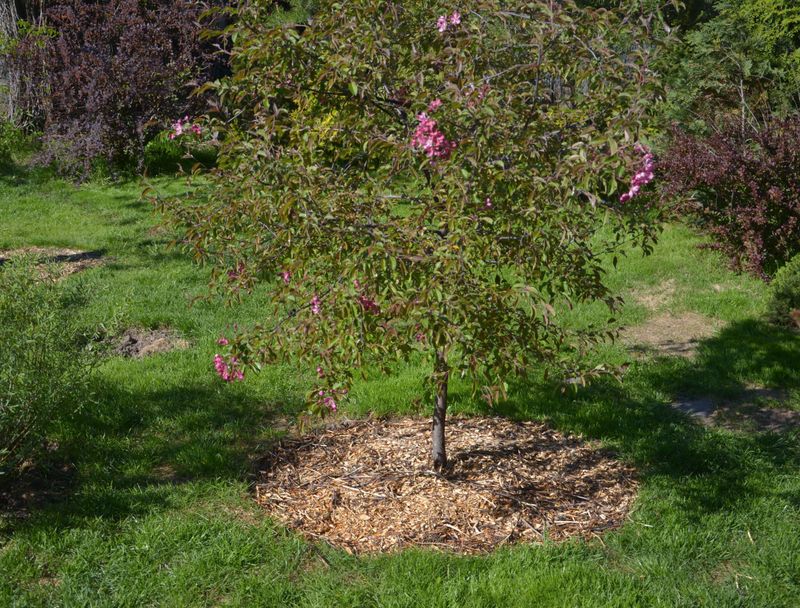
Mulch is a double-edged sword. While it preserves moisture and suppresses weeds, piling it against the trunk invites rot. It’s like wearing a sweater that’s too snug; comfort turns into a problem.
Apply mulch correctly, keeping it a few inches from the trunk. This practice prevents rot while providing the benefits of moisture retention. A well-mulched tree shows its gratitude with robust health and abundant growth.
10. Ignoring Soil pH
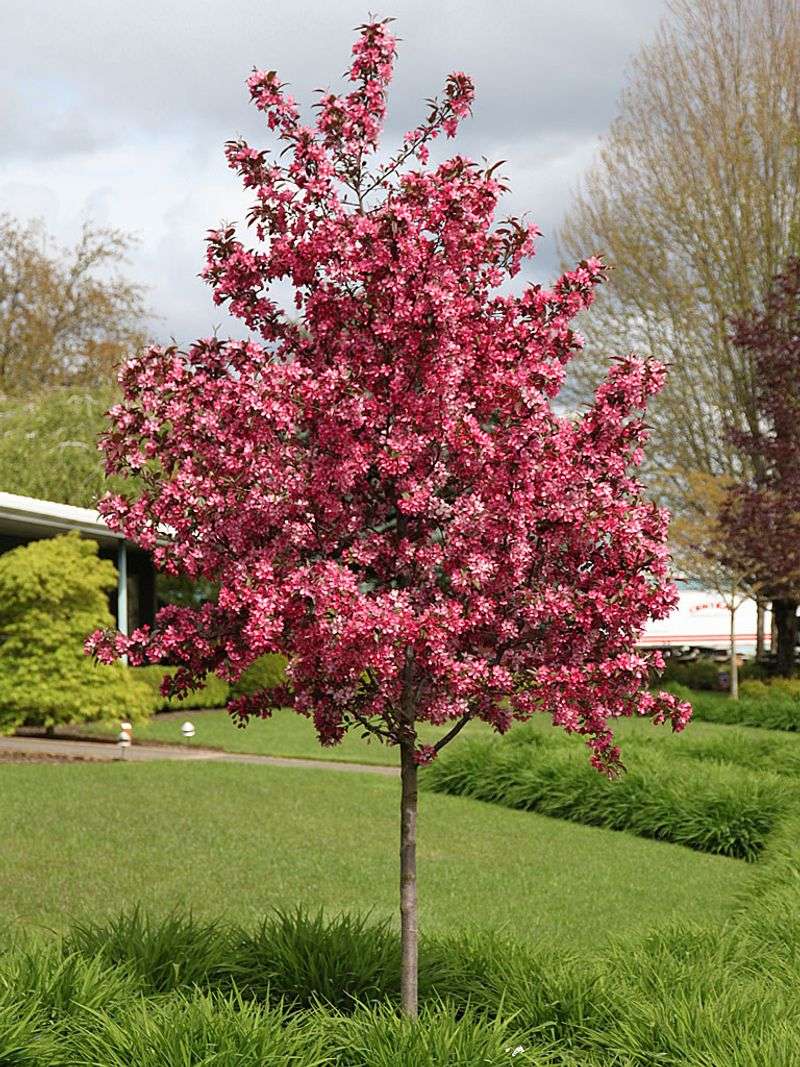
Soil pH affects nutrient uptake. Crabapples prefer slightly acidic to neutral conditions. An unsuitable pH is like eating a diet that doesn’t agree with you—nutrients aren’t absorbed effectively.
Test your soil and amend it if necessary. Lime can neutralize acidity, while sulfur lowers pH. Achieving the right balance ensures your tree accesses essential nutrients. The result is a tree that thrives, displaying vibrant leaves and blossoms.