 Complete Gardening
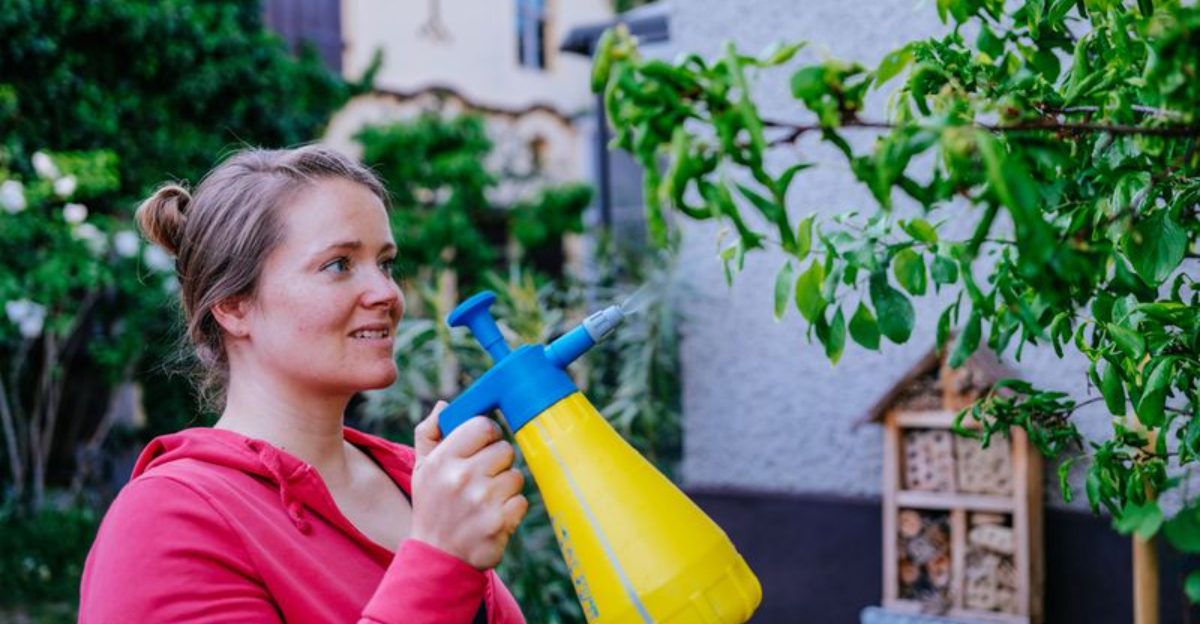
Starting a vegetable garden can be a rewarding endeavor, allowing you to enjoy fresh, home-grown produce. However, to cultivate success, it’s essential to follow key steps and avoid common pitfalls. In this guide, we’ll explore ten crucial steps to kickstart your gardening journey, along with five rookie mistakes to steer clear of. By understanding these elements, you’ll be well-equipped to grow a thriving vegetable garden that provides bountiful harvests. Let’s delve into the details of each step and mistake to ensure your gardening experience is both enjoyable and fruitful.
1. Choose the Perfect Spot
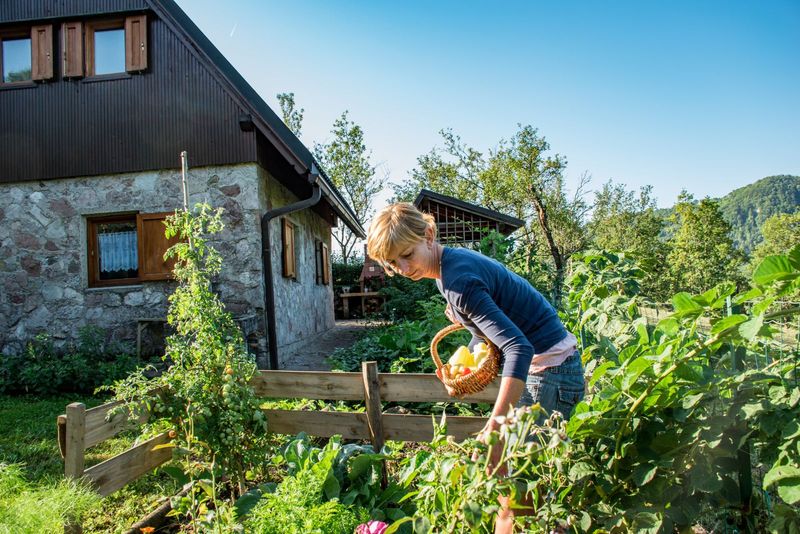
When starting a vegetable garden, the location is everything. Choose a spot that receives 6-8 hours of direct sunlight daily. This ensures your plants thrive, as most vegetables need ample sunlight. Additionally, consider access to water; being close to a hose or a water source will make watering convenient. Good drainage is equally important; avoid low spots where water tends to pool, as this can drown your plants. With these considerations, you’ll set the foundation for a healthy garden environment that supports robust and productive plants, making your gardening journey a pleasant adventure.
2. Test & Prep Your Soil
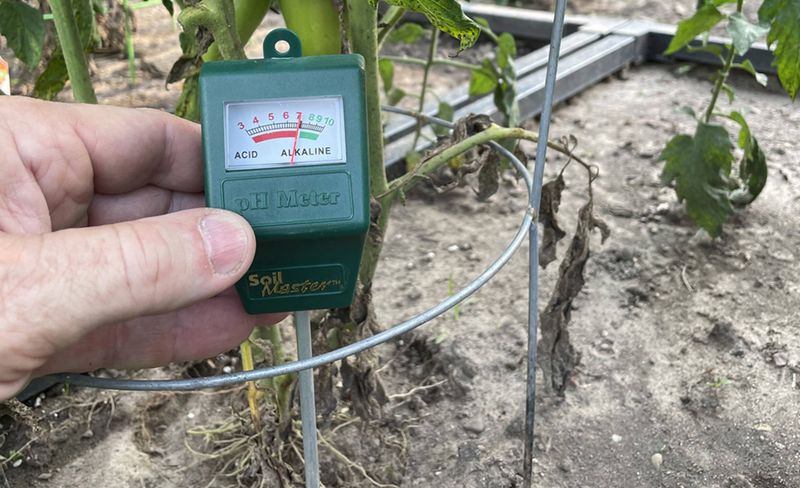
Healthy soil is the cornerstone of a thriving garden. Begin by testing your soil’s pH; an ideal range is between 6.0 and 7.0. You can find inexpensive kits at garden centers. Next, enrich your soil by mixing in compost or aged manure, providing essential nutrients for plant growth. Loosening the soil to a depth of 12 inches helps roots penetrate easily, promoting vigorous development. By carefully preparing your soil, you’ll create a nourishing environment where vegetables can flourish, ensuring a bountiful harvest. These steps lay the groundwork for a successful gardening experience.
3. Start Small (But Smart!)
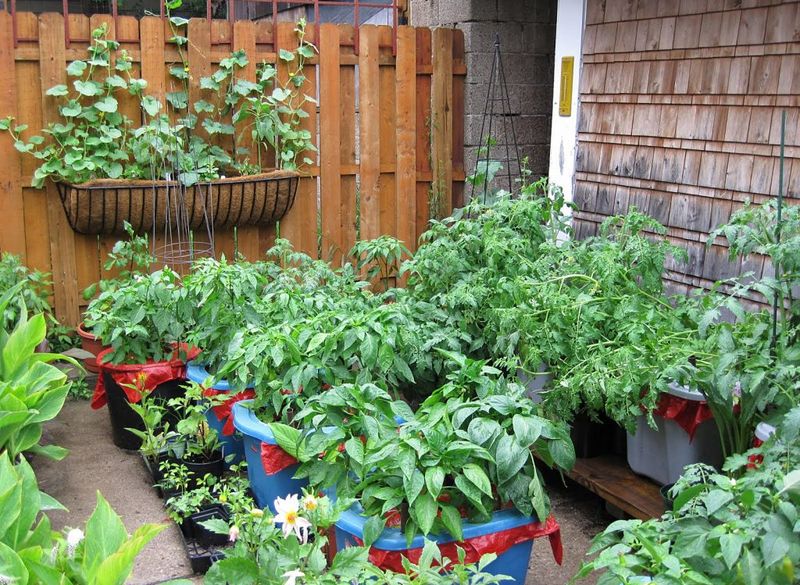
For those new to gardening, starting small is wise. Opt for 3-5 easy-to-grow crops, such as lettuce, tomatoes, or radishes, which are perfect for beginners. If your soil is less than ideal, consider using raised beds or containers to give plants a better start. This approach allows you to manage and nurture your garden without feeling overwhelmed. By focusing on a few crops, you can learn and enjoy the process more. A manageable garden fosters confidence, ensuring your first gardening venture is both educational and rewarding.
4. Pick the Right Plants for Your Zone
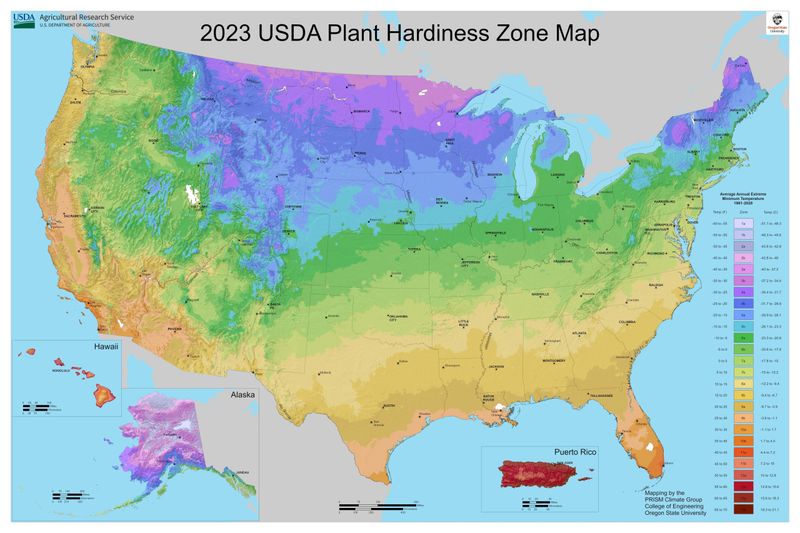
Selecting the right plants for your USDA Hardiness Zone is crucial for success. Knowing your zone helps you determine the best planting times for various vegetables. Beginner-friendly options include radishes, which mature in about 25 days, or cherry tomatoes, known for their reliability. Quick-growing and dependable crops are ideal for new gardeners, offering a sense of accomplishment. Explore different vegetables suited for your region to maximize growth potential. With the right choices, your garden will thrive, providing delicious produce that matches your locale’s climate and growing conditions.
5. Plant at the Right Time
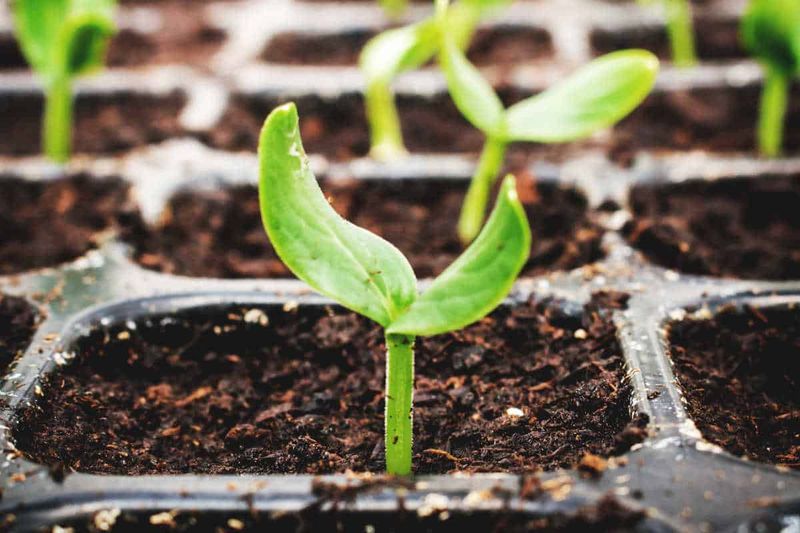
Timing is vital when planting a vegetable garden. Cool-season crops, such as peas, spinach, and kale, are best planted in spring or fall. Warm-season crops, like tomatoes and peppers, should be planted after the last frost. Understanding these timelines ensures your plants receive the right conditions to thrive. With careful planning, you’ll enjoy a continuous supply of fresh produce throughout the growing season. Aligning your planting schedule with seasonal changes allows you to harness the full potential of your garden, leading to a rewarding and productive harvest.
6. Water Like a Pro
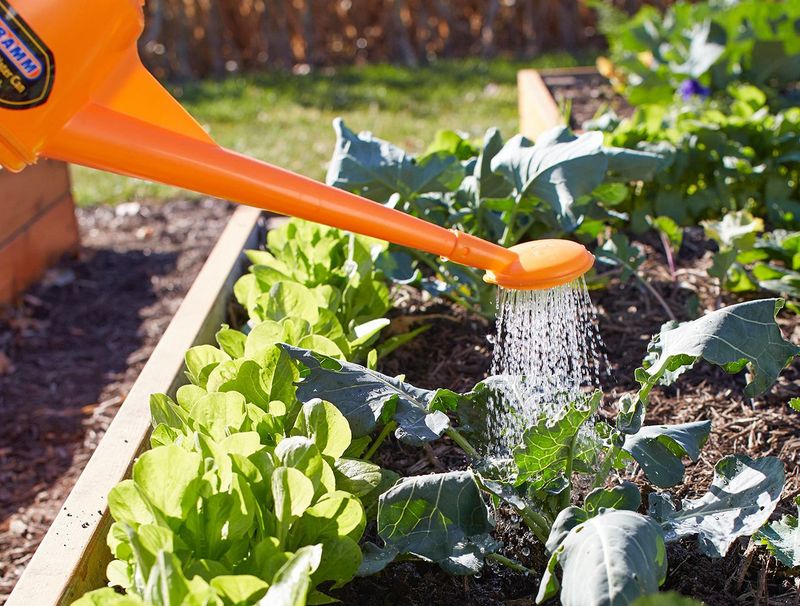
Mastering the art of watering is crucial for a healthy garden. Aim to provide 1-2 inches of water per week, adjusting for heat. Water deeply and infrequently to encourage strong root growth. Morning is the best time to water, as it reduces evaporation and minimizes disease risk. This regimen ensures plants receive consistent moisture without overwatering. A well-watered garden is more resilient and productive, yielding plentiful harvests. By understanding and implementing effective watering techniques, you’ll support your plants’ vitality and contribute to a flourishing garden environment.
7. Mulch to Save Work
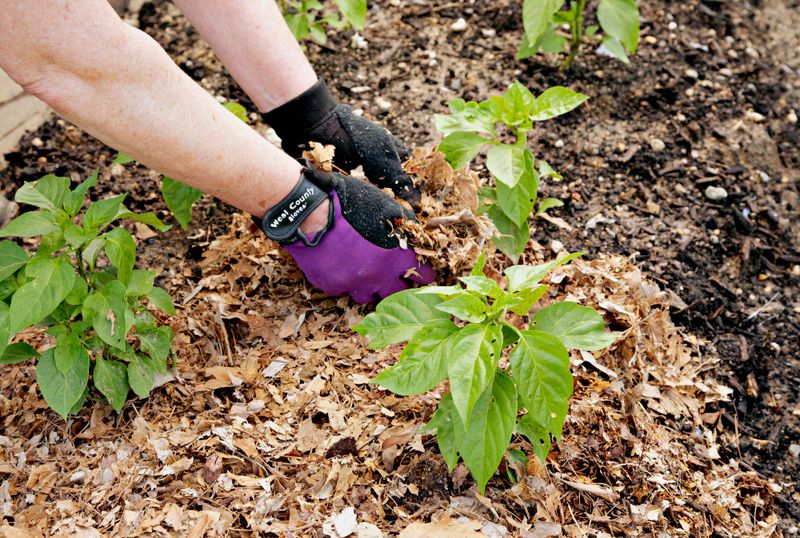
Mulching is a gardener’s best friend. Use materials like straw, leaves, or wood chips to cover soil, retaining moisture and suppressing weeds. This technique saves time and effort, as it reduces the need for frequent watering and weeding. A well-mulched garden is more sustainable and easier to maintain. By creating a protective barrier, mulch also moderates soil temperature, benefiting plant health. This simple yet effective practice enhances your garden’s productivity, making it a valuable addition to your gardening routine. Incorporate mulch to enjoy a more manageable and efficient garden.
8. Fertilize Wisely
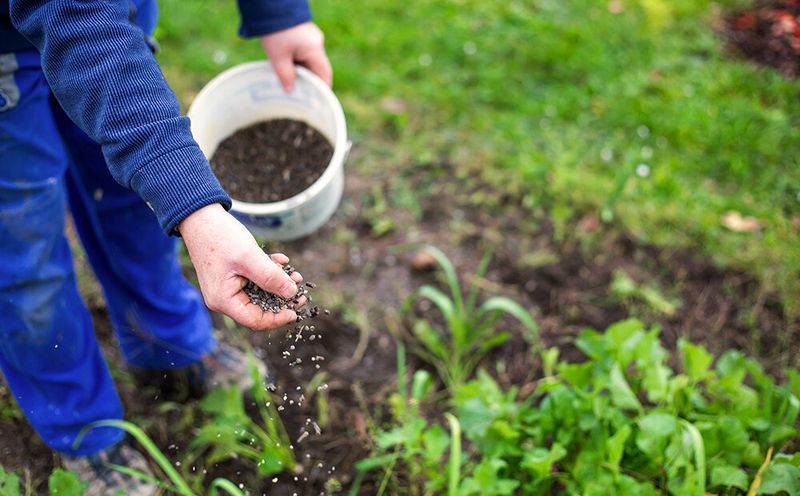
Nourishing your plants with the right fertilizers is key to robust growth. Opt for organic options, such as compost tea or fish emulsion, which provide essential nutrients. Follow package instructions carefully to avoid overfeeding, which can harm plants. Proper fertilization supports healthy development and maximizes yield. By understanding your plants’ nutritional needs, you create a thriving garden ecosystem. Balanced feeding ensures your vegetables grow strong and productive, offering a rewarding gardening experience. Make wise fertilization choices to enhance your garden’s vitality and success.
9. Pest Patrol
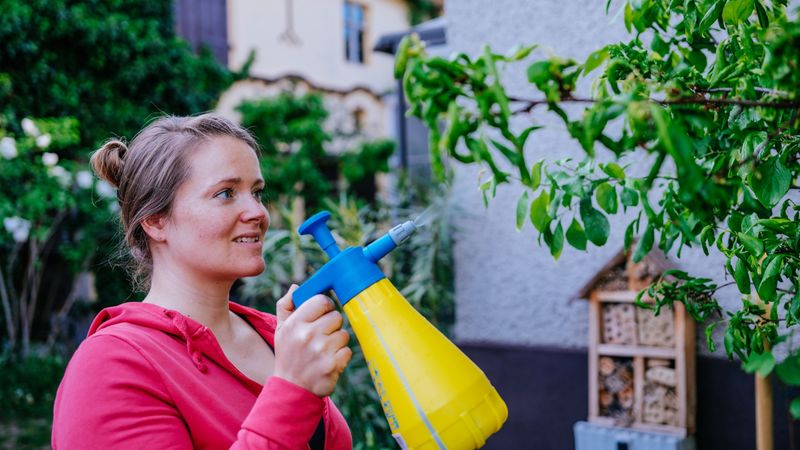
Managing pests is an essential part of gardening. Regularly inspect plants and remove bugs like tomato hornworms by hand. Employ row covers to shield crops from moths and beetles, offering a physical barrier against pests. Consistent monitoring and intervention prevent infestations from taking hold. By taking proactive measures, you protect your plants and ensure their health. A vigilant approach to pest control leads to a more productive garden, allowing you to enjoy abundant harvests. Stay alert and engaged with pest management to keep your garden thriving and resilient.
10. Harvest Often!
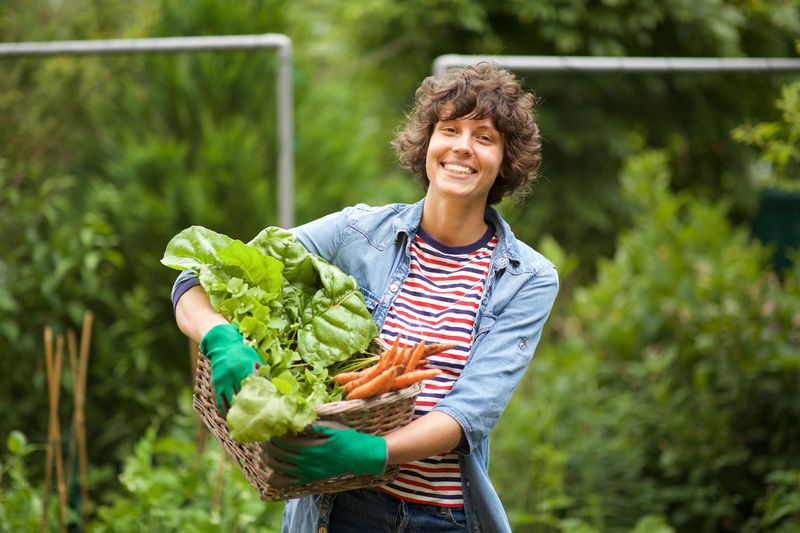
Frequent harvesting is vital for a thriving vegetable garden. Picking vegetables while they’re young enhances flavor and encourages more growth. Regularly harvesting keeps plants productive and prevents overripening. This practice ensures a continuous supply of fresh produce for your table. Enjoy the fruits of your labor by staying actively involved in your garden. By reaping the rewards of your efforts, you’ll find gardening more fulfilling and rewarding. Your garden thrives on attentive care, and regular harvesting is a simple yet effective way to maintain its productivity and vitality.
1. Planting Too Much Too Soon
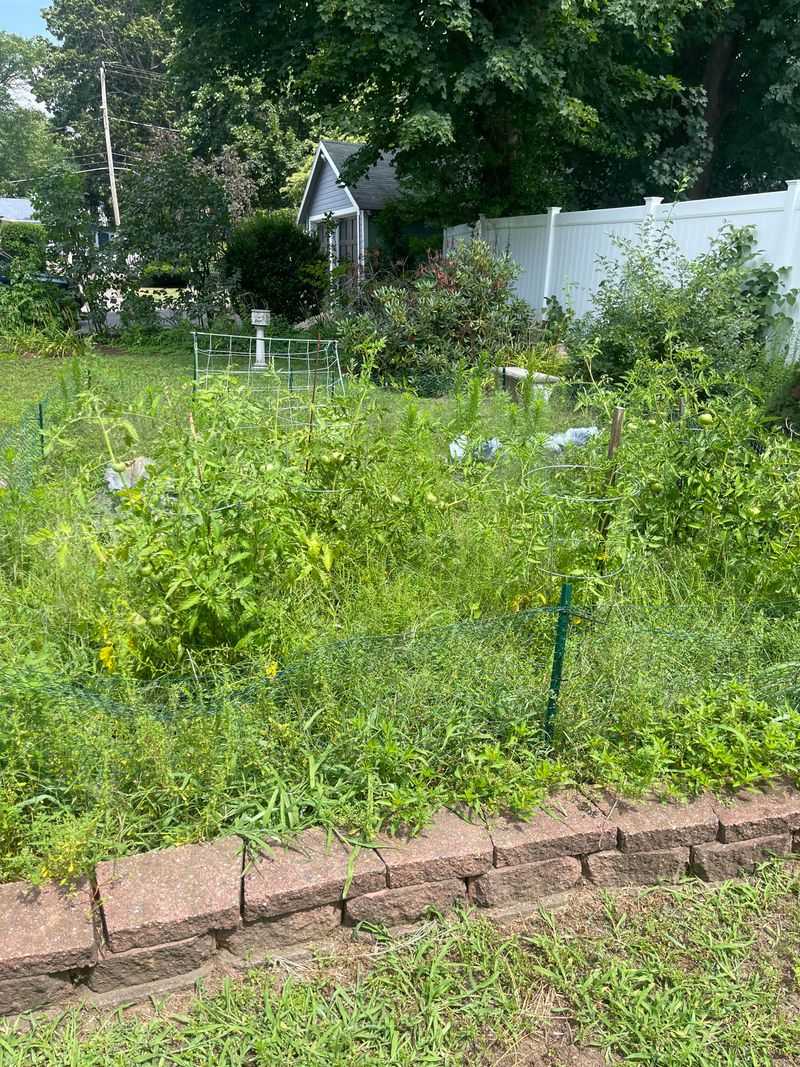
One common mistake is planting too much too soon. A large garden can quickly become overwhelming, leading to neglect. To avoid this, start with a 4’x4′ plot or a few containers. A manageable size allows for better care and focus on each plant. By scaling appropriately, you ensure a more enjoyable gardening experience. This approach reduces stress and increases success. Managing a smaller garden fosters learning and satisfaction, paving the way for future expansion. Avoid the temptation to overextend, and your gardening journey will be more pleasurable and productive.
2. Ignoring Soil Health
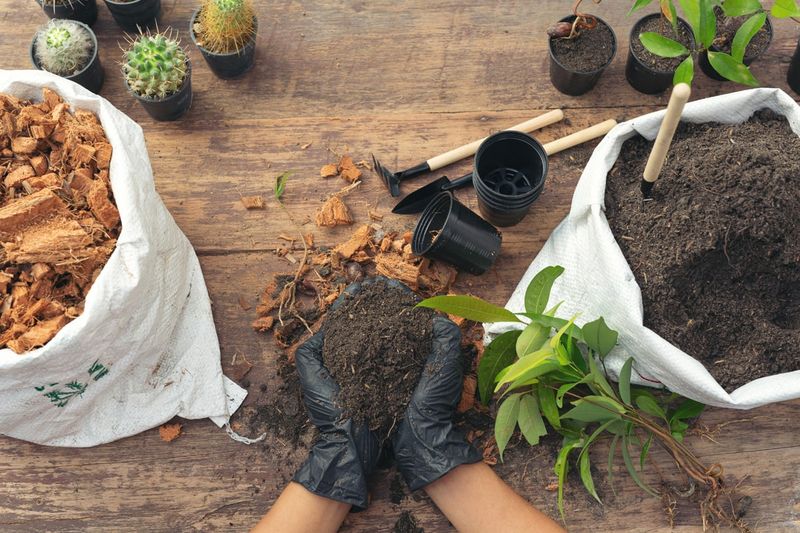
Overlooking soil health is a rookie mistake that can lead to weak plants. Healthy soil is crucial for robust growth. Regularly test your soil, amend it with compost, and avoid compacting it by walking on beds. These steps help maintain soil structure and fertility. By prioritizing soil health, you create an environment where plants can thrive. Strong plants are more resilient to pests and diseases, offering better yields. Investing in soil quality enhances overall garden success, making it a foundational aspect of successful gardening. Cultivate healthy soil for a flourishing garden.
3. Overwatering or Underwatering
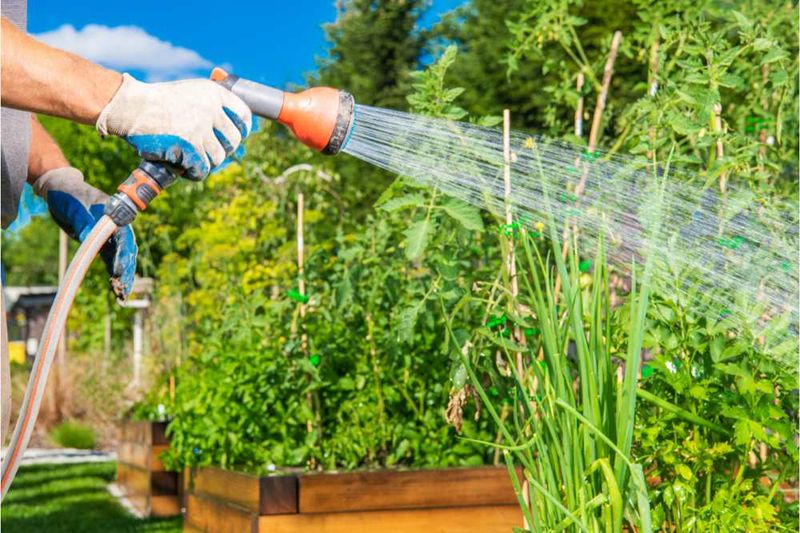
Striking the right water balance is crucial. Overwatering can drown roots, while underwatering stresses plants. To gauge moisture, stick your finger 1-2 inches into the soil; water if dry. This simple check helps maintain optimal soil moisture, supporting healthy growth. Consistent watering ensures plants are neither parched nor waterlogged. By monitoring moisture levels, you prevent common watering issues and promote robust plant development. Proper hydration practices are essential for maintaining a thriving garden. Careful attention to watering needs leads to a productive and flourishing garden environment.
4. Skipping Sunlight Research
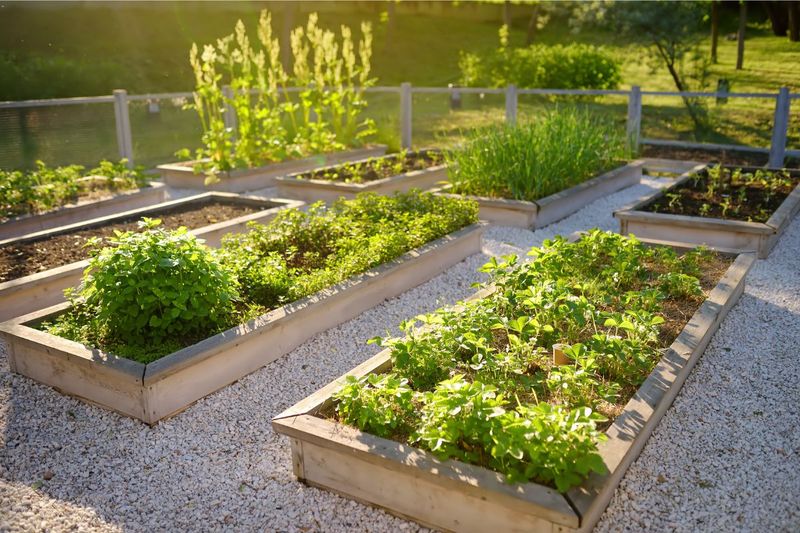
Neglecting sunlight needs can hinder garden success. Different plants have specific light requirements; some need full sun, while others prefer shade. To optimize growth, track sunlight patterns in your garden. This knowledge helps you position plants where they’ll receive appropriate light. Understanding sunlight needs ensures plants develop properly, leading to healthier growth. By tailoring your planting strategy to light conditions, you enhance overall garden productivity. Don’t skip this crucial research; it plays a significant role in achieving a bountiful harvest. Plan wisely to maximize your garden’s potential.
5. Letting Weeds & Pests Take Over
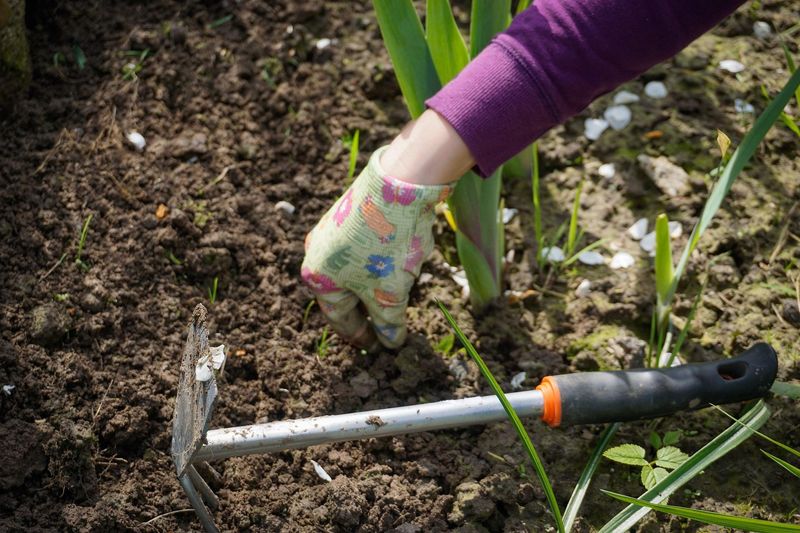
Allowing weeds and pests to proliferate can devastate a garden. Weeds compete for nutrients, while pests damage crops. To combat this, use mulch to suppress weeds and regularly check plants for pests. Vigilance is key to maintaining control. By integrating these practices into your routine, you protect your garden from destructive forces. A well-managed garden is more productive and resilient, offering abundant harvests. Stay proactive in addressing these challenges to keep your garden thriving. Effective management of weeds and pests is essential for garden health and success.