 Complete Gardening
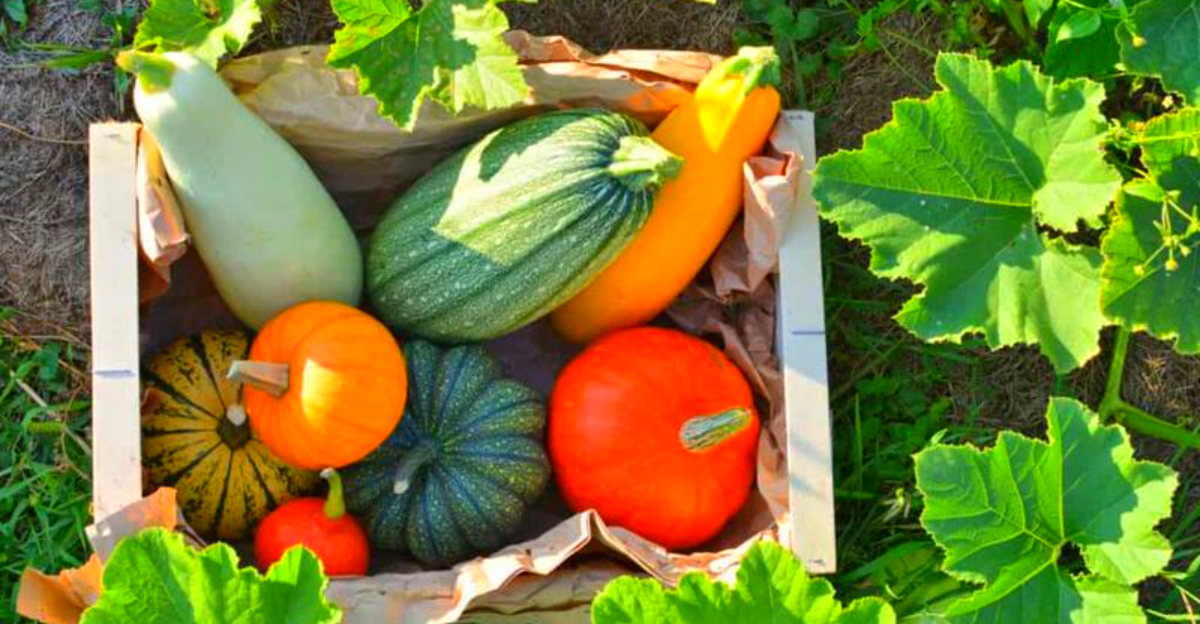
Fall gardening in Connecticut offers unique opportunities to prepare your yard for winter while setting up success for next spring. The cooler temperatures and changing seasons create perfect conditions for specific gardening tasks that can transform your outdoor space. Smart fall planning helps your garden survive harsh Connecticut winters and bloom beautifully when warm weather returns.
1. Plant Colorful Fall-Blooming Perennials
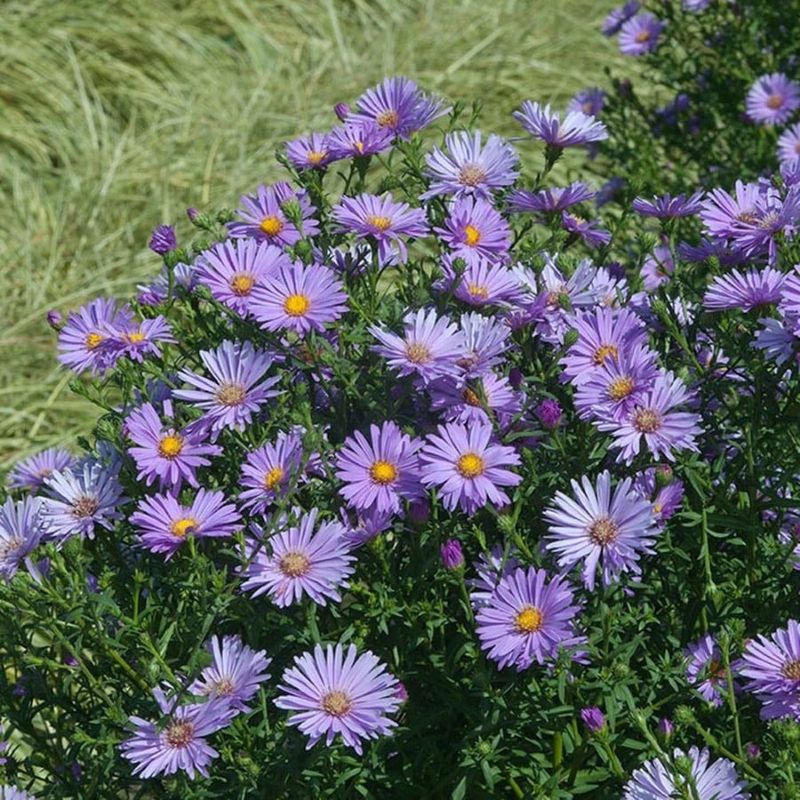
Hardy mums burst with vibrant colors just when most flowers start fading away. Asters create stunning purple and white displays that last well into October.
Ornamental kales add unique textures with their ruffled leaves in deep purples and creamy whites. Plant them now for instant autumn beauty that handles Connecticut’s dropping temperatures with ease.
Your neighbors will admire these hardy champions that keep blooming when other plants give up.
2. Get Spring Bulbs in the Ground Now
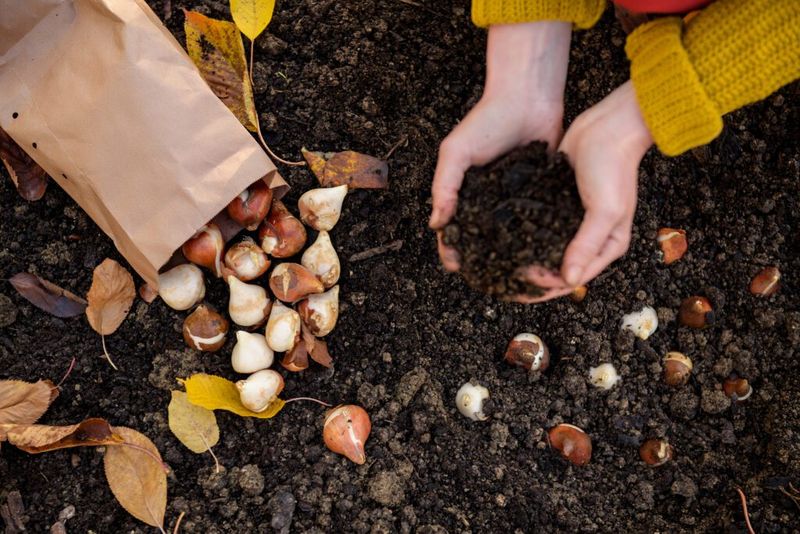
October through November marks prime time for planting spring bulbs in Connecticut soil. Crocus, daffodils, and tulips need cold winter months to develop strong root systems.
Dig holes three times deeper than the bulb’s height and space them according to package directions. The freezing ground helps trigger their internal clocks for perfect spring timing.
Come March, you’ll forget about this fall work when colorful blooms push through melting snow.
3. Clear Away Garden Debris and Diseased Plants
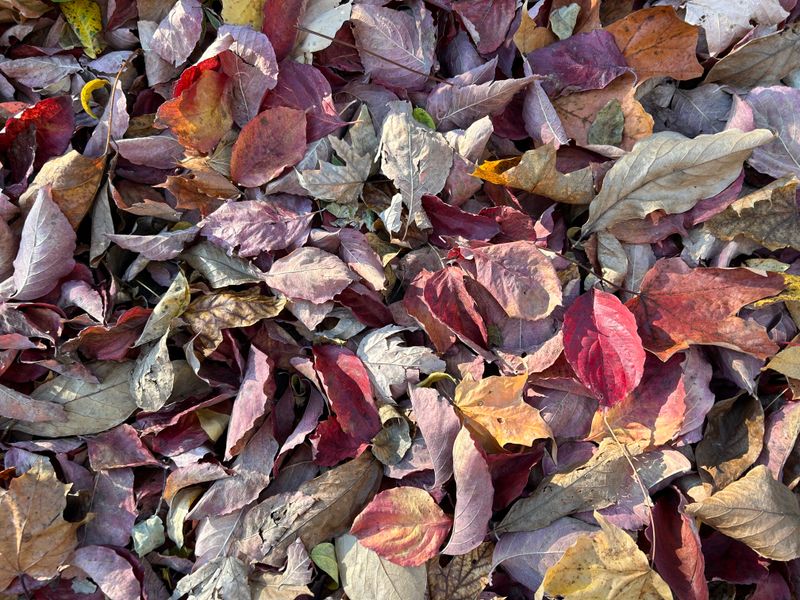
Fallen leaves might look harmless, but they often harbor fungal diseases that survive Connecticut winters. Remove spent annual flowers and vegetables before they become breeding grounds for next year’s problems.
Bag diseased plant material instead of composting it to prevent spreading infections. Healthy debris can go in your compost pile safely.
This cleanup prevents many common garden diseases from returning stronger next growing season.
4. Mulch Perennial Beds for Winter Protection
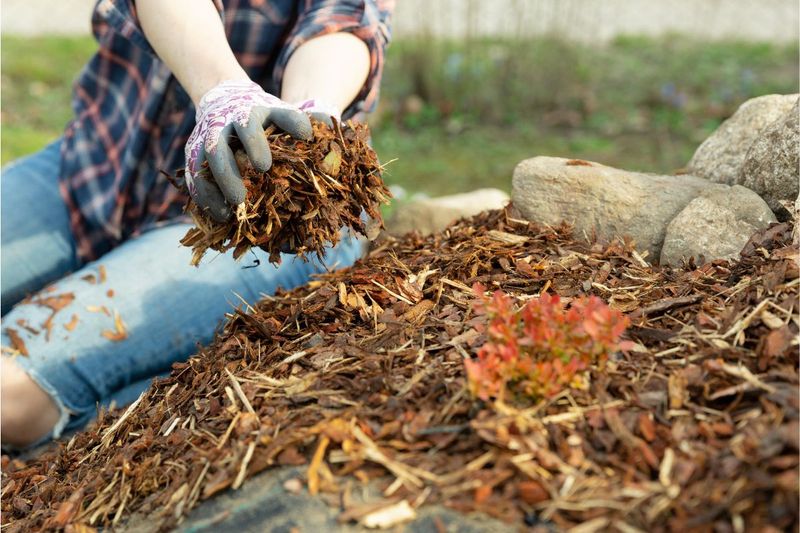
A thick blanket of organic mulch acts like a cozy winter coat for your perennial plants’ roots. Spread two to three inches of shredded leaves, bark chips, or compost around established plants.
This protective layer prevents freeze-thaw cycles from damaging root systems during Connecticut’s unpredictable winter weather. Mulch also suppresses weeds that try sprouting in early spring.
Your perennials will emerge stronger and healthier when growing season returns.
5. Harvest and Properly Store Winter Vegetables
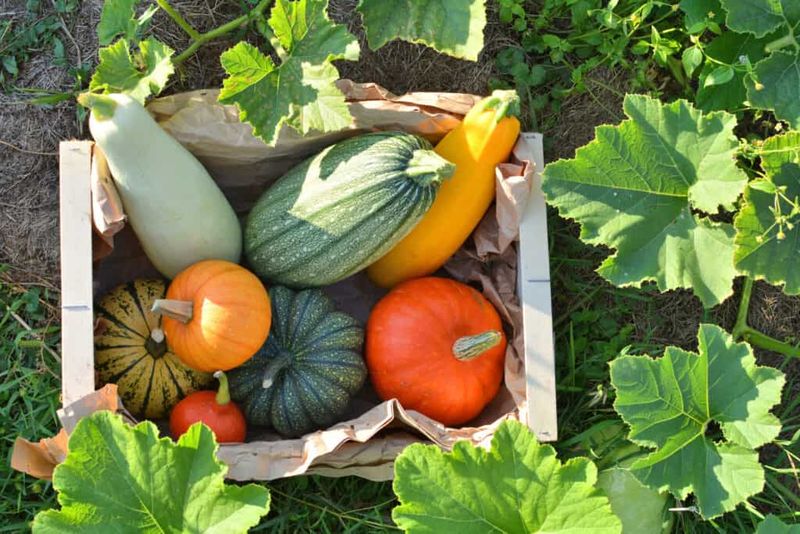
Cool, clear autumn days provide perfect conditions for harvesting squash, pumpkins, and root vegetables. Handle them gently to avoid bruising that leads to quick spoilage.
Store harvested vegetables in cool, dry locations with good air circulation. Basements, garages, or root cellars work wonderfully for extending shelf life through winter months.
Proper storage techniques can keep your homegrown vegetables fresh until spring planting begins again.
6. Plant Garlic Cloves for Next Summer’s Harvest
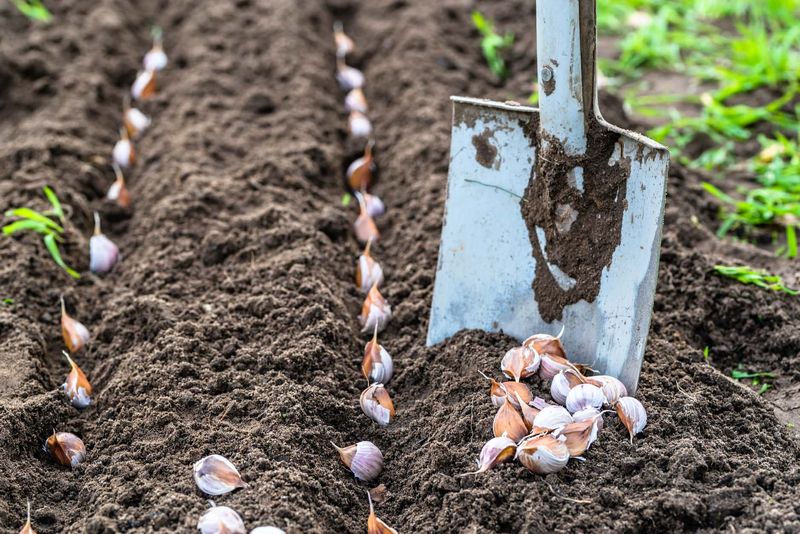
Garlic planted between October first and November fifteenth develops the strongest flavor profiles. Choose firm, healthy cloves and plant them pointed-end up in well-draining soil.
Space cloves six inches apart and bury them two to four inches deep for optimal growth. Connecticut’s cold winters actually improve garlic’s taste by triggering proper bulb development.
Next July, you’ll harvest plump, flavorful bulbs that beat anything from the grocery store.
7. Winterize Garden Tools and Water Features
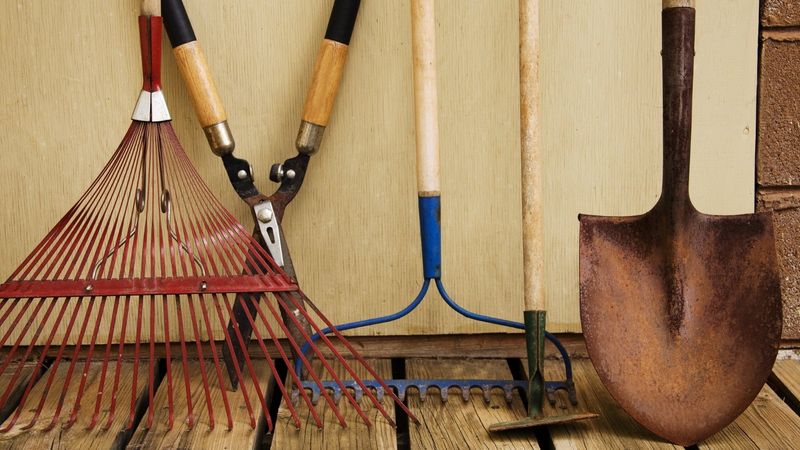
Clean garden tools now prevent rust and damage during Connecticut’s harsh winter storage period. Scrape off soil, oil metal parts, and store everything in dry locations.
Drain garden hoses completely and disconnect them from outdoor faucets to prevent freeze damage. Cover small ponds or water features to protect pumps and fish from ice formation.
Proper winterizing saves money on spring repairs and replacement costs.
8. Design Next Year’s Garden Layout and Improvements
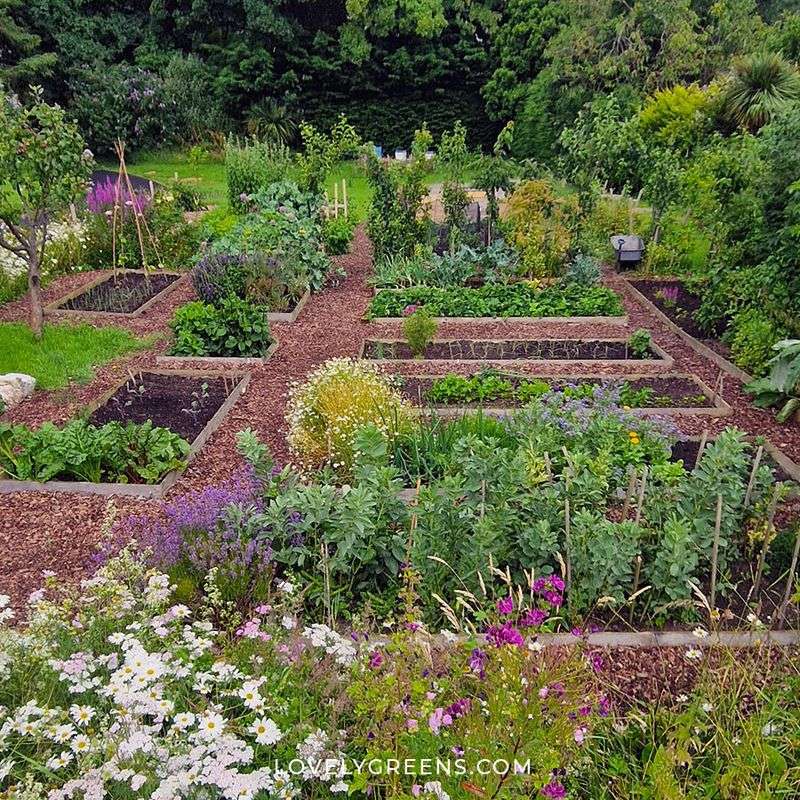
Fall’s slower pace provides excellent opportunities for planning next year’s garden improvements and crop rotations. Sketch new bed layouts while this year’s successes and failures remain fresh in memory.
Research soil amendments and new plant varieties that thrive in Connecticut’s climate zones. Order seed catalogs and mark your calendar for early spring planting dates.
Good planning during quiet months leads to more successful and organized growing seasons ahead.
9. Support Pollinators with Late-Season Nectar Sources
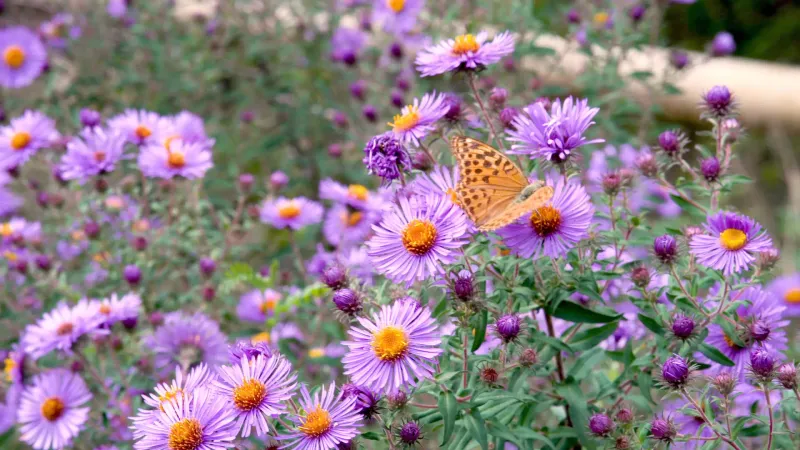
New England asters and other late-blooming native flowers provide crucial fuel for bees and butterflies preparing for winter survival. Many pollinator species depend on autumn nectar to build energy reserves.
Plant these hardy natives now for immediate impact and long-term pollinator support. They’ll naturalize quickly and return stronger each year without much maintenance required.
Your garden becomes a vital rest stop for migrating butterflies and hungry local bees.
10. Monitor and Control Fall Garden Pests
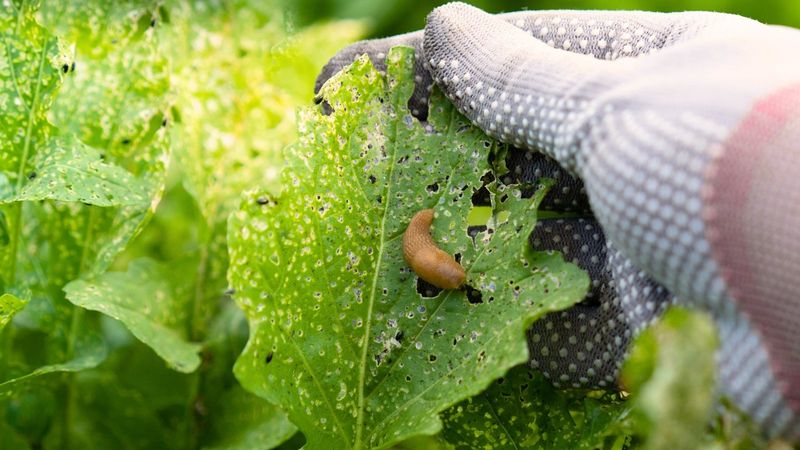
Slugs become especially active during Connecticut’s cool, moist fall weather conditions. Check under mulch and around tender plants for these slimy garden raiders.
Remove slugs by hand during evening hours when they’re most active, or use organic deterrents like diatomaceous earth. Fall pest control prevents larger infestations from establishing over winter months.
Early intervention keeps your garden healthier and reduces spring pest pressure significantly.