 Complete Gardening
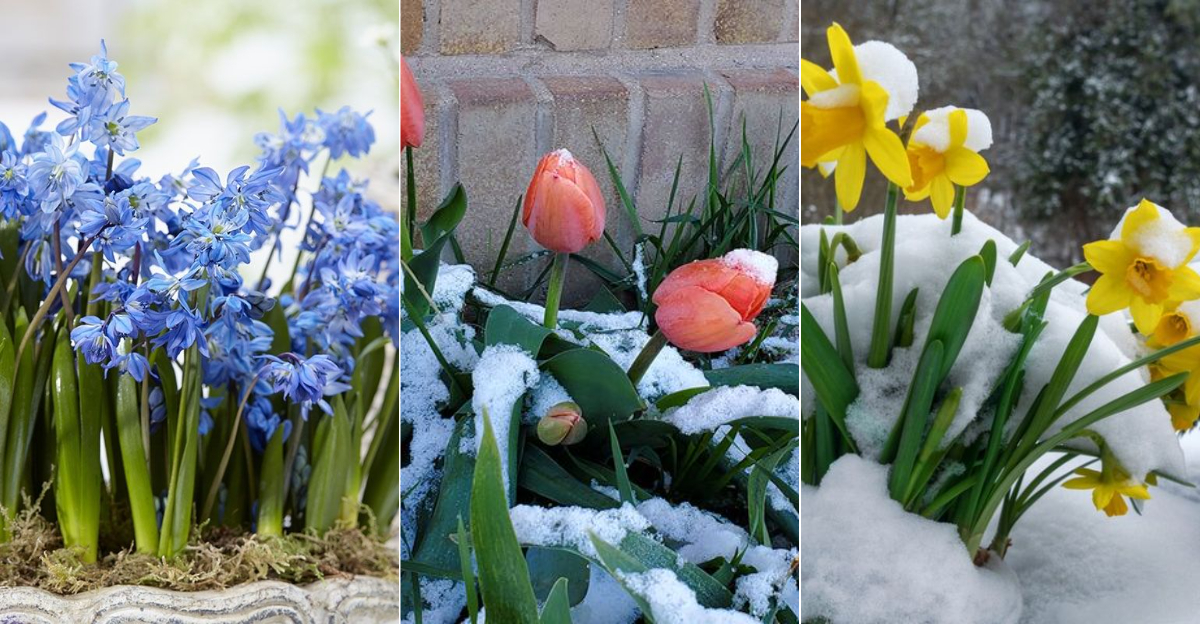
Flower bulbs are nature’s timekeepers, waiting patiently for the perfect moment to burst into bloom. However, sometimes these botanical clocks run a bit fast or slow, leading to unexpected appearances in gardens. These anomalies can be attributed to various factors, including climate changes and planting mistakes. Let’s explore ten intriguing flower bulbs that have a tendency to pop up in the wrong season and uncover the reasons behind their surprising schedules.
1. Crocus
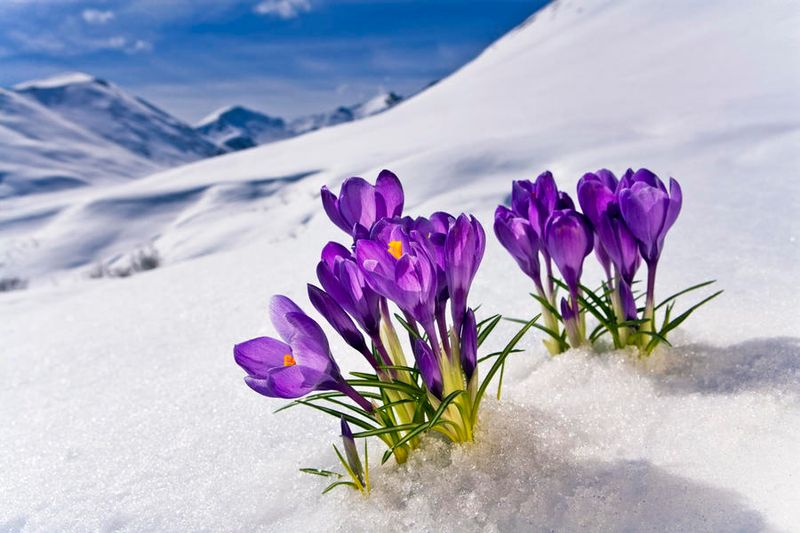
Crocuses are delightful early bloomers that often announce the arrival of spring. Yet, a warm winter snap can trick them into emerging too soon, even as snow still blankets the ground. This temperature sensitivity is due to their biological clock, finely tuned to cues from nature. When the ground warms unexpectedly, these bulbs mistake it for springtime, leading to premature blooms. While their vibrant colors are a welcome sight, this early arrival can be a concern for gardeners worried about frost damage. Careful monitoring of soil temperature can help prevent surprise appearances.
2. Daffodils
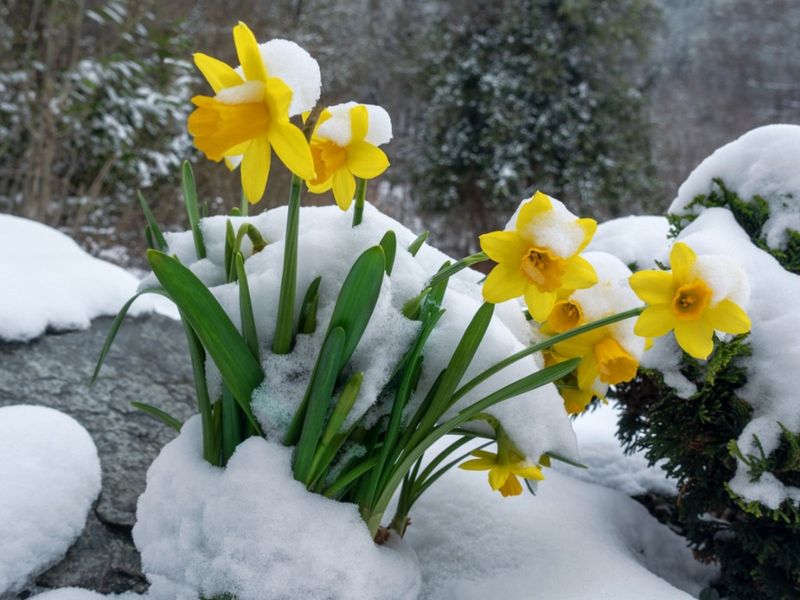
Daffodils, with their cheerful yellow blooms, are usually a sign of late winter’s end. However, they may shoot up unexpectedly if there’s an extended warm spell in mid-winter or late fall. This premature growth is generally harmless but can be surprising for gardeners expecting them later. The warmth tricks daffodils into thinking it’s time to grow, highlighting their responsiveness to temperature fluctuations. Although their early appearance might raise eyebrows, daffodils are hardy and typically recover well, continuing to delight throughout the season. Regular monitoring and soil management can mitigate unexpected growth.
3. Snowdrops
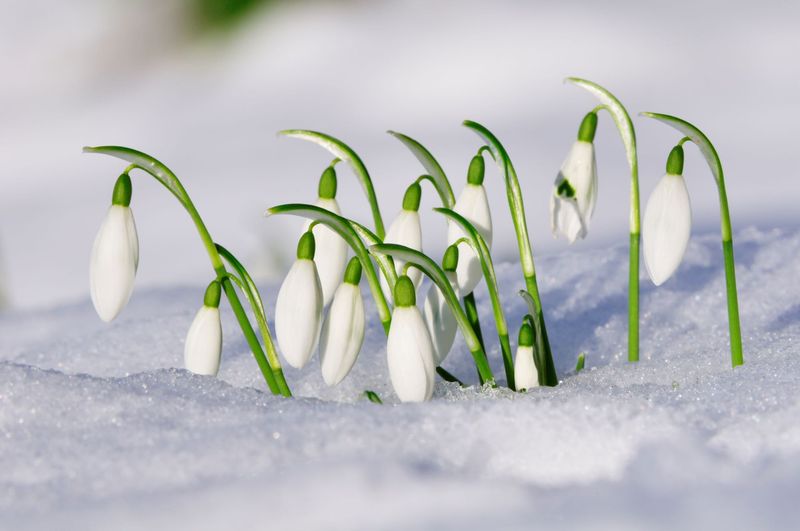
Snowdrops, often the harbingers of spring, can surprise you by pushing through the snow even earlier than expected. Their famous resilience to cold makes them one of the first flowers to bloom, but inconsistent weather patterns can confuse their internal clocks. A sudden warm period in winter can trigger their premature appearance, leading to a picturesque yet unexpected display. Despite their early arrival, snowdrops are generally unfazed by returning cold, continuing to thrive. This hardy nature adds to their charm and makes them a favorite among gardeners seeking early color in their landscapes.
4. Tulips
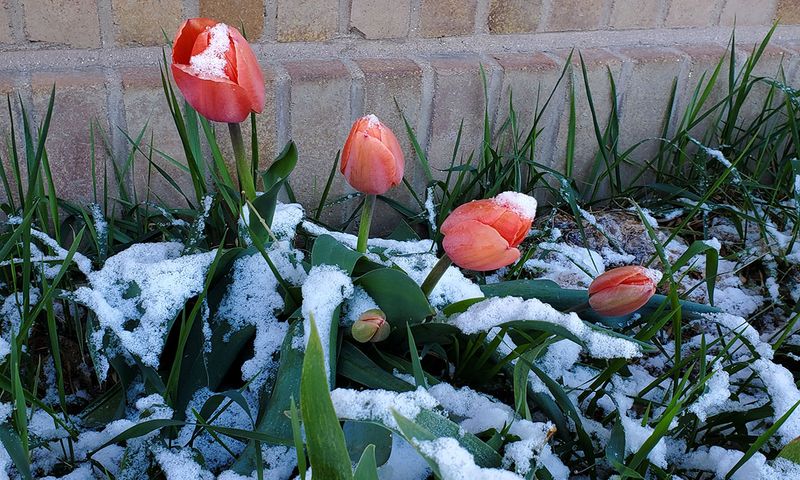
Tulips are iconic spring flowers, known for their vibrant colors and elegant shape. They require a prolonged chill to bloom on schedule, but if planted too late or during a particularly mild winter, they might appear at odd times. Occasionally, they might even skip blooming altogether if conditions aren’t just right. This peculiar behavior is a result of their need for a consistent cold period to break dormancy properly. Gardeners can ensure timely blooms by planting tulip bulbs at the right time and ensuring they receive the necessary cold treatment. Their adaptability makes them a fascinating study.
5. Hyacinths
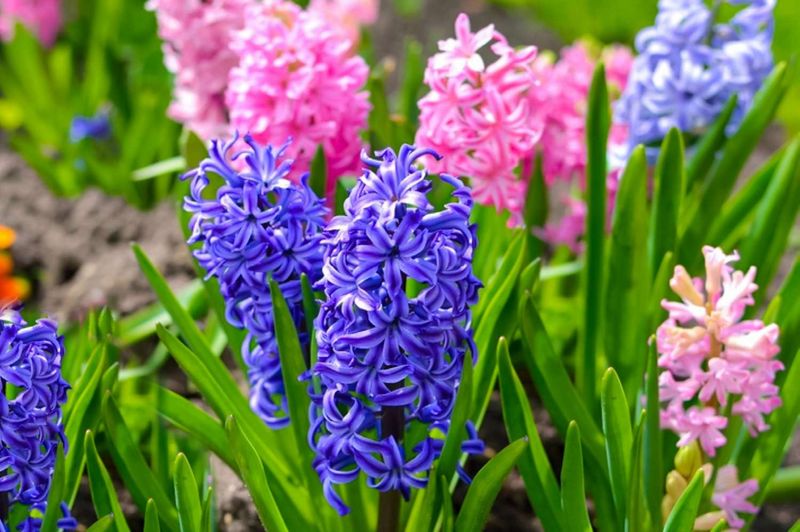
Hyacinths are known for their fragrant blooms and striking colors, typically appearing in spring. However, if the ground remains warm in late fall, these bulbs might misinterpret the temperature cues, thinking spring has arrived early. This can lead to their unexpected emergence, often catching gardeners off guard. While this doesn’t usually harm the plants, it can affect their blooming schedule, leading to a less synchronized display. Ensuring that hyacinths are planted in well-draining soil and monitoring ground temperature can help manage their growth cycle and maintain their stunning spring show.
6. Iris Reticulata
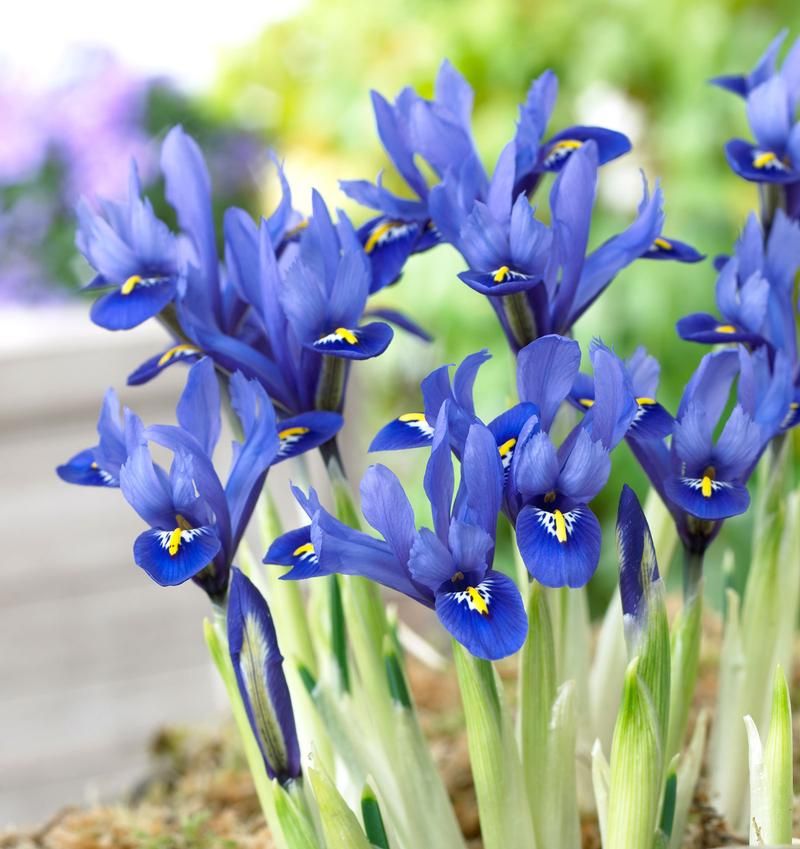
Iris reticulata, a miniature iris, is a captivating early bloomer that sometimes jumps the gun due to temperature swings. A warm January day can coax it out weeks earlier than expected, offering an unexpected splash of color. These charming flowers are sensitive to the slightest hint of warmth, which can disrupt their conventional blooming schedule. Gardeners often find them peeking through melting snow, adding a vivid contrast to the winter’s chill. Despite this unpredictability, iris reticulata’s resilience ensures it continues to thrive, making it a captivating addition to any garden seeking early color.
7. Alliums
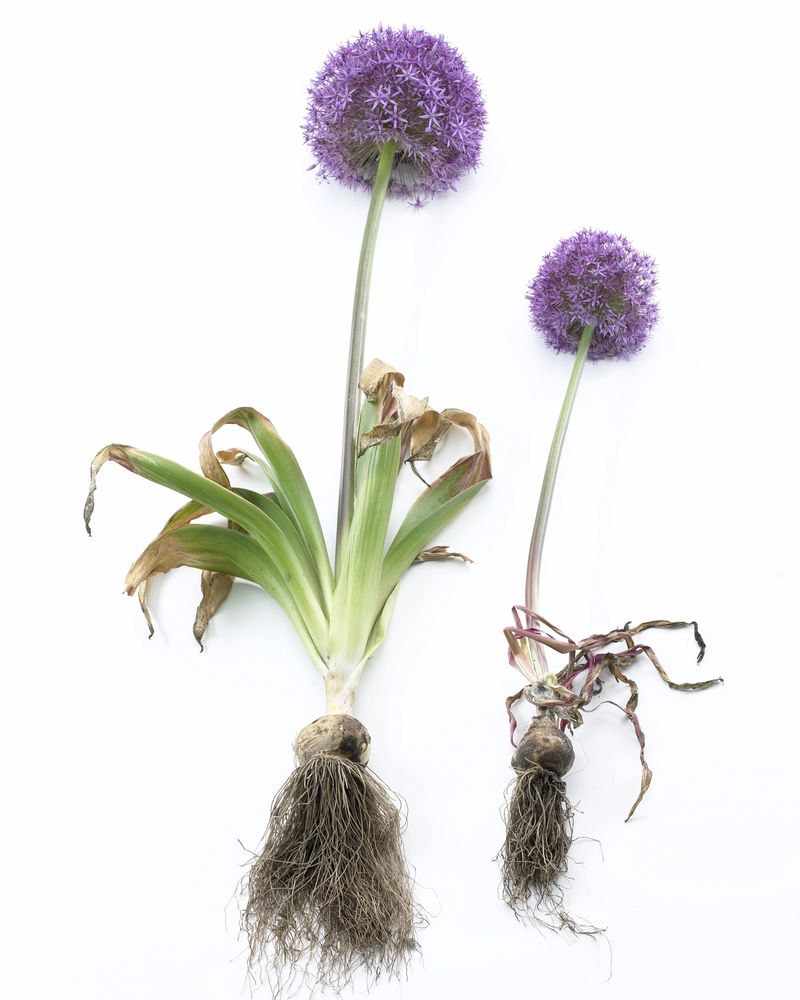
Ornamental alliums, with their striking globe-like flowers, typically bloom in late spring. However, mild winters can mislead them, prompting foliage to sprout long before their usual time. This early growth can be puzzling to gardeners, as the flowers themselves won’t appear until much later. The premature foliage is a response to warmth, deceiving the alliums into believing it’s time to grow. Although the early foliage doesn’t harm the plants, it might alter the anticipated garden aesthetics. Understanding their growth patterns can aid in planning and maintaining the garden’s visual harmony.
8. Anemone Blanda
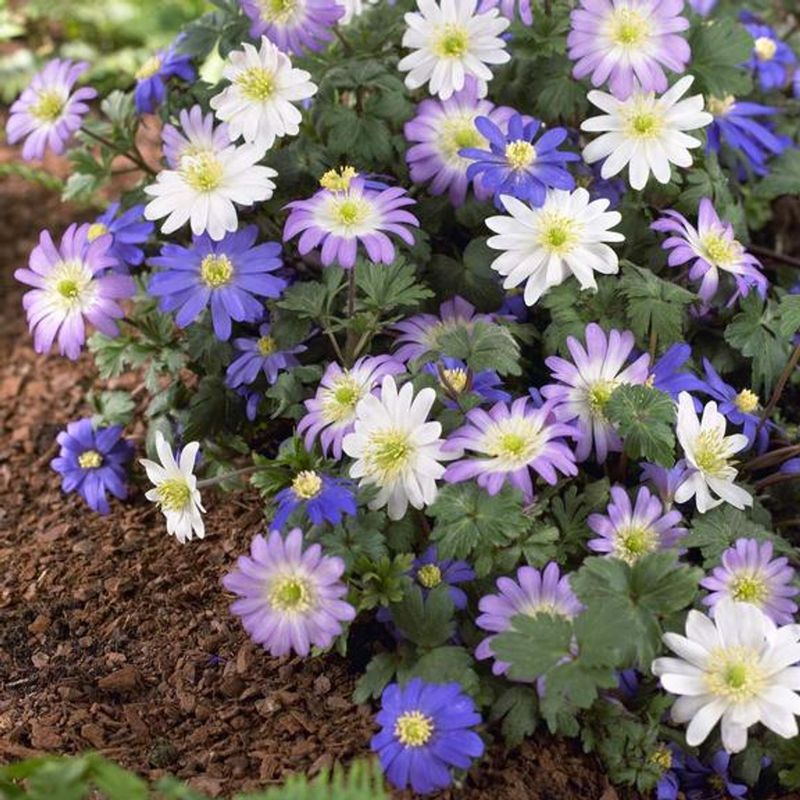
Anemone blanda, also known as Grecian windflower, is celebrated for its bright, daisy-like blooms. These flowers require a cold period to trigger blooming, but erratic winters can disrupt their internal calendar, causing them to appear unexpectedly. Their sensitivity to temperature changes makes them prone to early emergence, often catching gardeners by surprise. While their unexpected arrival doesn’t typically harm the plants, it can affect the timing of their main display. By carefully managing planting times and monitoring weather patterns, gardeners can enjoy anemone blanda’s vibrant colors at the intended time.
9. Freesia
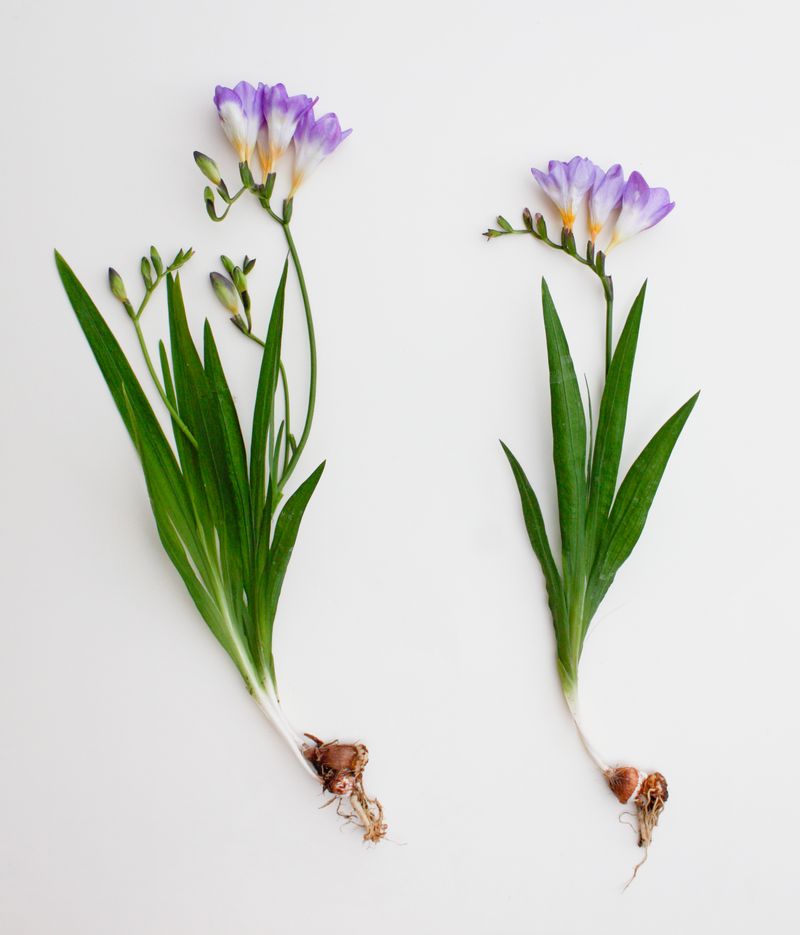
Freesias, beloved for their sweet fragrance and delicate blooms, are often grown in milder climates. These bulbs can bloom unexpectedly if exposed to warm conditions too early. Their sensitivity to temperature makes them prone to confusion, leading to premature flowering. Though unexpected, these blooms often bring a delightful surprise to winter gardens. Ensuring freesia bulbs receive a proper chill period can help align their blooming cycle with the desired season. This adaptability to climate changes makes them both a challenge and a joy for gardeners seeking fragrant blossoms year-round.
10. Scilla (Siberian Squill)
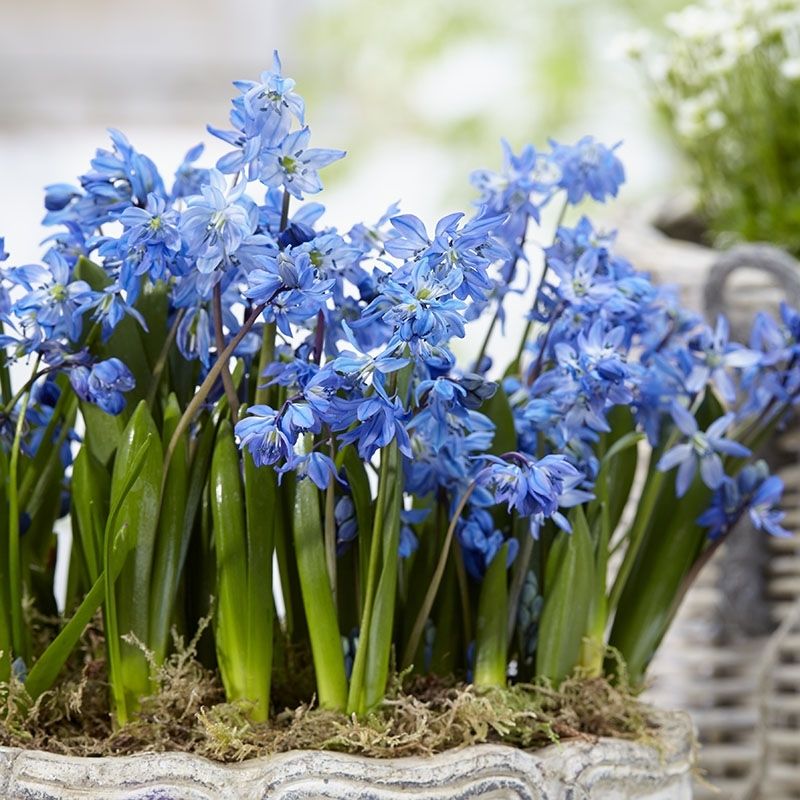
Scilla, commonly known as Siberian squill, is known for its vibrant blue flowers that announce spring’s arrival. These hardy bulbs are particularly tuned into soil temperature, so a warm fall or early winter can prompt premature growth. Their early emergence can surprise even seasoned gardeners, as they typically flower in sync with the natural warming of spring. This temperature sensitivity, while charming, can upset garden plans if not anticipated. Gardeners can mitigate surprises by monitoring soil temperature and adjusting planting schedules to ensure a harmonious spring display.