 Complete Gardening
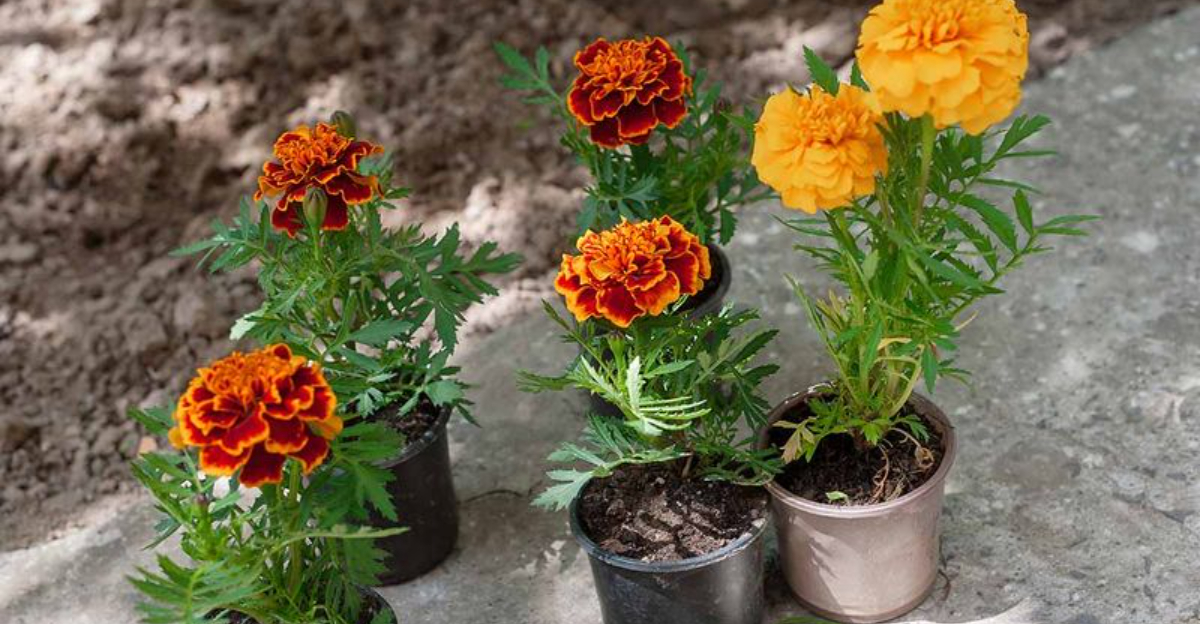
Buying flowers as seedlings can often seem like a convenient way to jumpstart your garden. However, not all flowers are worth the investment when purchased in this stage.
Many flowers thrive better when grown from seeds, allowing them to establish stronger root systems and adapt better to their environment.
In this article, we’ll explore ten types of flowers that gardeners might consider avoiding as seedlings and instead opt to plant directly from seeds. This approach not only saves money but often results in healthier, more robust blooms.
1. Sunflowers
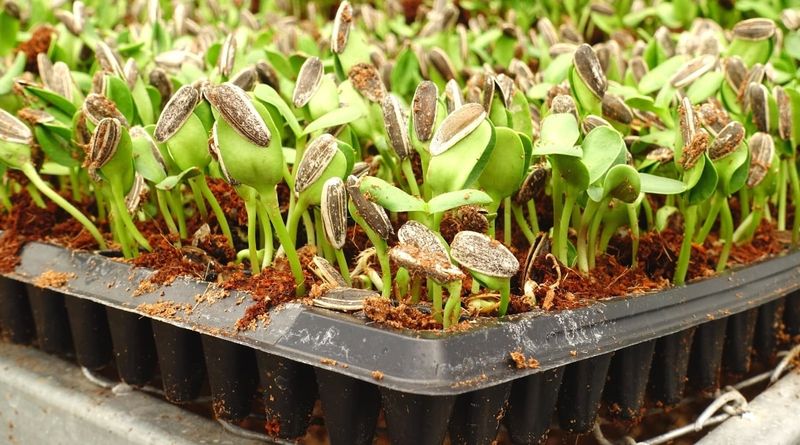
Sunflowers are resilient and thrive when directly sown into the ground. Planting them as seedlings can lead to weaker stems and less vibrant blooms.
By starting with seeds, you give them the chance to establish a sturdy root system in their final location. This method ensures they grow tall and strong, reaching their full potential.
Sunflowers rely on sun exposure, and planting seeds directly helps them to acclimate to light conditions more effectively. The process is simple: plant the seeds after the last frost, water regularly, and enjoy the cheerful blooms.
2. Zinnias
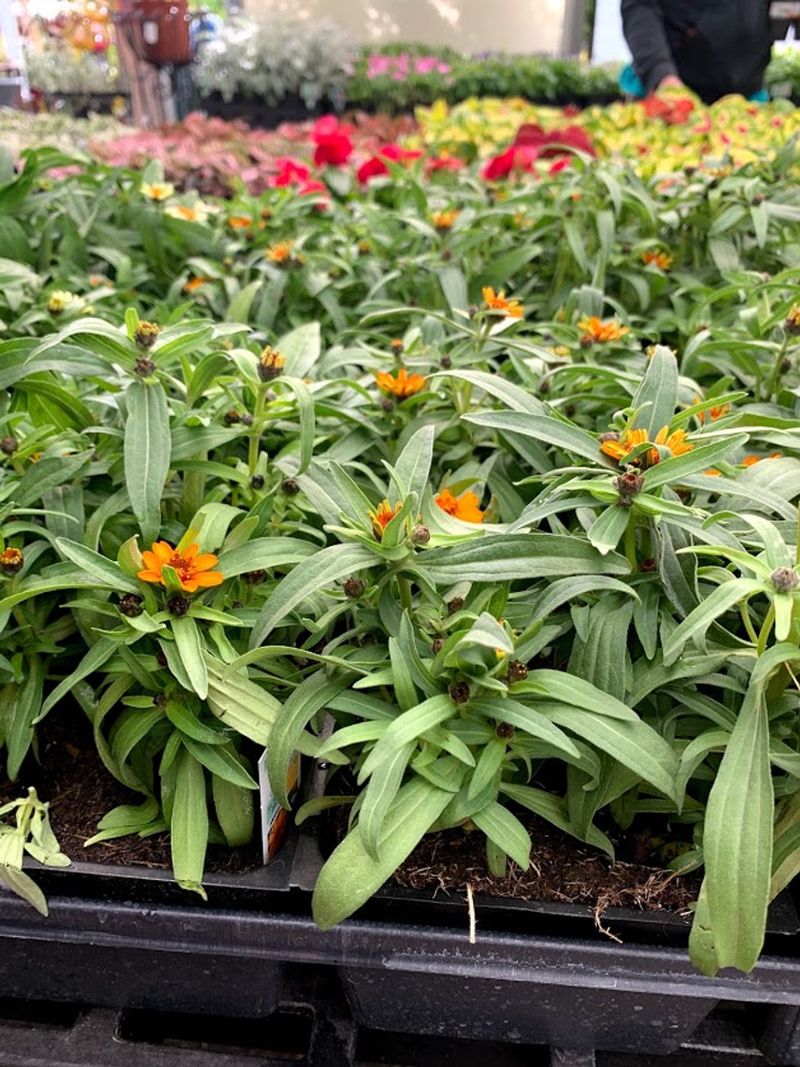
Zinnias are best grown from seeds as they develop rapidly and prefer undisturbed roots. Transplanting seedlings can disrupt their growth, leading to stunted plants. When sown directly, zinnias adapt well to their environment, producing more flowers.
This approach is also cost-effective and allows gardeners to plant a variety of colors and types. Zinnias thrive in full sun and well-drained soil, making them low-maintenance.
Sow the seeds after the danger of frost has passed, and watch as they quickly transform your garden into a vibrant display of color and life.
3. Marigolds
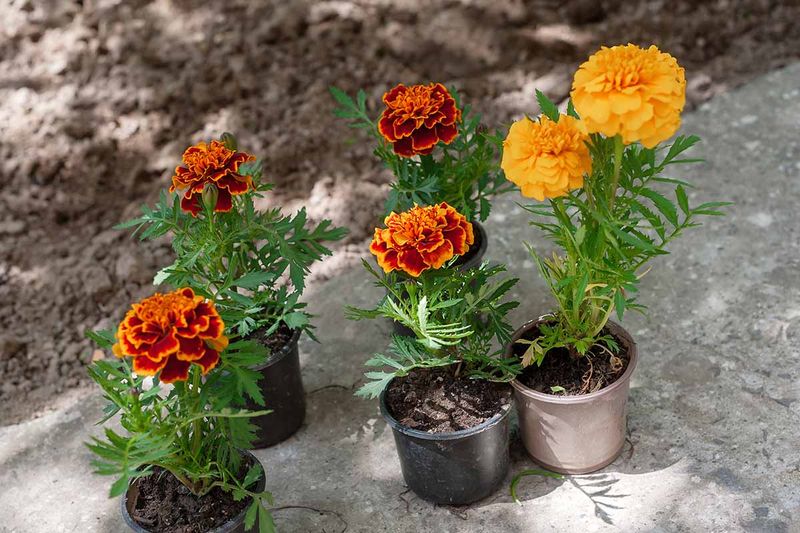
Marigolds are hardy flowers that often grow best from direct seeding. Buying seedlings can be an unnecessary cost, as they germinate quickly and grow robustly.
Starting marigolds from seeds allows for a dense planting, ideal for pest control in vegetable gardens. These flowers thrive in sunny spots with well-draining soil. By planting seeds directly, you avoid transplant shock and ensure strong, healthy plants.
Marigolds are also excellent for companion planting, deterring common garden pests. With minimal care, they bloom profusely, adding bright color and natural pest defense to your garden.
4. Cosmos
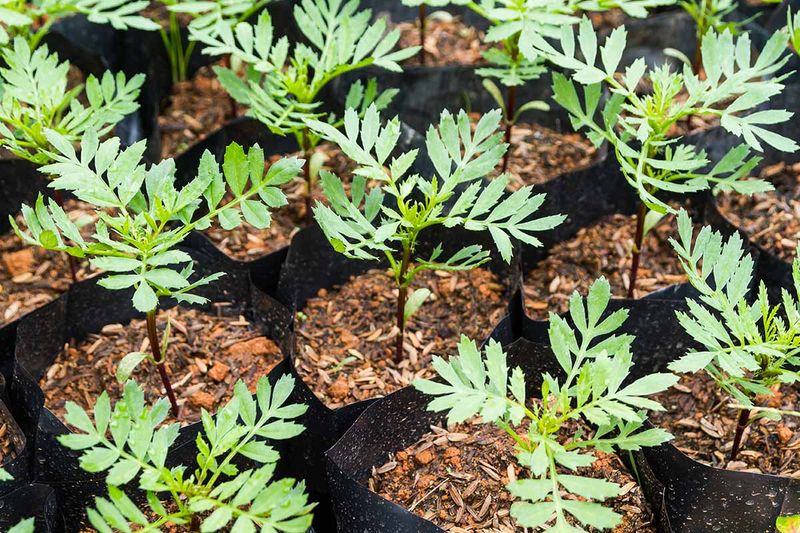
Cosmos flowers are incredibly easy to grow from seeds, making seedlings an unnecessary purchase. These flowers adapt well to their planting environment, thriving with minimal effort.
Direct sowing ensures that cosmos develop strong roots and high resilience. They are perfect for filling large spaces with delicate blooms that attract butterflies and bees.
These drought-tolerant flowers love sunny locations and poor soil, so they require little maintenance. By skipping seedlings and planting seeds, you encourage healthier plants that produce a continuous display of blossoms throughout the growing season.
5. Morning Glories
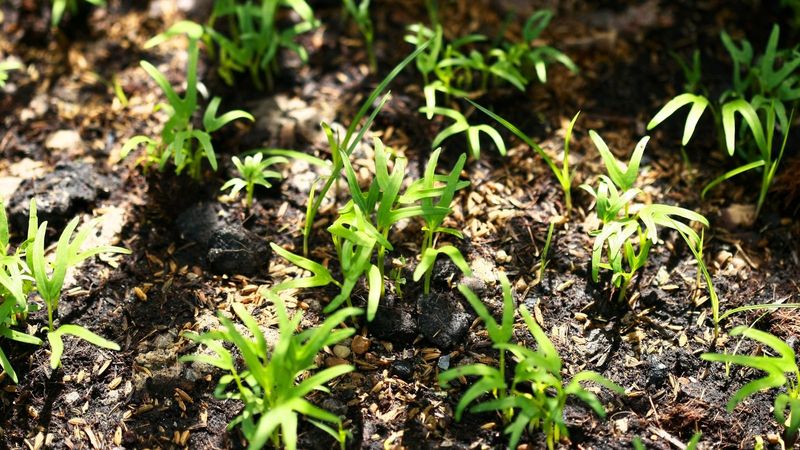
Morning glories are vigorous climbers that excel when grown from seeds rather than seedlings. Direct seeding ensures they adapt to their environment and establish a robust root system.
These flowers are famous for their rapid growth and ability to cover fences and trellises with vibrant blooms. They prefer sunny spots and well-drained soil, requiring minimal care once established.
Plant the seeds after the last frost, and soon you’ll witness their fast ascent and stunning morning blooms. This method is cost-effective and results in healthier plants that will enhance any garden façade.
6. Nasturtiums
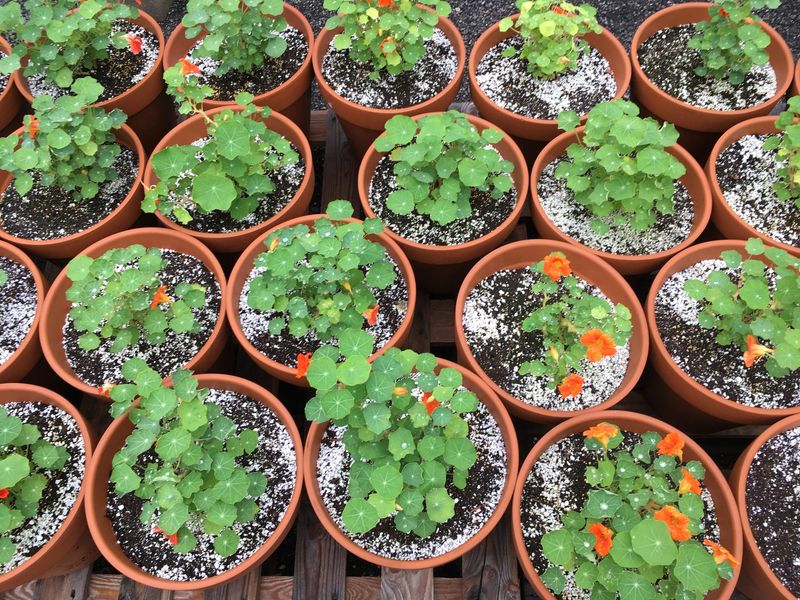
Nasturtiums are best when planted directly from seeds, rewarding gardeners with bright blooms and edible leaves. Seedlings often suffer from transplant shock, which can hinder their growth.
By sowing seeds directly, these plants establish themselves quickly and spread vigorously. Nasturtiums are excellent for ground cover or hanging baskets, thriving in poor soils and full sun.
They are also known for their pest-repelling properties, making them a useful companion plant in vegetable gardens. With direct seeding, you’ll enjoy a lush display of color and a natural, edible garden addition.
7. Sweet Peas
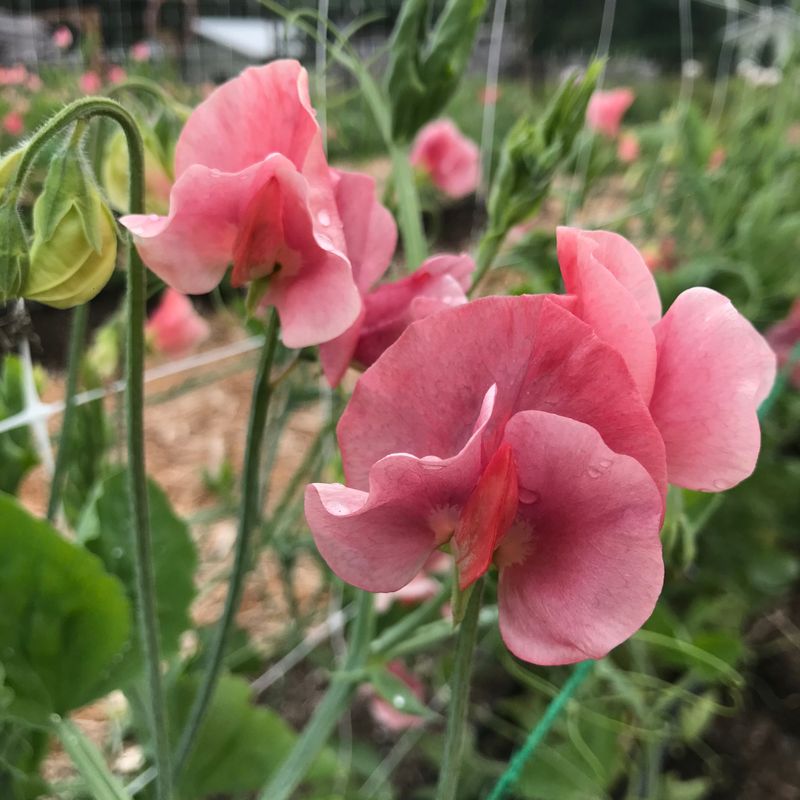
Sweet peas are classic garden flowers that flourish when grown from seeds. Seedlings often don’t transplant well, leading to weaker plants. Direct sowing allows sweet peas to establish deep root systems, crucial for their climbing habit.
These fragrant flowers prefer cool weather and rich soil, making early spring the ideal time to plant seeds. By choosing seeds over seedlings, you encourage a robust growth that results in abundant blossoms.
Sweet peas are perfect for trellises and garden arches, providing a delightful fragrance and a beautiful splash of pastel colors to any garden area.
8. Hollyhocks
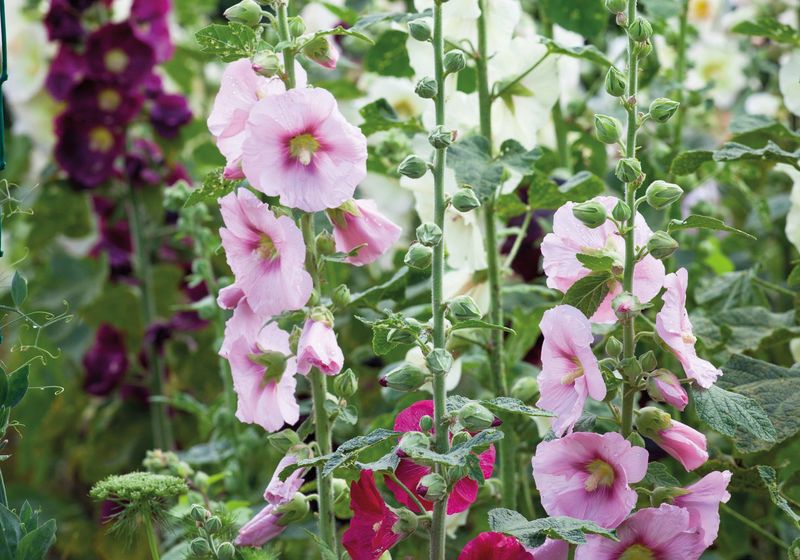
Hollyhocks are stunning biennials that benefit significantly from direct seeding. Their long taproots don’t handle transplanting well, making seedlings less desirable.
By planting seeds directly, hollyhocks can establish their roots without disturbance, resulting in taller, more robust plants. These flowers enjoy full sun and rich, well-drained soil. Hollyhocks add a dramatic vertical element to gardens, attracting pollinators like bees and butterflies.
Plant the seeds in late spring, and within a few weeks, you’ll see them start their journey to becoming a garden’s towering centerpiece.
9. Larkspur
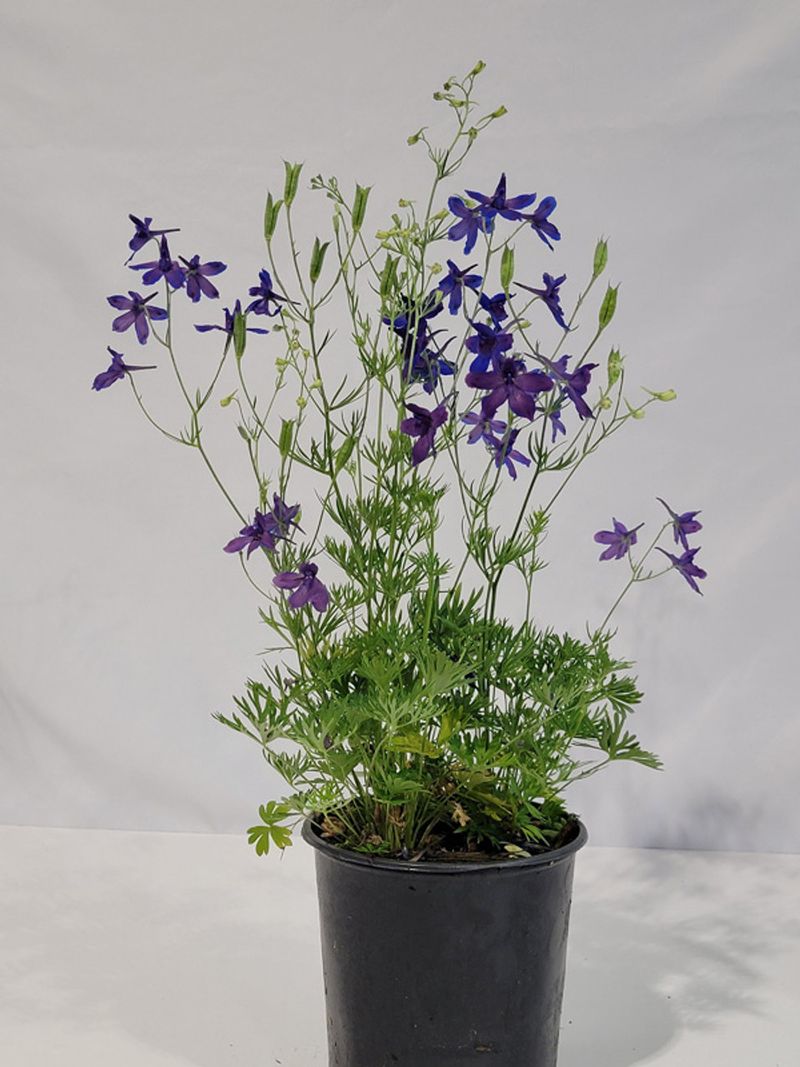
Larkspur is a beautiful cottage garden flower that thrives from direct seeding. Seedlings are often fragile and don’t transplant well, leading to reduced growth. By sowing directly in the ground, larkspur establishes itself more effectively.
These plants prefer cool weather and well-drained soil, making early spring an ideal time for planting. Once established, larkspur provides tall spikes of elegant blooms, perfect for cutting gardens.
Direct seeding not only saves money but ensures healthier plants that will grace your garden with their stunning, long-lasting flowers throughout the season.
10. Poppies
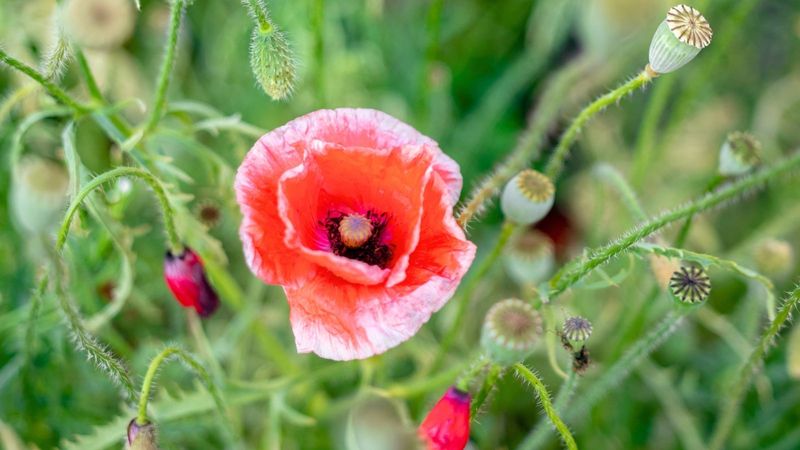
Poppies are iconic blooms that should be directly sown into the garden for best results. Seedlings often don’t transplant well, resulting in stunted plants. By planting seeds, poppies can establish themselves naturally, adapting to the garden environment.
These flowers prefer full sun and well-draining soil, thriving with minimal intervention. Sowing in early spring or fall will yield robust plants that produce vibrant flowers.
Poppies self-seed easily, creating a naturalized look in your garden over time. Direct seeding ensures healthier poppies that reward gardeners with a stunning display year after year.