 Complete Gardening
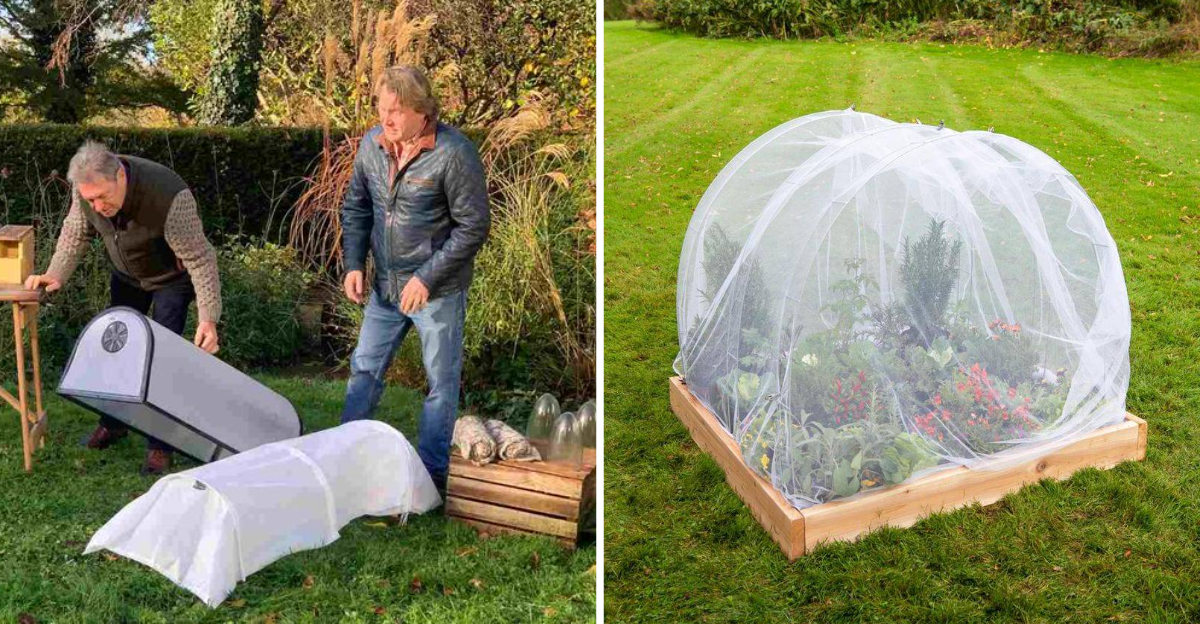
July brings peak summer heat that transforms your garden into a completely different landscape. Some tools that seemed essential in spring now gather dust in your shed, while other items you skipped suddenly become must-haves.
Understanding which garden purchases pay off during the hottest month can save you money and frustration.
1. Seed Starting Trays
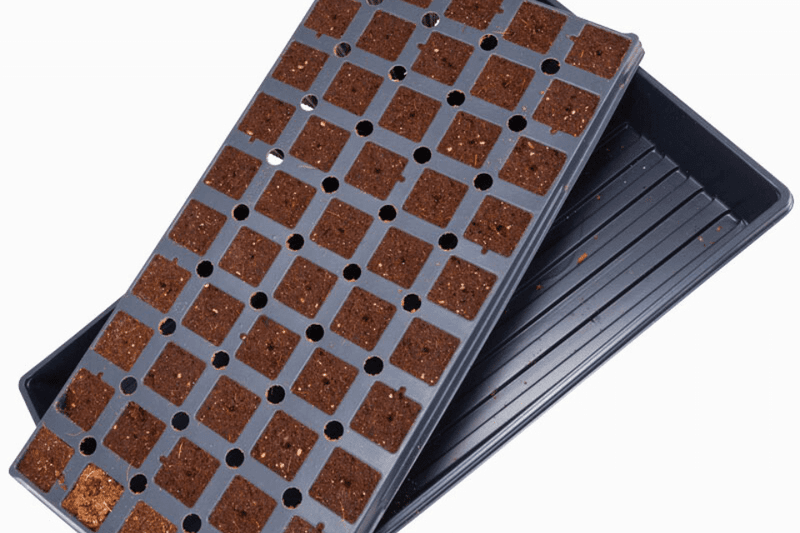
Those plastic seed starting trays that seemed so important in March now mock you from the garage shelf. July’s blazing heat makes starting most seeds nearly impossible outdoors.
Cool-season crops like lettuce and spinach bolt immediately, while warm-season plants are already established. The timing just doesn’t work for traditional seed starting.
Save your money and storage space by skipping these until late summer when fall planting begins.
2. Heavy Winter Mulch
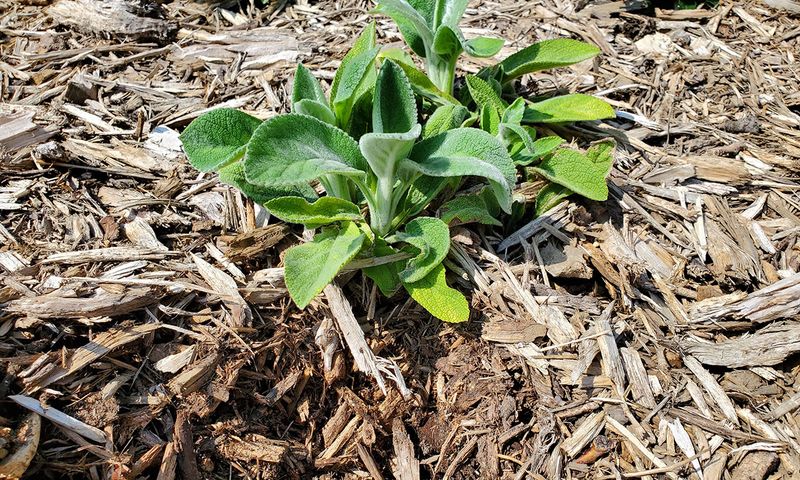
Thick, heavy mulches like wood chips feel completely wrong in July’s sweltering conditions. They trap heat against plant roots and create stuffy conditions that stress your garden.
What worked perfectly for winter protection now suffocates plants trying to stay cool. The dense material blocks airflow and holds moisture in uncomfortable ways.
Lighter alternatives work much better during peak summer heat for both plant health and your comfort while gardening.
3. Frost Protection Covers
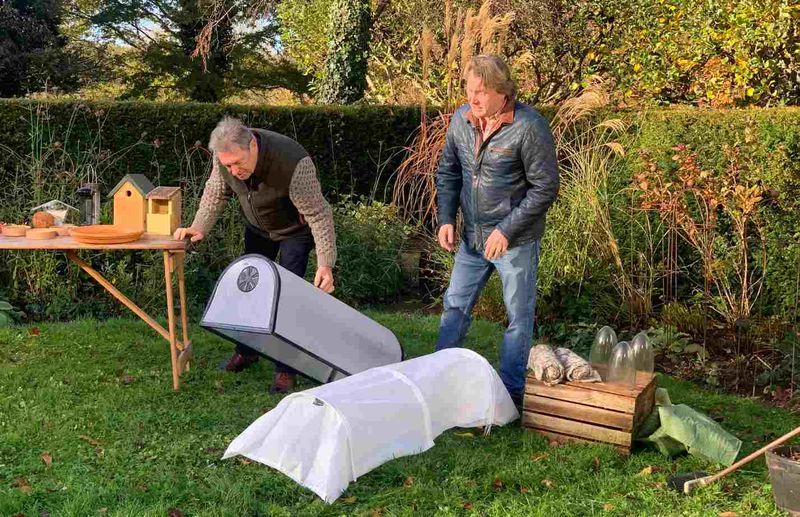
Row covers and frost blankets become garden storage clutter when temperatures soar into the 90s. These protective fabrics that saved your plants in spring now serve absolutely no purpose.
Storing them properly takes up valuable shed space you could use for summer-specific tools. They won’t be needed again until late fall at the earliest.
Pack them away completely rather than letting them take up prime real estate in your garden storage areas.
4. Heating Mats for Plants
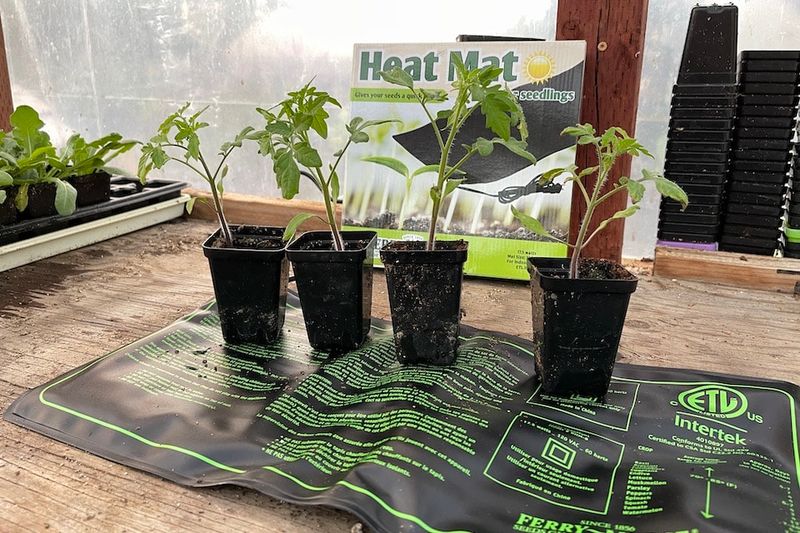
Seedling heat mats that boosted germination in cooler months become expensive paperweights by July. Ground temperatures already exceed what these devices provide.
Running them wastes electricity while potentially overheating young plants that need cooling instead. The investment feels foolish when nature provides more heat than plants can handle.
Unplug them completely and focus your energy budget on cooling solutions like fans or shade cloth instead of adding more heat.
5. Cold Frame Structures
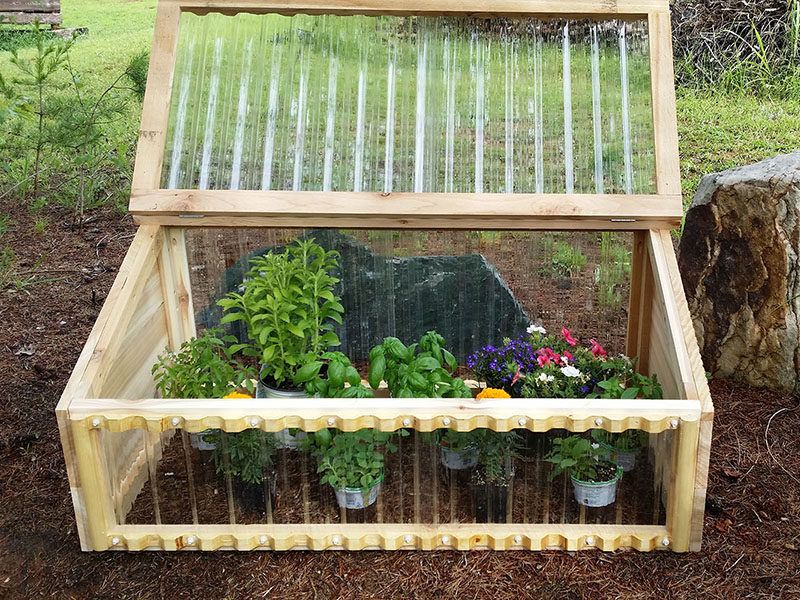
Cold frames designed to extend growing seasons become useless hotboxes in July sun. These mini-greenhouses trap heat that would kill plants rather than protect them.
The glass or plastic tops create oven-like conditions that no plant can survive. What once provided valuable temperature control now works against your gardening goals.
Remove the tops completely or repurpose the frames for different summer uses like drying herbs or storing garden supplies.
6. Thick Gardening Gloves
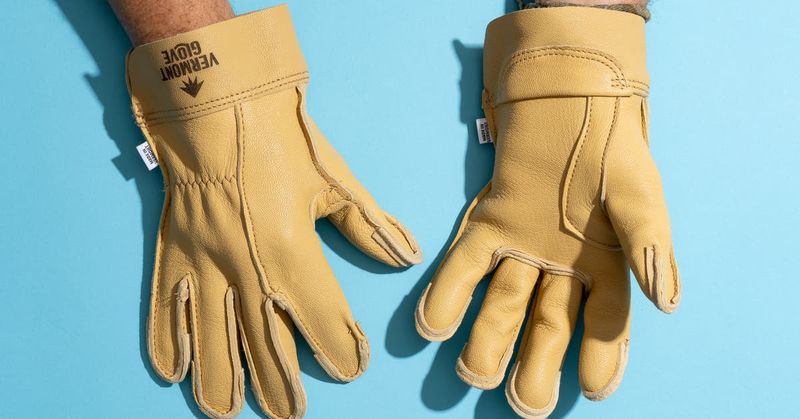
Heavy-duty winter gloves that protected your hands during spring cleanup become torture devices in July heat. The thick material traps sweat and makes simple tasks unbearable.
Your hands overheat quickly, leading to discomfort and reduced dexterity for detailed garden work. The protection they offer isn’t worth the misery they cause.
Switch to lightweight options or work bare-handed during cooler morning hours when possible for much better comfort and control.
7. Compost Thermometers
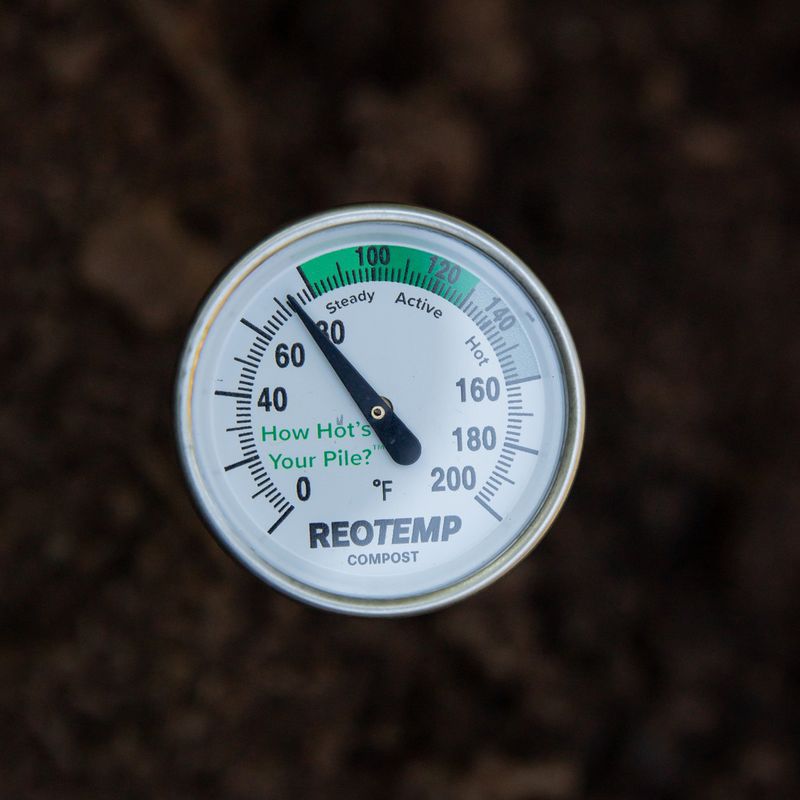
Monitoring compost temperature feels pointless when July heat accelerates decomposition naturally. Your pile runs hot without any encouragement or careful temperature management.
The thermometer readings become irrelevant since ambient temperatures keep everything cooking perfectly. Checking numbers becomes an unnecessary extra step in your routine.
Save time and focus on turning the pile regularly rather than obsessing over temperature data that summer heat makes meaningless.
8. Plant Labels and Markers
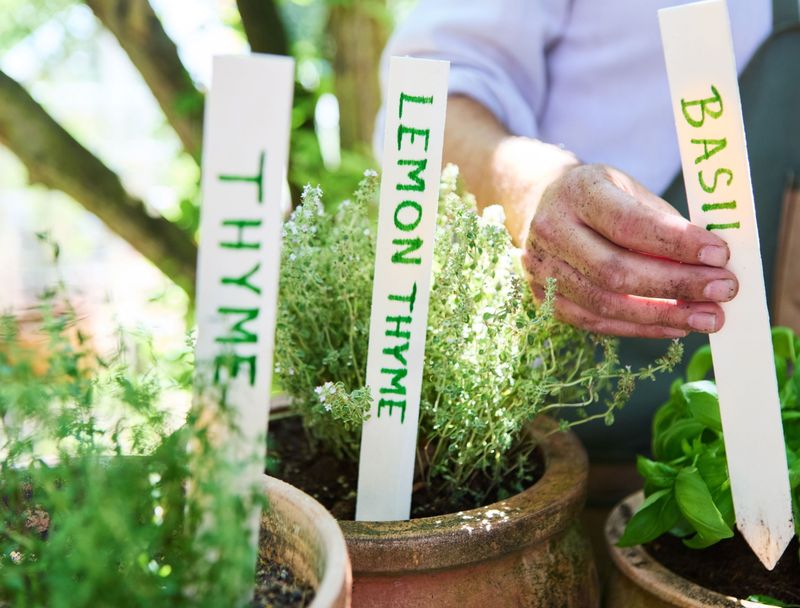
Plastic plant markers that seemed essential for organization now fade and become brittle in intense UV rays. The writing disappears just when you need identification most.
July sun destroys most labeling materials, making your careful spring organization efforts completely worthless. Cheap markers especially fail when exposed to peak summer conditions.
By mid-summer, you’ll rely on memory and plant recognition rather than these sun-damaged identification tools that no longer serve their purpose.
9. Fertilizer Spreaders
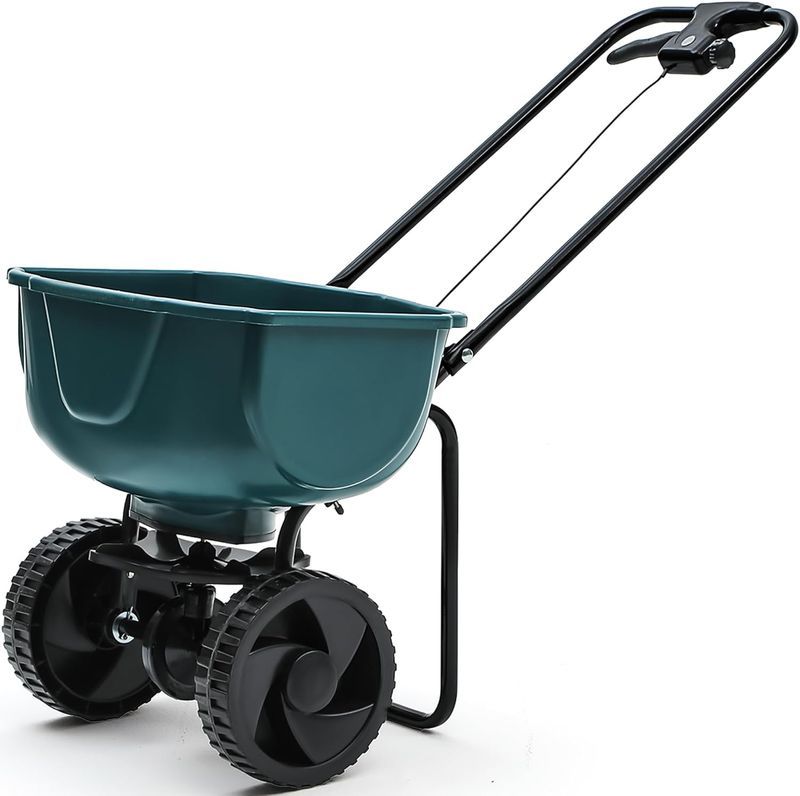
Broadcast spreaders for granular fertilizer sit unused during July’s heat stress period. Most plants can’t handle additional nutrients when they’re already struggling with temperature extremes.
Feeding stressed plants often does more harm than good, making your expensive spreader temporarily useless. The timing conflicts with plant health needs.
Wait for cooler weather before resuming fertilizer applications, leaving your spreader to collect dust until growing conditions improve significantly.
10. Pruning Shears for Deadheading
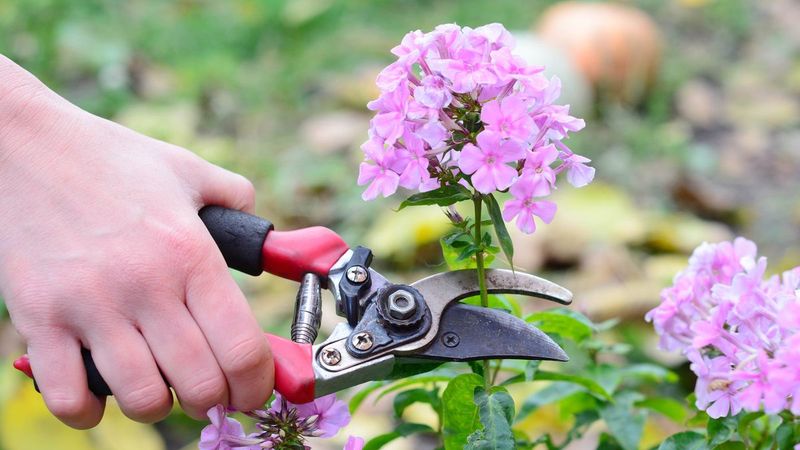
Precision pruning shears become less useful when July heat makes detailed deadheading work uncomfortable and potentially harmful to plants. Quick hand-picking works better than careful cutting.
The metal tools heat up in sun, making them uncomfortable to handle during peak growing season. Plants also recover better from gentle hand removal.
Save detailed pruning work for cooler months and rely on simpler techniques that don’t require tools that become hot and unwieldy.
1. Shade Cloth
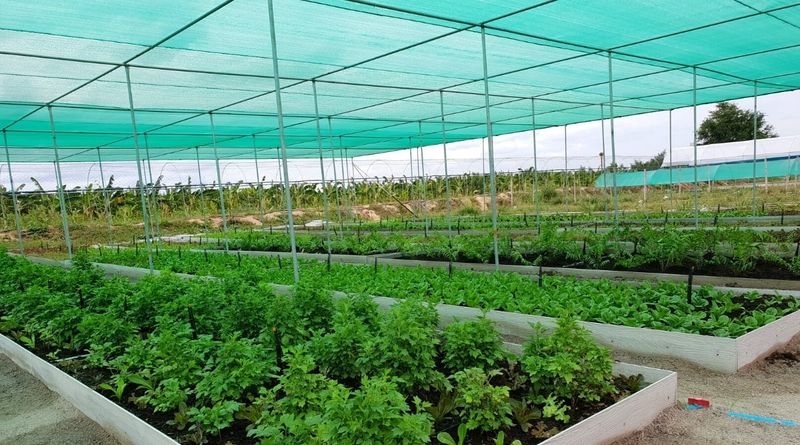
Shade cloth transforms your garden from a struggling desert into a thriving oasis during July’s brutal heat. Plants that were wilting suddenly perk up with just 30-50% shade coverage.
The temperature difference underneath can be 10-15 degrees cooler, making both plants and gardeners much happier. Installation is simple but the benefits are immediate and dramatic.
Vegetables especially benefit from afternoon shade, producing better yields when protected from the most intense sun exposure.
2. Soaker Hoses
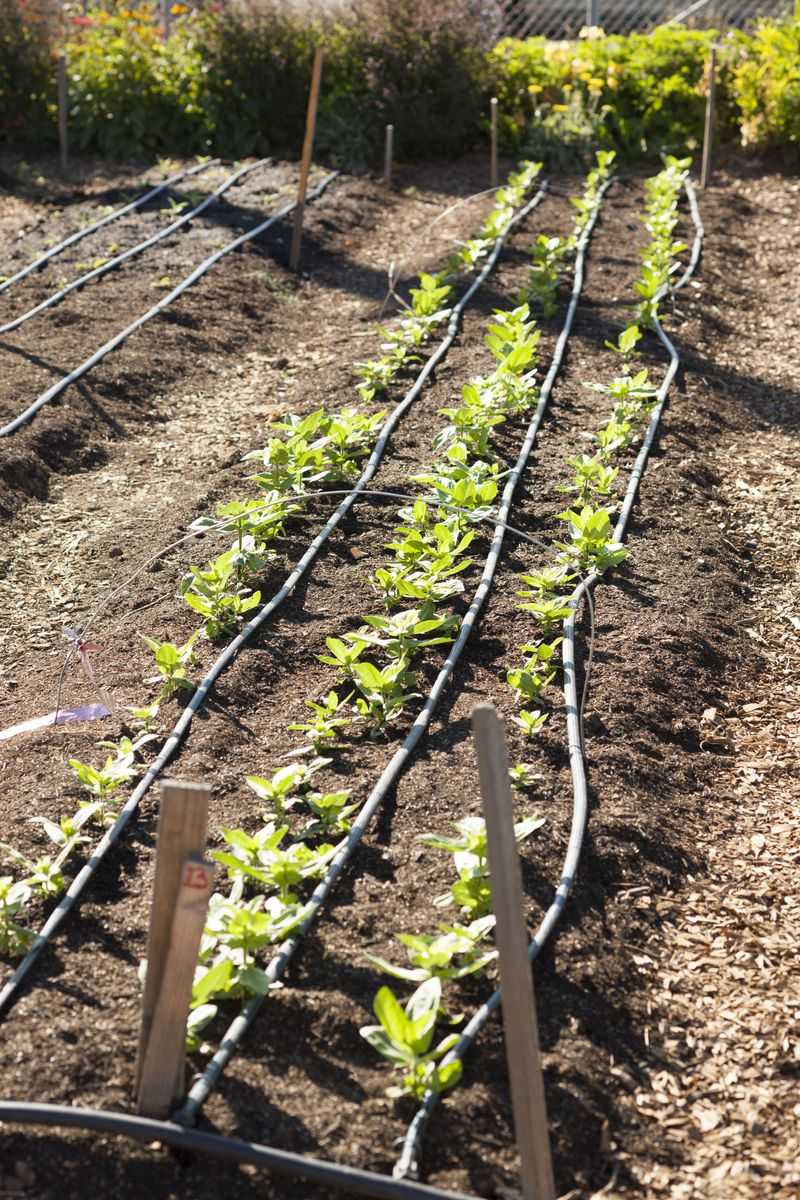
Soaker hoses deliver water directly to plant roots without waste, becoming invaluable during July’s water restrictions and high demand periods. They work while you sleep or travel.
The slow, steady moisture delivery prevents the boom-bust cycle that stresses plants during heat waves. Your water bill stays reasonable while plants stay consistently hydrated.
Set them up once and forget about daily watering chores that become exhausting in summer heat.
3. Oscillating Sprinklers
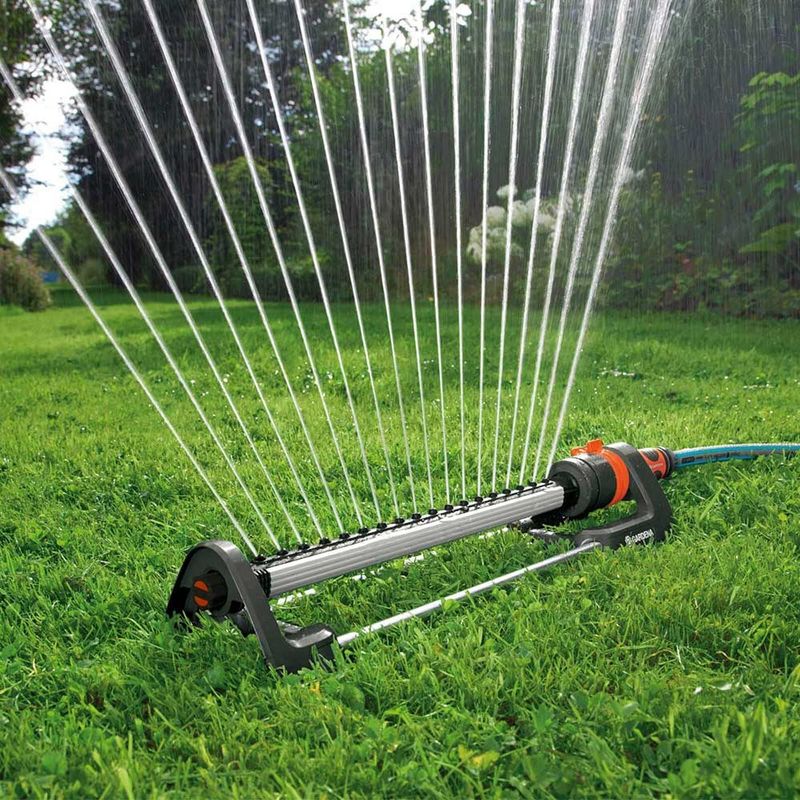
Oscillating sprinklers provide the wide coverage your lawn desperately needs when July heat threatens to turn grass brown. They cover large areas efficiently without requiring your constant attention.
The back-and-forth motion ensures even water distribution that prevents dry spots from developing. You can water multiple zones while staying cool indoors.
Early morning operation gives grass time to absorb moisture before the day’s heat arrives, maximizing effectiveness while minimizing waste.
4. Mulching Mowers
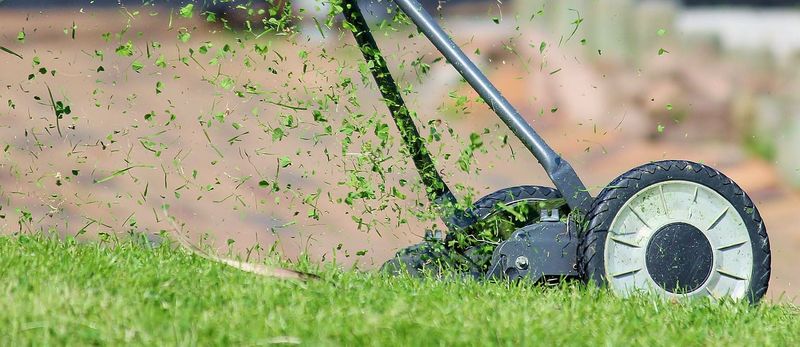
Mulching mowers that chop grass clippings fine enough to decompose quickly become essential when July heat makes bagging clippings unbearable. The chopped grass provides natural fertilizer.
Leaving nutrients on the lawn helps it survive heat stress while reducing your workload significantly. No more emptying heavy bags in sweltering conditions.
The mulched clippings also help retain soil moisture, creating a beneficial cycle that supports lawn health during the most challenging month.
5. Portable Garden Fans
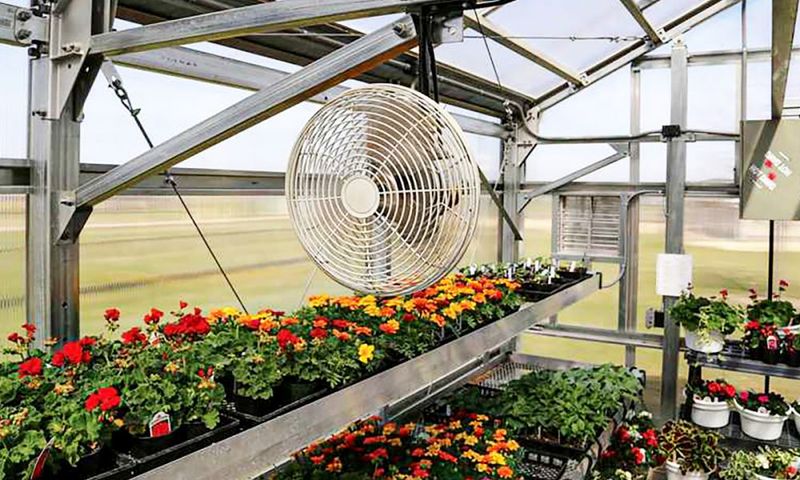
Battery-powered or electric fans create crucial air circulation that prevents fungal diseases and heat stress in July’s stagnant conditions. Moving air makes a huge difference.
Plants recover faster from heat stress when air circulates around their leaves, mimicking natural breezes that cool through evaporation. The investment pays off immediately.
Greenhouse and covered growing areas especially benefit from artificial air movement when natural ventilation isn’t sufficient for plant health.
6. Lightweight Garden Carts
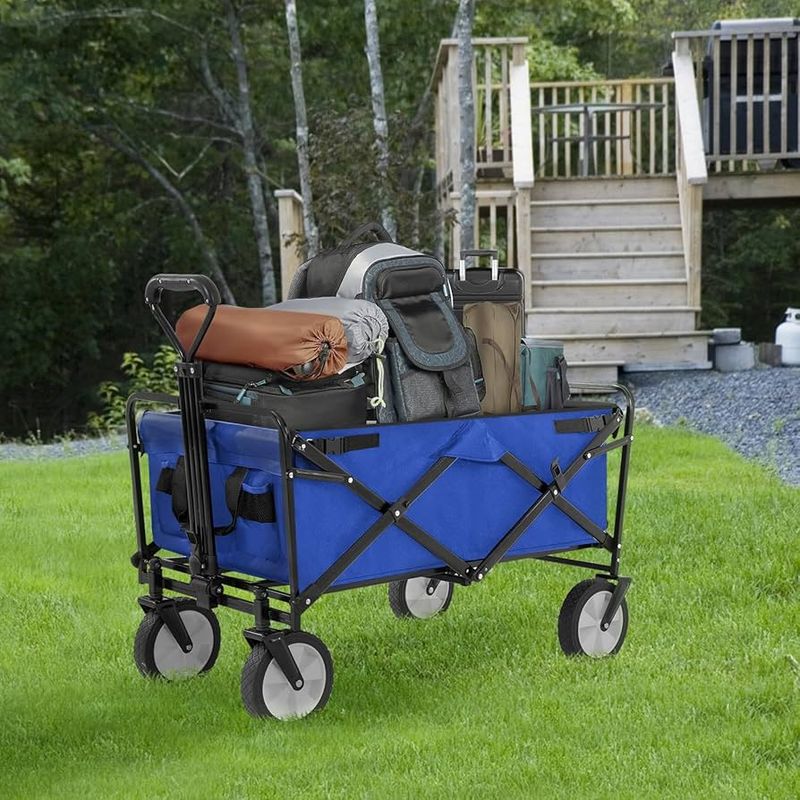
Wheeled carts that roll easily become lifesavers when July heat makes carrying heavy loads of water, mulch, or tools exhausting. Every bit of energy conservation matters.
The mobility lets you position supplies exactly where needed without multiple trips that drain your energy. Work smarter, not harder in extreme heat.
Choose models with large wheels that roll smoothly over uneven ground, making summer garden maintenance much more manageable and efficient.
7. Insect Netting
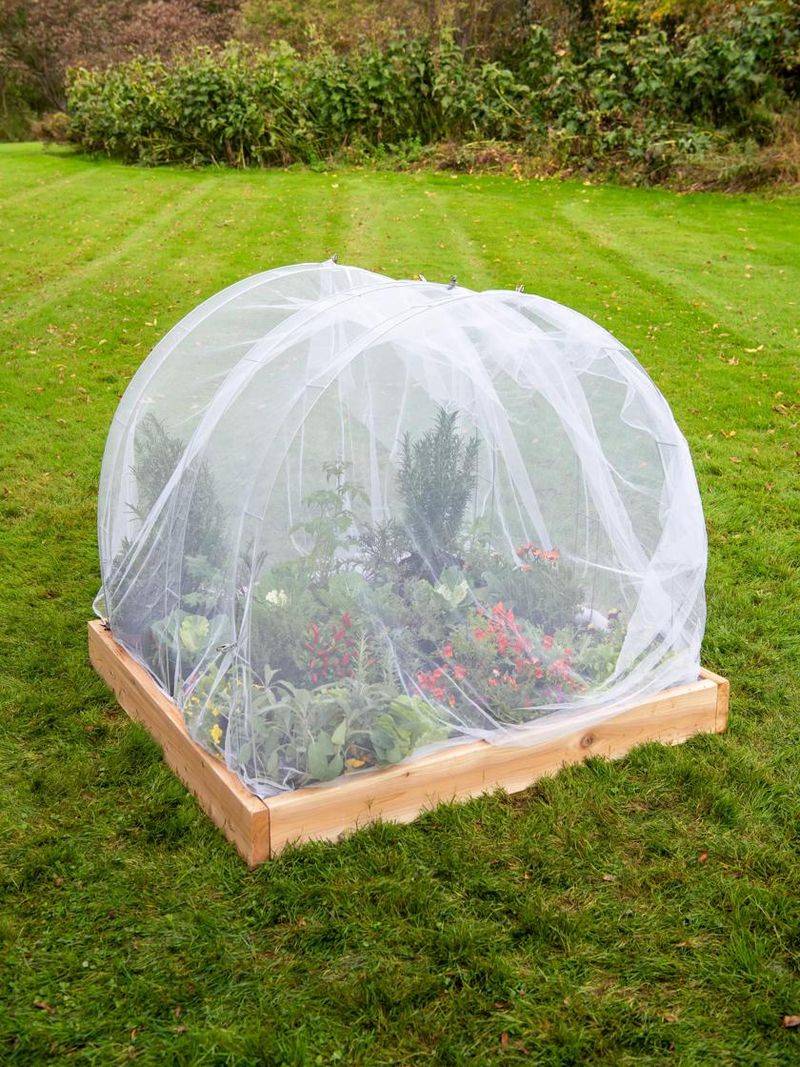
Fine mesh netting protects crops from the explosion of summer pests that can destroy plants weakened by heat stress. Prevention works better than treatment.
July brings peak populations of cucumber beetles, squash bugs, and other destructive insects that fine netting blocks effectively. Your plants stay healthier with physical barriers.
The lightweight material doesn’t trap heat like heavier covers, providing protection without creating additional stress for already struggling plants.
8. Drip Irrigation Timers
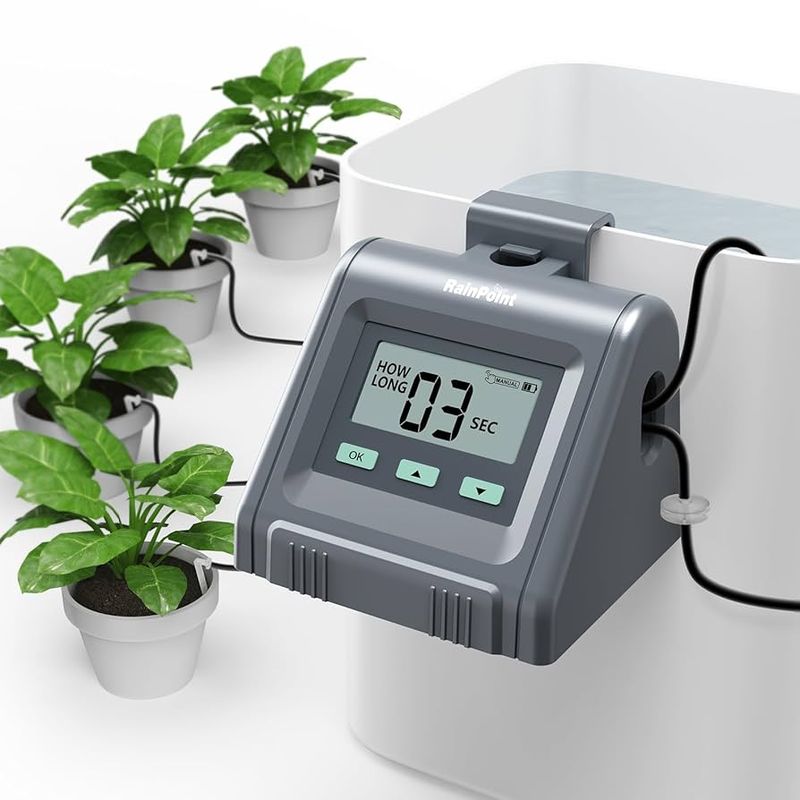
Automatic timers that control drip systems ensure consistent watering even when you’re too hot to venture outside during peak sun hours. Reliability becomes crucial.
Plants need regular moisture during heat stress, but manual watering becomes increasingly difficult as temperatures climb. Automation solves the consistency problem perfectly.
Early morning watering schedules maximize water absorption while minimizing evaporation, making every drop count during water-conscious summer months.
9. Reflective Mulch
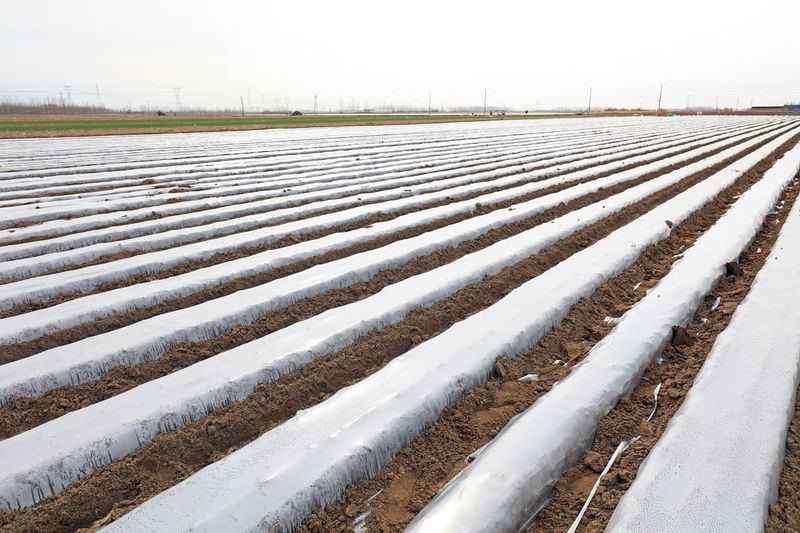
Aluminum or reflective mulches that bounce heat away from plant roots provide cooling that regular mulch can’t match during July’s intensity. The science works beautifully.
Root zone temperatures stay significantly cooler, allowing plants to maintain better health and productivity. The reflective surface also deters many flying insects naturally.
Though more expensive than regular mulch, the cooling benefits and pest deterrent properties make it worthwhile for high-value crops during peak summer.
10. Cooling Towels

Evaporative cooling towels that stay cold when wet become essential gear for gardeners who refuse to let July heat stop their outdoor work. Personal comfort matters.
The specialized fabric technology provides hours of cooling relief around your neck and shoulders. Staying cooler lets you work longer and more safely.
Reactivating them is as simple as re-wetting, making them practical for extended garden sessions when air conditioning isn’t available outdoors.