 Complete Gardening
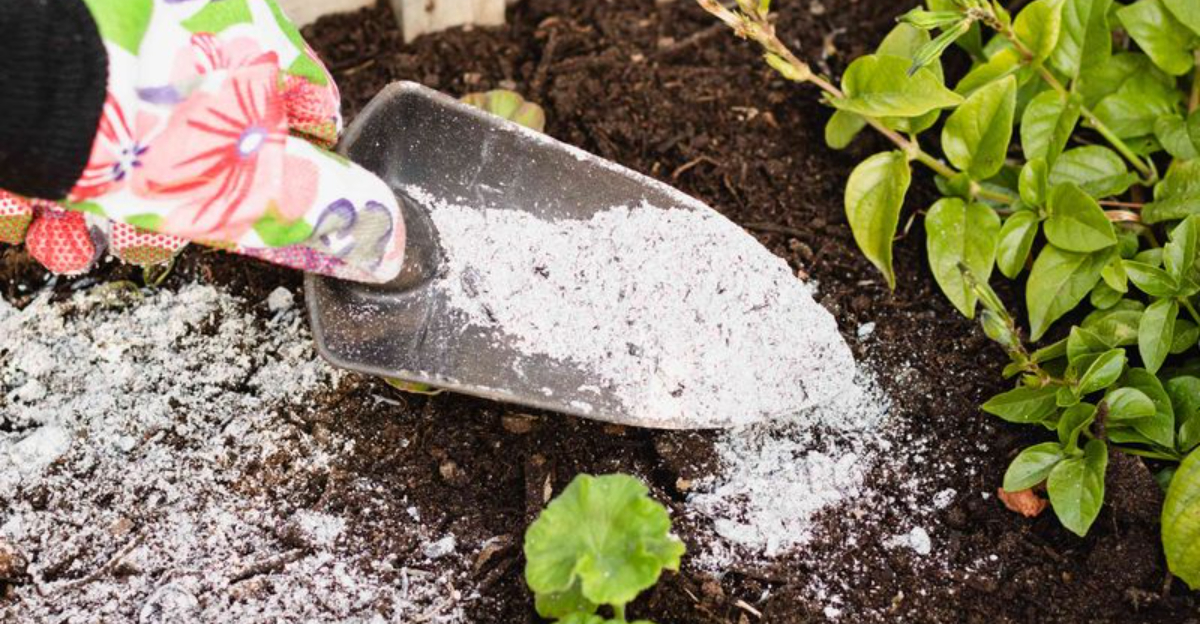
Gardening enthusiasts, rejoice! Transforming your garden into a thriving paradise requires more than just sunlight and water — it demands enriched soil. By burying certain everyday items, you can naturally boost the health of your plants.
This list explores ten ingenious items that can be discreetly buried in your garden to enhance soil quality and plant growth.
Each item offers unique benefits, and with a little creativity, you can turn kitchen scraps and household waste into a gardener’s goldmine. Ready to dig deep and discover these soil-boosting secrets? Let’s get started!
1. Banana Peels
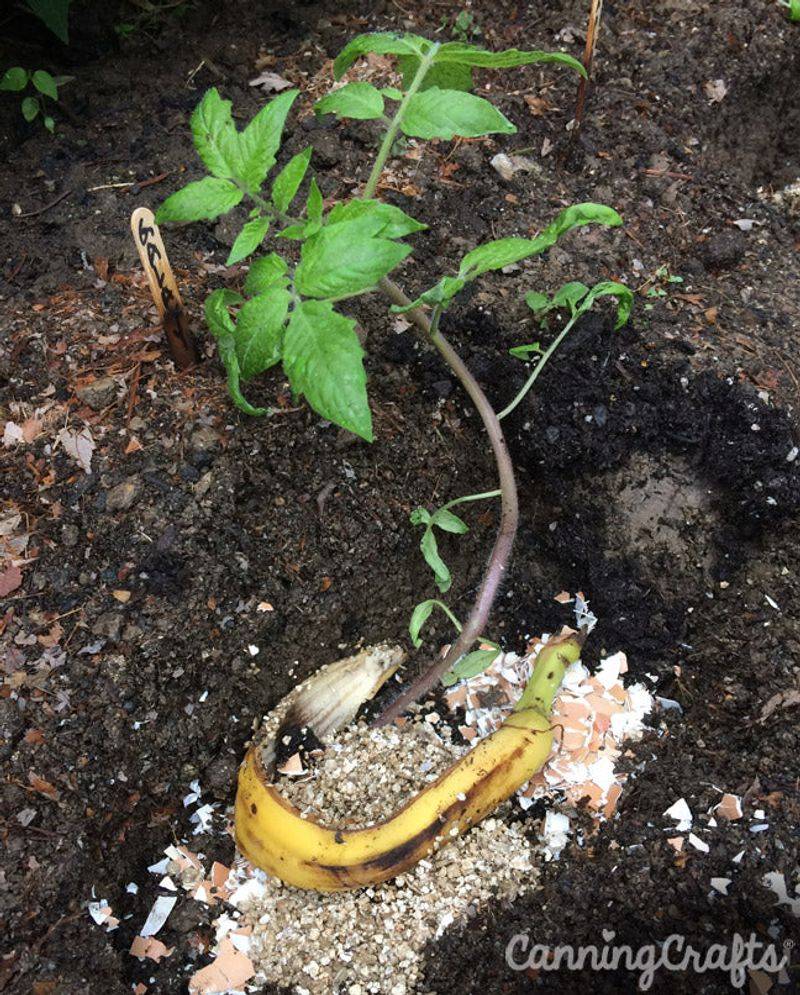
Ever thought of banana peels as soil superheroes? These yellow jackets are packed with potassium, phosphorus, and calcium — essential nutrients that boost flowering and fruiting plants.
Simply chop them into smaller pieces and bury them near the root zone of your plants. As they decompose, they release nutrients slowly, providing a continuous feed to your soil. The peels will break down over time, adding organic matter to your garden.
This not only improves soil structure but also enhances microbial activity. A little-known fact: banana peels can deter aphids, keeping your plants safe from these pesky insects.
2. Eggshells
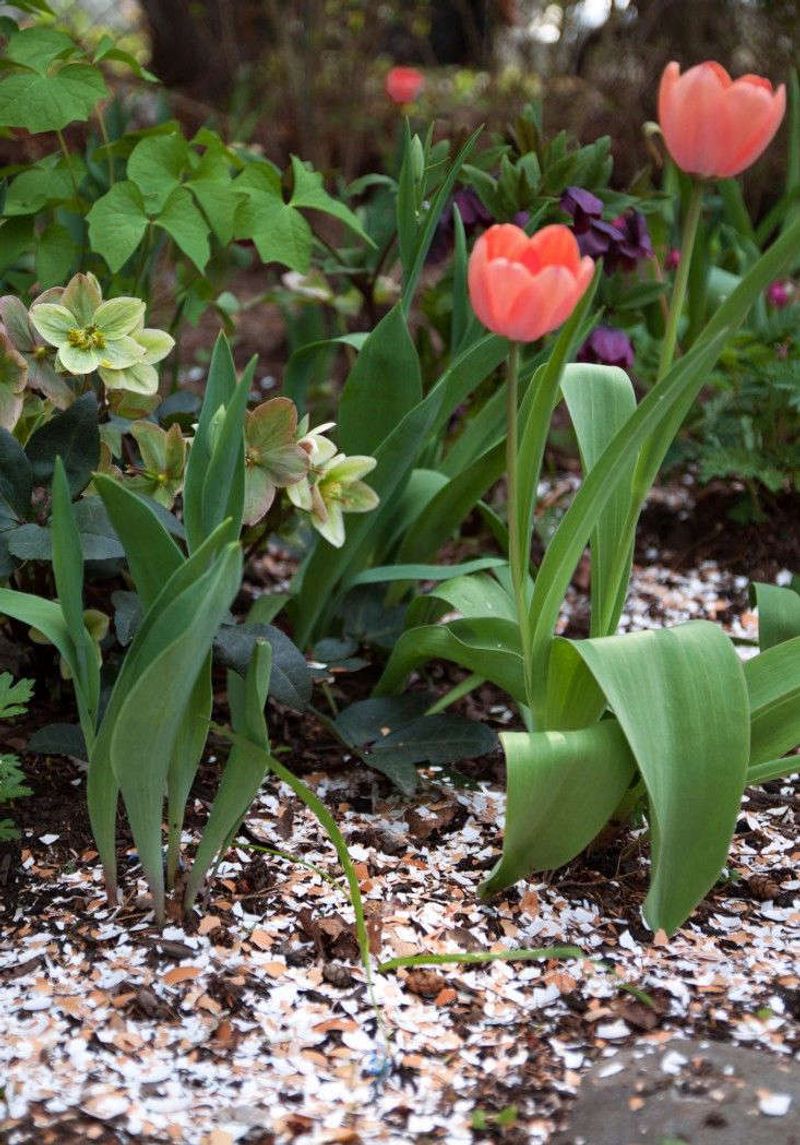
Eggshells aren’t just for the compost bin; they’re a garden’s best friend. Rich in calcium, they help prevent blossom-end rot, especially in tomatoes and peppers. Crush them well to speed up decomposition and enhance their effectiveness.
Scatter the crushed shells around the base of your plants, or mix them into the soil. As they break down, they slowly release calcium, which strengthens cell walls and improves plant growth.
Did you know? Eggshells can also deter slugs and snails, thanks to their sharp edges — a natural pest control method that’s both sustainable and efficient.
3. Coffee Grounds
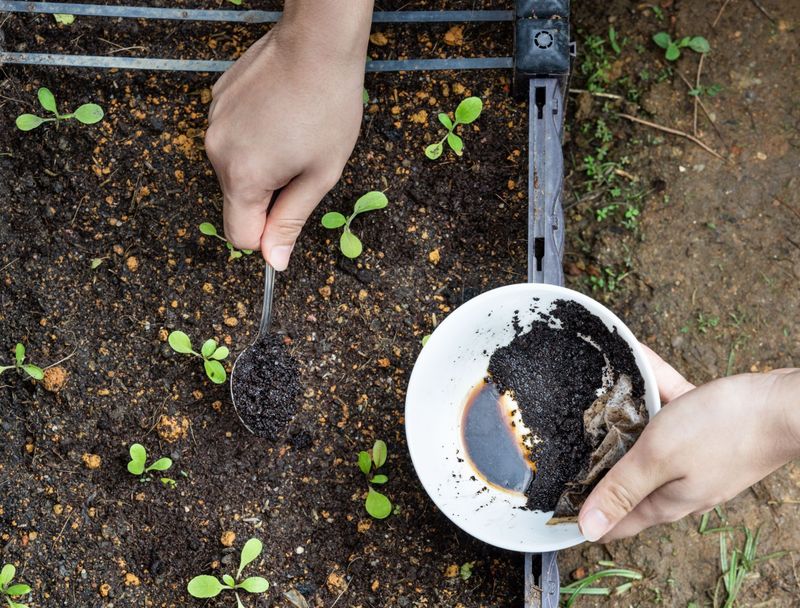
Coffee lovers, rejoice! Your morning brew can benefit your garden too. Used coffee grounds are a fantastic nitrogen source, perfect for acid-loving plants like blueberries and hydrangeas. Lightly bury them in the soil to avoid mold growth.
As they decompose, they enhance soil structure and encourage beneficial microorganisms. Plus, coffee grounds can help repel pests like ants and slugs. Just remember to use them sparingly, as too much can lead to soil acidity.
A fun tidbit: the aroma of coffee grounds can also deter neighborhood cats from using your garden as their personal litter box.
4. Fish Scraps
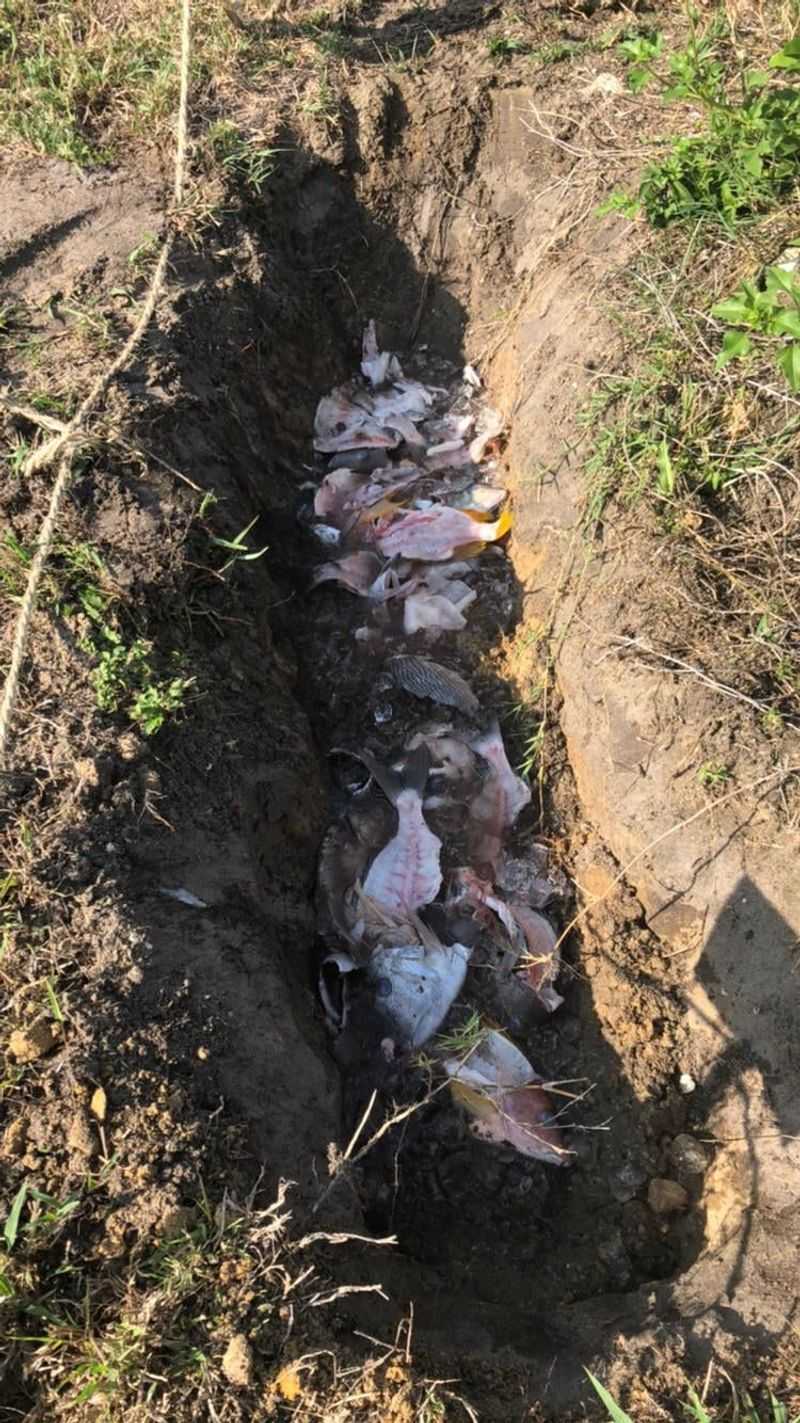
Fish scraps may seem like an odd addition to your garden, but they’re a powerhouse of nutrients. Rich in nitrogen, phosphorus, and potassium, they give plants a strong start. Bury fish heads or guts deep in the soil to avoid attracting animals.
As they decompose, they release a nutrient-rich cocktail that promotes vigorous growth. This age-old gardening practice mimics natural fertilization methods used by indigenous cultures. Remember to cover the scraps well to minimize odors.
Besides enriching the soil, fish scraps can improve water retention and boost microbial activity, turning your garden into a flourishing ecosystem.
5. Tea Bags and Leaves
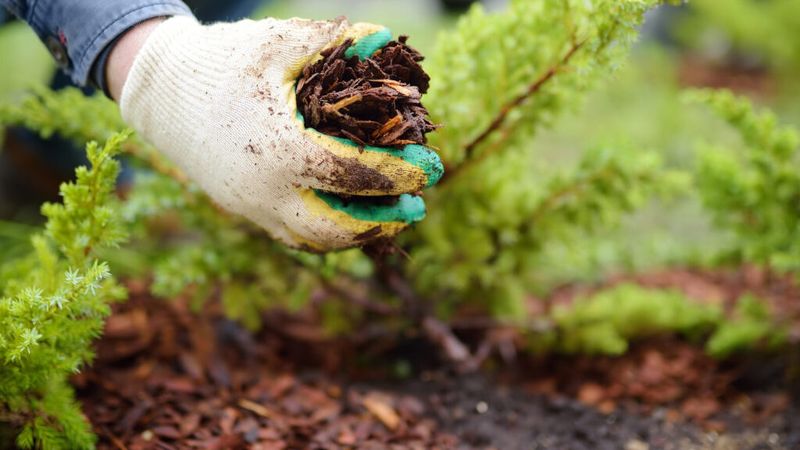
After savoring a comforting cup of tea, don’t toss those used tea bags away! Tea leaves are rich in tannins and nitrogen, offering gentle nourishment to your plants. Ensure your tea bags are non-synthetic before burying them in the soil.
They break down slowly, enriching the soil with organic matter and fostering a balanced pH level — ideal for plant growth. A quirky fact: tea bags can help retain moisture, reducing the need for frequent watering.
The subtle scent of tea can also deter pests, making it a simple yet effective addition to your gardening toolkit.
6. Stale Bread or Cooked Rice
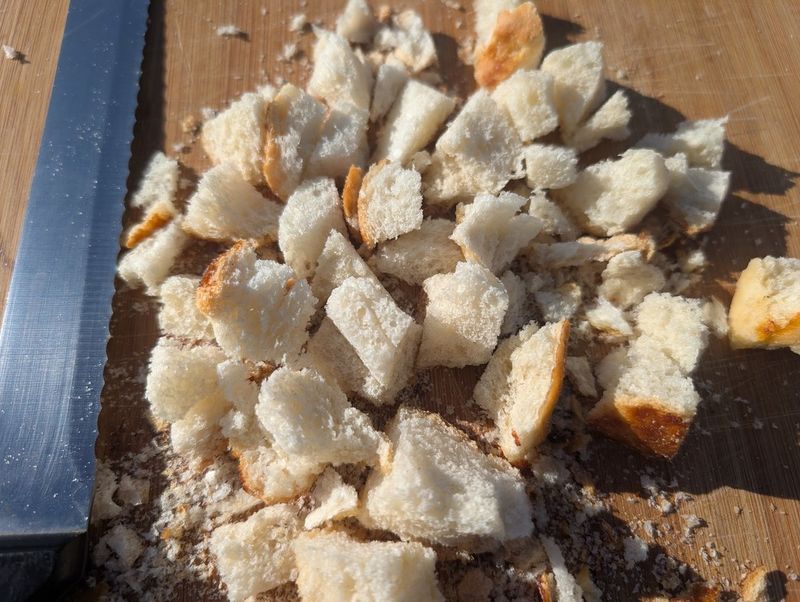
Turn stale bread or leftover rice into a garden boon rather than binning them. These carbohydrates break down quickly, feeding soil microbes and boosting microbial diversity. Bury them deep and sparingly to avoid pests or mold.
As they decompose, they enrich the soil with nutrients and improve its structure. This practice not only reduces waste but also supports a thriving ecosystem underground.
Fun fact: ancient cultures used similar methods to rejuvenate tired soils and enhance crop yields. Remember, moderation is key — overdoing it might lead to unwanted guests in your garden.
7. Hair or Pet Fur
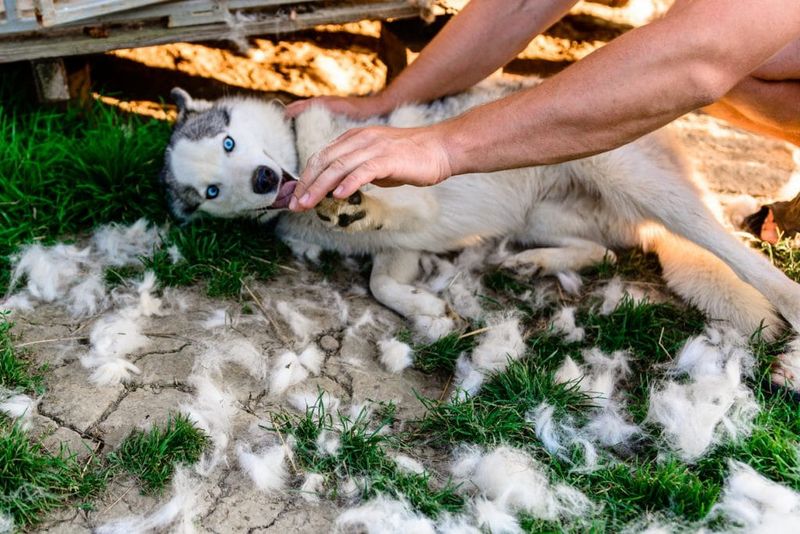
Your hairbrush clippings or pet’s fur can be a surprising asset in the garden. Both contain keratin, a slow-release nitrogen source that nurtures plant growth. Mix them into the soil to improve moisture retention and add structure.
As they decompose, they gradually release nutrients, creating a more fertile environment for your plants. Plus, the texture helps aerate the soil, promoting root development.
Did you know? Some gardeners believe that human hair can deter deer and other animals from grazing on plants, offering a unique form of protection for your precious greens.
8. Wood Ash
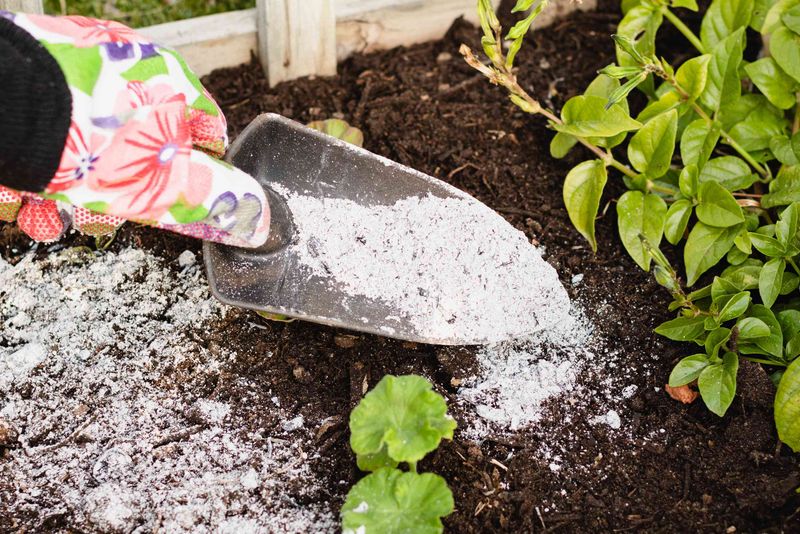
Wood ash might seem like a byproduct of your fireplace, but it’s a treasure trove for your garden. It provides potassium and helps raise pH levels in acidic soils. Sprinkle it moderately, avoiding ash from treated wood.
Incorporate it into the soil to enhance nutrient availability and improve plant health. The alkaline nature can balance overly acidic soils, making them more hospitable for a variety of plants.
A little wood ash can go a long way, so use it sparingly to avoid altering the soil’s pH too drastically. Fun fact: wood ash has been used for centuries as a natural fertilizer!
9. Newspaper or Cardboard
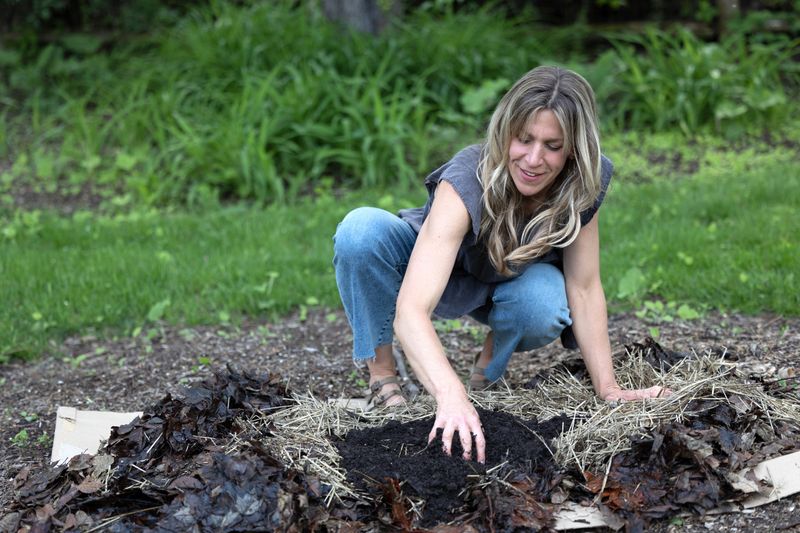
Think twice before recycling those newspapers. Shredded newspaper or cardboard enriches soil structure, suppresses weeds, and feeds earthworms. Make sure they’re ink-safe, free from tape or glossy coating.
Bury these shredded materials in the garden, where they decompose slowly, improving moisture retention and aeration. This simple trick turns waste into a valuable resource, promoting sustainable gardening practices.
A neat fact: earthworms love to munch on decomposing paper, helping to break it down faster and further enriching the soil. Just another reason to consider this eco-friendly approach.
10. Old Vegetables and Peels
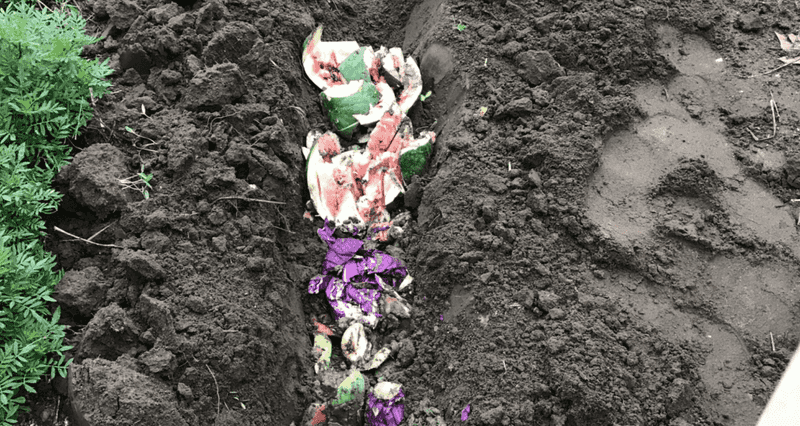
Turn your kitchen waste into garden gold by burying old vegetables and peels directly in the soil. Rotten produce, carrot tops, and onion skins all break down into rich compost, feeding your plants. Avoid citrus or large chunks to prevent attracting pests.
As these scraps decompose, they improve soil fertility and microbial activity. This method mimics natural composting, recycling nutrients back into the earth.
An interesting tip: in some cultures, burying kitchen scraps is a traditional technique to prepare soil for upcoming planting seasons, ensuring a bountiful harvest.