 Complete Gardening
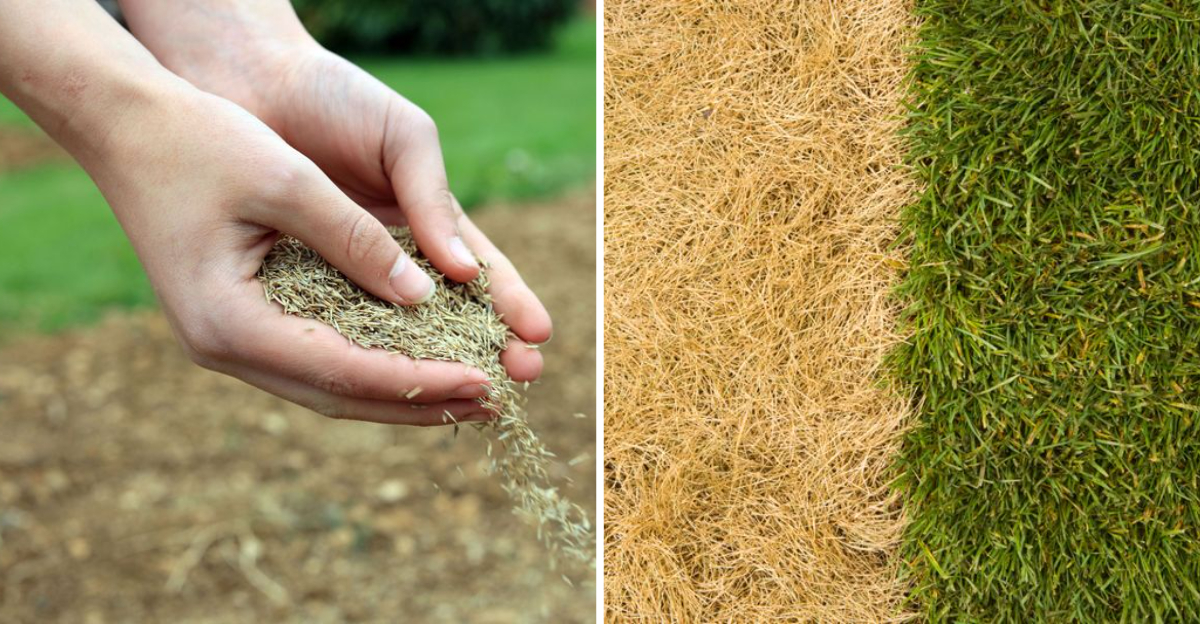
Caring for your lawn can be a gratifying endeavor, but not all efforts yield fruitful results. In this guide, we explore 10 lawn care practices that often waste time and 10 others that can make a rapid, noticeable improvement. Whether you’re a seasoned gardener or a beginner, knowing which habits to avoid and which to adopt can save you time and enhance your lawn’s beauty. Discover the secrets to a lush, green lawn without unnecessary effort.
1. Watering Midday
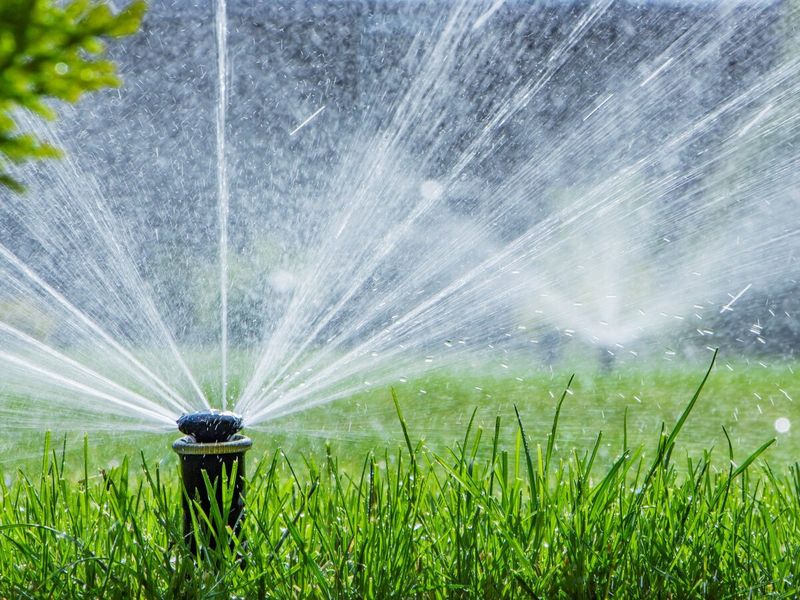
Watering your lawn at midday might seem like a good idea, but it often leads to evaporation before the water reaches the roots. This practice can be a significant waste of time and resources. Instead, consider watering early in the morning or late in the evening when the sun is less intense. This allows the water to soak into the soil properly and nourish the grass roots. The midday heat not only reduces water efficiency but can also stress the grass, leading to brown patches. Adjusting your watering schedule can make a big difference.
2. Over-Fertilizing

While it’s tempting to believe more fertilizer equates to a healthier lawn, over-fertilizing can be counterproductive. It can burn the grass, causing discoloration and patchy growth. Excess nutrients can also run off into waterways, leading to environmental issues. A soil test can help determine the precise amount of fertilizer needed, ensuring a balanced nutrient supply. Consider using slow-release fertilizers that provide nutrients steadily. By understanding your lawn’s specific needs, you can avoid wasting time and money on excessive fertilization.
3. Frequent Mowing
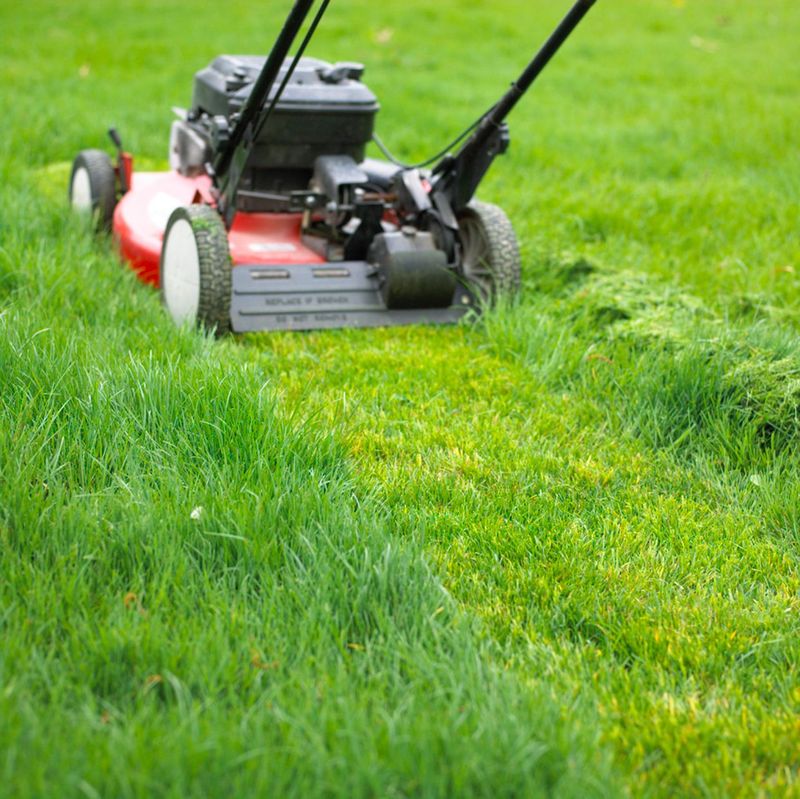
Mowing your lawn too frequently might seem like a path to neatness, but it can actually harm the grass. Constant cutting stresses the grass, leading to weakened roots and increased susceptibility to pests. Allow your lawn to grow to a healthy height before trimming, usually following the one-third rule: never cut more than one-third of the grass height at once. This practice promotes stronger, deeper roots and a lush appearance. Reconsider your mowing schedule to avoid unnecessary stress on your lawn.
4. Ignoring Soil pH
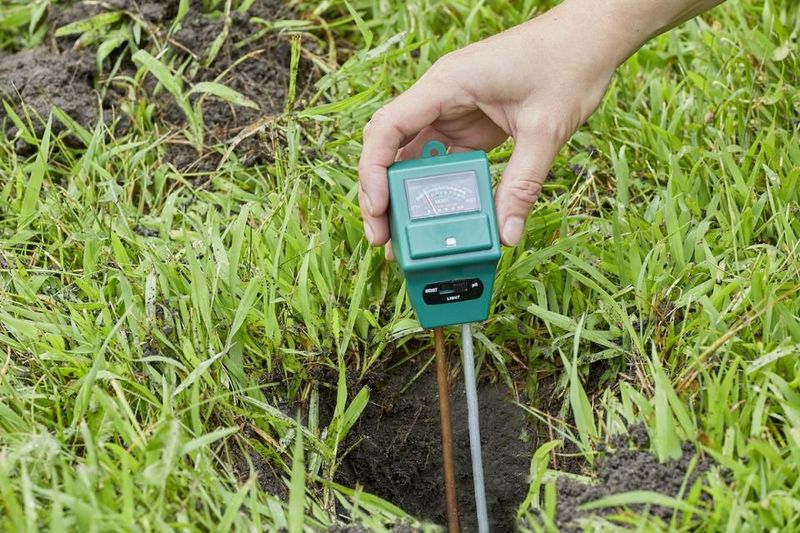
Soil pH plays a crucial role in lawn health, yet many overlook its importance. A lawn with improper pH levels can struggle to absorb essential nutrients, leading to poor growth and yellowing grass. Testing your soil’s pH can guide you in applying the right amendments, such as lime for acidic soil or sulfur for alkaline soil. Correcting the pH ensures nutrient availability and promotes a vibrant lawn. Regular pH monitoring can prevent wasted efforts on lawn care practices that don’t address underlying soil issues.
5. Using Dull Mower Blades
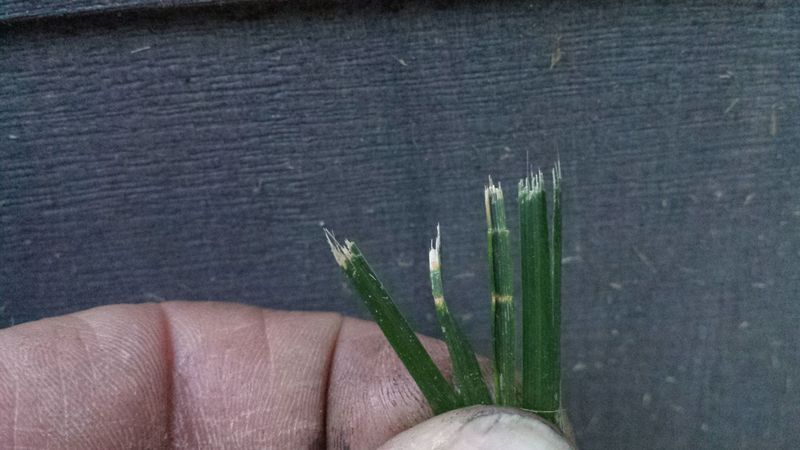
Mowing with dull blades tears grass rather than cutting it cleanly, leaving jagged edges that brown easily. This can make your lawn appear unsightly and unhealthy. Sharpening your mower blades regularly ensures a clean cut, which helps grass heal faster and resist disease. It’s a simple step that can prevent wasted effort in maintaining lawn aesthetics. Keeping blades sharp is a small task with significant impact, enhancing the overall appearance of your lawn with each cut.
6. Planting Grass Seed Incorrectly
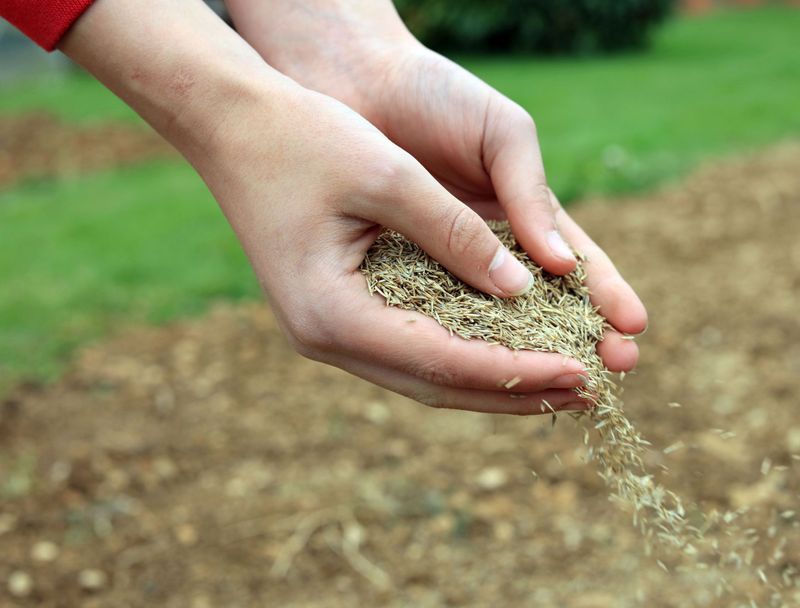
Planting grass seed without proper technique leads to uneven growth and bare patches. For successful germination, seeds need contact with the soil and consistent moisture. Rake the soil lightly to prepare it, then spread seeds evenly. Lightly cover them with a thin layer of soil or mulch to protect against birds and harsh weather. Water gently to avoid dislodging seeds. Correct planting practices ensure a lush, uniform lawn. By taking care in this initial step, you can save time and achieve better results.
7. Bagging Grass Clippings
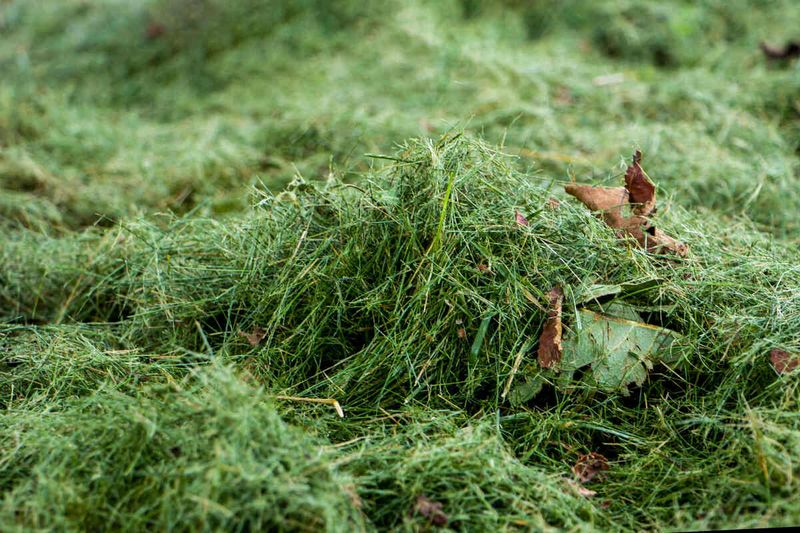
Bagging grass clippings after mowing might seem neat, but it removes valuable nutrients that could return to the lawn. Grass clippings decompose quickly, providing essential nitrogen and reducing the need for additional fertilizers. When left on the lawn, they act as a natural mulch, helping retain moisture. This practice saves time and resources while enhancing lawn health. Consider leaving clippings to naturally cycle back into your lawn, fostering a richer, more sustainable environment.
8. Not Aerating the Lawn
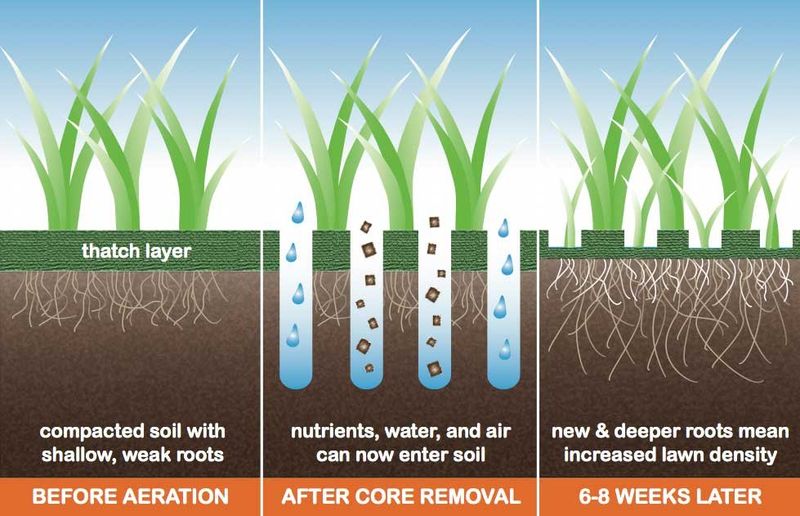
A dense layer of soil can prevent air, water, and nutrients from reaching the grass roots. Aerating your lawn helps relieve soil compaction, allowing for better root growth and nutrient uptake. This process involves perforating the soil with small holes, promoting a healthier lawn. Ignoring aeration can lead to wasted efforts in other lawn care activities, as compacted soil stifles growth. Regular aeration, especially in high-traffic areas, is essential for maintaining a vibrant lawn.
9. Using Incorrect Grass Type
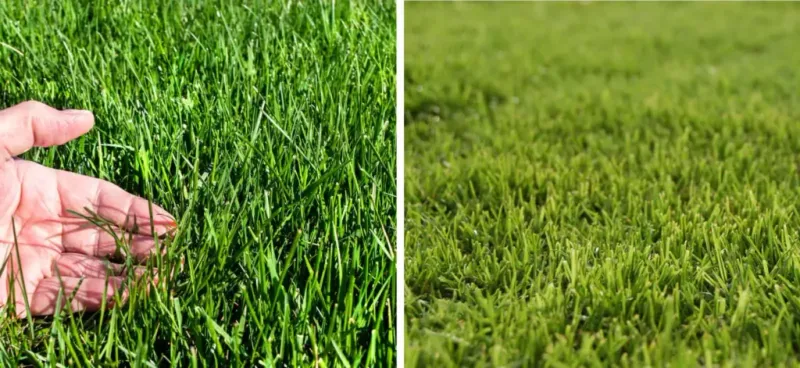
Choosing the wrong grass type for your climate or soil condition can lead to a struggling lawn. Each grass species has unique requirements and characteristics, making it vital to select one suited to your environment. Researching the best grass type for your area, based on factors like sunlight, drought resistance, and temperature tolerance, ensures sustainable lawn growth. Incorrect grass choice often results in increased maintenance and wasted time. Proper selection simplifies care and enhances lawn resilience.
10. Overwatering the Lawn
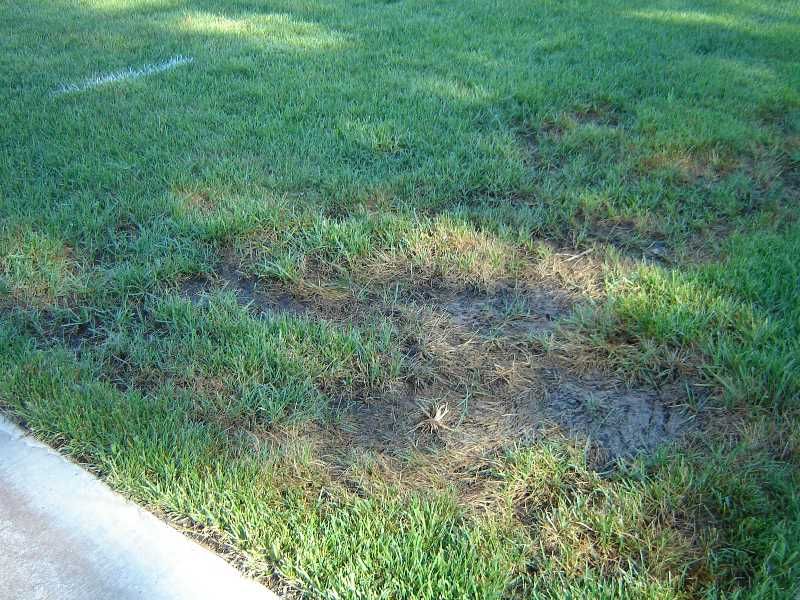
Overwatering can drown your lawn, wash away nutrients, and promote fungal diseases. It’s a common misconception that more water equals better growth. Most lawns require about an inch of water per week, including rainfall. Monitoring weather conditions and using a rain gauge can help manage watering effectively. Proper irrigation practices conserve water and maintain a healthy lawn. Understanding your lawn’s water needs prevents waste and encourages deeper root growth, resulting in a robust, drought-resistant lawn.
11. Watering Early Morning
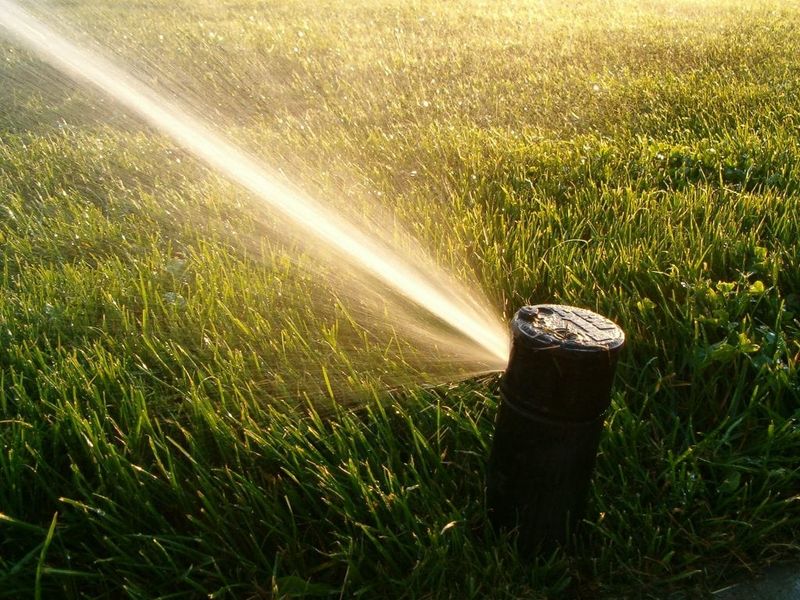
The early morning hours offer the best time to water your lawn. Cooler temperatures and calm winds ensure that water thoroughly penetrates the soil without evaporating quickly. This timing allows the grass to absorb moisture throughout the day, promoting robust growth. Early watering also reduces the risk of fungal diseases, which thrive in damp, overnight conditions. By adjusting your watering schedule to the morning, you can see a noticeable improvement in lawn health and vitality. Mornings make a significant difference.
12. Using a Reel Mower
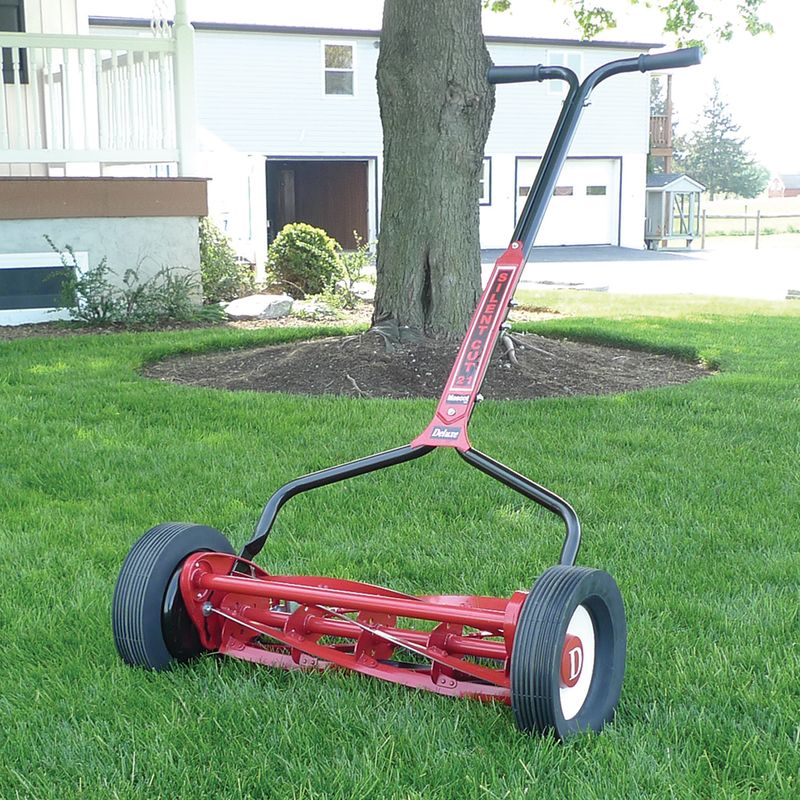
Reel mowers offer a clean, precise cut that benefits lawn health. Unlike rotary mowers, which tear grass, reel mowers snip it like scissors, reducing stress and disease risk. They require no gas or electricity, making them environmentally friendly and cost-effective. Regular use of a reel mower encourages thicker, healthier growth. While they require more effort on tall or tough grass, the results are worth it. This tool provides a classic touch and offers visible improvements to your lawn’s appearance.
13. Mulching Grass Clippings
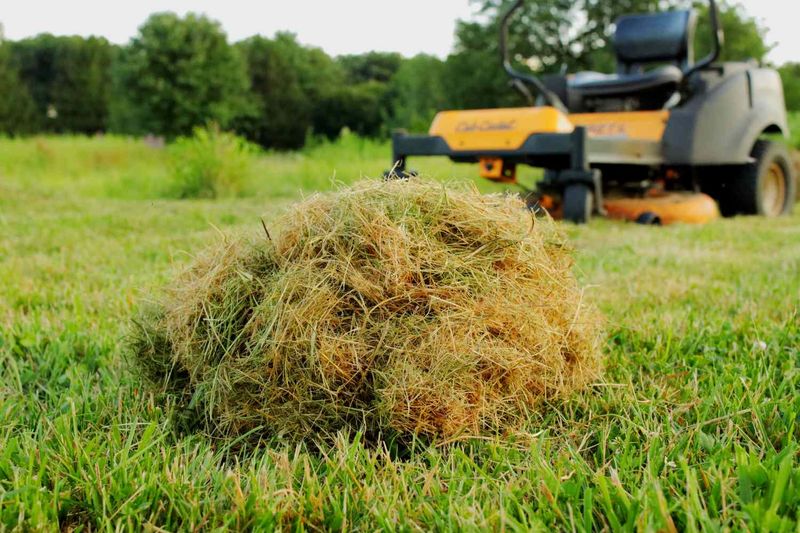
Mulching is an effective way to recycle grass clippings, returning valuable nutrients back to the lawn. This process not only reduces the need for additional fertilizers but also helps retain soil moisture and control weeds. As the clippings decompose, they enhance soil structure, promoting robust growth. Mulching mowers finely chop the clippings, allowing them to break down quickly without creating thatch. Embracing mulching as a regular practice can lead to a greener, lusher lawn with minimal effort.
14. Maintaining Sharp Mower Blades

Sharp mower blades are crucial for a healthy lawn. They ensure a clean cut, reducing the risk of disease and browning at the tips. Regular sharpening, at least once a season, keeps the mower efficient and the lawn aesthetically pleasing. Dull blades tear grass, leading to a ragged appearance and increased vulnerability to pests. By maintaining sharp blades, you enhance your lawn’s resilience and beauty. It’s a simple maintenance task that yields significant visual improvements.
15. Soil Testing
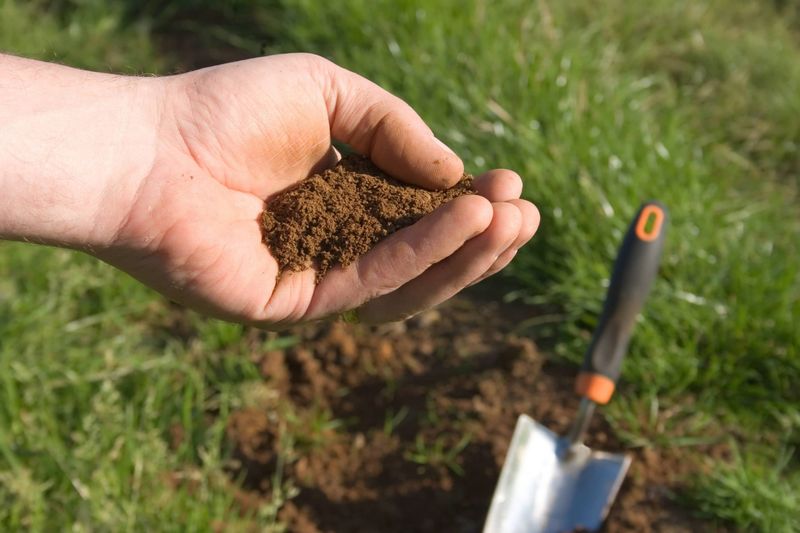
Understanding your soil’s composition can significantly impact lawn health. Soil testing reveals nutrient deficiencies and pH levels, guiding your fertilization and amendment choices. By tailoring your approach to the soil’s specific needs, you can foster optimal growth conditions. Regular testing, ideally every couple of years, prevents wasted effort on unnecessary treatments. A simple soil test can be the key to unlocking your lawn’s full potential, leading to vibrant, consistent growth.
16. Choosing Native Grass Species
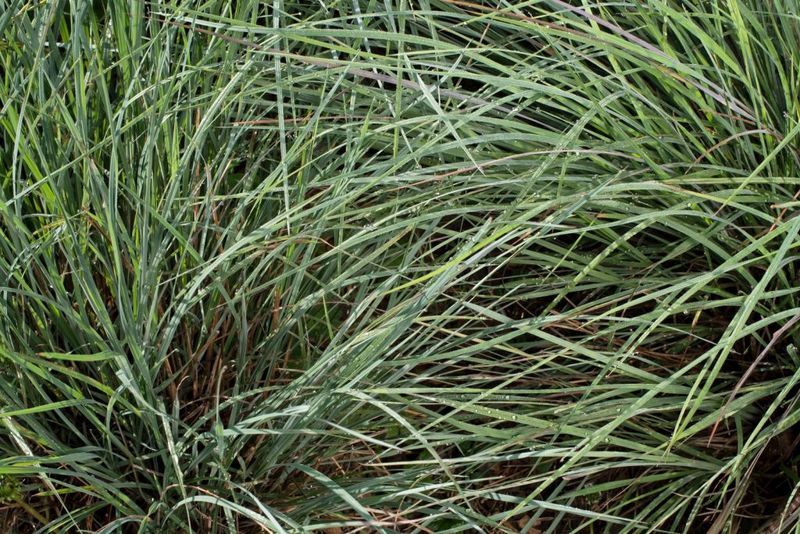
Native grass species are adapted to local conditions, offering a sustainable and low-maintenance lawn solution. These grasses require less water, fertilizer, and pest control, thriving naturally in their native environment. By selecting native species, you can reduce lawn care efforts significantly while still achieving a lush, healthy lawn. This choice supports local biodiversity and can withstand environmental stresses better than non-native varieties. A lawn with native grass offers both aesthetic appeal and ecological benefits.
17. Strategic Fertilization
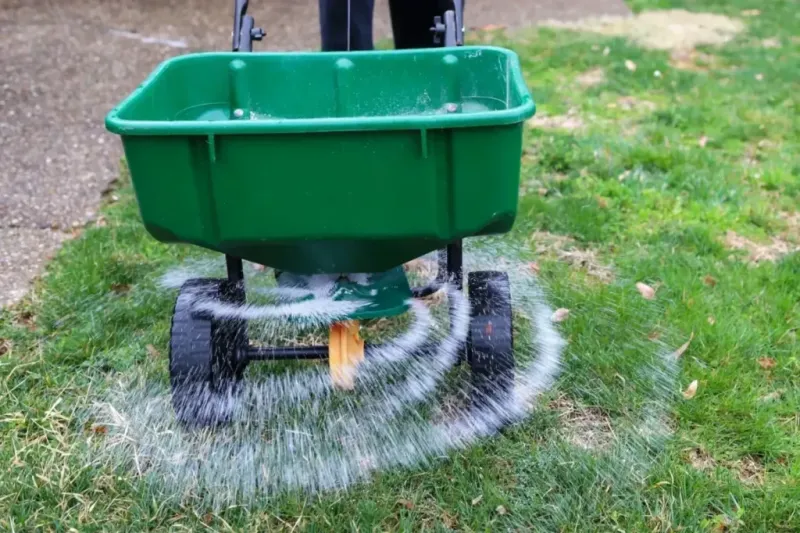
Applying fertilizer strategically rather than excessively can lead to swift, noticeable improvements in lawn health. Conducting a soil test to determine specific nutrient needs ensures that your lawn receives the right balance. Opt for slow-release fertilizers that provide steady nourishment over time. By focusing on targeted fertilization, you can avoid the pitfalls of over-fertilizing and see rapid, sustainable growth. Strategic application not only saves resources but also fosters a vibrant, thriving lawn environment.
18. Composting
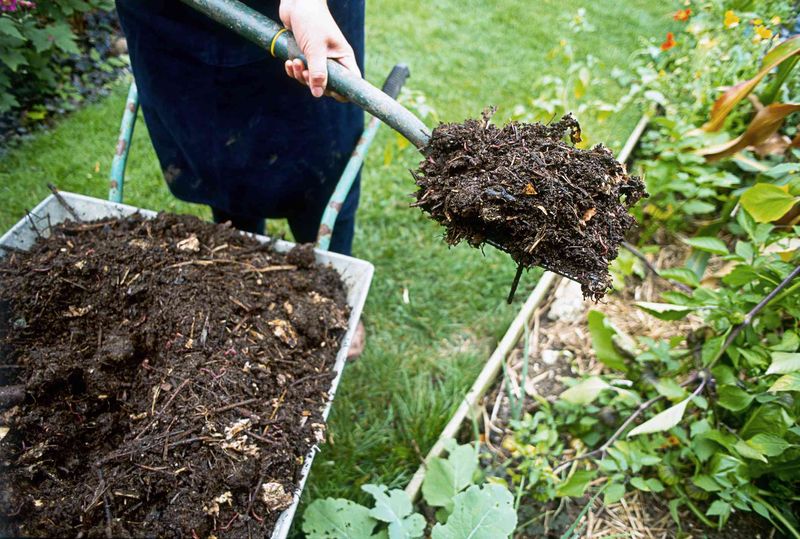
Composting organic waste provides a rich, natural soil amendment that enhances lawn health. Homemade compost is packed with nutrients, improving soil structure and fertility. By incorporating compost into your lawn care routine, you can reduce reliance on chemical fertilizers and support environmental health. Regular application of compost can lead to greener, more vigorous growth. This sustainable practice not only enriches your lawn but also reduces household waste, aligning with eco-friendly gardening principles.
19. Regular Aeration
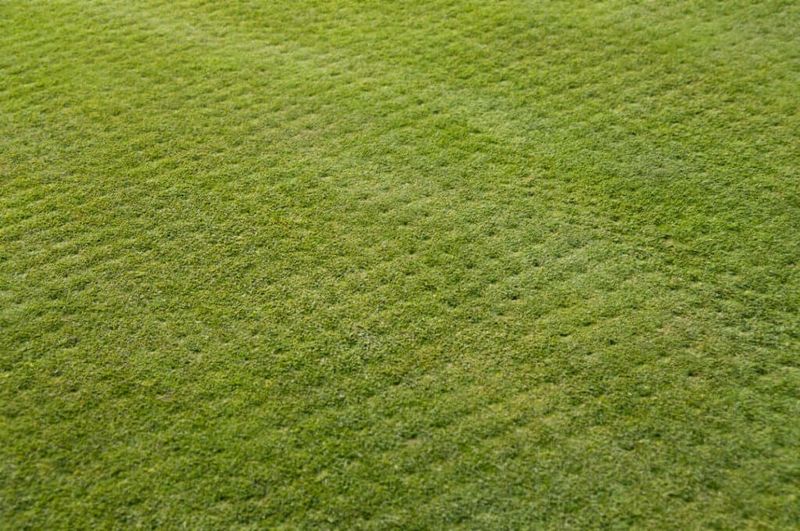
Aerating your lawn regularly promotes robust root growth by alleviating soil compaction. This process allows air, water, and nutrients to penetrate deep into the soil, enhancing overall lawn health. High-traffic areas particularly benefit from aeration, preventing soil from becoming too dense. Regular aeration can improve drought resistance and nutrient absorption, leading to a visibly healthier lawn. Embracing this practice ensures that your efforts in other lawn care areas are not wasted, maximizing your lawn’s potential.
20. Irrigation System Optimization
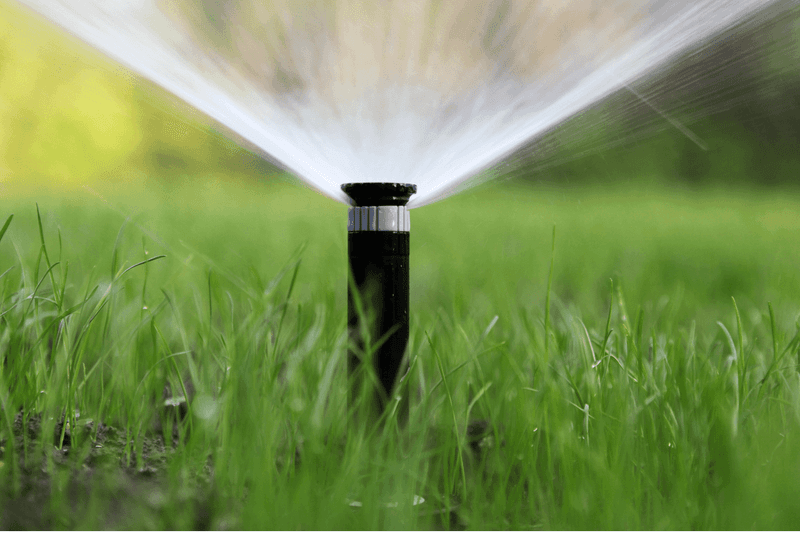
An optimized irrigation system can transform your lawn care routine, ensuring consistent moisture levels without overwatering. By using drip irrigation or smart controllers, you can deliver water directly to the roots, minimizing waste. This approach not only conserves water but also supports lawn health by preventing fungal growth and nutrient runoff. Modern irrigation technology offers precise control, allowing you to adjust for seasonal changes. An efficient system enhances lawn vitality and reduces the time spent on manual watering.