 Complete Gardening
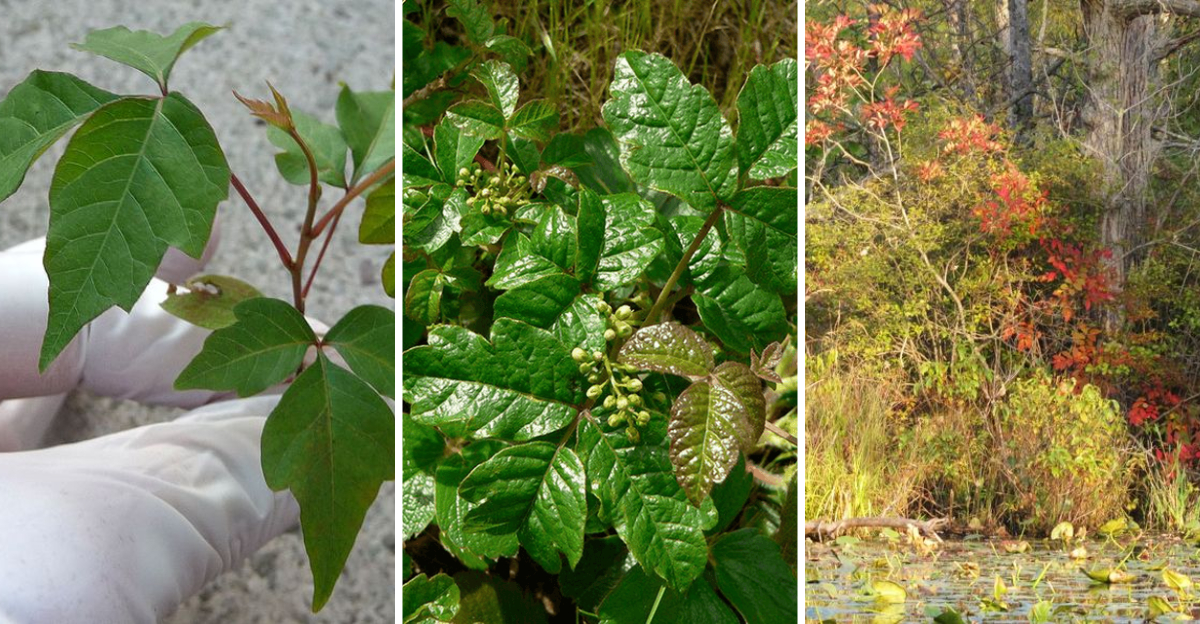
Gardening is a peaceful hobby, but it’s essential to be aware of plants that could harm your skin. This guide covers ten noxious garden plants known for causing skin irritation and five alternative plants that are safe to grow. By choosing wisely, you can enjoy a beautiful and safe garden environment.
1. Poison Ivy
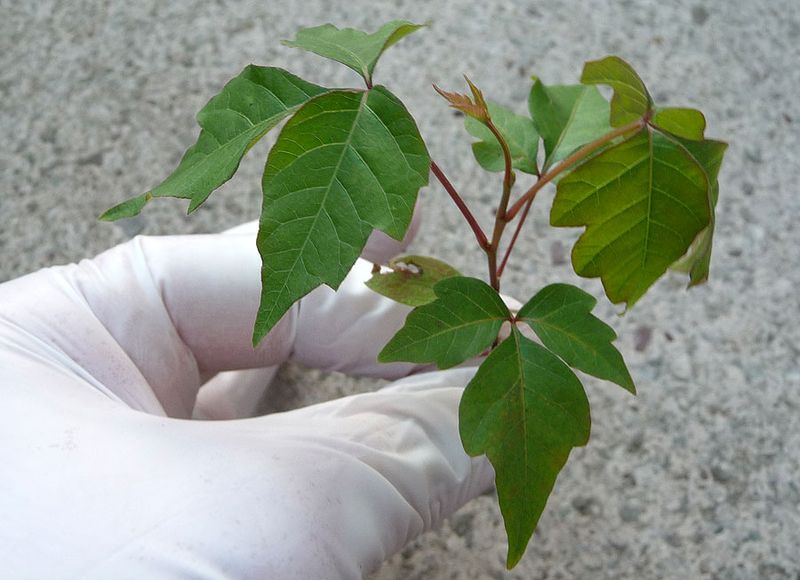
“Leaves of three, let it be.” This common saying warns of poison ivy’s notorious reputation. Its oils can cause intense itching, redness, and blisters upon contact.
Even brushing against the leaves can trigger a reaction. Found throughout North America, this plant is often mistaken for its harmless counterparts.
Did you know? Some people are immune to its effects, but it’s best not to test your luck! Protect yourself by wearing long sleeves and gloves when gardening near this notorious plant.
2. Poison Oak
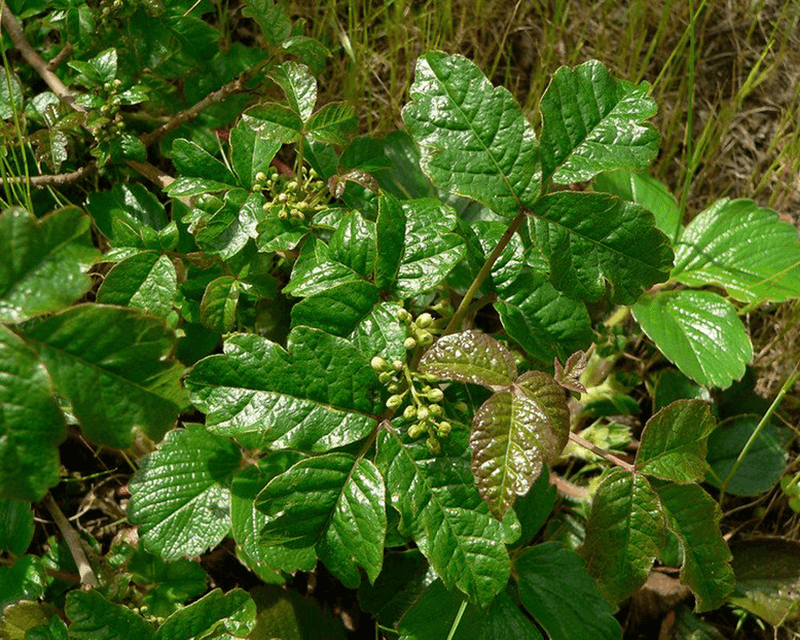
Much like its ivy cousin, poison oak is a skin hazard. Its resemblance to oak leaves can deceive the unsuspecting gardener.
The plant’s oils are the culprit, causing rashes similar to poison ivy. Predominantly found in western parts of North America, it’s a plant to be wary of.
Interestingly, Native Americans used the plant for dyeing baskets. However, modern gardeners should prioritize safety by avoiding contact at all costs.
3. Poison Sumac
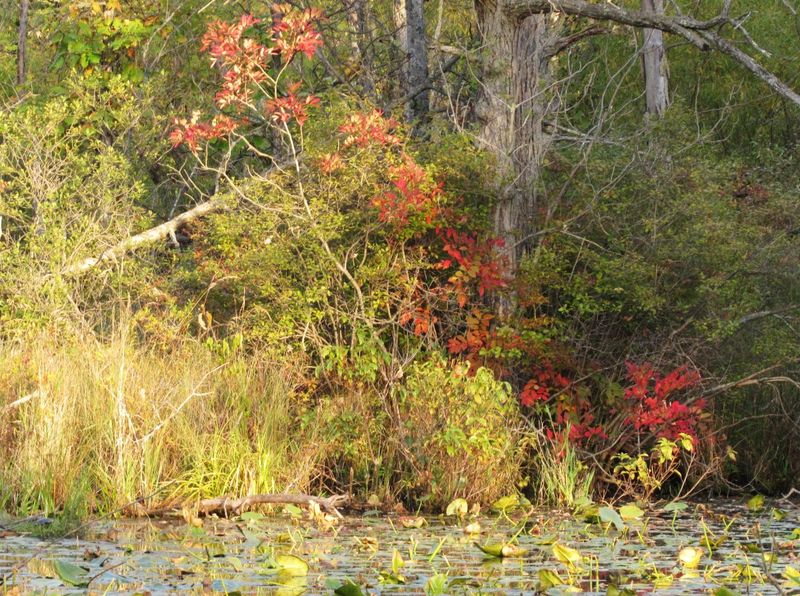
Notorious for its potent rash-inducing oils, poison sumac is less common but more toxic than poison ivy and oak. It thrives in wet, swampy areas.
The plant’s berries are white, setting it apart from its non-toxic relatives.
Beware: even dead plants contain the irritant oil that causes severe allergic reactions. Always stay vigilant when near marshy landscapes to avoid unpleasant encounters with this plant.
4. Stinging Nettle
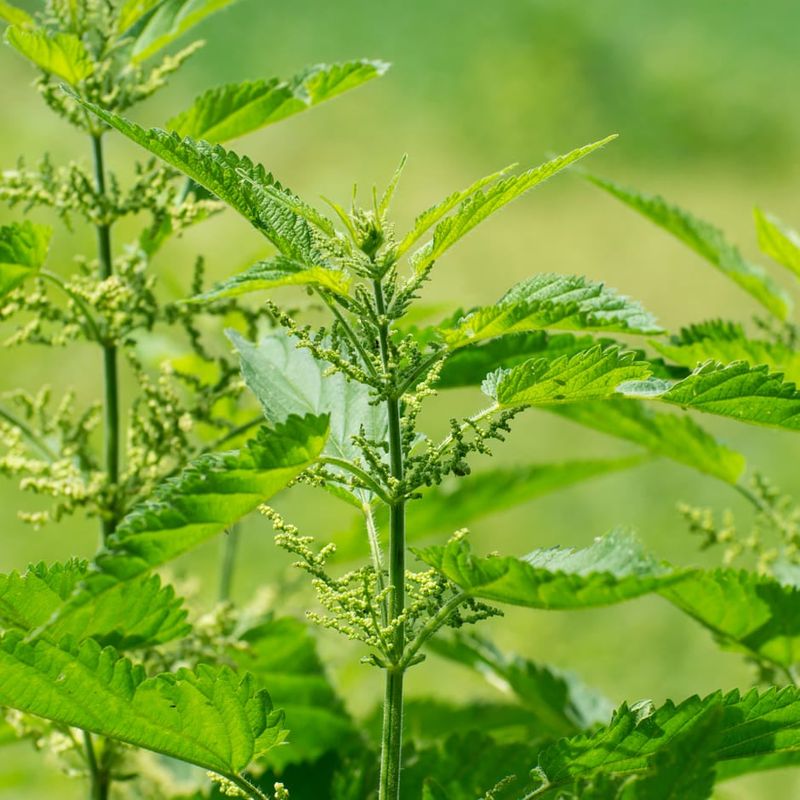
At first glance, stinging nettle might appear harmless, but its tiny hairs release a stinging toxin. Contact results in itching and a burning sensation.
Despite its nasty sting, nettle is used in herbal remedies and cooking. Rich in nutrients, it is harvested carefully by those who know how to handle it.
A fun fact: nettle fibers were traditionally used to make cloth before cotton became widespread. It’s a plant that demands respect and caution from those who venture too close.
5. Giant Hogweed

Standing tall and imposing, giant hogweed resembles a botanical giant. Its sap can cause severe burns and even temporary blindness.
This invasive species poses a serious threat to both humans and local ecosystems. Found mostly in the Northeast U.S. and Canada, it’s not to be underestimated.
Surprisingly, in its native lands, the plant has been used for medicinal purposes. However, in non-native areas, it remains a dangerous adversary for unwary gardeners.
6. Wild Parsnip
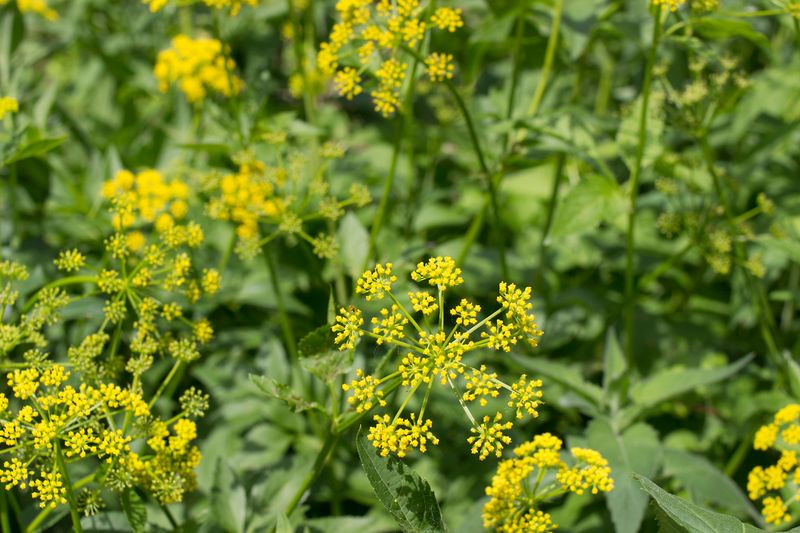
Wild parsnip may look like a sunny addition to your garden, but its sap is hazardous. When exposed to sunlight, it causes painful burns and blisters.
This phototoxic plant is widespread along roadsides and fields, often mistaken for harmless Queen Anne’s lace.
Historically, parsnips were a staple food, but wild varieties are best left alone. Protect yourself with proper clothing and awareness of your surroundings while outdoors.
7. Ragweed
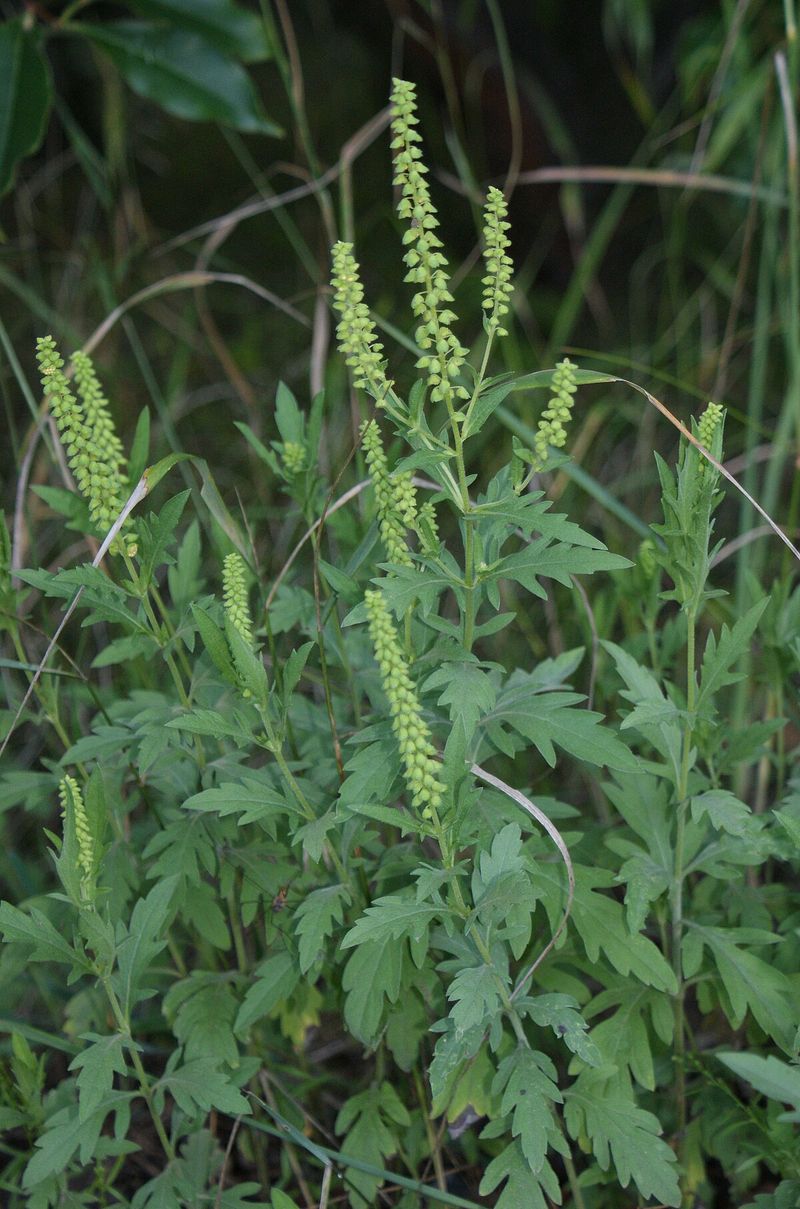
Ragweed is infamous for causing seasonal allergies, but direct contact can irritate the skin as well. Its tiny flowers release copious amounts of pollen.
Common across North America, ragweed’s impact extends beyond sneezes to skin rashes.
Interestingly, ragweed has been studied for its potential in pollutant bioaccumulation. Regardless, gardeners should steer clear and manage its growth to reduce allergic reactions.
8. English Ivy
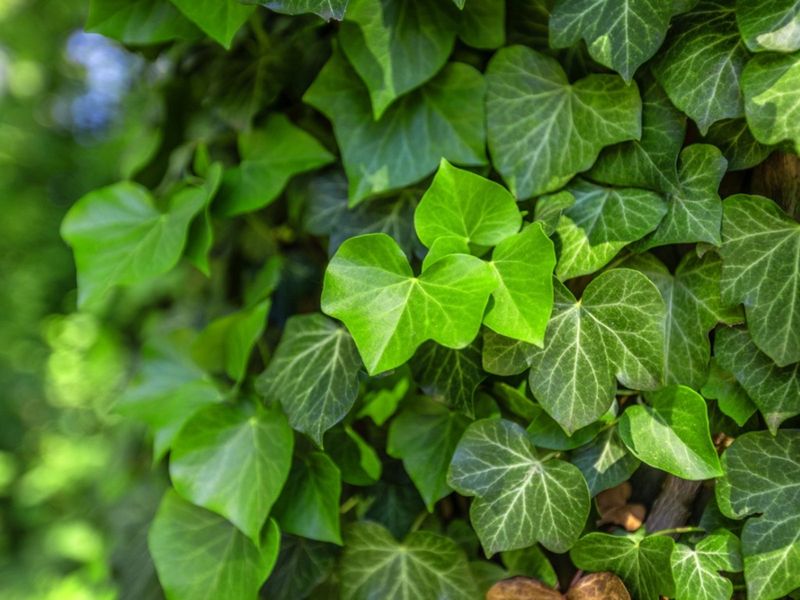
Enchanting and iconic, English ivy adorns many gardens, yet its sap can lead to dermatitis. Prolonged contact with its leaves can cause irritation.
While often used for decorative purposes, it requires careful handling to avoid adverse reactions.
Did you know? English ivy is an excellent air purifier indoors, though caution is advised when handling it. Protect your skin by wearing gloves if you plan to prune or handle this classic plant.
9. Buttercup
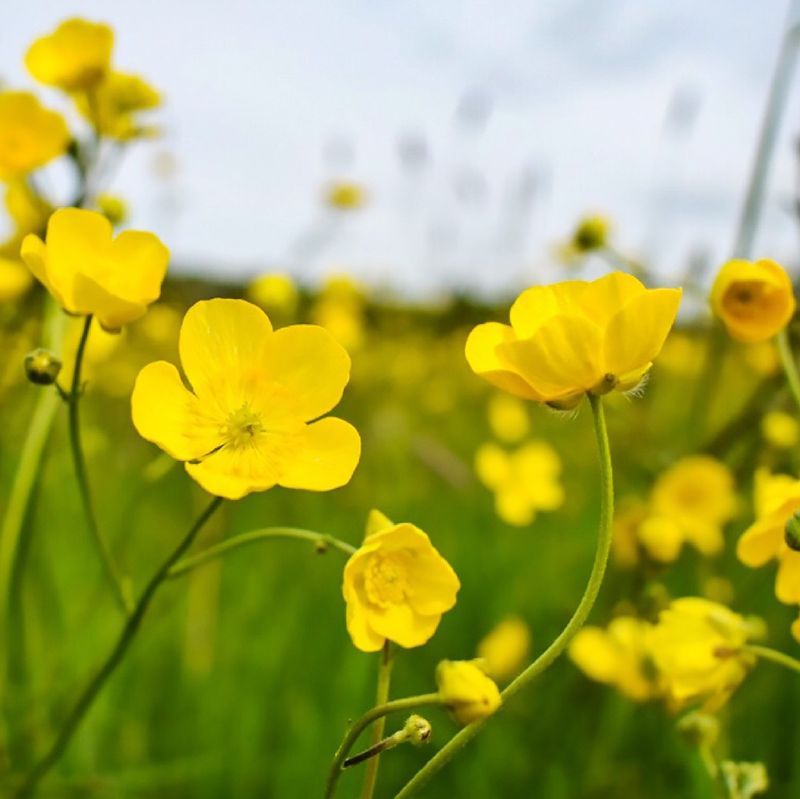
With cheerful yellow blooms, buttercups seem inviting, but they hide a secret: their sap can blister skin. This phototoxic reaction occurs when the sap is activated by sunlight.
Found in meadows and gardens, their beauty is best admired from afar.
Buttercups have been part of folklore, symbolizing childishness or ingratitude. Despite their storied history, modern gardeners should be cautious of their hidden dangers.
10. Rue
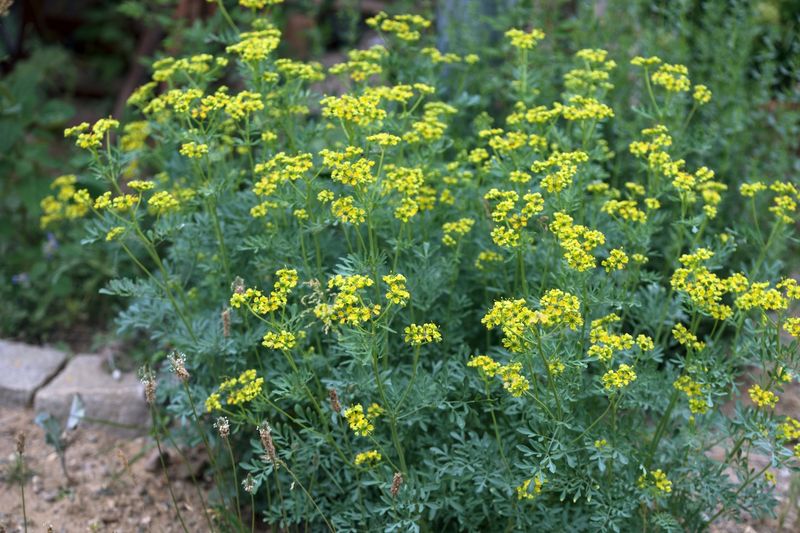
Rue, known for its medicinal past, is a herb with a bite. Its oils can cause blistering and sensitivity to sunlight.
Historically used to ward off evil, it now requires careful handling.
Did you know? Rue’s symbolism includes regret and sorrow due to its bittersweet nature. Always use gloves when tending to this plant and ensure it doesn’t brush against bare skin.
11. Lavender
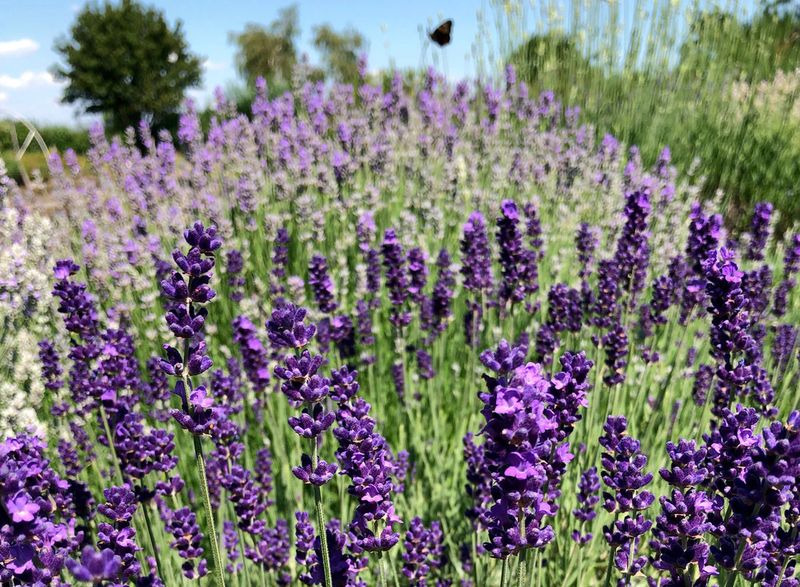
Known for its soothing scent, lavender is a gardener’s delight. Unlike many garden plants, it poses no threat to skin.
Its calming aroma and vibrant purple flowers make it a popular choice for borders and pots.
Did you know? Lavender has been used since Roman times for bathing and relaxation. It’s a plant that embodies tranquility and safety in any garden.
12. Marigold
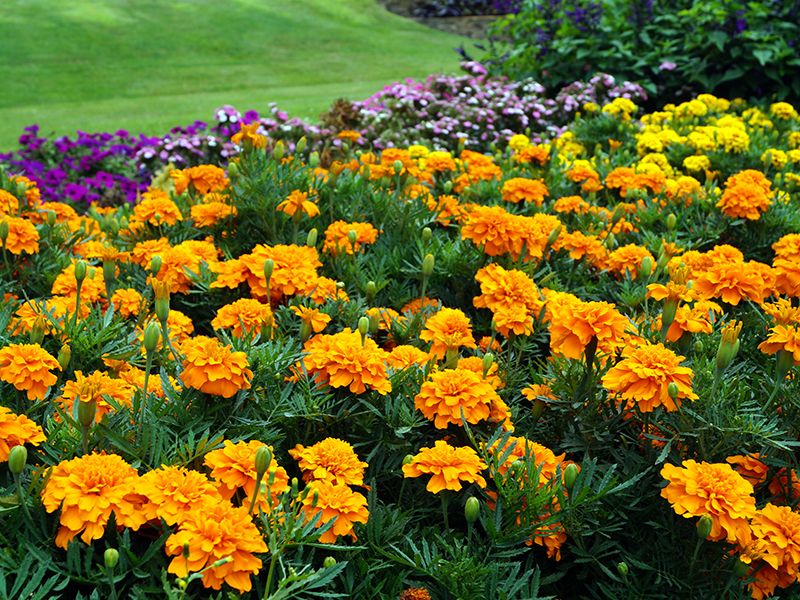
Bright and cheerful, marigolds are a gardener’s friend. They emit a scent that deters pests without causing harm to skin.
Often used in companion planting, they protect vegetables by repelling harmful insects.
Did you know? Marigolds have cultural significance in Day of the Dead celebrations. Their vibrant blooms make them a beloved addition to any garden, offering beauty and safety.
13. Basil
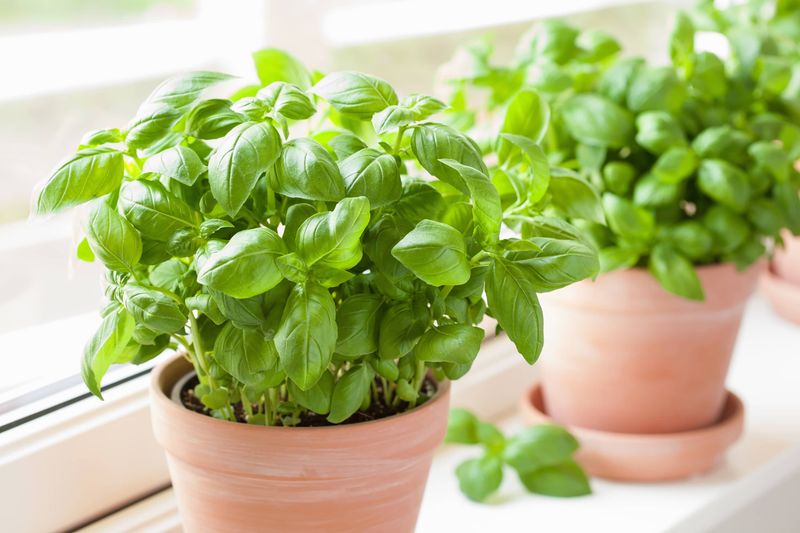
Beloved by chefs and gardeners alike, basil adds flavor and fragrance without risk. It’s safe for skin and offers culinary delights.
This herb thrives in pots and gardens, delighting with its aromatic leaves.
Did you know? Basil has been associated with love and good wishes since ancient times. Its presence in your garden promises both culinary and aromatic rewards, free from harm.
14. Geranium
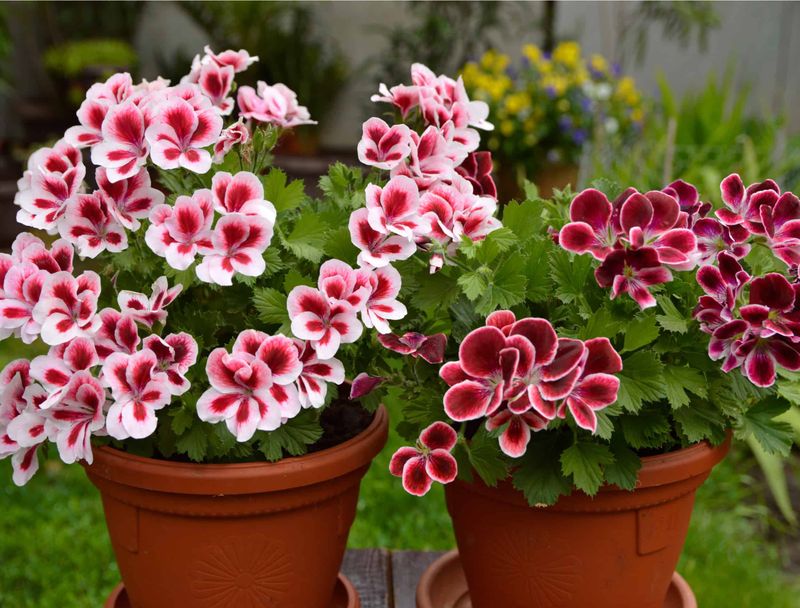
Geraniums bring color without concern. Their soft, velvety leaves and vivid blooms are safe for any gardener’s touch.
Perfect for pots and hanging baskets, they add charm and are easy to care for.
Did you know? Geraniums were once used in Victorian times to symbolize preference. They’re a testament to safe and stunning gardening, ready to brighten any space.
15. Mint
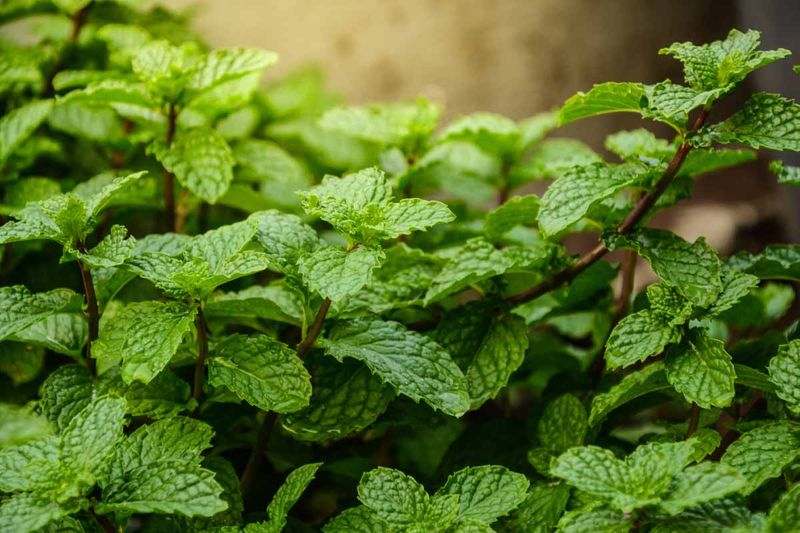
Refreshing and robust, mint is a must for gardens. Its leaves offer a cool touch without irritation.
Thriving in various conditions, it spreads quickly, providing endless minty enjoyment.
Did you know? Mint has been used in teas and remedies for centuries, offering both taste and relief. It’s a plant that assures safety and satisfaction in your garden adventures.