 Complete Gardening
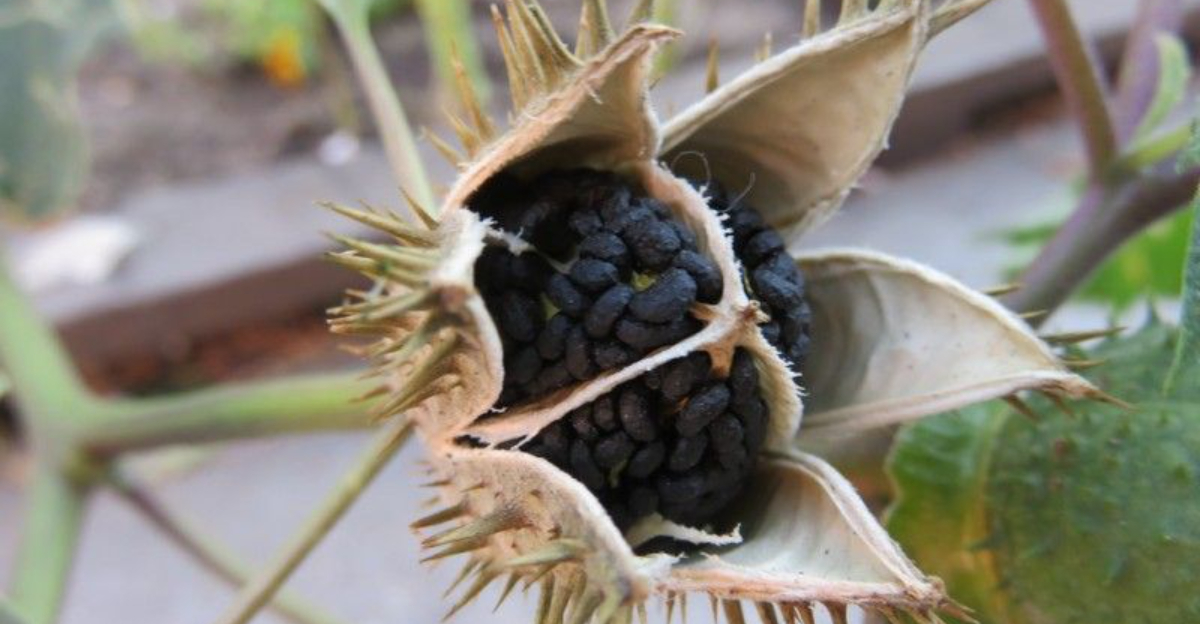
Gardening is a delightful hobby, bringing beauty and serenity to our lives, but not all plants are as innocent as they appear. Some can pose severe risks to humans and animals alike. This post explores ten garden plants that demand utmost caution, revealing the hidden dangers lurking in the soil. From toxic foliage to lethal seeds, these plants are not to be trifled with. Whether you’re an avid gardener or just enjoy a stroll through the park, awareness of these hazardous plants is essential. Proceed with caution as we delve into the world of deadly flora.
1. Oleander (Nerium oleander)
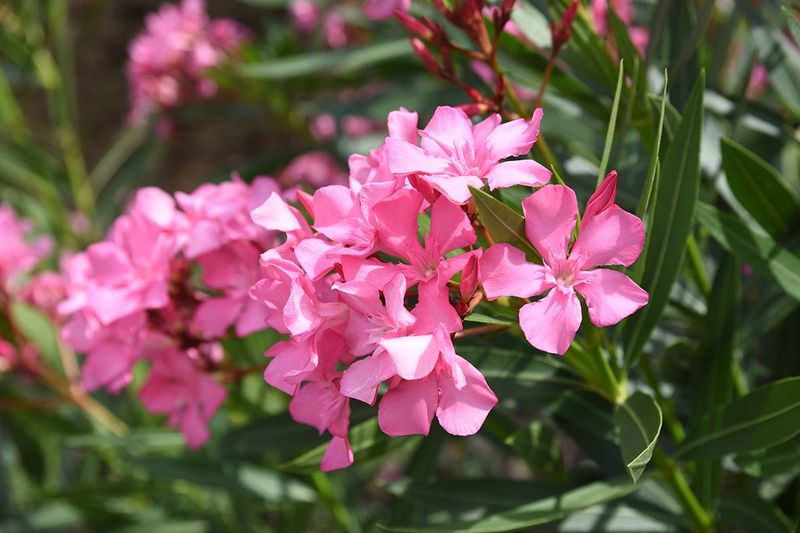
With its stunning blooms, Oleander lures admirers, yet harbors a deadly secret. Every part is toxic, and even a single leaf can prove fatal to children. The plant causes severe symptoms like vomiting, heart arrhythmia, and even coma. Revered for its ornamental beauty, it thrives in warm climates, adorning gardens with grace. However, mishandling or accidental ingestion can have dire consequences. The allure of its flowers belies the danger hidden within. Caution is paramount, especially around curious children and pets. Oleander’s beauty serves as a stark reminder that not all that is lovely is safe.
2. Castor Bean (Ricinus communis)
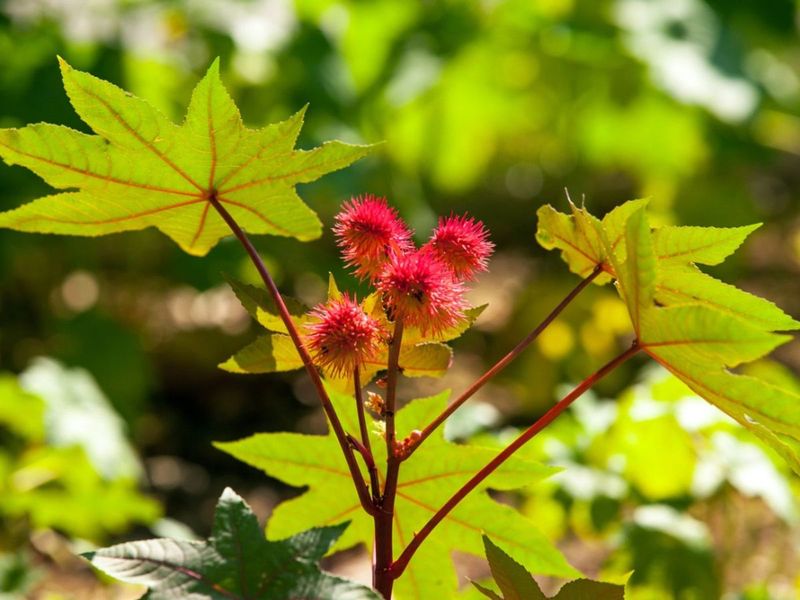
The Castor Bean plant, with its lush tropical foliage, is both captivating and lethal. Its seeds contain ricin, one of the deadliest natural poisons known. Just a few seeds can result in fatal poisoning, making it a plant to handle with care. Though grown for oil, which is processed to remove ricin, the seeds themselves are perilous. They resemble harmless beans, posing a significant risk if ingested by children or pets. The plant’s dual nature as both a source of valuable oil and a toxic hazard is a testament to nature’s complexity.
3. Deadly Nightshade (Atropa belladonna)
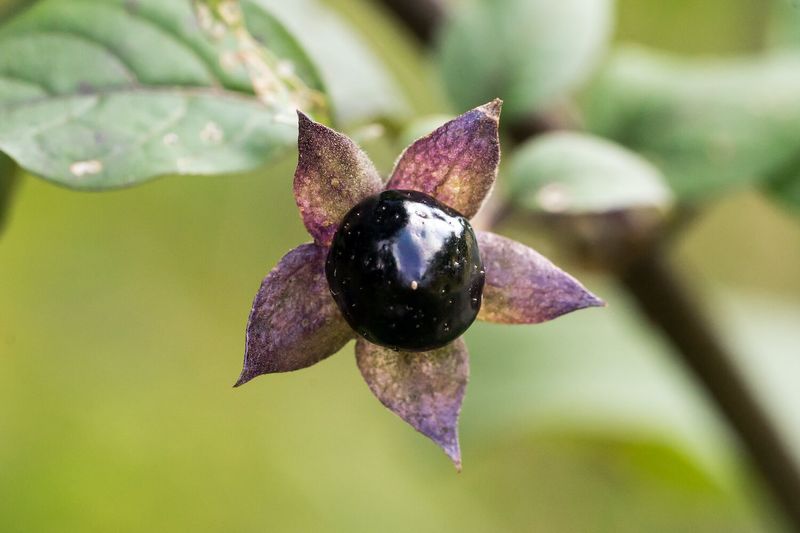
Shrouded in mystery, Deadly Nightshade has a storied history of use in witchcraft and assassination. Its dark berries contain atropine, leading to paralysis, hallucinations, or even death. The plant’s sinister reputation is well-earned, as it has been a tool of choice for poisoners throughout history. Despite its lethal potential, its berries are deceptively attractive to the unwary. Encountering this plant requires extreme caution, as even minimal exposure can lead to severe consequences. It serves as a chilling reminder of nature’s dark side and the fine line between beauty and danger.
4. Monkshood (Aconitum napellus)
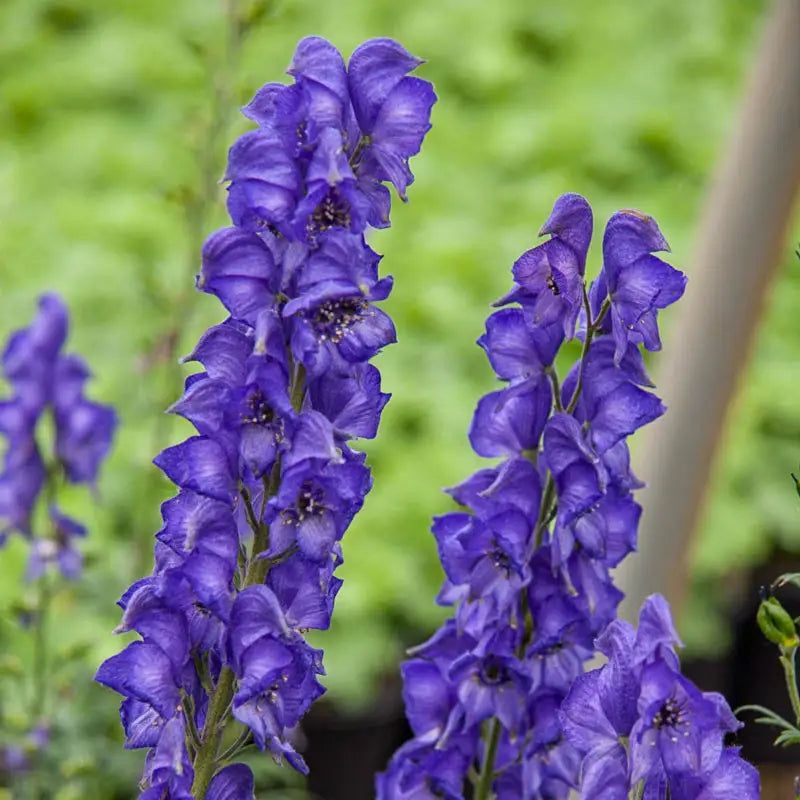
Known as the “Queen of Poisons,” Monkshood is a plant that demands respect and distance. Its roots are twenty times more lethal than cyanide, making it a formidable adversary. Skin contact alone can cause numbness, while ingestion can prove fatal by stopping the heart. The plant’s majestic blue flowers add to its deceptive allure, tempting those who are unaware of its true nature. Found in alpine meadows, Monkshood stands not just as a beautiful plant, but a deadly warning. Its presence is a testament to the fascinating yet perilous world of toxic flora.
5. Foxglove (Digitalis purpurea)
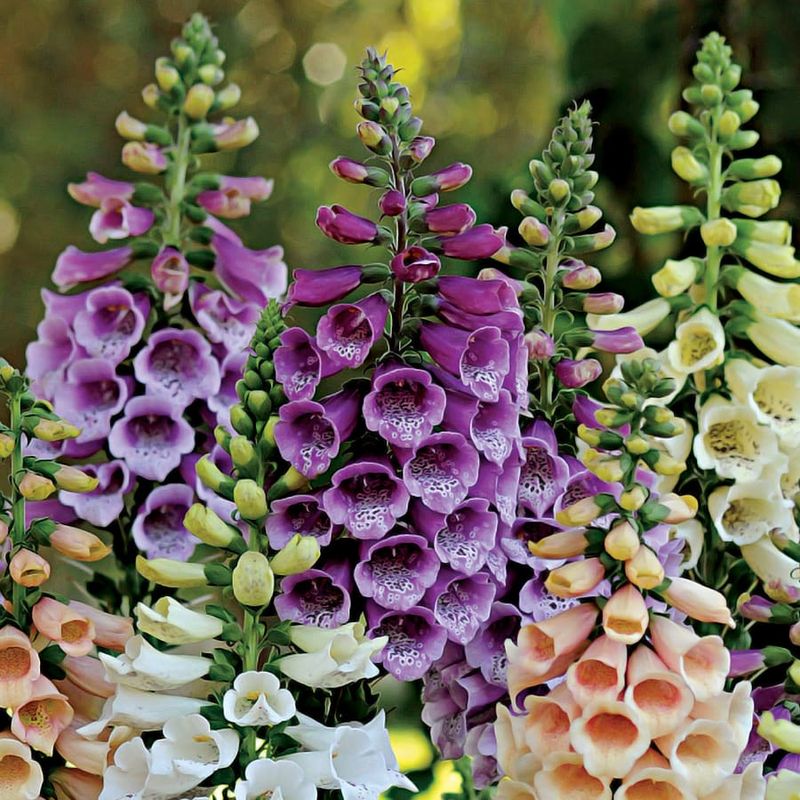
Foxglove dazzles with its elegant, bell-shaped flowers, but beneath its beauty lies a potent danger. It contains digitalis, a compound used in heart medication, yet raw, it’s highly toxic. Historically used for its medicinal properties, the plant is a double-edged sword. Every part is poisonous, and ingestion can lead to severe symptoms, including heart failure. Its enchanting appearance in sunlit clearings exudes charm, but handling this plant requires vigilance. Foxglove’s dual nature as both healer and killer illustrates the delicate balance of nature’s power and its perils.
6. Gympie-Gympie (Dendrocnide moroides)
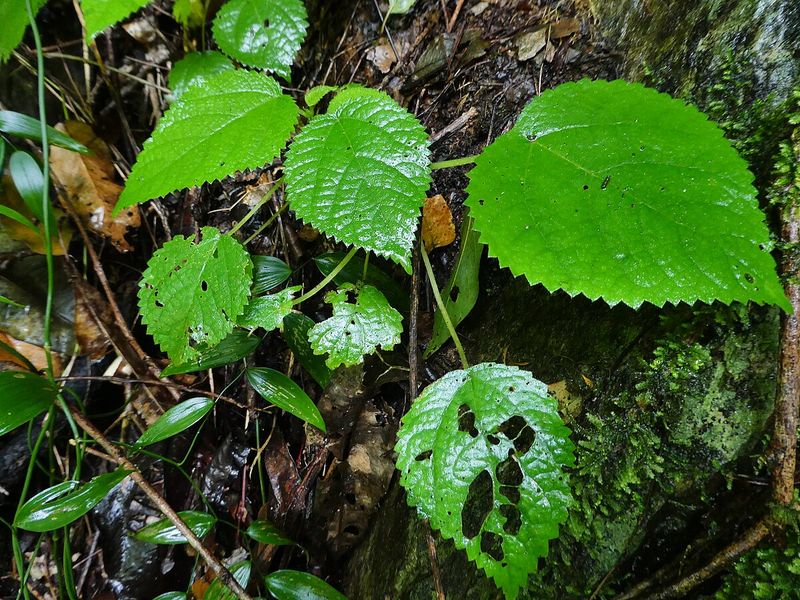
Dubbed the “Suicide Plant,” Gympie-Gympie is notorious for its excruciating stings. Found in Australian rainforests, even dead leaves can inflict pain. The plant’s surface is covered in silica needles, delivering a cocktail of neurotoxins. Victims describe the sting as burning acid and electric shock, persisting for months. Its innocent appearance belies a sinister nature, causing intense pain with the slightest touch. Despite its dangers, it remains an enduring part of the rainforest ecosystem. Respect and caution are essential when in its presence, as its sting is both feared and infamous.
7. Jumping Cholla (Cylindropuntia fulgida)
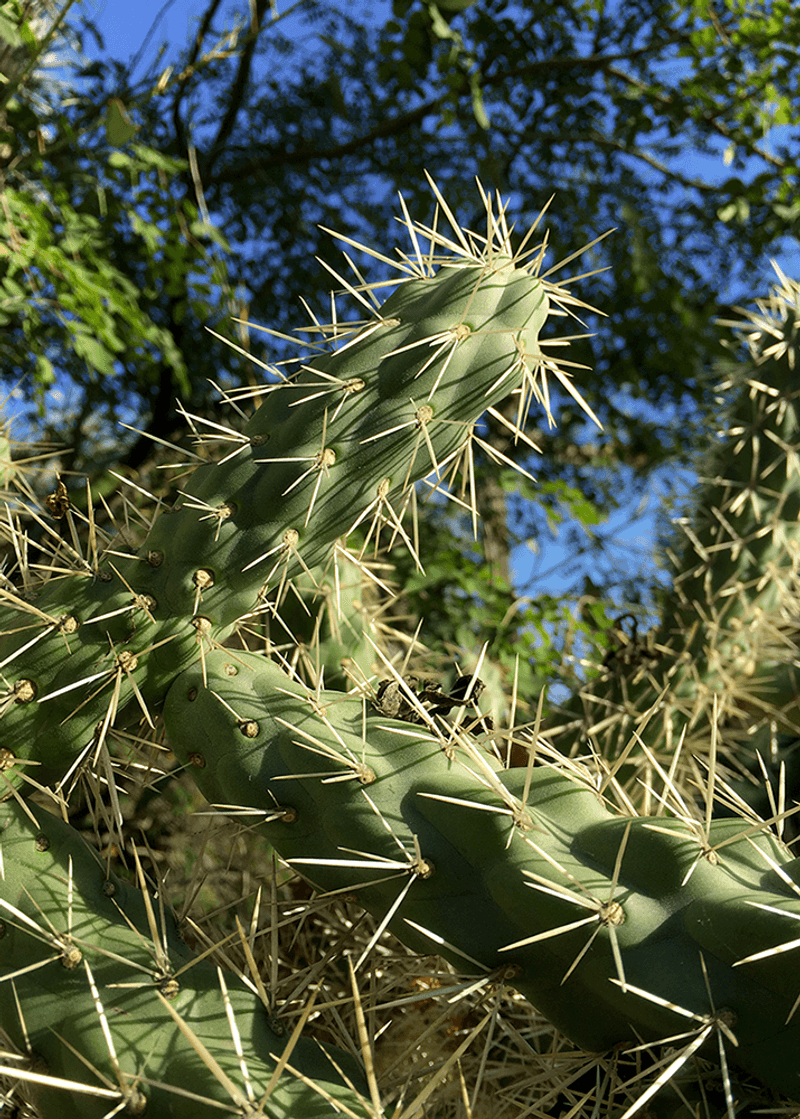
The Jumping Cholla, a master of desert survival, is known for its hazardous spines. These spines detach easily, giving the illusion of “jumping” onto unsuspecting passersby. The plant’s vicious nature makes it both feared and respected in its arid habitat. Its segments cling to skin and clothing, delivering painful punctures. While its spines serve as a defense mechanism, they pose a serious threat to humans and animals alike. The cactus’s resilience in the harsh desert environment is impressive, yet its painful touch is a stark warning to those who venture too close.
8. Giant Hogweed (Heracleum mantegazzianum)
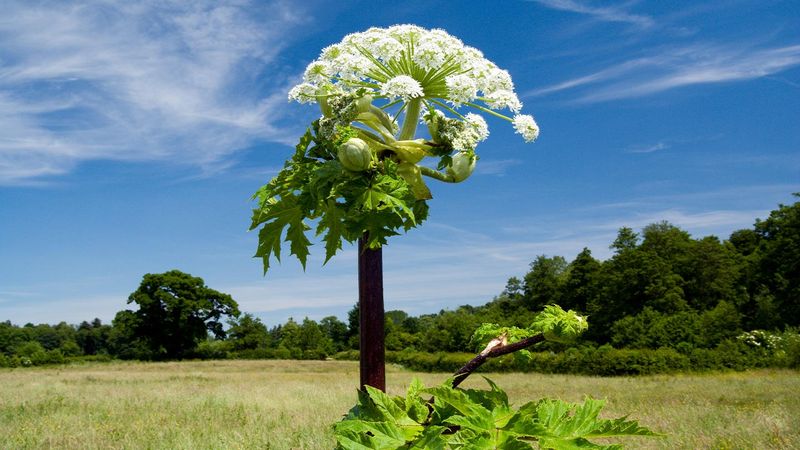
Towering over other plants, Giant Hogweed commands attention with its majestic stature. However, its sap causes severe burns and blindness upon contact, exacerbated by sunlight. Native to the Caucasus Mountains, it has invaded regions in North America and Europe. The plant’s spread poses environmental concerns, as it outcompetes local flora. Despite its dangers, it stands as a striking feature in any landscape, though it requires cautious management. Reporting sightings is crucial to control its proliferation. Giant Hogweed’s grand appearance conceals a threat that lurks in its towering presence.
9. Angel’s Trumpet (Brugmansia)
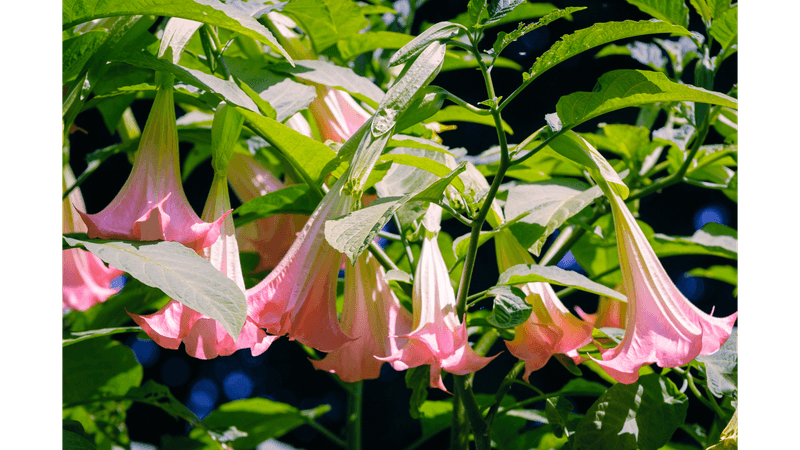
Angel’s Trumpet captivates with its large, pendulous flowers, exuding an enticing aroma. Yet, danger lies within its beauty, as it contains scopolamine, a powerful hallucinogen. The plant’s risk extends beyond ingestion; even inhaling its scent can cause dizziness. Known for its use in traditional shamanic rituals, it presents a real hazard to the unprepared. The juxtaposition of its alluring charm against potential peril highlights the complexity of nature’s creations. Angel’s Trumpet remains a captivating yet dangerous spectacle in tropical gardens, demanding respect and careful handling.
10. Jimsonweed (Datura stramonium)
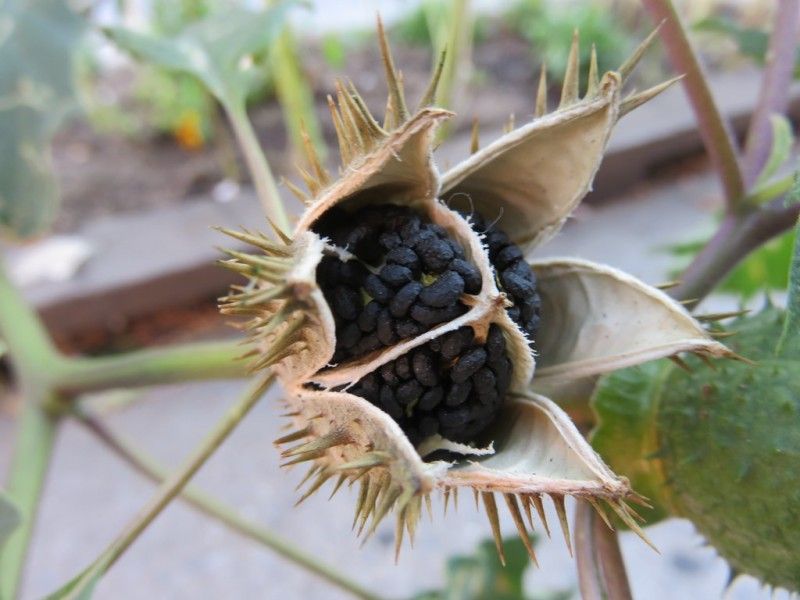
Referred to as “Devil’s Weed,” Jimsonweed is infamous for its violent effects. The seeds contain tropane alkaloids, inducing delirium and amnesia. Historically used in dark rituals, it has a fearsome reputation. The plant’s spiky seed pods and white flowers are as captivating as they are dangerous. Found in fields and wastelands, it thrives in neglected spaces, waiting for the curious to fall prey to its toxic enchantment. Observing it from a distance is wise, as contact with this plant is fraught with peril. Its wild beauty masks a treacherous secret.