 Complete Gardening
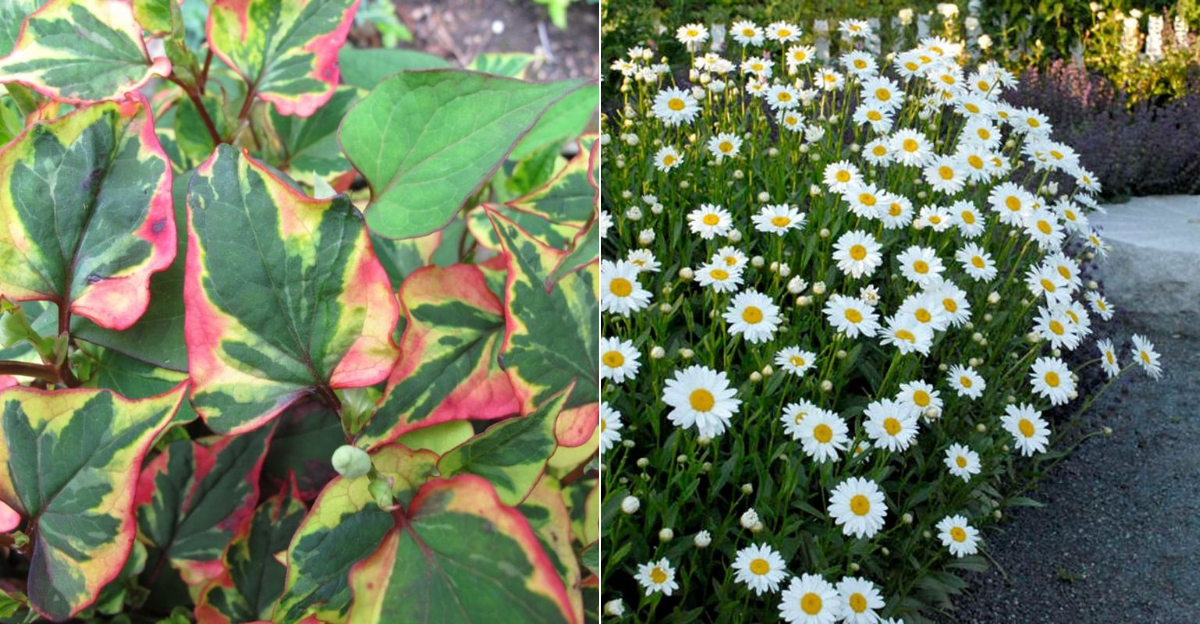
Explore the world of perennials, where some plants burst with life and spread with enthusiasm, while others maintain a more reserved presence in your garden. Here, we delve into both the extroverted and the disciplined members of the perennial family.
1. Mint (Mentha)
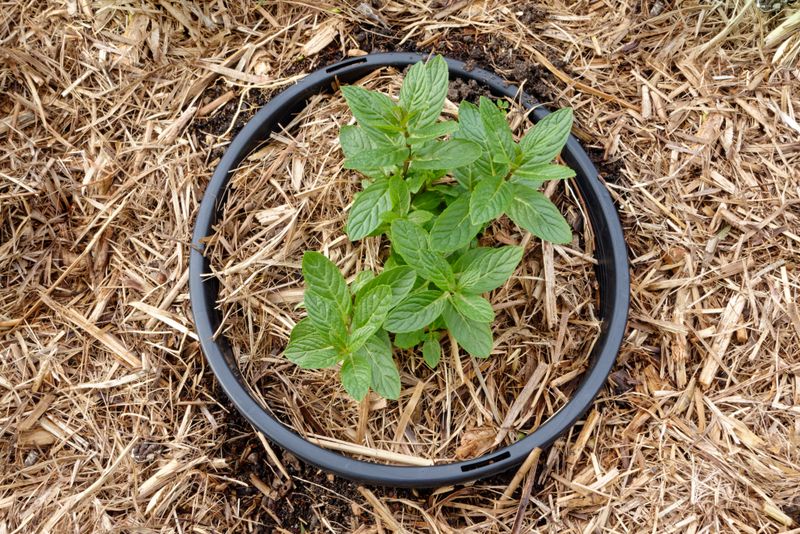
Mint, with its refreshing aroma, can quickly become the garden’s uninvited guest. Known for sending runners in all directions, it doesn’t just confine itself to the garden bed. Instead, mint tends to escape, making its presence known across lawns and other plants. As charming as its fragrance is, the control mint requires may outweigh its allure. Planting in containers can help manage its wandering ways. Did you know? In ancient times, mint was used as a symbol of hospitality in various cultures, despite its unruly nature today.
2. Lily of the Valley (Convallaria majalis)
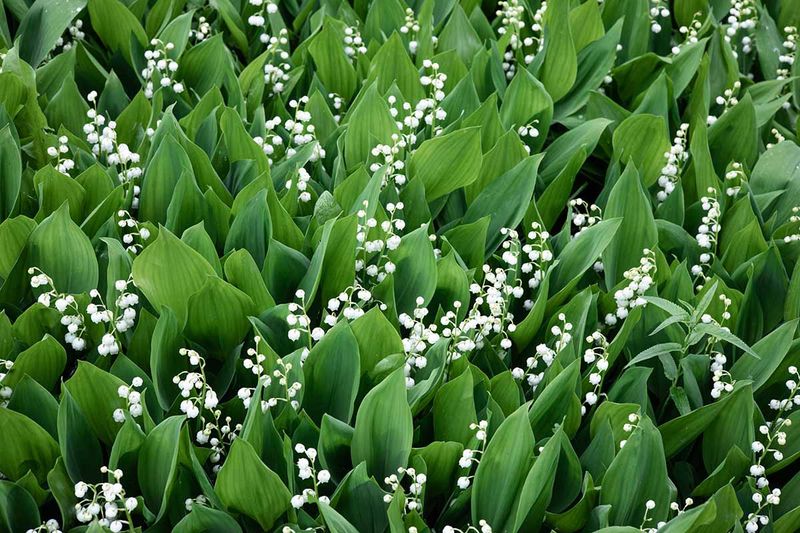
Lily of the Valley enchants with its delicate, bell-shaped flowers and sweet scent, but beneath the surface, it harbors an aggressive streak. This perennial spreads via underground rhizomes, often consuming more garden space than intended. Its toxic nature also adds a layer of complexity, making it a choice that requires consideration. Despite its beautiful appearance, Lily of the Valley’s tendency to dominate can be problematic. Interestingly, it’s been a symbol of humility and a favorite in royal bouquets.
3. Obedient Plant (Physostegia virginiana)
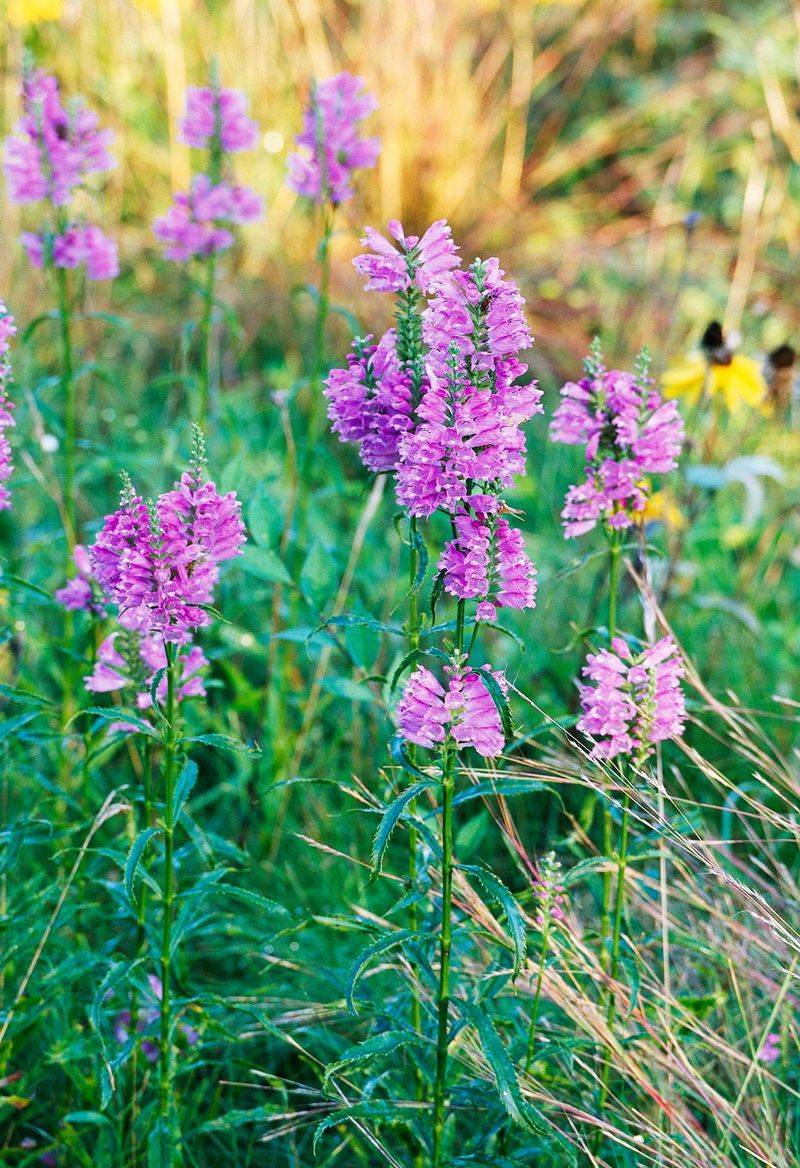
Ironically named, the Obedient Plant is anything but. This perennial thrives in moist environments and quickly covers large areas. Its tall, pink flower spikes add beauty, but the plant’s vigorous spread can overshadow neighboring plants. It’s a garden rebel, defying attempts to keep it in check. An interesting tidbit: the name “Obedient Plant” comes from the flowers’ ability to stay in place when moved, despite the plant’s overall unruly nature.
4. Bee Balm (Monarda didyma)
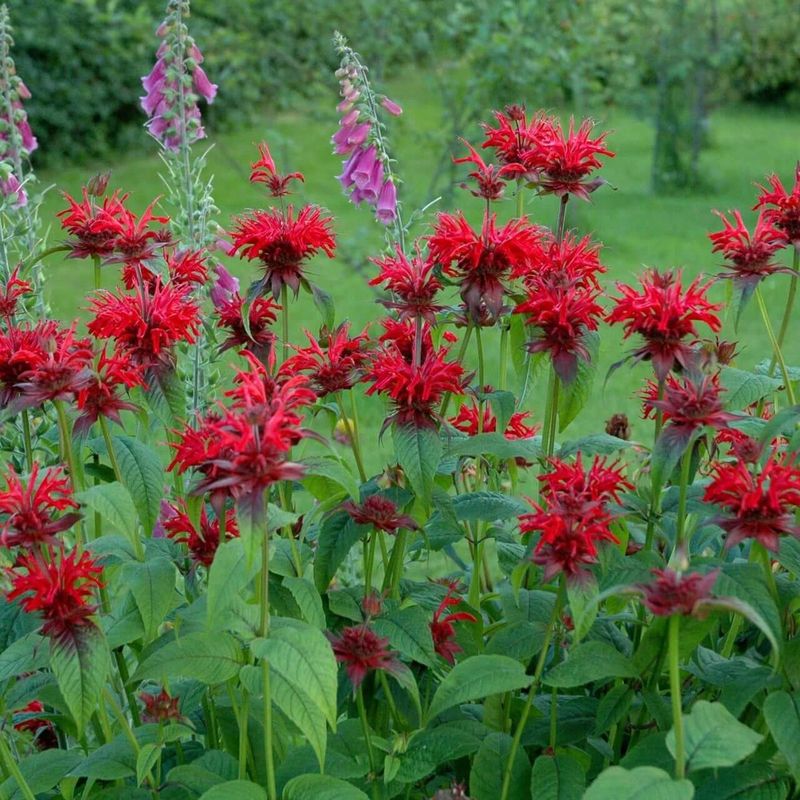
Bee Balm brings a splash of color with its striking red blooms, attracting pollinators like no other. However, its tendency to crowd out neighbors makes it a double-edged sword in the garden. Beyond its aggressive behavior, Bee Balm is also prone to powdery mildew, adding to its maintenance demands. Nevertheless, its allure remains high among gardeners seeking vibrant displays. Historically, native tribes used Bee Balm for medicinal purposes, showcasing its long-standing value despite its challenges.
5. Chameleon Plant (Houttuynia cordata)
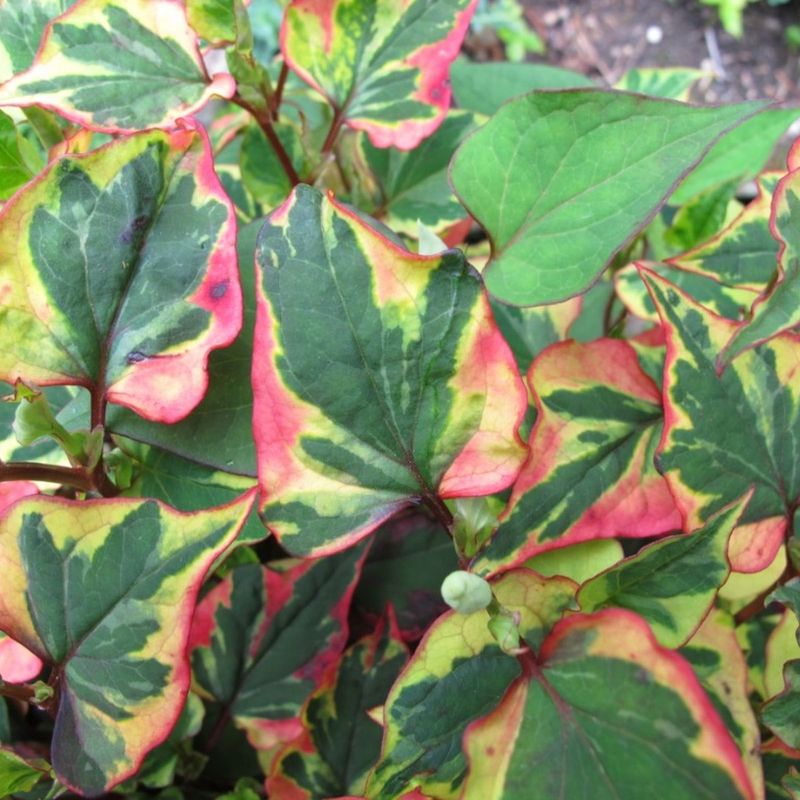
The Chameleon Plant is as visually enchanting as it is invasive. With vibrant, multi-colored leaves, it quickly becomes the garden’s centerpiece—but not always in a good way. Its aggressive root spread can overwhelm other plants, making it a high-maintenance choice. For those who dare to plant it, barriers or containers are highly recommended. Fun fact: despite its invasive nature, the Chameleon Plant is edible and used in some Asian cuisines, adding a unique twist to its story.
6. Gooseneck Loosestrife (Lysimachia clethroides)
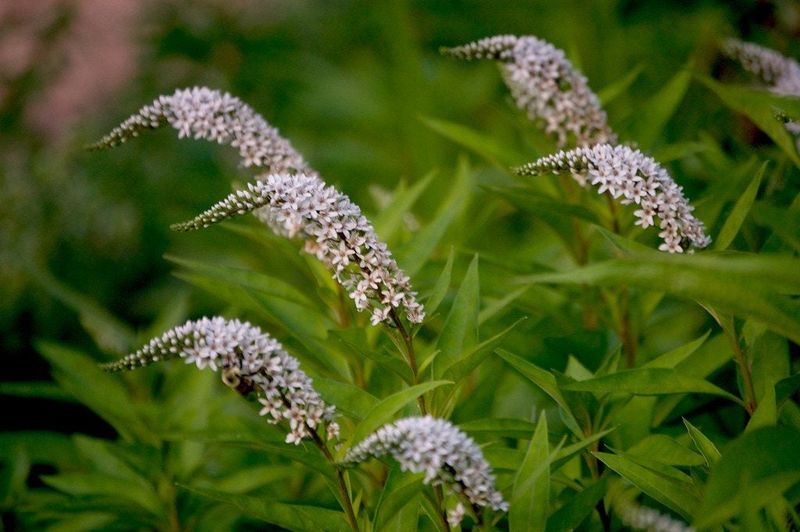
Gooseneck Loosestrife captivates with its elegant, arching white blooms. However, this beauty often comes at the expense of nearby plants, as it dominates damp soils. Its aggressive nature can lead to a monoculture, crowding out diversity in the garden. Despite its challenges, its unique appearance can be enticing to gardeners. Historically, loosestrife was used in traditional medicine, believed to have calming properties, which is ironically opposite to its garden behavior.
7. Goutweed (Aegopodium podagraria)
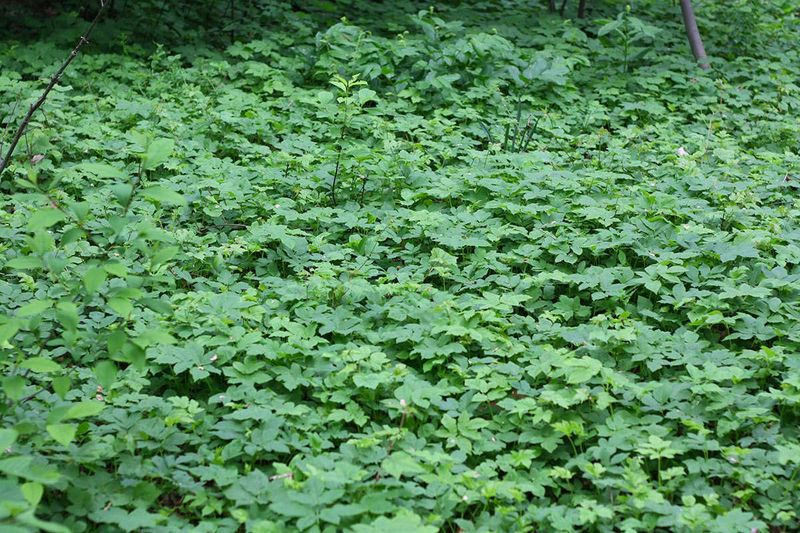
Goutweed, with its lush green foliage, can be a gardener’s nemesis. Once established, it’s notoriously difficult to eradicate, often spreading uncontrollably. Its tenacity and ability to thrive in various conditions make it a persistent intruder. Despite its demands, some use it as a ground cover due to its rapid growth. Interestingly, Goutweed was once cultivated as a vegetable in medieval Europe, though its reputation today is far from culinary delight.
8. Japanese Anemone (Anemone × hybrida)

Japanese Anemone enchants with delicate pink blooms that seem to dance in the breeze. Yet, its beauty comes with the caveat of spreading via runners, often popping up far from its original planting spot. This wandering nature can make it a challenging addition to any garden. Despite its tendency to roam, many cherish it for the late-season color it provides. Historically, this plant has been admired for its resilience and ability to flourish as autumn sets in.
9. Ribbon Grass (Phalaris arundinacea)
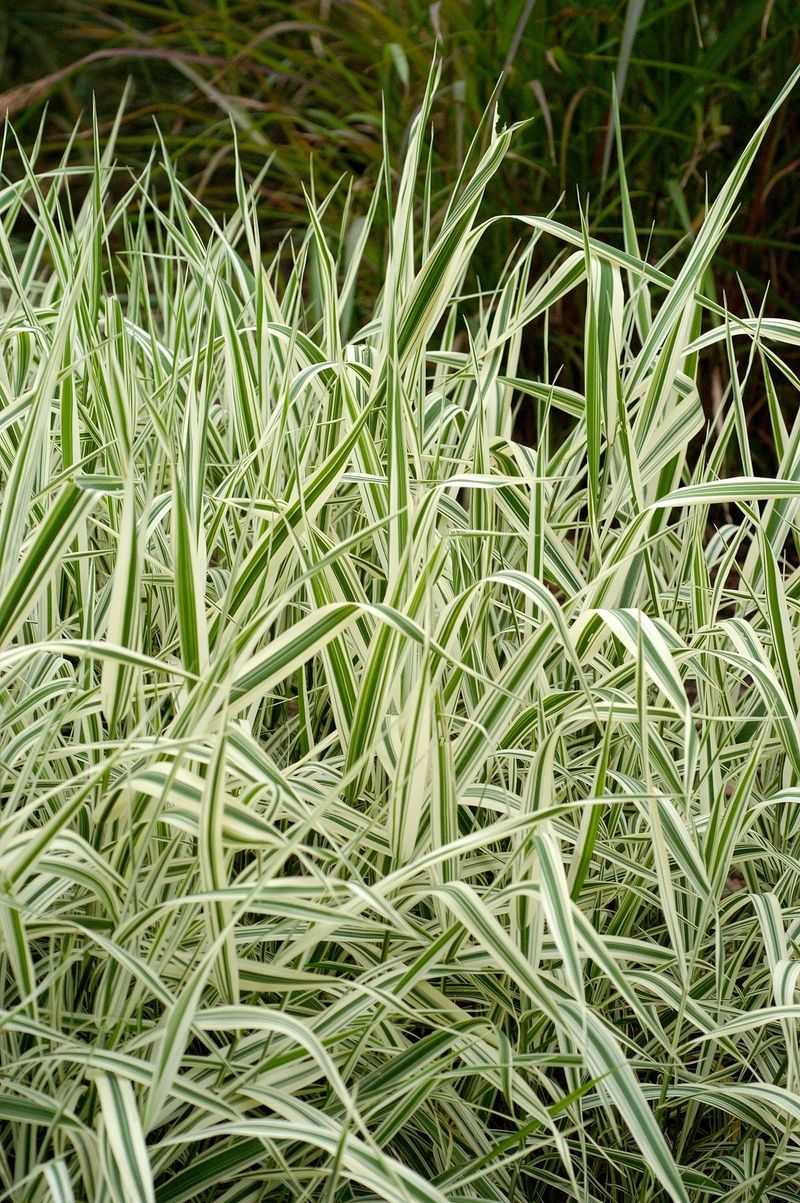
Ribbon Grass can transform a garden with its striking variegated blades. However, this transformation can quickly become an invasion, as it escapes borders and invades wetlands. Its ability to spread rapidly makes it a formidable plant to manage. While appealing for its texture and color, it requires strict control. Interestingly, Ribbon Grass has been used in folk crafts, though its garden applications are often met with caution due to its invasive potential.
10. Creeping Jenny (Lysimachia nummularia)

Creeping Jenny is a vivid ground cover known for its cheerful, yellow-green foliage. Yet, its enthusiasm for spreading can result in the smothering of other plants. Perfect for rock gardens or containers, its tendency to take over requires vigilant management. Despite this, its cascade of vibrant color remains appealing. Historically, it was used for medicinal purposes and even dye-making. This multifaceted history adds depth to its garden presence, even if it sometimes overstays its welcome.
1. Coral Bells (Heuchera)
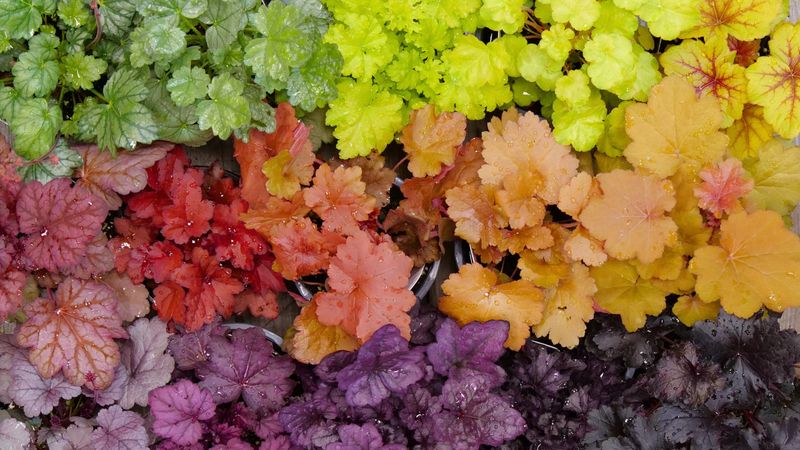
Coral Bells offer a palette of vibrant foliage colors, a garden favorite for their well-behaved nature. Unlike some perennials, they maintain a compact form, never straying from their intended spot. Their resilience and variety of shades make them a versatile choice for any garden design. Beyond aesthetics, they attract beneficial pollinators, adding ecological value. Fun fact: the genus name “Heuchera” honors 18th-century German physician Johann Heinrich von Heucher, reflecting the plant’s esteemed botanical heritage.
2. Russian Sage (Perovskia atriplicifolia)

Russian Sage stands out with its silvery foliage and lavender-blue blooms, a sight to behold in any sunlit garden. Known for its drought tolerance, it remains steadfast where planted, resisting the urge to spread. Its airy appearance belies its robust nature, making it a low-maintenance favorite. Historically, Russian Sage has been used in traditional medicine, appreciated not only for its beauty but also for its resilience and utility. Its steadfast presence brings both color and character to any landscape.
3. Shasta Daisy (Leucanthemum × superbum)
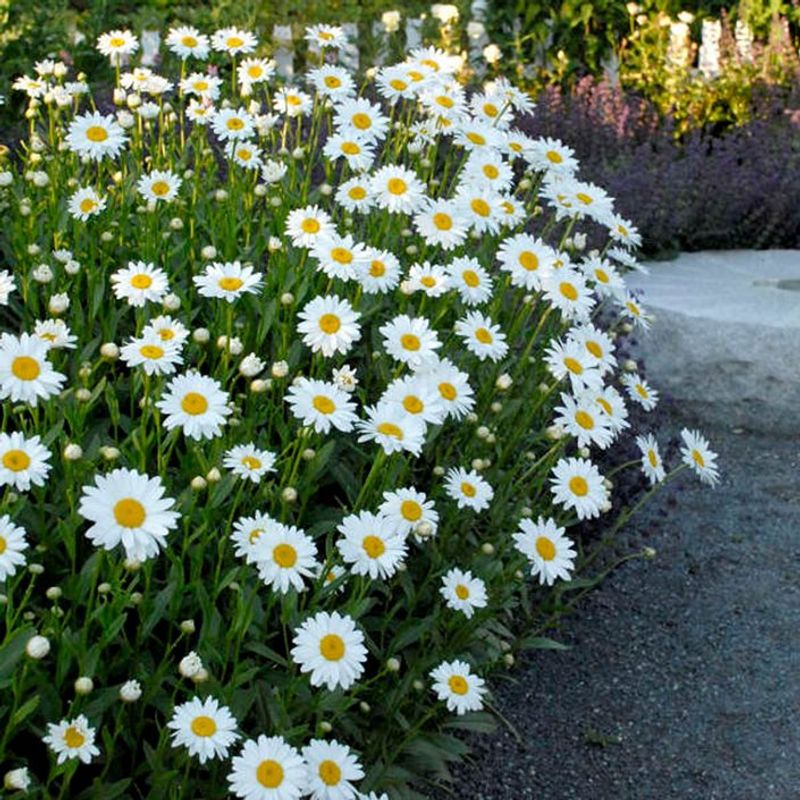
The Shasta Daisy, with its classic white petals and sunny centers, brings cheer to any garden. Its clump-forming habit ensures it stays in place, making it easy to manage. These blooms are a favorite among gardeners for their simplicity and elegance, adding a timeless charm. Beyond aesthetics, Shasta Daisies are drought-tolerant and attract butterflies, enhancing garden biodiversity. Named after Mount Shasta in California, these daisies reflect the majesty and purity of their namesake, embodying a harmonious garden presence.
4. Coneflower (Echinacea purpurea)
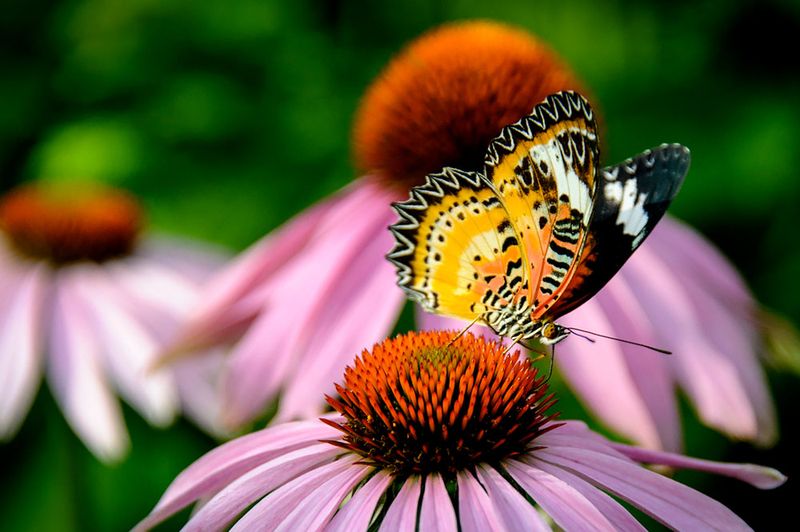
Coneflowers, with their striking purple petals and cone-shaped centers, are a garden’s delight. They stand firm, avoiding the unruly spread of some perennials. Their presence invites pollinators, creating a vibrant, lively atmosphere. Known for their medicinal properties, Coneflowers have long been a symbol of health and healing. Their reliable nature makes them a staple in both garden aesthetics and wellness, providing both beauty and ecological benefits without overwhelming other plants.
5. Black-Eyed Susan (Rudbeckia fulgida)

Black-Eyed Susans bring a pop of sunshine with their glowing yellow petals and distinct dark centers. They maintain their space in the garden, spreading only modestly. Their cheerful appearance and low-maintenance needs make them a popular choice for gardeners. Historically, they’ve been used in traditional medicine, adding to their charm. This perennial not only enhances garden aesthetics but also supports local ecosystems by attracting pollinators, ensuring a balanced, flourishing garden environment.
6. Lavender (Lavandula)
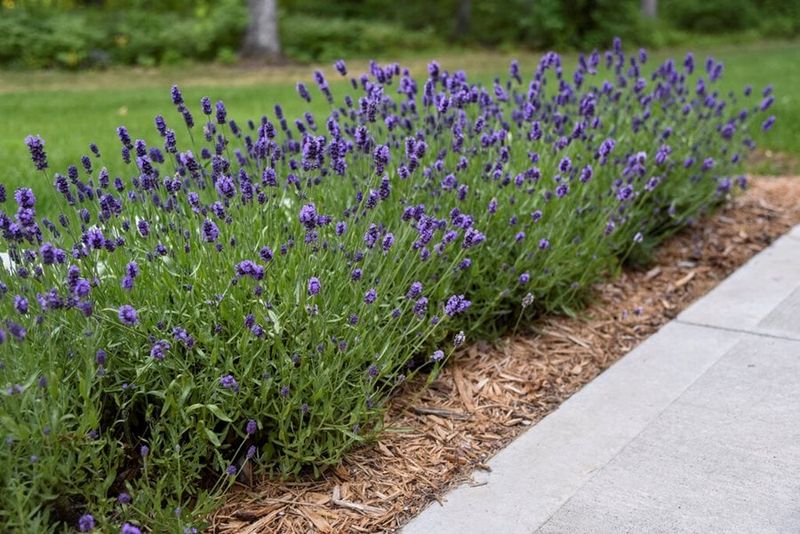
Lavender is cherished for its soothing scent and elegant purple spikes. It stands firm, resisting the urge to spread beyond its bounds. Its drought resistance and tidy growth make it a cherished addition to any garden. Historically, Lavender’s calming properties have been celebrated in aromatherapy and traditional medicine. Beyond its fragrant allure, it attracts beneficial insects, contributing to a balanced ecosystem. This dual-purpose role ensures Lavender remains a beloved choice for gardeners seeking both scent and sustainability.
7. Peony (Paeonia)
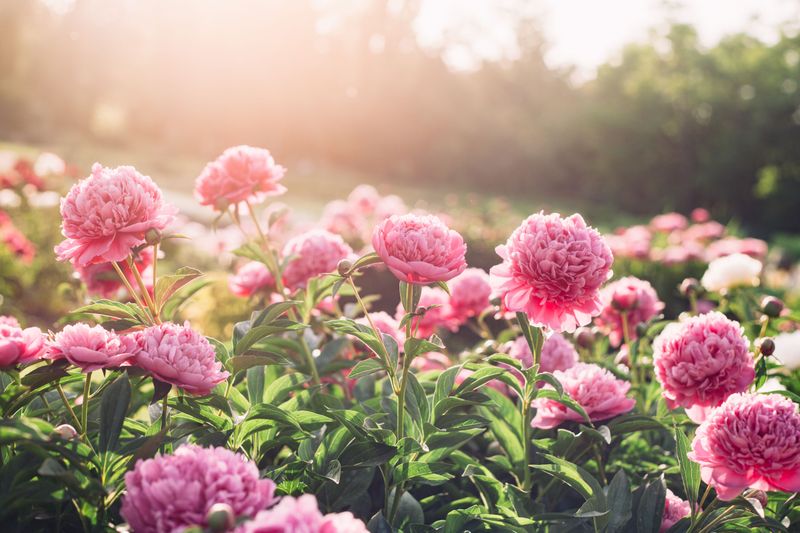
Peonies captivate with their lush, opulent blooms, gracing gardens with a timeless elegance. These perennials remain in their designated spots, spreading slowly over decades. Their long-lived nature is complemented by their low maintenance, making them a gardener’s dream. With roots in ancient mythology and used in traditional medicine, Peonies carry a rich history. Their steadfast growth and breathtaking blooms ensure they remain a perennial favorite, symbolizing love and prosperity in gardens around the world.
8. Catmint (Nepeta)

Catmint, known for its aromatic foliage and delicate purple blooms, is a pollinator’s paradise. Unlike some perennials, it stays neatly in place, offering beauty without chaos. Its low-maintenance nature and appeal to beneficial insects make it a garden favorite. Historically, Catmint has been used in herbal remedies and is beloved by feline companions. This multifaceted plant not only enhances garden aesthetics but also supports wildlife, making it a valuable addition to any landscape.
9. Coreopsis (Tickseed)
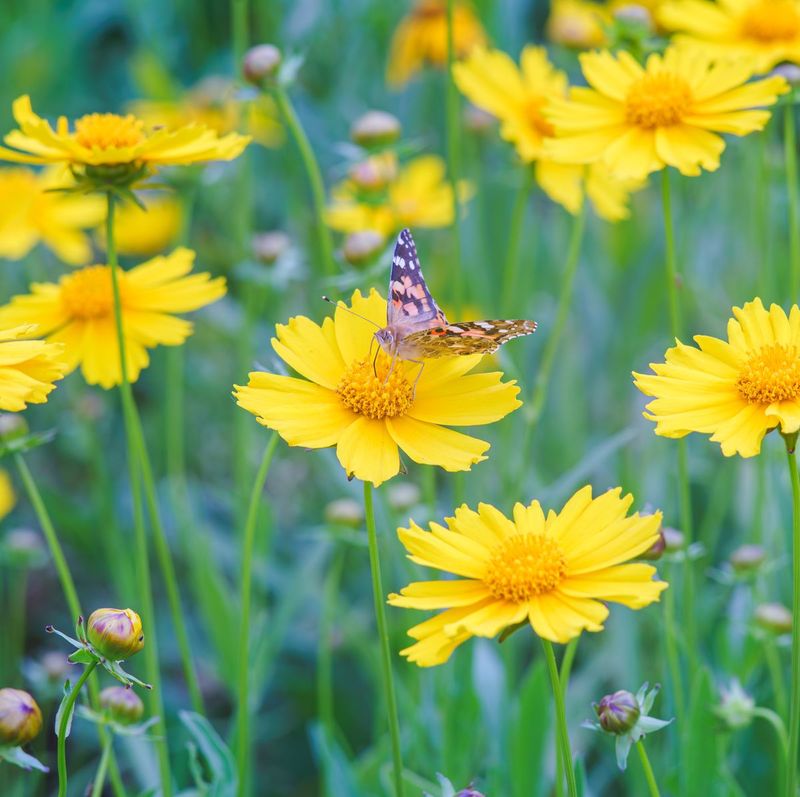
Coreopsis, often called Tickseed, dazzles with bright yellow blooms that add a splash of sunshine to gardens. Its clump-forming habit ensures it respects its neighbors, staying neatly in place. This perennial’s vibrant appearance and low maintenance make it ideal for both novice and experienced gardeners. Beyond its beauty, Coreopsis is appreciated for its ability to attract pollinators, enhancing garden biodiversity. Its cheerful disposition and reliability ensure it brightens any garden without taking over.
10. Salvia (Perennial Sage)
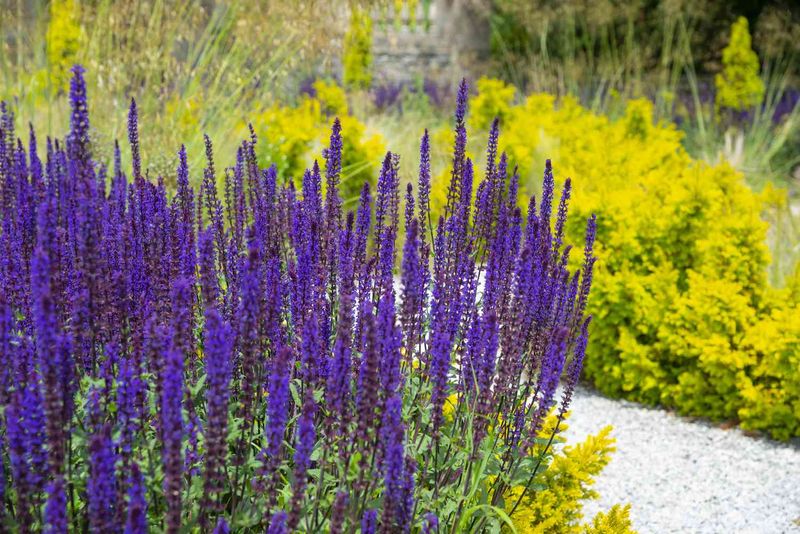
Salvia, known for its upright growth and vibrant purple flowers, adds structure to any garden. It maintains its boundaries, making it an orderly choice for garden design. Its appeal extends beyond aesthetics, as it attracts pollinators and offers drought resistance. Historically, Salvia has been celebrated for its medicinal properties, adding to its allure. This perennial not only enhances garden beauty but also supports ecological health, making it a well-rounded choice for gardeners seeking sustainability and style.