 Complete Gardening

Maintaining a lush and healthy lawn requires more than just regular mowing. The aftermath of mowing is equally critical, and common mistakes can lead to a damaged and unsightly yard. This blog post explores ten specific errors made after mowing that can ruin your lawn. From handling grass clippings effectively to ensuring proper mower maintenance, these insights will help you avoid pitfalls and keep your lawn thriving.
1. Don’t Leave Grass Clippings in Clumps
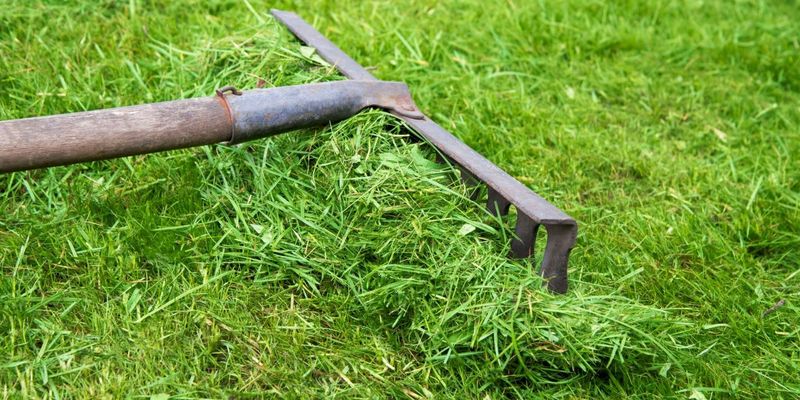
Grass clippings can benefit your lawn when used correctly. Leaving them in thick clumps, however, can block sunlight and trap moisture, creating an ideal environment for mold or dead patches. It’s crucial to rake or disperse these clippings evenly across the lawn. This practice ensures that the clippings decompose properly, enriching the soil with essential nutrients. Additionally, spreading the grass clippings prevents unsightly piles that can smother the healthy grass beneath. By taking a few moments to manage these clippings effectively, you can enhance the overall health and appearance of your lawn.
2. Don’t Water Immediately
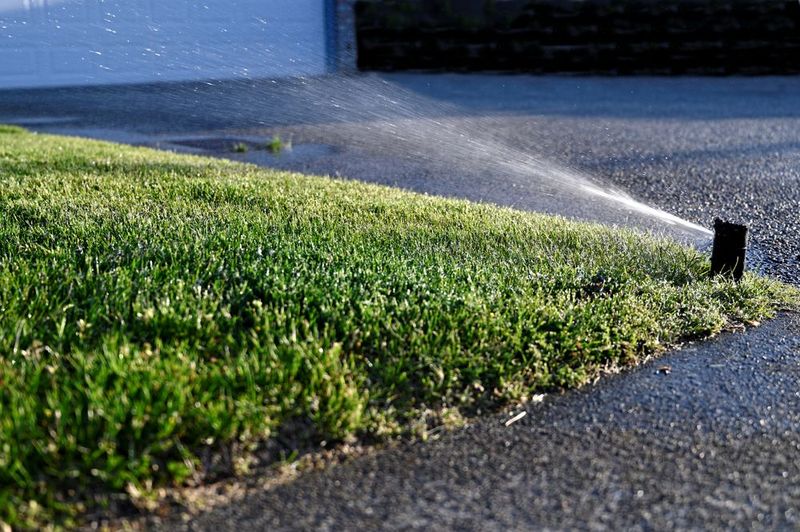
Watering your lawn right after mowing might seem beneficial, but it actually poses a risk. Freshly cut grass is susceptible to disease, and watering immediately can increase fungal infection chances. Allow at least an hour for the grass blades to heal before introducing moisture. Alternatively, watering the next morning gives the lawn time to recuperate overnight. This delay helps maintain a robust and resilient lawn, reducing the potential for disease. It’s a small adjustment with a significant impact, preventing potential damage and ensuring the longevity of your lawn.
3. Don’t Walk Barefoot on the Lawn
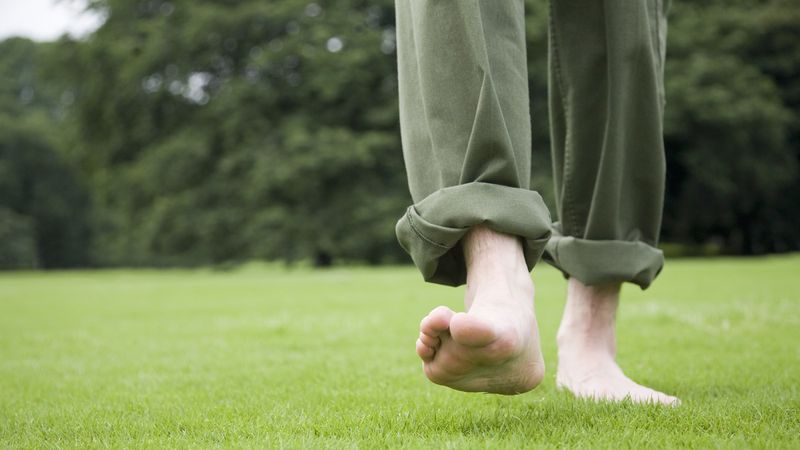
After mowing, the allure of walking barefoot on the soft grass is tempting, but caution is advised. Freshly cut grass blades can be surprisingly sharp, posing a risk of cuts or injuries. Additionally, hidden debris such as sticks or rocks may not be visible, further increasing the risk of accidents. It’s advisable to wear shoes while inspecting the lawn post-mowing. This practice not only ensures personal safety but also allows for a thorough check of the lawn’s condition. Prioritizing safety can prevent unnecessary injuries and maintain a pristine lawn.
4. Don’t Store a Dirty Mower
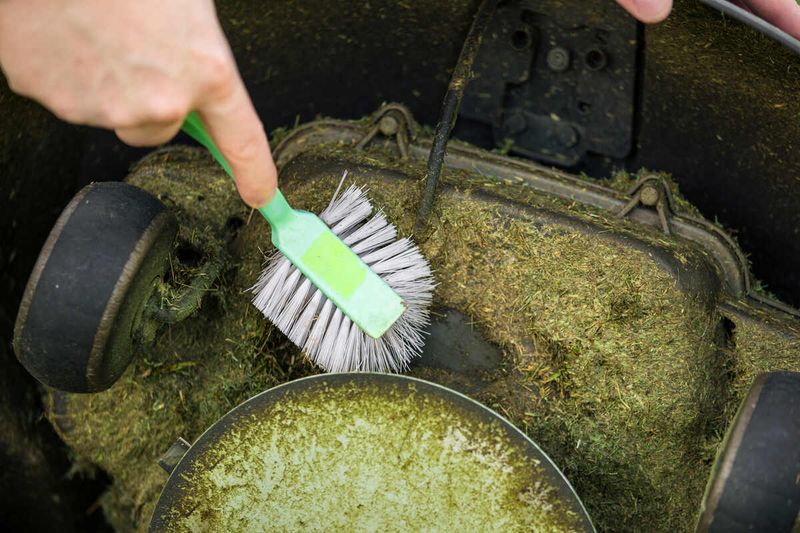
The maintenance of your lawn mower is essential for its longevity and efficiency. Grass and moisture clinging to the mower deck can cause rust and clog the blades, affecting performance. Cleaning your mower after each use prevents these issues, ensuring optimal functionality. Removing clippings and debris is a simple yet vital step. A clean mower not only operates better but also extends its lifespan, saving you money in the long run. Regular maintenance fosters a healthy lawn by providing a clean cut every time, avoiding the stress of jagged tears.
5. Don’t Mow Wet Grass (and Then Leave It)
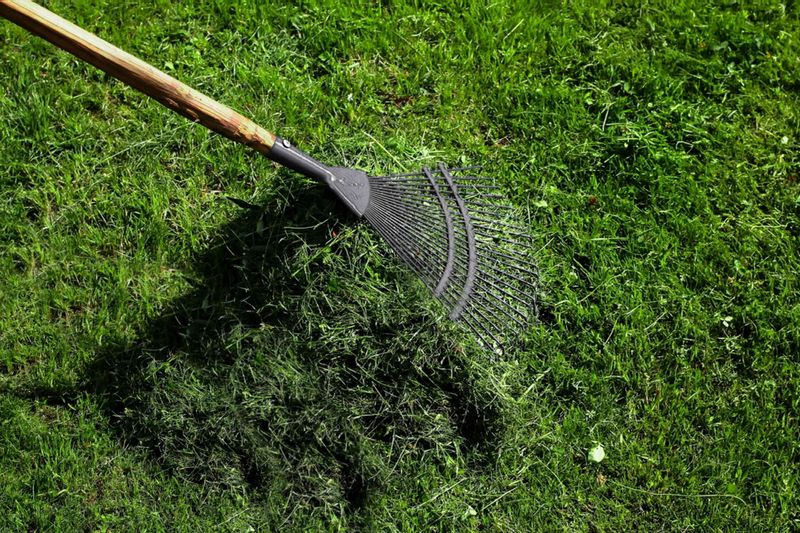
Mowing wet grass is sometimes unavoidable, but leaving it can lead to problems. Wet clippings tend to clump together, promoting rot and disease. To counter this, use a leaf blower or rake to spread them out evenly. This action helps the clippings to dry and decompose properly, preventing unsightly patches on your lawn. By managing wet clippings carefully, you maintain the lawn’s health and aesthetics. It’s a simple strategy that makes a significant difference, ensuring your lawn remains vibrant and free from rot-related issues.
6. Don’t Ignore the Mower’s Maintenance
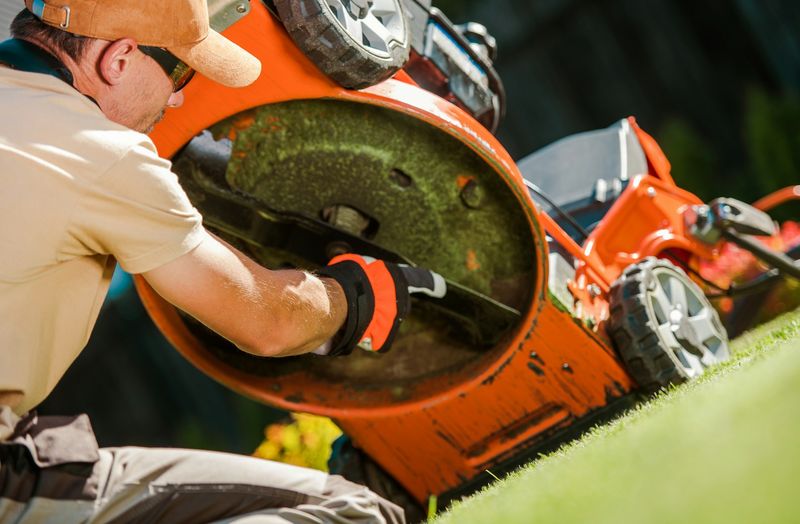
Regular maintenance of your lawn mower is crucial for its performance. Neglecting tasks like checking the air filter, oil, and blade sharpness leads to inefficient cutting. A dull blade tears grass instead of slicing it, leaving it vulnerable to disease. Keeping the mower in top condition ensures clean cuts, promoting a healthy lawn. Regular checks and maintenance contribute to the mower’s longevity, saving you from frequent replacements. Investing time in caring for your mower reaps benefits in the form of a well-maintained lawn, free from diseases linked to improper cutting.
7. Don’t Apply Fertilizer Right Away
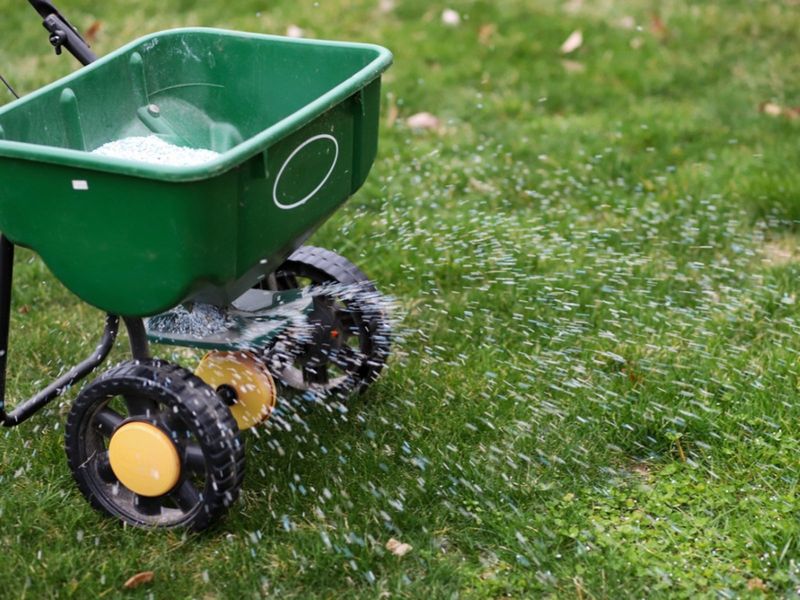
Freshly mowed grass is in a state of stress, and applying fertilizer immediately can exacerbate this. The chemicals in fertilizers can burn the tender grass blades, causing more harm than good. Waiting a day or two before fertilizing allows the grass to recover and make the most of the nutrients. This delay ensures that the grass absorbs the fertilizer more effectively, contributing to its strength and vibrancy. By timing your fertilizing routine carefully, you protect your lawn from unnecessary damage and promote vigorous growth.
8. Don’t Let Kids/Pets Play on the Lawn Immediately

After mowing, it’s tempting to let kids and pets enjoy the open space, but patience is key. The lawn needs time to recover, and if pesticides or herbicides were used, residues might still be present. Waiting at least an hour before allowing playtime reduces health risks and gives the grass a chance to settle. This precaution ensures safety for both your family and the lawn. By prioritizing recovery time, you maintain the lawn’s condition and provide a safe environment for outdoor activities.
9. Don’t Bag All Clippings (Unless Necessary)
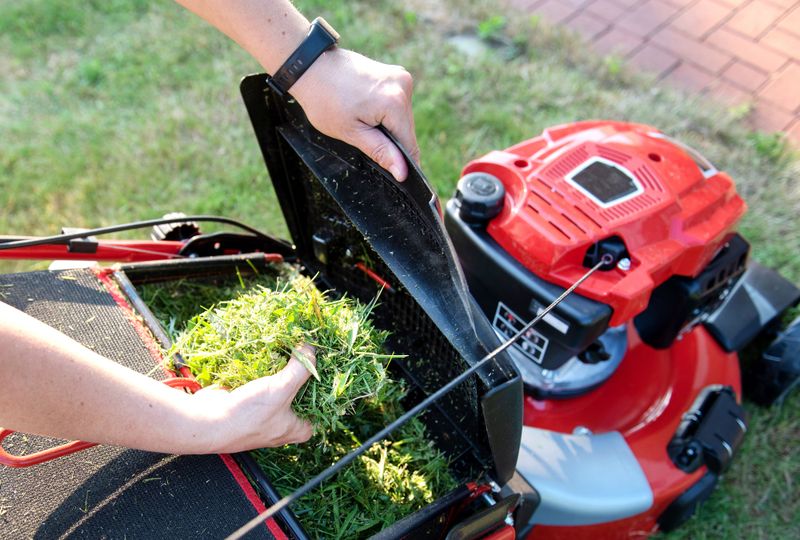
Bagging all grass clippings might seem tidy, but it removes valuable nutrients from the soil. A mulching mower can finely chop the clippings, allowing them to decompose and nourish the grass. Unless dealing with weeds or excessive thatch, consider leaving the clippings to benefit the lawn. This practice enhances soil fertility and reduces the need for additional fertilizers. Embracing a mulching routine not only supports the environment but also fosters a thriving lawn. It’s an easy step towards sustainable lawn care, keeping your yard lush and green.
10. Don’t Forget to Hydrate Yourself
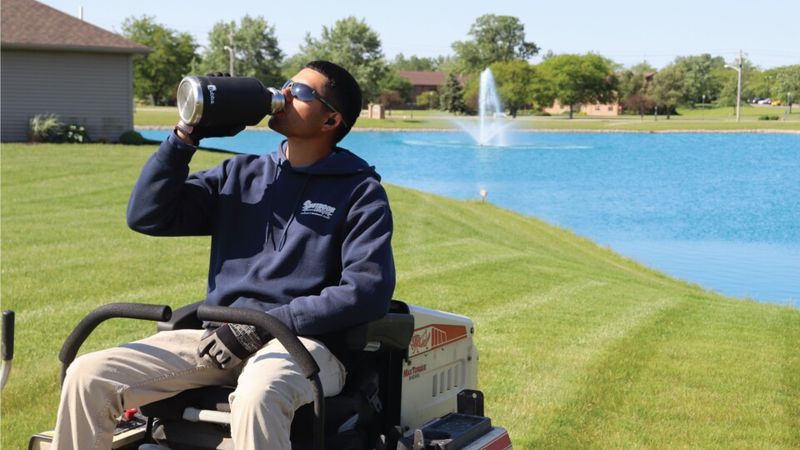
Mowing the lawn is a physically demanding task, especially on hot days. It’s easy to overlook personal hydration amidst lawn care activities. Drinking water after mowing replenishes lost fluids and prevents dehydration. Taking a break to cool down before tackling other yard tasks is equally important. Hydration supports overall health, ensuring you have the energy to maintain your lawn effectively. By prioritizing self-care, you ensure both your well-being and the well-being of your lawn. It’s a simple yet vital aspect of a successful lawn care routine.