 Complete Gardening

We live surrounded by invisible waves from our phones, routers, and gadgets. Some people worry these electromagnetic fields (EMFs) might affect our health. Can certain houseplants actually absorb this digital pollution? Let’s explore seven popular plants often mentioned in EMF discussions and separate fact from fiction about their protective powers.
1. Snake Plant (Sansevieria trifasciata)

The striking sword-like leaves of the Snake Plant stand tall in many modern homes. NASA has confirmed this plant excels at filtering indoor air pollutants like benzene and formaldehyde. Despite popular claims, no scientific evidence shows it can absorb WiFi signals or electromagnetic radiation. The plant’s resilience to neglect makes it perfect for beginners who forget to water regularly. While it won’t shield you from your router’s signals, its air-purifying qualities still make it a worthwhile addition to any tech-heavy space. Plus, it releases oxygen at night, potentially improving your sleep quality.
2. Cactus (Various Species, Especially Echinopsis)

Spiky defenders with an unusual reputation! Some EMF-conscious decorators believe cacti spines act as tiny antennas, intercepting and neutralizing electromagnetic waves from your devices. Scientists haven’t found evidence supporting this prickly theory. Yet cacti remain fascinating additions to any desk or windowsill, requiring minimal care while adding desert charm to your space. Their compact size makes them perfect companions for crowded workstations. While they won’t protect you from WiFi signals, their unique appearance might distract you from excessive screen time – perhaps their true superpower!
3. Aloe Vera
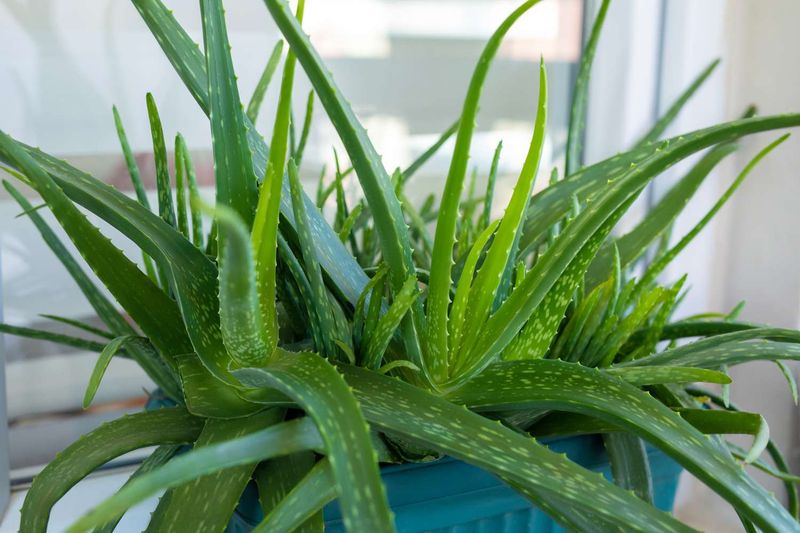
This succulent superstar has been healing burns and cuts for centuries. Beyond its medicinal gel, some wellness enthusiasts claim Aloe Vera creates an invisible shield against electromagnetic radiation. Research doesn’t support these EMF-blocking abilities. However, Aloe’s real powers lie in its air-purifying talents, removing formaldehyde and benzene from your breathing space. The plant’s shallow root system and water-storing leaves make it drought-resistant and low-maintenance. While it can’t absorb your WiFi signals, having this natural first-aid kit nearby for minor burns (including those from hot laptops!) provides practical benefits beyond electromagnetic myths.
4. Spider Plant (Chlorophytum comosum)

Dangling baby plantlets like tiny spiders give this NASA-approved air purifier its distinctive look. The Spider Plant eagerly removes carbon monoxide, formaldehyde, and xylene from indoor environments. Claims about its EMF-neutralizing abilities have spread across wellness blogs without scientific backing. What’s undeniable is how easily this plant propagates – each “spiderette” can become a new plant, making it a gift that keeps giving. Its arching green and white striped leaves add visual interest to shelves and hanging baskets. Though it won’t reduce WiFi radiation, its air-cleaning prowess and cheerful appearance bring legitimate benefits to technology-filled rooms.
5. Stone Lotus Flower (Sempervivum tectorum)
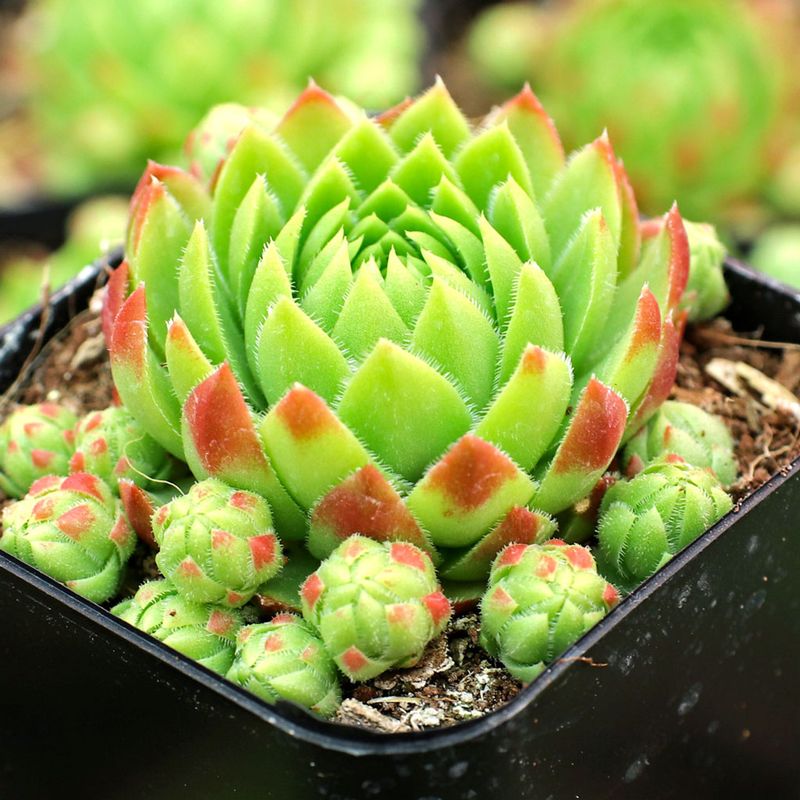
Marketed sometimes as “radiation shields,” these rosette-forming succulents resemble blooming lotus flowers made of stone. Their Latin name “Sempervivum” means “always alive” – fitting for a plant that thrives through harsh conditions. Garden centers occasionally promote them as EMF absorbers, though scientific evidence remains absent. What’s certain is their remarkable drought tolerance and architectural beauty. Also called “hens and chicks,” they multiply readily, with mother plants surrounded by smaller offspring. While they can’t absorb your digital signals, their striking appearance adds natural elegance to workspaces. Their symbolic resilience might inspire you during stressful workdays!
6. Peace Lily (Spathiphyllum)

“Bringing peace to your electromagnetic environment” might be a stretch for this elegant flowering plant. What’s true? Peace Lilies excel at removing common indoor pollutants like ammonia, benzene, and formaldehyde. Their glossy dark leaves topped with distinctive white blooms create a calming presence in any room. NASA’s Clean Air Study confirmed their air-purifying talents, though EMF absorption remains unproven. These tropical beauties prefer indirect light and regular watering. Their dramatic drooping when thirsty makes them perfect for forgetful gardeners who need obvious reminders. While not EMF shields, their proven ability to improve air quality still makes them valuable additions to technology-filled spaces.
7. English Ivy (Hedera helix)

Cascading vines of English Ivy create living curtains in many homes. This classic trailing plant frequently appears on lists claiming EMF protection, particularly when positioned near computers or routers. While NASA research highlights its impressive ability to filter airborne toxins, no studies confirm it absorbs electromagnetic radiation. Its true talent lies in removing formaldehyde, a common indoor pollutant. The plant’s adaptable nature makes it suitable for hanging baskets or climbing trellises. Its variegated varieties add texture and visual interest to workspaces. Though not a WiFi shield, its proven air-cleaning abilities and aesthetic appeal make it a worthwhile addition to any tech-heavy environment.
8. Betel Leaf Plant (Piper betle)
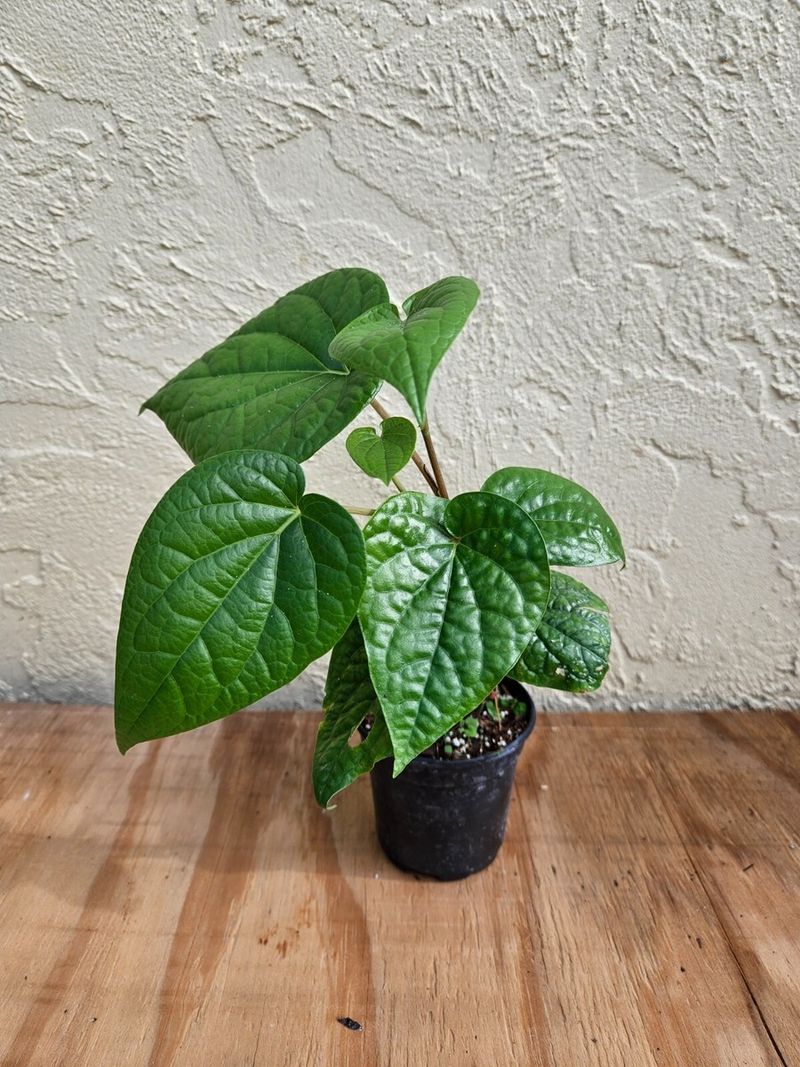
Ancient wisdom meets modern concerns with this glossy-leaved tropical wonder. Used in traditional Asian medicine for centuries, the betel leaf plant has recently sparked interest among tech-wary homeowners for its supposed electromagnetic shielding properties.
The thick, heart-shaped leaves contain unique compounds that some researchers believe may interact with radiation frequencies. While scientific evidence remains preliminary, enthusiasts report fewer headaches and better sleep when placing these plants near WiFi routers and workstations.
Growing best in warm, humid environments, this conversation-starting plant requires regular misting and indirect sunlight. Fun fact: In parts of Southeast Asia, betel leaves are considered sacred and used in religious ceremonies long before anyone worried about WiFi signals!
9. Asparagus Fern (Asparagus setaceus)

The feathery Asparagus Fern might look delicate, but some enthusiasts swear it’s a silent warrior against electromagnetic fields. With its lacy, emerald foliage creating a dense microclimate, this plant allegedly traps and neutralizes WiFi signals through its moisture-rich fronds.
Laboratory experiments remain inconclusive, yet proponents point to the plant’s high water content as the secret weapon. Water molecules can indeed interact with certain frequencies, though scientific consensus on meaningful EMF absorption remains elusive.
Practical tip: Place several ferns near your router if you’re curious about testing this theory yourself. At minimum, you’ll enjoy improved humidity and air quality—benefits that are definitely not myths!
10. Rubber Plant (Ficus elastica)

Rumors about the Rubber Plant’s electromagnetic-shielding abilities spread faster than its glossy leaves grow! Standing tall with thick, waxy foliage, this tropical powerhouse supposedly creates a natural barrier against WiFi radiation through its dense, latex-rich tissues.
Folk wisdom suggests placing Rubber Plants in corners where WiFi signals concentrate. The science? Largely anecdotal. However, the plant’s substantial leaf surface area does increase humidity and collect airborne particles, which might slightly alter how waves travel through your space.
Whether EMF shield or not, this low-maintenance beauty purifies air by removing formaldehyde and other toxins—a guaranteed health benefit amid the electromagnetic debates!