 Complete Gardening
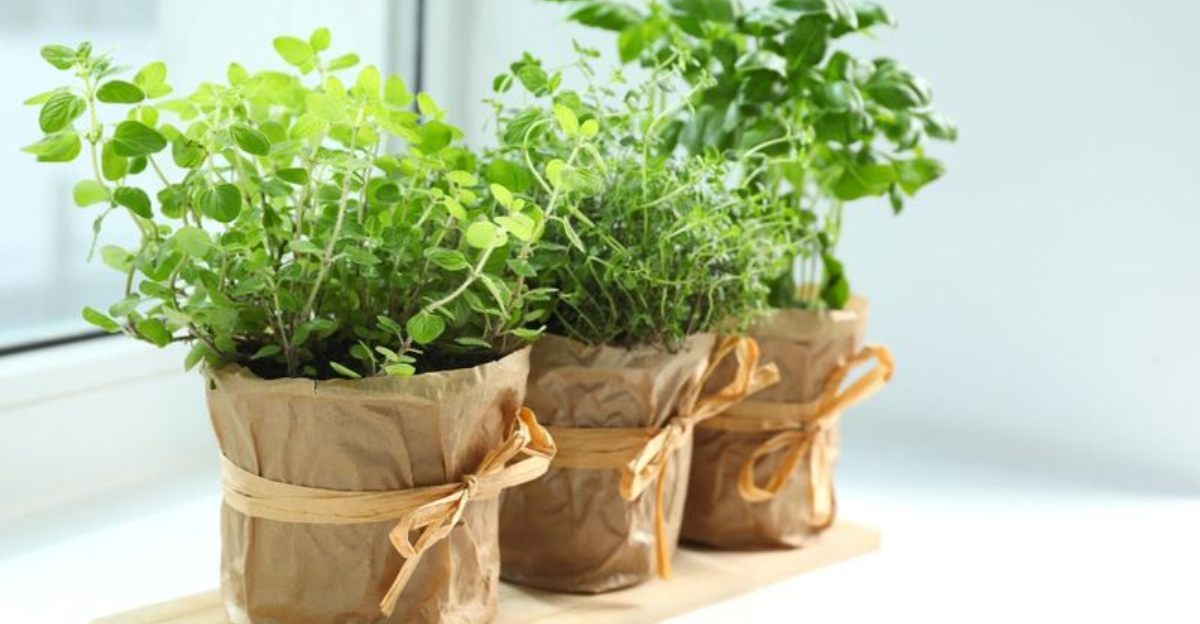
Growing herbs indoors can be a delightful and rewarding experience. However, it requires some understanding of their needs and potential pitfalls. This guide provides 10 pro tips to help your herbs flourish and 5 quick ways to avoid inadvertently killing them.
1. Pick the Right Herbs
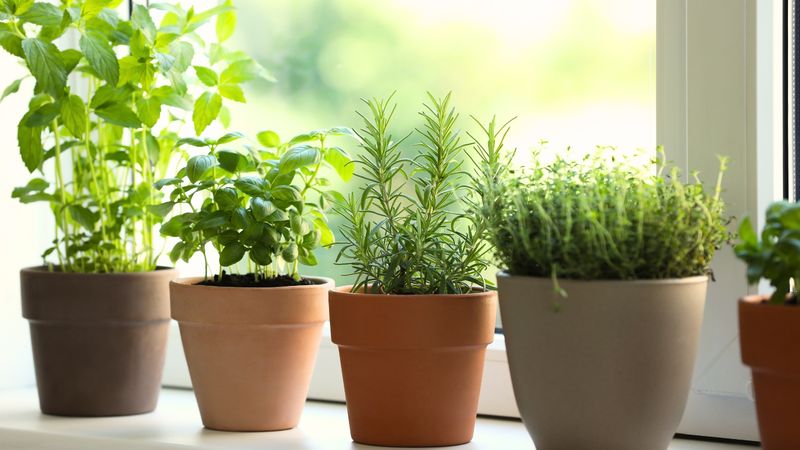
Beginning your indoor herb garden with the right plants can set you up for success. Choose herbs like basil, mint, parsley, or chives, which are known for their adaptability and resilience indoors. Avoid cilantro, as it tends to bolt quickly when grown inside. Starting with these easier herbs will help build your confidence as a gardener. Each herb has its own personality and requirements, so getting to know them is half the battle. By selecting the right companions for your indoor garden, you’re setting the stage for a thriving herb collection.
2. Use the Best Containers
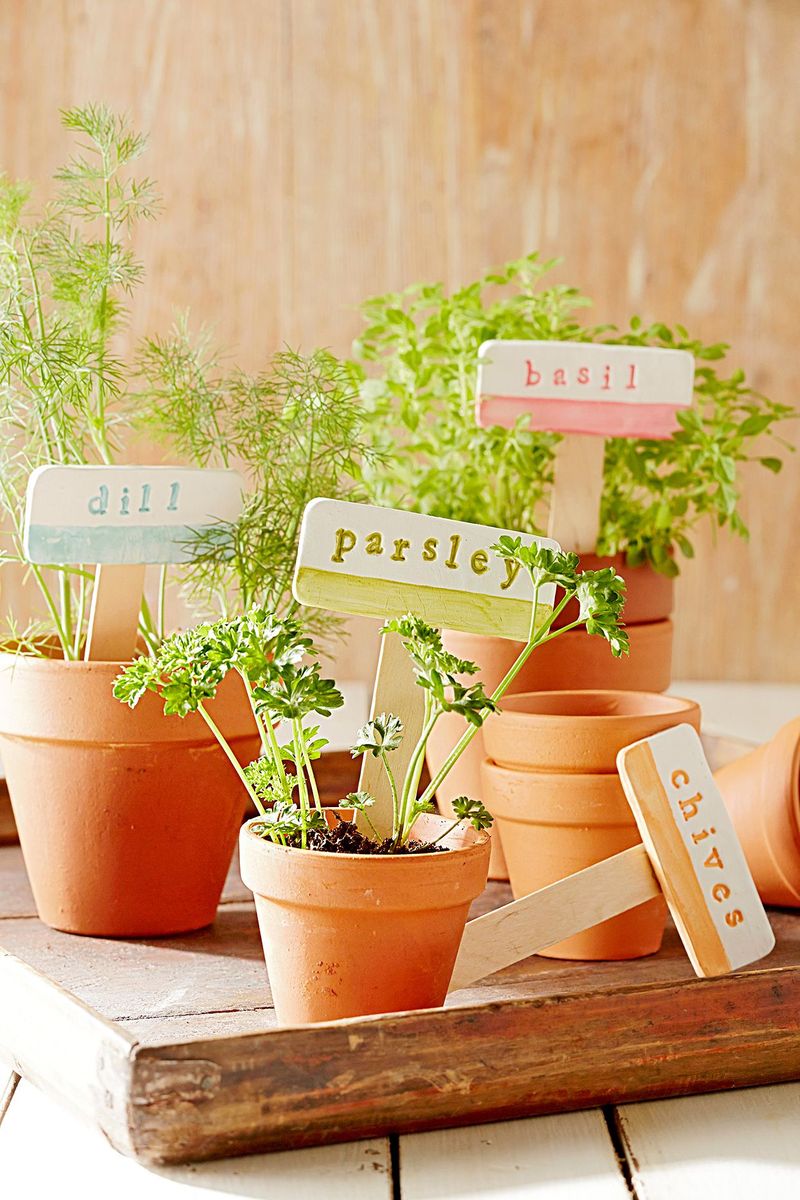
The container you choose can make or break your indoor herb garden. Opt for pots that have drainage holes to prevent water from accumulating, which can lead to root rot. Terracotta pots are an excellent choice as they allow the soil to breathe better than plastic ones. Proper container selection ensures your herbs have the right environment to grow strong and healthy. Consider the aesthetics as well—a beautiful pot can enhance the visual appeal of your indoor space. Your pots should be both functional and pleasing to the eye.
3. Sunlight is Non-Negotiable
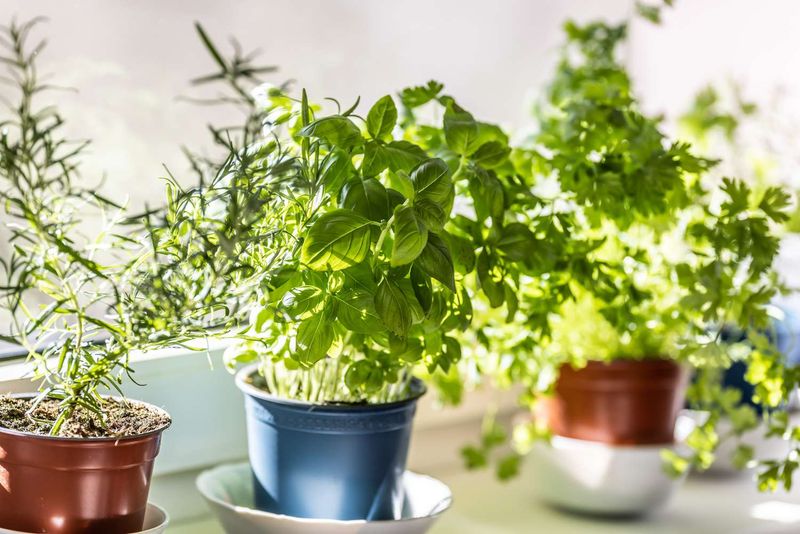
Sunlight is essential for the growth of most herbs. Position your plants in a south-facing window where they can soak up at least six hours of light daily. If natural sunlight is scarce, invest in grow lights to provide 12-14 hours of artificial light. This will mimic the sun and support the healthy development of your plants. You’ll notice your herbs reaching toward the light, eager for growth. By securing adequate lighting, you ensure your herbs are nourished and vibrant, ready to spice up your culinary creations.
4. Water the Right Way
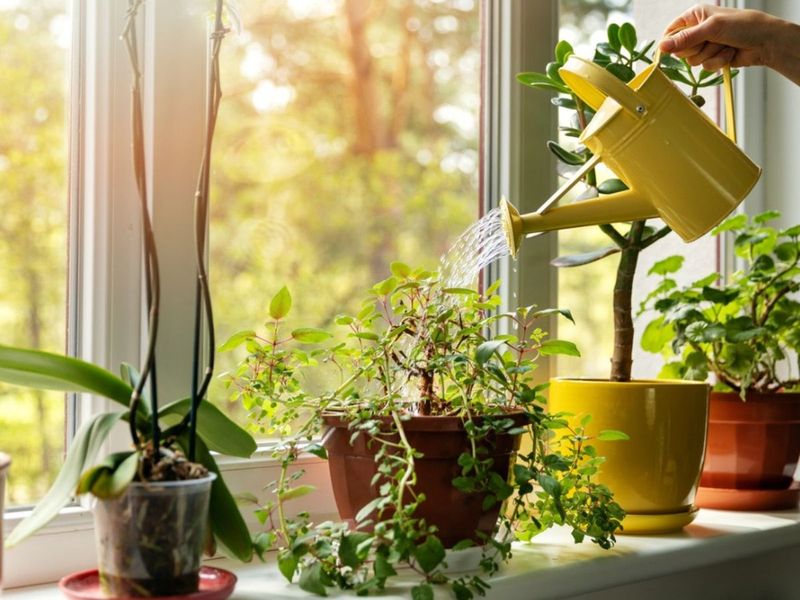
Proper watering is crucial to keep your herbs healthy. The soil should be kept moist but never soggy. To gauge when to water, stick your finger into the soil; if the top inch feels dry, it’s time to hydrate your plant. Overwatering is a common mistake, leading to root rot and other issues. By understanding the needs of your herbs, you can provide just the right amount of moisture. Remember, the key is moderation—neither too much nor too little will keep your herbs happily growing indoors.
5. Humidity Matters
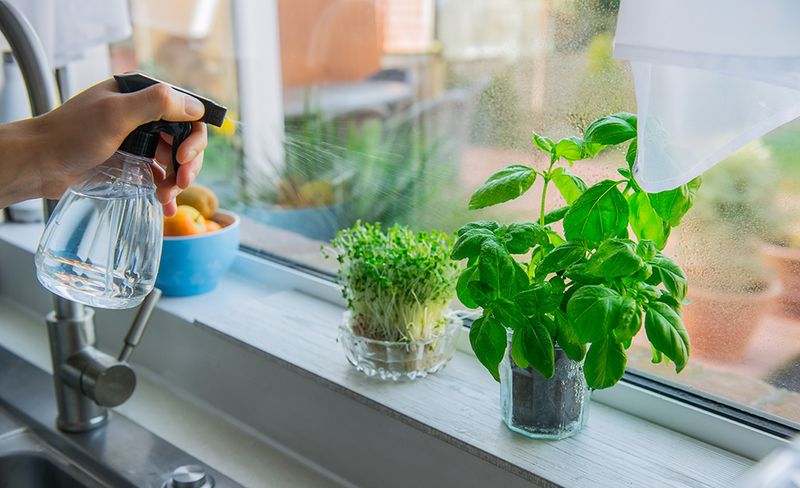
Indoor herbs thrive in humid environments, which can be a challenge in drier indoor climates. To increase humidity, mist your plants regularly or place the pots on a pebble tray filled with water. This creates a micro-climate around your herbs that keeps them lush and healthy. By mimicking their natural environment, you help your plants to thrive despite indoor challenges. Keeping humidity at optimal levels prevents leaves from drying out, ensuring your herbs remain robust and ready to enhance your dishes.
6. Feed Them Lightly
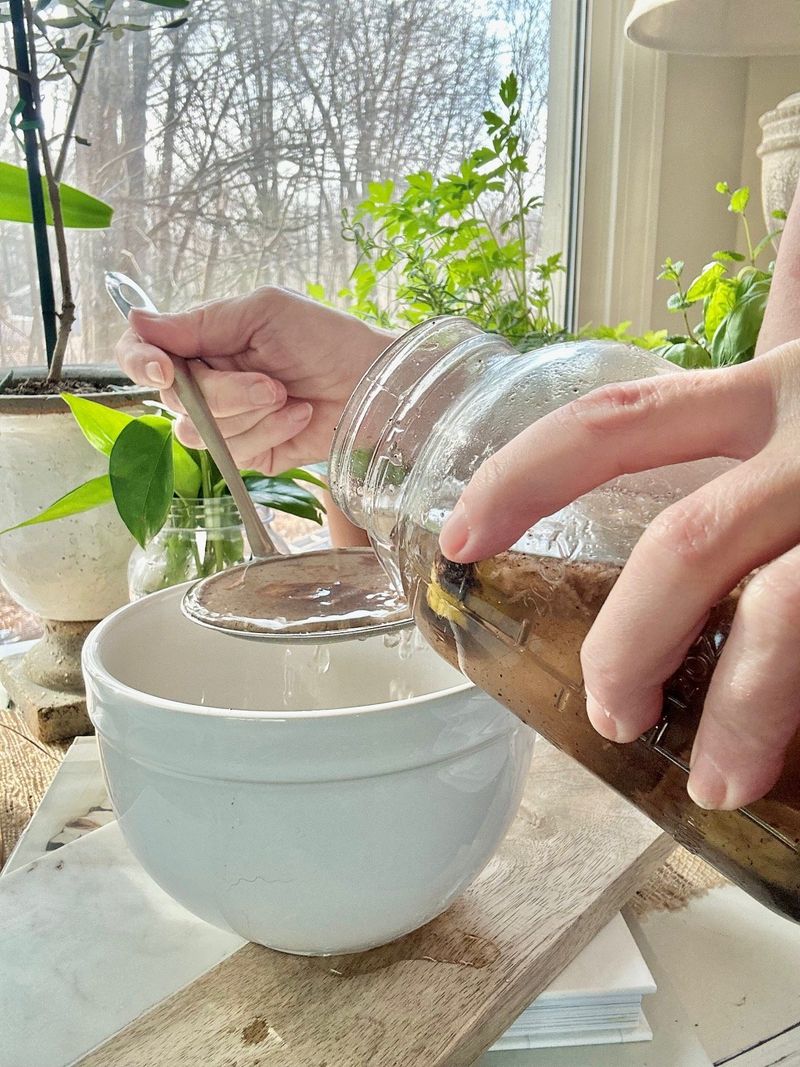
Fertilizing your herbs with care ensures they receive the nutrients needed for growth without overwhelming them. Use a diluted liquid fertilizer, applying it at half-strength every 4-6 weeks. Overfeeding can damage the roots, reducing your plant’s vitality. By feeding lightly and consistently, you provide the nourishment that encourages strong, healthy growth. This approach prevents nutrient burn and promotes a lush, vibrant herb garden. Consider it a gentle nudge rather than a forceful push, allowing your herbs to flourish naturally.
7. Prune for More Growth
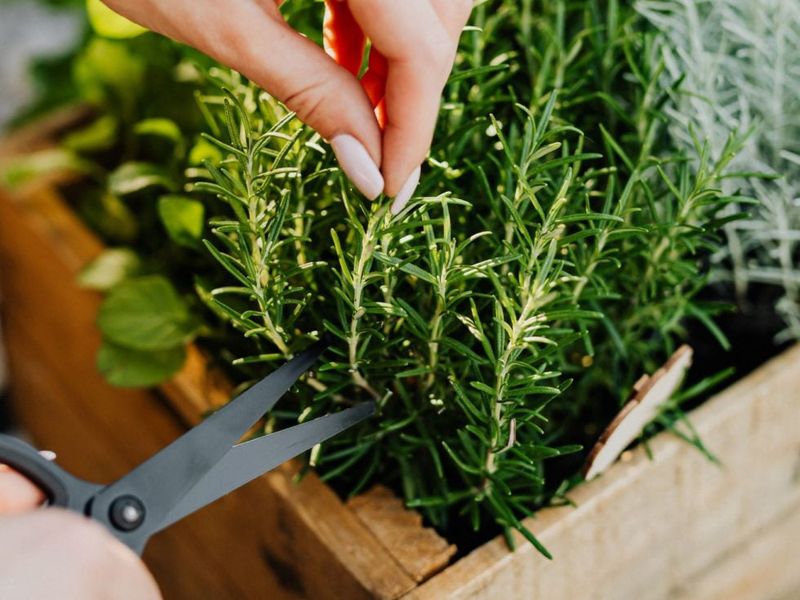
Regular pruning is essential for keeping your herbs healthy and encouraging bushiness. Snipping the leaves, but never more than a third at a time, stimulates growth and prevents the plants from becoming leggy. This practice not only maintains the shape and aesthetics of your herbs but also enhances their flavor profile. Each snip is an investment in future abundance. By understanding the specific pruning needs of each herb, you can cultivate a thriving and productive indoor garden that continues to provide fresh flavors.
8. Avoid Crowding
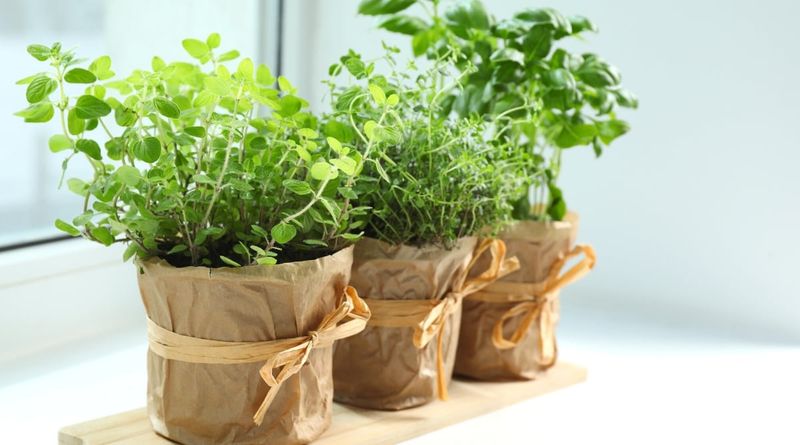
Herbs need their own space to grow and thrive. Planting them too closely in a single container creates competition for nutrients, water, and light, leading to weaker plants. Each herb should have its own pot, allowing it to develop without interference. This separation ensures they receive the specific care and attention they require. By giving each herb room to breathe, you set the stage for a flourishing indoor garden. Avoiding crowding is a simple step that makes a significant difference in the health of your plants.
9. Rotate Pots Weekly
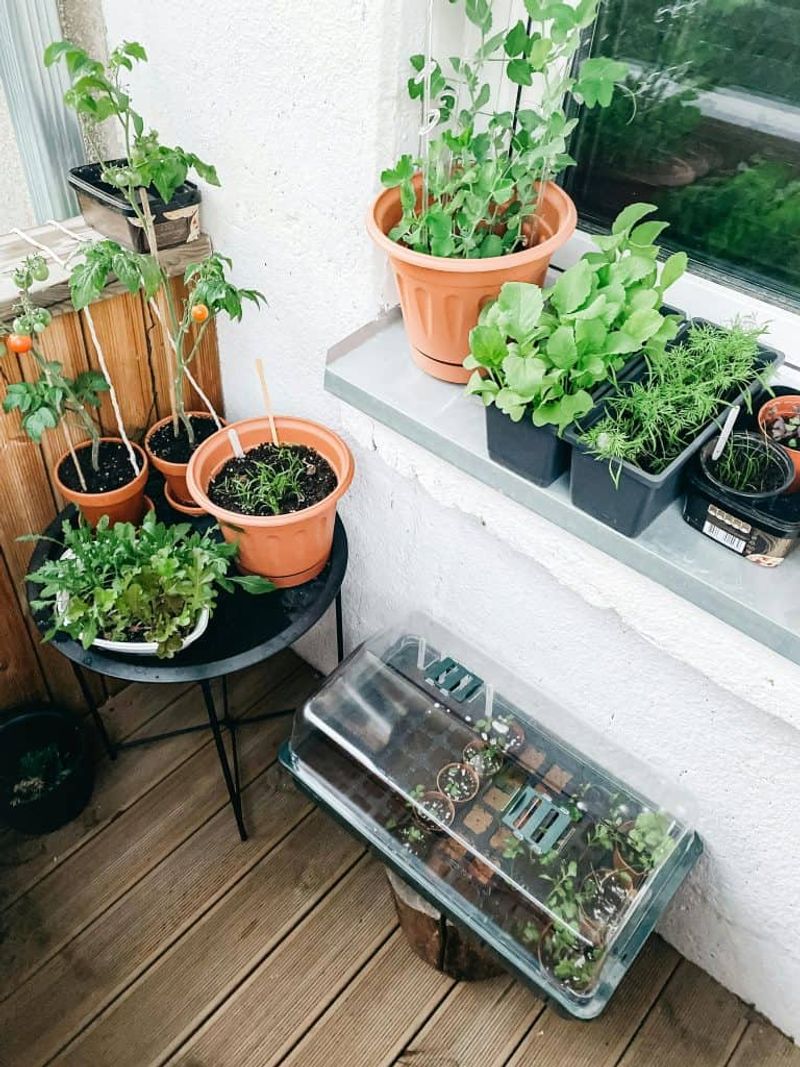
Rotating your pots weekly ensures your herbs grow evenly and stay well-balanced. Plants naturally lean towards the light source, so turning them prevents uneven growth and helps maintain symmetry. This simple practice encourages robust and uniform development, enhancing the overall appearance of your indoor garden. By making rotation a routine part of your care, you ensure each side of the plant receives its share of sunlight. It’s a small effort with big rewards, keeping your herbs looking their best from every angle.
10. Watch for Pests Early
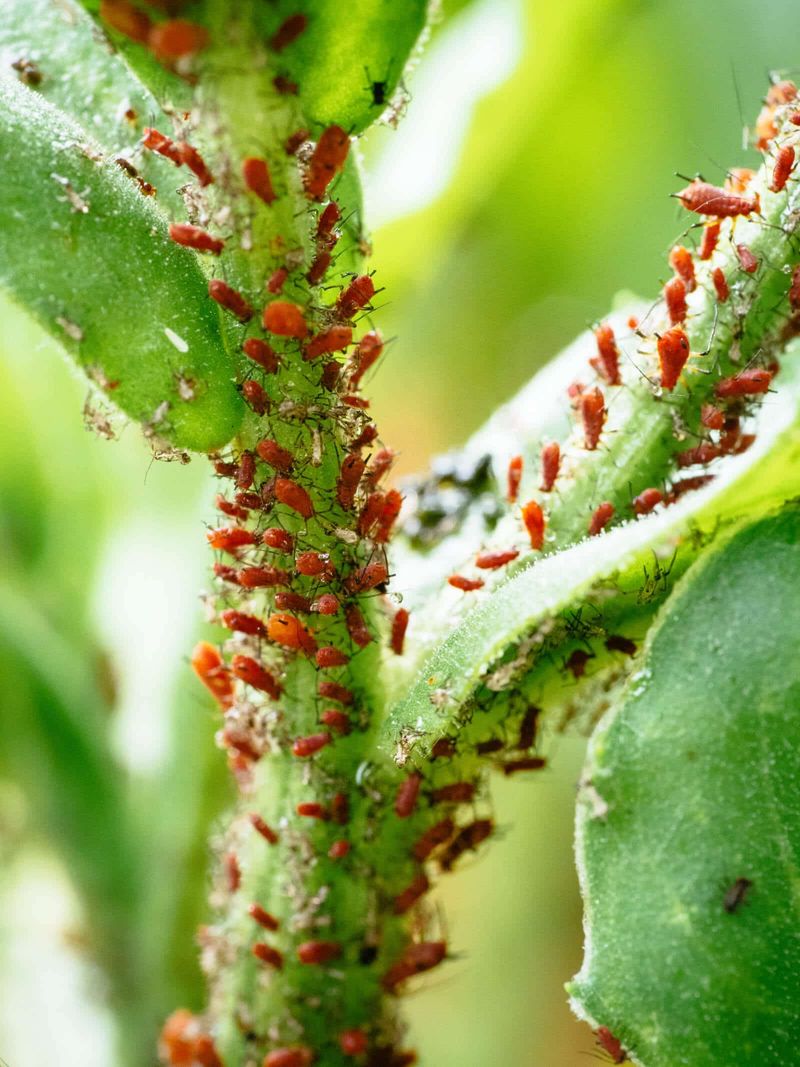
Early detection of pests like spider mites and aphids is vital in keeping your herbs healthy. Regularly inspect the leaves for any signs of infestation, and address issues promptly with soapy water or neem oil. This proactive approach prevents damage and allows your plants to continue thriving. Pests can quickly turn a flourishing garden into a struggling one, so vigilance is key. By staying ahead of potential problems, you ensure your indoor herbs remain vibrant and productive, ready to grace your kitchen with fresh flavors.
1. Overwatering
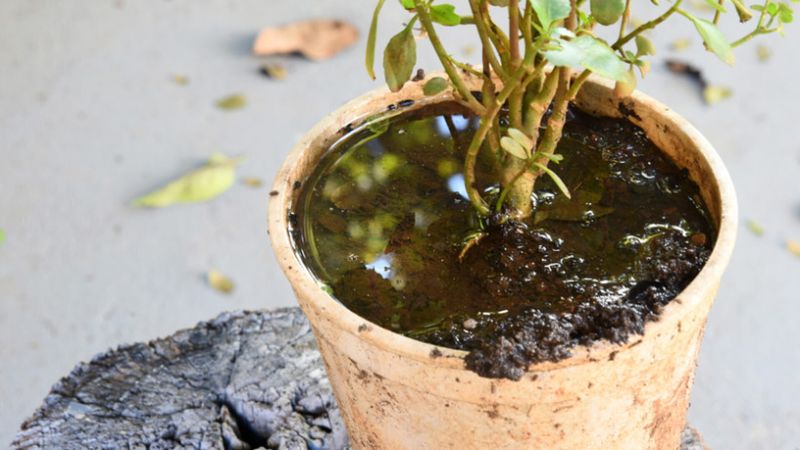
Overwatering is one of the quickest ways to harm your indoor herbs. Soggy soil leads to root rot, a condition where the roots decay due to excessive moisture. If you notice leaves yellowing and dropping, it’s a clear sign of drowning. Allow the soil to dry out between waterings to avoid this common pitfall. By understanding the specific water needs of your herbs, you can prevent overhydration and promote healthy growth. This practice ensures your plants remain lively and productive, a joy to have in any indoor garden.
2. Too Little Light
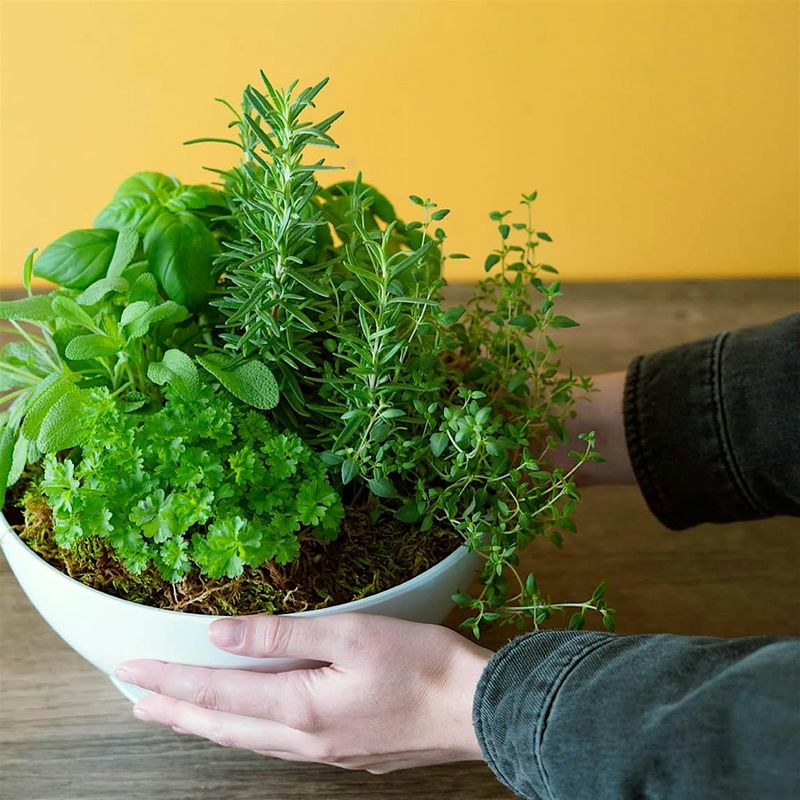
Insufficient light can spell disaster for your indoor herbs. They become leggy and pale, reaching desperately towards any available light. Without enough sunlight, herbs struggle to photosynthesize, weakening their growth and vitality. Position them near a bright window or provide supplemental grow lights to ensure they receive the light they require. By addressing this need, you support their health and longevity. Proper lighting is critical for maintaining the vibrant, lush appearance that makes herbs a delightful addition to indoor spaces.
3. Using the Wrong Soil
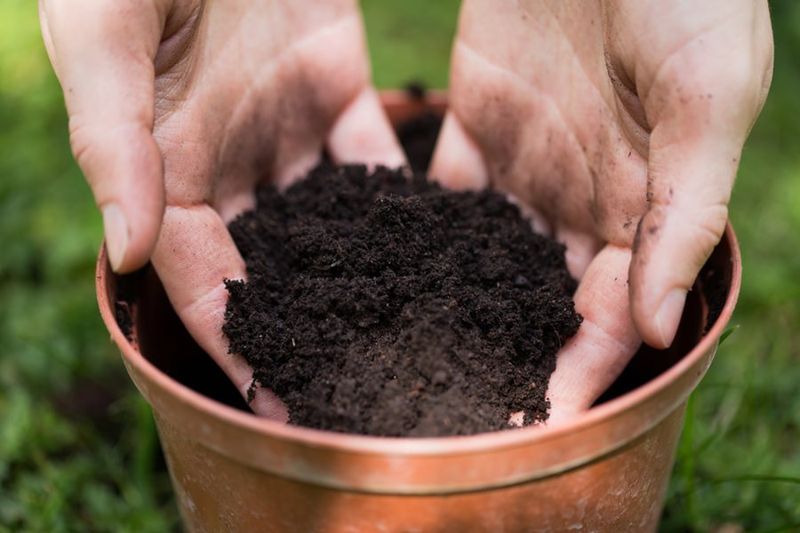
The soil you use plays a crucial role in the success of your indoor herb garden. Avoid garden soil, which compacts easily in pots and can stunt root growth. Instead, opt for a light, well-draining potting mix that provides the right balance of air and moisture. This ensures roots have the room to expand and access necessary nutrients. Choosing the correct soil is a foundational step in fostering a healthy environment for your herbs. With the right mix, you set the stage for a thriving, productive indoor garden.
4. Ignoring Harvesting
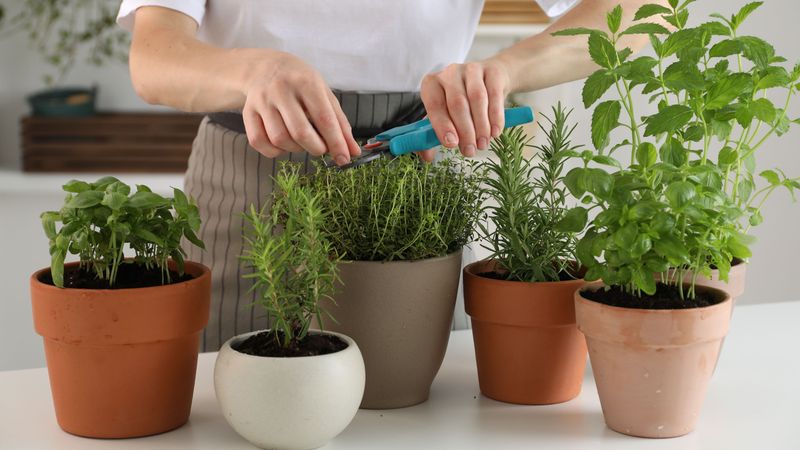
Regularly harvesting your herbs is essential to their vitality. Without routine cuts, they can grow tall and sparse, eventually losing vigor. By snipping leaves and stems, you encourage new growth and maintain a bushy, productive plant. Harvesting is not just about utilization; it’s a critical part of plant care. Neglecting this step can lead to weaker herbs and diminished flavor. By embracing the harvest, you promote continuous growth and a bountiful supply of fresh herbs for your culinary adventures.
5. Letting Them Flower
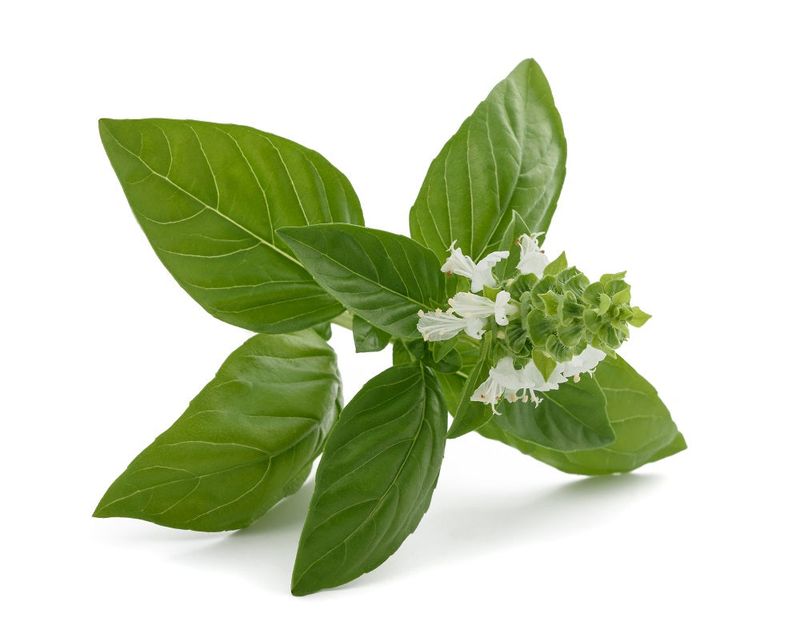
Allowing your herbs to flower can dramatically alter their taste and growth patterns. When herbs like basil bloom, their leaves often turn bitter, and overall growth slows down. Pinching off the buds as they appear keeps the plant focused on producing flavorful leaves. This small act of maintenance ensures your herbs remain a delicious addition to your dishes. By controlling flowering, you extend the productive life of your plants and enhance their culinary value. Keep them in check, and they’ll reward you with flavor.