 Complete Gardening
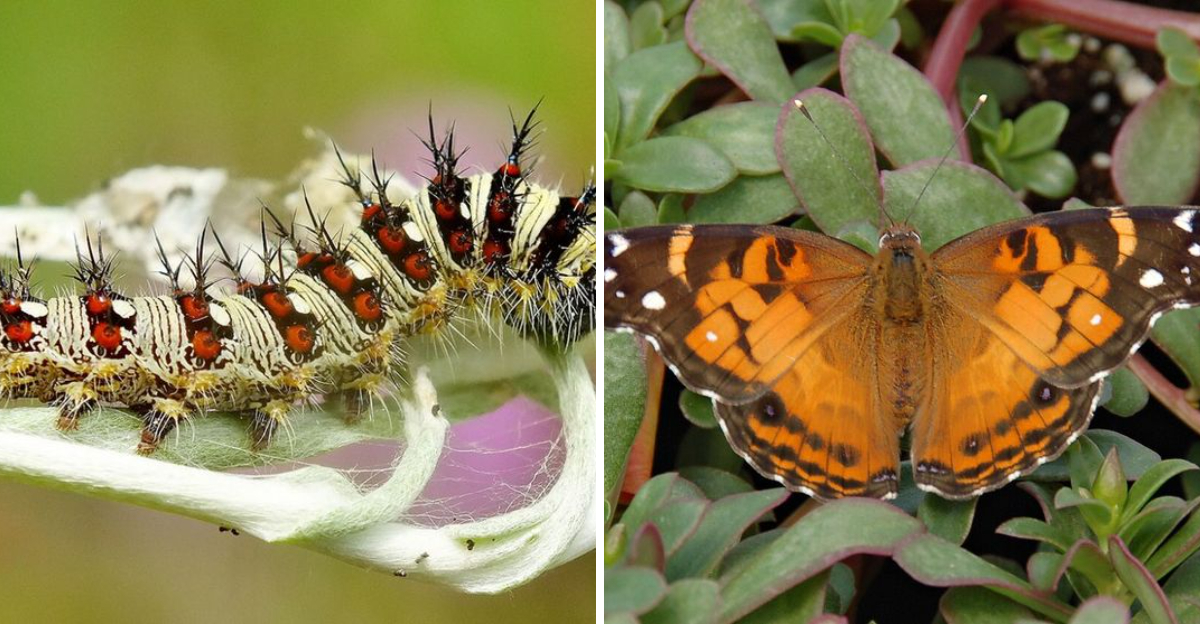
The American Lady butterfly is a captivating creature with distinctive features that set it apart from its relatives.
This guide reveals ten simple ways to identify this beautiful butterfly, enhancing your appreciation of nature.
1. Look for the Two Large Eyespots on the Underside of the Hindwing
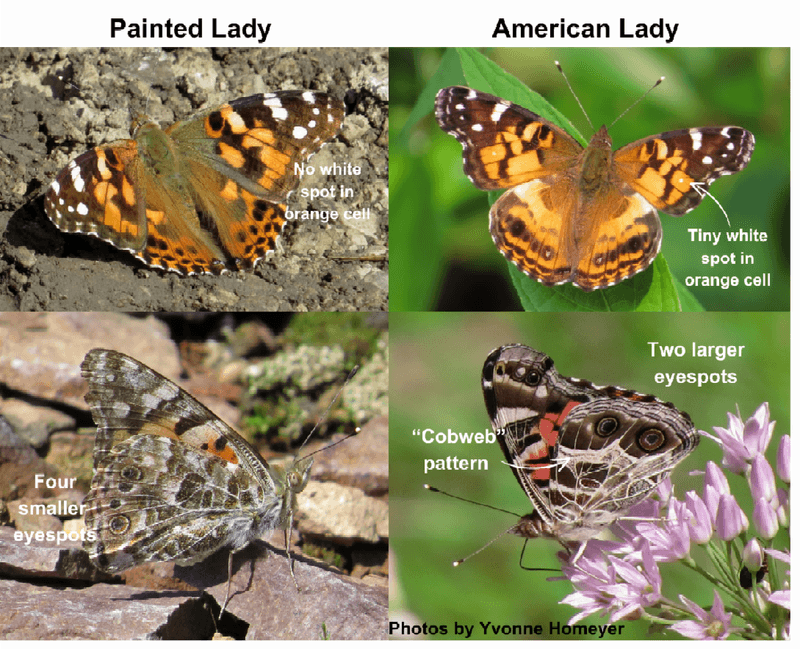
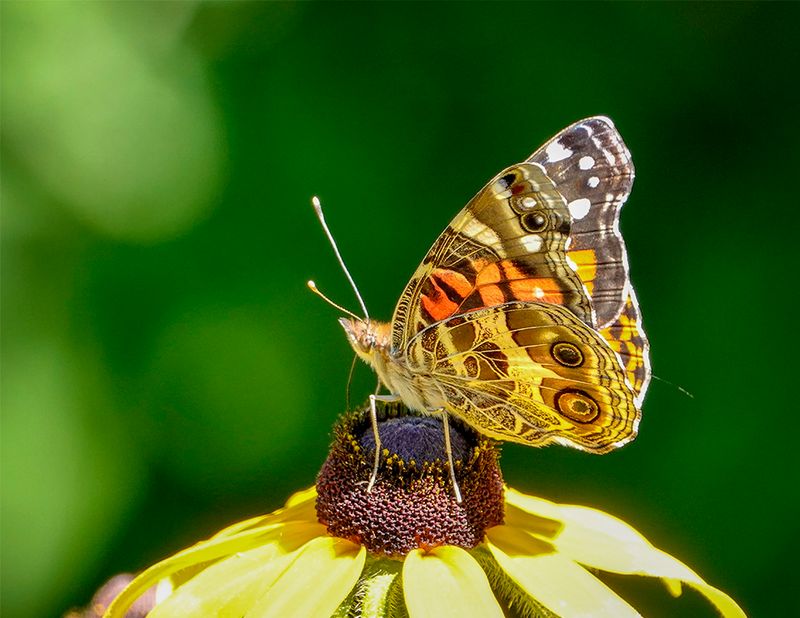
Why does the American Lady butterfly stand out? It’s the two large eyespots on the underside of its hindwing. Unlike its cousin, the Painted Lady, which boasts four smaller spots, these eyespots are large and bold, almost like a pair of vigilant eyes.
These eyespots serve a purpose beyond beauty—they can deter predators by mimicking larger creatures. Observing these eyespots requires patience as the butterfly rests with wings closed, blending with the surroundings.
Detailing these eyespots can elevate a simple nature walk into a fascinating exploration, enriching your understanding of butterfly anatomy.
2. Notice the Orange-Red Upper Wings
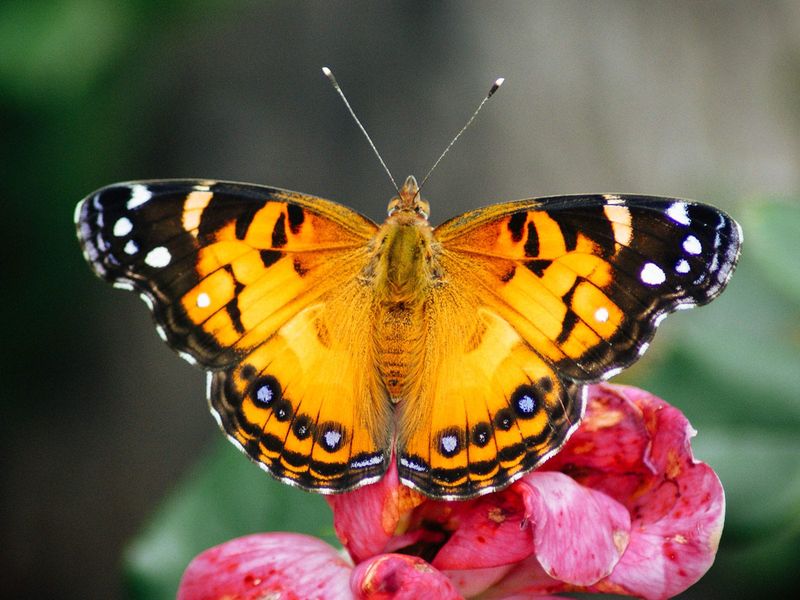
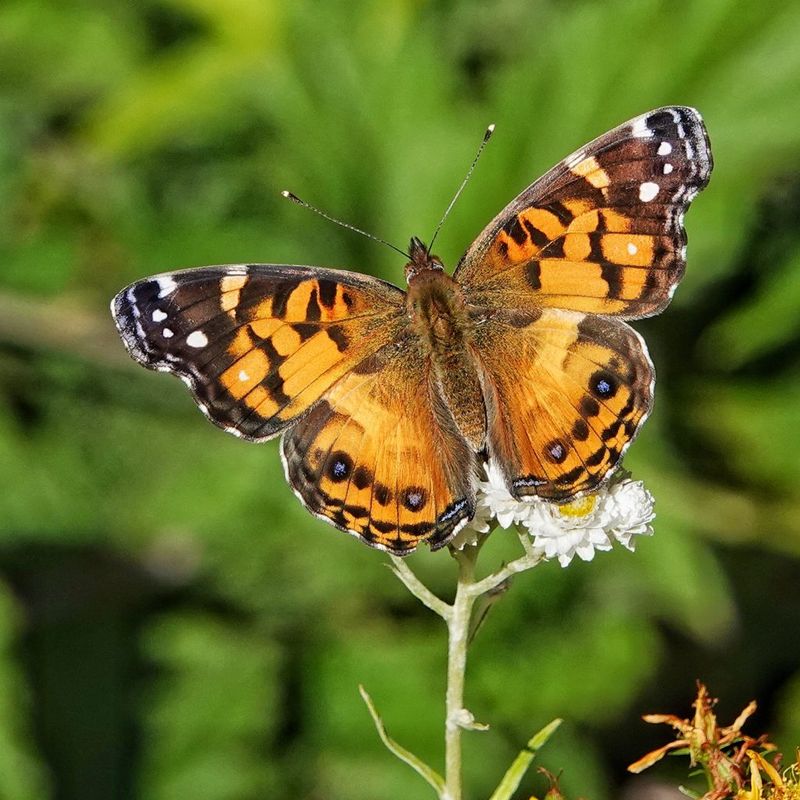
The American Lady butterfly is a marvel of fiery hues, with its upper wings painted in striking orange-red tones. This colorful palette is contrasted by the forewing’s black tips dotted with white spots.
This vivid coloration is not just for show; it plays a vital role in attracting mates and deterring predators. The stark contrast helps these butterflies stand out in their natural settings, making them easier to spot in the wild.
Next time you venture into a garden, look for that flash of orange-red—an enchanting hallmark of the American Lady.
3. Check the Forewing’s Black Apex with White Spots
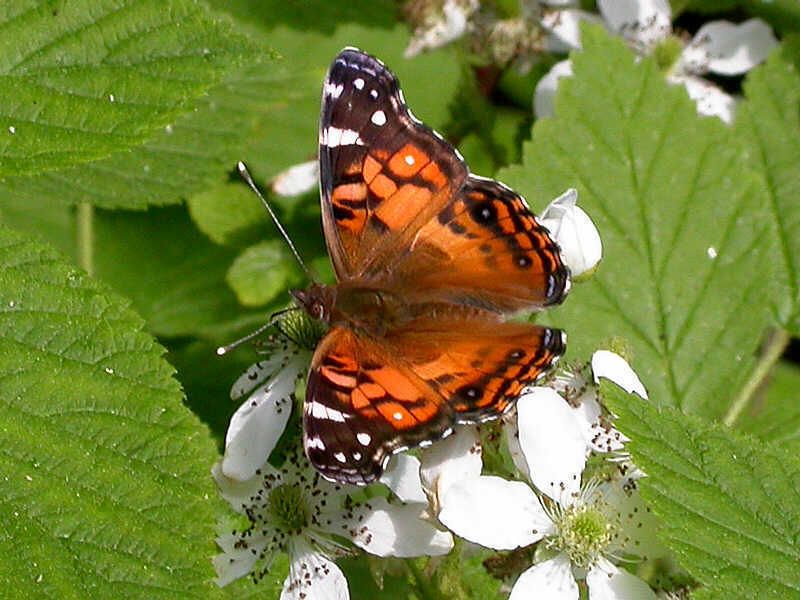
Ever notice the black apex of a butterfly’s forewing? In the American Lady, this feature is highlighted by bold white spots. These markings are not merely decorative—they are crucial for identification.
The black and white pattern serves dual purposes: confusing predators and signaling to other butterflies. It’s a visual cue in the world of Lepidoptery.
Spotting these white spots against the black apex can quickly help you differentiate the American Lady from other species, like the Monarch, ensuring accurate identification during your nature excursions.
4. Spot the White Dot in Orange Field (Upper Wing)
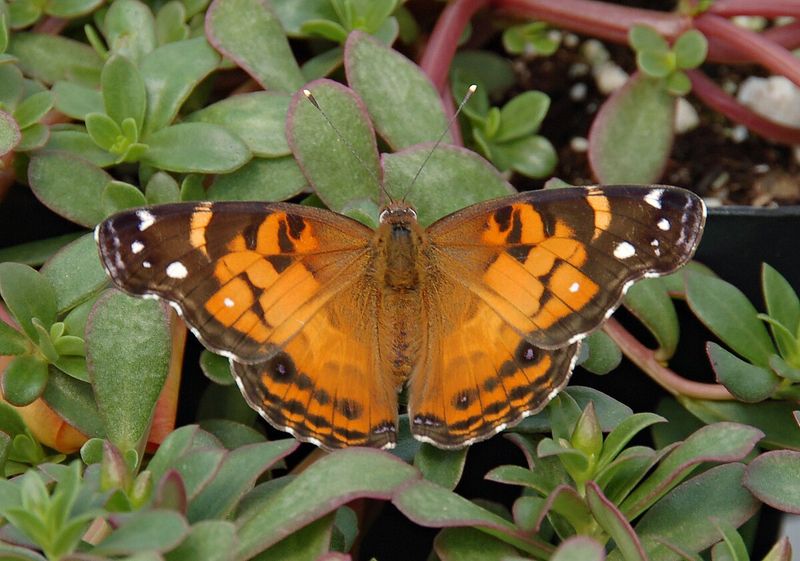
The tiny white dot in the orange field of the American Lady’s upper wing might seem insignificant, but it’s a key feature for enthusiasts. This dot can be your guide in distinguishing this butterfly from its relatives.
Amidst the vibrant orange, this small white spot stands out, offering a subtle hint to its identity. It speaks to the intricate design of butterfly wings, where each mark has evolved for survival and communication.
This detail, though minute, is worth searching for, adding depth to your understanding of butterfly markings.
5. Note the Smaller Size
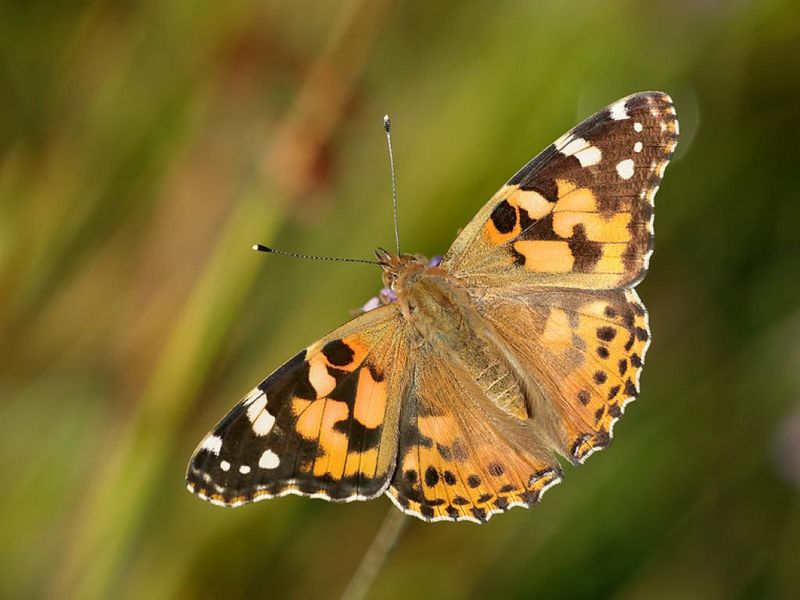
Size does matter when identifying the American Lady butterfly. Typically, its wingspan is between 1.75 to 2.5 inches, slightly smaller than its counterpart, the Painted Lady.
This compact size allows it agility in flight, enabling swift movements that seem like a delicate dance in the air. Its smaller, rounder shape is a quick reference point for those familiar with butterfly species.
Spotting these butterflies often involves a keen eye and appreciation for the subtle differences in nature’s designs, where size complements agility and grace.
6. Watch the Flight Pattern
The American Lady’s flight is a spectacle of agility. Watch as it darts quickly then glides softly, a pattern that is both random and rhythmic.
This erratic movement might seem chaotic, but it serves a purpose: evading predators. The unpredictable path makes it harder for threats to catch these butterflies.
Observing their flight can offer insights into their behavior and adaptive strategies, turning any outing into a learning experience about nature’s intricate choreography.
7. Underside Looks Like Tree Bark or Leaves
Camouflage is a survival strategy perfected by the American Lady. With wings closed, its underside resembles tree bark or dead leaves, making it nearly invisible to predators.
This earthy disguise is not just visual; it’s an evolutionary adaptation. The eyespots remain visible, adding a layer of complexity to the camouflage.
Nature’s artistry is evident here, where beauty and practicality intertwine, highlighting the butterfly’s ability to adapt and survive in its environment.
8. Found in Open, Sunny Areas
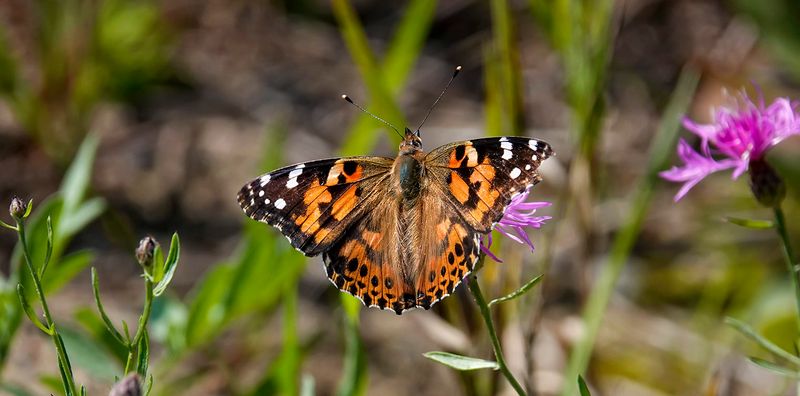
Sunshine and open spaces are where the American Lady thrives. Gardens, roadsides, and forest edges are its playgrounds, where the warmth fuels their activity.
These butterflies are sun-seekers, drawn to bright spots adorned with flowers that provide nectar. Their presence in such areas is a testament to their preference for sunlight and open environments.
If you’re exploring sunny fields or vibrant gardens, keep an eye out for these butterflies, basking and fluttering amidst the blooms.
9. Check for Larval Host Plants Nearby
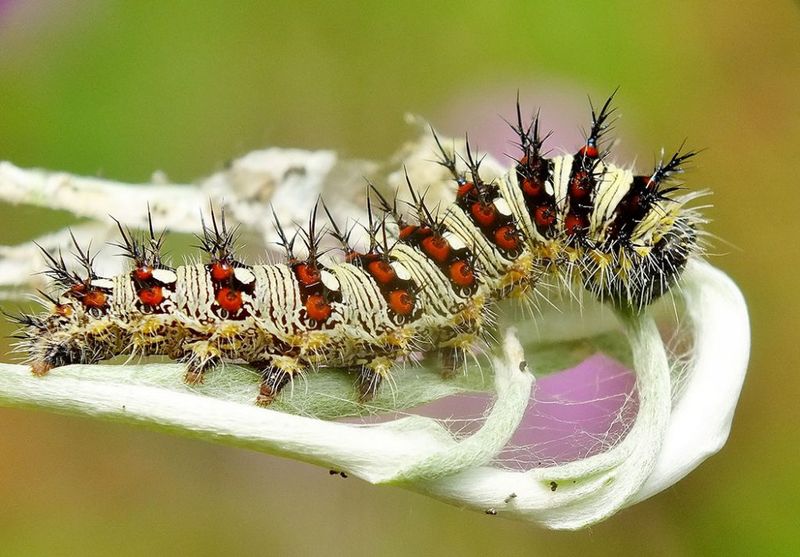
The presence of certain plants can hint at the nearby American Lady butterfly. Larvae feed on pearly everlasting, ironweed, and asters, linking these plants to the butterfly’s life cycle.
Gardens that host these plants are like nurseries for American Ladies, offering nourishment and safety for the growing caterpillars. Observing these plants can lead to delightful discoveries of butterfly activity.
Encouraging these plants in your garden can foster a habitat that attracts these graceful insects, creating a vibrant ecosystem at your doorstep.
10. Spring and Fall Sightings Are Common
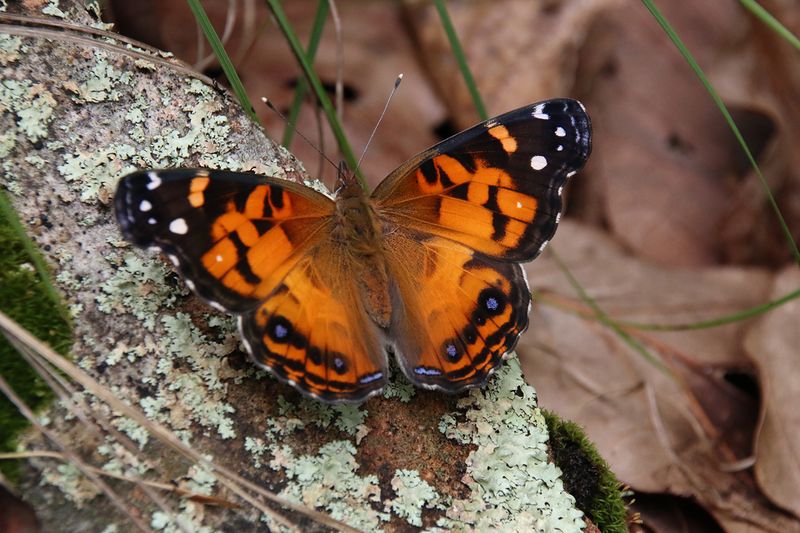
Seasonal migrations mark the American Lady’s travels. Spring and fall are prime times to spot them, as they move to find suitable climates.
These migrations are not just random; they are survival strategies, ensuring they thrive throughout various conditions. Watching these butterflies during these times can offer insights into their life cycle and behavior.
Their presence in these seasons adds a dynamic element to nature watching, where changes in butterfly populations reflect broader environmental shifts.