 Complete Gardening
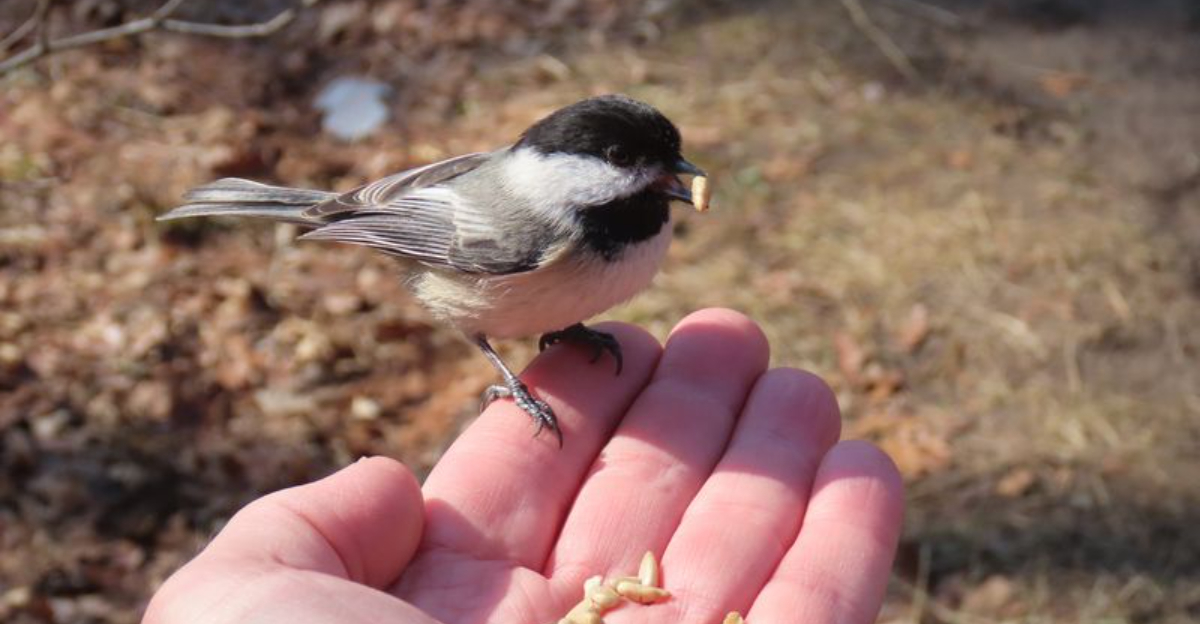
Transforming your garden into a haven for chickadees is both delightful and easy. These charming birds are not only fun to watch but also beneficial for controlling insect populations.
With just a few tweaks and additions, your garden can become a bustling sanctuary for these feathered friends.
Here are ten straightforward ways to attract and support chickadees, ensuring they feel right at home.
1. Offer Their Favorite Foods
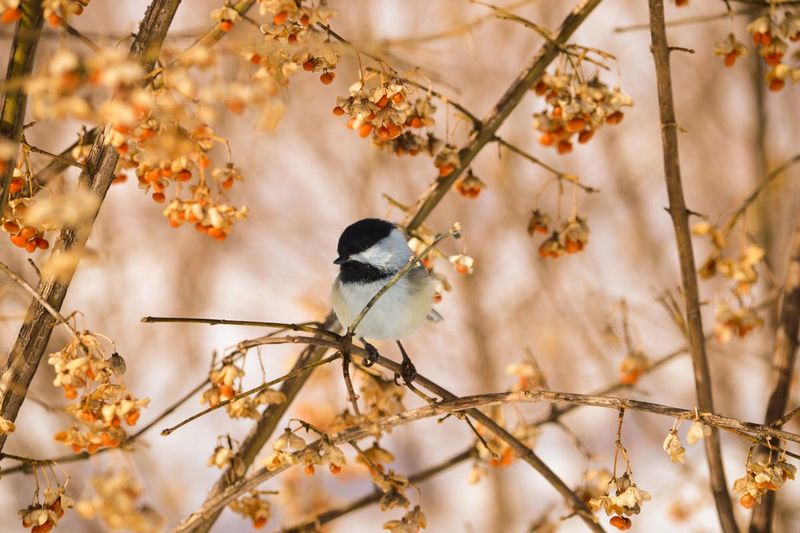
To invite chickadees to your garden, start by offering their favorite foods. Black oil sunflower seeds are a top pick due to their high fat content, which provides essential energy.
Suet, especially in winter, offers a rich source of calories for these active birds. Peanuts, whether whole or shelled, are another great option, packed with protein and fatty acids.
For a special treat, try mealworms; live or dried, they mimic chickadees’ natural insect diet. Spreading these foods around your garden will entice chickadees to visit regularly, keeping them happy and well-fed.
2. Use the Right Bird Feeder
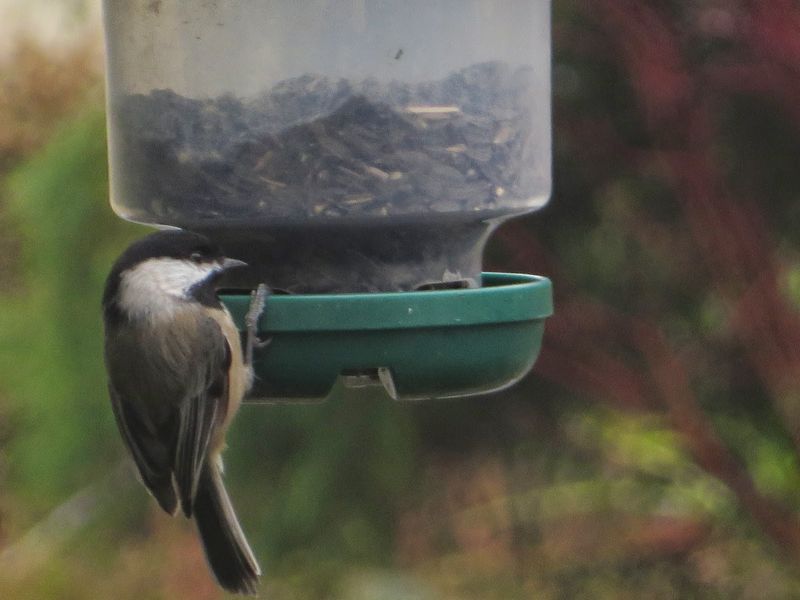
Selecting the right bird feeder is crucial for attracting chickadees. Tube feeders are ideal as they protect seeds from the elements while providing easy access for small birds.
Hopper feeders, with their larger capacity, are perfect for a variety of seeds and can accommodate more visitors. Suet cages with perches offer chickadees a secure spot to enjoy their high-energy treats.
Position these feeders in safe areas, away from potential predators, and at varying heights. This setup will ensure a welcoming environment for chickadees, encouraging frequent visits.
3. Plant Native Trees & Shrubs
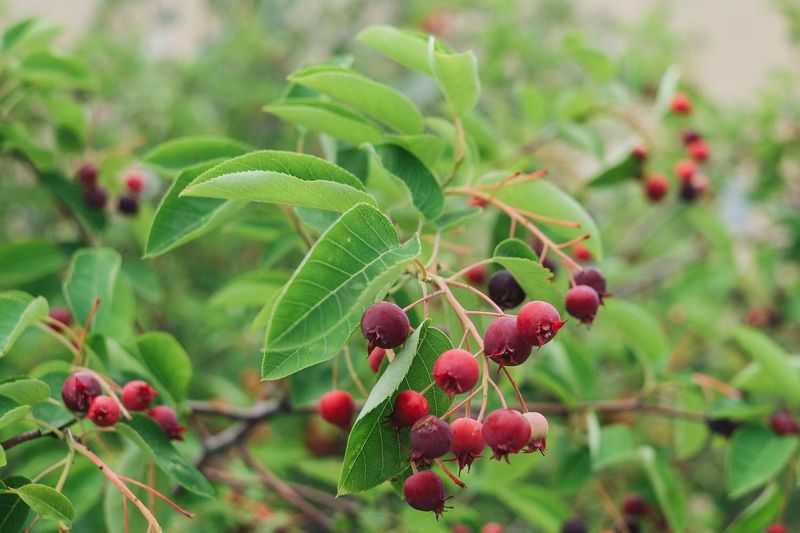
Creating a natural environment with native trees and shrubs can significantly attract chickadees. Dogwood and serviceberry provide berries, a natural food source, while oak trees host caterpillars and insects, a favorite of chickadees.
Elderberry shrubs offer both shelter and food, making them a versatile choice. Planting these species not only beautifies your garden but also supports the local ecosystem, ensuring a steady supply of food and shelter.
This natural habitat encourages chickadees to nest and thrive, making your garden a vibrant sanctuary.
4. Provide a Water Source
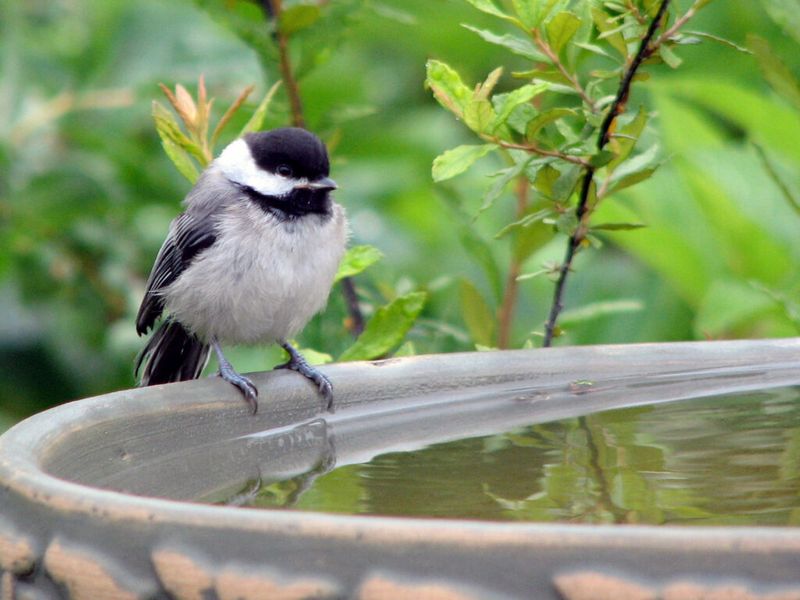
Water is essential for chickadees, just as much as food. Installing a birdbath or shallow fountain offers a refreshing spot for drinking and bathing. The sound of trickling water can be particularly enticing, drawing chickadees from afar.
Place your water source in a shaded area to prevent the water from becoming too hot or evaporating quickly. Regularly clean and refill the birdbath to maintain hygiene, ensuring it remains attractive to chickadees.
This simple addition can turn your garden into a bustling hub of activity for these delightful birds.
5. Install Nesting Boxes
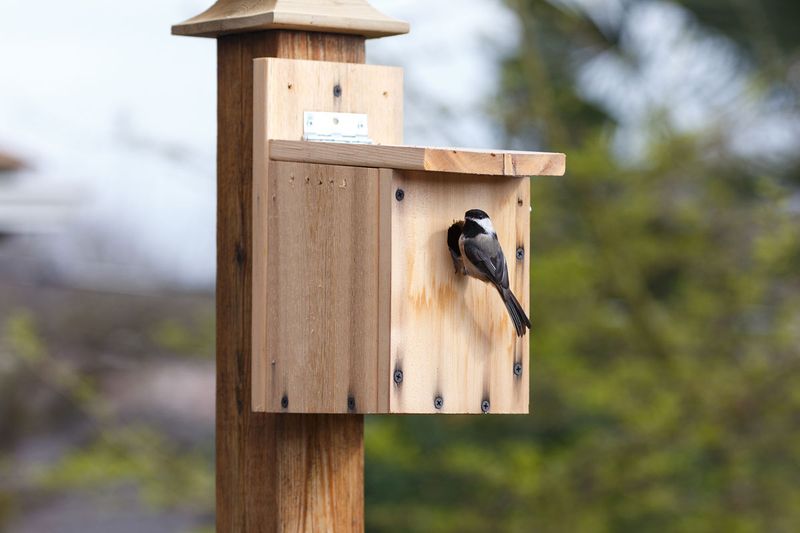
Providing nesting boxes can encourage chickadees to settle and raise their young in your garden. Choose boxes with small entrance holes, about 1 1/8 inches in diameter, to deter larger birds and predators.
Mount these boxes at least 5 feet off the ground in a secluded, quiet area. Ensure the boxes have proper ventilation and drainage to keep the interior dry and comfortable.
Regularly inspect and clean them after each breeding season to maintain a safe environment. With these nesting boxes, chickadees will find a perfect spot to call home.
6. Avoid Pesticides
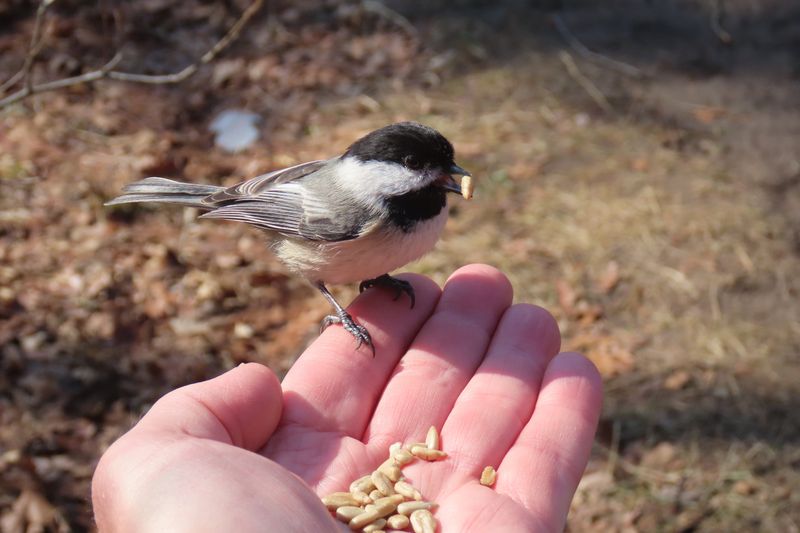
Maintaining a pesticide-free garden is crucial for sustaining healthy insect populations, which chickadees rely on for food. Insects like caterpillars, spiders, and beetles provide essential protein for these birds, especially during the breeding season.
Opt for natural pest control methods, such as introducing beneficial insects or using homemade sprays. This approach not only protects chickadees but also supports the overall health of your garden ecosystem.
By avoiding harmful chemicals, you create a safe and inviting environment where chickadees can thrive and flourish.
7. Create Brush Piles
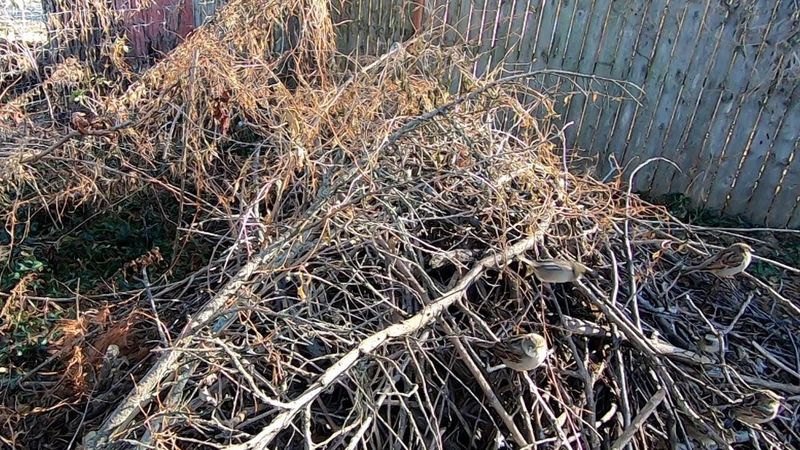
Brush piles serve as excellent shelters for chickadees, providing protection from harsh weather and predators. Gather fallen branches, twigs, and leaves, and stack them neatly in a quiet corner of your garden.
Ensure the pile is dense enough to offer coverage but loose enough for chickadees to move through easily. These piles mimic natural forest debris, offering a familiar environment for chickadees.
As an added benefit, brush piles also attract insects, providing an additional food source. This simple habitat enhancement can make your garden a safe haven for chickadees.
8. Add Evergreen Cover
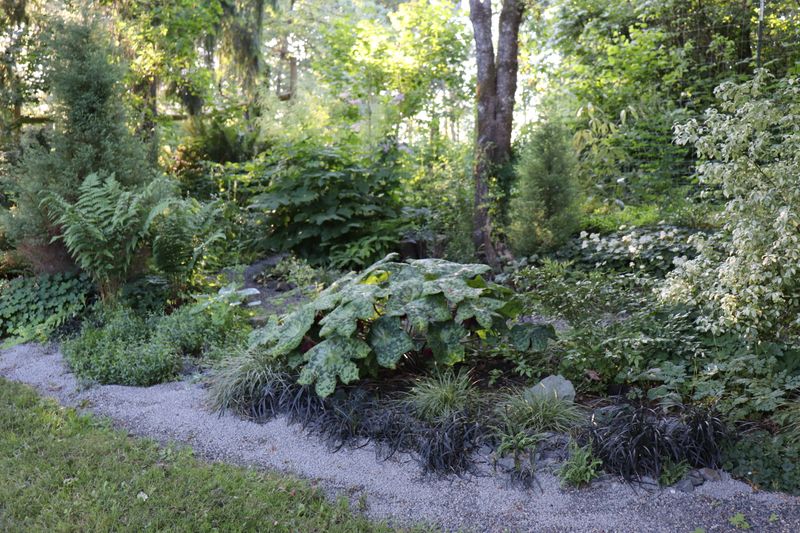
Evergreens are vital for providing year-round cover and protection for chickadees. Planting dense clusters of pine, spruce, or cedar will offer excellent roosting spots and shelter from predators.
These trees remain lush and green throughout the seasons, ensuring consistent protection. Position evergreens strategically around your garden to create windbreaks and privacy.
This natural cover not only supports chickadees but also enhances the beauty and structure of your landscape. With evergreen cover, chickadees will find a secure and inviting environment to roost and rest.
9. Offer Nesting Materials
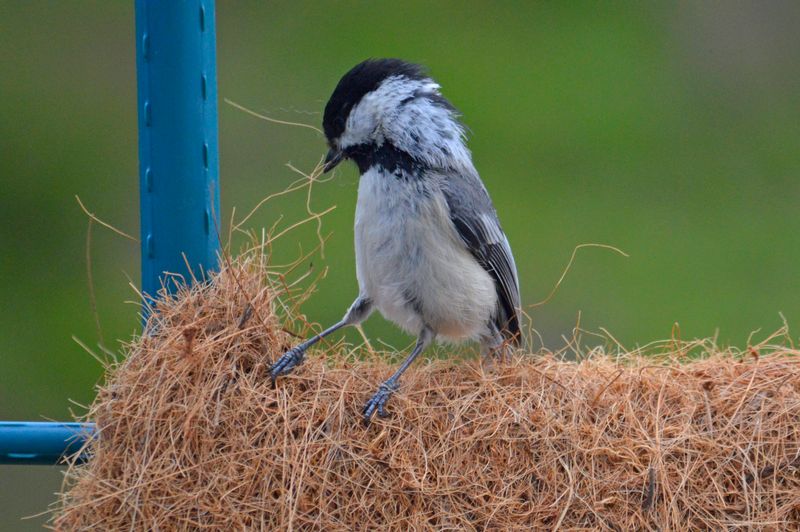
Providing nesting materials can help chickadees build their nests with ease. Arrange a variety of natural materials, such as moss, animal fur, and feathers, in open containers or mesh bags.
Place these materials in visible locations around your garden, easily accessible for chickadees. As they prepare for the breeding season, these resources will be invaluable for constructing warm, comfortable nests.
By offering a selection of materials, you encourage chickadees to stay and nest in your garden. This thoughtful gesture supports their natural behaviors, fostering a thriving population.
10. Keep Feeders Clean & Full
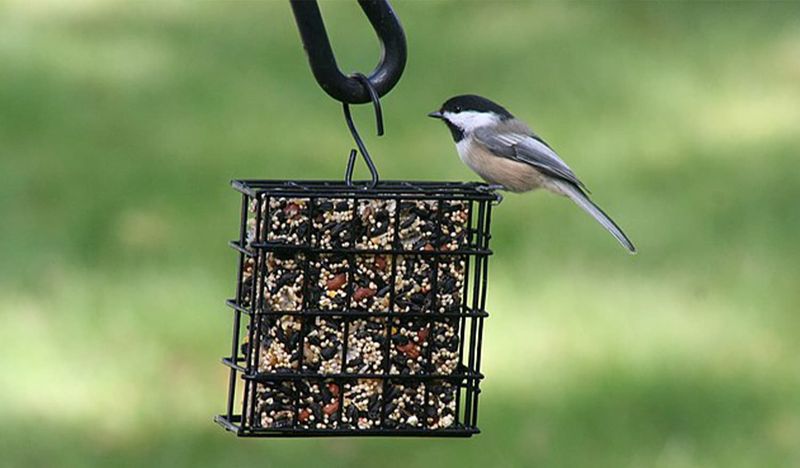
Maintaining clean and well-stocked feeders is essential for attracting chickadees. Regularly clean feeders with warm water and mild soap to prevent mold and disease buildup.
Ensure they are always filled with fresh seeds, replacing any old or damp seeds promptly. Position feeders in areas where chickadees feel safe, such as near shrubs or trees.
Consistent maintenance not only keeps the food supply steady but also prevents health issues among the birds. By keeping your feeders clean and full, you offer chickadees a reliable dining spot, encouraging them to return often.