 Complete Gardening
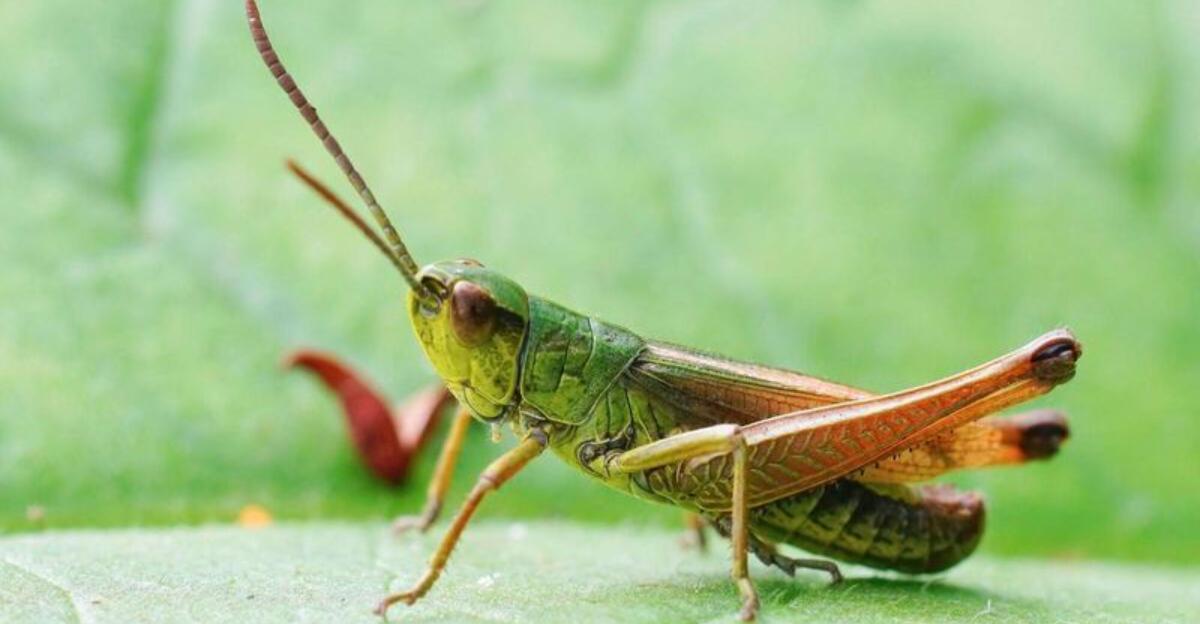
Grasshoppers are remarkable creatures often overlooked, yet they possess fascinating attributes.
From prehistoric origins to unique physical features, these insects have much more to offer than meets the eye.
Explore these ten mind-boggling facts about grasshoppers that will surely change your perception of these tiny beings.
1. They Have Ears on Their Bellies
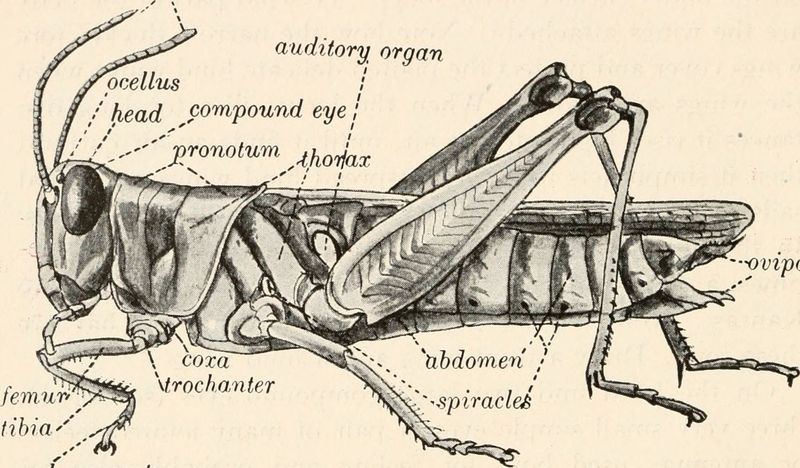
A grasshopper’s auditory system is a marvel of nature. Unlike most creatures, they don’t have ears on their heads. Instead, they sense sound through tympanal organs located on their abdomen, just behind the legs. These specialized organs enable grasshoppers to detect sound vibrations efficiently, particularly the chirps of fellow insects. This unique adaptation allows them to communicate and avoid predators effectively. By converting these vibrations into neural signals, grasshoppers navigate their environment with an auditory prowess that is both unusual and intriguing.
2. They Can Leap 20 Times Their Body Length
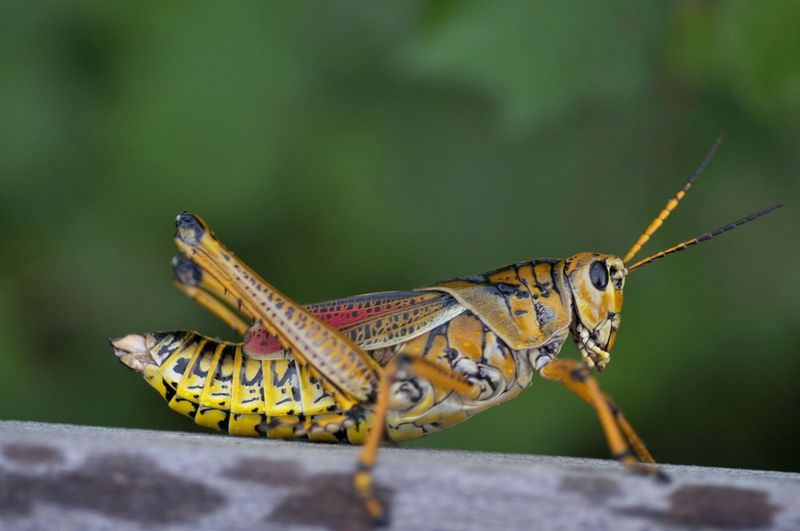
Imagine being able to leap 20 times your own height—that’s what a grasshopper can do! With hind legs that act like coiled springs, these insects are the Olympic jumpers of the insect world. Some can even leap up to three feet in a single bound. This incredible jumping ability allows grasshoppers to escape predators swiftly and reach food sources that would otherwise be inaccessible. Their muscular legs store energy efficiently, releasing it in a burst to propel them forward. It’s a remarkable feat of biomechanics.
3. They Pre-Date Dinosaurs

Grasshoppers are true survivors, having graced the Earth for over 250 million years. They pre-date the majestic dinosaurs, with fossil records showing minimal changes since the Permian period. This incredible longevity speaks to their adaptability and evolutionary success. By withstanding multiple global extinctions, grasshoppers have proven themselves as resilient creatures. Their continued existence highlights a fascinating history that stretches far beyond the age of giants, underscoring their importance in the ecological tapestry of our planet.
4. Grasshoppers Can Fly
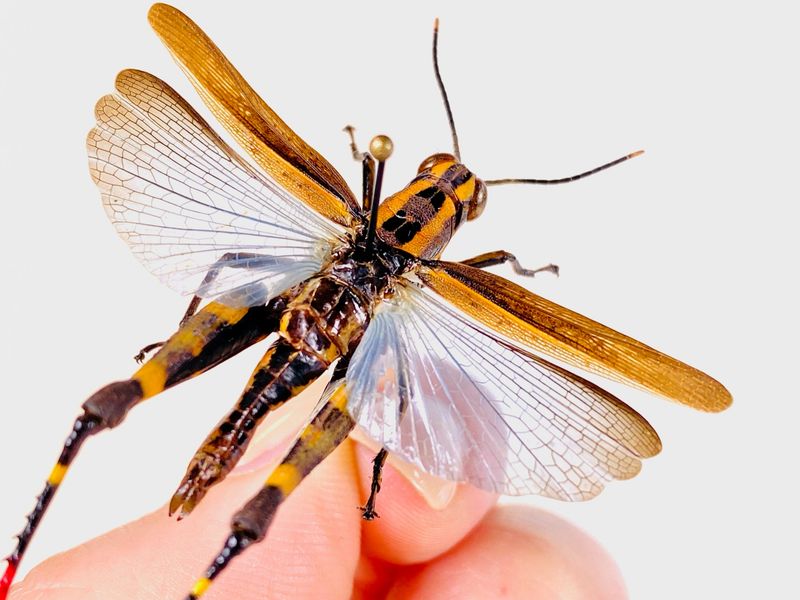
While best known for their jumping, many grasshopper species are also adept flyers. Their wings not only allow them to escape predators but also enable them to travel long distances in search of food or mates. During swarming events, grasshoppers take to the skies, covering vast terrains. This flying ability is particularly crucial during periods of scarcity, ensuring their survival and reproduction. By mastering both air and land, grasshoppers exhibit a versatility that is vital to their ecological role.
5. They Have “Chewing” Mouthparts
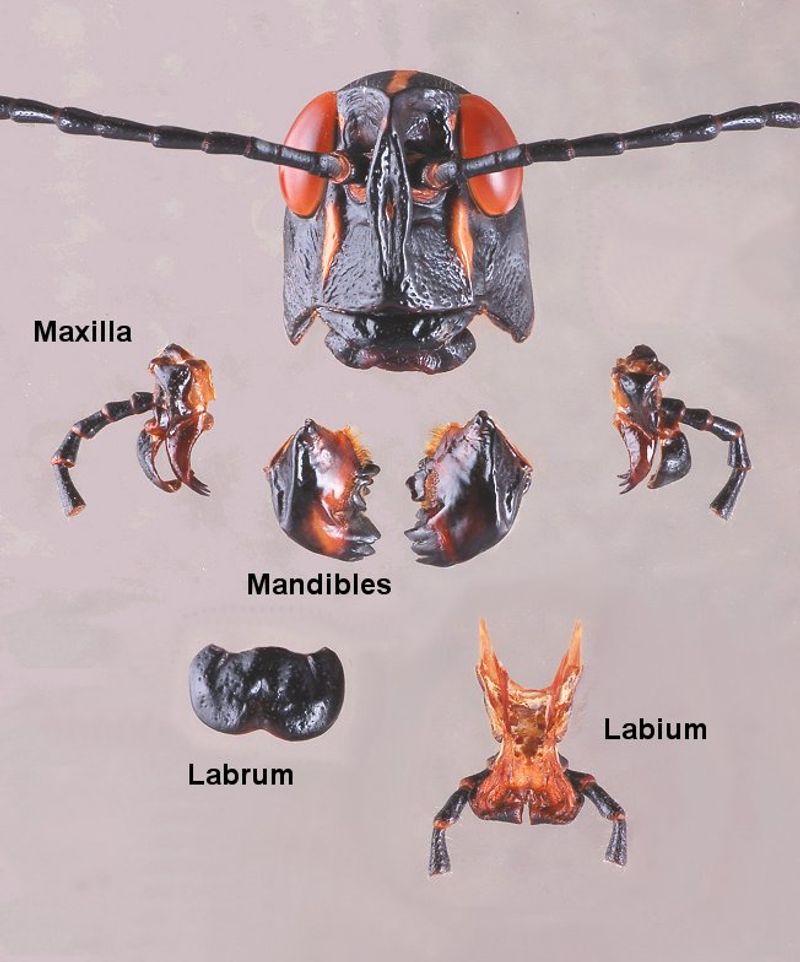
Unlike butterflies or mosquitoes, grasshoppers have powerful mandibles designed for chewing. These mouthparts work much like scissors, allowing grasshoppers to efficiently devour plants, grasses, and leaves. Their ability to process tough plant material makes them crucial players in their ecosystems, aiding in the breakdown and recycling of organic matter. This feeding mechanism is vital not just for their nutrition but also in maintaining the health of their habitat. With a diet that’s both diverse and specialized, grasshoppers ensure the balance within their environment.
6. They Breathe Through Their Sides
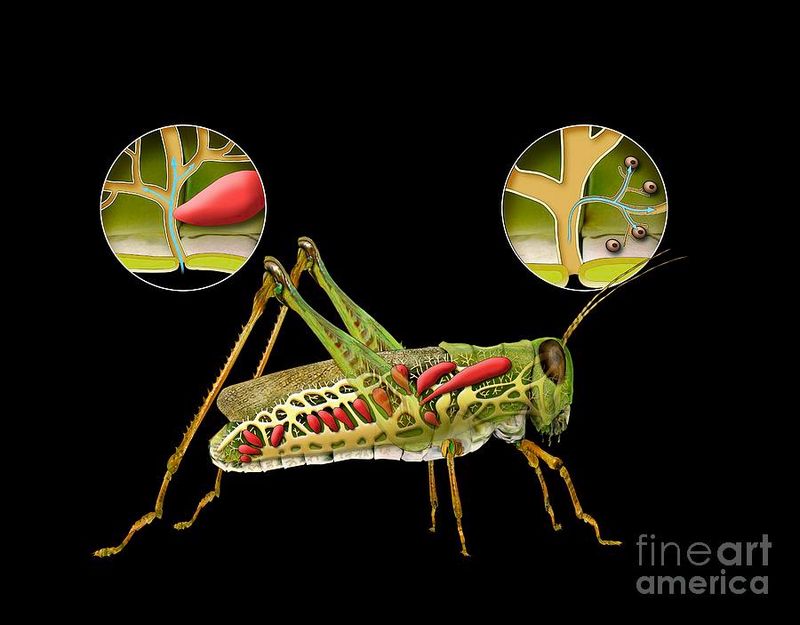
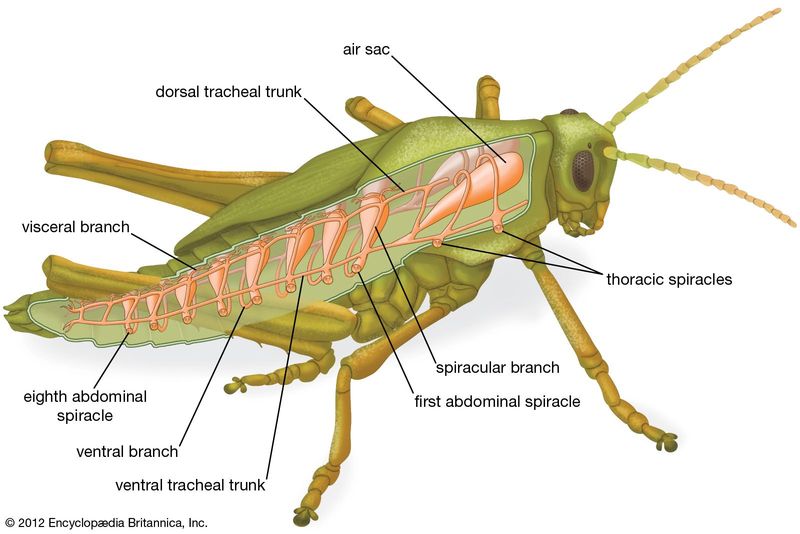
Grasshoppers have a unique respiratory system, devoid of lungs. Instead, they breathe through tiny holes called spiracles along their bodies. These spiracles connect to a network of internal air tubes, facilitating efficient gas exchange. This method of breathing is well-suited to their active lifestyle, providing oxygen directly to muscles and tissues. The simplicity of this system allows for rapid oxygen delivery, crucial during flight or when escaping threats. By adapting such a mechanism, grasshoppers showcase the efficiency of evolutionary design.
7. Their Color Changes With the Crowd
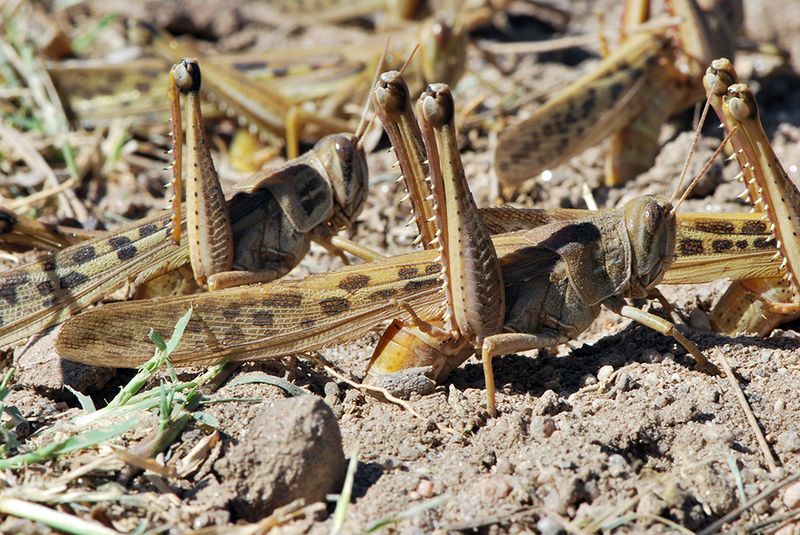
Grasshoppers, specifically locusts, exhibit a fascinating phenomenon known as phase polymorphism. When they gather in large numbers, their color and behavior change dramatically. This transformation is triggered by environmental cues, such as crowding and food availability. The shift in appearance and demeanor helps them blend in with their surroundings, reducing predation. This adaptive ability underscores their resilience and capacity to thrive under varying conditions. It’s a captivating example of how grasshoppers adjust to environmental pressures, ensuring their survival.
8. They Sing with Their Legs
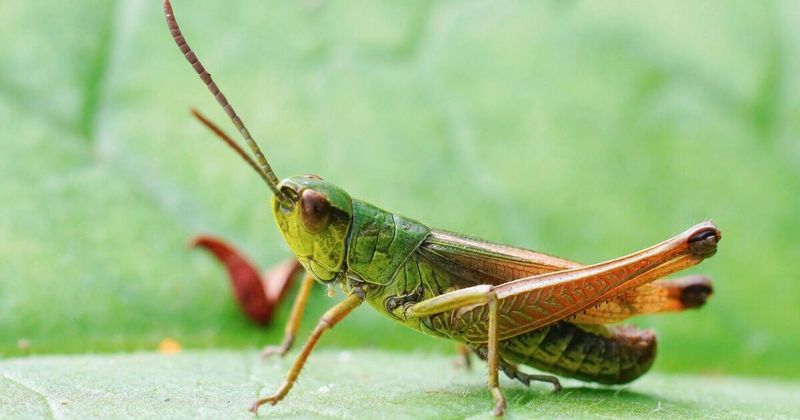
Ever heard the serenade of a grasshopper on a warm evening? Male grasshoppers produce their iconic chirping sounds through a process called stridulation, where they rub their hind legs against their forewings. This melody serves multiple purposes: attracting mates, marking territory, and deterring rivals. The rhythm and frequency of the chirps can vary between species, creating a rich acoustic tapestry in fields and meadows. By mastering this musical skill, grasshoppers transform their environment into a vibrant soundscape, engaging in a symphony of communication.
9. Their Blood Is Green
Grasshoppers possess a circulatory system quite distinct from mammals, with hemolymph that is green or yellow due to the absence of hemoglobin. This vividly colored blood plays a crucial role in their physiology, transporting nutrients and waste products. The lack of hemoglobin means that their blood does not carry oxygen, which is handled by their respiratory system. This unique adaptation highlights the diverse strategies of life on Earth, where even the color of blood can differ dramatically. Such variations emphasize the complexity and wonder of biological evolution.
10. They’re a Sustainable Protein Source

In many cultures, grasshoppers are considered a delicacy, offering a sustainable and nutritious protein source. Rich in protein and low in fat, they present an alternative to traditional livestock, with a smaller ecological footprint. As the global population grows, the demand for sustainable food sources increases, and grasshoppers provide an innovative solution. By incorporating these insects into diets, societies can benefit from their nutritional value while alleviating environmental pressures. This shift toward entomophagy—eating insects—represents a progressive step towards sustainable living.