 Complete Gardening
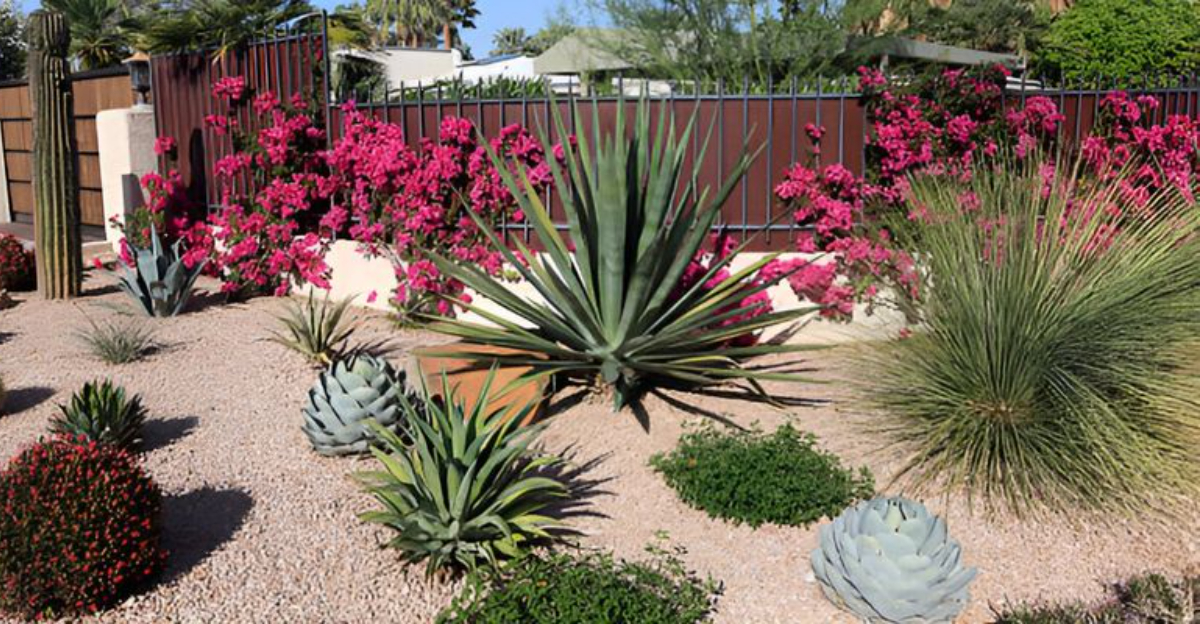
Xeriscaping transforms your yard into a beautiful, water-wise landscape perfect for New Mexico’s dry climate. Many homeowners make costly mistakes that waste time, money, and precious water resources.
Smart planning helps you avoid these common pitfalls while creating a stunning desert garden that thrives year-round.
1. Skip Soil Testing Before Planting
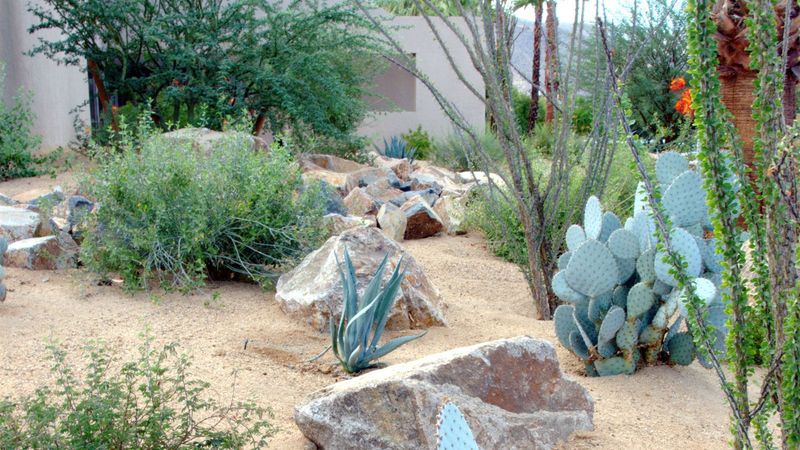
New Mexico soils surprise many gardeners with their alkaline nature, typically ranging from 7.5 to 8.2 pH levels. Without proper testing, you might choose plants that struggle in these conditions.
Soil composition varies dramatically across the state, from sandy areas to clay-heavy regions. Professional testing reveals nutrient deficiencies and drainage issues that affect plant survival.
Smart xeriscapers invest in soil amendments like compost to improve texture and fertility. This simple step prevents expensive plant replacements and ensures long-term garden success in our challenging desert environment.
2. Cover Everything with Gravel
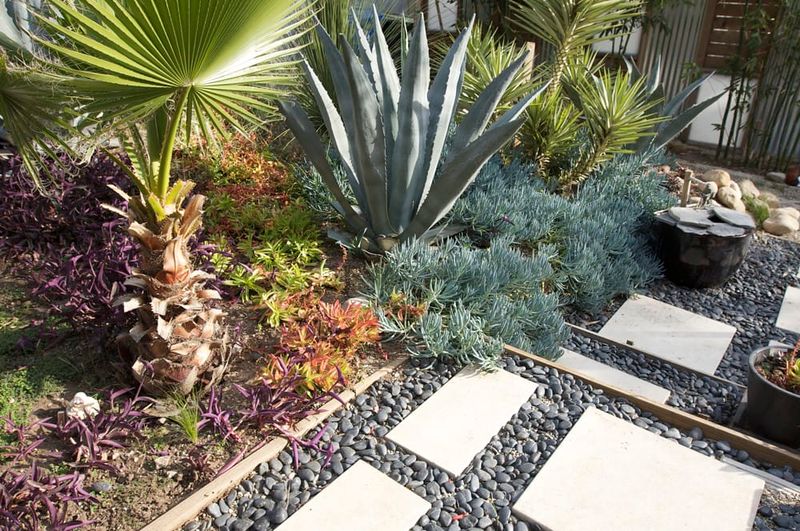
Gravel looks clean and modern, tempting many homeowners to spread it everywhere. However, excessive gravel creates hostile growing conditions that damage plant roots and prevent proper water absorption.
Root systems need breathing room and organic matter to flourish. Too much gravel compacts over time, creating barriers that block essential nutrients from reaching plants.
Strategic gravel placement works best for pathways and accent areas. Reserve planting zones for nutrient-rich soil mixed with organic compost, giving your drought-tolerant plants the foundation they need to establish strong, healthy root systems.
3. Choose Exotic Plants Over Native Species
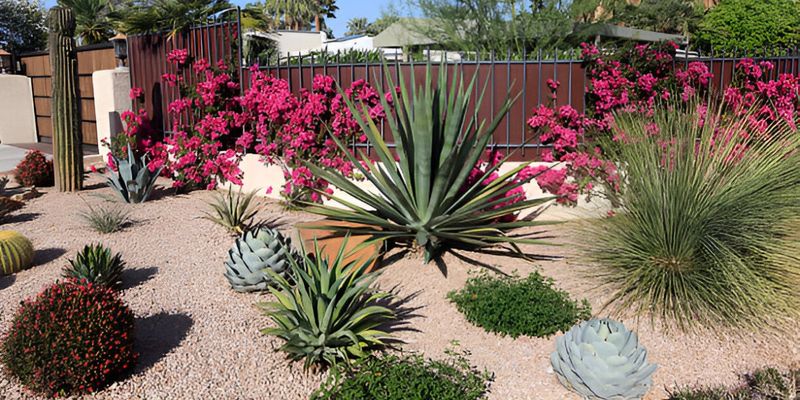
Flashy tropical plants catch the eye at nurseries, but they become water-guzzling maintenance nightmares in New Mexico’s harsh climate. These exotic beauties demand constant irrigation and special care to survive our temperature extremes.
Native plants evolved over thousands of years to thrive in local conditions. They naturally resist drought, extreme heat, and alkaline soils while supporting local wildlife and pollinators.
Four o’clocks, desert marigolds, and piñon pines offer stunning beauty without the struggle. These hardy natives reward you with vibrant colors and textures while using minimal water resources.
4. Water Too Frequently
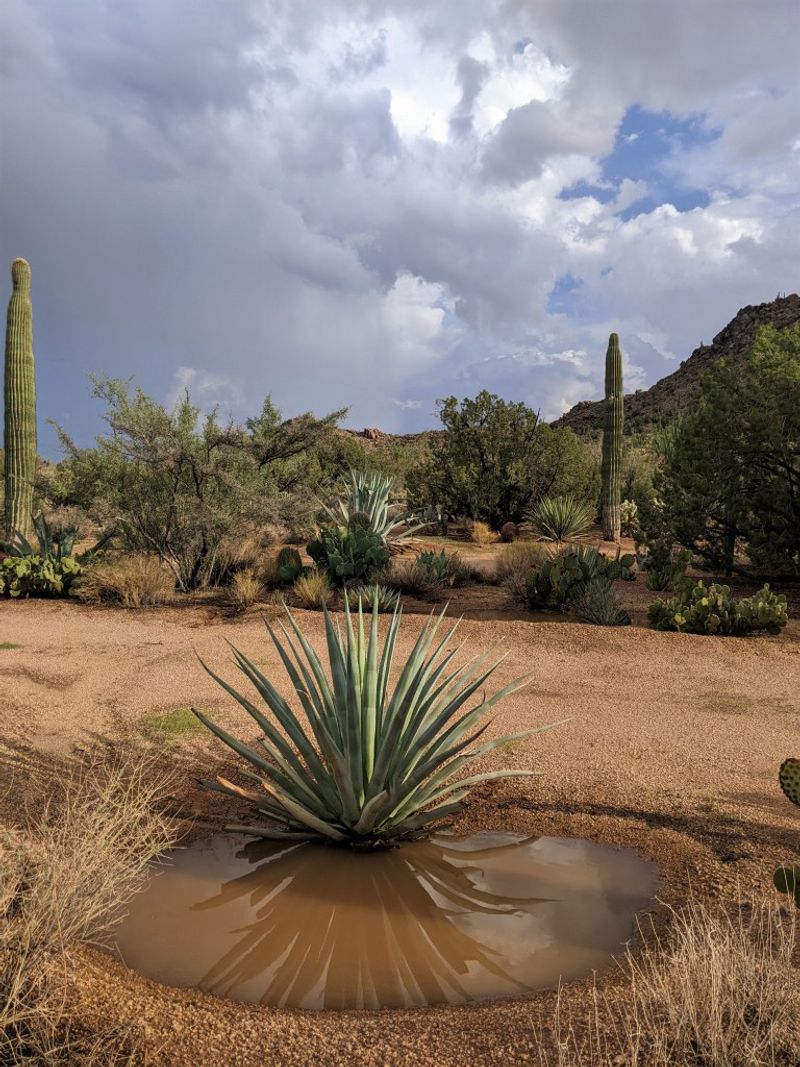
Many gardeners panic when soil looks dry, reaching for the hose daily. This frequent watering actually weakens drought-tolerant plants by preventing deep root development and creating dependency on surface moisture.
Overwatering leads to root rot, fungal diseases, and weak plant structure. Desert plants prefer deep, infrequent watering that mimics natural rainfall patterns in arid regions.
Water deeply once or twice weekly during establishment, then reduce frequency as plants mature. Allow soil to dry completely between waterings, encouraging roots to grow deep and strong for maximum drought resistance and plant health.
5. Ignore Regular Maintenance Tasks
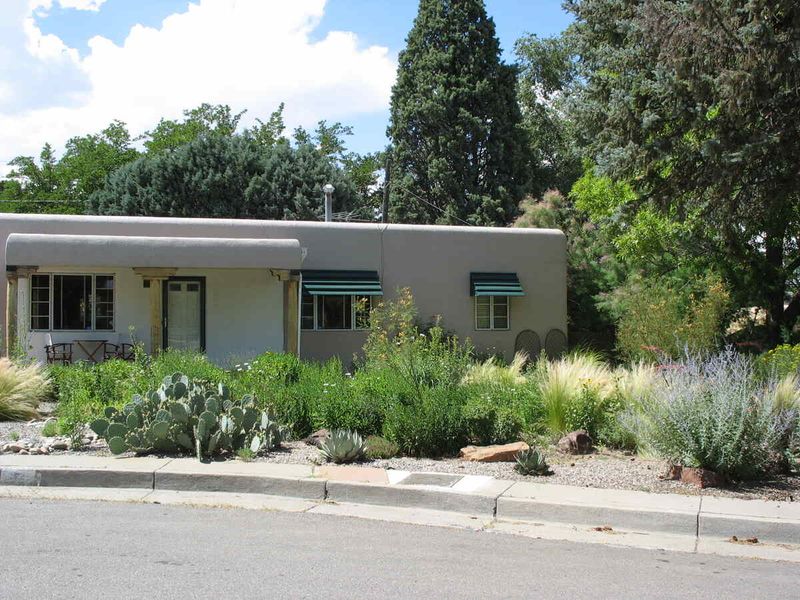
The “low-maintenance” label tricks some homeowners into thinking xeriscapes need zero care. Weeds still sprout, irrigation systems clog, and plants require occasional pruning to maintain their shape and health.
Neglected xeriscapes quickly become overgrown eyesores that defeat the purpose of water-wise landscaping. Regular maintenance keeps your investment looking beautiful and functioning efficiently.
Schedule monthly check-ups to remove weeds, clean drip emitters, and trim dead growth. These simple tasks prevent major problems and keep your xeriscape looking professionally maintained throughout New Mexico’s challenging growing seasons.
6. Forget About Mulch Benefits
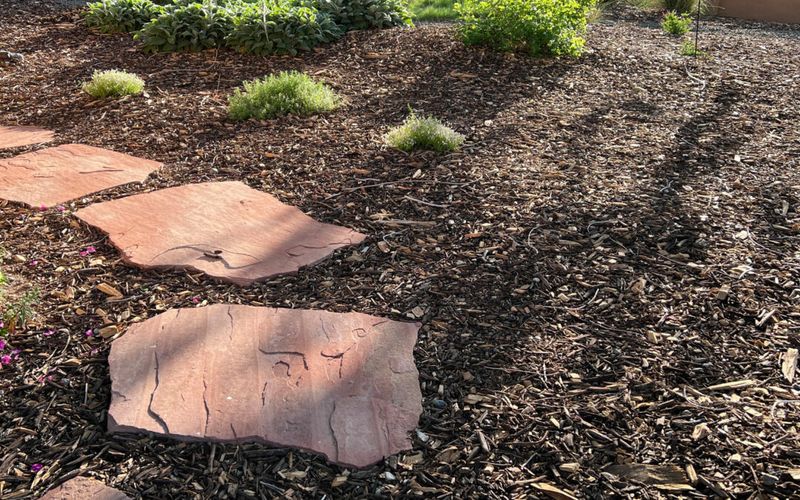
Bare soil bakes under New Mexico’s intense sun, creating hostile conditions that stress plants and waste precious moisture. Without protective mulch, water evaporates quickly and soil temperatures fluctuate wildly.
Organic mulch acts like nature’s blanket, moderating soil temperature and retaining moisture between waterings. It also suppresses weeds and gradually improves soil structure as it decomposes.
Apply two to three inches of wood chips, shredded bark, or gravel mulch around plants. Keep mulch away from plant stems to prevent pest problems while maximizing water conservation and temperature control benefits.
7. Plant Shrubs Too Close Together
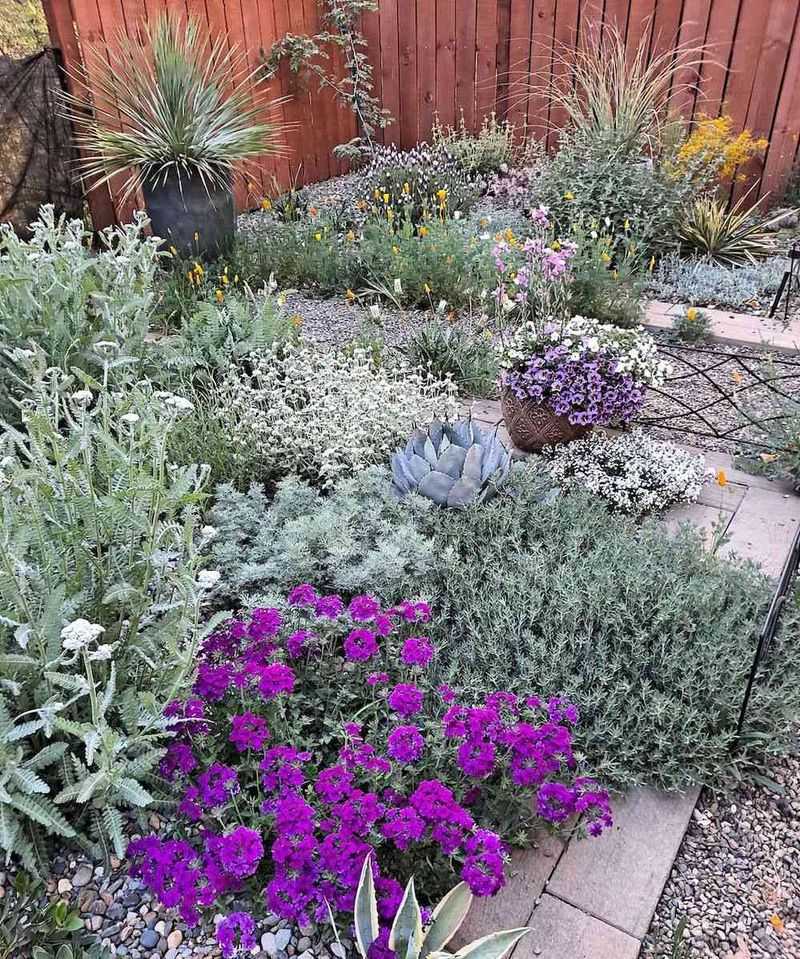
Cramped shrubs create perfect conditions for disease and pest problems while competing fiercely for limited water and nutrients. Poor air circulation between plants promotes fungal infections that can devastate your entire landscape investment.
Overcrowded plants never reach their full potential, staying stunted and weak throughout their shortened lifespans. They also create maintenance headaches when you try to prune or treat individual specimens.
Research mature plant sizes before planting and space accordingly. Give each shrub room to develop its natural shape and beauty while ensuring adequate airflow prevents disease problems in our humid monsoon seasons.
8. Underestimate Water Needs During Establishment
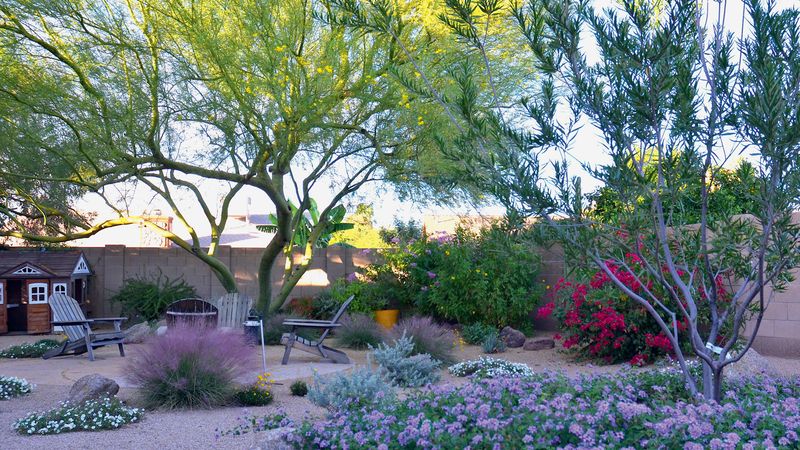
New plants need consistent moisture to develop strong root systems, even drought-tolerant species. Many xeriscapers assume these plants survive immediately without supplemental irrigation, leading to expensive plant losses.
The establishment period typically lasts six months to two years, depending on plant size and species. During this critical time, consistent watering helps roots penetrate deep into surrounding soil.
Install efficient drip irrigation to deliver water directly to root zones without waste. Gradually reduce watering frequency as plants establish, transitioning them slowly to natural rainfall patterns for long-term drought tolerance and survival.
9. Sacrifice Beauty for Function
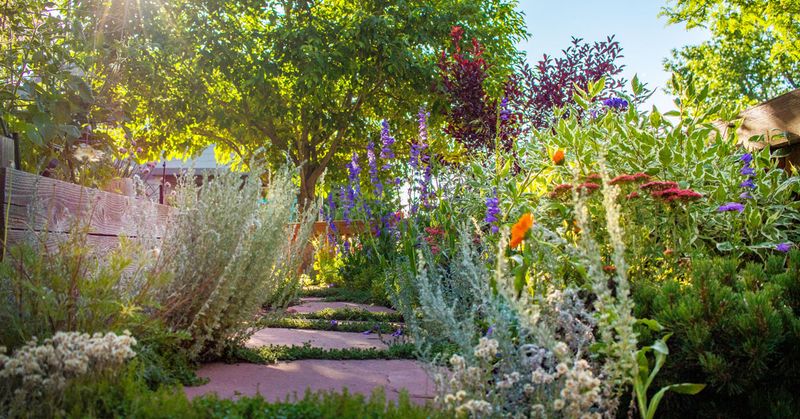
Some xeriscapes look like moonscapes with scattered cacti and endless gravel, missing opportunities to create stunning visual interest. Beauty and water conservation work together when planned thoughtfully with artistic vision.
Varied plant heights, textures, and seasonal colors transform functional landscapes into outdoor masterpieces. Flowering desert plants provide spectacular seasonal displays that rival any traditional garden.
Layer plants by height and bloom time for year-round interest. Combine spiky agaves with soft ornamental grasses and colorful wildflowers to create dynamic compositions that celebrate New Mexico’s natural desert beauty while conserving precious water resources.
10. Ignore Local Climate Patterns
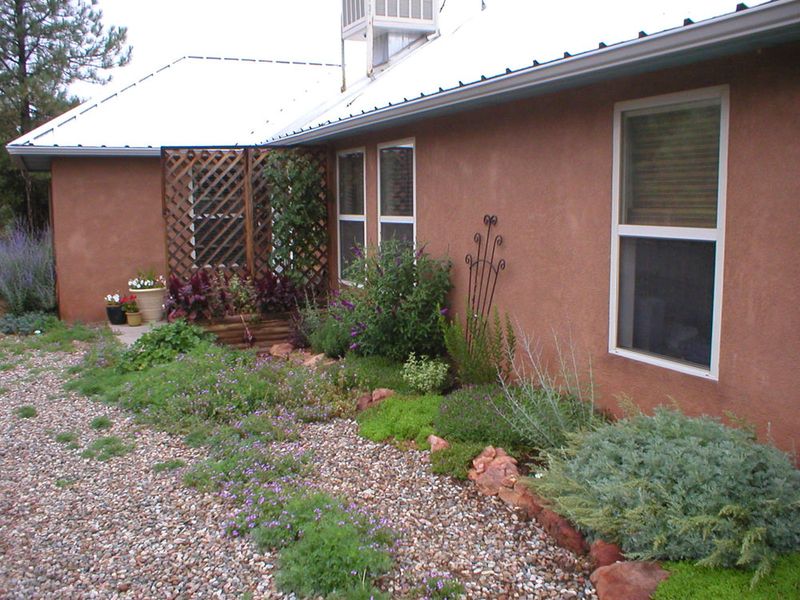
New Mexico’s climate varies dramatically from high desert mountains to low desert valleys, with different rainfall patterns and temperature extremes. One-size-fits-all approaches fail when local conditions demand specific plant selections and design strategies.
Elevation changes of just a few hundred feet create different growing zones with unique challenges. Ignoring these microclimates leads to plant failures and wasted resources.
Research your specific area’s average rainfall, frost dates, and temperature ranges before designing. Choose plants adapted to your exact elevation and exposure conditions for maximum success and minimal maintenance requirements throughout our variable seasons.