 Complete Gardening
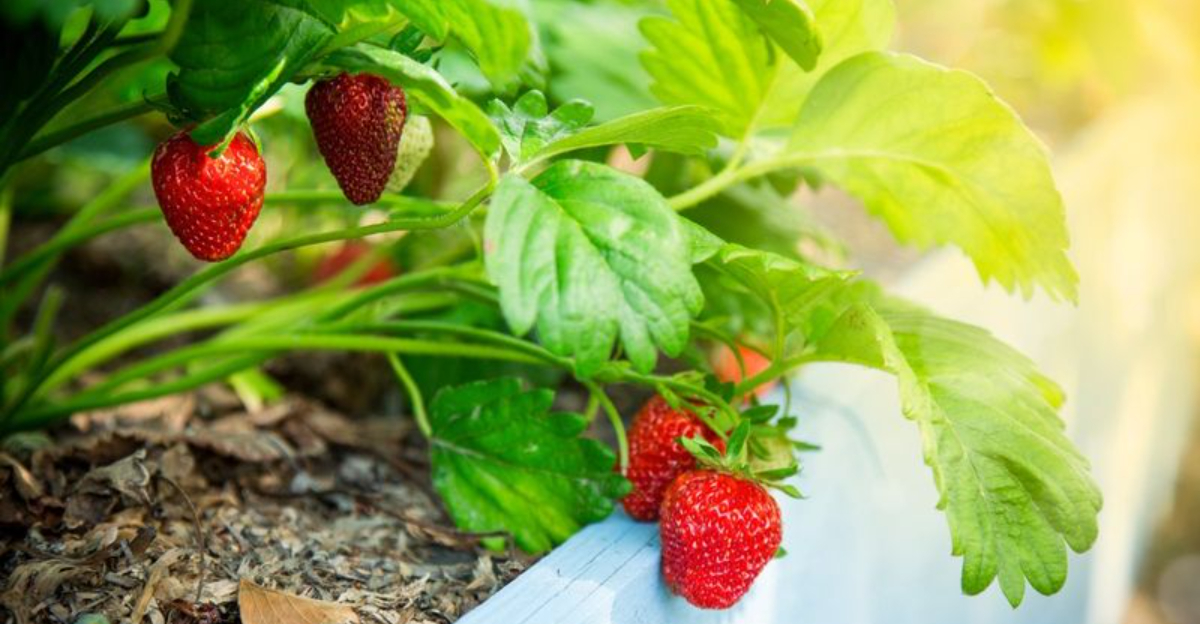
Growing strawberries is a rewarding experience, but waiting for those juicy red berries can test anyone’s patience. Whether you’re a backyard gardener or have a dedicated patch, everyone wants to speed up the journey from plant to plate.
With the right techniques, you can significantly reduce growing time and enjoy those sweet homegrown strawberries sooner than you might think.
1. Start with Runners or Transplants Instead of Seeds
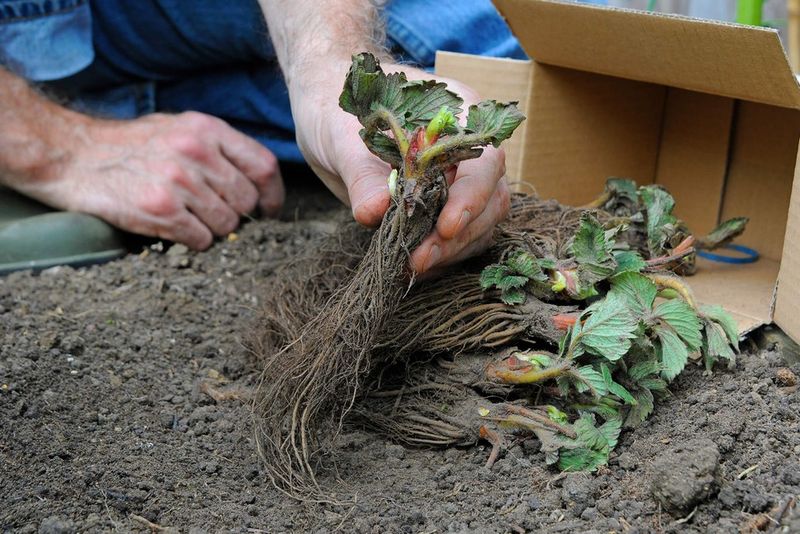
Skipping seeds gives your strawberry patch a massive head start. Bare-root plants and runners (those little plantlets that grow off the mother plant) are already months ahead in development compared to seeds. Most garden centers sell established strawberry plants in early spring that will produce fruit that same season. Runners from existing plants are essentially free clones that carry all the vigor of their parent plant. When planting, ensure the crown sits exactly at soil level – too deep and it’ll rot, too high and it’ll dry out. Either way, you’ll be picking berries while seed-planters are still waiting for their first true leaves.
2. Plant Day-Neutral Varieties for Continuous Harvest
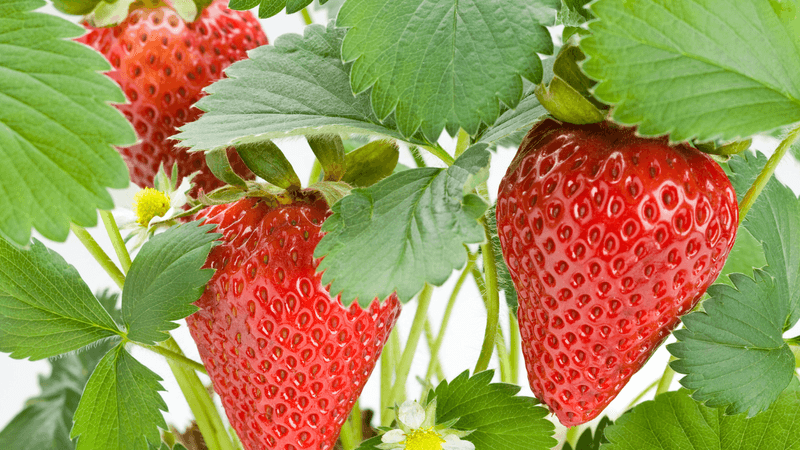
Unlike June-bearing strawberries that produce just one crop yearly, day-neutral varieties like Seascape and Albion keep fruiting throughout the growing season. These powerhouse plants don’t care about daylight length, so they’ll form flower buds regardless of season. The magic happens as quickly as 8-10 weeks after planting when you’ll start harvesting your first berries. While traditional varieties make you wait a full year, these speedy producers deliver multiple waves of fruit from spring through fall. For the impatient gardener, these varieties offer almost immediate gratification and extend your harvest window by months rather than weeks.
3. Warm the Soil with Black Plastic Mulch
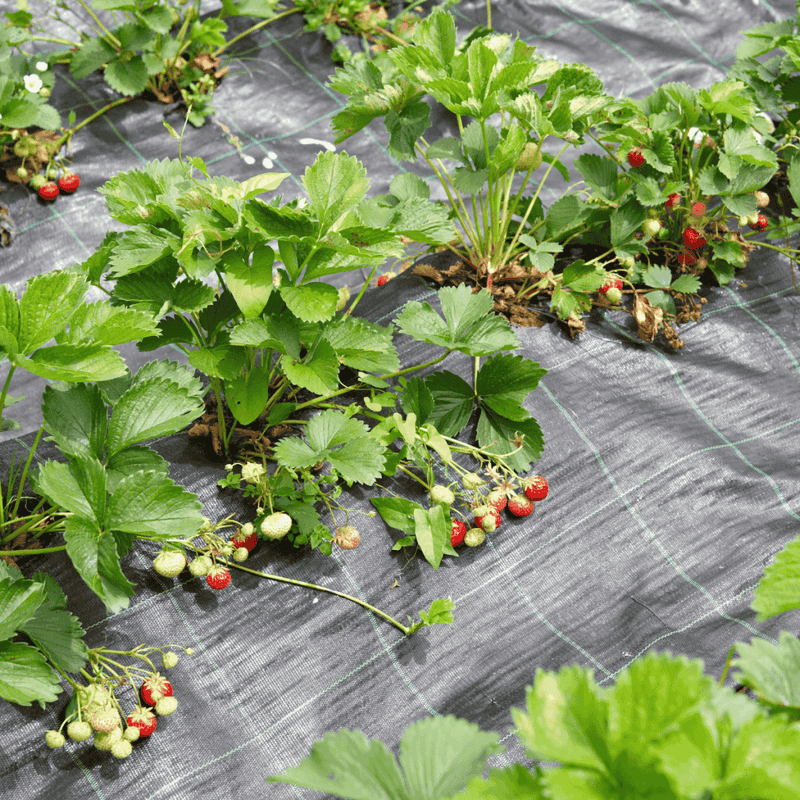
Strawberries are surprisingly fussy about soil temperature – they simply refuse to grow quickly in cold ground. Black plastic mulch works like a solar collector, absorbing sunlight and transferring that warmth directly to the soil beneath. Laying this material down 2-3 weeks before planting can raise soil temperatures by 5-10 degrees. The warmer environment stimulates faster root development and earlier flowering, sometimes shaving weeks off your wait time. As a bonus, the plastic creates a barrier against weeds that would otherwise compete with your plants for nutrients and water. Just cut X-shaped slits for planting and watch your strawberries sprint ahead.
4. Use Raised Beds or Containers for Faster Growth
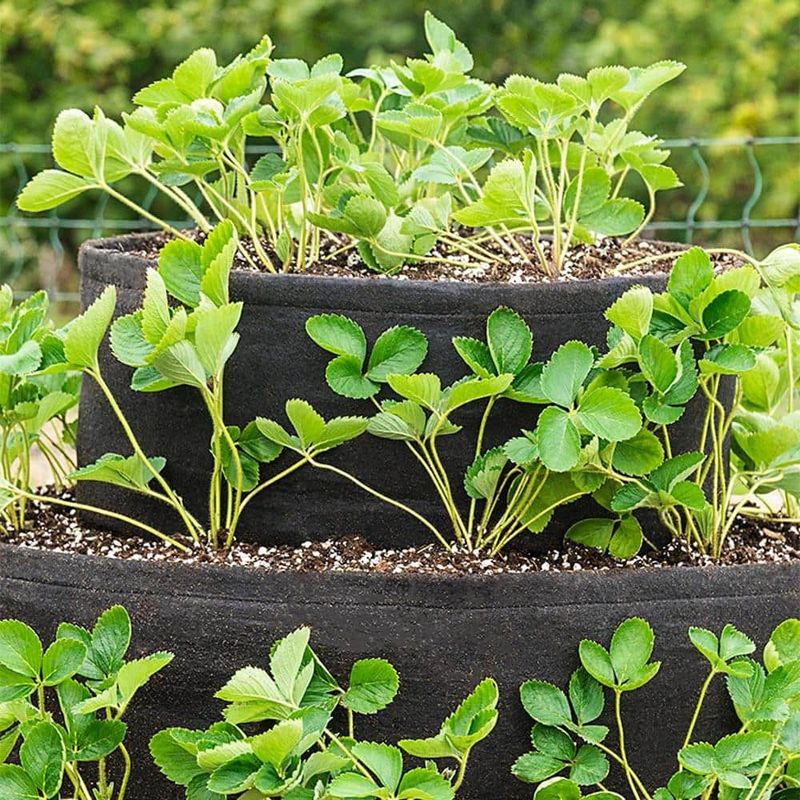
Strawberries planted in raised beds or containers often outpace their in-ground counterparts by weeks. The elevated soil warms more quickly in spring, triggering earlier root growth and flower production. Container-grown strawberries also benefit from perfect drainage, preventing the root rot that often slows development. For maximum speed, choose containers at least 8 inches deep and fill with premium potting mix enriched with compost. Smart gardeners position these containers against south-facing walls where reflected heat creates a microclimate that fools plants into thinking it’s later in the season. Even placing strawberry pots on concrete patios provides extra warmth from below.
5. Maximize Sunlight Exposure for Rapid Fruiting
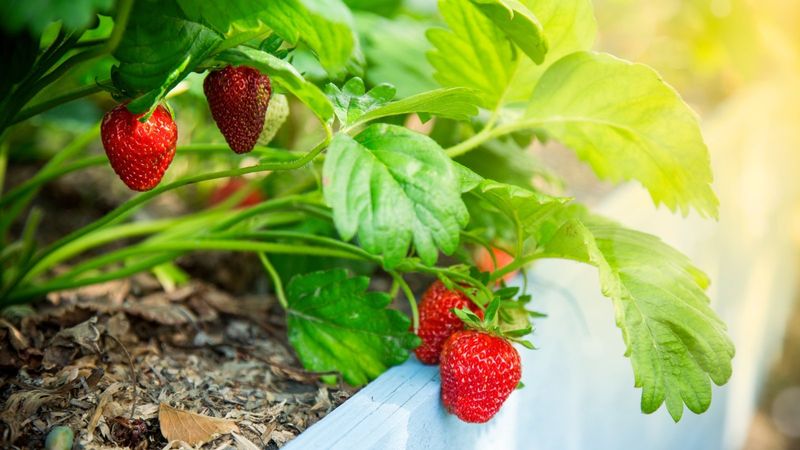
Strawberries transform sunlight into sweetness through photosynthesis – the more light they receive, the faster they grow. A spot receiving full morning sun with at least 6-8 daily hours of direct sunlight can accelerate ripening by days compared to partially shaded locations. Morning sun is particularly valuable as it dries dew quickly, reducing fungal disease risks that can stunt growth. For container growers, the mobility advantage means following the sun throughout the day by moving pots. Remove any overhanging branches or tall neighboring plants that cast shadows on your patch. Remember: every extra hour of sunlight equals more energy for fruit production and faster development from flower to ripe berry.
6. Feed Wisely with Season-Appropriate Fertilizers
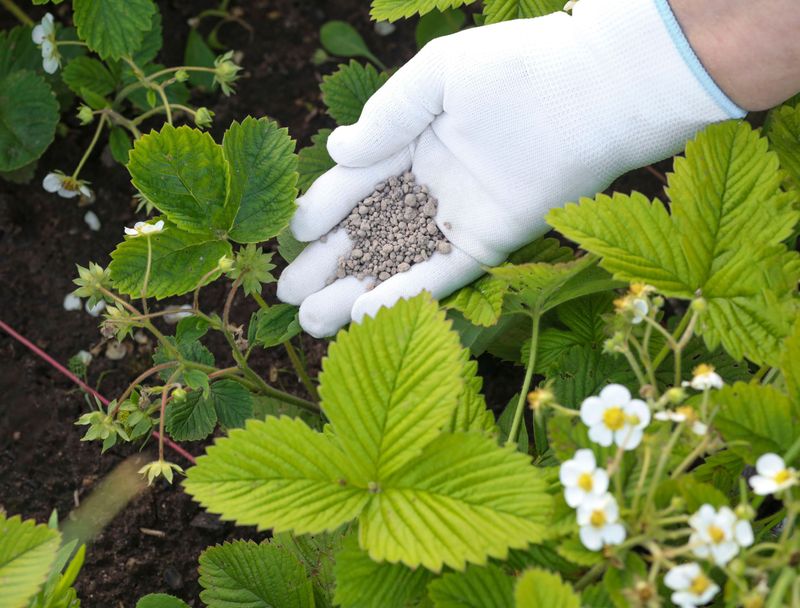
Strawberries need different nutrients at different growth stages. Early in the season, a balanced fertilizer (like 10-10-10) promotes vigorous leaf and root development – the foundation for speedy fruiting later. Once flowering begins, switch to a low-nitrogen, high-phosphorus formula (like 5-10-10). Too much nitrogen at this stage creates lush foliage at the expense of berries, while phosphorus fuels flower and fruit production. Many experienced growers swear by fish emulsion applications every two weeks during the growing season. This natural booster provides readily available nutrients that plants can absorb immediately, unlike slow-release granular fertilizers that might delay growth while breaking down.
7. Pinch First Blooms for Stronger Plants Later
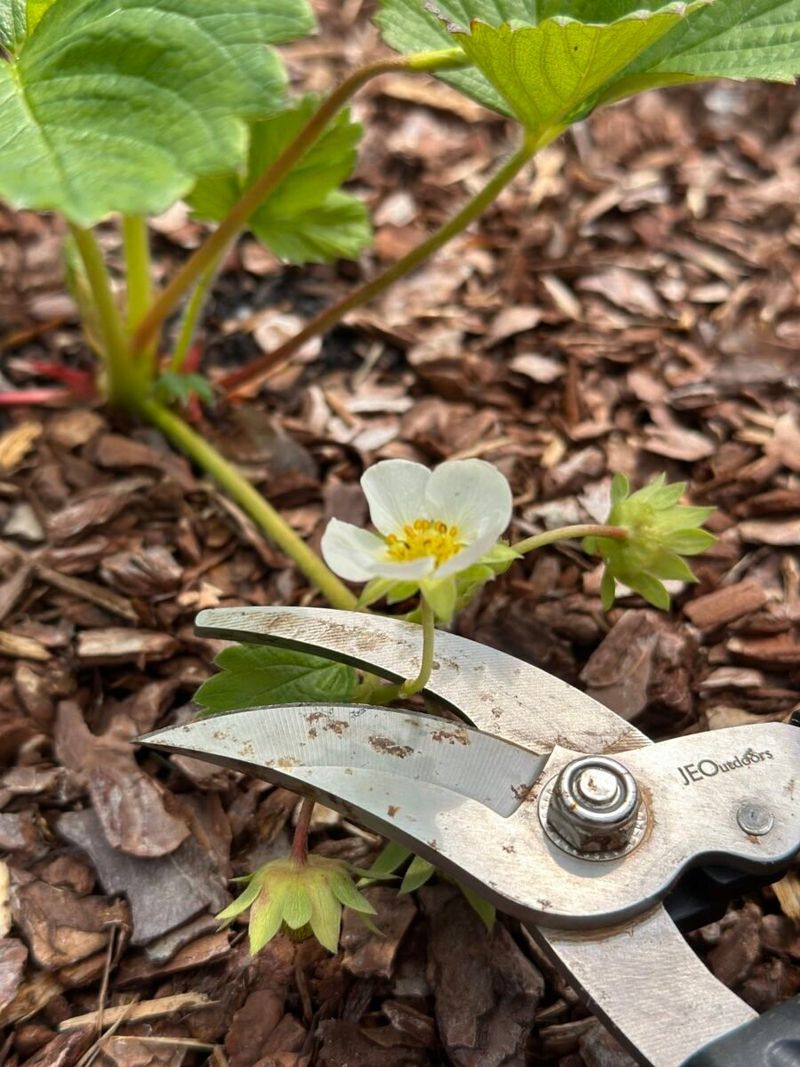
Counter-intuitive as it seems, removing the first flowers that appear on newly planted strawberries actually speeds up your overall harvest timeline. This practice redirects the plant’s energy toward establishing robust root systems instead of supporting premature fruit. For June-bearing varieties, remove all flowers the first year. Day-neutrals and everbearers should have blossoms pinched for the first 4-6 weeks after planting. The payoff comes when these strengthened plants produce dramatically larger harvests weeks earlier in subsequent fruiting cycles. Think of it as a small sacrifice now for a faster, more abundant harvest later – plants with better roots simply grow faster when it counts.
8. Water Deeply and Consistently for Uninterrupted Growth
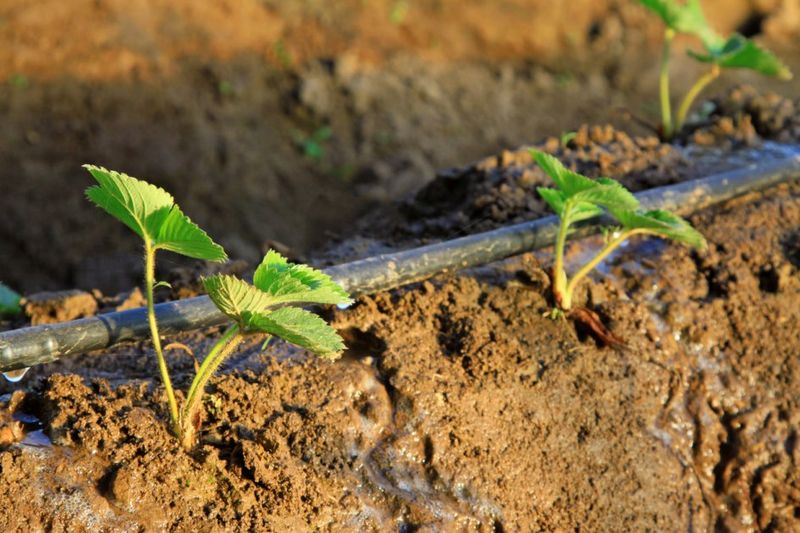
Inconsistent watering creates stress that dramatically slows strawberry development. These shallow-rooted plants need steady moisture – about 1-1.5 inches weekly from rain or irrigation – to maintain rapid growth rates. Drip irrigation or soaker hoses deliver water directly to roots without wetting foliage, preventing the fungal issues that can delay fruiting. Watering deeply but less frequently encourages roots to grow downward, accessing nutrients that fuel faster berry production. Morning watering gives plants all day to utilize moisture efficiently. A layer of moisture-retaining mulch further stabilizes soil conditions, eliminating the growth-stopping cycle of drought stress and overwatering that plagues many strawberry patches.
9. Apply Organic Mulch for Temperature Regulation
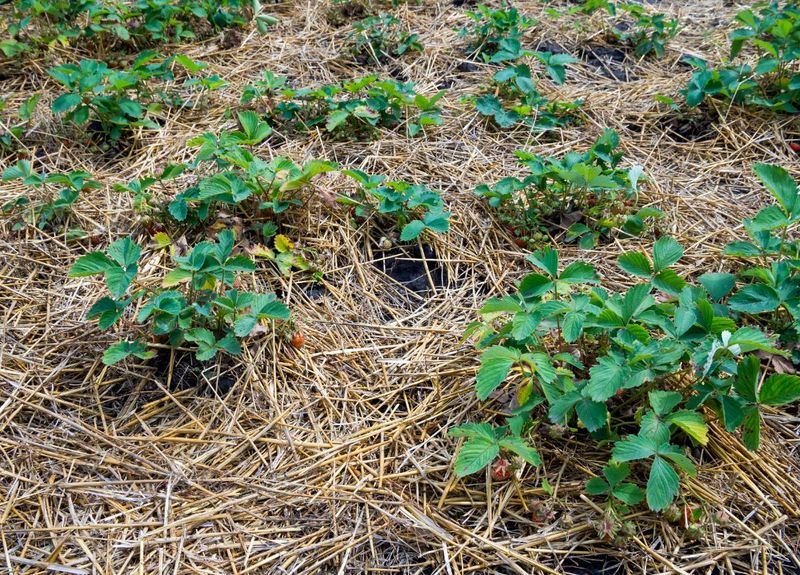
Straw isn’t just namesake decoration for strawberries – it’s a growth accelerator. A 2-3 inch layer of straw or pine needle mulch creates stable soil temperatures that prevent the growth slowdowns caused by temperature fluctuations. Beyond temperature control, mulch preserves critical soil moisture that keeps plants growing at maximum speed. It also creates a clean barrier between fruit and soil, preventing rot and disease that can halt development. For northern growers, mulch captures daytime heat and releases it slowly overnight, protecting against growth-stopping cold snaps. Southern gardeners benefit from mulch’s cooling effect during intense afternoon heat that might otherwise cause plants to shut down temporarily.
10. Protect Plants from Growth-Stunting Stresses
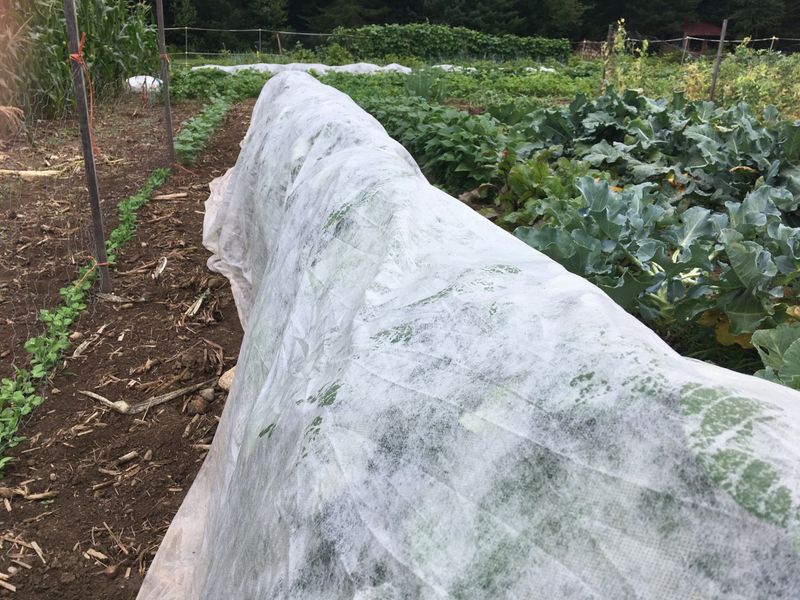
Row covers serve as personal greenhouses for strawberry plants, trapping heat and blocking wind while allowing water and light to penetrate. During unexpected spring frosts, these lightweight fabrics can maintain temperatures 2-4 degrees higher than surrounding air – enough to prevent devastating flower damage. Beyond temperature protection, physical barriers like netting shield developing berries from birds and other wildlife that would otherwise feast on your crop. Even slug barriers of copper tape or diatomaceous earth prevent these pests from slowing growth. Healthy, unstressed plants simply develop faster. Each protection measure eliminates potential interruptions to the natural growth cycle, keeping your strawberries on the fastest possible track from flower to ripe fruit.