 Complete Gardening
Gardening can be a rewarding journey, yet certain vegetables consistently challenge beginners. On the flip side, some options unfailingly reward the diligent gardener. This guide explores ten vegetables that often test patience and ten that reliably flourish, offering a balanced view for new gardening enthusiasts.
1. Cauliflower
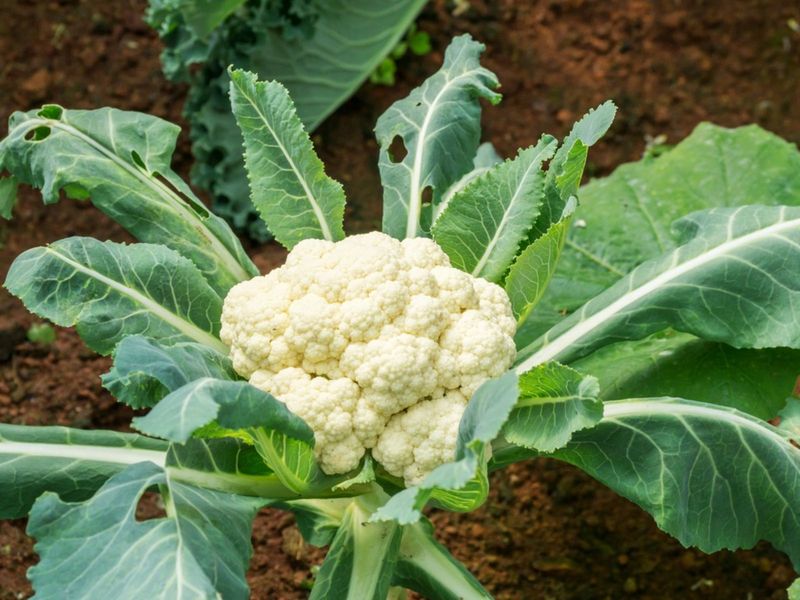
Cauliflower often intrigues new gardeners, yet frequently disappoints. Its sensitivity to temperature swings and pest invasions makes it a challenging crop. Imagine the frustration when heads fail to form properly. This vegetable demands near-perfect growing conditions, leaving many disheartened.
Cauliflower’s susceptibility to pests like aphids compounds its difficult nature. Without vigilant care, these pests can ruin entire yields. Despite its appeal, beginners often find themselves wishing they hadn’t planted it.
The promise of tender, creamy heads entices, but the reality is often a struggle against nature’s unpredictability. Consider trying easier alternatives first.
2. Celery
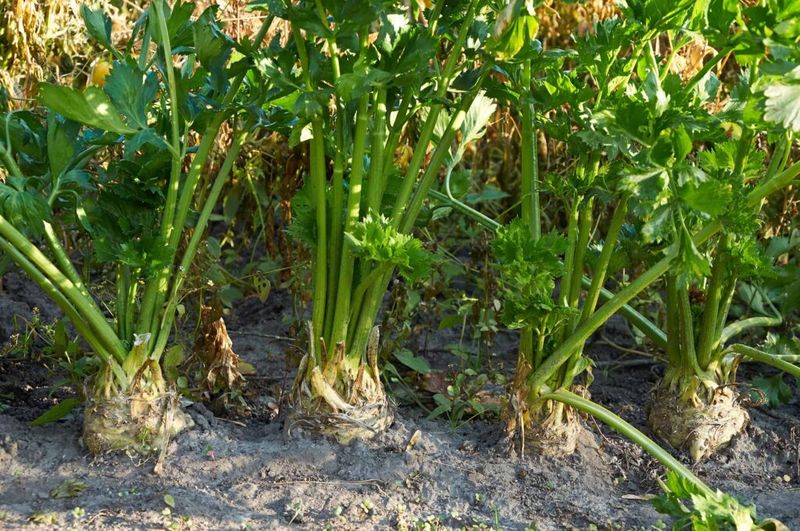
Celery, with its crisp allure, often turns out stringy and bitter for beginners. This vegetable’s need for constant moisture and rich soil can be overwhelming. Many find maintaining these conditions taxing, leading to less-than-ideal crops.
Its high water content means any lapse in watering is quickly reflected in the crop’s quality. This finicky nature can deter even the most enthusiastic gardeners.
While the promise of fresh stalks is tempting, the reality usually involves a struggle with inadequate results. For a more forgiving gardening experience, beginners might consider other, less demanding vegetables.
3. Eggplant
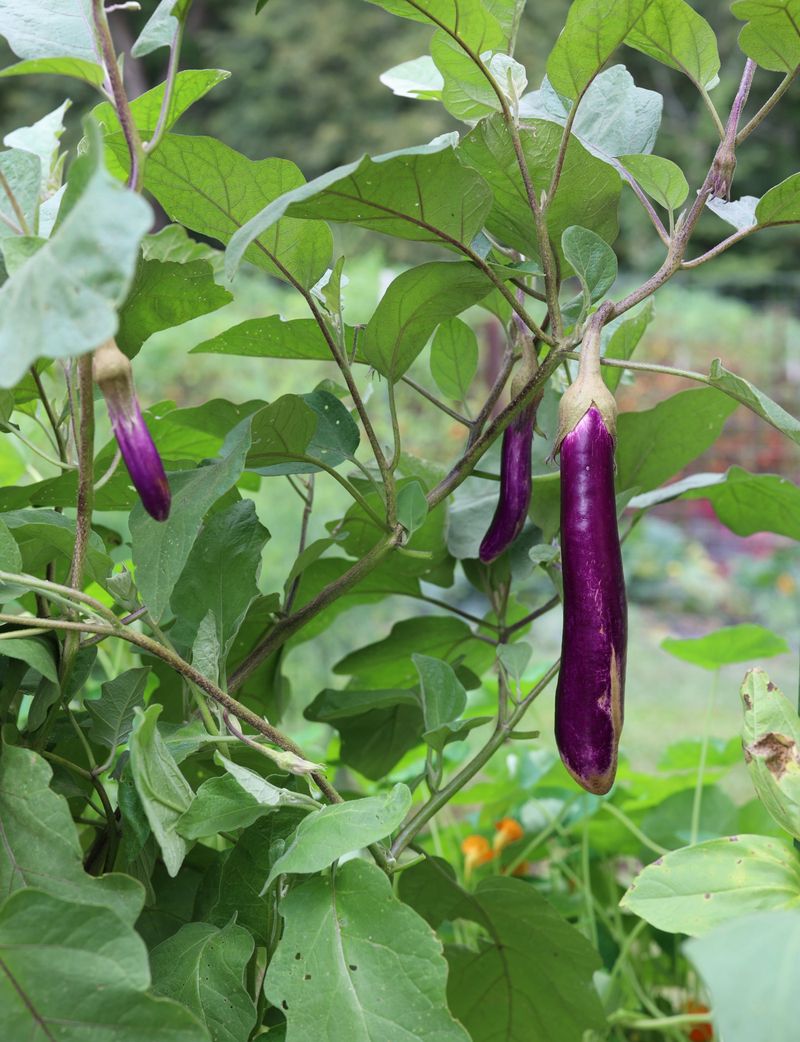
Eggplants captivate with their glossy, deep purple fruits, yet are notorious for disappointing new gardeners. Flea beetles often wreak havoc on young plants, creating an uphill battle from the start.
The requirement for a long, hot growing season doesn’t match well with cooler climates, leading to stunted growth and poor yields. This demanding nature can turn initial excitement into frustration.
Without the perfect environment, eggplants fail to thrive, leaving gardeners puzzled over their absence in harvest baskets. For those lacking consistent warmth, choosing less demanding crops might be wise.
4. Brussels Sprouts
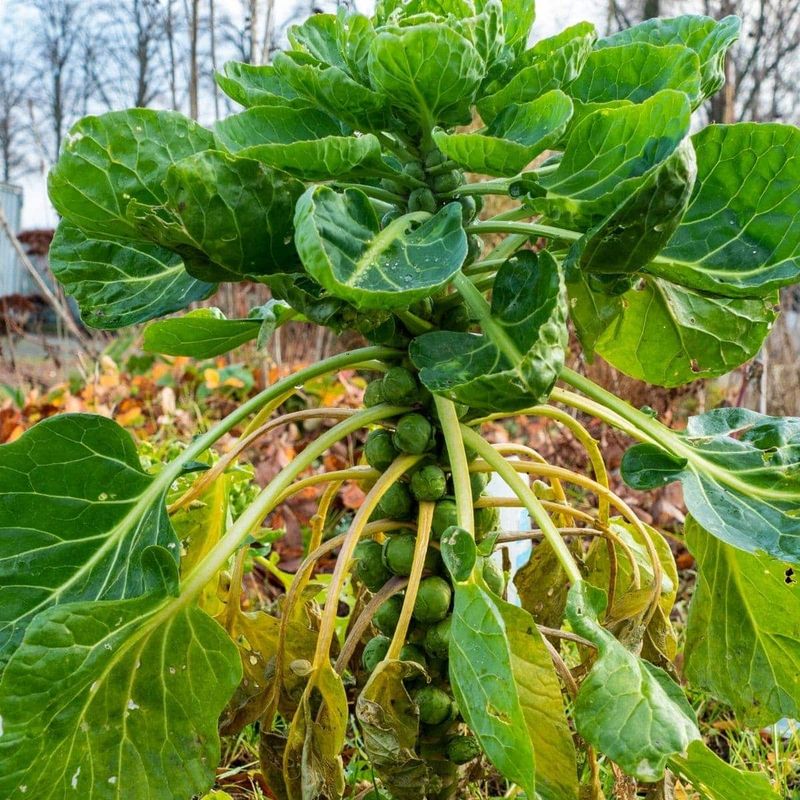
Brussels sprouts, though beloved by some, often take a long time to mature, testing the patience of new gardeners. The lengthy growing season can be discouraging when results are slow to appear.
Cabbage worms are common foes, quickly damaging leaves and sprouts, turning enthusiasm into dismay. Despite their culinary charm, these vegetables often feel unattainable for beginners.
This high-maintenance plant requires vigilance and dedication, ingredients not always available to novice gardeners. Many find themselves opting for more rewarding crops after disappointing attempts at growing sprouts.
5. Sweet Corn
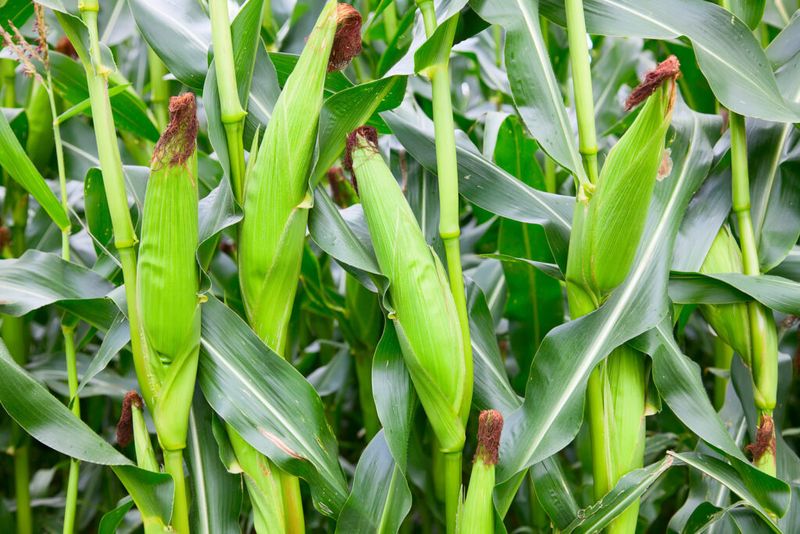
Sweet corn’s golden promise often remains unfulfilled for newcomers. Perfect pollination is crucial, demanding planting in blocks rather than rows, which can be complicated for beginners.
Pests, such as raccoons and squirrels, frequently raid corn patches, leaving gardeners empty-handed. Even when conditions seem ideal, poor pollination results in sparse, underdeveloped ears.
The potential for failure often outweighs the sweet reward, leaving many questioning their efforts. Until experience builds, it might be best to leave corn off the list of beginner-friendly crops.
6. Artichokes
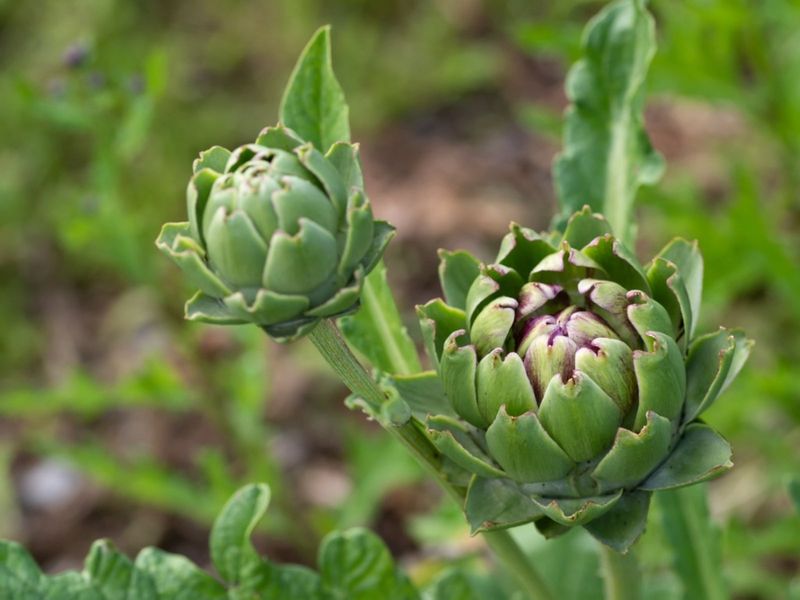
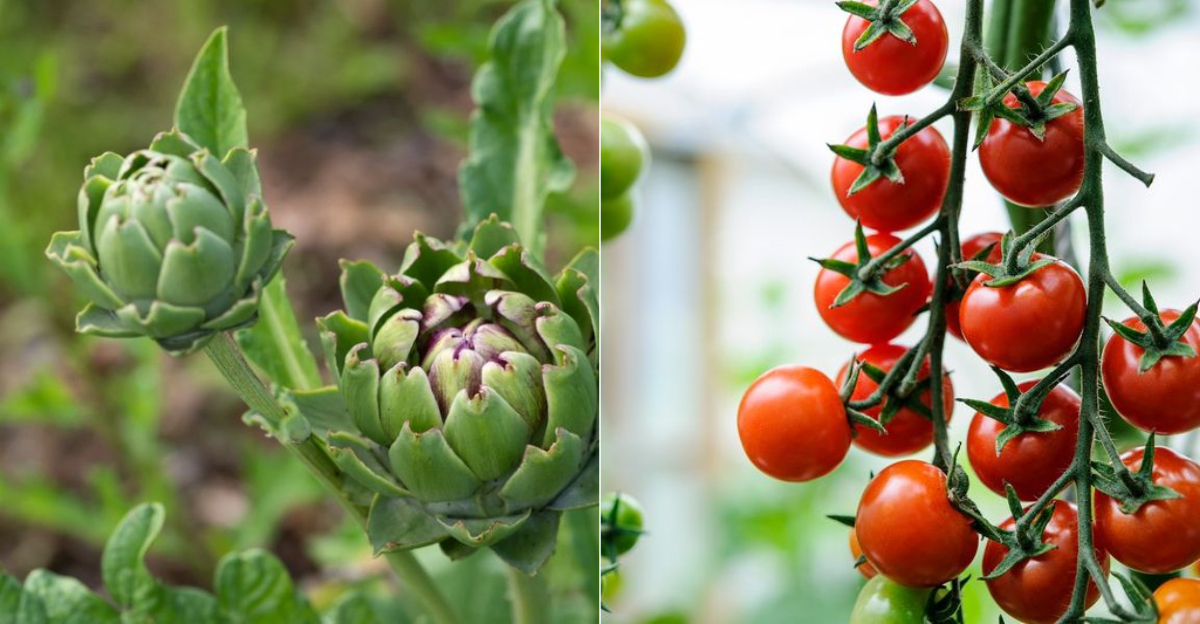
Artichokes, with their architectural beauty, require a long, mild growing season—something not all gardeners can provide. The need for ample space further complicates their cultivation.
Beginners with limited room and shorter seasons find themselves struggling to achieve the desired results. This plant’s imposing presence in the garden often doesn’t translate to a successful harvest.
Without the luxury of time and space, artichokes remain an elusive dream for many. New gardeners might find more satisfaction with crops that offer quicker, more achievable rewards.
7. Onions (from seed)
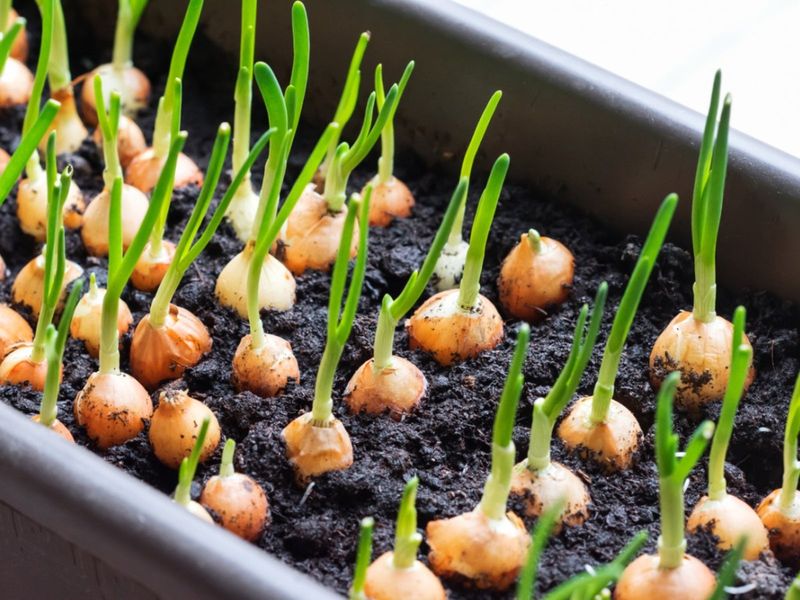
Onions, when grown from seed, challenge new gardeners with their slow, finicky nature. Patience is essential, as they require a long growing season to reach maturity.
Beginners often find the wait exasperating, especially when growth seems stalled. Sets or transplants offer a more forgiving alternative, providing quicker results with less frustration.
Despite the allure of homegrown onions, the time and effort often feel disproportionate to the yield. For those seeking more immediate gratification, exploring other vegetable options may prove more rewarding.
8. Melons (Watermelon, Cantaloupe)
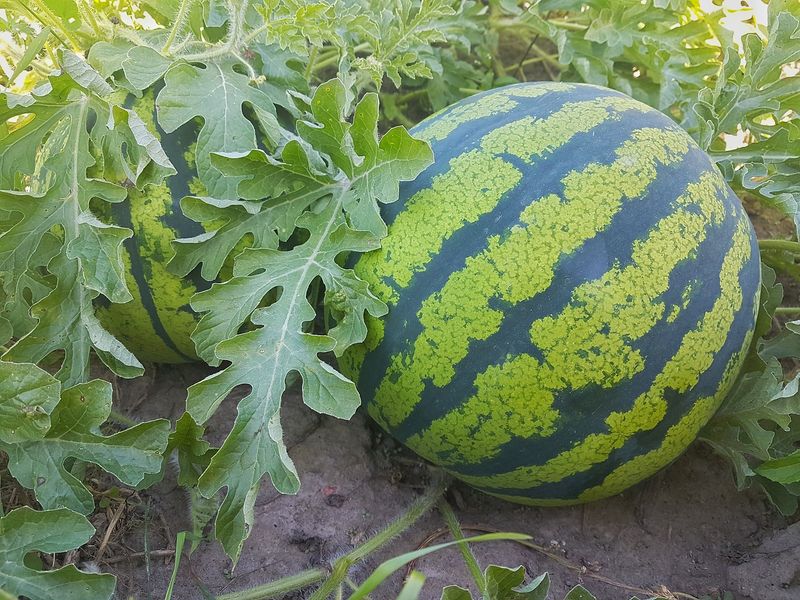
Melons, whether watermelon or cantaloupe, promise sweet, juicy rewards yet often falter in cooler climates. They demand consistent warmth and plenty of space, elements not all gardens possess.
When temperatures dip, melons struggle to ripen, leaving gardeners with hard, inedible fruits. This climatic sensitivity disheartens many beginners, overshadowing the anticipation of a bountiful harvest.
The expansive growth habit further complicates small garden spaces. New gardeners might find it wiser to cultivate crops more suited to variable climates, avoiding the disappointment of unripe melons.
9. Fennel
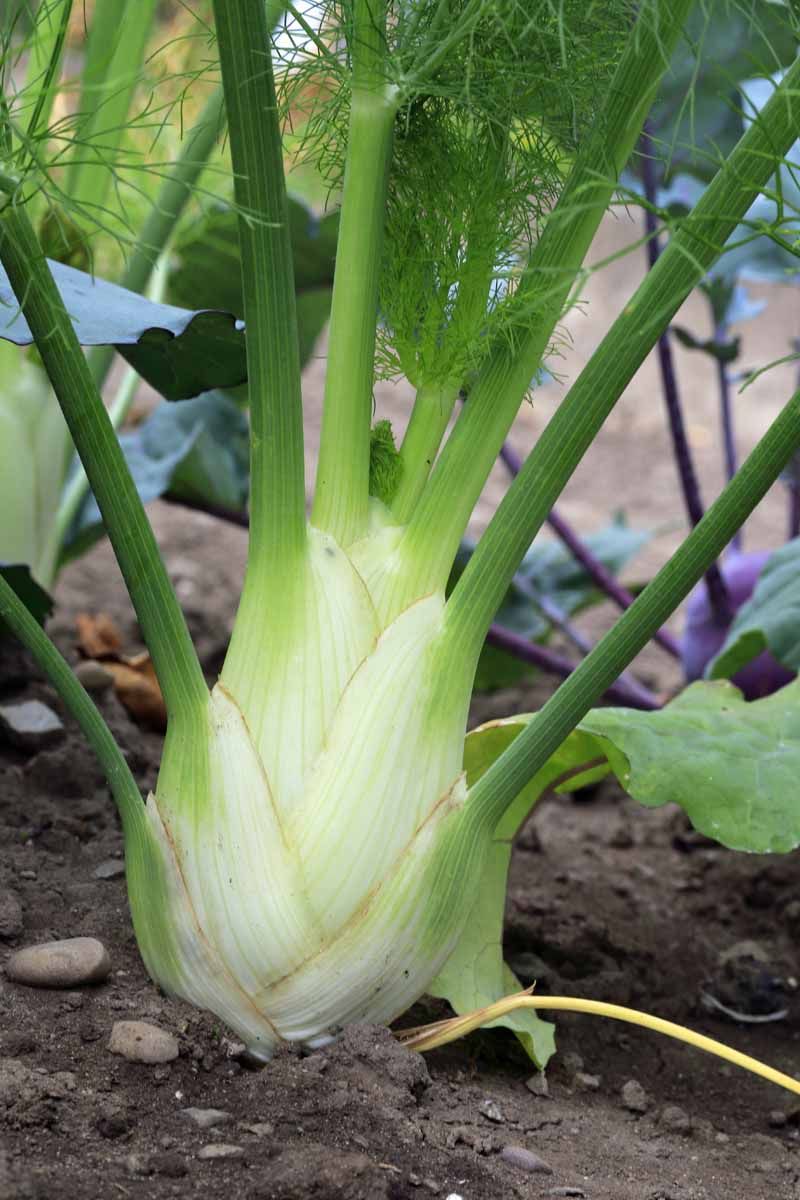
Fennel, with its aromatic appeal, can be a fickle addition to gardens. This plant easily bolts when stressed, turning its delicate fronds into towering stalks unsuitable for culinary use.
Cross-pollination issues with other plants further complicate its cultivation, leading to unexpected results. Beginners often find fennel’s unpredictable nature a challenge too great.
The disappointment of failed fennel leaves a bitter taste, prompting many to reconsider its place in their gardens. More reliable vegetables might provide a better start for those new to gardening.
10. Okra
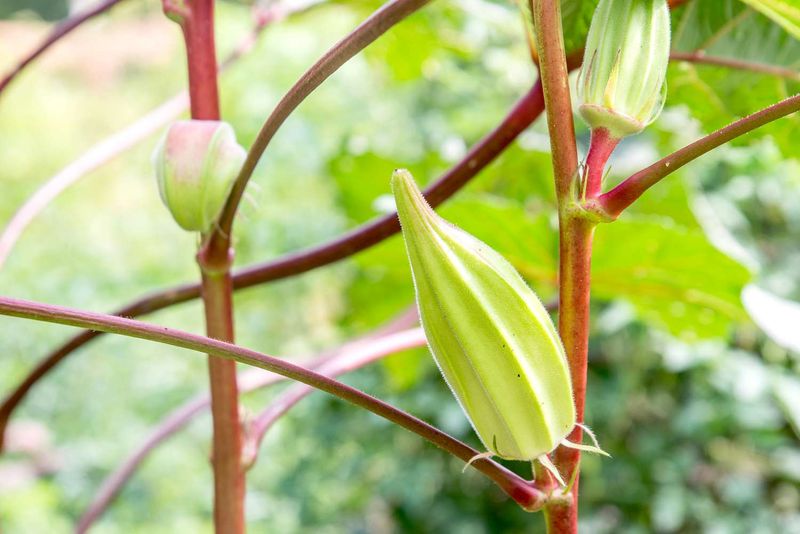
Okra, while a staple in warm climates, struggles in cooler environments, leaving new gardeners puzzled by its performance. When temperatures aren’t ideal, growth is stunted and pods become woody if not harvested promptly.
This can dishearten beginners eager for tender, edible produce. The precision required in harvesting adds another layer of complexity.
For those without the warmth of southern sunshine, okra might not be the best choice. Exploring more climate-resilient options could provide more satisfying results.
1. Zucchini
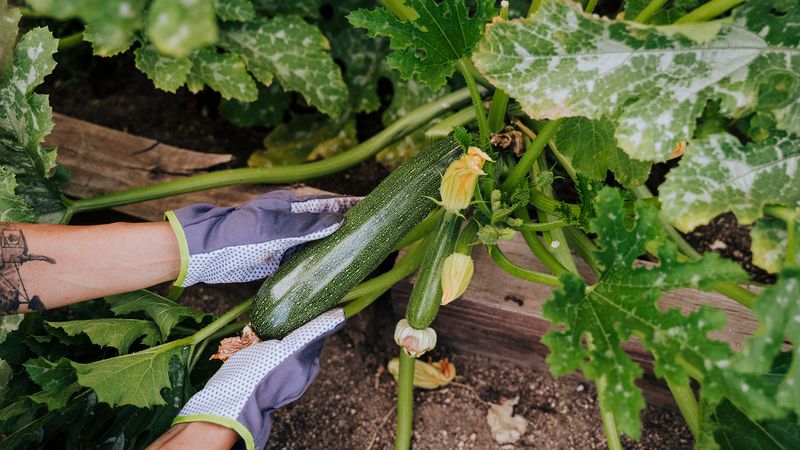
Zucchini’s rapid growth and prolific nature often overwhelm new gardeners. This vegetable thrives with little effort, producing more than most families can consume. Its vigorous nature makes it a staple in many gardens.
Despite its abundance, zucchini requires regular harvesting to prevent giant, inedible fruits. Beginners appreciate its low-maintenance character and consistent yields.
The joy of giving away baskets of zucchini is a common theme among gardeners, showcasing its rewarding nature. For those seeking a reliable, easy-to-grow vegetable, zucchini is often the answer.
2. Green Beans (Bush or Pole)
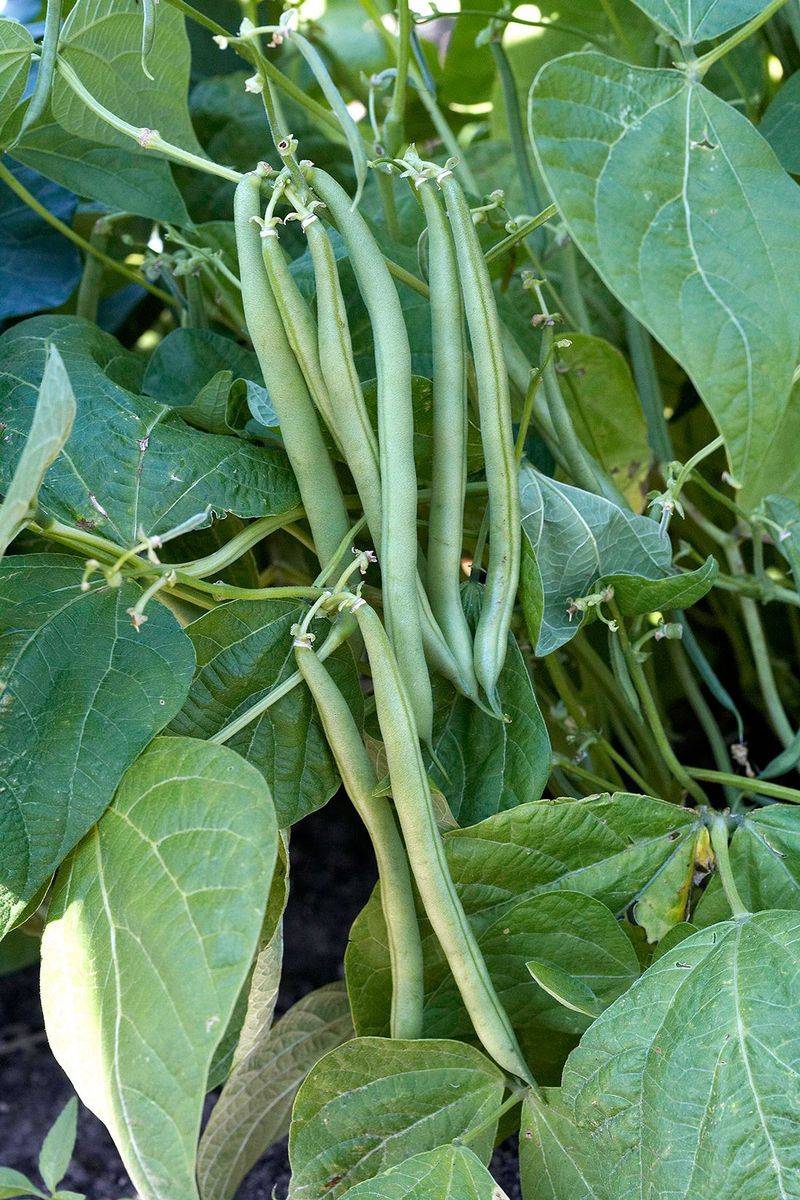
Green beans, whether bush or pole, provide fast, satisfying results for beginners. With their easygoing nature, these beans are a joy to cultivate. Their rapid production allows for multiple harvests throughout the season.
The simplicity of growing them appeals to novice gardeners, who find success easy to achieve. Green beans’ versatility in the kitchen further enhances their appeal.
Their ability to thrive with minimal intervention makes them a top choice for those new to gardening. For a quick, bountiful crop, green beans rarely disappoint.
3. Lettuce
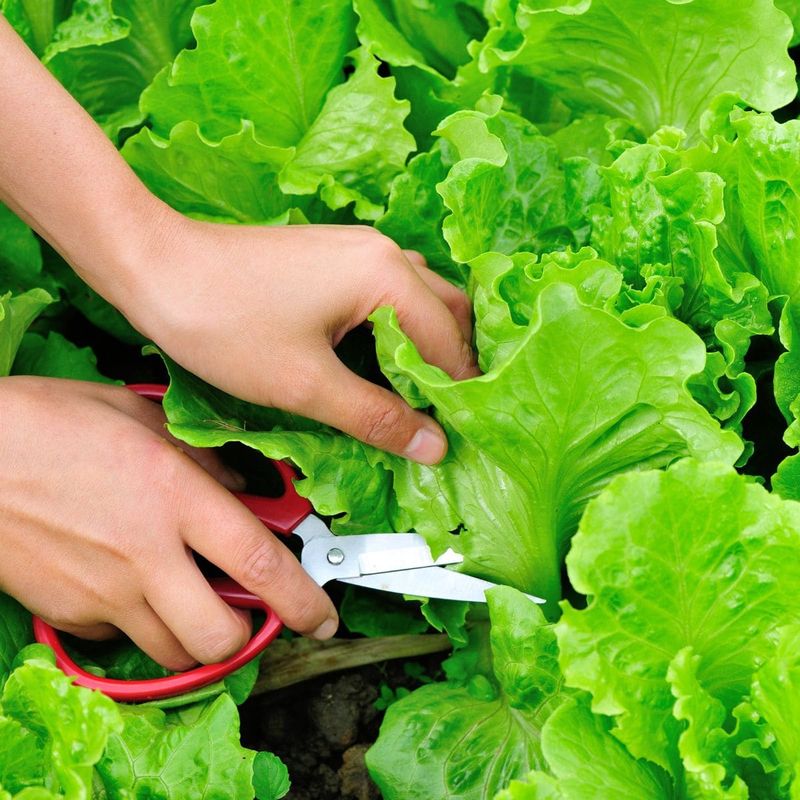
Lettuce is a cool-weather champion that rewards gardeners with rapid growth and fresh, tender leaves. Its ability to thrive in shaded areas extends the growing season, keeping salads fresh and homegrown.
Multiple harvests from a single planting make it a favorite among beginners. The ease of care and quick turnaround from garden to table are appealing features.
For those seeking instant gratification, lettuce provides a dependable solution. Its forgiving nature and satisfying yields make it a staple in kitchen gardens everywhere.
4. Radishes
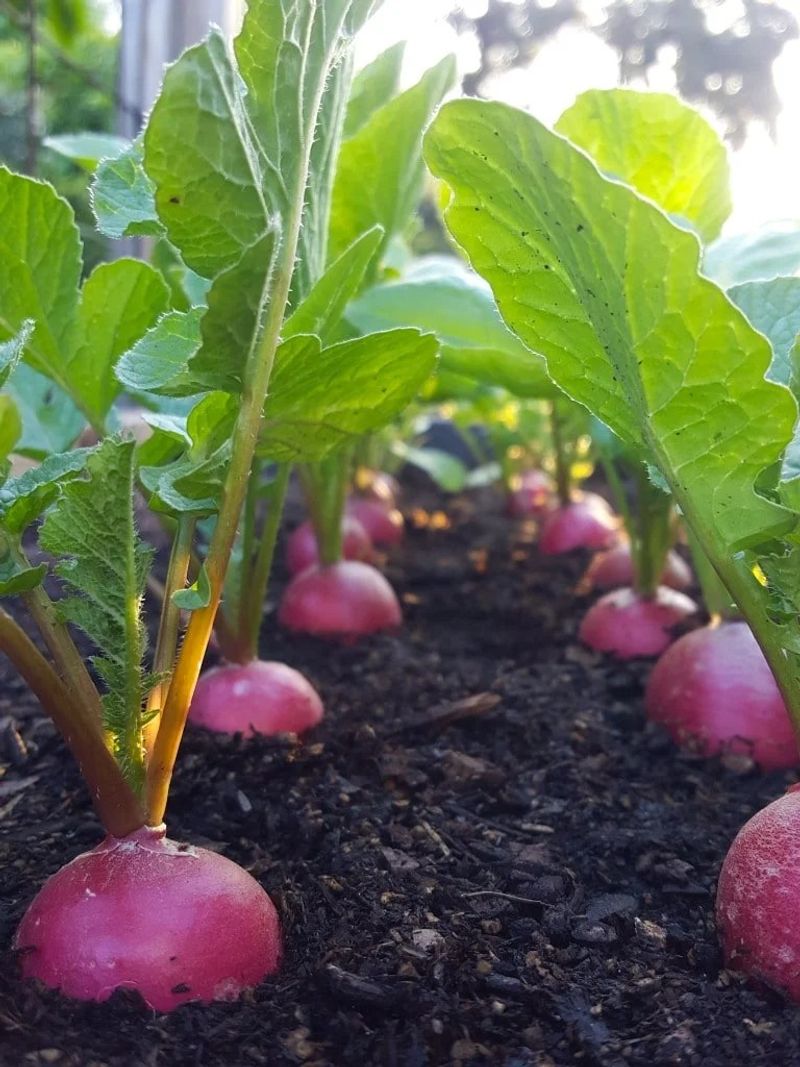
Radishes are known for their quick turnaround, ready to harvest in as little as three to four weeks. Their vibrant color and spicy bite add zest to any garden.
Beginners appreciate the immediate results, often finding success with their first planting. Radishes’ forgiving nature allows them to recover from minor neglect, making them perfect for new gardeners.
Their varied colors and shapes provide visual interest alongside their culinary contributions. For those new to gardening, radishes offer both satisfaction and simplicity.
5. Cherry Tomatoes
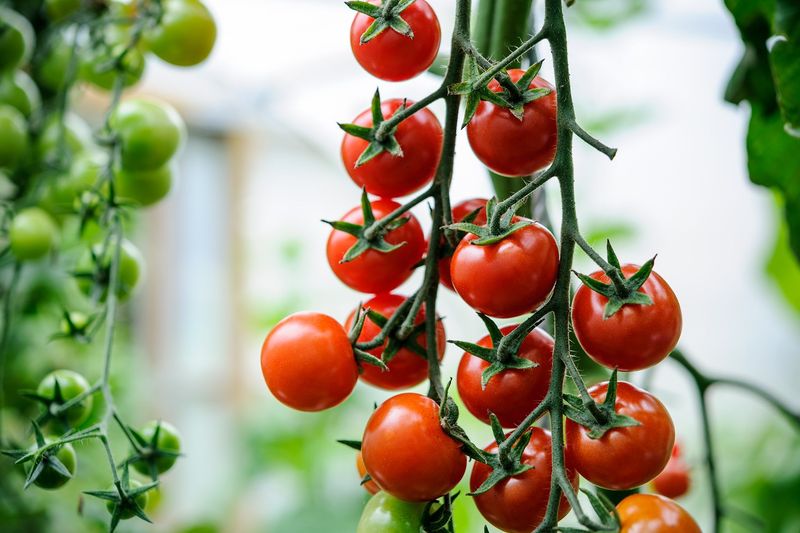
Cherry tomatoes bring color and flavor, thriving where larger varieties may falter. Their disease resistance and prolific fruiting make them a favorite among beginners.
The small size of the fruit allows for quick ripening, providing a steady supply of sweet, juicy tomatoes. Their adaptability to containers and small spaces broadens their appeal.
With their consistent yields, cherry tomatoes enhance any garden, offering endless culinary possibilities. New gardeners find delight in their effortless success and abundant harvests.
6. Swiss Chard
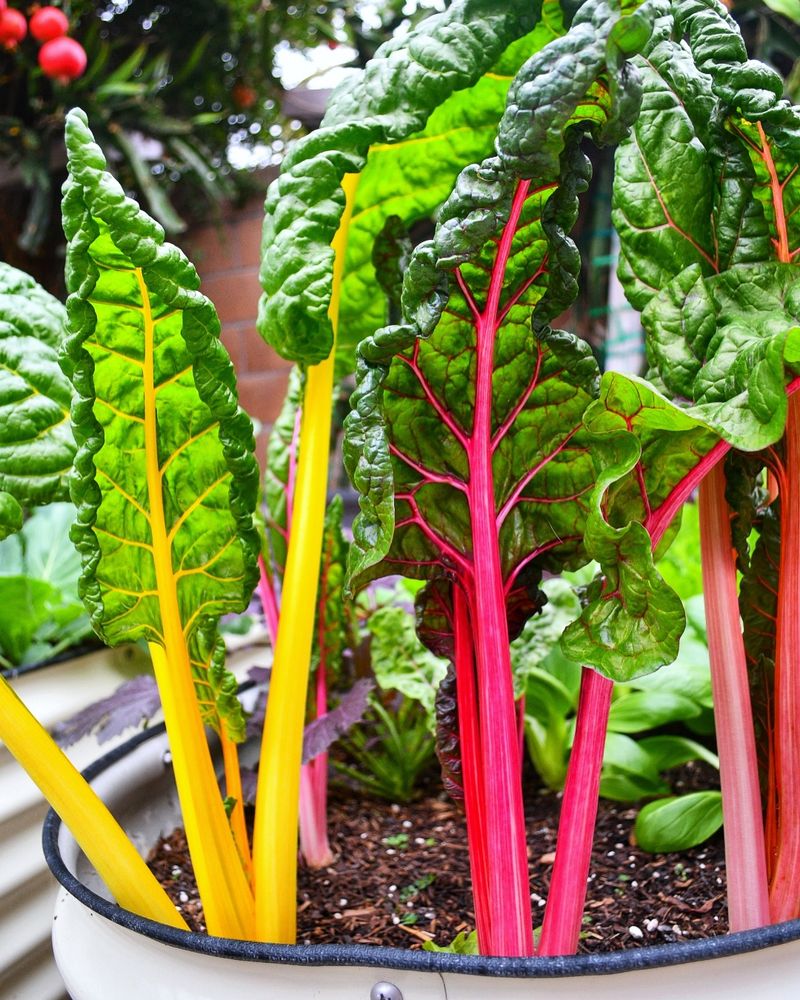
Swiss chard stands out with its vibrant stalks and lush leaves, offering both beauty and resilience. Its tolerance to heat and cold makes it a versatile choice for gardeners.
Rarely bolting, chard provides continuous harvests throughout the growing season. Beginners appreciate its low-maintenance nature and adaptability to various conditions.
The visual appeal of rainbow chard adds an aesthetic touch to gardens, while its nutritional value enriches meals. For a hardy, attractive crop, Swiss chard often delivers beyond expectations.
7. Cucumbers
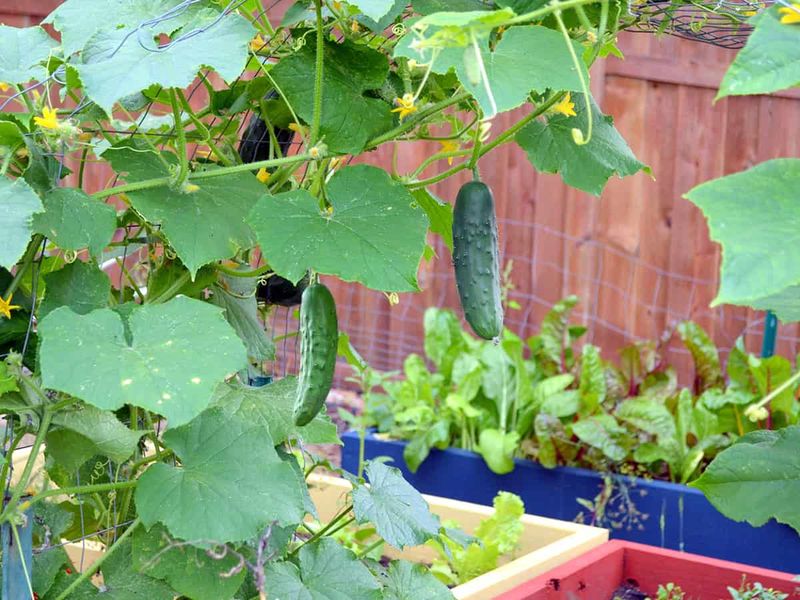
Cucumbers, with their refreshing crunch, quickly become a garden favorite. Their fast growth and productivity make them ideal for beginners. When provided with ample water and sun, cucumbers flourish, offering generous harvests.
Their climbing habit suits vertical gardens, maximizing space and accessibility. Beginners find joy in their quick results and versatile culinary uses.
Cucumbers’ resilience in the face of minor neglect further endears them to novice gardeners. For a reliable crop, cucumbers are a staple choice.
8. Kale
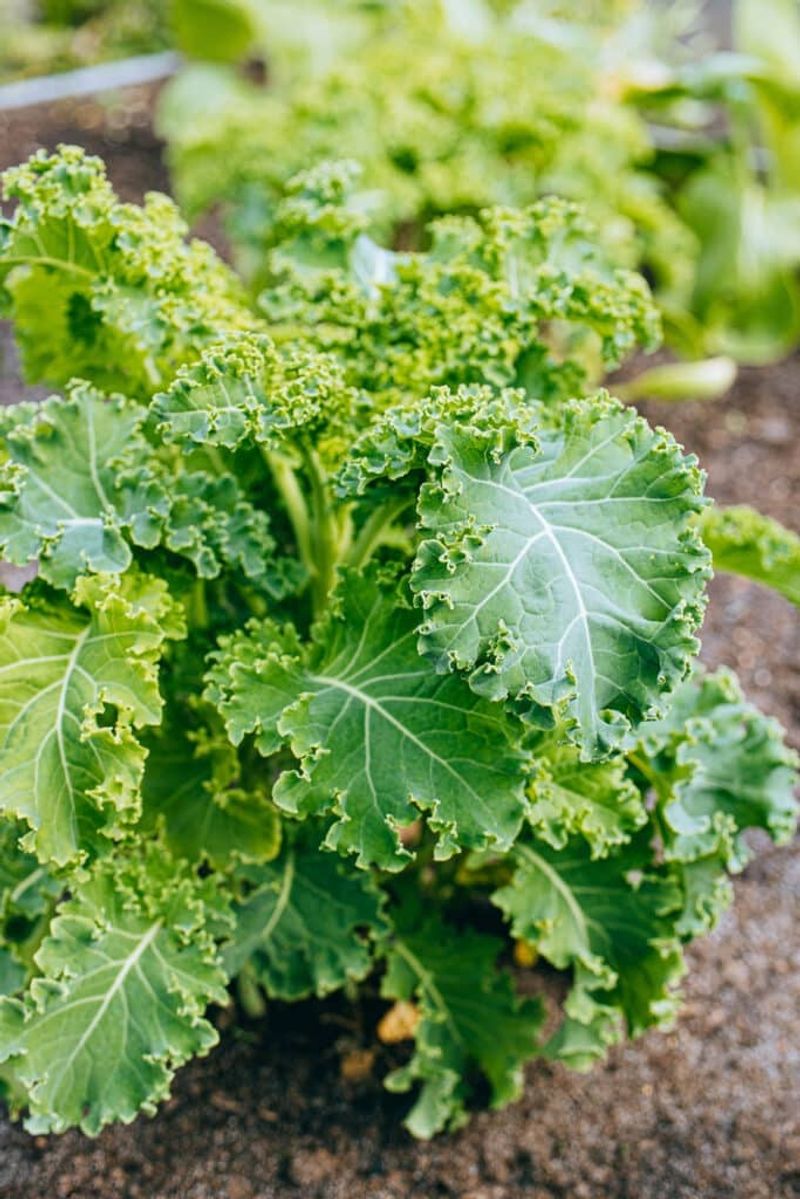
Kale’s hardy nature and nutritional punch make it a standout in any garden. Its ability to withstand pests and thrive in various climates attracts beginners.
This leafy green continues to grow even in cooler temperatures, extending the gardening season. Its versatility in the kitchen complements its ease of cultivation, making it a staple crop.
For those new to gardening, kale offers reliable results with minimal effort. The robust, leafy growth provides both visual and dietary benefits.
9. Peas
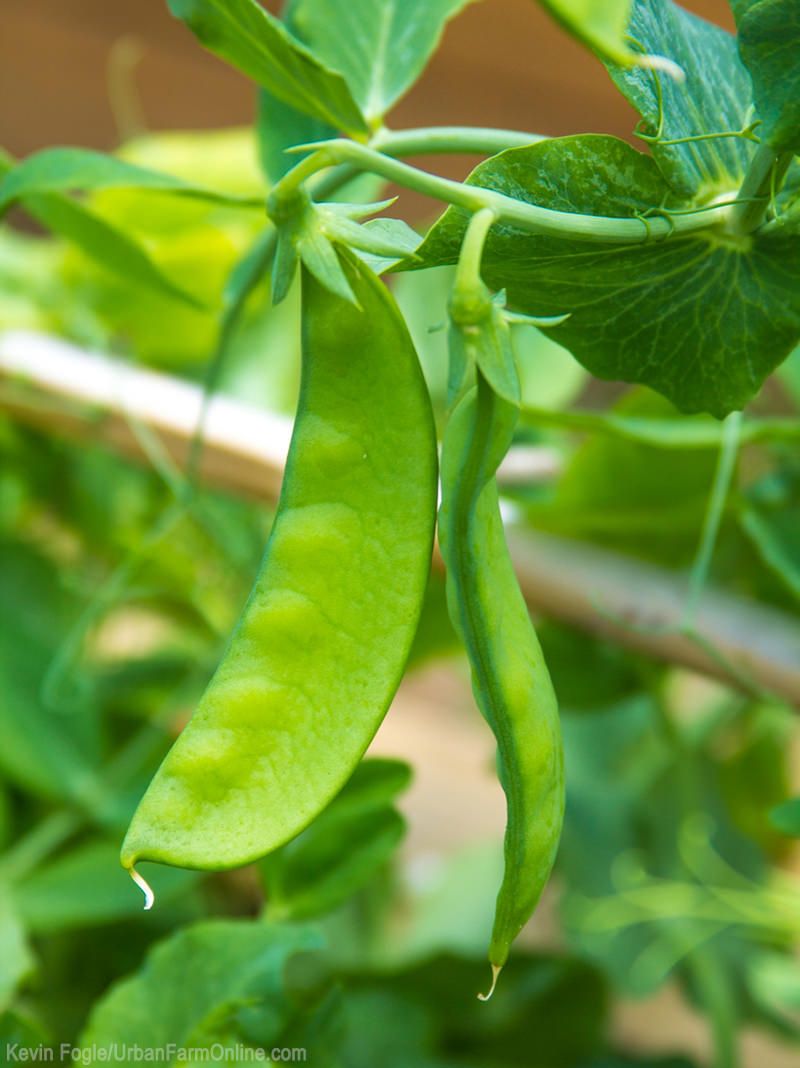
Peas thrive in cool weather, making them perfect for early-season planting. Their sweet, tender pods are a delight, providing fresh flavors to meals.
Beginners find them easy to grow from seed, appreciating their dependable yields. The climbing nature of peas offers vertical interest and easy harvesting.
For a rewarding introduction to gardening, peas consistently deliver satisfaction through their simplicity and flavor.
10. Potatoes
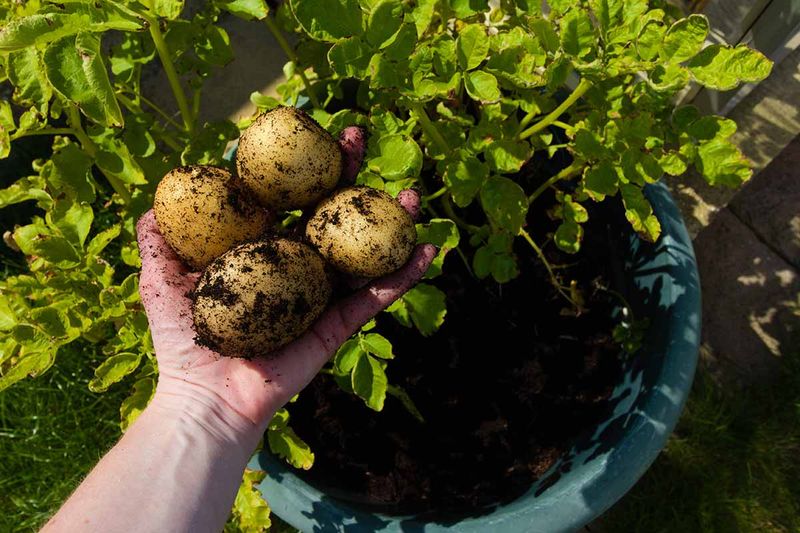
Potatoes, whether in containers or the ground, provide high yields with minimal effort. Their underground growth hides abundant treasures, surprising gardeners at harvest time.
Beginners appreciate the simplicity of planting and the excitement of unearthing mature potatoes. Their adaptability to different growing conditions makes them a versatile choice.
Potatoes’ robust nature allows for experimentation, encouraging new gardeners to explore various varieties. For a bountiful, low-maintenance crop, potatoes are a reliable option.