 Complete Gardening

Cooking certain vegetables can enhance their nutritional value, making them even more beneficial for your health. This blog explores 10 vegetables that offer greater health benefits when cooked rather than eaten raw. Discover how cooking can increase the availability of beneficial compounds, reduce toxins, and improve digestibility.
1. Tomatoes 🍅
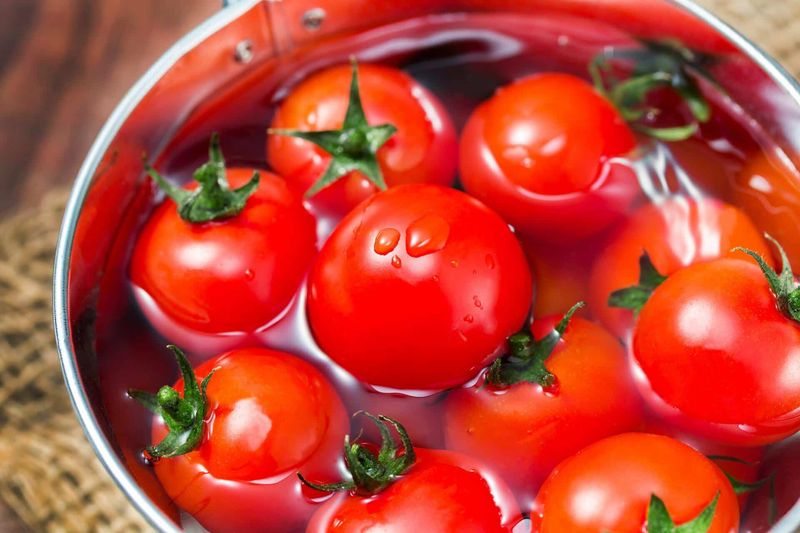
Tomatoes, when cooked, become a powerhouse of nutrition due to the increase in lycopene, a potent antioxidant. This compound is linked to various health benefits, including heart health and cancer prevention. The process of cooking breaks down the tomato’s cell walls, making lycopene more accessible and easier for the body to absorb. Whether roasted, sautéed, or turned into a sauce, cooked tomatoes can enhance your meals with both flavor and health benefits. A fun fact: Italians often prepare tomatoes this way, contributing to their Mediterranean diet’s success.
2. Carrots 🥕
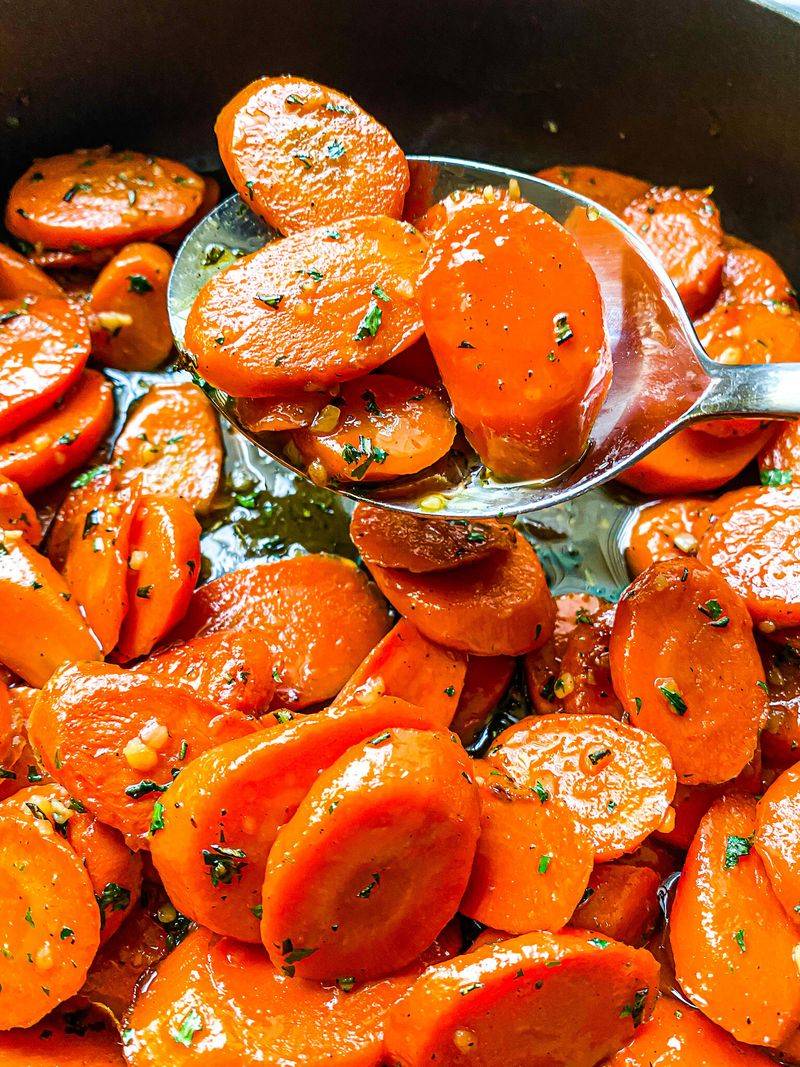
Cooking carrots is not just about taste; it’s about nutrition. When carrots are boiled or steamed, beta-carotene levels spike, boosting vitamin A intake, which is essential for eye health and the immune system. The heat breaks down the carrot fibers, releasing these important nutrients. Roasting them with olive oil can add a delightful flavor while maintaining their health benefits. Did you know that carrots were originally purple, and today’s orange variety was developed in the Netherlands? This makes them a colorful addition to any dish.
3. Spinach & Leafy Greens 🥬
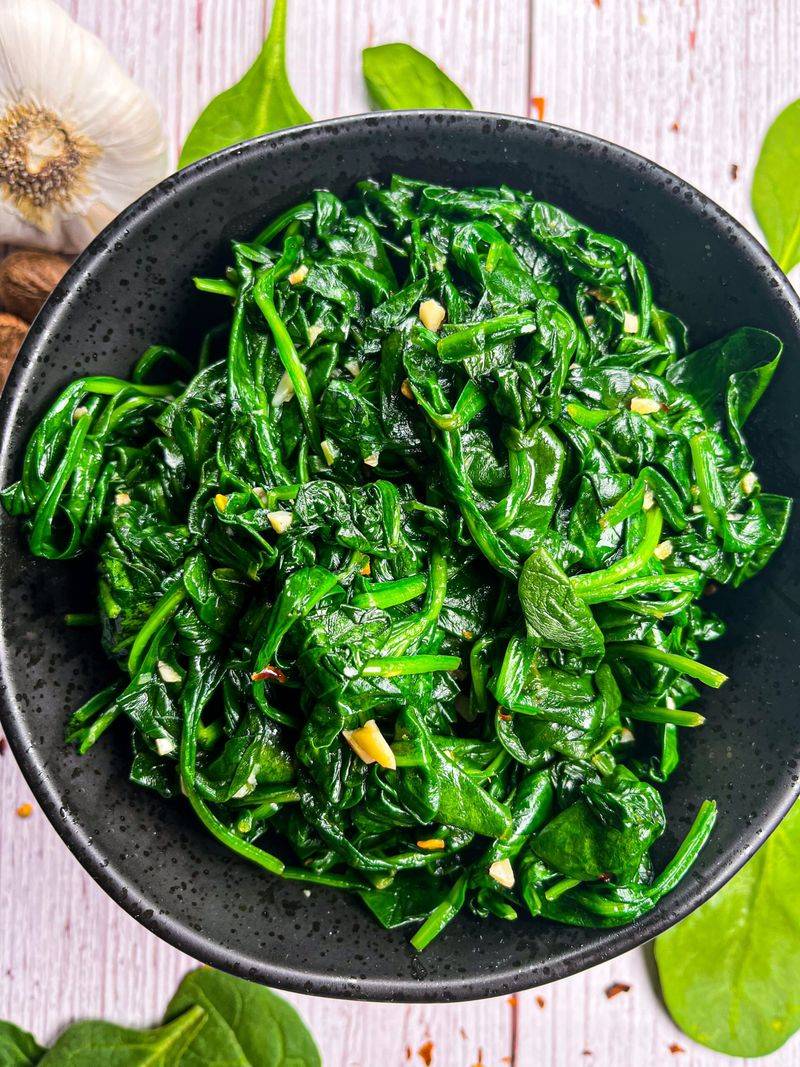
Spinach and other leafy greens, while nutritious raw, become even more beneficial when cooked. The heat reduces oxalic acid, a compound that can inhibit calcium and iron absorption, making these minerals more available. Lightly sautéed or blanched, spinach transforms into a nutrient powerhouse. Its rich green color intensifies, reflecting the concentration of nutrients. Fun fact: In medieval times, artists used spinach juice as a green paint. This versatile vegetable continues to offer health benefits beyond the plate.
4. Asparagus 🫒
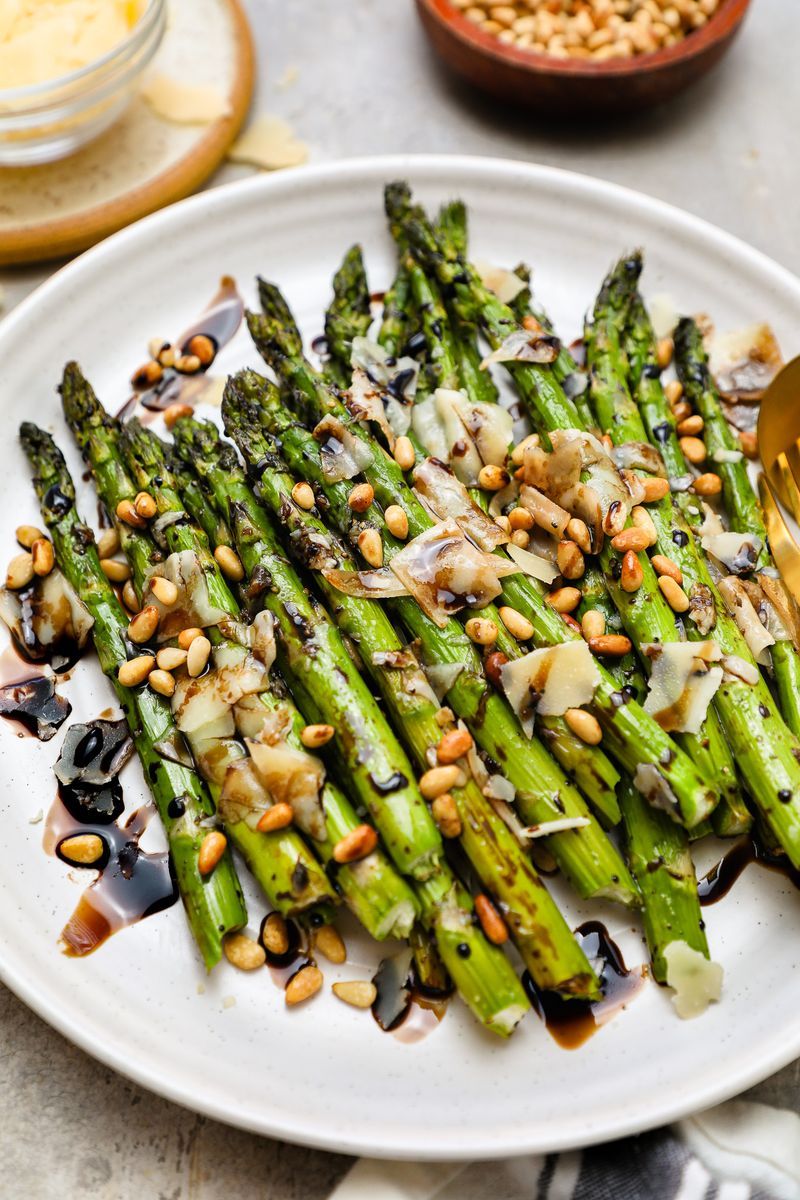
Asparagus is a standout vegetable that gains more than just flavor when cooked. The heat boosts antioxidants, such as ferulic acid, and increases folate bioavailability. Grilled or roasted, asparagus not only tastes delicious but also supports your body with these enhanced nutrients. The spears’ tender texture and slightly smoky taste are perfect for a healthy side dish. Did you know? The ancient Greeks and Romans prized asparagus for its medicinal properties, and it remains a beloved vegetable today.
5. Mushrooms 🍄
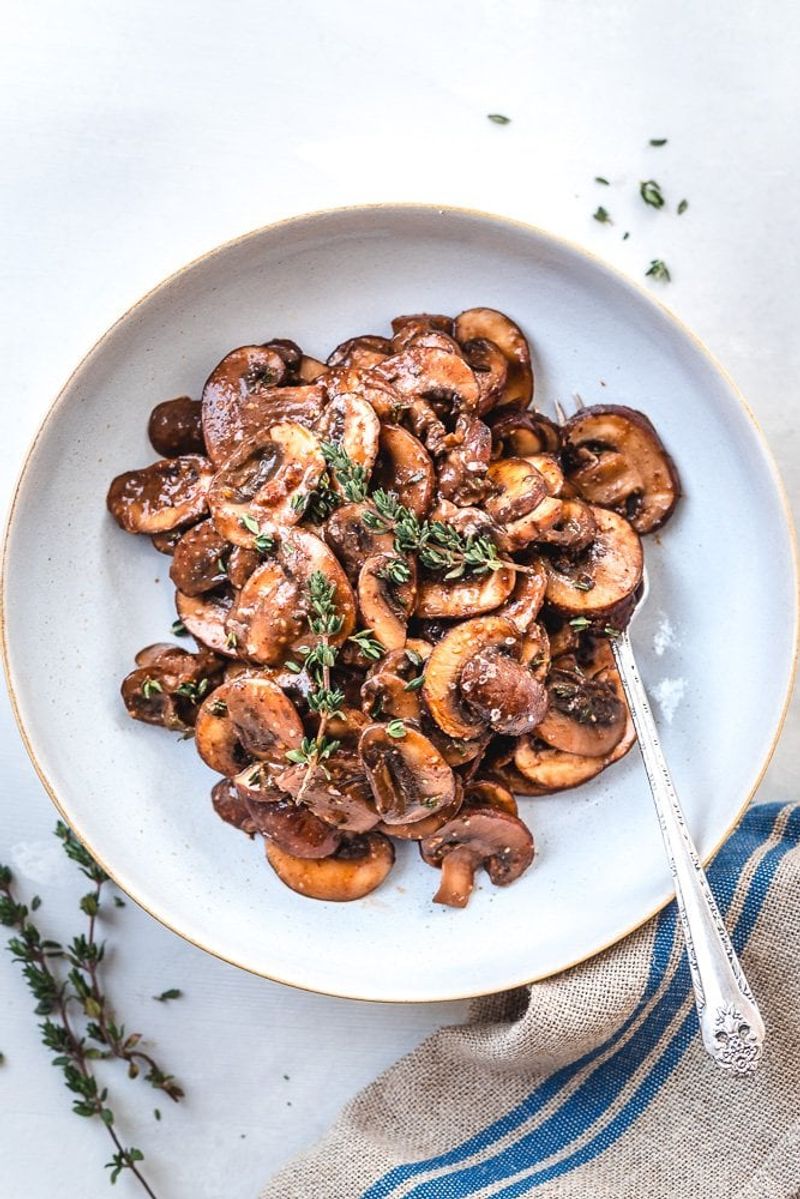
Mushrooms are more than a tasty addition to your meal; cooking them enhances their nutritional profile. Heat destroys agaritine, a mild toxin, and increases the levels of potassium and ergothioneine, an antioxidant linked to longevity. When sautéed or grilled, mushrooms develop rich umami flavors that complement many dishes. Interestingly, mushrooms have been used for centuries in traditional medicine across Asia for their healing properties. This makes them not only flavorful but also a wise health choice.
6. Bell Peppers 🌶️

Bell peppers are an exception to the vitamin C degradation rule. When cooked, their vitamin C becomes more bioavailable, enhancing their health benefits. Lightly roasting or stir-frying bell peppers not only brings out their sweetness but also increases their nutritional value. Their vibrant colors make any dish visually appealing. Did you know that bell peppers are technically fruits? This fact adds a fun twist to their culinary use, as they brighten both salads and stir-fries with their presence.
7. Eggplant 🍆

Eggplant, often found in Mediterranean cuisine, benefits significantly from cooking. The heat neutralizes solanine, a natural toxin, and increases the absorption of nasunin, an antioxidant that protects brain cells. Grilled or baked, eggplant develops a rich, smoky flavor, making it a delicious component in various dishes. Its unique texture and taste are appreciated worldwide. A quirky fact: In Italy, eggplant is sometimes called “mad apple” due to historical superstitions about its effects.
8. Green Beans 🟢
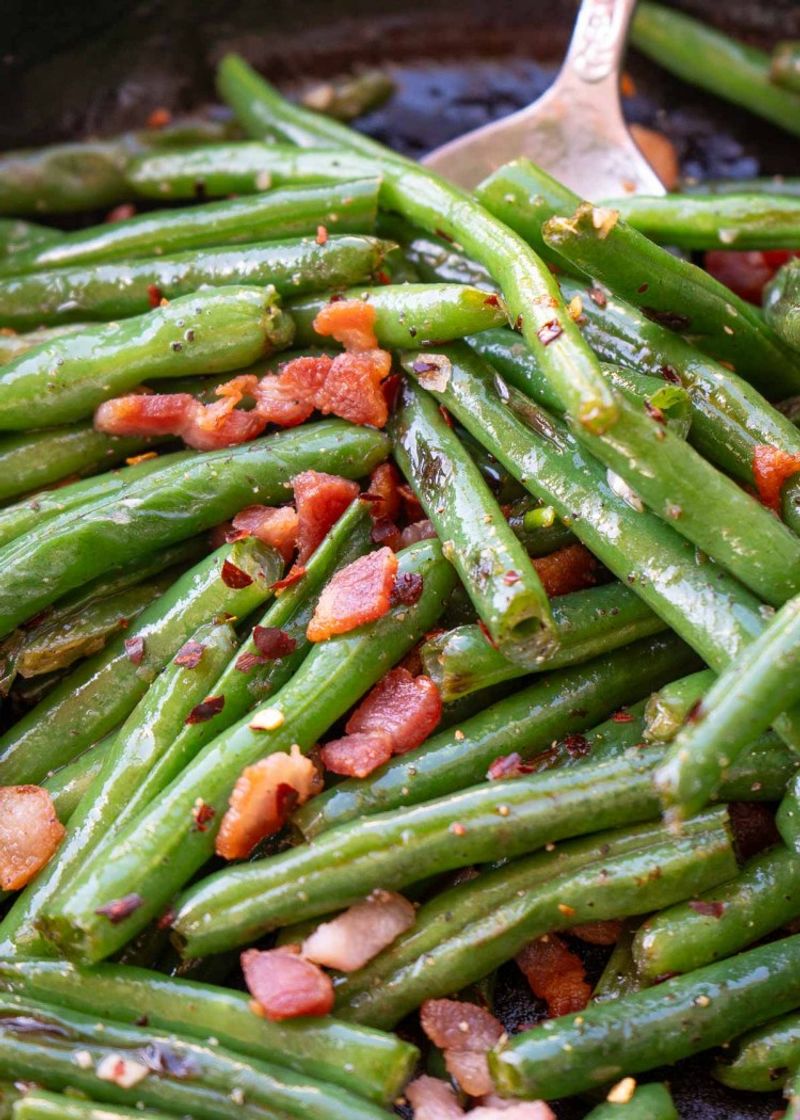
Green beans, when cooked, transform into a more digestible and nutrient-rich food. Boiling reduces lectins, compounds that can cause digestive discomfort, making them easier on the stomach. Steamed or blanched, green beans retain their crisp texture and vibrant color. Their mild flavor pairs well with many dishes, offering both nutritional and culinary versatility. Did you know that green beans were first domesticated in Central and South America? Their long history of cultivation adds to their appeal.
9. Pumpkin & Winter Squash 🎃

Pumpkin and winter squash, when cooked, become nutrient-dense delights. Heat breaks down their fibers, releasing more beta-carotene and vitamin A. Roasting or puréeing these vegetables enhances their natural sweetness and makes them a comforting addition to meals. Their bright orange color is a visual cue to their health benefits. Fun fact: Pumpkins are native to North America and have been used for both food and decoration for centuries. Their versatility continues to be celebrated worldwide.
10. Brussels Sprouts 🥦

Brussels sprouts become nutritional powerhouses when cooked. The process enhances indole-3-carbinol, a compound supporting detoxification and hormone balance. Roasted or lightly steamed, they develop a rich flavor and crispy texture, making them a standout side dish. Their unique taste has made them a festive favorite in many cultures. Did you know? Brussels sprouts are named after the capital of Belgium, where they have been popular since the 16th century. Their rich history adds to their culinary charm.