 Complete Gardening
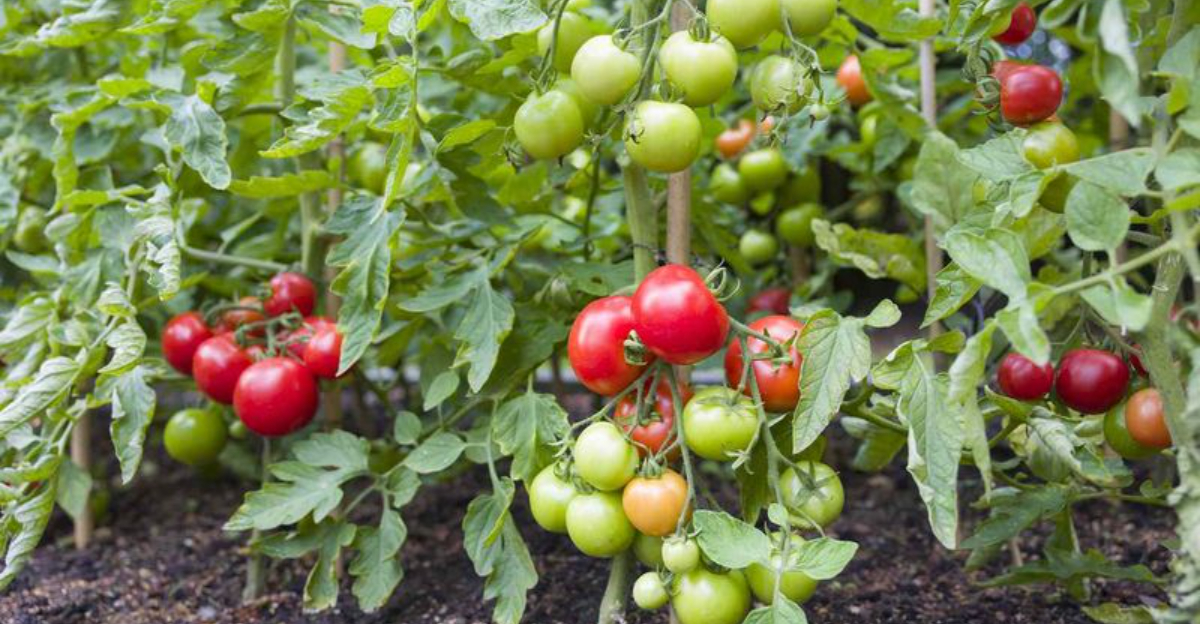
Tomatoes are a beloved staple in many gardens, known for their vibrant flavor and versatility in the kitchen. However, their delicate nature requires careful consideration of the planting location to ensure a bountiful harvest.
This blog post explores ten places where you should never plant tomatoes to avoid stunted growth, disease, and poor yields. Discover how to optimize your tomato planting strategy and enjoy the fruits of your labor.
1. Under Large Trees
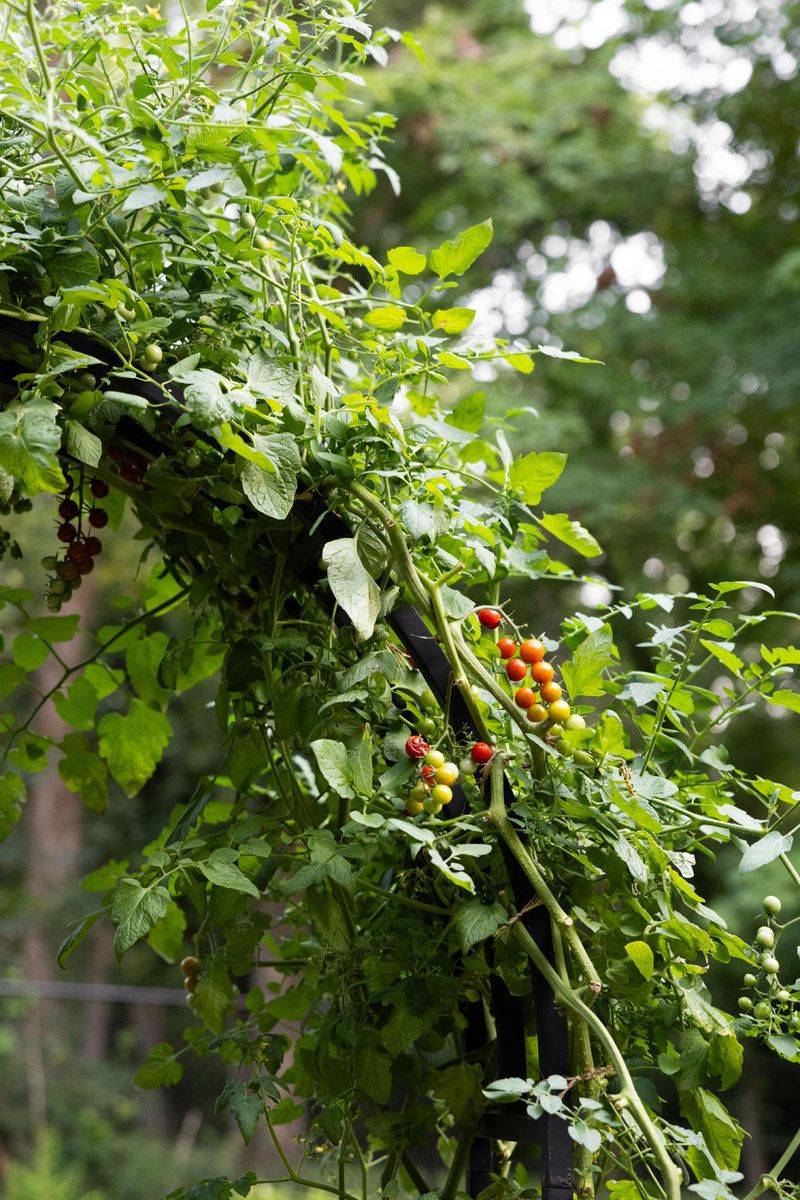
Tomatoes thrive in sunlight, needing at least 6-8 hours of full sun daily. Planting them under large trees deprives them of this essential sunlight. The dense foliage of trees casts significant shade, hindering the photosynthesis process crucial for tomato growth. Additionally, tree roots compete aggressively for groundwater and nutrients, leaving the tomatoes undernourished. You might notice your tomato plants looking weak and leggy as they stretch towards scarce sunlight. It’s best to find an open, sunlit spot in your garden where your tomatoes can bask in the warmth and grow robust.
2. In Waterlogged Soil
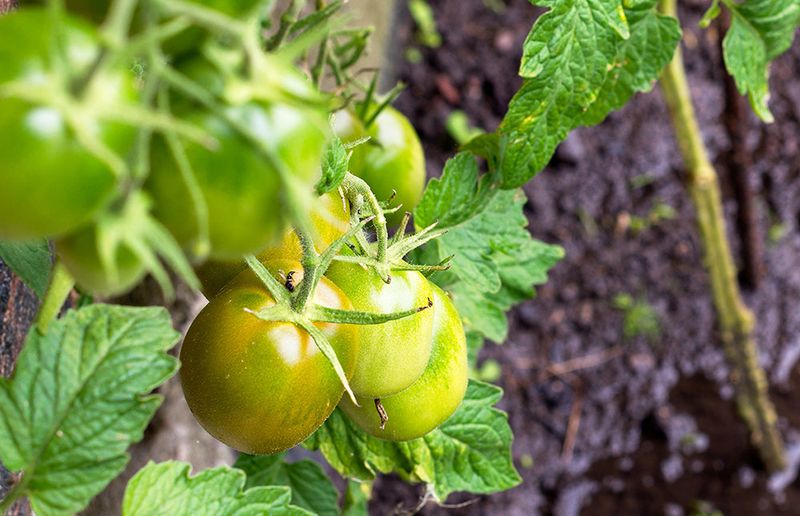
Tomatoes dislike soggy conditions, so avoid planting in waterlogged soil. Excess water drowns the roots, leading to root rot and weak plants. Without proper drainage, the roots cannot breathe, causing them to suffocate and die. On top of that, waterlogged conditions encourage fungal diseases to thrive, further endangering your tomato crop. It’s crucial to choose a location with well-drained soil, where water doesn’t accumulate. Consider raised beds or containers if your garden’s natural drainage is poor. This way, you can control the moisture levels and keep your tomatoes healthy.
3. Near Walnut Trees
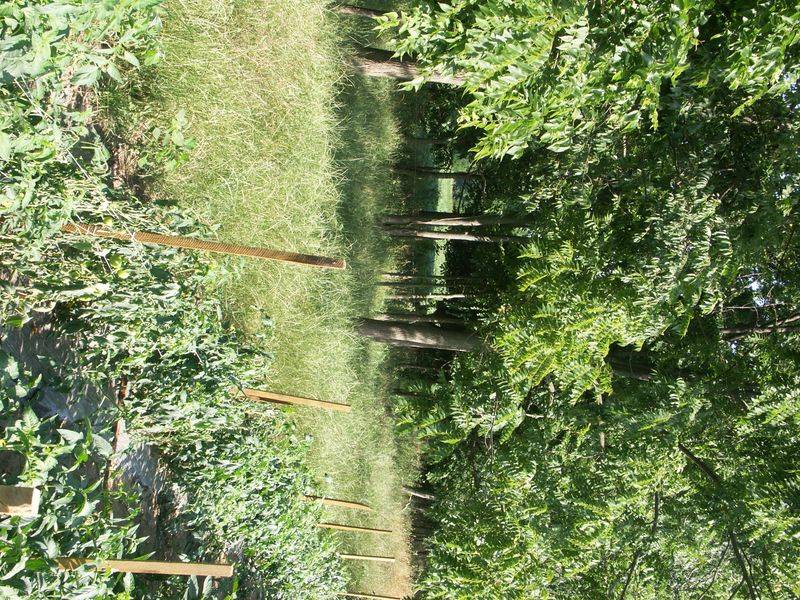
Walnut trees produce juglone, a chemical toxic to tomatoes. This compound leaches into the soil and inhibits the growth of surrounding plants. Tomatoes planted nearby often show yellowing leaves and stunted growth as they struggle to cope with the toxin. If you have walnut trees on your property, keep your tomato plants at a safe distance. Opt for locations well away from the tree’s drip line to avoid juglone’s harmful effects. With proper placement, you can ensure your tomatoes grow vibrant and healthy, far from harmful influences.
4. In Heavy Clay Soil
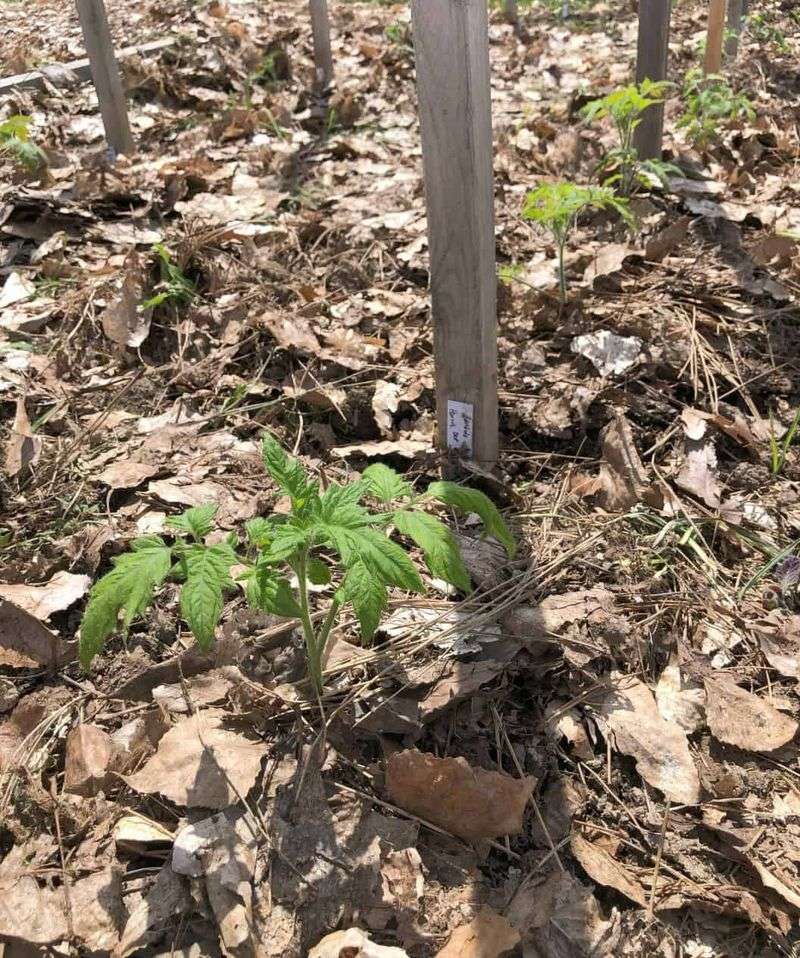
Heavy clay soil is a poor choice for planting tomatoes. Its dense structure impedes root growth and limits the plant’s ability to extract necessary nutrients. The lack of aeration and potential for waterlogging further challenges tomato health. You might find your plants looking frail and underdeveloped in such conditions. To improve your soil’s quality, consider amending it with organic matter or sand to enhance drainage and aeration. By creating a more hospitable environment, your tomatoes can thrive, reaching their full potential in productivity and flavor.
5. On Slopes
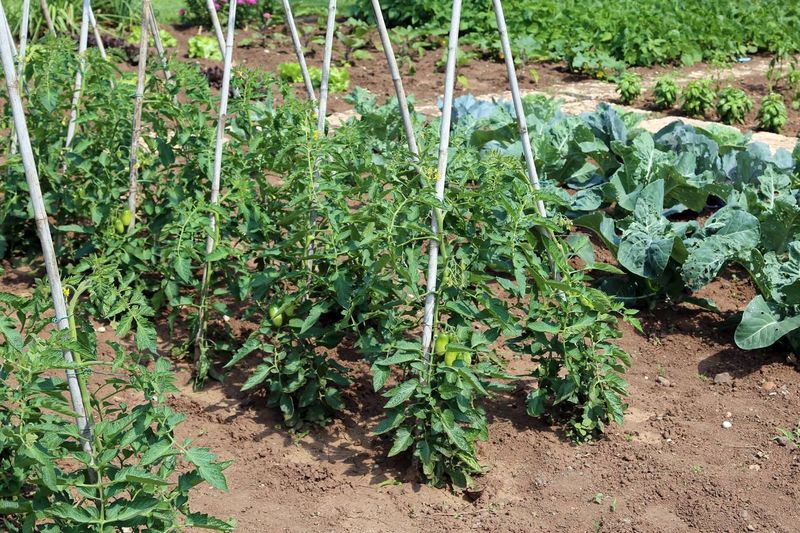
Planting tomatoes on slopes is tricky due to erosion and water runoff. As rainwater flows down, it washes away topsoil and essential nutrients. This leaves tomatoes struggling for stability and nourishment. Moreover, slopes can cause uneven water distribution, where some parts stay dry, and others get overly saturated. Choose flat or gently sloped areas for your tomato patch to maintain consistent soil quality and moisture levels. If you must use a slope, terracing can help manage water flow and provide a better growing environment for your tomatoes.
6. In Frost-prone Areas
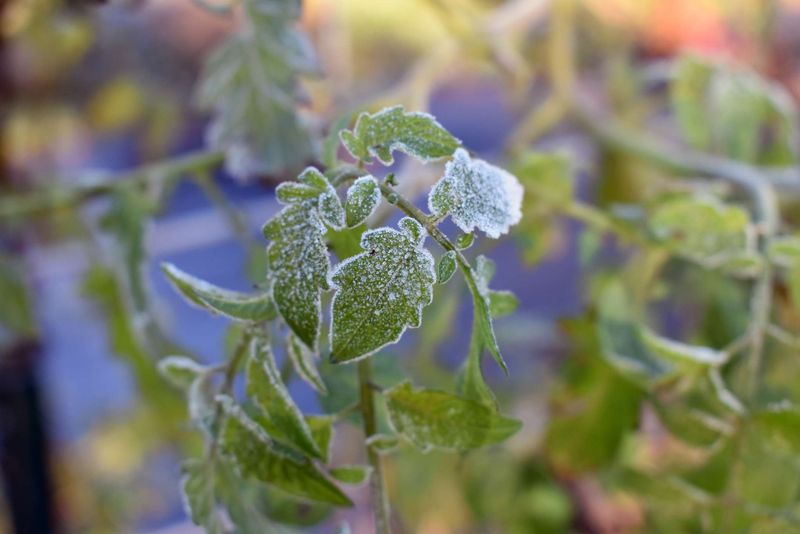
Frost is a tomato plant’s nemesis. Cold temperatures can severely damage or kill tomato plants. Planting in frost-prone areas exposes them to temperature extremes, causing wilting and blackened leaves. Tomatoes need warmth to flourish, so it’s important to wait until the threat of frost has passed before planting. If you’re in a region with late frosts, consider using protective covers or waiting for safer planting conditions. By prioritizing warmth, you ensure your tomatoes can grow well, avoiding the chilling setbacks that hinder their development.
7. Too Close to Peppers
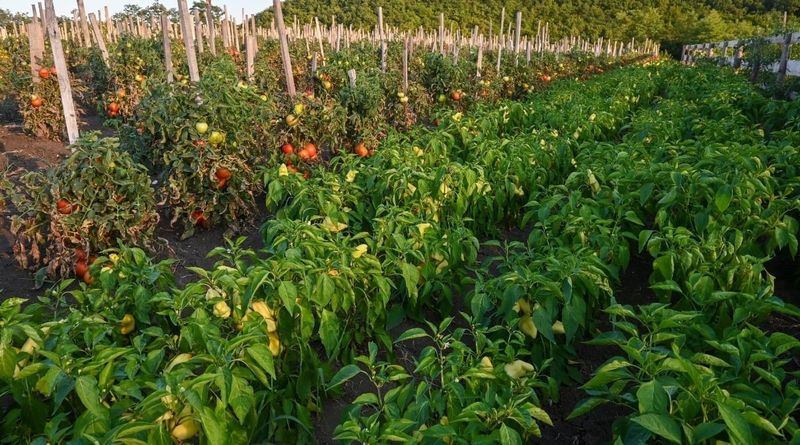
While tomatoes and peppers share similar growing requirements, planting them too close can lead to issues. Both compete for nutrients and space, and close proximity can increase susceptibility to shared pests and diseases. This can stunt growth and reduce yields for both plants. To ensure a healthy environment, provide ample space between these crops, allowing air circulation and reducing competition. By keeping a safe distance, both your tomatoes and peppers have a better chance to thrive independently, resulting in a more productive garden overall.
8. Near Air Pollutants

Air pollutants from cars or industrial areas can negatively affect tomato plants. The toxins can settle on leaves, disrupting photosynthesis and overall plant health. Prolonged exposure can lead to reduced growth and lower fruit quality. If your garden is near a busy road or industry, consider planting a hedge or barrier to minimize exposure. Choose a site further from pollution sources to protect your tomatoes from harmful environmental factors. With cleaner air, your plants can blossom, offering lush growth and flavorful fruit without the burden of pollutants.
9. In Shady Corners
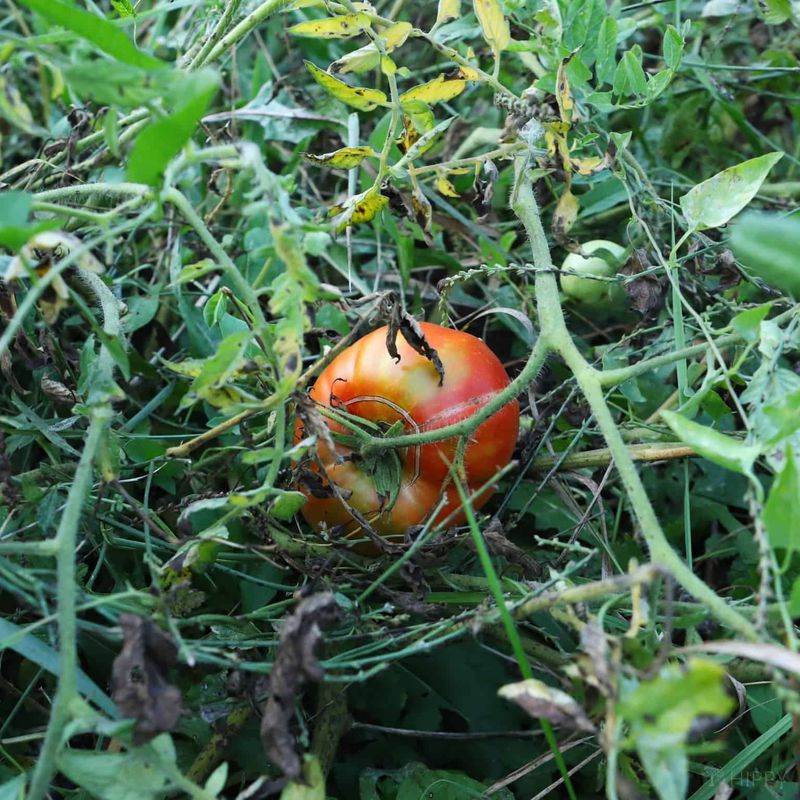
Tomatoes crave sunlight, and planting them in shady corners deprives them of vital energy. Without adequate light, they become spindly and produce fewer fruits. Shady spots also retain more moisture, which can lead to fungal diseases. To prevent these issues, select a location that receives full sun for most of the day. If your garden has limited sun exposure, consider repositioning other plants to create an optimal sunlit area for your tomatoes. With ample sunlight, your tomato plants will reward you with abundant and vibrant harvests.
10. In Crowded Beds
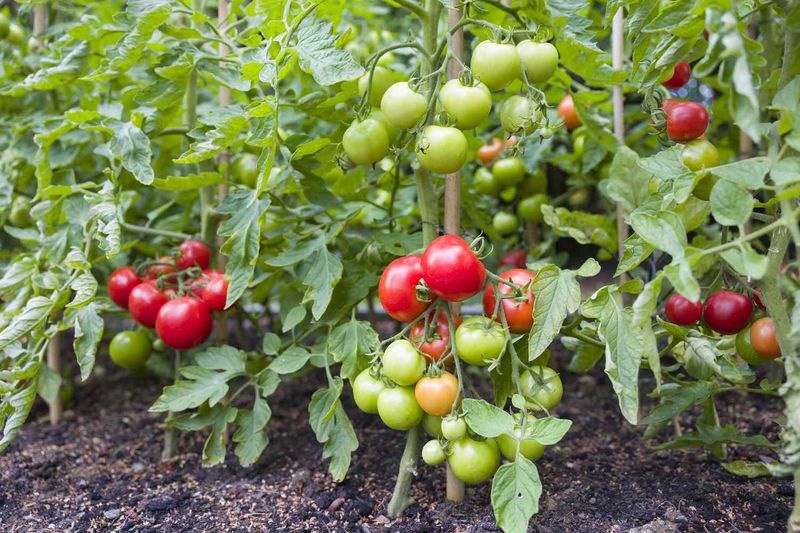
Crowded planting beds lead to competition for resources among tomato plants. Lack of space restricts airflow, increasing the risk of diseases like blight. It also limits access to light and nutrients, resulting in smaller, fewer tomatoes. To avoid these problems, provide sufficient spacing between your tomato plants. This allows each plant to spread out comfortably, absorbing sunlight and nutrients effectively. By giving them room to breathe, you encourage healthier growth and a more bountiful harvest. Proper spacing ensures your garden thrives with vibrant, well-nourished tomato plants.