 Complete Gardening
Cucumbers are a versatile and popular addition to any vegetable garden, thriving alongside certain plant companions while struggling with others. Proper companion planting can significantly improve cucumber growth, yield, and health. However, the presence of incompatible plants can dramatically reduce their success. Understanding the nature of these relationships is crucial for gardeners hoping to optimize their harvests. In this guide, we explore 11 plants that can enhance your cucumber patch and 6 that might hinder it, providing insights into the secret powers of plant companionship and the potential threats to your cucumber crop.
1. Nasturtiums
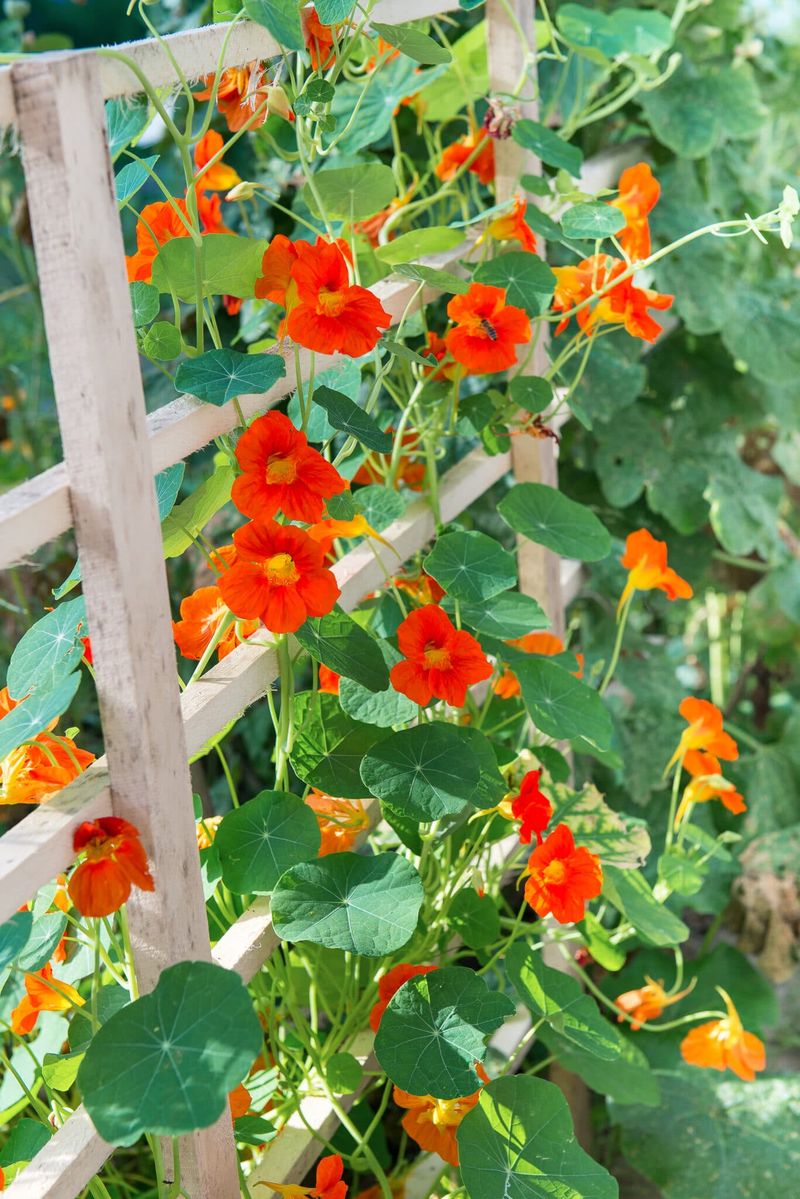
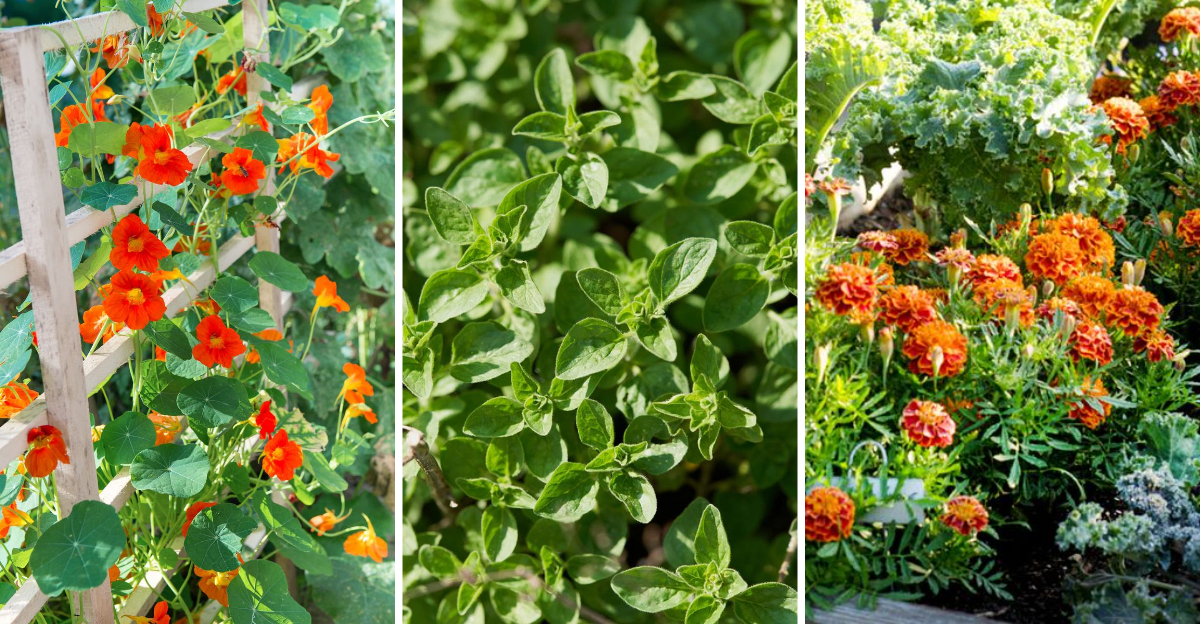
Some flowers not only add beauty but also benefit their neighbors. Nasturtiums are a vibrant asset to cucumbers, repelling pests such as aphids and squash bugs. Their bright blooms attract beneficial insects that prey on harmful ones, creating a natural defense system. Besides reducing pest pressures, nasturtiums can improve soil health by enhancing nitrogen levels. Their trailing nature makes them a visually stunning ground cover. A fun fact: Nasturtium leaves and flowers are edible, adding a peppery kick to salads. Their secret power lies in their ability to shield cucumbers from threats, making them indispensable companions.
2. Marigolds
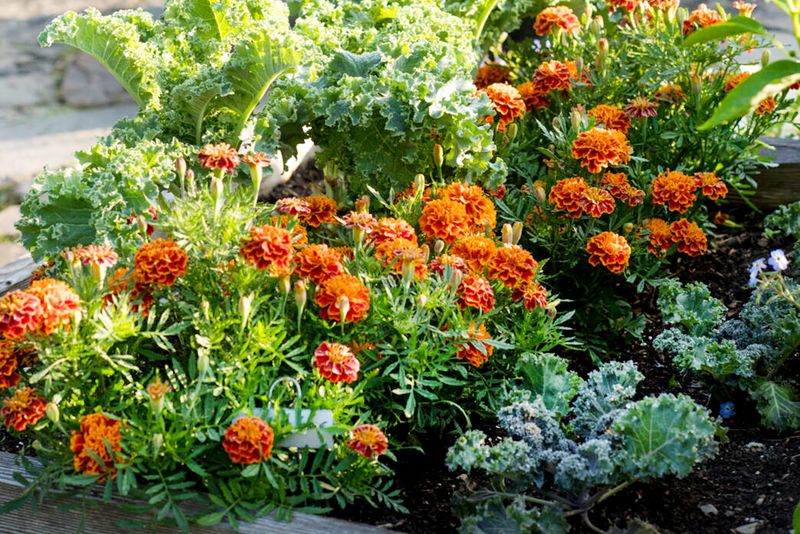
Marigolds, with their sunny disposition, do more than just brighten the garden. These cheerful flowers are effective at repelling nematodes and other soil-borne pests detrimental to cucumbers. Their unique scent confuses and deters harmful insects, acting as a natural pest shield. Beyond pest control, marigolds can enhance overall plant health by attracting pollinators. They play a key role in maintaining garden biodiversity. Did you know? In some cultures, marigolds symbolize the sun and are used in festive decorations. Their protective nature makes marigolds a vital ally in the cucumber patch.
3. Radishes
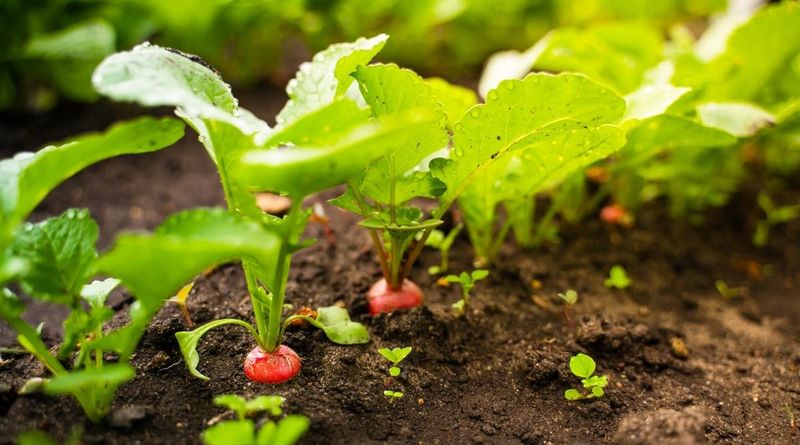
Radishes are speedy growers, often harvested before cucumbers reach maturity. This timely growth makes them excellent companions, as they help break up soil, improving aeration and facilitating healthy root development for cucumbers. Furthermore, radishes can deter pests like cucumber beetles. Their fast lifecycle also serves as a living mulch, preserving soil moisture. Interestingly, radish flowers attract beneficial insects that help control aphid populations. By co-planting radishes with cucumbers, gardeners can enjoy a symbiotic relationship that boosts productivity and reduces pest issues, showcasing the radish’s power as a guardian of cucumbers.
4. Beans
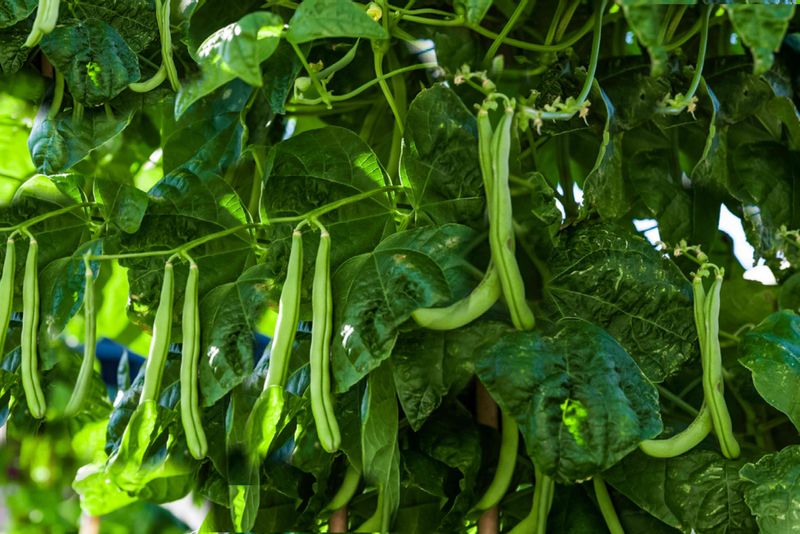
Beans bring more than just nitrogen to the table when co-planted with cucumbers. These legumes enrich the soil with nitrogen, promoting vigorous cucumber growth. But there’s more; beans’ dense foliage provides shade, reducing soil temperature and conserving moisture for cucumbers. This mutual benefit creates a nurturing environment for both plants. Additionally, beans can attract beneficial insects like ladybugs that prey on cucumber pests. The historical significance of beans in agriculture as a staple crop further emphasizes their value. Together, beans and cucumbers form a classic partnership that enhances garden vitality and yields.
5. Sunflowers
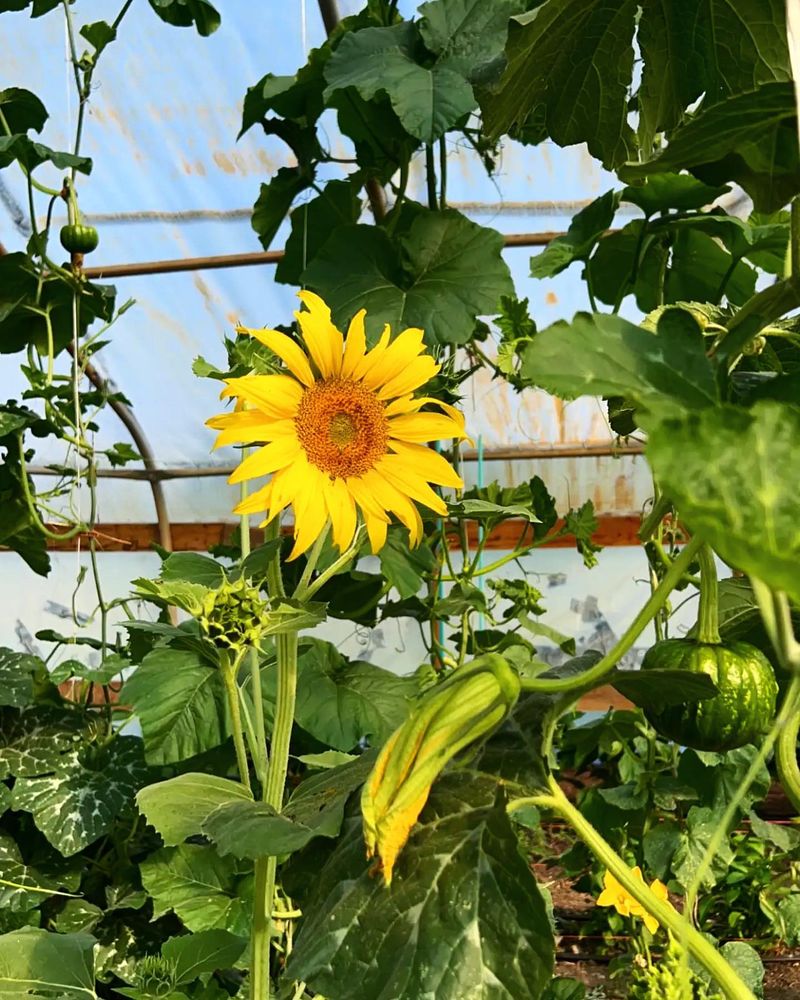
Sunflowers are nature’s sentinels in the cucumber garden. Standing tall with their golden heads, they offer structural support as natural trellises for climbing cucumber vines. Moreover, sunflowers attract bees and other pollinators, enhancing fruit set and yield. Their towering presence provides partial shade, regulating soil temperature and preventing moisture loss. It’s fascinating how sunflowers can also draw aphids away from cucumbers, acting as a trap crop. Did you know? Sunflowers have been cultivated for thousands of years, revered by Native American cultures. Their multifaceted support makes them invaluable companions.
6. Dill
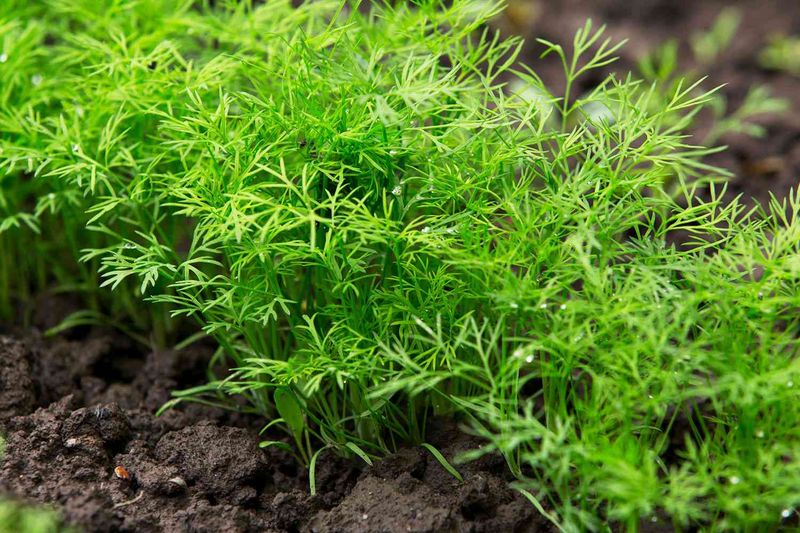
Dill’s feathery foliage isn’t just for culinary delights; it’s a boon in the cucumber garden. Known for attracting beneficial insects like ladybugs and wasps, dill helps control aphid populations that threaten cucumbers. Its aromatic nature can repel certain pests, providing a natural defense. Moreover, dill enhances the garden’s biodiversity, promoting a balanced ecosystem. Apart from its protective qualities, dill’s flowers attract pollinators, boosting cucumber yields. A quirky fact: Dill was once believed to ward off witches in medieval times. Its protective aura and pollinator appeal make dill a charming cucumber ally.
7. Corn
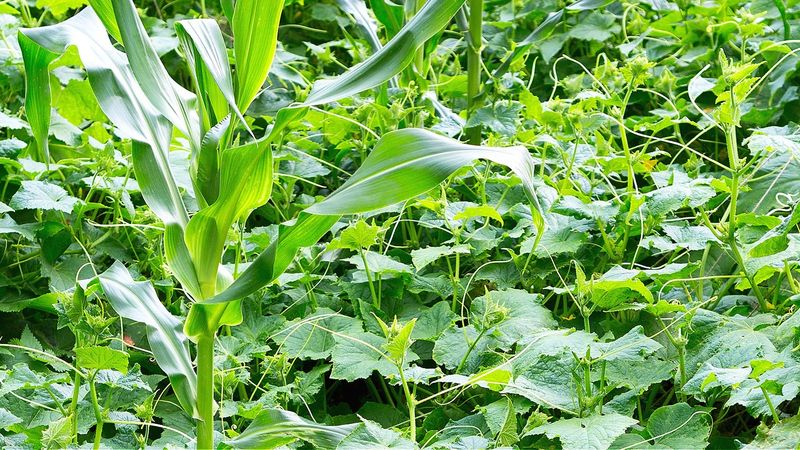
Corn and cucumbers share a symbiotic relationship that’s rooted in traditional agriculture. Corn’s towering stalks offer shade and support, creating a microclimate that conserves moisture and regulates temperature for cucumbers. This partnership is reminiscent of the “Three Sisters” planting technique used by Native Americans. Corn also attracts beneficial insects that deter cucumber pests. Additionally, cucumbers can benefit from the nitrogen fixed by beans if all three sisters are planted together. Did you know? Corn is one of the most ancient crops grown by humans, dating back over 9,000 years. This timeless partnership thrives by blending history with horticulture.
8. Peas
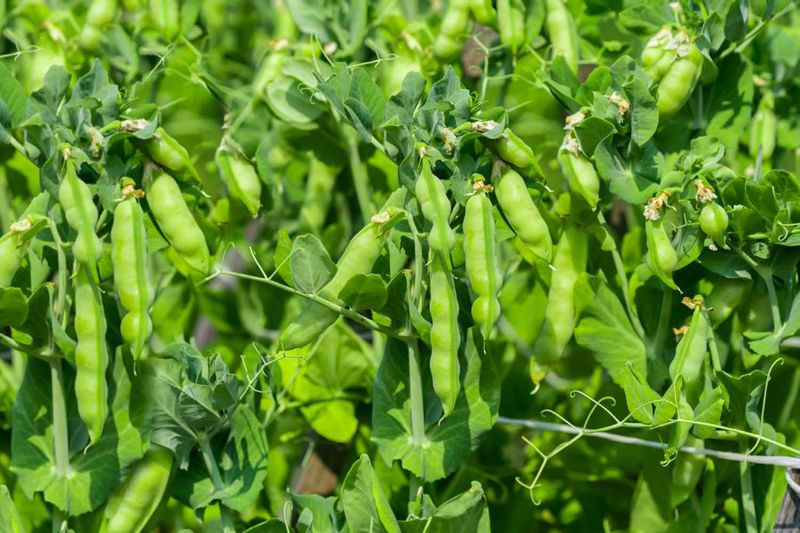
Peas may seem humble, but they offer mighty benefits to cucumbers. As legumes, peas enrich the soil by fixing nitrogen, nurturing cucumbers with essential nutrients. Their lush foliage provides valuable ground cover, preserving soil moisture and suppressing weeds. Peas also attract ladybugs and other beneficial insects that prey on cucumber pests, enhancing the garden’s ecosystem. Interestingly, peas are one of the oldest cultivated crops, with a rich history in human agriculture. This storied past adds to their charm as companions. Together, peas and cucumbers create a harmonious garden environment that fosters growth and resilience.
9. Oregano
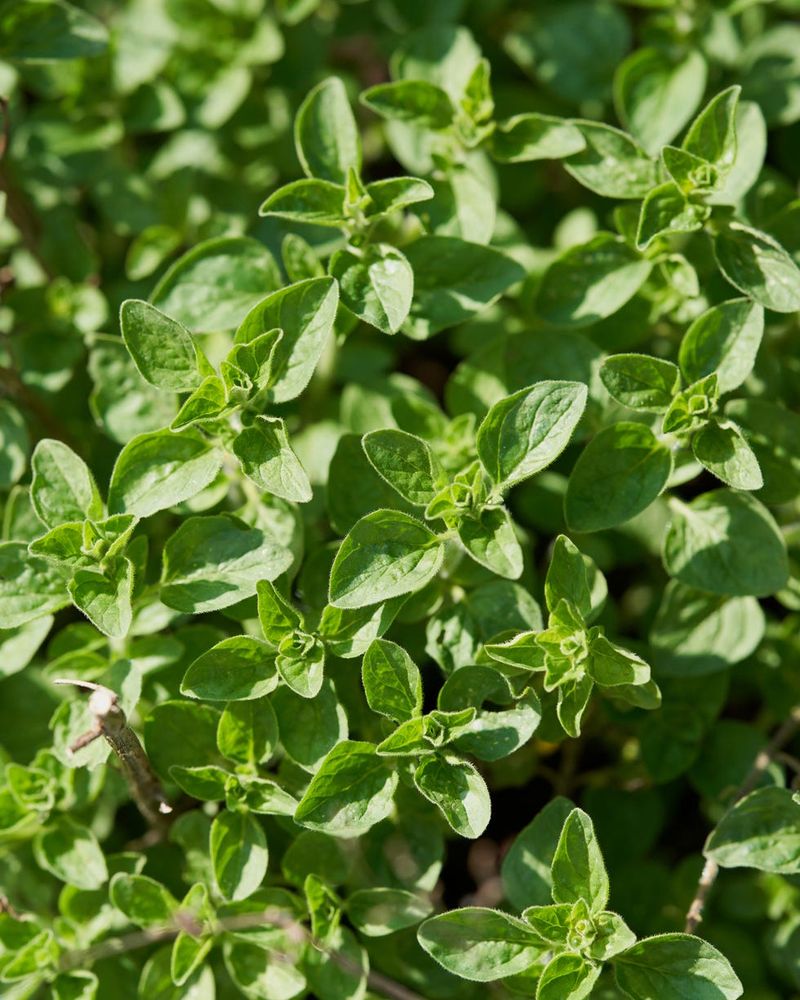
Oregano, more than just a culinary herb, offers protective qualities in the cucumber garden. Its aromatic leaves can repel pests like aphids and beetles, acting as a natural deterrent. Oregano also attracts pollinators with its small flowers, enhancing cucumber fruit set. The dense foliage provides ground cover, preserving soil moisture and preventing weed growth. A fun tidbit: Oregano has been used in traditional medicine for centuries due to its antimicrobial properties. This dual role as a protector and pollinator attractor makes oregano an intriguing companion for cucumbers, enriching both soil and harvest.
10. Basil
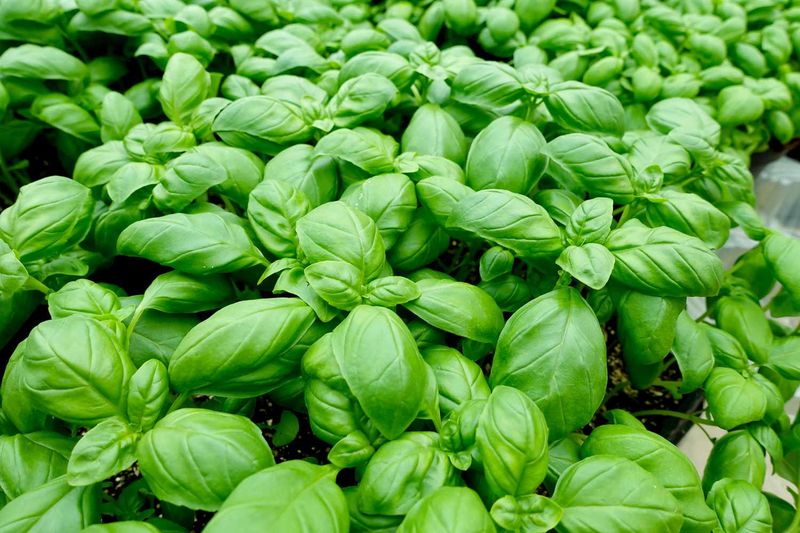
Basil is more than a kitchen staple; it’s a garden guardian. Known for its aromatic leaves, basil can repel pests like whiteflies and aphids, shielding cucumbers from harm. Its flowers attract pollinators, boosting cucumber yields. Moreover, basil enhances the flavor of nearby plants, adding a sweet note to the garden. Did you know? In folklore, basil was believed to bring good luck. This blend of protection, productivity, and cultural charm makes basil a favored companion for cucumbers. Its presence in the garden weaves a tapestry of aroma and vitality, enriching the entire vegetable patch.
11. Lavender
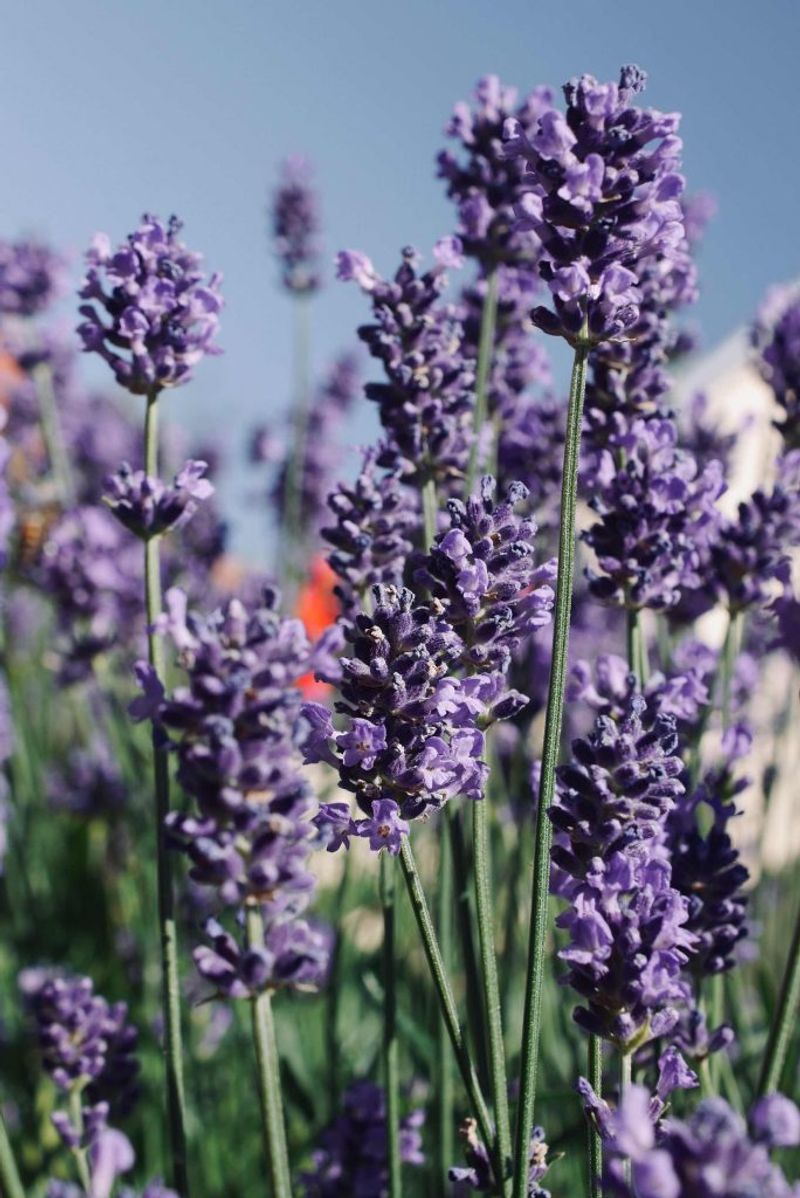
Lavender, with its soothing fragrance, isn’t just for aromatherapy; it benefits cucumbers in multiple ways. The plant’s aromatic oils repel pests like ticks and moths, creating a protective barrier. Lavender also attracts pollinators, supporting cucumber yields. Its drought-resistant nature helps conserve soil moisture, providing a buffer in hot weather. A delightful fact: Lavender has been cherished for its calming properties since ancient times, often used in essential oils and sachets. This plant’s dual role as a deterrent and pollinator magnet makes it a serene and stalwart cucumber companion, enhancing garden harmony.
12. Potatoes
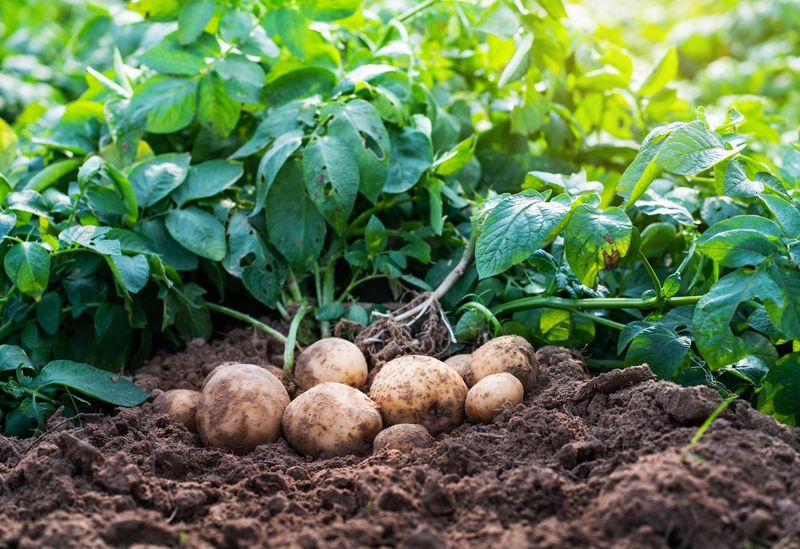
Potatoes may seem benign, but they can be detrimental to cucumbers. Both belong to the nightshade family, making them incompatible companions. Potatoes can attract pests such as the Colorado potato beetle, which may also harm cucumbers. Additionally, their similar nutrient needs can lead to competition for resources, stressing both plants. The close proximity of these crops can exacerbate disease spread, impacting yields. A historical tidbit: Potatoes have been a staple crop for centuries, originating in the Andes. However, their presence in the cucumber patch spells trouble, emphasizing the importance of strategic garden planning.
13. Sage
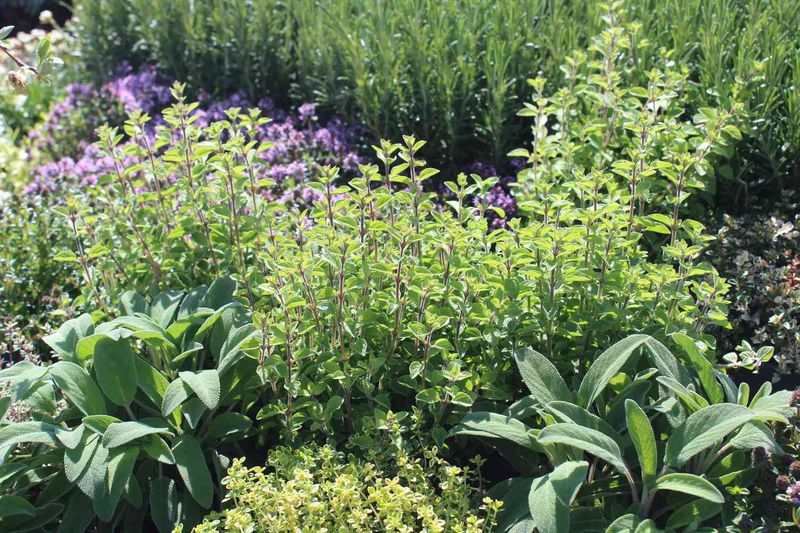
Sage, celebrated for its culinary uses, poses a threat to cucumbers. Its aromatic oils, while beneficial in deterring pests, can inhibit cucumber growth. The allelopathic properties of sage release compounds into the soil, hindering the development of neighboring plants. This chemical interaction can stifle cucumber seedlings, preventing successful establishment. Despite its negative impact on cucumbers, sage remains valuable in the garden when paired with other crops. A curious fact: Sage has historical significance as a symbol of wisdom and longevity. However, its presence near cucumbers calls for careful consideration to avoid stunting growth.
14. Fennel
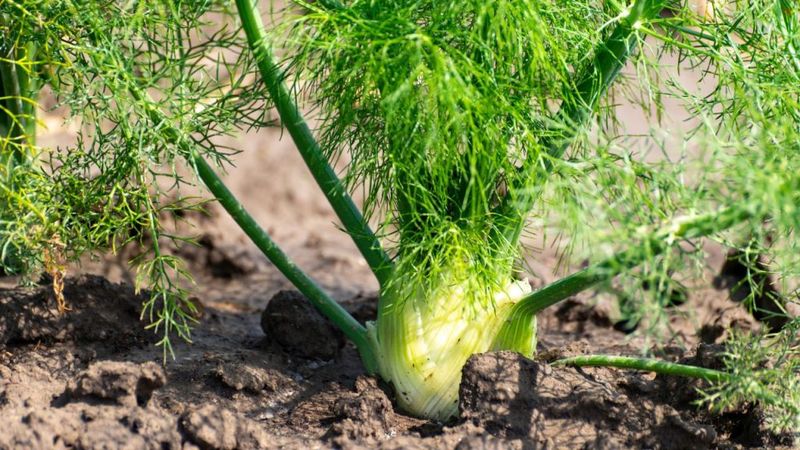
Fennel, though striking with its feathery foliage, is a poor neighbor for cucumbers. It releases allelopathic chemicals that can severely inhibit cucumber growth. These compounds disrupt the hormonal balance in cucumbers, stunting their development and reducing yields. Additionally, fennel can attract pests that harm cucumbers, compounding the issue. A fascinating fact: Fennel has been used for centuries in both culinary and medicinal applications, prized for its unique flavor. Despite its culinary allure, fennel’s antagonistic nature in the garden makes it a challenging companion, necessitating careful placement to avoid detrimental effects.
15. Pumpkins
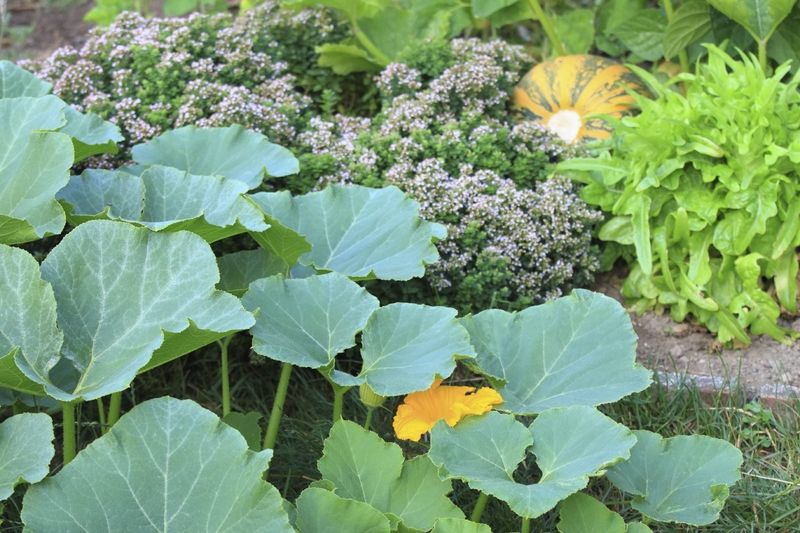
Pumpkins, with their sprawling vines, compete aggressively with cucumbers for space and nutrients. This competition can lead to stunted growth and reduced yields for both crops. The oversized leaves of pumpkins can overshadow cucumbers, depriving them of sunlight essential for photosynthesis. Moreover, pumpkins and cucumbers are susceptible to similar pests and diseases, which can spread rapidly when planted together. A fun fact: Pumpkins have been cultivated for over 7,500 years, originating in North America. Their historical significance contrasts with their competitive nature in the garden, highlighting the need for strategic crop placement to ensure a bountiful harvest.
16. Mint
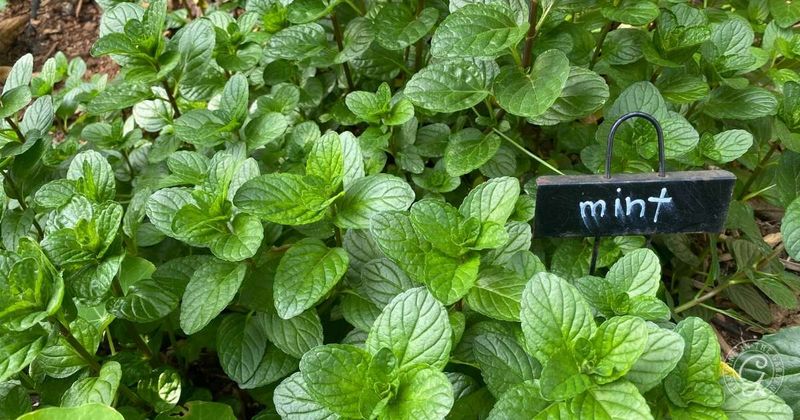
Mint, with its invigorating scent, is a notorious garden invader. Its aggressive root system can quickly spread, overtaking cucumber space and nutrients. This unchecked growth can lead to the smothering of cucumber plants, inhibiting their development. Moreover, mint’s aromatic oils can interfere with cucumber pollination, reducing fruit set. Despite its culinary appeal and refreshing aroma, mint requires careful management to prevent it from dominating the garden. A quirky fact: Mint has been used for centuries in herbal remedies and culinary dishes. However, its rampant nature near cucumber plants makes it a problematic companion, demanding strategic control.
17. Broccoli
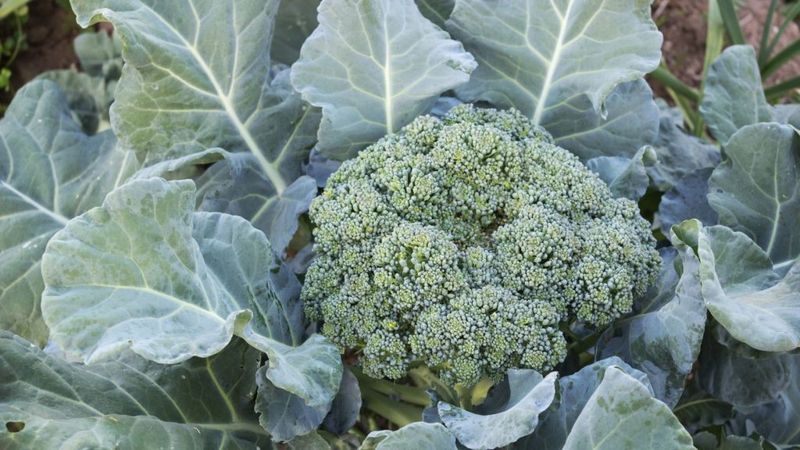
Broccoli, known for its nutrient-rich florets, can hinder cucumber growth when planted nearby. The heavy nutrient demands of broccoli can deplete soil resources, leaving cucumbers starved for essential nutrients. Additionally, broccoli’s dense foliage and root system can overshadow and crowd cucumbers, stifling their growth. A quirky fact: Broccoli was initially cultivated in Italy as far back as the Roman Empire. Despite its historical prominence and dietary value, broccoli competes with cucumbers for resources, necessitating mindful garden planning to ensure both vegetables can thrive without compromising each other’s potential.