 Complete Gardening
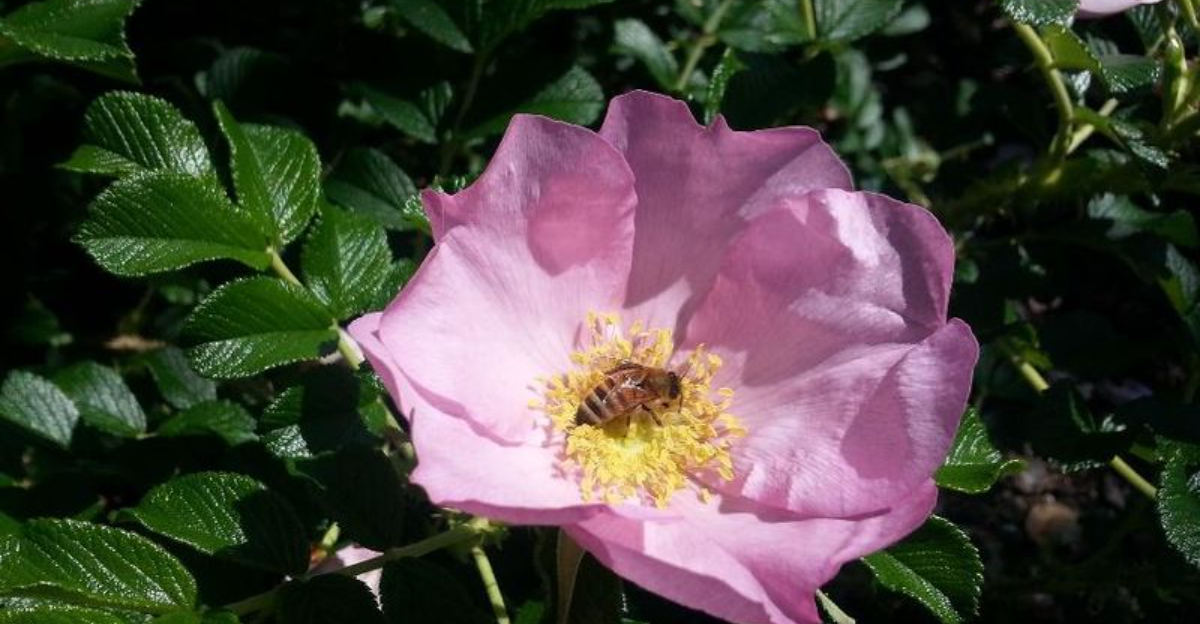
Explore the fascinating relationship between roses and bees. This comprehensive guide highlights 11 types of roses that bees love due to their nectar-rich and pollinator-friendly nature, and 7 types they usually avoid. Discover the factors that attract bees to certain roses and why some varieties might be less appealing.
1. Rugosa Roses (Rosa rugosa)
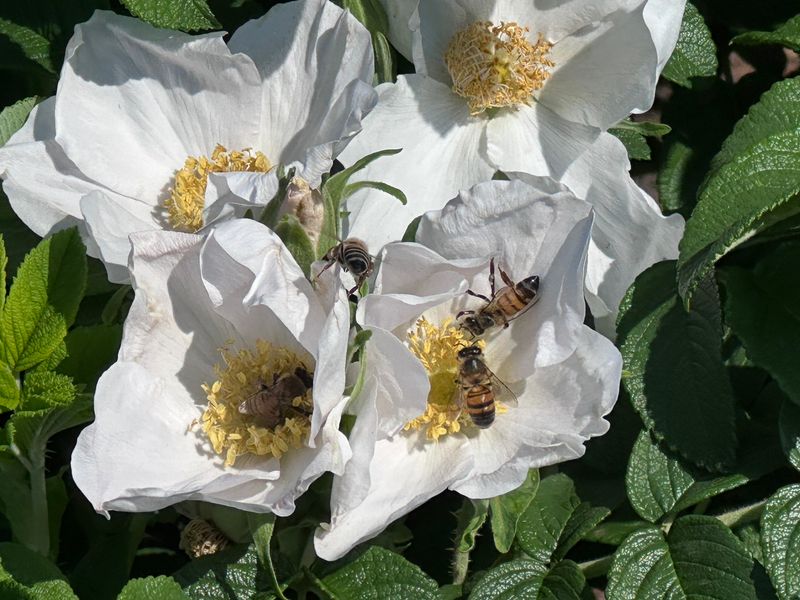
Rugosa Roses, known for their vibrant colors and thick petals, are a favorite among bees. Their large rose hips and fragrant blooms offer an abundance of pollen. Known for their hardiness, these roses thrive in various climates and require minimal care. Their resilience makes them a staple in many gardens, providing a reliable food source for pollinators. The intriguing texture of their petals adds a unique touch to any garden space. Despite their tough exterior, Rugosa Roses exude a delicate, sweet fragrance that beckons bees from miles around.
2. Wild Roses (Rosa canina, Rosa virginiana, etc.)

Wild Roses, including Rosa canina and Rosa virginiana, offer a raw and unrefined beauty that appeals to bees. The single-petaled, open blooms make it easy for bees to access nectar. These roses are not only visually striking but also ecologically significant, supporting diverse pollinator populations. Their simplicity and charm lie in their natural form, untouched by hybridization. This unadulterated allure creates a haven for bees, where they can feast on the abundant nectar. Wild Roses are a testament to the beauty of nature’s original design.
3. Gallica Roses (Rosa gallica)

Gallica Roses are a nod to history, offering old-fashioned charm and a scent reminiscent of ancient gardens. Their rich fragrance and abundance of pollen make them a bee magnet. Grown since antiquity, these roses carry the legacy of perfume production, adding a touch of elegance to any garden. Their deep, velvety colors and classic beauty captivate both humans and bees alike. The ability of Gallica Roses to thrive in various conditions makes them an enduring favorite among gardeners seeking to attract pollinators.
4. Damask Roses (Rosa damascena)

Damask Roses are synonymous with fragrance, often used in the production of perfumes and essential oils. Their intoxicating scent and plentiful pollen make them irresistible to bees. These roses have a rich history, dating back to ancient civilizations where they were treasured for their beauty and aroma. The soft, delicate petals of Damask Roses create a visual delight that complements their olfactory allure. Bees flock to these blooms, drawn by the promise of nectar and the allure of their sweet fragrance.
5. Moss Roses (Rosa × centifolia ‘muscosa’)

Moss Roses stand out with their distinctive fuzzy sepals, attracting both bees and human admirers. The texture of the sepals is unique, adding an element of intrigue to these roses. Their fragrant blooms are a beacon for bees, offering a rich source of nectar and pollen. Often found in cottage gardens, Moss Roses bring an old-world charm and a touch of whimsy. Their captivating scent and visual appeal make them a delightful addition to any garden, ensuring they remain a favorite among pollinators.
6. Scotch Briar Rose (Rosa spinosissima)
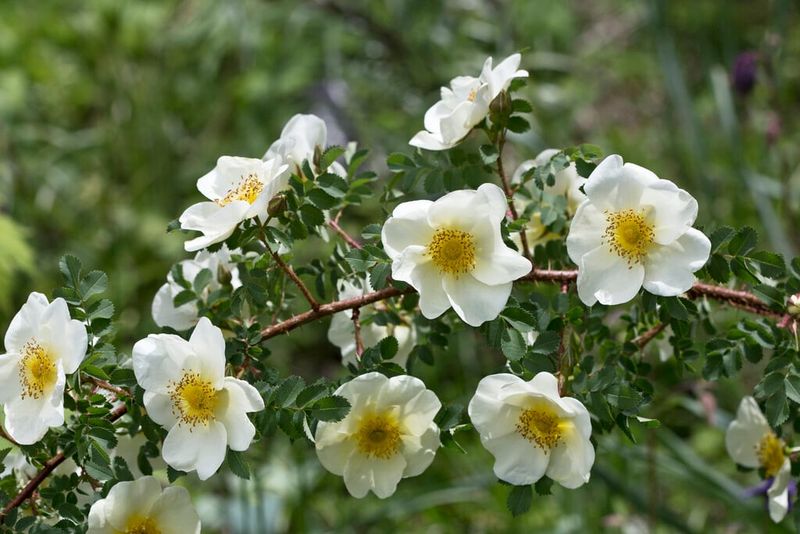
Scotch Briar Roses, with their small, white flowers, may seem unassuming at first glance. However, these blooms are packed with pollen, making them highly attractive to bees. The simplicity of their appearance belies the rich ecological role they play in supporting pollinators. These roses are hardy and adaptable, thriving in a variety of environments. Their delicate flowers offer a classic beauty that enhances any garden. As early bloomers, they provide a crucial food source for bees emerging from hibernation.
7. Austrian Copper Rose (Rosa foetida ‘Bicolor’)

The Austrian Copper Rose is a visual spectacle with its striking yellow-and-red blooms. This vibrant color combination is not only eye-catching for gardeners but also highly attractive to bees. The single blooms of these roses make nectar easily accessible, encouraging frequent visits from pollinators. Known for their resilience, Austrian Copper Roses add a burst of color to any garden setting. Their unique appearance and bee-friendly nature make them a standout choice for those looking to support local pollinator populations.
8. Sweetbriar Rose (Rosa rubiginosa)

Sweetbriar Roses are known for their enchanting, apple-scented foliage, drawing in both bees and human admirers. The fragrance of their leaves is complemented by the delicate beauty of their flowers. These roses are not only appealing to the senses but also highly beneficial to pollinators. Their simple, open blooms make them an accessible and reliable source of nectar for bees. Sweetbriar Roses add a touch of nostalgia and romance to any garden, creating a haven for pollinators and gardeners alike.
9. Hedgehog Rose (Rosa ‘Pimpinellifolia’)
Hedgehog Roses are early bloomers, offering a vital source of nectar for bees just emerging in spring. With their small, delicate flowers, they are a charming addition to any garden. The nectar-rich blooms of these roses ensure a steady stream of bee visitors. Their unique appearance, with spiky sepals, adds a touch of whimsy and intrigue. As one of the first roses to bloom, Hedgehog Roses play a crucial role in supporting early pollinator populations, making them a valuable asset in any bee-friendly garden.
10. Climbing & Rambling Roses (Single/Double Open Types)

Climbing and Rambling Roses, such as ‘Kiftsgate’ or ‘Francis E. Lester’, are known for their sprawling growth and abundant blooms. These roses create a spectacle in any garden, with their cascading flowers drawing in bees. The open-centered nature of their blooms makes them particularly appealing to pollinators. These roses can cover large areas, providing ample feeding grounds for bees. Their vigorous growth and beautiful display make them a favorite among gardeners looking to attract and support bee populations.
11. David Austin English Roses (Some Varieties)
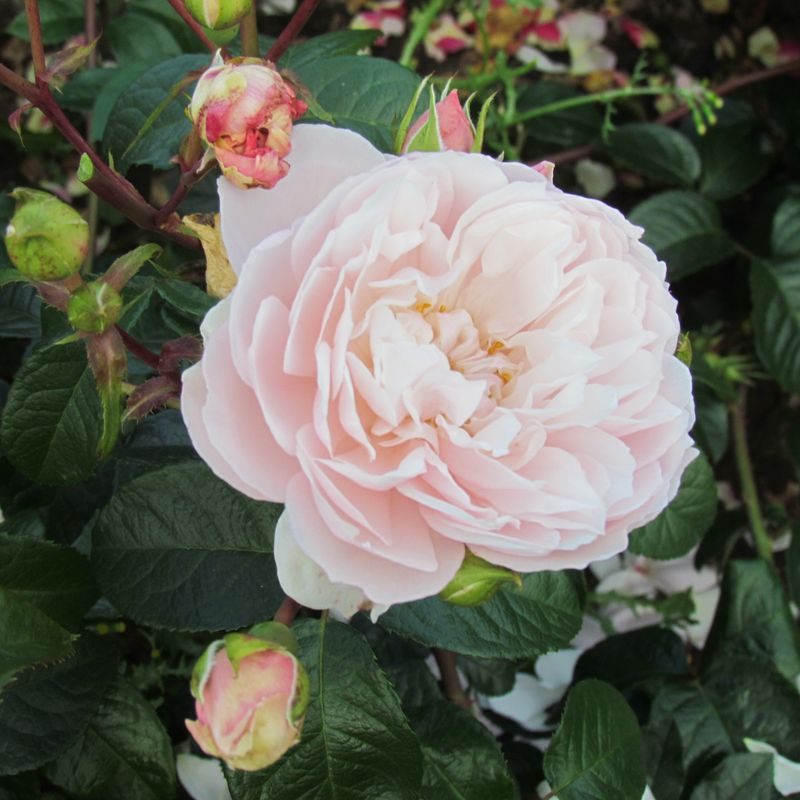
David Austin English Roses offer a modern take on classic beauty, with certain varieties perfect for attracting bees. Varieties such as ‘Gertrude Jekyll’ or ‘The Generous Gardener’ showcase open-centered blooms that provide easy access to nectar. These roses are renowned for their fragrance, adding an aromatic delight to gardens. Their combination of visual appeal and bee-friendly design makes them a popular choice for contemporary gardens aiming to support pollinator populations. The timeless elegance of these roses ensures they remain a garden staple.
1. Hybrid Tea Roses
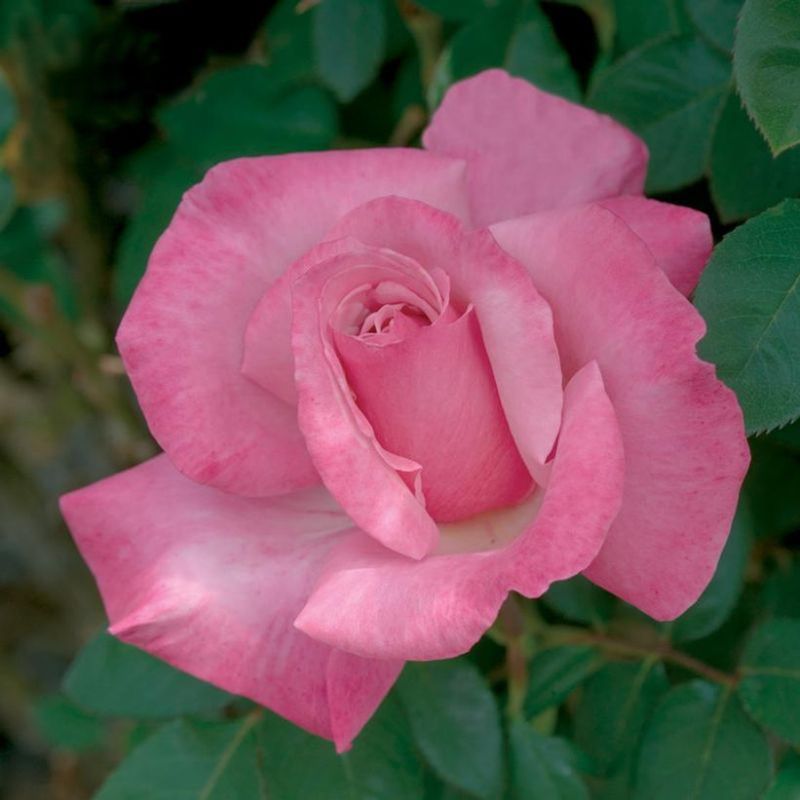
Hybrid Tea Roses, known for their elegant, multi-petaled blooms, often miss the mark for bees. The tightly packed petals block bees from accessing the nectar, making these roses less appealing to pollinators. While they are a staple in formal gardens for their aesthetic appeal, their lack of accessibility limits their ecological value. Hybrid Tea Roses are often bred for their looks rather than their ability to support wildlife. Despite their beauty, these roses are typically avoided by bees seeking easier sources of nourishment.
2. Floribundas (Most Cultivars)
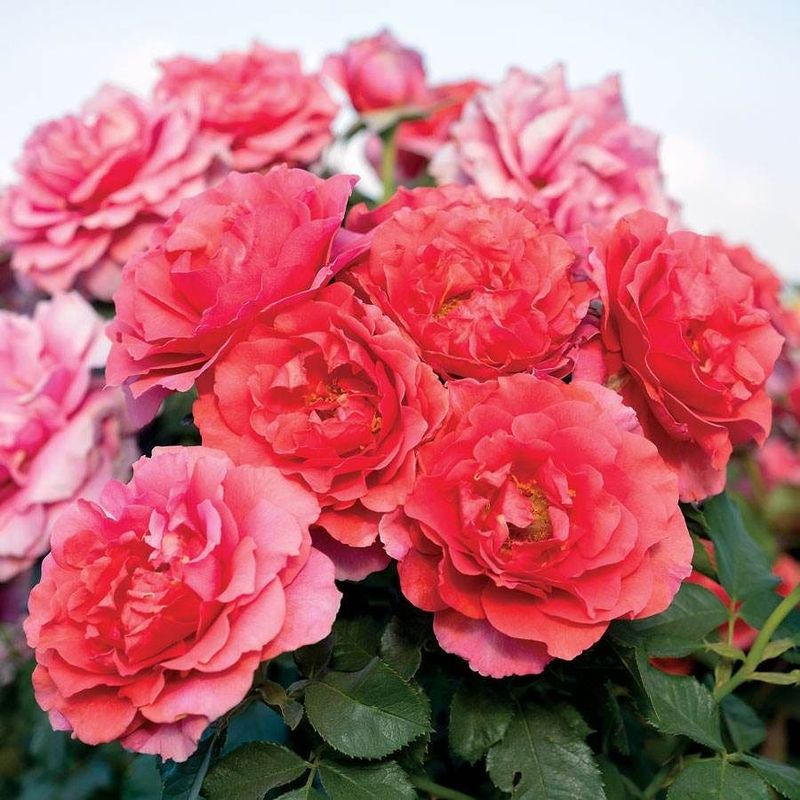
Floribunda Roses are celebrated for their large, clustered blooms, creating a visual feast in gardens. However, the breeding focus on aesthetic appeal often comes at the expense of bee accessibility. Many Floribunda cultivars lack the open structure and fragrance that attract bees, making them less favorable for pollinators. While they offer a vibrant display of color, their limited ecological benefits mean they are usually bypassed by bees. Gardeners prioritizing bee-friendly plants might find other rose varieties more suitable.
3. Double-Flowered Roses

Double-Flowered Roses allure with their lush, densely packed petals, creating a luxurious visual appeal. Unfortunately, this design poses a barrier to bees, preventing them from reaching the nectar. While these roses add elegance to any garden setting, their ecological value is often diminished. The focus on petal count over pollinator access restricts these flowers’ ability to support bee populations. For gardeners aiming to attract bees, simpler bloom structures are more beneficial. The opulence of Double-Flowered Roses is best enjoyed visually.
4. Blackspot-Resistant Hybrids (Some)
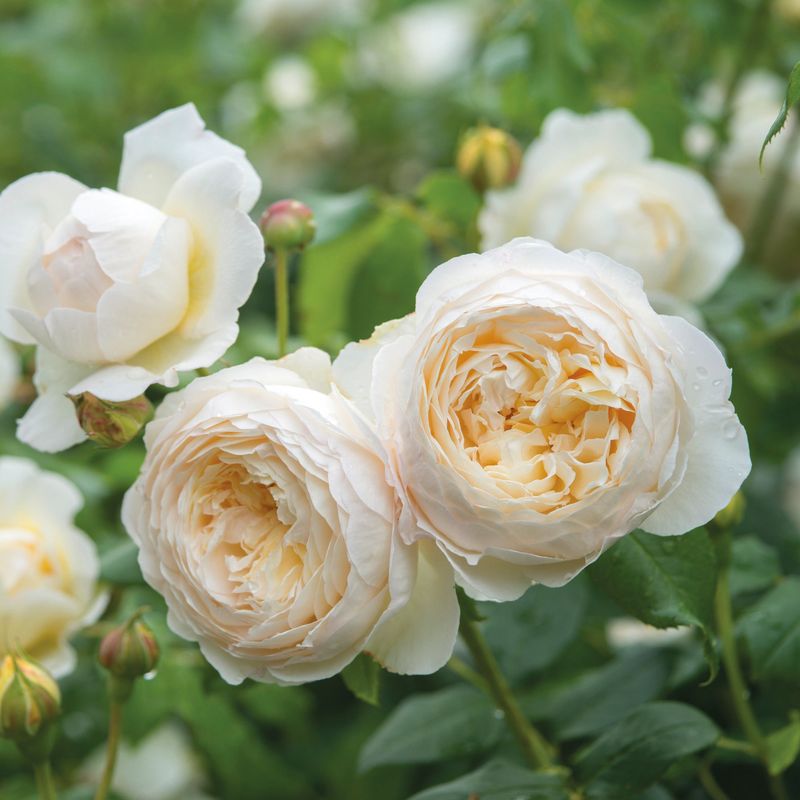
Blackspot-Resistant Roses are valued for their resilience against disease, featuring robust, healthy foliage. However, some hybrids in this category may lack the fragrance and nectar that attract bees. The breeding focus on disease resistance can sometimes reduce these roses’ ecological contribution. While they offer a low-maintenance option for gardeners, their limited appeal to pollinators means they are often overlooked by bees. Balancing disease resistance with pollinator-friendliness is key for those looking to support bee populations.
5. Blue or Unnaturally Colored Roses
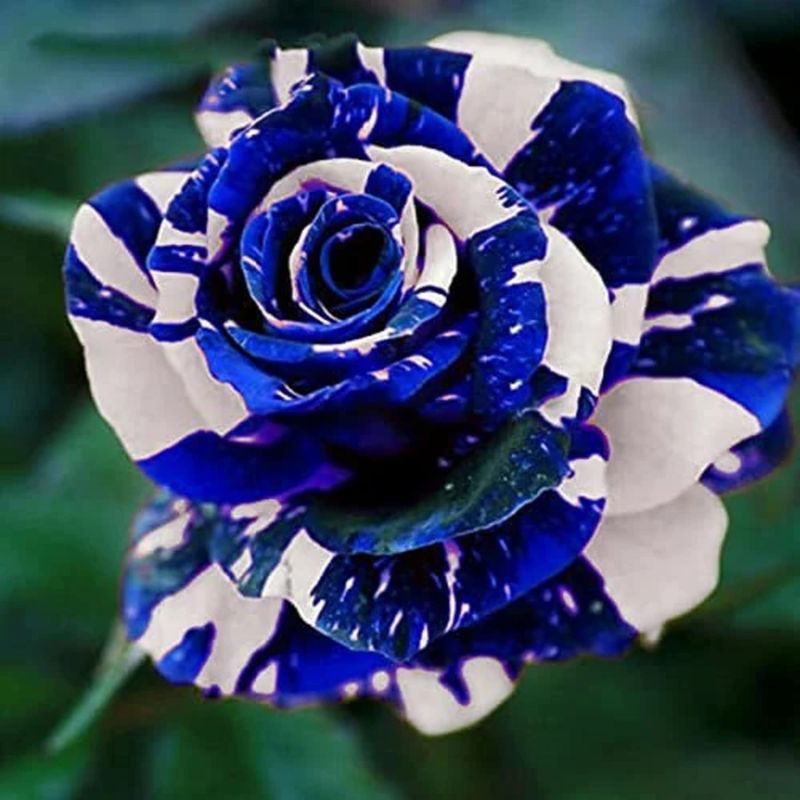
Blue or unnaturally colored roses captivate with their surreal hues, often achieved through genetic modification. While visually intriguing, these roses can be less attractive to bees. The unnatural colors and potential lack of fragrance mean they offer little in terms of ecological support. Although they make a striking statement in gardens, their appeal is primarily aesthetic rather than functional for pollinators. For those seeking to enhance bee activity, more naturally colored roses are preferable. The allure of these roses lies in their novelty.
6. Long-Stemmed Cut Roses
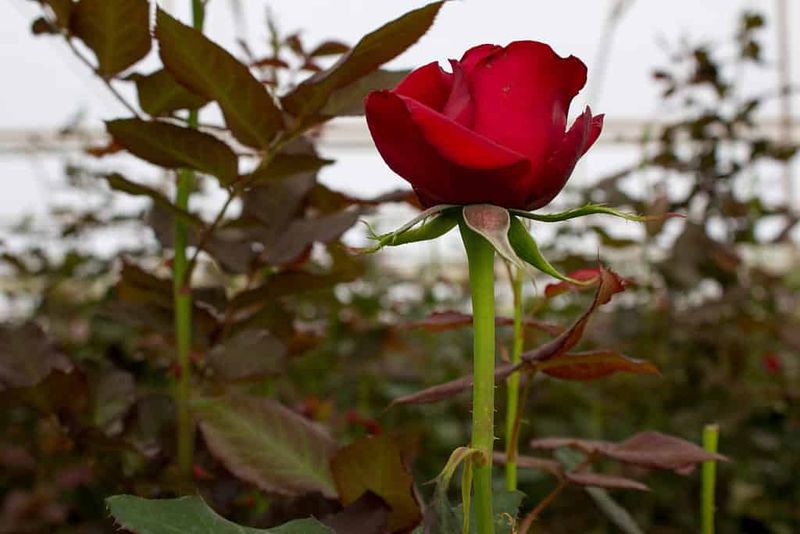
Long-Stemmed Cut Roses are prized for their elegance and longevity, often used in floral arrangements. However, their breeding for vase life over ecological benefits results in limited appeal for bees. These roses are typically sterile or low in nectar, making them less attractive to pollinators. While they are a favorite for decorative purposes, their contribution to supporting bee populations is minimal. Gardeners focused on creating bee-friendly environments may prefer other rose varieties with more accessible blooms.
7. Knock Out® Roses (Most Varieties)

Knock Out® Roses are celebrated for their low-maintenance nature and continuous blooms. However, most varieties are sterile, offering little to no pollen or nectar for bees. This makes them less desirable for gardeners aiming to support pollinator habitats. While they provide vibrant color and ease of care, their ecological value is limited. Knock Out® Roses are often chosen for their resilience and visual appeal rather than their ability to attract bees. For a bee-friendly garden, other rose types may be more beneficial.