 Complete Gardening
Tomatoes are a staple in gardens around the world, cherished for their vibrant flavor and versatility in cooking. However, their success largely depends on where they’re planted. Some environments spell doom for these sun-loving fruits, while others offer the perfect conditions. Here’s a detailed guide to help you navigate the best and worst spots for planting tomatoes, ensuring a bountiful harvest.
1. Dense Forest Areas

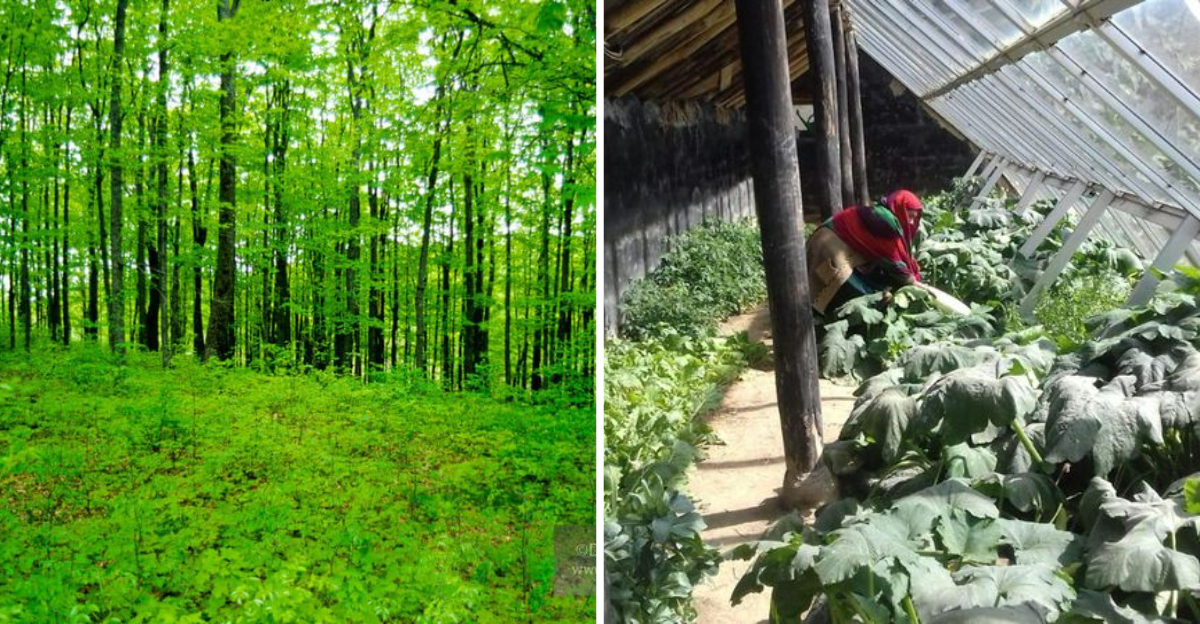
In the heart of a dense forest, where sunlight struggles to penetrate the thick canopy, tomatoes are doomed. These plants crave the sun, needing at least six hours of direct light daily to thrive. In such shaded environments, they become leggy and produce few fruits.
Moreover, the forest floor is often home to pests and diseases that relish the shade. These conditions are far from ideal for tomatoes, making dense forests one of the worst planting spots.
For a healthy crop, consider relocating to a sunnier, more open area where your tomatoes can bask in the sun.
2. Soggy Marshlands
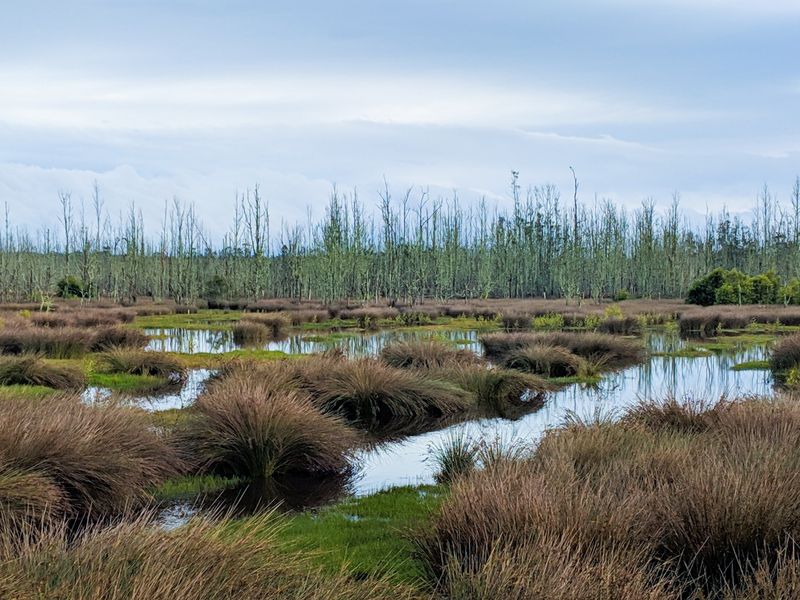
In marshlands, tomatoes face a watery grave. These areas are characterized by waterlogged soil, which is a nightmare for tomato roots. Constant moisture leads to rot and fungal diseases, stunting growth and spoiling the harvest.
Tomatoes prefer well-drained soil, where their roots can breathe. In marshy conditions, the excess water suffocates the roots, resulting in unhealthy, wilting plants.
To give your tomatoes a fighting chance, avoid marshlands and opt for raised beds or containers if drainage is a concern.
3. Windy Hilltops
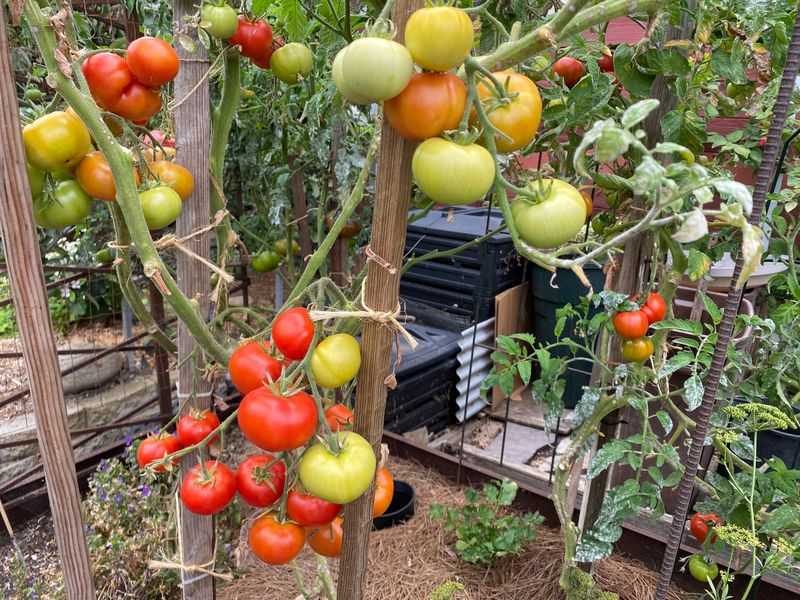
Perched atop windy hills, tomatoes struggle against nature’s force. Strong winds batter their tender stems, leading to breakage and stress. This exposure also increases the rate of water evaporation, leaving the plants parched.
Hills offer little protection against these elements, making them a challenging environment for tomatoes. The constant wind can also carry pests and diseases, compounding the problem.
To protect your plants, seek out sheltered spots lower down or use windbreaks to reduce exposure and keep your tomatoes safe from the elements.
4. Desert Landscapes
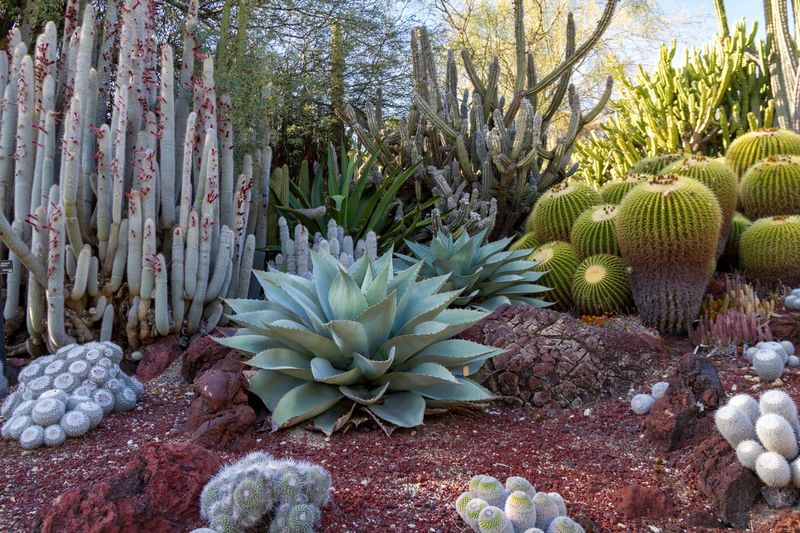
In desert regions, the relentless sun and arid soil pose significant challenges for tomato plants. While they love sunlight, the extreme temperatures can scorch their leaves, leading to sunburn and dehydration.
Desert soils often lack the nutrients and moisture needed for tomatoes to flourish. The unforgiving environment demands constant attention and water supplementation to keep plants alive.
To overcome these hurdles, consider using shade cloths and regular irrigation. However, for a more sustainable solution, choose areas with milder climates and richer soils.
5. Rocky Terrains
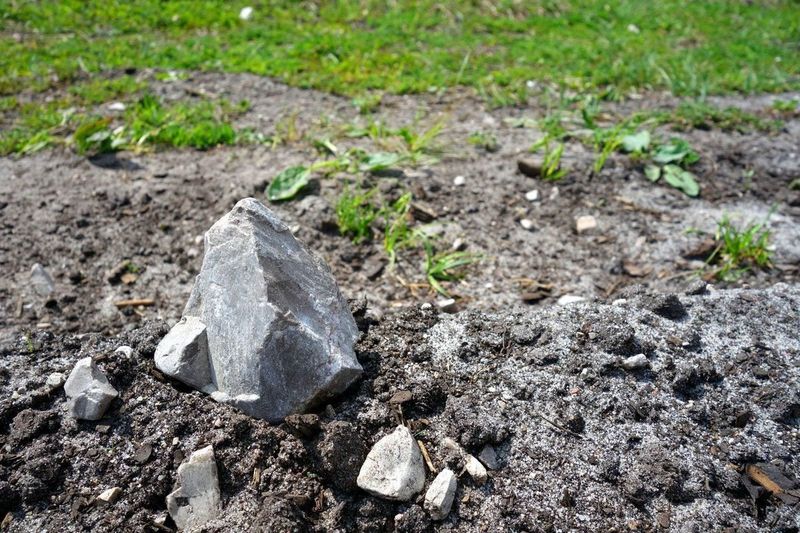
Tomatoes find rocky terrains inhospitable. The uneven surface makes planting and root expansion difficult. Stones absorb heat, potentially scorching the plants, while the lack of soil impedes nutrient uptake.
These conditions stifle growth and result in poor fruit development. Additionally, erosion can expose roots, further destabilizing the plants.
For successful cultivation, seek areas with ample soil depth and fewer obstacles. If rocky terrains are unavoidable, consider raised beds or containers to provide a stable growing medium for your tomatoes.
6. Shady Urban Alleyways

In the shadows of urban alleyways, tomatoes struggle due to limited sunlight. Tall buildings block essential rays, stunting growth and fruit production. These areas also trap pollution, which can harm the plants.
The cramped space often leads to poor air circulation, encouraging pests and diseases. Such environments fall short of providing the necessary conditions for healthy tomatoes.
Choose open, sunny areas for planting, with good airflow to ensure your tomatoes receive the sunlight and space they need to thrive.
7. Heavy Clay Soils
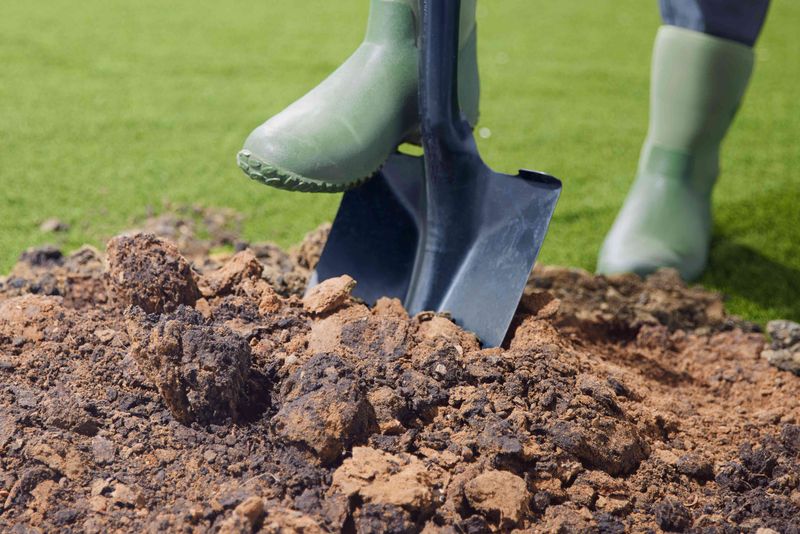
Heavy clay soils spell trouble for tomatoes, restricting root growth and drainage. The dense soil retains water, leading to root rot and poor air circulation.
As the soil hardens, it becomes difficult for roots to penetrate, stunting the plants. The lack of drainage compounds the problem, drowning the roots in excess water.
Amending clay soils with organic matter can improve conditions, but it’s often better to plant in raised beds or sandy loam where tomatoes can thrive.
8. Frost-Prone Valleys

In frost-prone valleys, tomatoes are at the mercy of chilling temperatures. These areas trap cold air, leading to frost that damages or kills plants. Tomatoes, being warm-season crops, are particularly sensitive to cold.
Frost can cause leaves to blacken and fruits to become mushy, ruining the harvest. Even a brief exposure can set back growth significantly.
To protect your tomatoes, consider using frost cloths or choosing locations with less risk of temperature drops, such as elevated positions with good air drainage.
9. High Altitude Regions
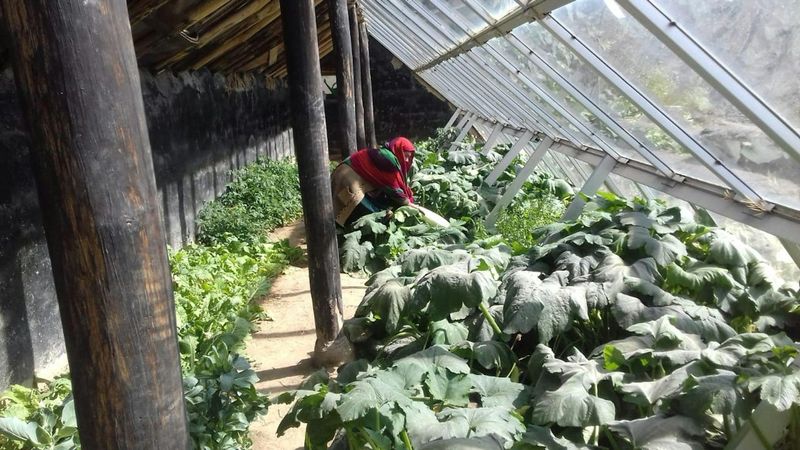
At high altitudes, tomatoes face a double-edged sword. The cooler temperatures slow growth, while increased UV radiation can harm developing fruits. These conditions challenge even the hardiest of plants.
The shorter growing season means there’s less time for tomatoes to mature, resulting in smaller yields. Additionally, the thin air can affect pollination, further reducing fruit set.
To counter these challenges, consider adjusting planting times or using greenhouses to extend the growing season and protect against harsh conditions.
10. Near Walnut Trees
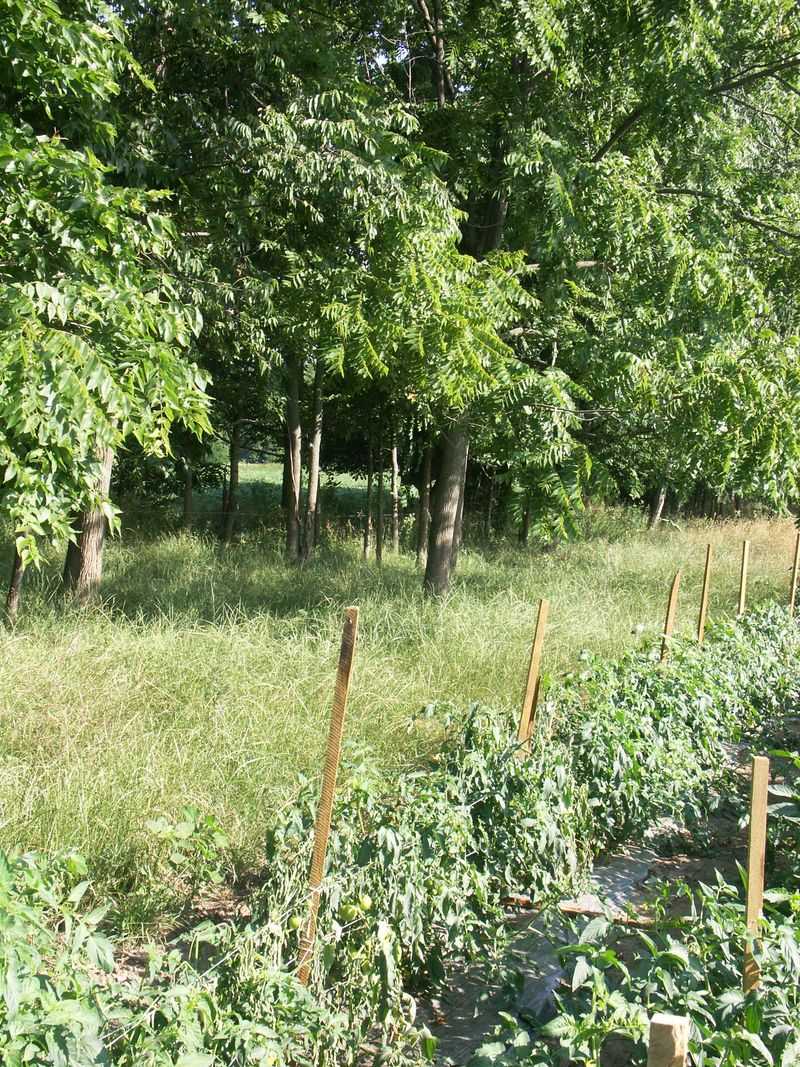
Walnut trees exude a substance called juglone, which is toxic to tomatoes. Planting near these trees can lead to stunted growth and wilting as the tomatoes absorb the harmful compound.
The shade from walnut trees further complicates matters by limiting sunlight exposure. This combination makes it a hostile environment for tomato cultivation.
To ensure your tomatoes thrive, plant them well away from walnut trees, in locations with ample sunlight and free from chemical inhibitors.
11. Salty Coastal Areas
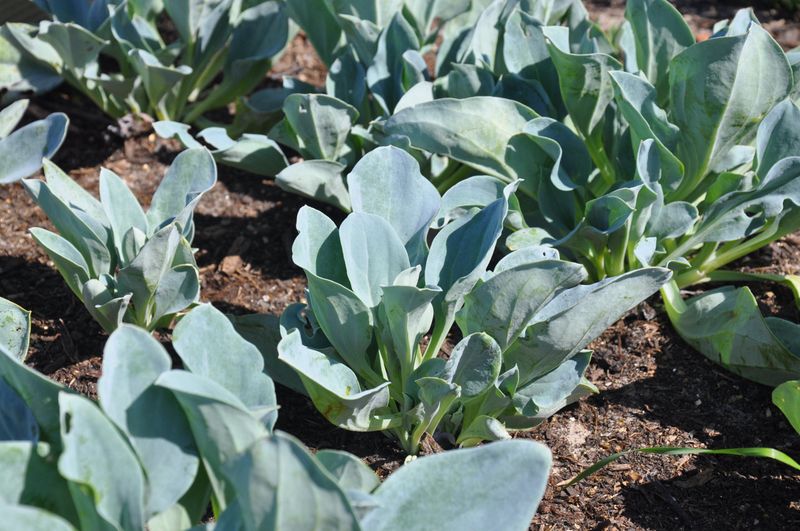
Along sandy shores, tomatoes battle against salty air and soil. The salt draws moisture from the plants, causing dehydration and nutrient imbalances.
Coastal winds exacerbate the issue by spreading salt spray, which can scorch leaves and stunt growth. These conditions make it challenging for tomatoes to establish themselves.
For success, consider using windbreaks and soil amendments to reduce salt impact, or relocate to inland areas where such stresses are minimized.
12. Sunny Garden Beds
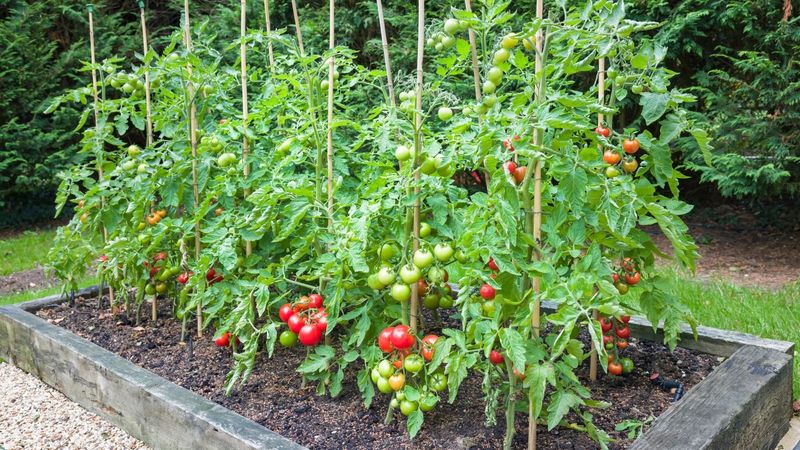
In sun-drenched garden beds, tomatoes revel in the warmth and light essential for their growth. These spots provide the perfect balance of sunlight, air circulation, and soil fertility.
The ample sun encourages robust foliage and bountiful fruit production. Good air flow reduces the risk of disease, ensuring your plants remain healthy.
Regular watering and nutrient-rich soil complete the ideal environment. Sunny garden beds are a tomato’s paradise, where they can effortlessly yield a delicious harvest.
13. Raised Garden Beds
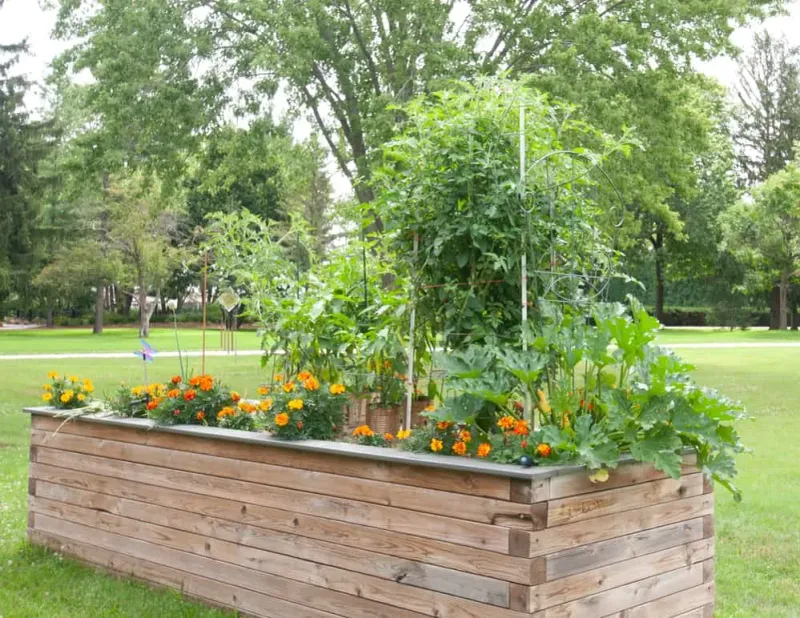
Raised garden beds offer a controlled environment where tomatoes thrive. The elevated position ensures excellent drainage, preventing root rot and waterlogging.
These beds allow for easy soil amendments, ensuring the perfect nutrient balance for tomatoes. The controlled space also makes it easier to manage pests and diseases.
With their many benefits, raised garden beds are an ideal choice for any tomato enthusiast looking to maximize yield and plant health.
14. Greenhouses
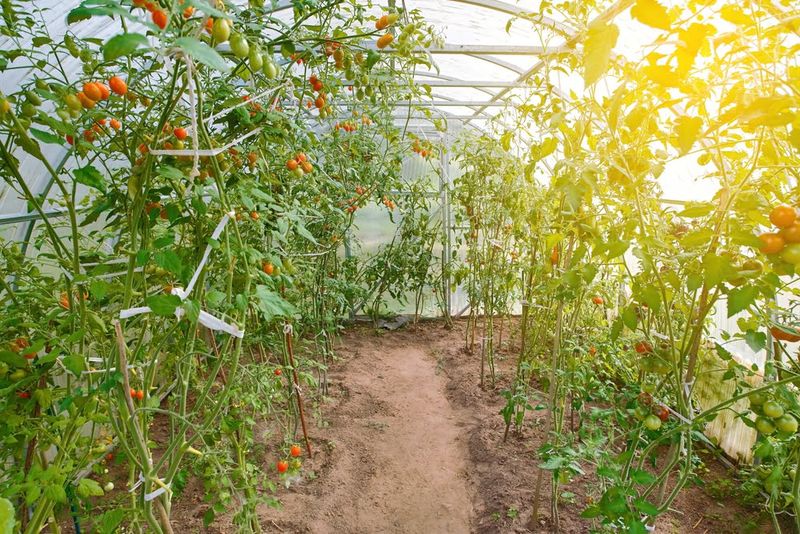
Greenhouses provide a sanctuary for tomato growth, offering protection from external elements. The controlled climate allows for year-round cultivation, shielding plants from frost and excessive heat.
The enclosed space enhances humidity and retains warmth, promoting faster growth and earlier fruiting. It also reduces pest access, maintaining plant health.
Greenhouses are a haven for tomatoes, ensuring a consistent and abundant harvest regardless of outside conditions.
15. Container Gardens
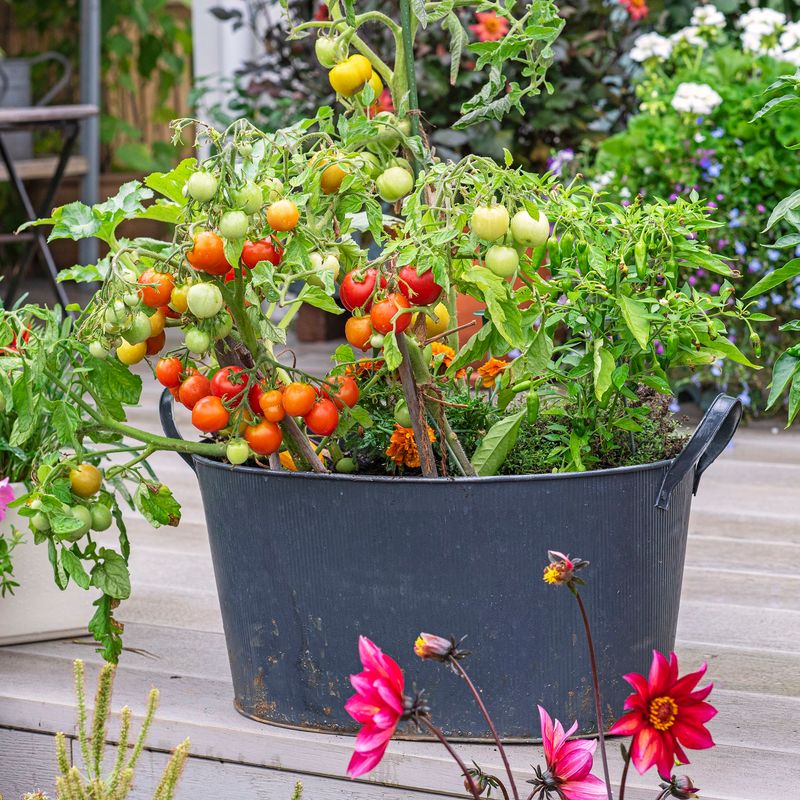
For those with limited space, container gardens offer a practical solution for growing tomatoes. Pots can be placed in sunniest spots, ensuring optimal light exposure.
Containers allow for precise control over soil quality, moisture levels, and drainage, preventing common garden issues. This flexibility makes it easy to adjust conditions as needed.
With the right care, container gardens produce lush, fruitful tomato plants, perfect for urban dwellers or those with restricted garden areas.
16. Community Gardens
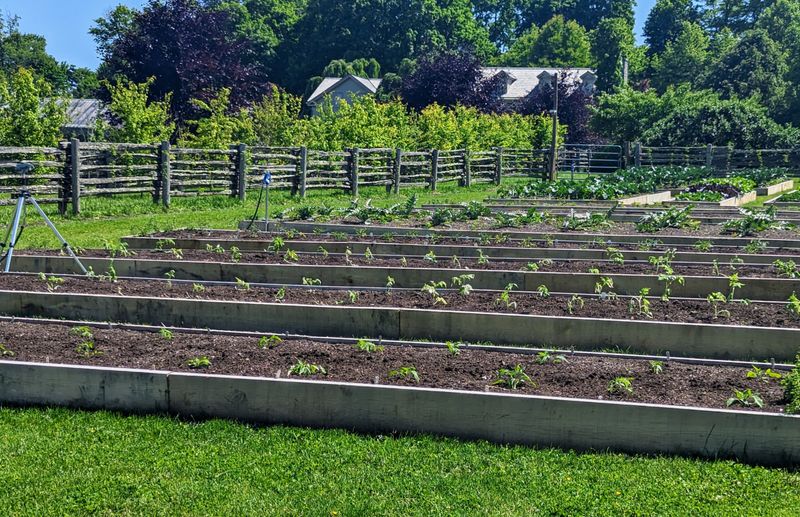
In community gardens, tomatoes flourish in well-tended plots with ample sunlight and rich soil. These shared spaces offer collaborative opportunities to learn and improve gardening techniques.
The sense of community fosters a supportive environment for both plants and gardeners. The shared knowledge and resources ensure tomatoes receive the best care possible.
Community gardens are ideal for growing tomatoes, combining social interaction with successful cultivation in a nurturing environment.
17. Balcony Spaces
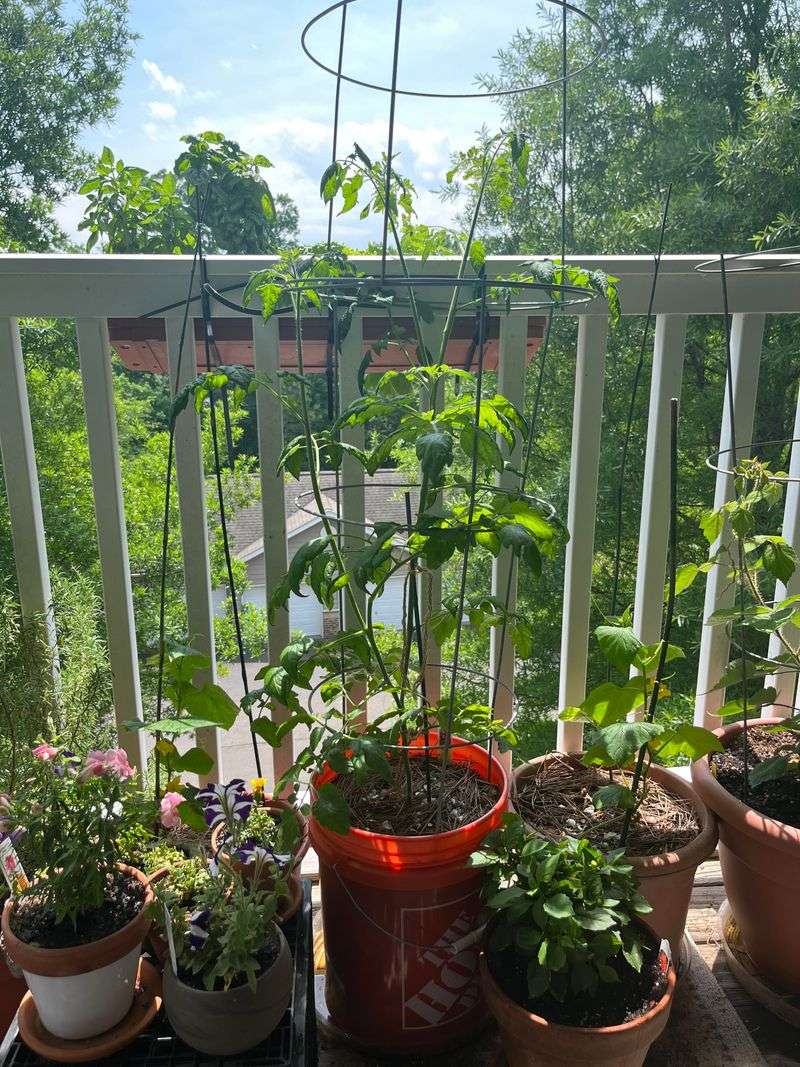
For city dwellers, balconies provide a surprising haven for tomatoes. With pots and planters, you can create a sun-soaked retreat that mimics garden conditions.
The elevation offers good air circulation, reducing disease risk while maximizing light exposure. Balconies allow for convenient monitoring and care of your plants.
With the right setup, tomatoes can thrive on balconies, offering a taste of garden bounty even in urban settings.