 Complete Gardening
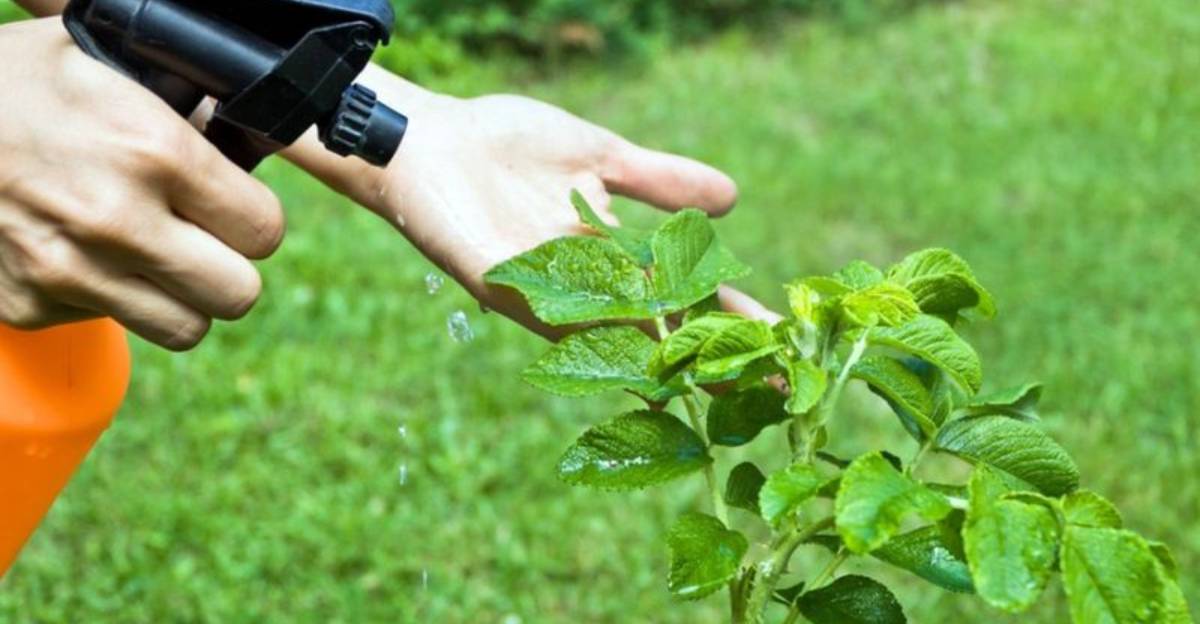
Explore 12 straightforward organic gardening techniques along with five misleading “eco-friendly” products to avoid. These tips and warnings will help you cultivate a thriving, eco-conscious garden without falling prey to common scams.
1. Start with Healthy Soil
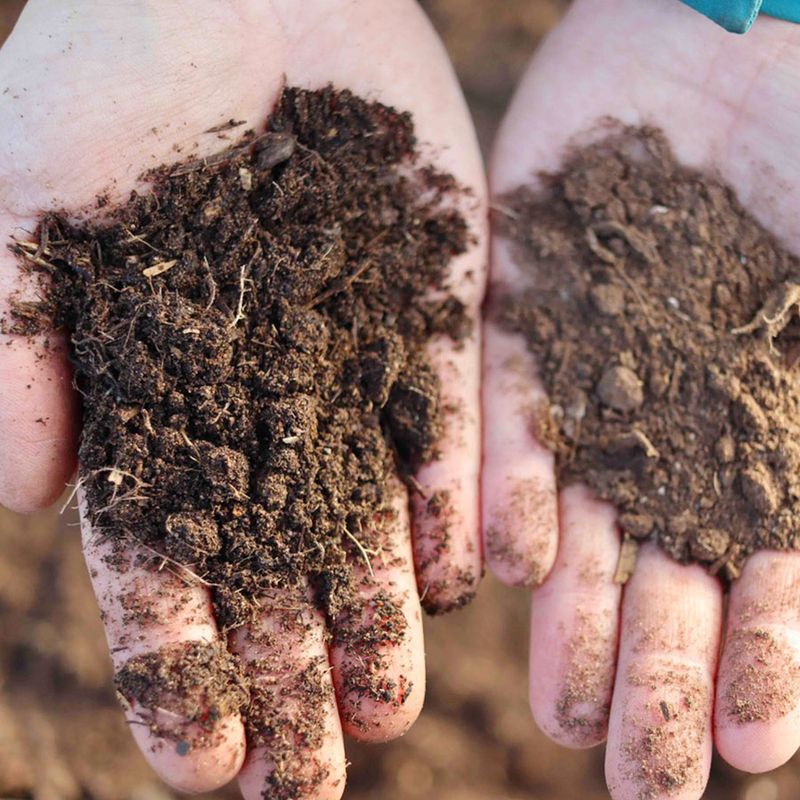
Healthy soil is the foundation of any thriving garden. Composting kitchen scraps like coffee grounds and veggie peels enriches your soil, offering essential nutrients. Avoid synthetic fertilizers, which may kill beneficial microbes. Instead, use worm castings to create a natural, nutrient-rich fertilizer. By focusing on soil health, gardeners can nurture robust plants that resist pests and diseases naturally. It’s an age-old practice that connects us to sustainable gardening methods. Embrace the earth’s natural cycles to yield a bountiful harvest, keeping the ecosystem balanced and flourishing.
2. Natural Pest Control
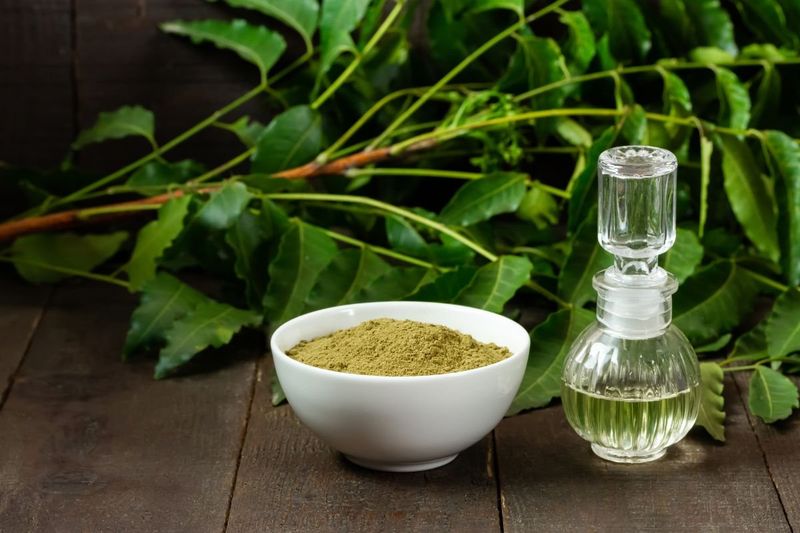
In the garden, natural pest control methods offer an eco-friendly approach to keeping unwanted insects at bay. Planting marigolds and basil can repel insects naturally, while spraying neem oil acts as a natural pesticide. Encouraging ladybugs and lacewings to inhabit your garden provides a natural predator for aphids. These methods not only protect your plants but also maintain ecological balance. The sight of ladybugs diligently at work is both heartening and practical. Naturally managing pests fosters a healthy, vibrant garden without harmful chemicals.
3. Water Wisely
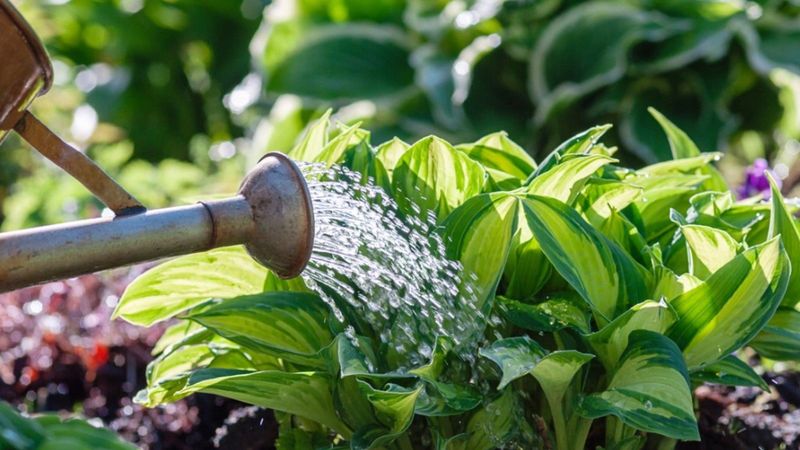
Water is a precious resource, and using it wisely ensures a sustainable garden. Collecting rainwater in a barrel provides a natural source for watering. Watering plants during the early morning reduces evaporation and conserves water. Applying mulch made from straw or leaves helps retain soil moisture, keeping plants hydrated longer. These practices are simple yet impactful, reducing water waste and promoting a greener garden. Morning watering is a peaceful ritual that benefits both plants and the planet.
4. Companion Planting
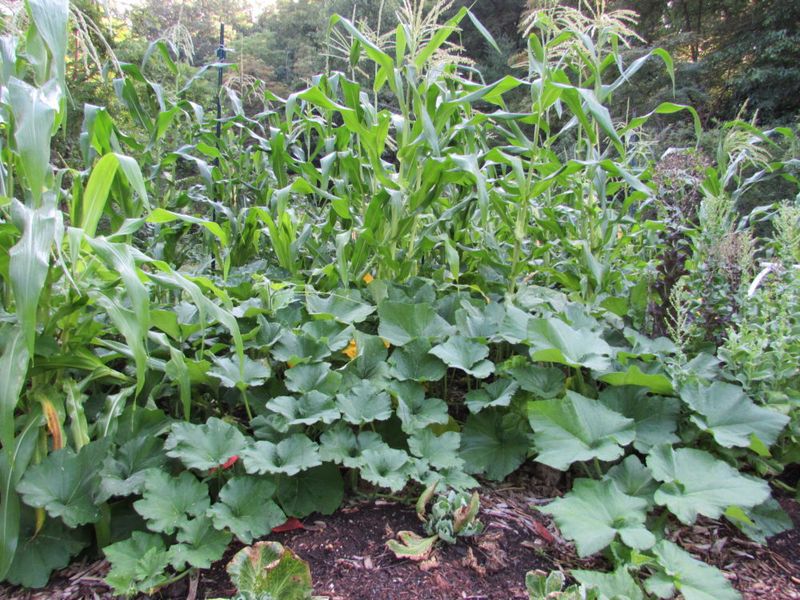
Companion planting is an age-old technique that enhances plant growth and pest resistance. Planting tomatoes with basil not only improves flavor but also deters pests. Combining carrots with onions confuses root pests, offering a natural deterrent. The “Three Sisters” method—planting corn, beans, and squash together—demonstrates nature’s synergy. These combinations create a harmonious environment where plants support each other. Companion planting showcases the thoughtful balance that nature provides, promoting a thriving garden ecosystem.
5. DIY Organic Fertilizers
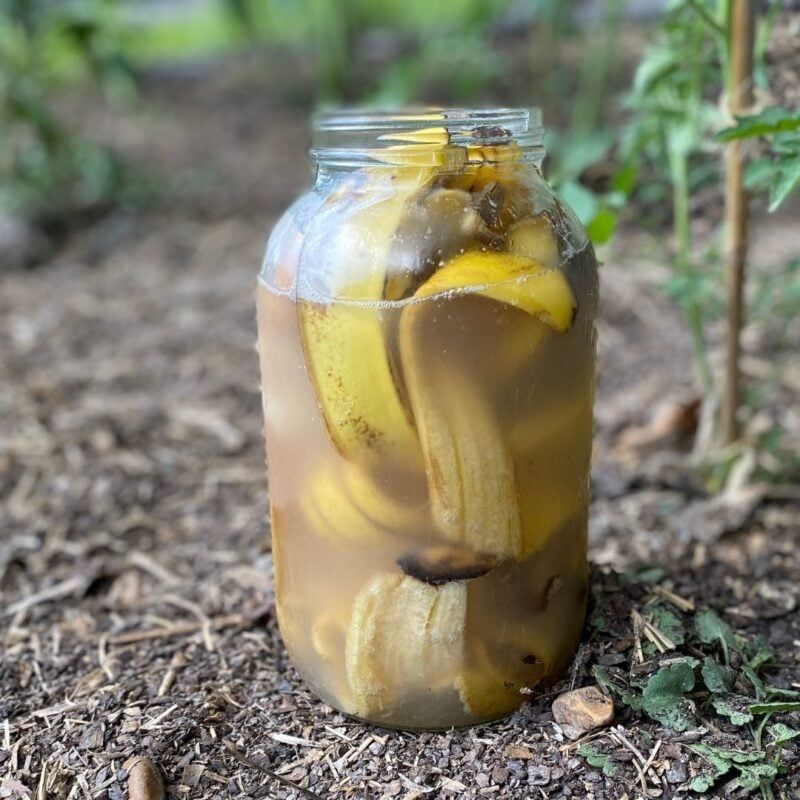
Creating your own organic fertilizers is both cost-effective and sustainable. Banana peel tea offers a potassium-rich boost for plants, while Epsom salt spray provides much-needed magnesium. Though fish emulsion might be odorous, its effectiveness in nourishing plants is undeniable. These homemade solutions enrich the soil, promoting vigorous plant growth without harmful chemicals. Crafting fertilizers at home is a satisfying process, connecting gardeners to their plants and the nutrients they need. Embrace this DIY approach to nurture a healthy garden.
6. Avoid Toxic Chemicals
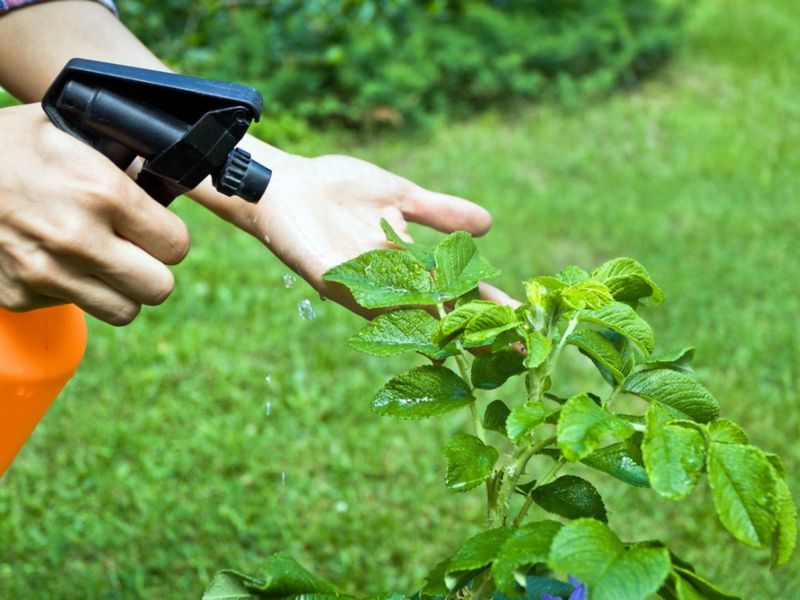
Avoiding toxic chemicals in the garden is crucial for preserving the environment and protecting pollinators. Instead of using harmful products like Roundup, opt for natural alternatives such as a vinegar and salt solution to manage weeds. Synthetic pesticides can harm beneficial insects like bees, essential for pollination. Choosing organic seeds, which are non-GMO and untreated, ensures a healthier garden from the start. This practice creates a safer space for both plants and wildlife, fostering biodiversity and a more sustainable ecosystem.
7. Attract Pollinators
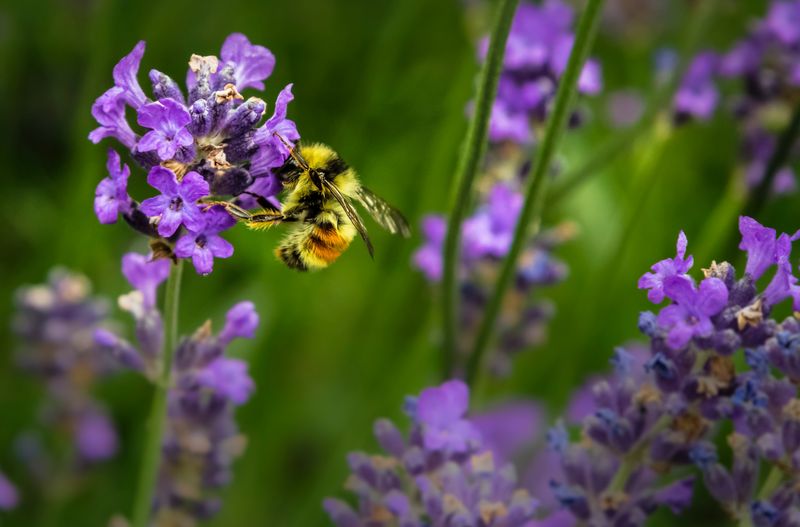
Attracting pollinators to your garden enriches its ecosystem. Planting native flowers such as lavender and sunflowers invites bees and butterflies. Adding a bee bath, a shallow water dish with pebbles, provides hydration for these vital creatures. Avoiding pesticides is key, as they can harm these pollinators. By enhancing their habitat, you ensure a thriving garden and support the broader environment. Pollinators play a crucial role in plant reproduction, making them indispensable garden allies.
8. Grow Your Own Mulch
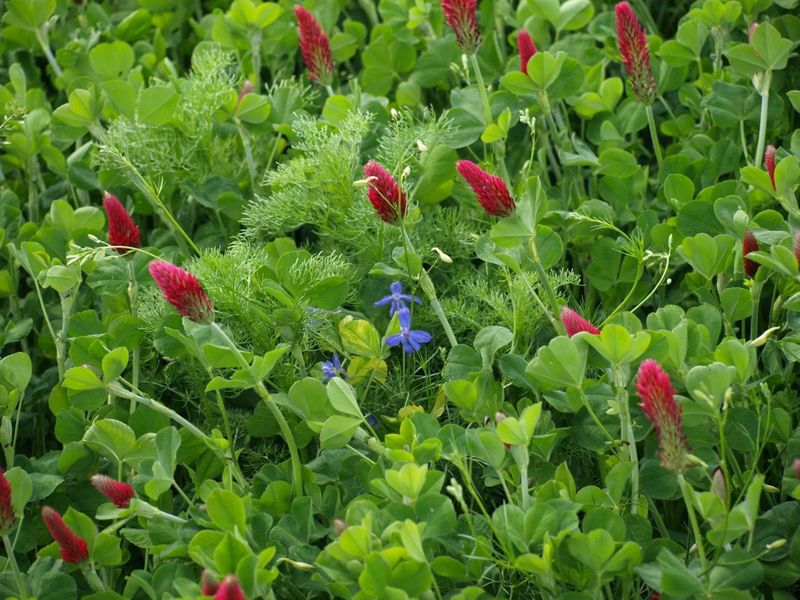
Growing your own mulch is an innovative way to enhance soil quality. Using clover and alfalfa as living mulch provides ground cover while fixing nitrogen in the soil. Grass clippings from chemical-free lawns and shredded leaves also make excellent mulching materials. These options are not only cost-effective but also environmentally friendly. Mulch helps retain soil moisture, suppress weeds, and improve soil texture, fostering a rich growing environment. Embracing homemade mulch contributes to a sustainable gardening practice.
9. Use Natural Weed Killers
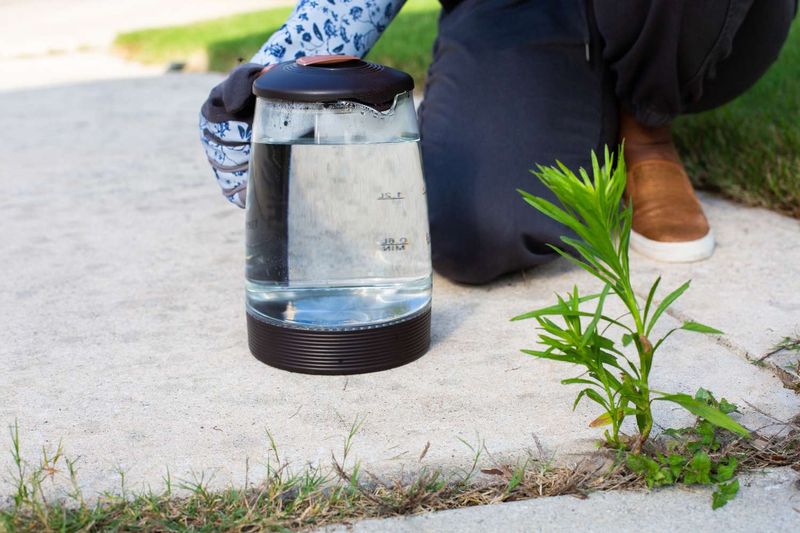
Combating weeds naturally is both effective and eco-friendly. Pouring boiling water on driveway cracks is a simple solution to eradicate weeds without chemicals. Using corn gluten meal prevents weed growth naturally. Hand-pulling weeds, especially after rain, remains the most rewarding method. These natural techniques keep your garden healthy and free from synthetic substances. Engaging in this hands-on approach connects gardeners with their environment, promoting a clean and flourishing garden space.
10. Rotate Crops
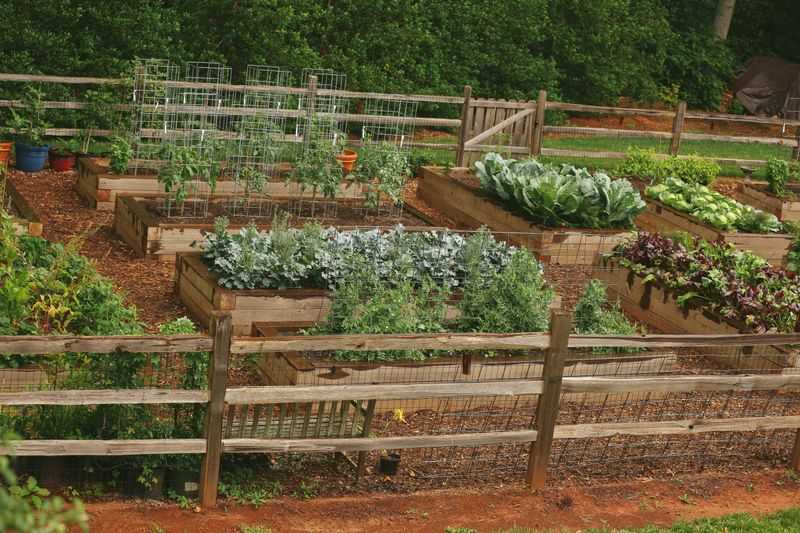
Crop rotation is a time-tested agricultural practice that prevents soil depletion and reduces disease buildup. By not planting the same crop in the same spot yearly, you maintain soil fertility and disrupt pest cycles. Introducing cover crops such as clover and buckwheat during off-seasons rejuvenates the soil, adding nutrients and improving its structure. This thoughtful approach creates a dynamic and resilient garden environment. Rotating crops fosters biodiversity and ensures sustainable harvests year after year.
11. Save Seeds
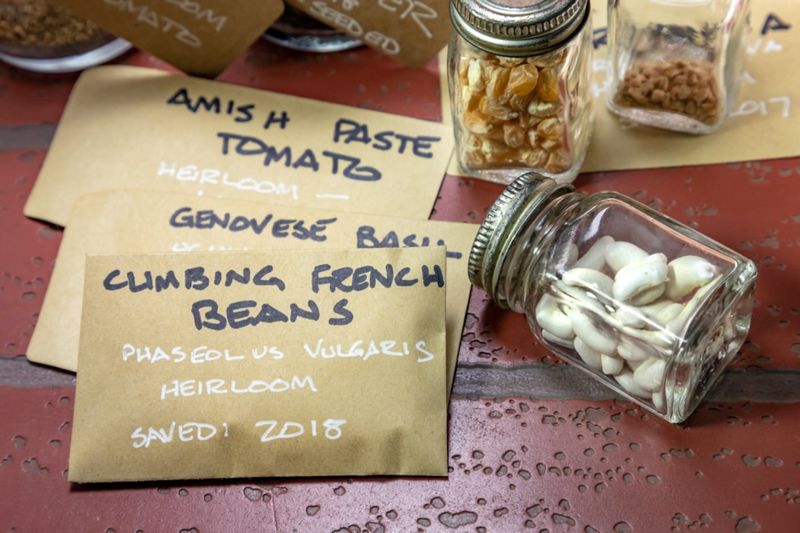
Saving seeds is a tradition that connects gardeners to their plants and heritage. Heirloom varieties, known for growing true to parent plants, offer unique flavors and resilience. Drying and storing seeds in paper envelopes preserves them for future planting. Seed swapping with neighbors builds community and diversifies garden offerings. This practice not only saves money but also ensures a continuous supply of beloved plants. Embracing seed saving honors gardening traditions and fosters a sustainable, self-reliant landscape.
12. Embrace Imperfection
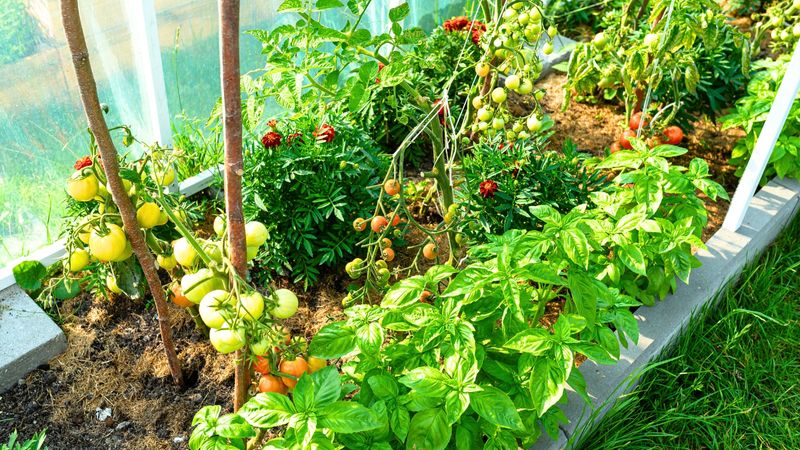
In the world of organic gardening, imperfection is part of nature’s beauty. Accepting the presence of some bugs and spots on produce reflects a commitment to natural growth processes. Prioritizing soil health over flawless appearance yields produce rich in nutrients and flavor. This perspective celebrates biodiversity and the unique characteristics of each plant. Cultivating an organic garden means valuing resilience and diversity, creating a vibrant and balanced ecosystem. Embrace the unrefined charm of nature’s creations.
1. “Biodegradable” Plastic Pots
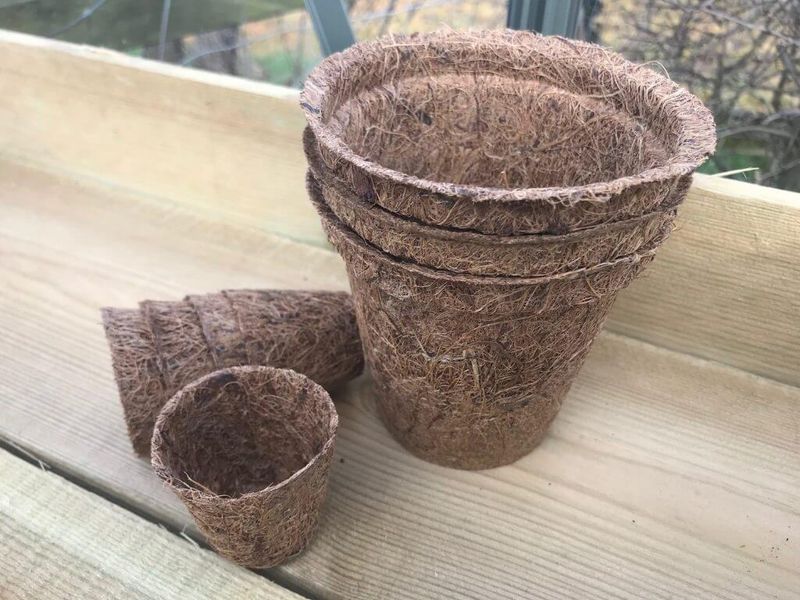
Though marketed as eco-friendly, many “biodegradable” plastic pots fail to decompose entirely, breaking down into harmful microplastics. Opting for peat pots or reusable containers offers a genuinely sustainable alternative. These materials break down naturally or can be used repeatedly, minimizing environmental impact. By choosing truly biodegradable options, gardeners support a healthier planet. This awareness encourages more informed purchasing decisions, steering clear of greenwashing tactics that exploit eco-conscious intentions.
2. “Organic” Pesticides with Hidden Chemicals
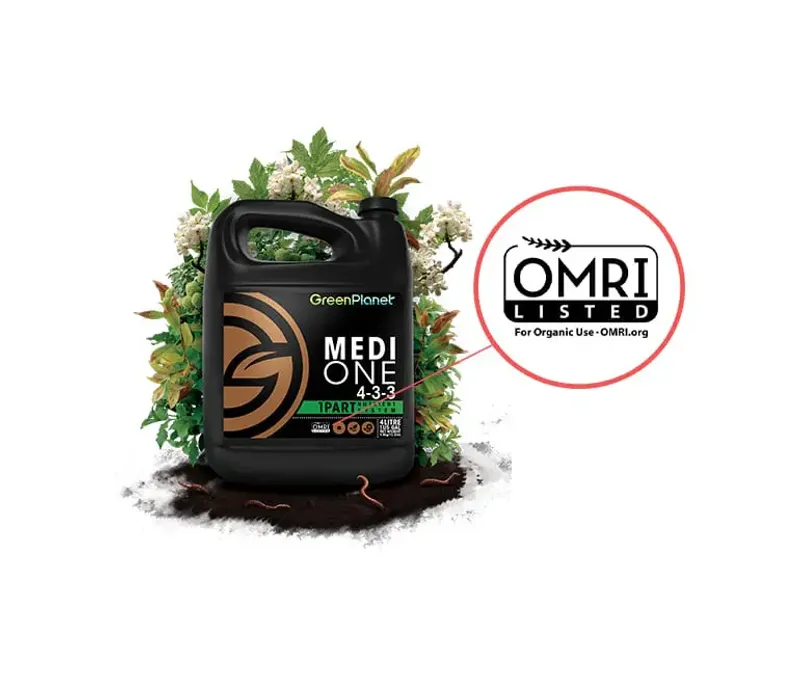
Not all “organic” pesticides are as pure as they claim. Some brands sneak in synthetic additives, undermining their eco-friendly image. The OMRI (Organic Materials Review Institute) certification ensures authentic organic products. By examining labels and verifying certifications, gardeners can avoid misleading products. This vigilance protects the integrity of organic gardening practices, supporting a genuine commitment to sustainability. Choosing truly organic options preserves the balance and health of the garden’s ecosystem.
3. Expensive “Sustainable” Garden Tools
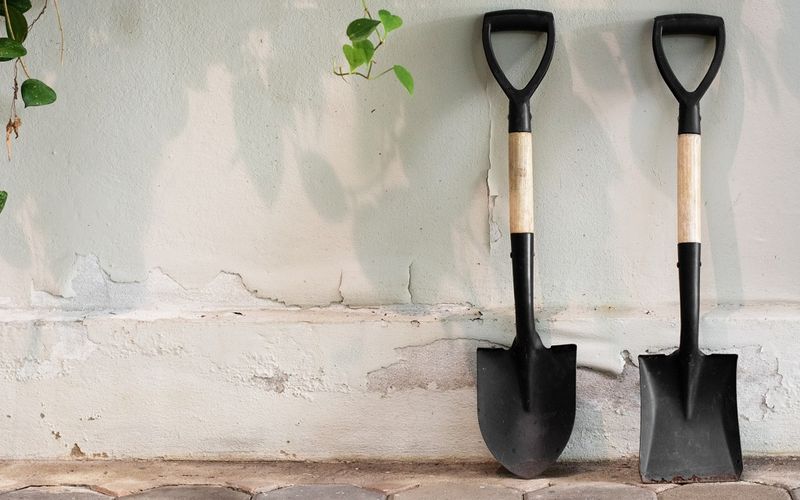
The allure of “sustainable” garden tools can be misleading. Bamboo tools, though marketed as eco-friendly, often lack durability and break easily. Investing in sturdy metal or wood tools provides a longer-lasting and truly sustainable option. Quality and longevity are critical factors in reducing waste and environmental impact. By choosing reliable tools, gardeners make a wise investment in their craft and the planet. This discernment helps debunk the myth of sustainability often used as a marketing ploy.
4. “All-Natural” Weed Fabrics
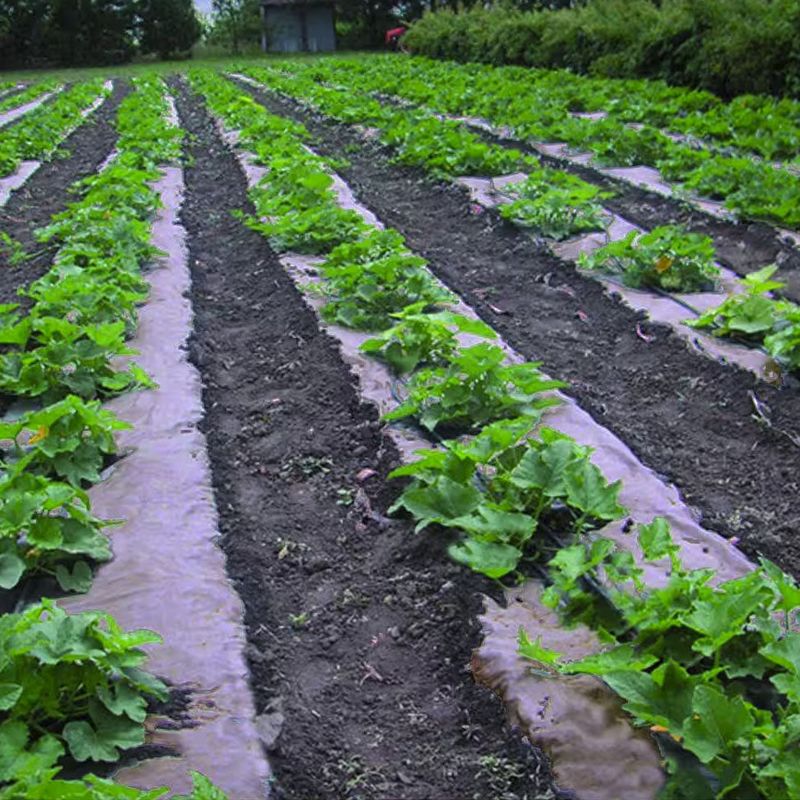
“All-natural” weed fabrics may contain plastic fibers that degrade into soil, contradicting their eco-friendly claims. Using cardboard or newspaper as weed barriers offers a more sustainable and effective solution. These materials decompose naturally, enriching the soil without leaving harmful residues. Choosing genuine natural alternatives supports environmental health and the integrity of organic gardening. Awareness of such greenwashing tactics empowers gardeners to make informed, responsible choices that align with true sustainability.
5. Overpriced “Organic” Potting Mixes
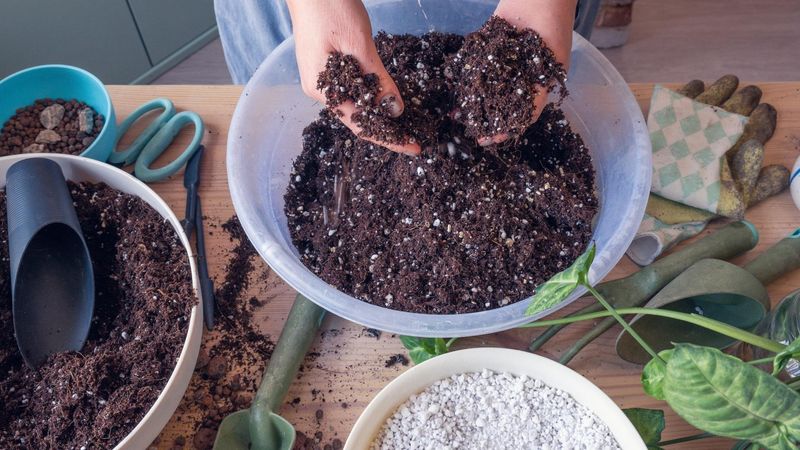
Some “organic” potting mixes are merely repackaged cheap soil with a hefty price tag. Making your own mix with compost, coconut coir, and perlite ensures quality and cost-effectiveness. These ingredients provide excellent drainage and nutrient content, supporting robust plant growth. DIY potting mixes offer control over the composition and quality, aligning with the principles of organic gardening. By crafting their own mixes, gardeners bypass the marketing hype and embrace genuine sustainability.