 Complete Gardening
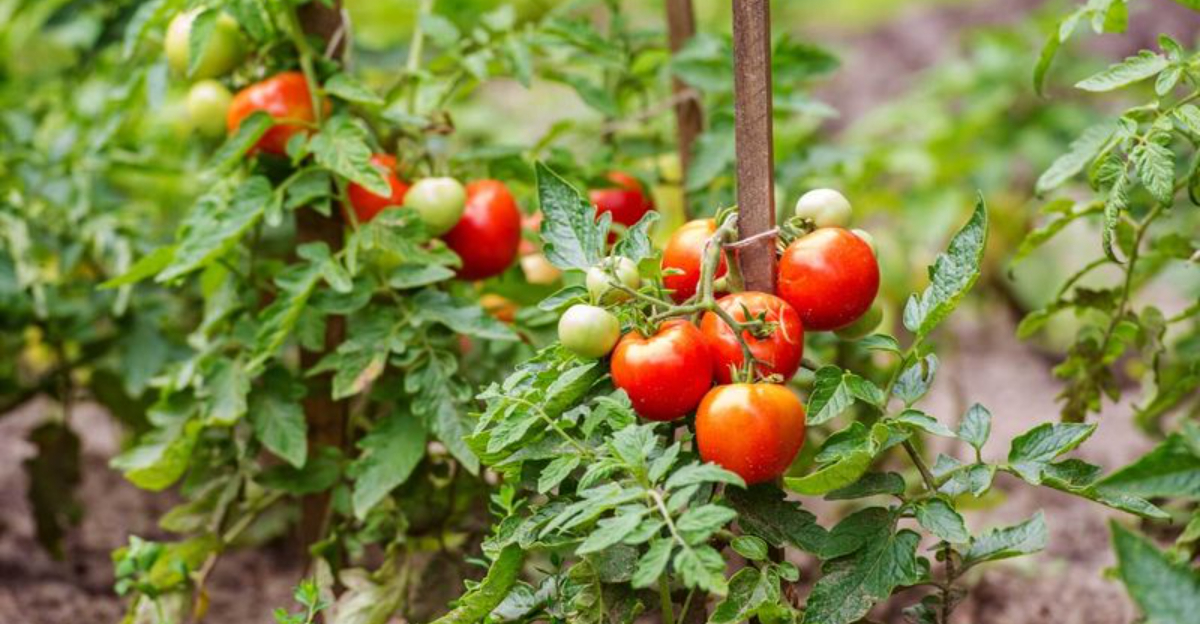
Choosing the right tomato variety can be a game-changer for your garden’s success.
With a plethora of options, it’s essential to consider factors like growing zone, space, culinary needs, and disease resistance.
Whether you seek a bountiful harvest for fresh salads or a rich sauce, these expert tips will guide you in selecting the perfect tomatoes for your garden.
1. Know Your Growing Zone
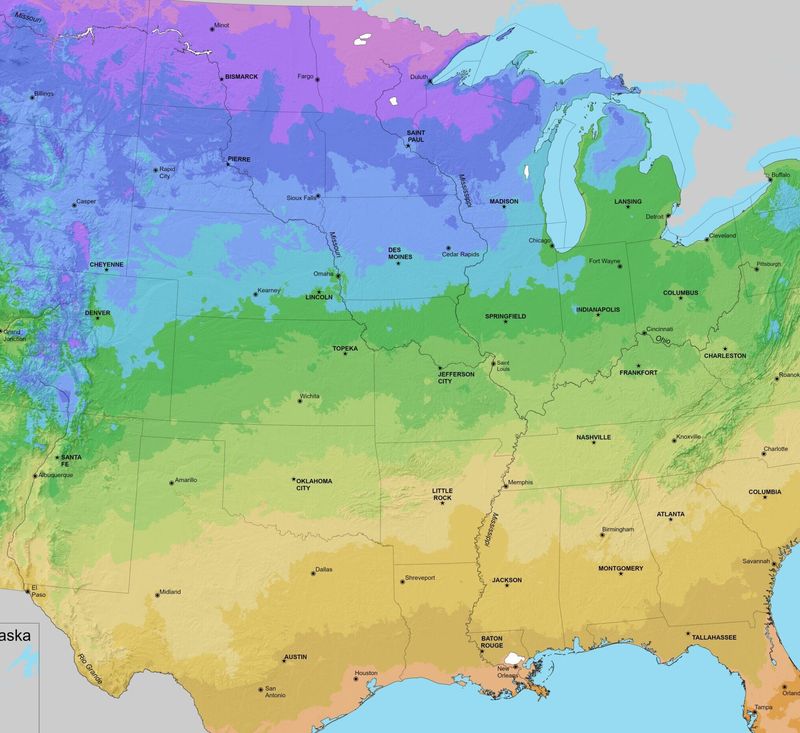
Understanding your growing zone is crucial. Consider the USDA Hardiness Zone to determine frost dates and the length of your growing season. Some tomato varieties, such as beefsteaks, need a long, warm season, while others like cherries mature quickly. Knowing this helps in selecting the right types for your climate, ensuring a fruitful harvest. Always check local frost dates to avoid planting too early or late.
2. Decide Between Determinate and Indeterminate
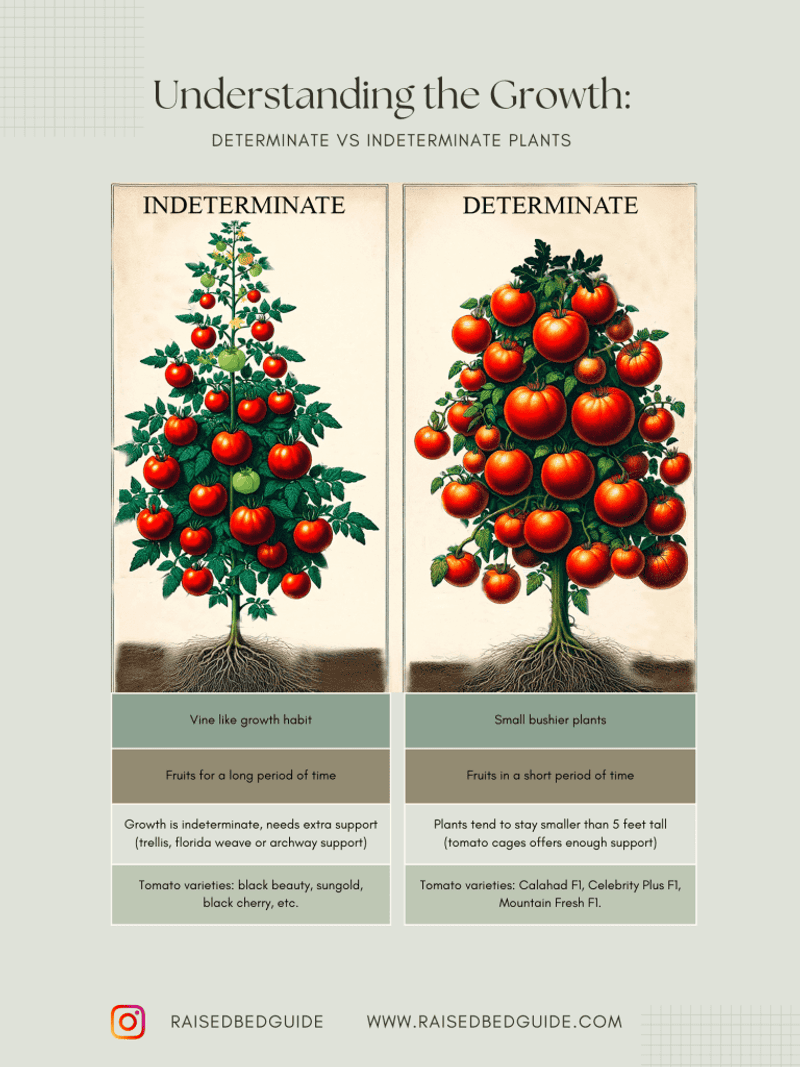
Determinate tomatoes grow to a fixed size, offering a single heavy crop, perfect for small spaces or canning. On the other hand, indeterminate tomatoes grow and produce all season, ideal for continual harvests and larger areas. Consider your space and harvesting preference. Determinates are compact, while indeterminates need support like cages or stakes. Choose according to your garden’s layout and your preserving needs.
3. Consider Your Available Space
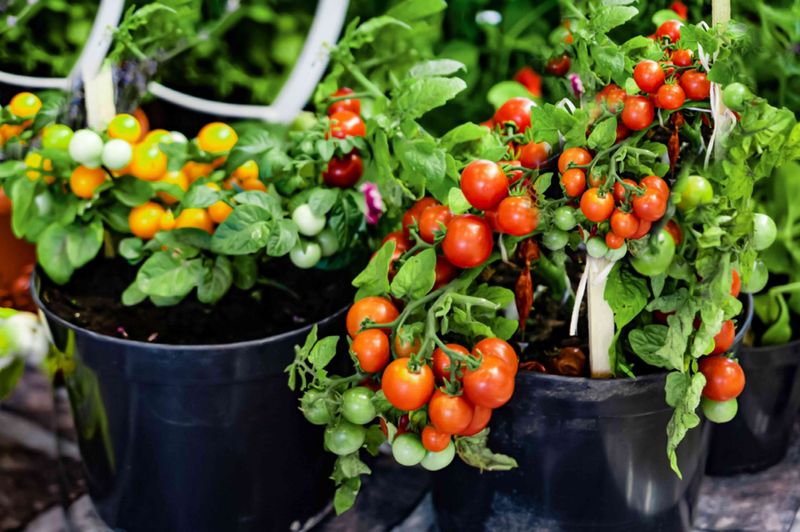
Space considerations are vital. For patios or containers, opt for compact varieties like ‘Patio Princess’ or ‘Tiny Tim’. They thrive in limited spaces and are easily managed. Large gardens, however, can support sprawling heirlooms or tall vines. These require sturdy cages or stakes. Assess your space and choose varieties that fit, ensuring healthy growth and ease of maintenance. Maximizing space enhances your garden’s productivity.
4. Match to Your Culinary Needs
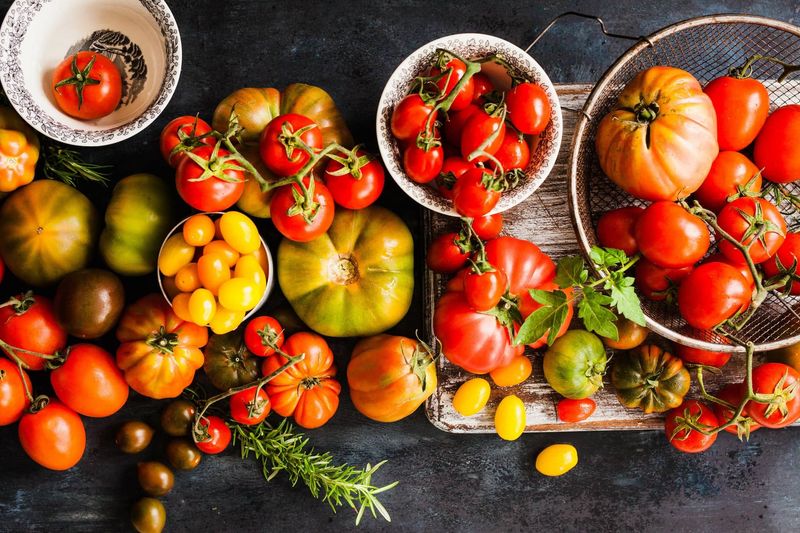
Your culinary ambitions guide your tomato choice. For fresh salads, cherry or grape tomatoes are delightful. If sauce-making is your goal, paste varieties like ‘Roma’ or ‘San Marzano’ excel. For slicing, beefsteaks such as ‘Brandywine’ offer rich flavor. Align your tomato selection with cooking needs, ensuring a fulfilling kitchen experience. Each type serves a distinct purpose, enhancing your culinary creations with fresh home-grown taste.
5. Look for Disease Resistance
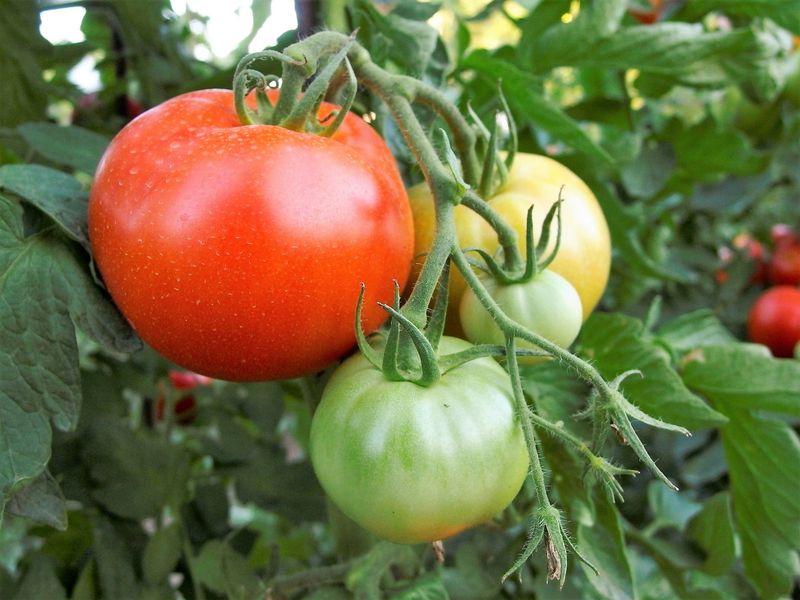
Prioritize disease resistance when selecting tomatoes. Varieties labeled VFN or VFNT resist Verticillium, Fusarium, Nematodes, and Tobacco Mosaic Virus. This is especially vital in humid or disease-prone areas. Choosing resistant varieties reduces potential losses and minimizes the need for chemical interventions. Keep your plants healthy and thriving with minimal effort, ultimately leading to a more productive and sustainable garden.
6. Think About Flavor Profile
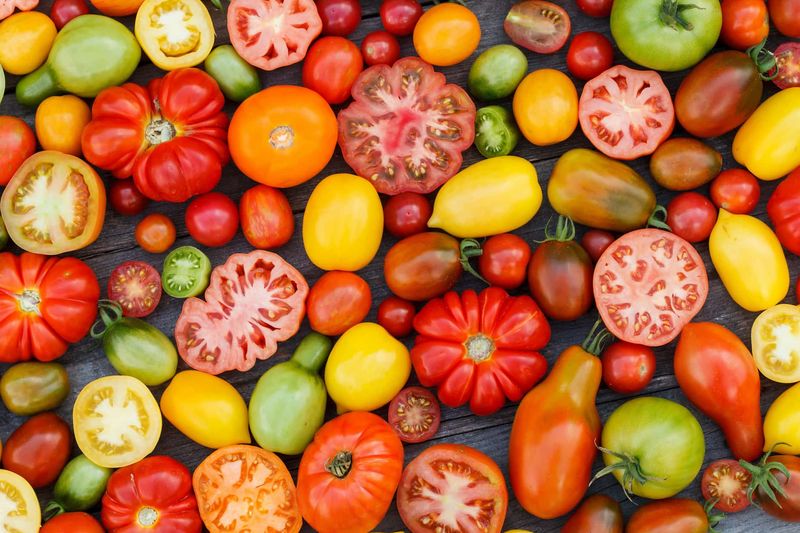
Flavor matters. Heirloom tomatoes offer exceptional taste but can be finicky. Hybrids, bred for consistency and disease resistance, might lack complexity but offer reliability. Decide based on flavor preference and gardening experience. Heirlooms require careful attention but reward with unique flavors. Hybrids are convenient and productive. Balance taste with ease, considering what suits your palate and gardening style for a delicious harvest.
7. Understand Time to Maturity
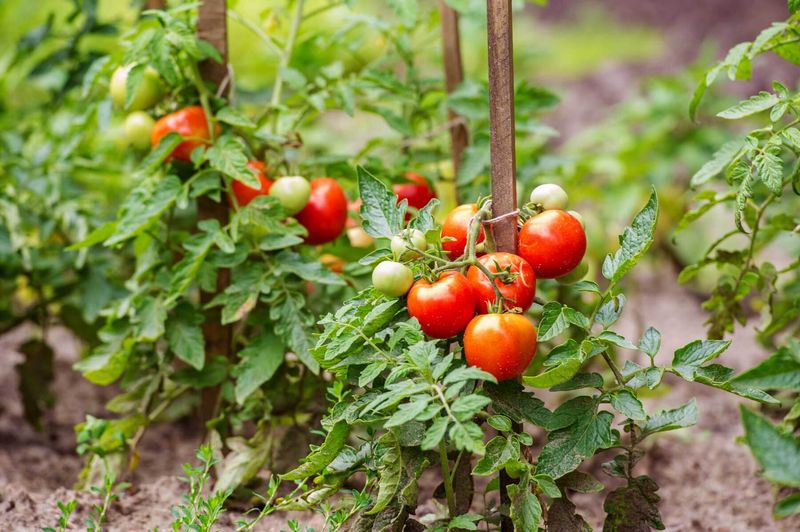
Timing is everything. Early-maturing varieties, taking 55-65 days, suit short seasons or cool climates. Longer seasons allow for mid- to late-maturing types, yielding bigger fruits. Plan your planting schedule according to your climate, ensuring optimal growth periods. Knowing the time to maturity helps in choosing varieties that align with your garden’s conditions, maximizing yield and flavor. A well-timed harvest ensures the best quality tomatoes.
8. Pick the Right Color and Texture
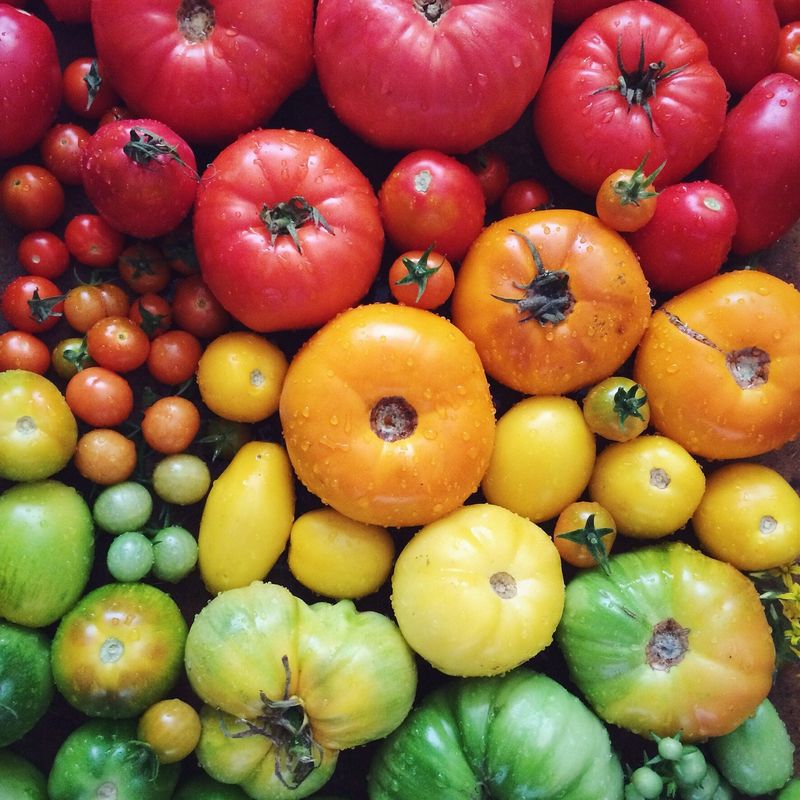
Tomatoes come in various colors and textures. Classic red is always popular, but yellow, purple, black, and striped varieties add unique beauty and flavor. Consider skin thickness if transport is a concern. Some have thick skins, perfect for handling, while others are delicate and juicy. Choose based on color preference and practical needs. A diverse assortment can enhance your garden’s aesthetic and taste profile, making for an exciting harvest.
9. Factor in Sun and Shade
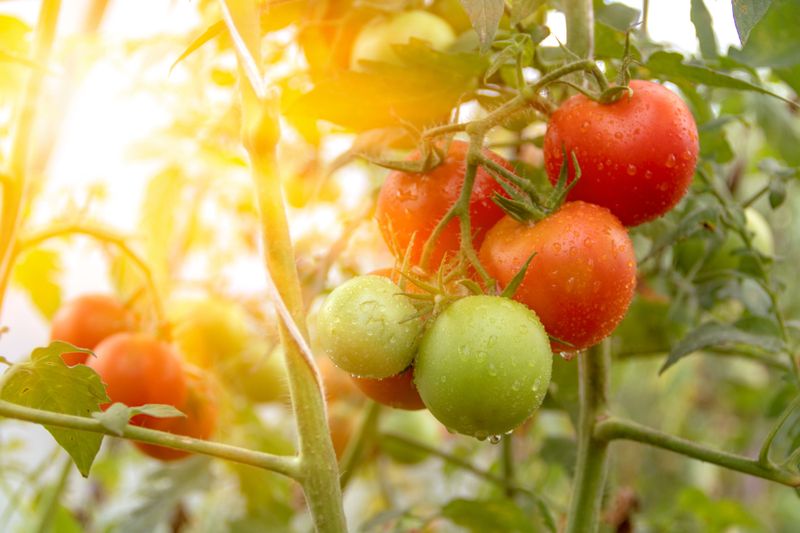
Tomatoes need sunlight—at least 6-8 hours a day. Limited sun can hinder growth, so choose smaller, faster-growing varieties that tolerate shade. Plan your garden layout, ensuring optimal sunlight exposure for each plant. The right sun and shade balance boosts growth and fruiting. If sunlight is scarce, prioritize adaptable varieties, allowing for a successful harvest despite environmental limitations. Proper planning leads to thriving plants.
10. Try a Few Varieties (Don’t Just Pick One)
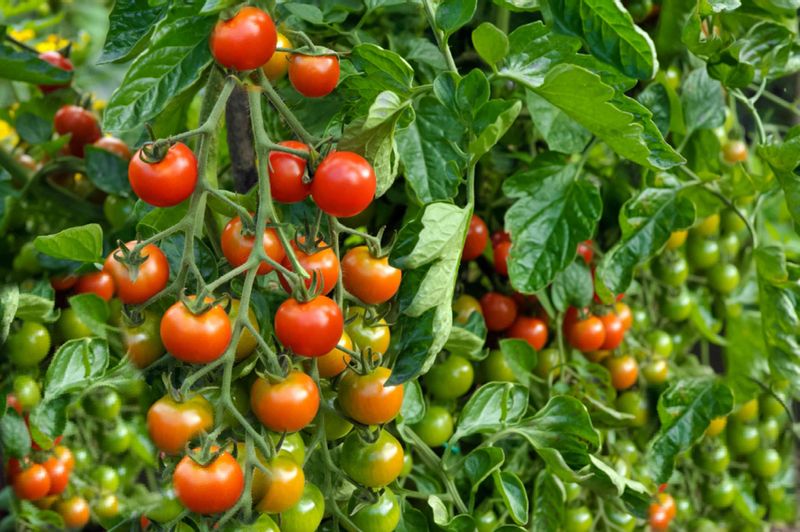
Diversity enhances success. Growing a mix of cherry, slicing, and paste tomatoes increases harvest versatility. Mixing types ensures adaptability to varying conditions, providing a continuous supply throughout the season. Experiment with several varieties to discover favorites and optimize growth. A varied garden yields more than just produce. It offers insight and learning, enriching your gardening experience and culinary options.
11. Read Local Recommendations
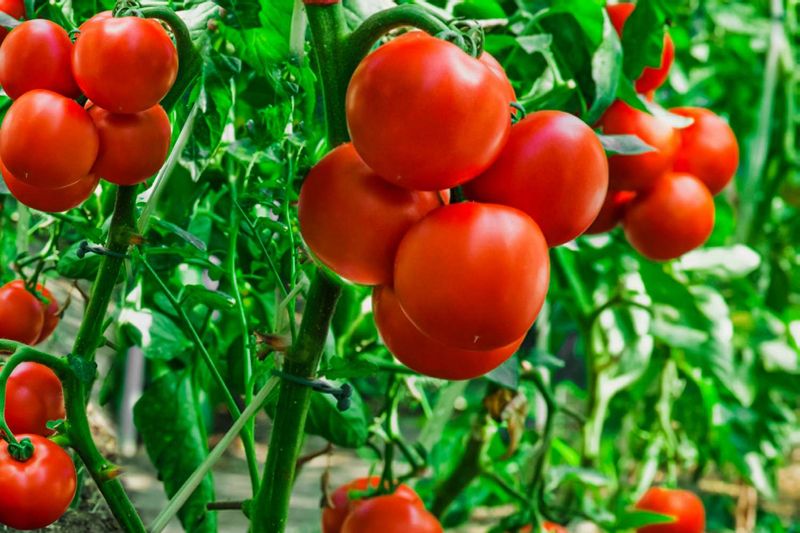
Local expertise is invaluable. Consult nurseries, extension services, or gardening groups for advice on varieties that thrive in your area. Regional recommendations align with local climate, ensuring better success. These sources offer insights beyond general advice, tailored to specific environmental conditions. Partnering with local experts enhances your understanding and increases your chances of a fruitful tomato harvest.
12. Experiment and Take Notes
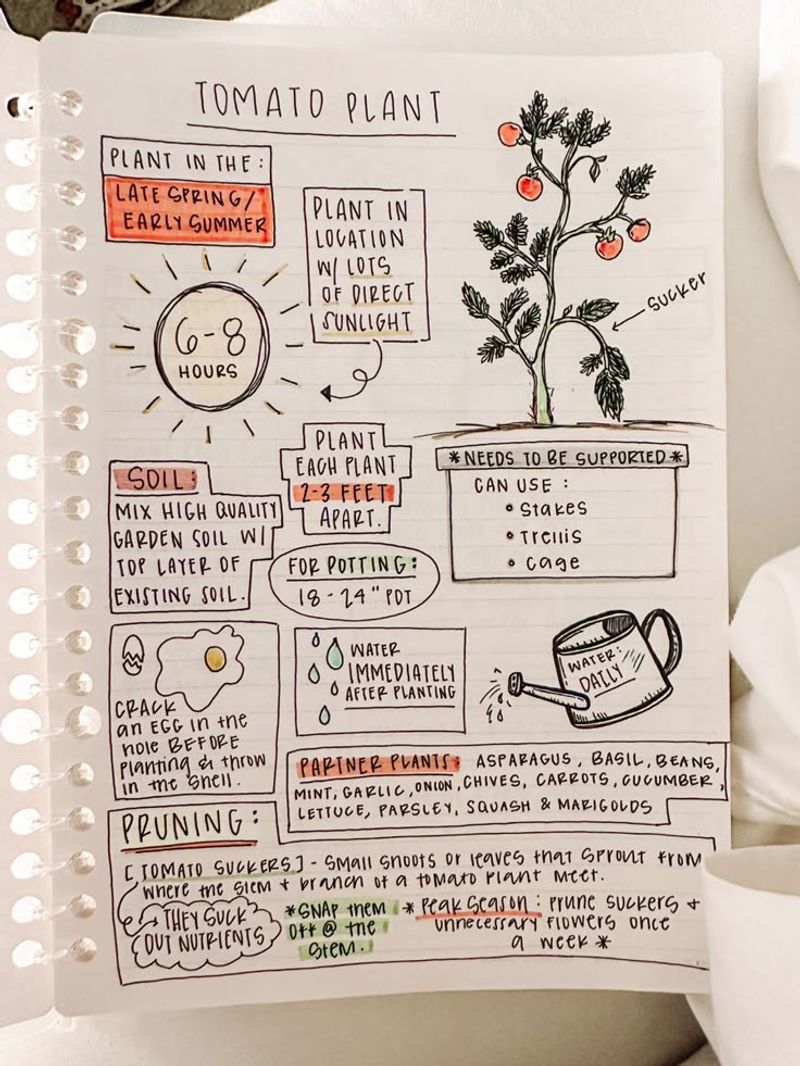
Gardening is as much art as science. Keep a journal, recording what works and what doesn’t. Documenting successes and failures refines future choices. Experiment with different varieties, noting taste, growth, and yield. Over time, this personalized guide becomes invaluable, leading to better results and tastier tomatoes. A thoughtful approach encourages learning and improvement, making gardening a rewarding journey.