 Complete Gardening
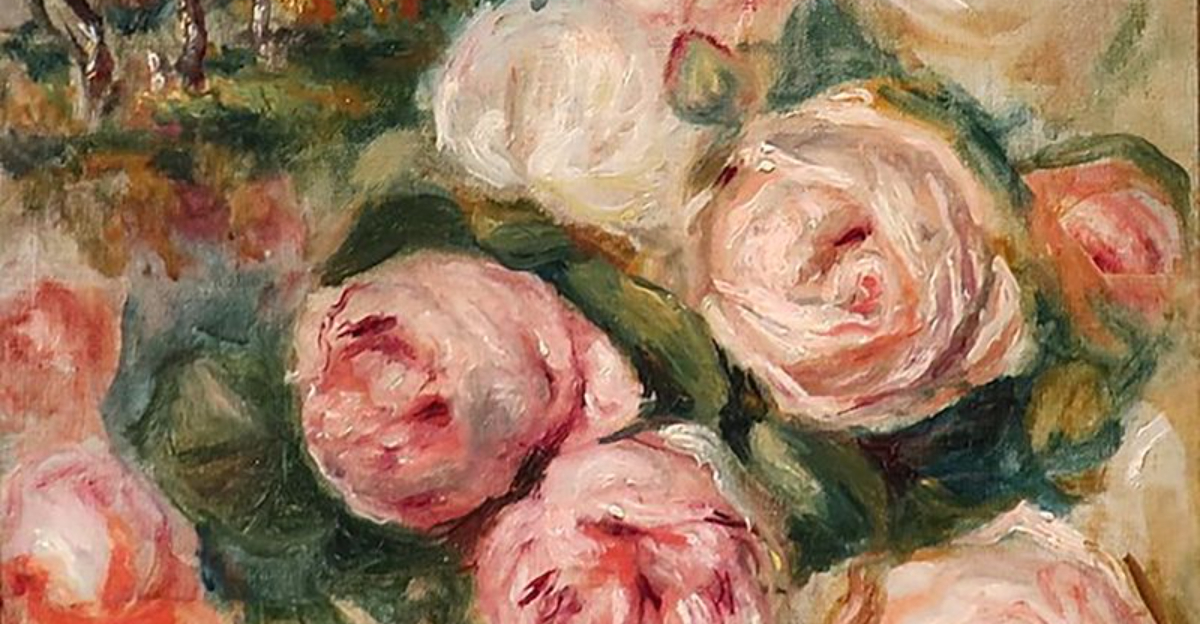
Throughout history, flowers have inspired artists, leading to masterpieces that have become iconic in the world of art. From the delicate beauty of a rose to the vibrant colors of a sunflower, each flower holds a unique place in artistic expression. This blog post explores 15 such flowers that not only enriched the canvases of artists but also played a significant role in their fame and fortune.
1. Sunflowers by Vincent van Gogh
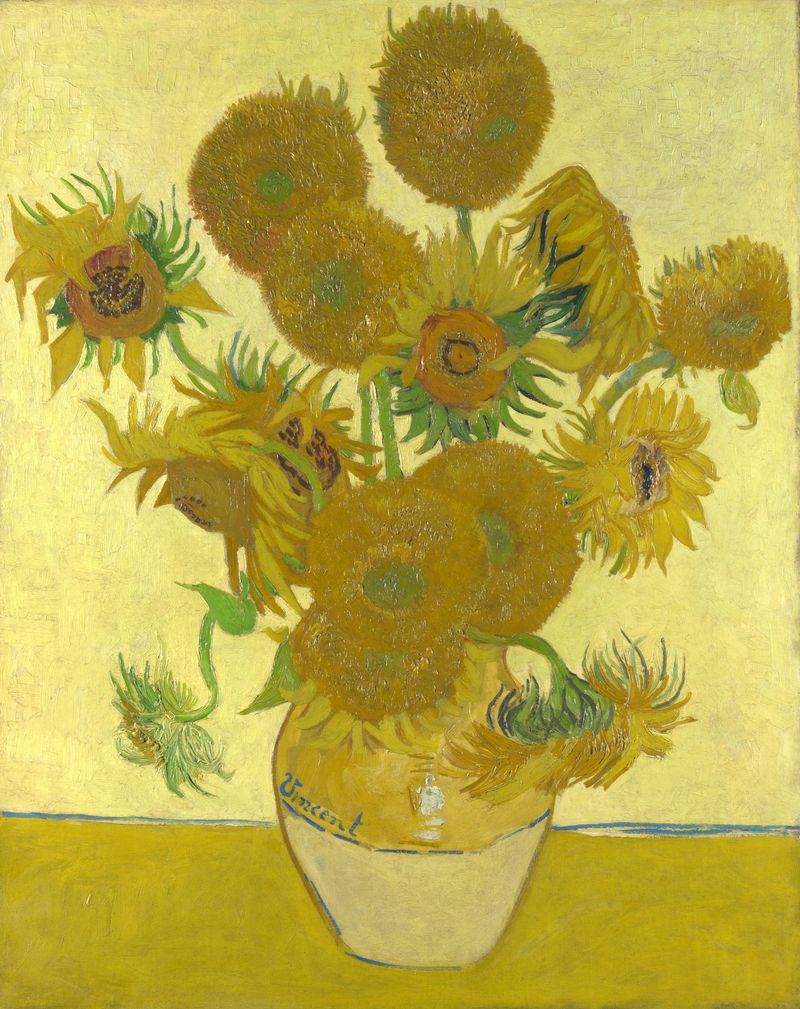
Vincent van Gogh’s fascination with sunflowers is legendary. His series of sunflower paintings exhibits a brilliant palette of yellows, conveying both vibrancy and melancholy.
These masterpieces became synonymous with his unique style, characterized by swirling brushstrokes and emotional depth. The sunflower series, painted in Arles, is celebrated not only for its artistic beauty but also for its insight into van Gogh’s tormented yet passionate psyche.
Did you know? Van Gogh painted these sunflowers to decorate a room for his friend, the artist Paul Gauguin. They remain among the most famous floral artworks in history.
2. Irises by Vincent van Gogh
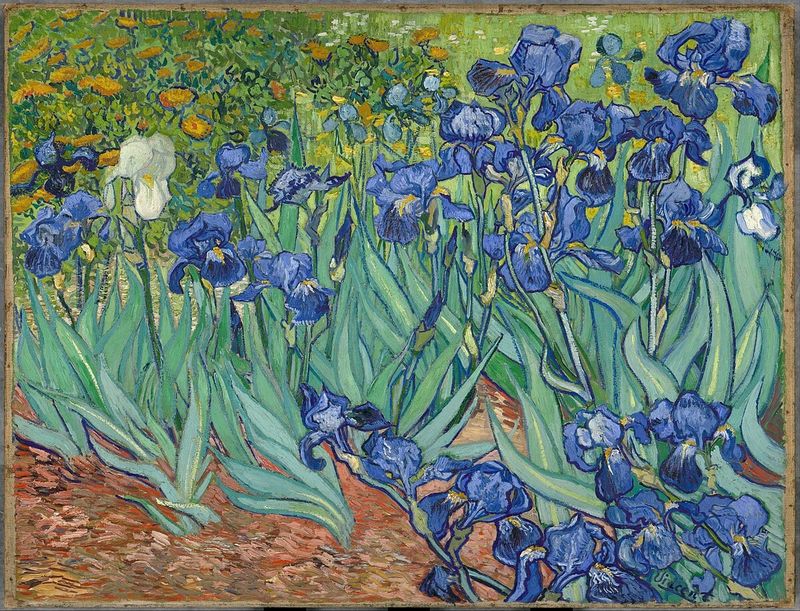
The striking portrayal of irises by Vincent van Gogh is a testament to his expressive use of color and form. Painted in the asylum at Saint-Rémy, these flowers are rendered in a way that pulsates with energy.
Van Gogh’s Irises captures the essence of the flowers through rhythmic patterns and bold contrasts, illustrating his innovative approach to still life. The painting became a symbol of hope and recovery for van Gogh during his time in the asylum.
Fun Fact: This piece, once owned by the famous art critic Octave Mirbeau, was among the most expensive paintings ever sold.
3. Water Lilies by Claude Monet
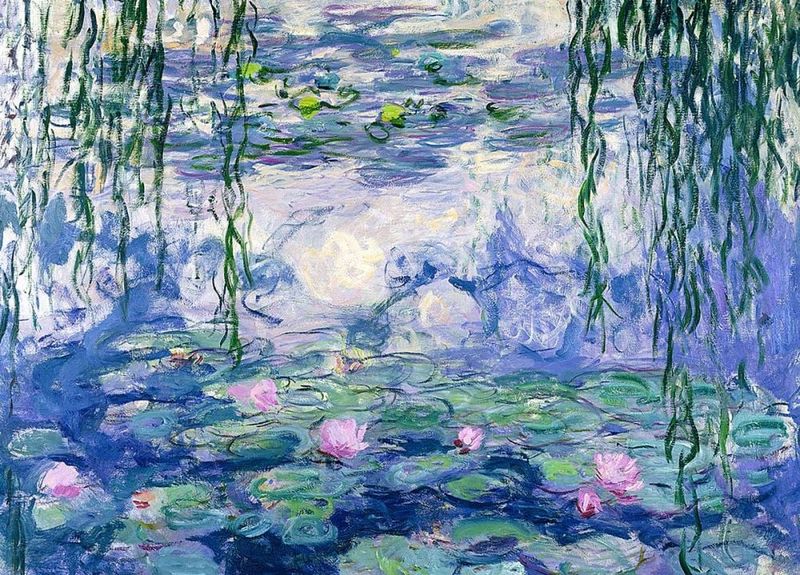
Claude Monet’s Water Lilies series is an epitome of Impressionist art, capturing the play of light and reflections on a pond. Monet’s garden at Giverny served as the inspiration and subject for more than 250 paintings.
These works, with their delicate brushwork and soft color palette, evoke a sense of peace and introspection. Monet’s obsession with light and color is evident in the way he portrays the ephemeral beauty of water lilies.
Did you know? Monet built a special studio to accommodate his large canvases for this series, highlighting its importance in his artistic journey.
4. Peonies by Édouard Manet
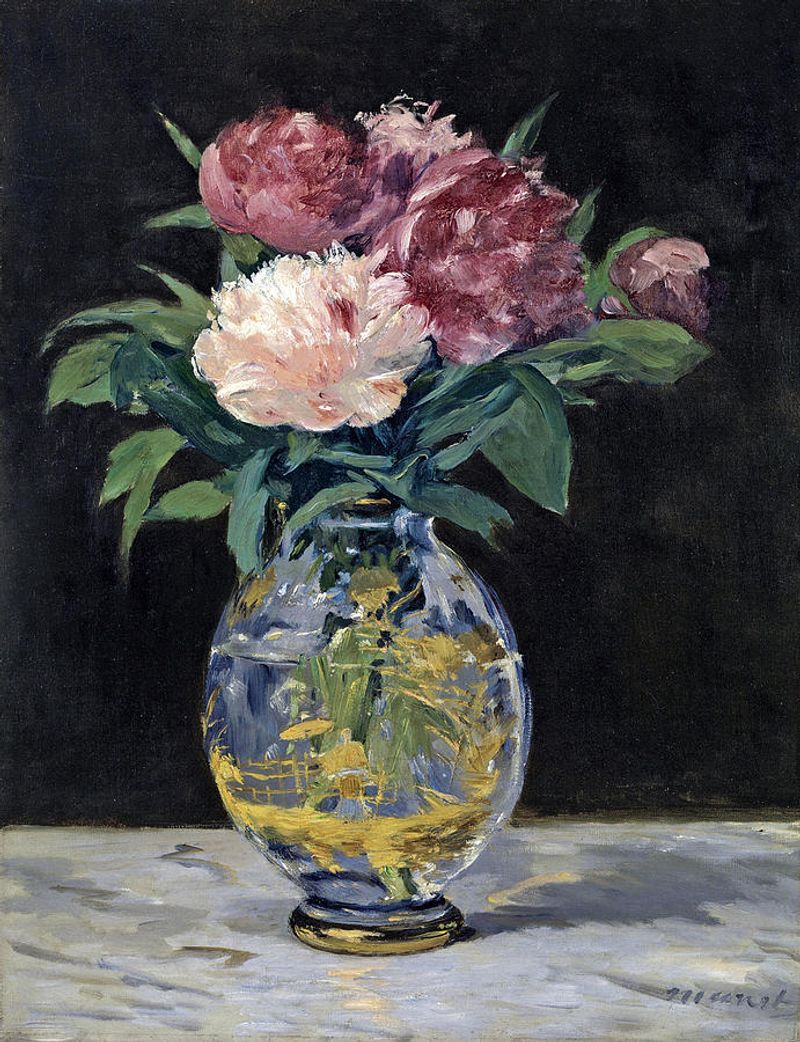
Édouard Manet’s paintings of peonies reflect his mastery of color and texture. Known for his bold brushwork, Manet captures the lushness of these flowers with remarkable precision.
The peonies, with their velvety petals, symbolize wealth and prosperity, themes often explored in his art. Manet’s floral works showcase a softer side of the artist, contrasting with his often controversial subjects.
Interesting Tidbit: Manet’s peony paintings were a gift to his wife, offering an intimate glimpse into his personal life and artistic versatility.
5. Poppies by Georgia O’Keeffe
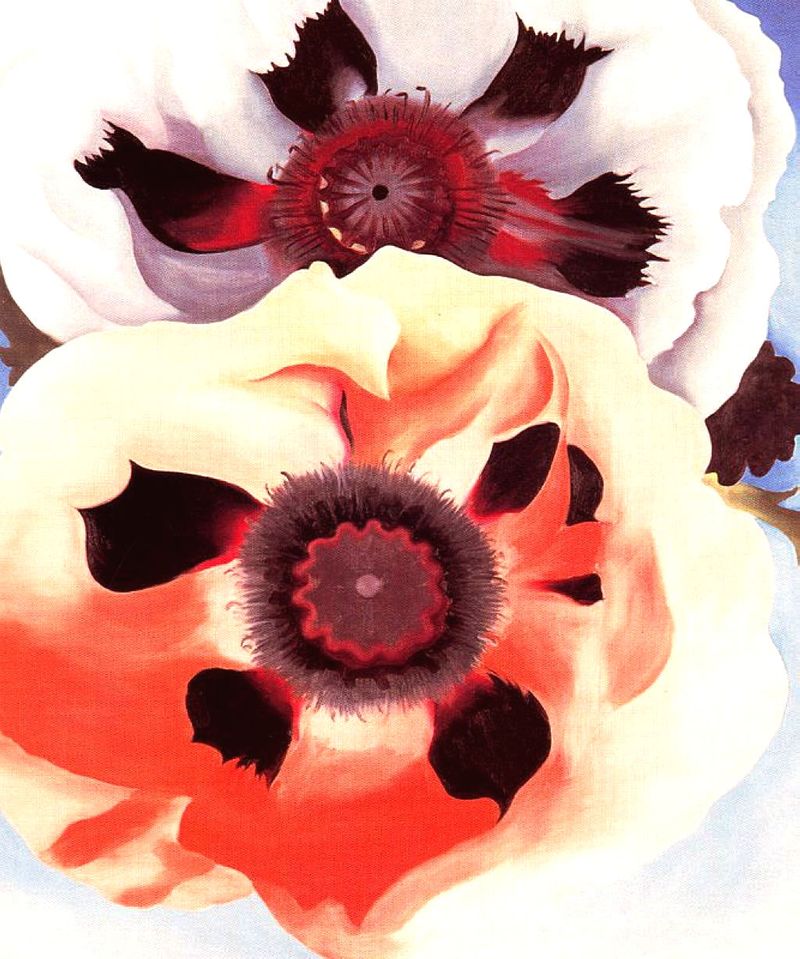
Georgia O’Keeffe’s depiction of poppies is a bold exploration of scale and color. Her oversized flowers invite viewers to appreciate the intricate details often overlooked.
O’Keeffe’s Poppies blur the line between realism and abstraction, challenging traditional perceptions of floral art. The intense reds and blacks reflect her fascination with the desert’s stark beauty.
Did you know? O’Keeffe’s work was revolutionary, as she was one of the few female artists to gain prominence in the early 20th century, redefining modern art with her unique vision.
6. Lilies by Henri Matisse
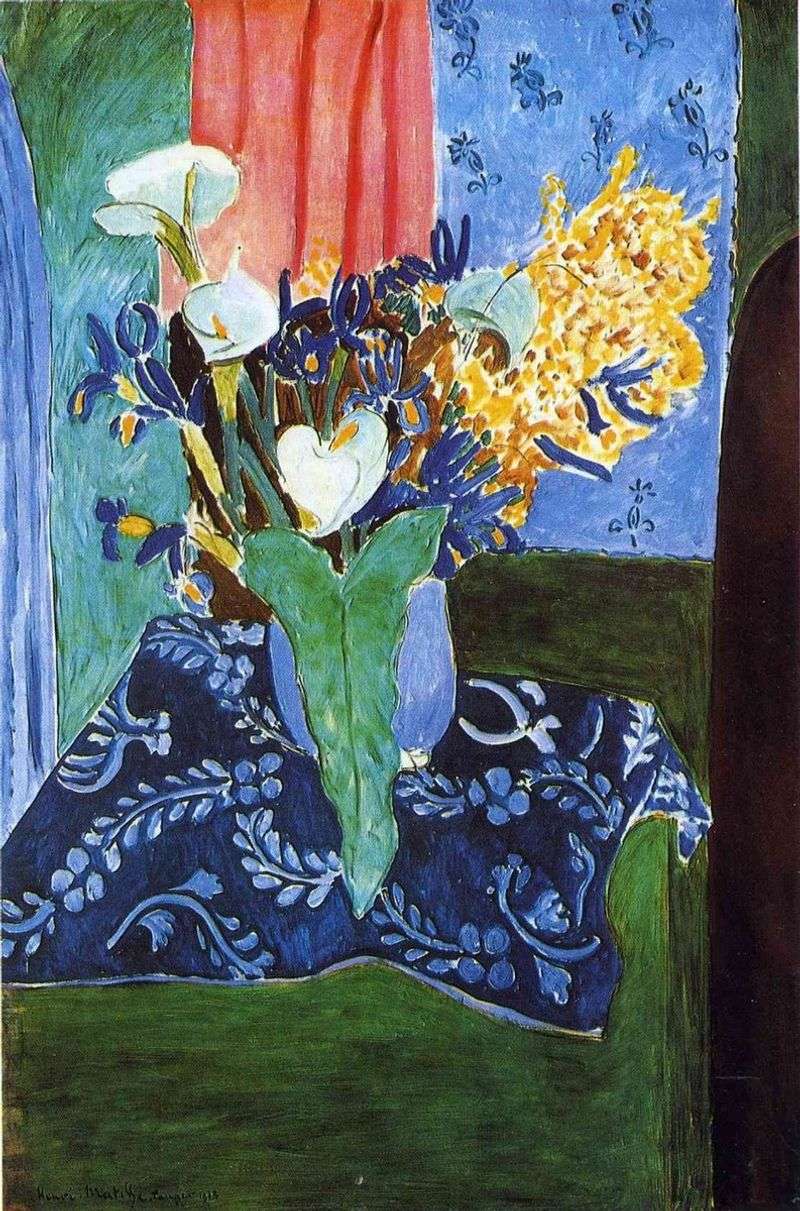
Henri Matisse’s lilies showcase his Fauvist style, characterized by vibrant colors and bold outlines. His approach transforms ordinary flowers into extraordinary subjects.
Matisse’s stylized lilies are a celebration of movement and form, reflecting his belief in art’s power to convey emotion through color. The simplicity and elegance of his lilies are timeless, captivating viewers with their dynamic energy.
Fun Fact: Matisse’s love for flowers extended beyond his paintings, as he often filled his studio with blooms to inspire his work and enrich his creative environment.
7. Roses by Pierre-Auguste Renoir
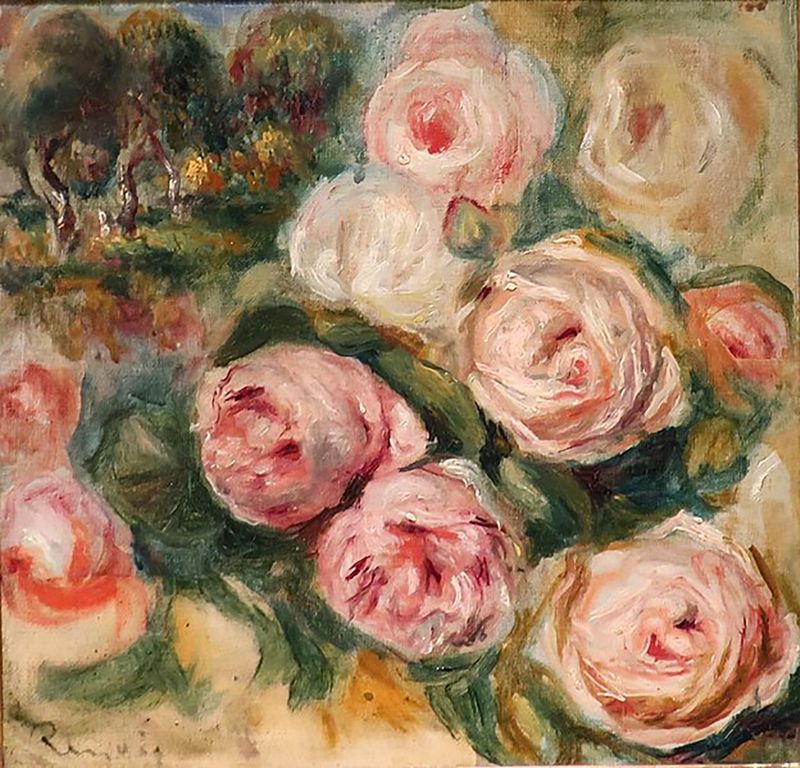
Renoir’s roses are a testament to his mastery of light and color. His impressionistic style captures the delicate beauty of these flowers, imbuing them with life and vibrancy.
Renoir’s approach to painting roses involves soft brushstrokes and a focus on the play of light, creating a sense of movement and vitality. These floral works reflect his passion for capturing fleeting moments of natural beauty.
Did you know? Renoir often painted in his garden, surrounded by roses, which served as both inspiration and subject for his beloved floral compositions.
8. Tulips by Rembrandt
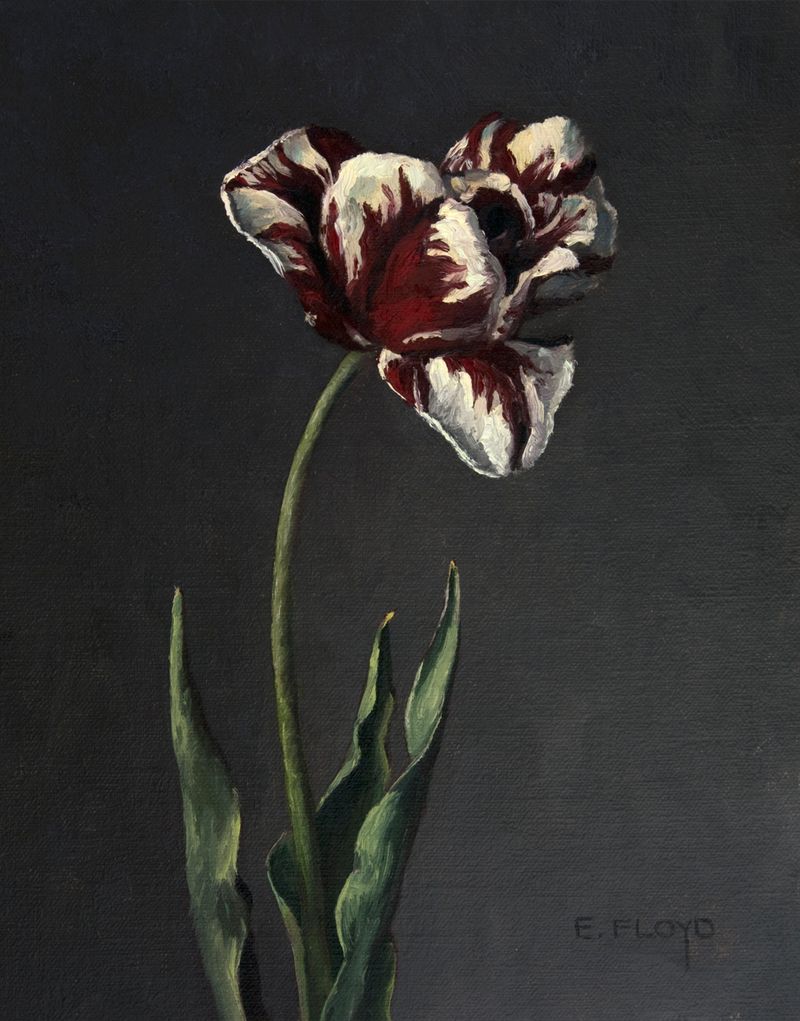
Rembrandt’s tulips reflect the opulence of the Dutch Golden Age. His detailed approach highlights the elegance and variety of these flowers, which were symbols of luxury and wealth.
The tulip, central to the ‘Tulip Mania’ of the era, fascinated Rembrandt, influencing his art with their intricate patterns and colors. His tulip studies emphasize realism and precision, capturing the spirit of his time.
Interesting Tidbit: Tulip Mania was one of the first recorded economic bubbles, where tulips reached extraordinarily high prices, a phenomenon immortalized in art and history.
9. Cherry Blossoms by Katsushika Hokusai
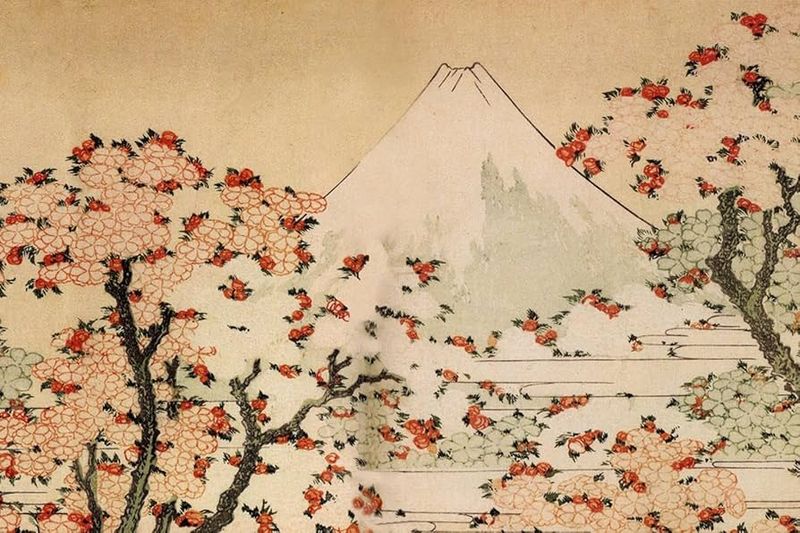
Katsushika Hokusai’s cherry blossoms capture the ephemeral beauty of spring in Japan. His ukiyo-e prints feature delicate blooms, symbolizing renewal and the fleeting nature of life.
Hokusai’s work captures the cultural significance of cherry blossoms, intertwining them with landscapes like Mount Fuji, creating compositions that celebrate nature’s transient beauty.
Did you know? Hokusai’s Great Wave and cherry blossom prints influenced Western art, introducing Japanese aesthetics to a global audience and inspiring movements like Impressionism.
10. Lilacs by Mary Cassatt
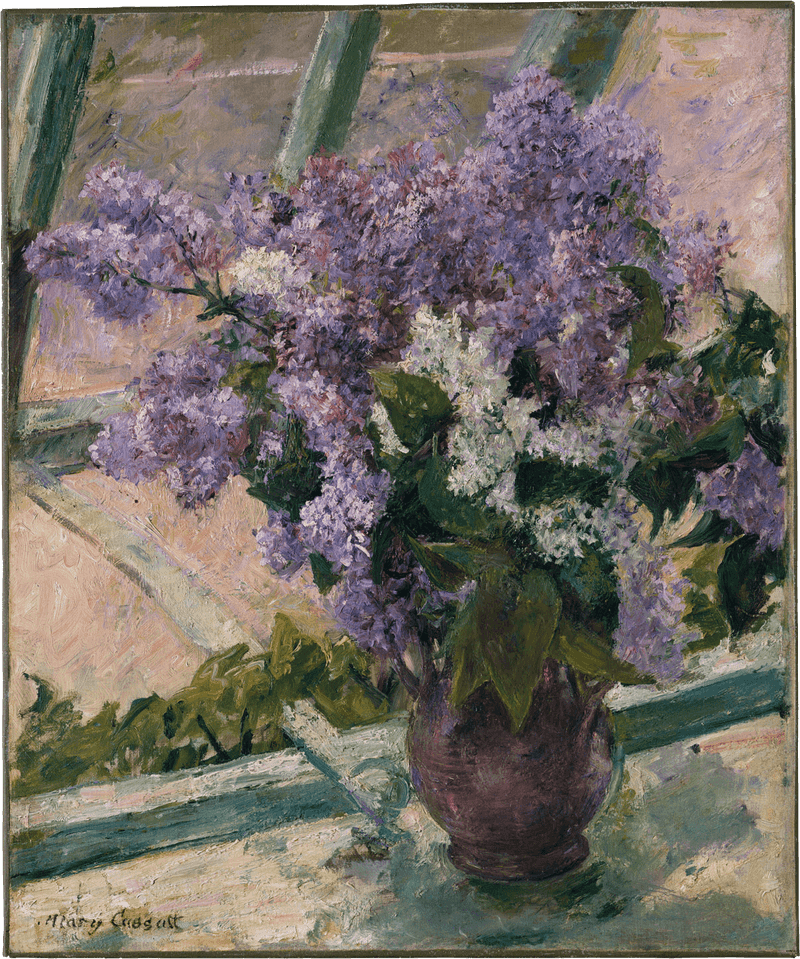
Mary Cassatt, an American painter and printmaker, brought lilacs to life with her soft, impressionistic style. Known for her tender depictions of women and children, lilacs in her work often symbolize youth and femininity.
Cassatt’s gentle use of purples and greens creates a soothing and intimate atmosphere, drawing viewers into a world of quiet elegance and grace. Her paintings of lilacs reflect a deep appreciation for the delicate beauty of everyday moments.
Lilacs in Cassatt’s art serve as a tribute to the fleeting yet profound nature of maternal love, capturing the essence of nurturing relationships in a soft, ethereal manner.
11. Daisies by Gustav Klimt
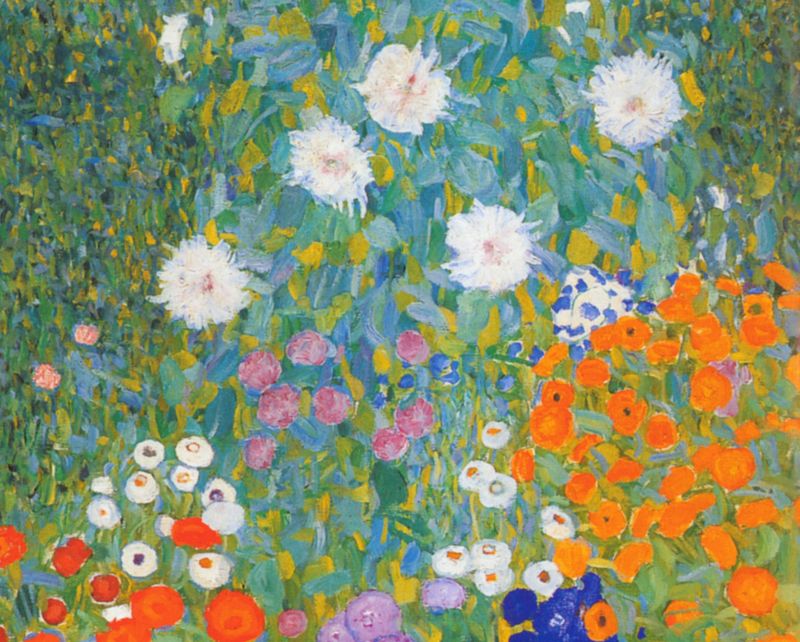
Gustav Klimt’s daisies are a whimsical exploration of pattern and form. His use of gold leaf and intricate detail elevates these simple flowers to a symbol of opulence and beauty.
Klimt’s approach to daisies blends realism with fantasy, creating a dreamlike quality that is both enchanting and sophisticated. The floral motifs in his work reflect his fascination with nature and the decorative arts.
Did you know? Klimt’s use of gold leaf was inspired by Byzantine mosaics, adding a luxurious touch to his art that became a hallmark of his distinctive style.
12. Orchids by Martin Johnson Heade
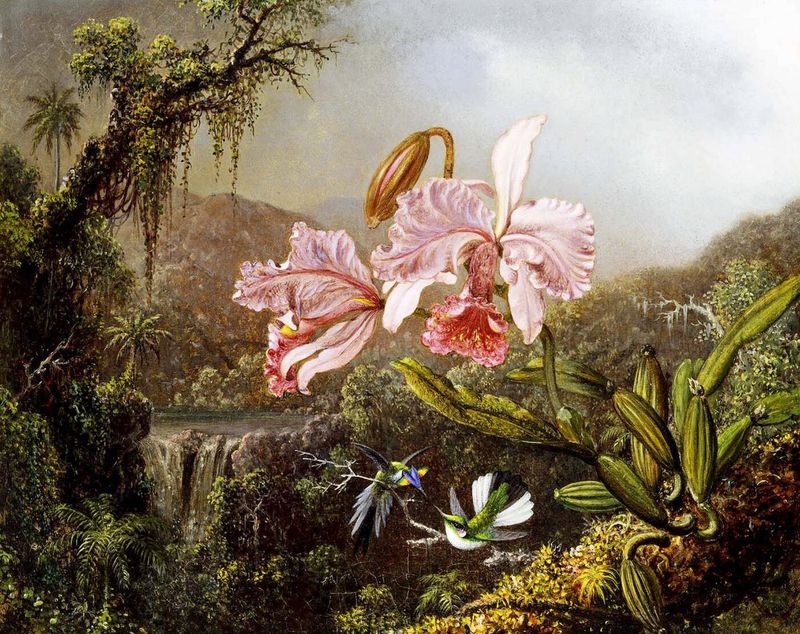
Martin Johnson Heade’s orchids are masterpieces of detail and composition. His meticulous technique captures the exotic beauty of these flowers, evoking a sense of wonder and exoticism.
Heade’s works often depict orchids in their natural habitat, surrounded by lush foliage, highlighting their place in the intricate web of nature. His paintings reflect a deep appreciation for botanical accuracy and artistic beauty.
Fun Fact: Heade’s orchid paintings, though not widely recognized during his lifetime, have since gained acclaim for their exquisite detail and contribution to American art history.