 Complete Gardening
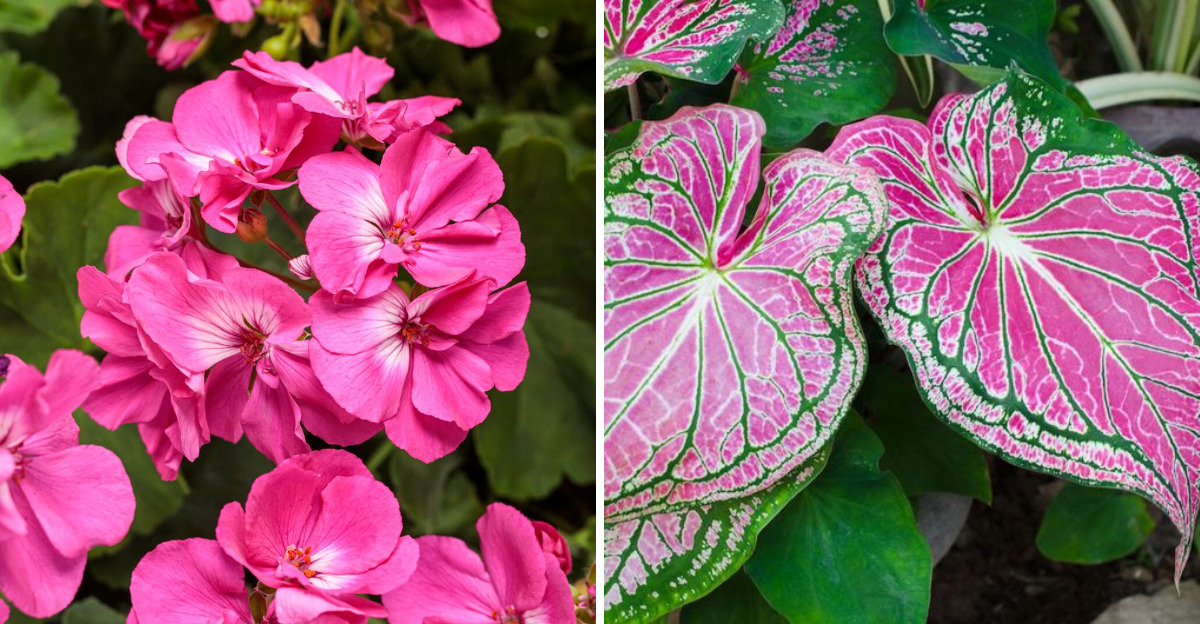
Explore the fascinating world of flowers that either defy growth in shaded areas or embrace the darkness as their natural habitat.
This article delves into the unique characteristics of 24 different flowers, splitting them into two categories: those that struggle in low light and those that flourish without sunlight.
Join us on this horticultural journey and discover the resilience and adaptability of nature’s beautiful blooms.
1. Sunflower
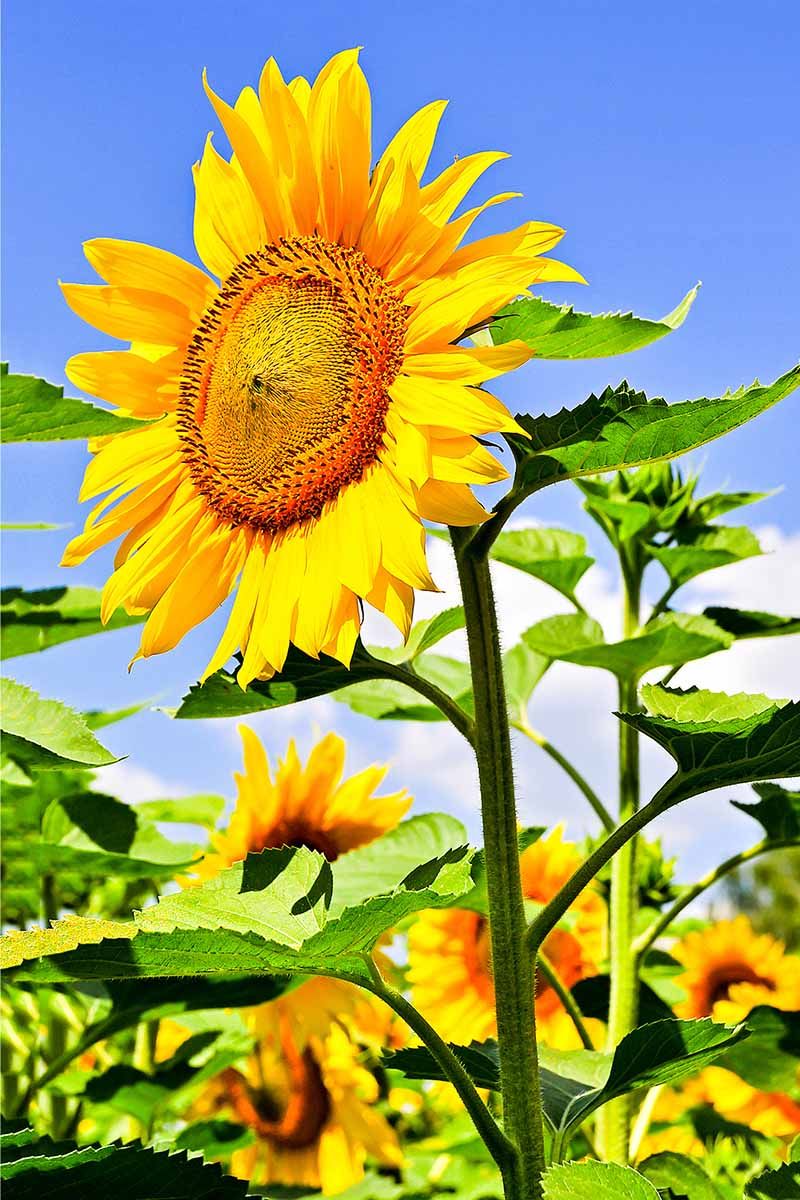
A sunflower turns its face to the sun, soaking up every ray. Revered for their cheerful appearance, these flowers crave sunlight. Without it, they wither. In the garden, they stand tall, their stems reaching for the sky. Sunflowers are symbols of positivity and energy. However, place them in the shade, and they lose their luster. Unable to photosynthesize effectively, they struggle to survive. Known for their towering presence, these flowers are a favorite among gardeners seeking to brighten spaces. Their seeds offer nourishment, attracting wildlife. Yet, without light, they remain a shadow of their true self.
2. Petunia
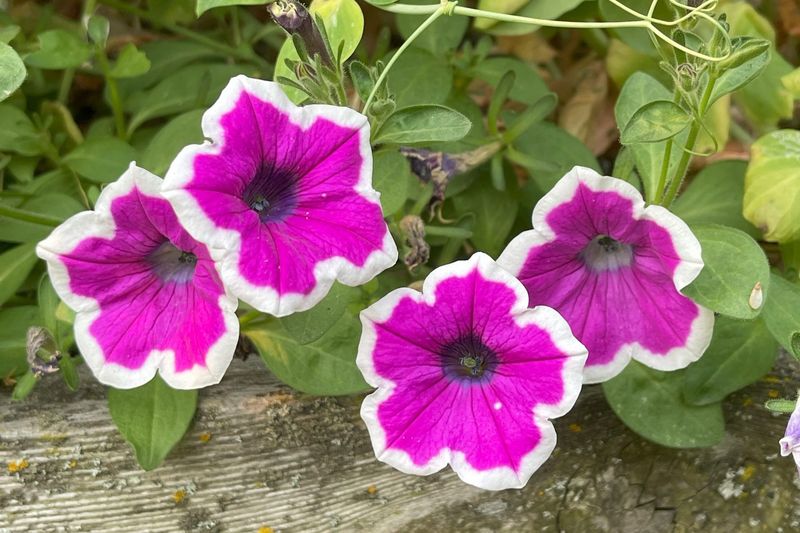
Petunias are a burst of color, thriving under the warm embrace of sunlight. These annuals are perfect for hanging baskets and garden borders. Their trumpet-shaped blossoms attract pollinators like bees and butterflies. However, in shaded areas, petunias falter. They need sunlight to maintain their vivid hues and robust growth. Without it, their blossoms become sparse and lackluster. Gardeners love them for their vibrant display and ability to cover ground quickly. In full sun, petunias flourish, becoming a focal point in any landscape. Their versatility makes them popular, but shade remains their kryptonite.
3. Lavender
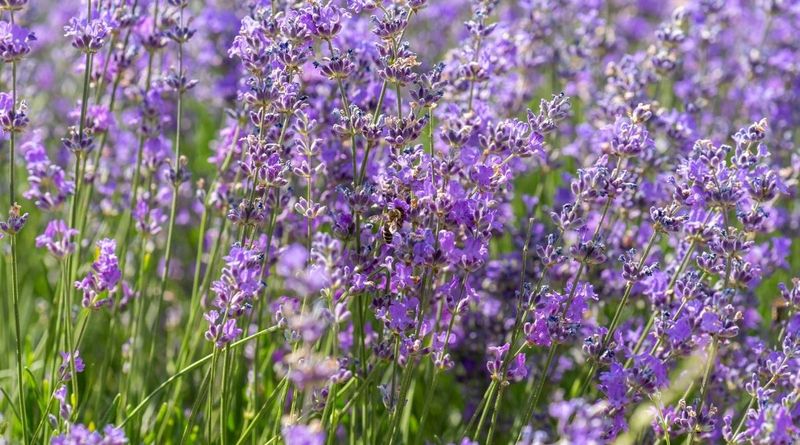
Lavender, with its soothing scent and calming color, thrives in sunny fields. This perennial is a staple in gardens for its fragrant flowers and foliage. Sunlight enhances its essential oil production, making it a favorite in aromatherapy. In shade, lavender struggles, losing its vigor and vibrant color. The plant becomes leggy and less fragrant. Known for attracting bees, it aids in pollination. Gardeners cherish lavender for its drought resistance and beauty. Its presence in a sunny garden offers tranquility. Despite its many merits, a shaded environment robs lavender of its charm and effectiveness.
4. Marigold
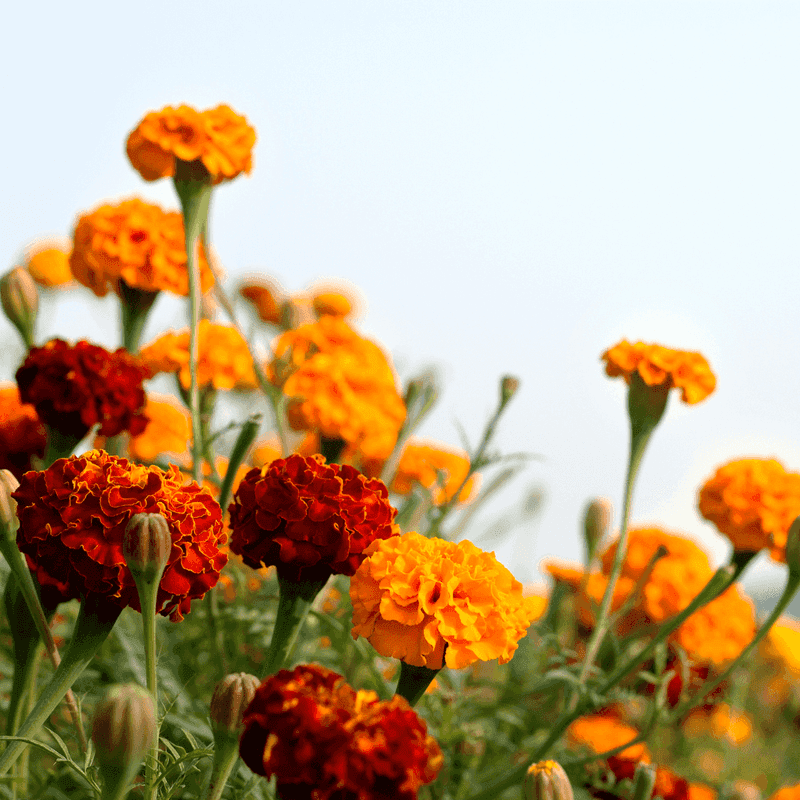
Marigolds dance in the sunlight, their golden blooms radiating warmth. Known for their pest-repelling properties, they are a gardener’s ally. In full sun, marigolds flourish, their flowers vibrant and plentiful. Shade, however, diminishes their growth and pest control abilities. These annuals are often planted alongside vegetables to deter insects naturally. Their bright colors and ease of care make them garden staples. Marigolds symbolize positivity and are used in cultural ceremonies worldwide. Yet, without sunlight, they struggle to thrive, losing their protective qualities and vibrant appearance, becoming mere shadows of their potential.
5. Zinnia
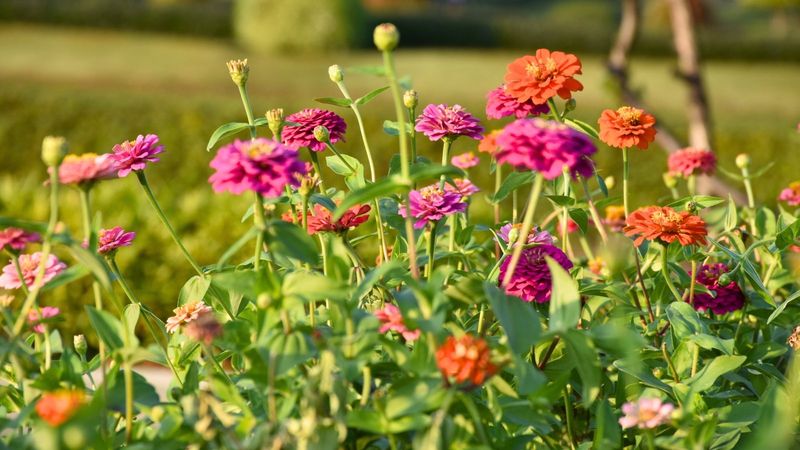
Zinnias are the life of the garden party, bringing bold colors and lively energy. These annuals thrive in the sun, displaying a dazzling array of colors. They’re easy to grow, making them ideal for beginners. In shade, however, zinnias falter. Their growth becomes stunted, and blooms sparse. Known to attract butterflies, they’re a favorite for pollinator gardens. Their tall, sturdy stems make them excellent cut flowers. Gardeners prize zinnias for their long blooming season and uncomplicated care. Despite these attributes, they need sunlight to shine, with shaded areas leaving them dull and unimpressive.
6. Rose
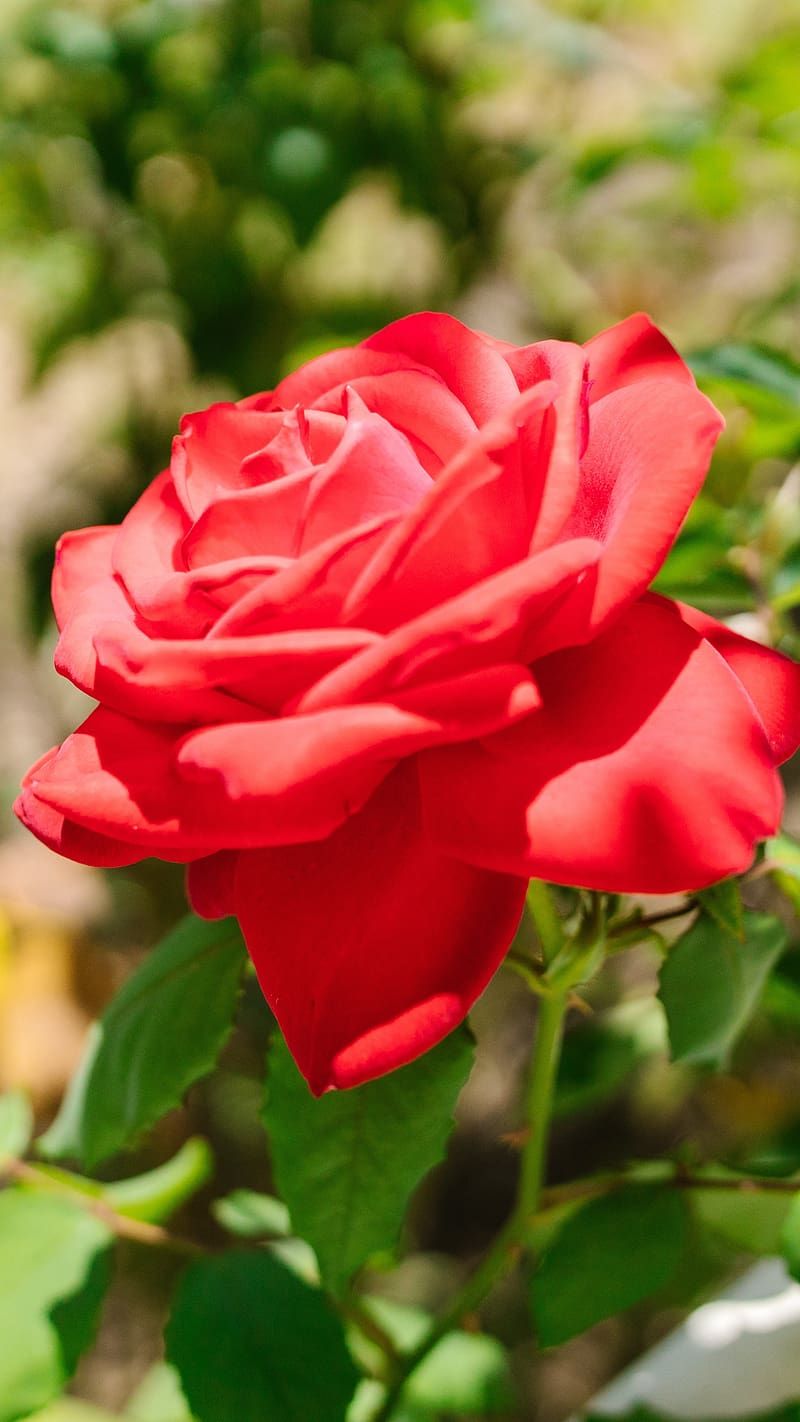
The rose, a timeless symbol of love and beauty, flourishes in sunlight. Its blossoms open wide, releasing a heady fragrance. Roses are versatile, found in various colors and forms. However, shade is their adversary. Without adequate sunlight, roses become prone to diseases and produce fewer blooms. Known for their romantic allure, they are a staple in gardens. Prized by florists, roses elevate any bouquet. Their care requires attention to sunlight and soil. In sunny spots, roses thrive, offering a stunning display. But in shadow, they lose their iconic charm and health, becoming susceptible to ailments.
7. Geranium
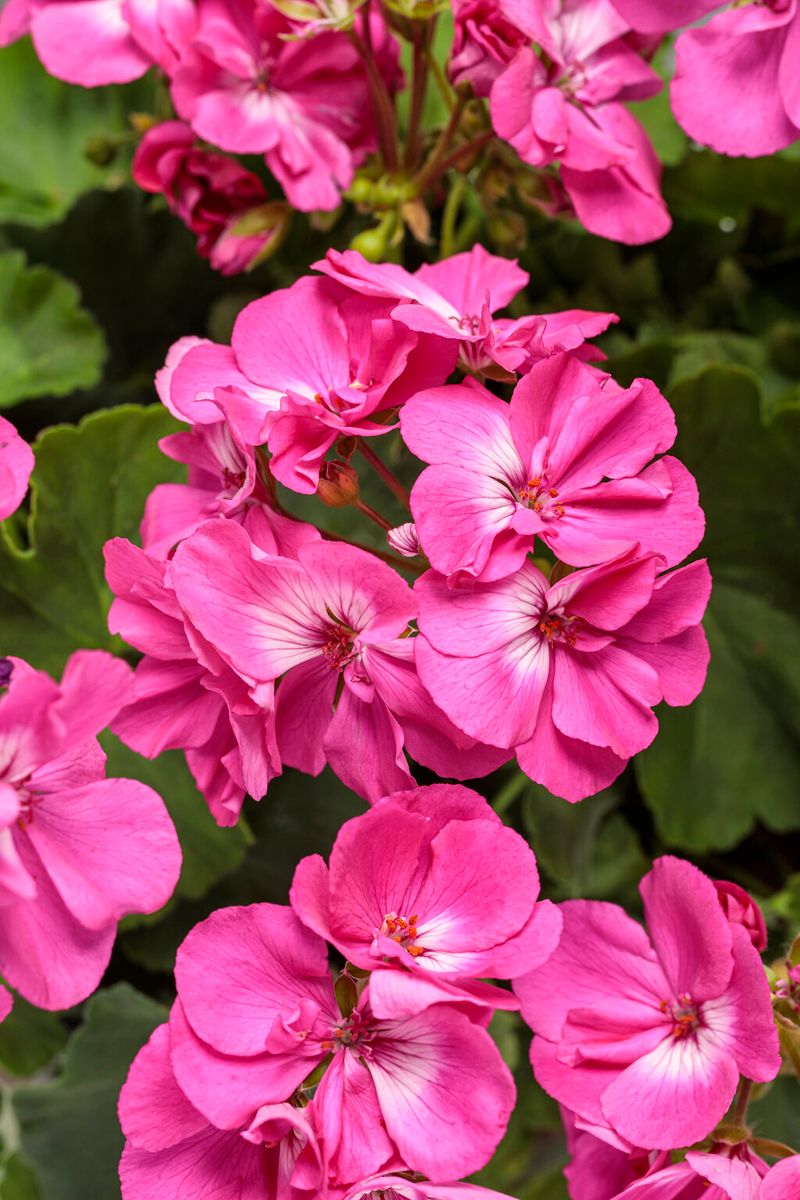
Geraniums, with their cheerful blooms, bask in the sun’s warmth. These plants are beloved for their diverse colors and ease of care. In full sun, geraniums thrive, producing abundant flowers. However, shade reduces their flowering potential and vigor. Known for their versatility, they adorn gardens, patios, and window boxes. Gardeners appreciate their drought tolerance and long blooming period. The scent of geranium leaves adds an aromatic touch to outdoor spaces. Despite their resilience, geraniums require sunlight to flourish. In shaded areas, their growth is stunted, and their vibrant display is diminished, leaving gardens less lively.
8. Chrysanthemum
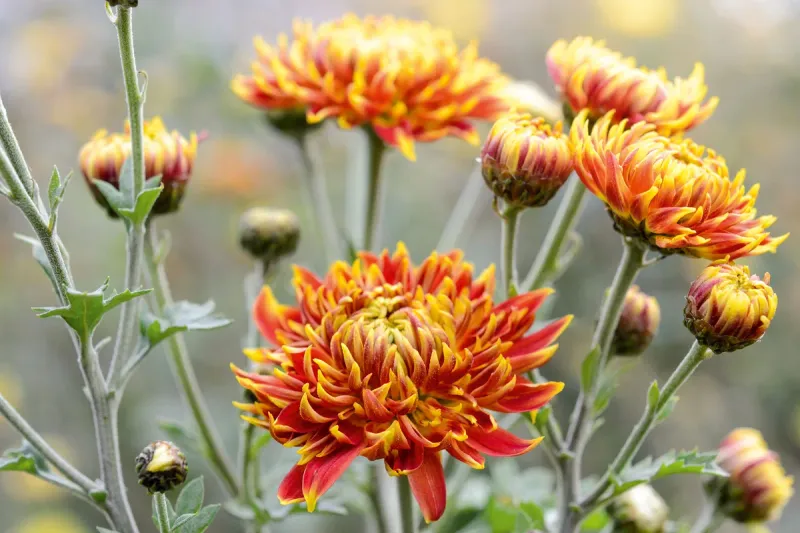
Chrysanthemums, or mums, are a fall favorite, bursting with color as the seasons shift. In full sun, they bloom profusely, offering a spectacular floral display. Shade, however, hinders their growth and flowering. Known for their variety and longevity, mums come in numerous shapes and colors. They’re a staple in autumn gardens, symbolizing joy and optimism. Gardeners prize them for their ability to withstand cooler temperatures. In sunny environments, chrysanthemums thrive, providing a vibrant spectacle. Yet, in shaded areas, they struggle, producing fewer and smaller blooms. Mums need sunlight to reach their full potential and beauty.
9. Dahlia
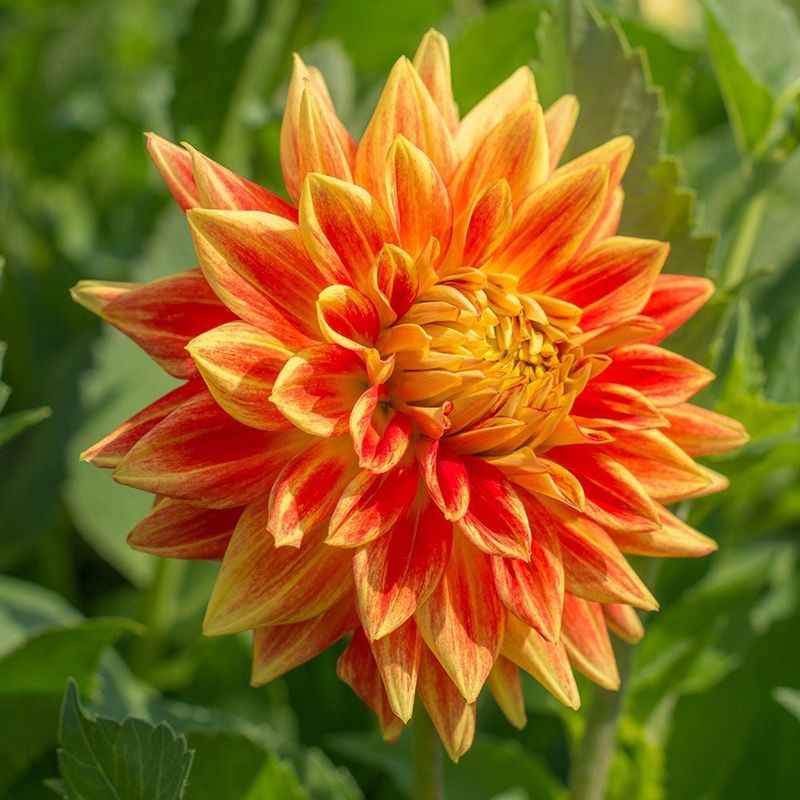
Dahlias, with their intricate blooms, captivate gardeners and flower enthusiasts alike. They thrive in sunny spots, displaying a wide range of colors and forms. Their tuberous roots store energy, sustaining them during bloom. Shade, however, stifles their growth and bloom quality. Known for their dramatic appearance, dahlias make excellent cut flowers. Gardeners adore them for their long flowering season and array of varieties. In full sun, they reach their peak, providing a dazzling display. Yet in shade, they become lackluster, with reduced blooms and vigor. Dahlias need sunlight to showcase their true beauty and complexity.
10. Snapdragon
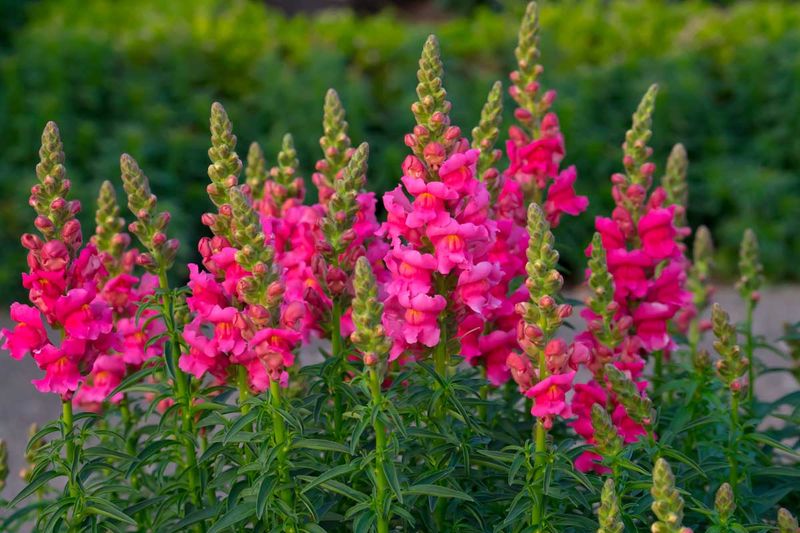
Snapdragons bring a touch of whimsy to gardens with their dragon-shaped blooms. These annuals thrive in sunny locations, offering a wide range of colors. Shade, however, limits their growth and flowering potential. Known for their playful appearance, snapdragons are popular in borders and containers. They attract pollinators, adding life to gardens. Their unique shape and vibrant colors make them a favorite among children. In sunny spots, snapdragons excel, providing continuous blooms. Yet, in shaded areas, their growth is stunted, and floral display diminished. To truly shine, snapdragons require the warmth and brightness of the sun.
11. Begonia
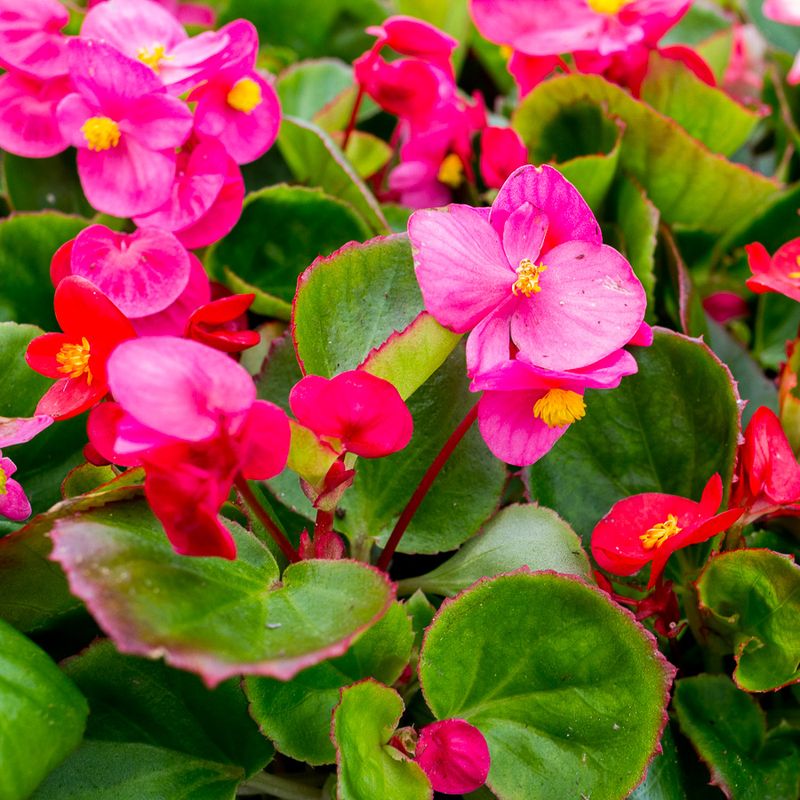
Begonias, with their lush foliage and vibrant blooms, thrive in shadier spots. These versatile plants bring life to shadowy corners. Known for their adaptability, begonias flourish where sunlight is scarce. Their flowers come in various colors, adding brightness to the darkest areas. They’re perfect for hanging baskets and shaded garden beds. Begonias are loved for their ease of care and decorative leaves. In low-light conditions, they excel, offering continuous blooms and lush greenery. Their presence transforms shaded gardens into spaces of beauty and tranquility. Begonias prove that even in shadow, nature’s brilliance can prevail.
12. Hosta
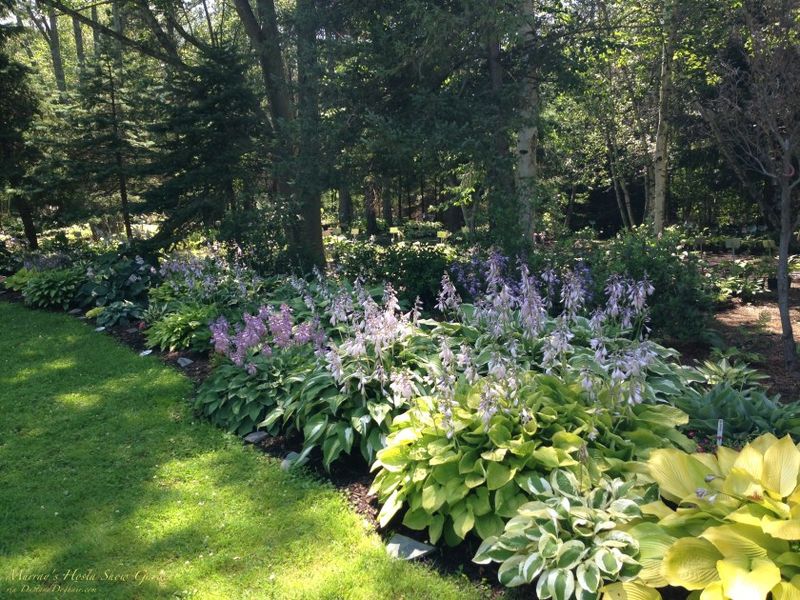
Hostas, celebrated for their striking foliage, flourish in the shade. These perennials are a staple in shaded garden areas, offering a range of leaf colors and textures. Hostas are low-maintenance, making them a favorite among gardeners. In the absence of direct sunlight, they thrive, producing lush, vibrant leaves. Their flowers, while secondary, add a charming touch to the leafy display. Known for their resilience, hostas withstand various conditions. They’re perfect for borders and ground cover in shaded landscapes. Hostas bring elegance and texture to gardens, proving that beauty doesn’t always require the sun’s spotlight to shine.
1. Fuchsia
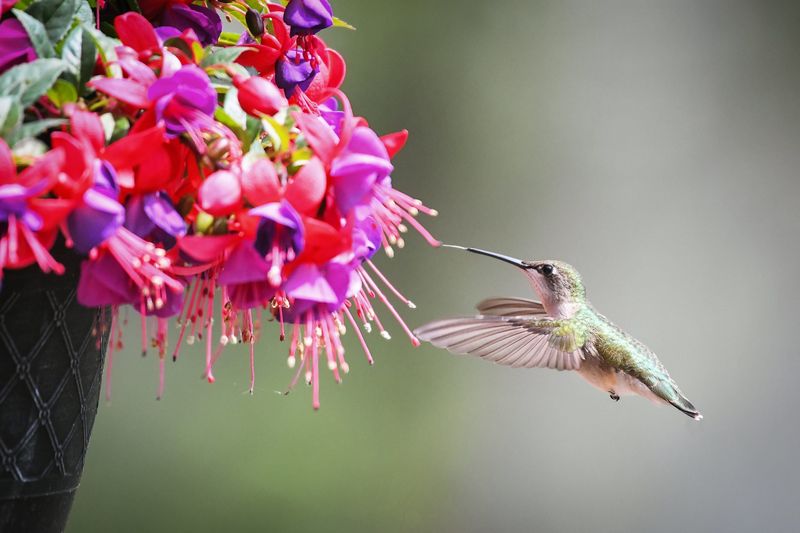
Fuchsias are jewels of the shade garden, with their pendulous blooms adding elegance to any space. These plants are known for their vibrant, two-toned flowers. Thriving in shade, fuchsias offer a stunning display without the need for direct sunlight. Their unique blossoms attract hummingbirds and butterflies. Fuchsias are perfect for hanging baskets and containers, bringing color to patios and porches. Gardeners appreciate their continuous blooms and striking appearance. In low-light areas, they thrive, providing vibrant beauty. Fuchsias prove that even in the absence of sunlight, nature can offer a dazzling floral spectacle.
2. Astilbe
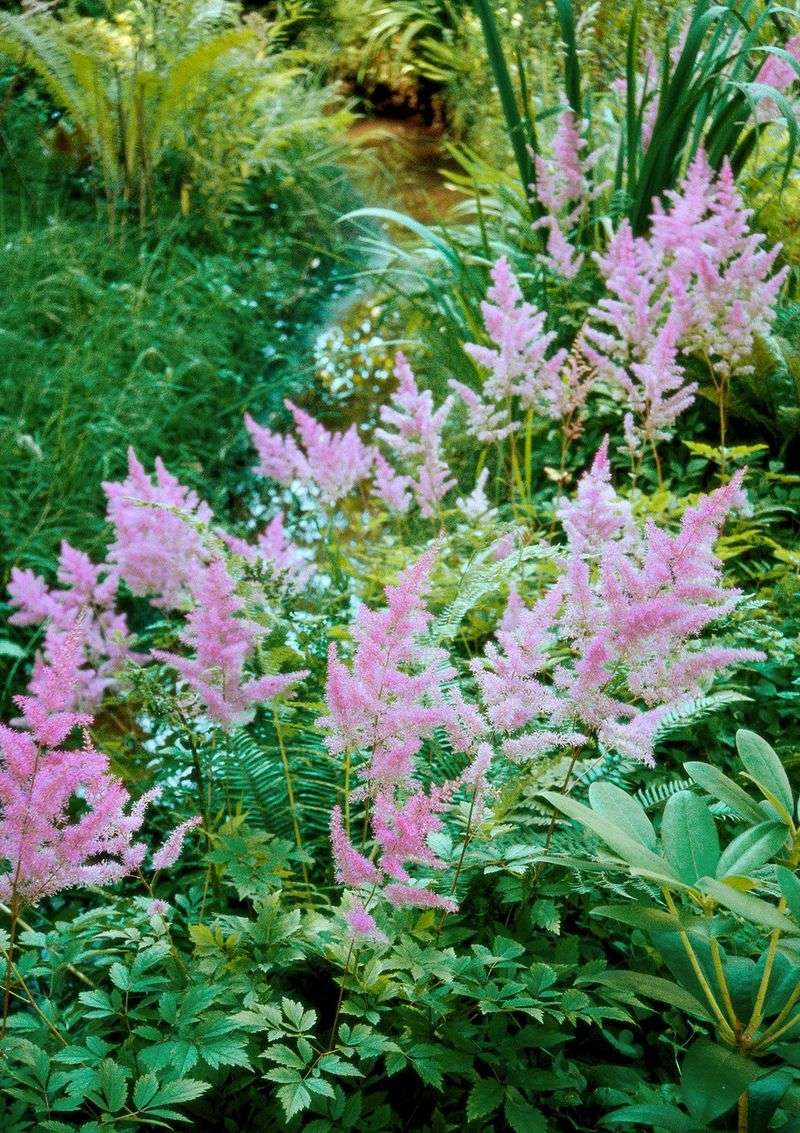
Astilbes, with their feathery plumes, bring a touch of elegance to shaded gardens. These perennials thrive in low-light conditions, offering blooms in shades of pink, red, and white. Astilbes are known for their lush, fern-like foliage and long-lasting flowers. They’re perfect for moist, shaded areas, adding both texture and color. Gardeners prize them for their low maintenance and ability to attract pollinators. In shade, astilbes excel, providing a continuous display of beauty. Their presence in the garden transforms dim corners into enchanting landscapes. Astilbes demonstrate that even in shadow, vibrant life can flourish with grace.
3. Lily of the Valley
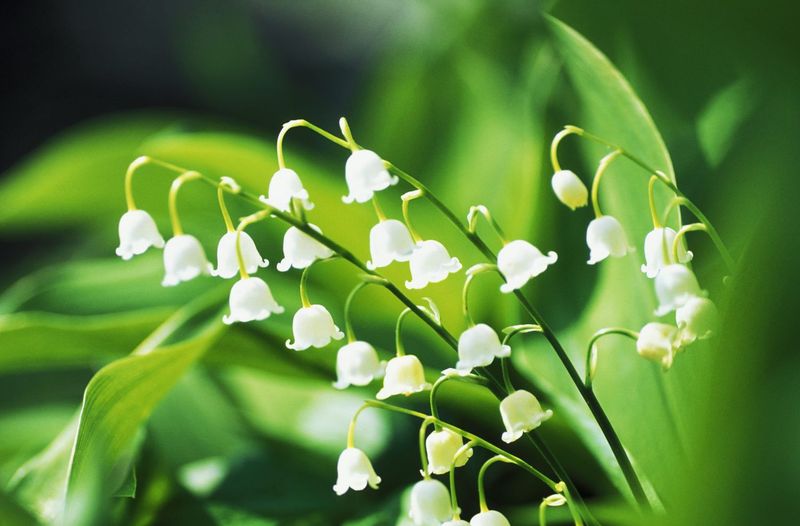
Lily of the valley, with its bell-shaped blooms, thrives in the cool shade. This perennial is cherished for its sweet fragrance and elegant appearance. In low-light areas, it spreads easily, forming lush carpets of green and white. Lily of the valley is often associated with spring and renewal, gracing gardens with its delicate beauty. Known for its resilience, it prospers in shaded woodland settings. Gardeners value it for its fragrance and ground-covering abilities. In shady spots, lily of the valley flourishes, offering a serene and fragrant display. These flowers prove that elegance and charm can thrive without direct sunlight.
4. Impatiens
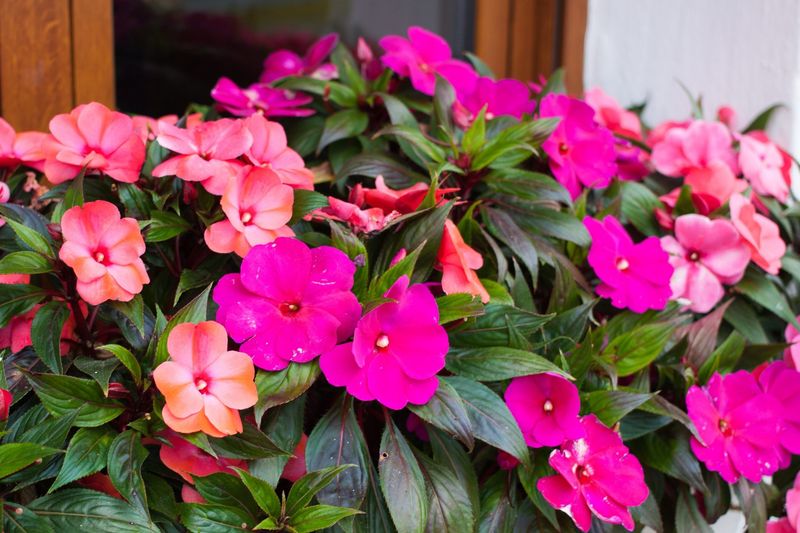
Impatiens, known for their vibrant blooms, excel in shaded areas. These annuals are a staple in low-light gardens, offering a wide range of colors. Impatiens are perfect for adding brightness to shaded garden beds and containers. Their continuous blooms provide color throughout the growing season. Gardeners appreciate their low maintenance and ability to fill in shady spots beautifully. In the absence of direct sunlight, impatiens thrive, offering a lively display. Their presence in the garden transforms dull areas into vibrant spaces of color. Impatiens prove that even in shade, gardens can burst with life and beauty.
5. Caladium
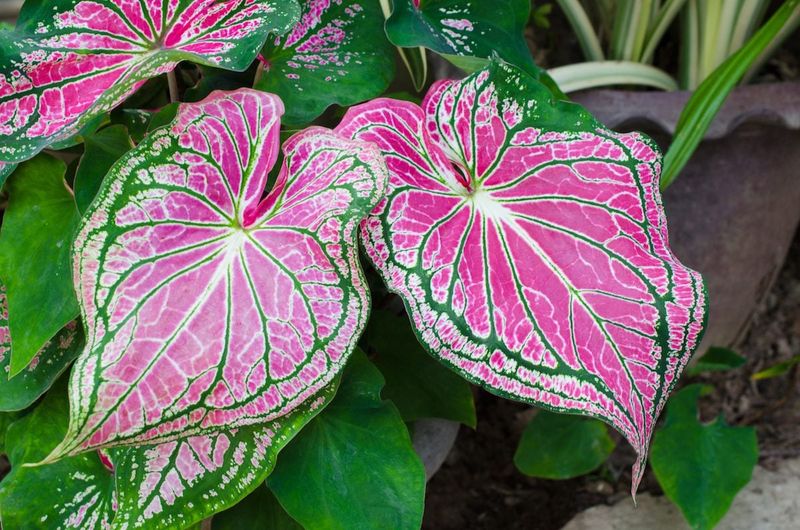
Caladiums, known for their striking foliage, thrive in shaded gardens. These tropical plants bring a burst of color with their large, heart-shaped leaves. In low-light areas, caladiums flourish, adding vibrancy and texture. Their leaves come in an array of colors, including red, pink, and white, making them a favorite among gardeners. Caladiums are perfect for borders and containers, providing a tropical feel to shaded spaces. Gardeners prize them for their bold appearance and easy care. In shade, caladiums excel, transforming gardens into lush, colorful retreats. These plants demonstrate that even without direct sun, beauty abounds.
6. Heuchera
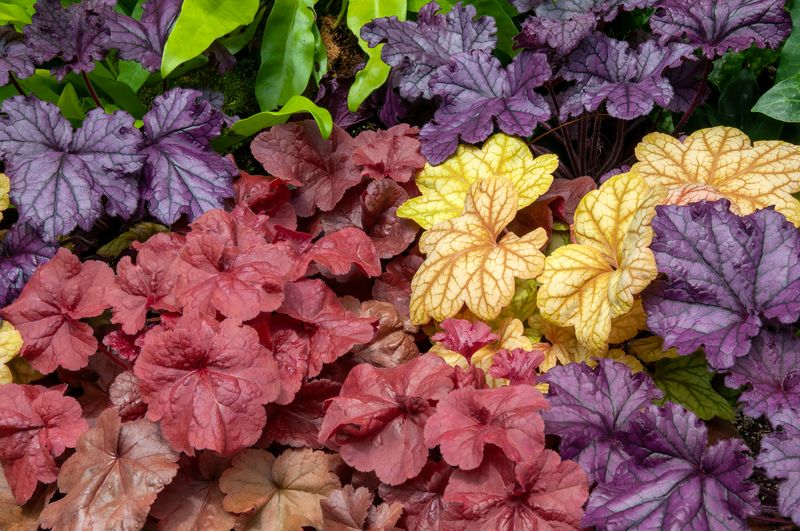
Heucheras, or coral bells, are celebrated for their colorful foliage and shade tolerance. These perennials thrive in low-light conditions, offering a stunning array of leaf colors. Heucheras add texture and variety to shaded garden beds. Known for their adaptability, they provide year-round interest with their evergreen leaves. Gardeners appreciate their low maintenance and ability to attract pollinators. In shade, heucheras excel, providing a continuous display of color and texture. Their presence in the garden transforms ordinary spaces into vibrant, lively areas. Heucheras prove that even in shadow, gardens can be full of color and life.
7. Japanese Anemone
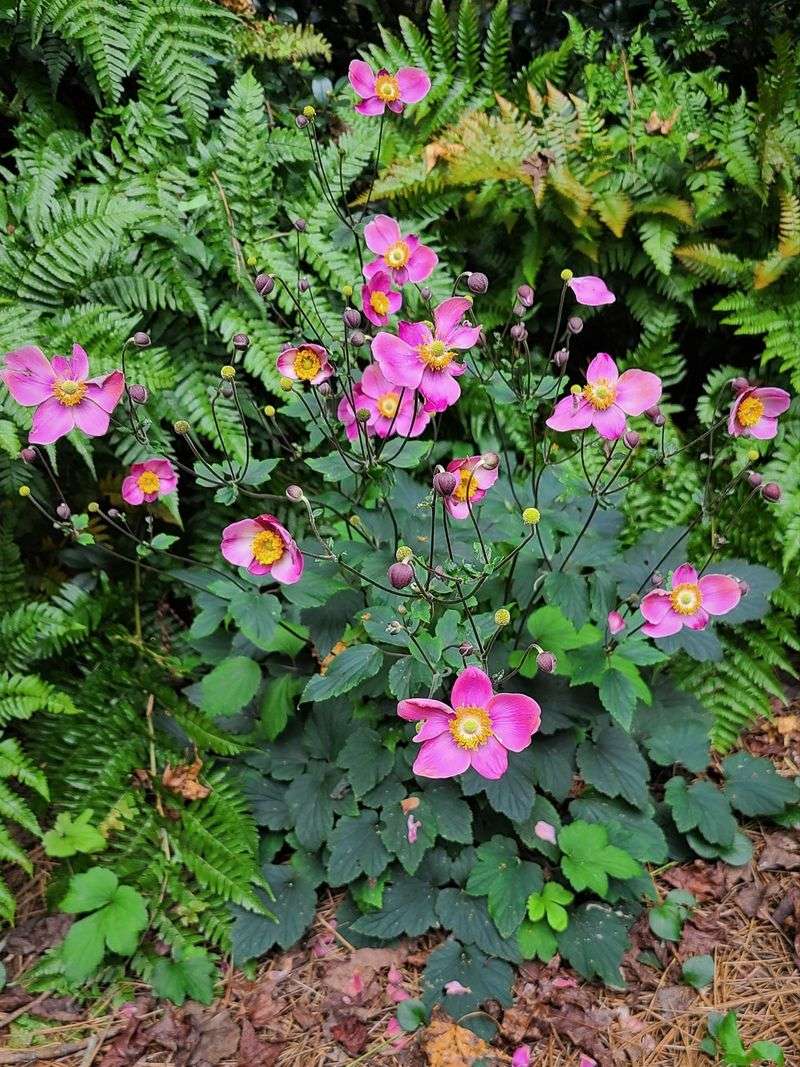
Japanese anemones, with their delicate blooms, bring elegance to shaded gardens. These perennials thrive in low-light conditions, offering flowers in shades of pink and white. Known for their late summer blooms, they add color when many other flowers have faded. Japanese anemones are cherished for their graceful appearance and resilience. Gardeners prize them for their ability to attract butterflies and provide late-season interest. In shade, these anemones excel, offering a continuous display of beauty and charm. Their presence in the garden transforms shaded areas into serene, picturesque landscapes, proving that elegance can thrive in dim light.
8. Bleeding Heart
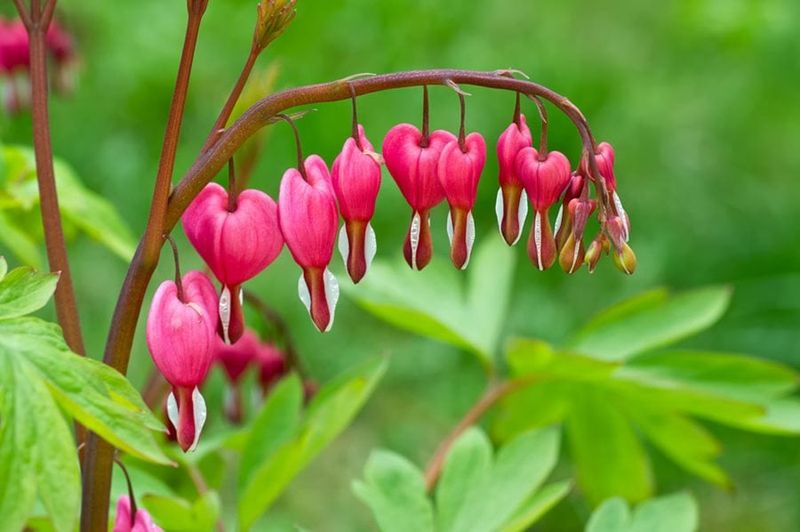
Bleeding hearts, with their heart-shaped blooms, are beloved in shaded gardens. These perennials thrive in low-light areas, offering a romantic and whimsical display. Their arching stems and delicate flowers add charm to any garden setting. Known for their spring blooms, bleeding hearts provide early-season interest. Gardeners appreciate their ease of care and ability to fill in shaded spots beautifully. In the absence of direct sunlight, they flourish, offering a serene and enchanting presence. Bleeding hearts prove that even in shadow, gardens can be filled with romance and beauty, captivating with their unique and graceful blooms.
9. Tuberous Begonia
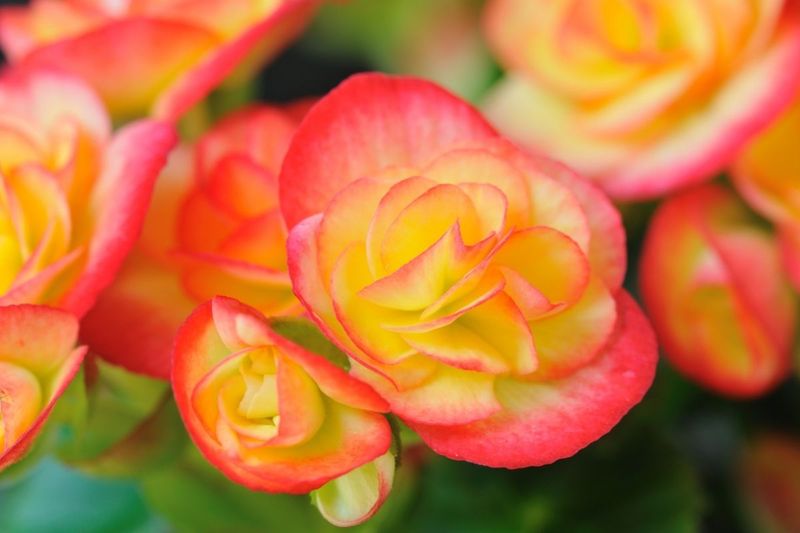
Tuberous begonias, with their rose-like blooms, are stars of the shaded garden. These plants thrive in low-light conditions, offering vibrant flowers throughout the growing season. Known for their stunning appearance, tuberous begonias are perfect for containers and hanging baskets. Their flowers come in a variety of colors, adding a burst of brightness to shaded areas. Gardeners prize them for their continuous blooms and lush foliage. In shade, these begonias excel, providing a dazzling display of color and charm. Tuberous begonias prove that even in the absence of sunlight, gardens can be vibrant and lively.
10. Ajuga
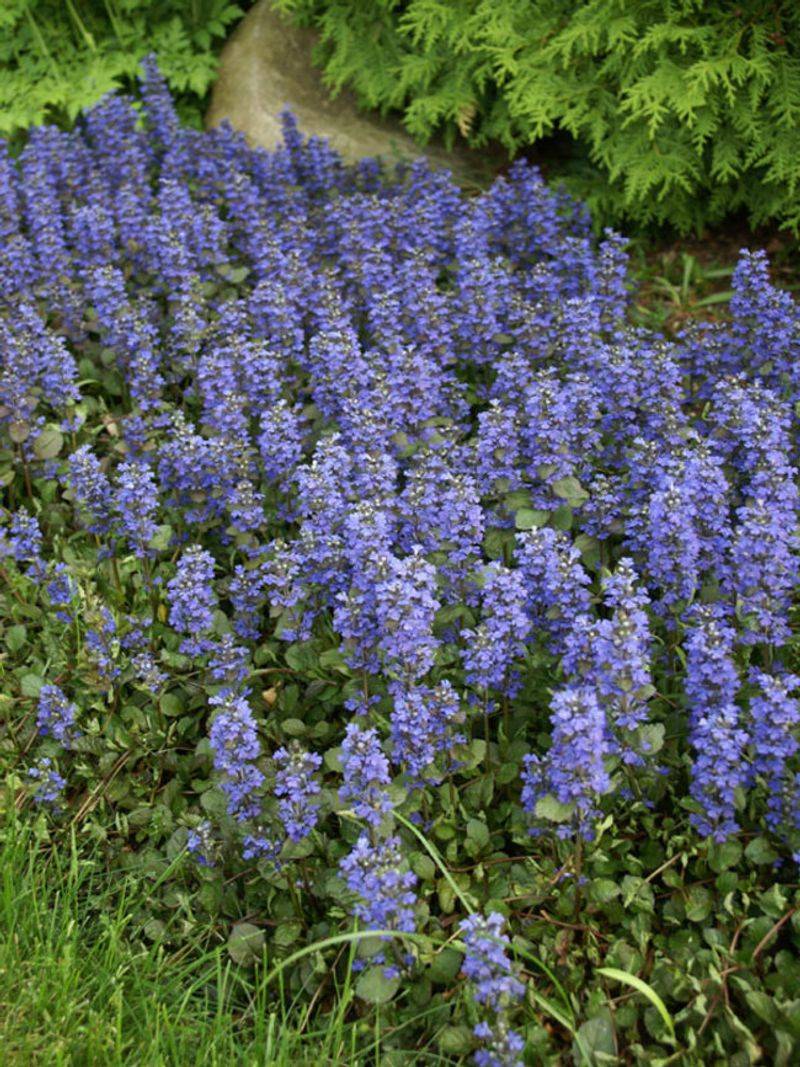
Ajuga, or bugleweed, thrives in the shade, creating lush carpets of color. This ground cover is known for its vibrant purple blooms and rich green foliage. In low-light areas, ajuga spreads easily, filling in garden beds and pathways. Gardeners appreciate its ability to suppress weeds and provide year-round interest. In shady spots, ajuga flourishes, offering a continuous display of beauty and vitality. Its presence in the garden transforms ordinary spaces into vibrant landscapes. Ajuga proves that even in the shadow, gardens can be full of life and color, enhancing the beauty of any shaded area.
11. Solomon’s Seal
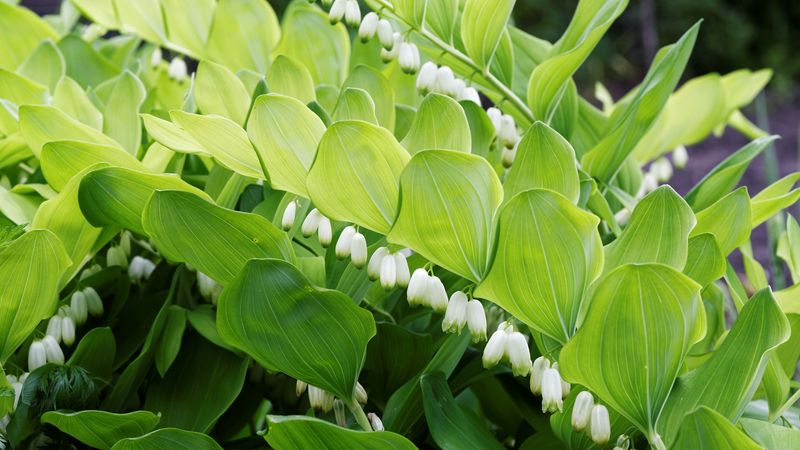
Solomon’s seal, with its graceful arching stems, thrives in the shade. This perennial is known for its delicate white flowers and lush foliage. In low-light areas, Solomon’s seal excels, adding elegance to woodland gardens. Gardeners appreciate its ability to fill in shaded areas and its low maintenance needs. In shade, this plant flourishes, offering a continuous display of beauty and sophistication. Its presence in the garden transforms ordinary spaces into serene, picturesque landscapes. Solomon’s seal proves that even in the absence of direct sunlight, gardens can be elegant and enchanting, captivating with their unique charm.
12. Epimedium
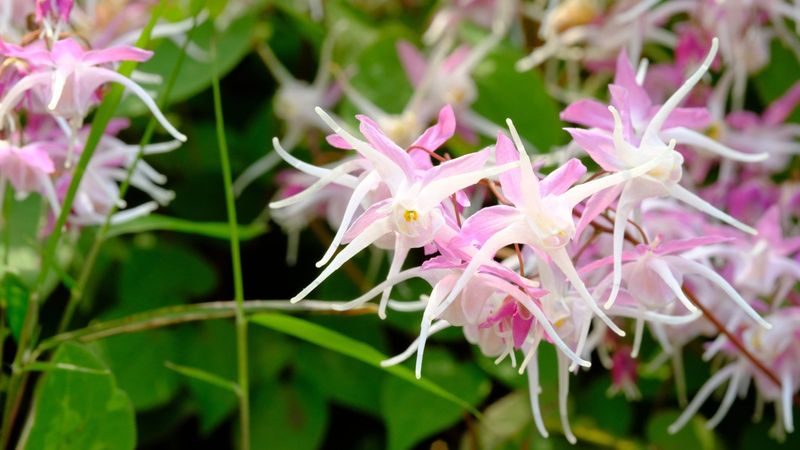
Epimedium, often called barrenwort, is a shade-loving perennial with delicate charm. Its heart-shaped leaves and dainty flowers bring elegance to shaded gardens. In low-light areas, epimediums thrive, offering blooms in shades of pink, yellow, and white. Known for their resilience, they are perfect for woodland gardens and borders. Gardeners value their ability to suppress weeds and provide year-round interest. In shade, epimediums excel, creating lush, vibrant displays. Their presence in the garden enhances the beauty of shaded areas, proving that even in shadow, gardens can be full of life and charm.