 Complete Gardening
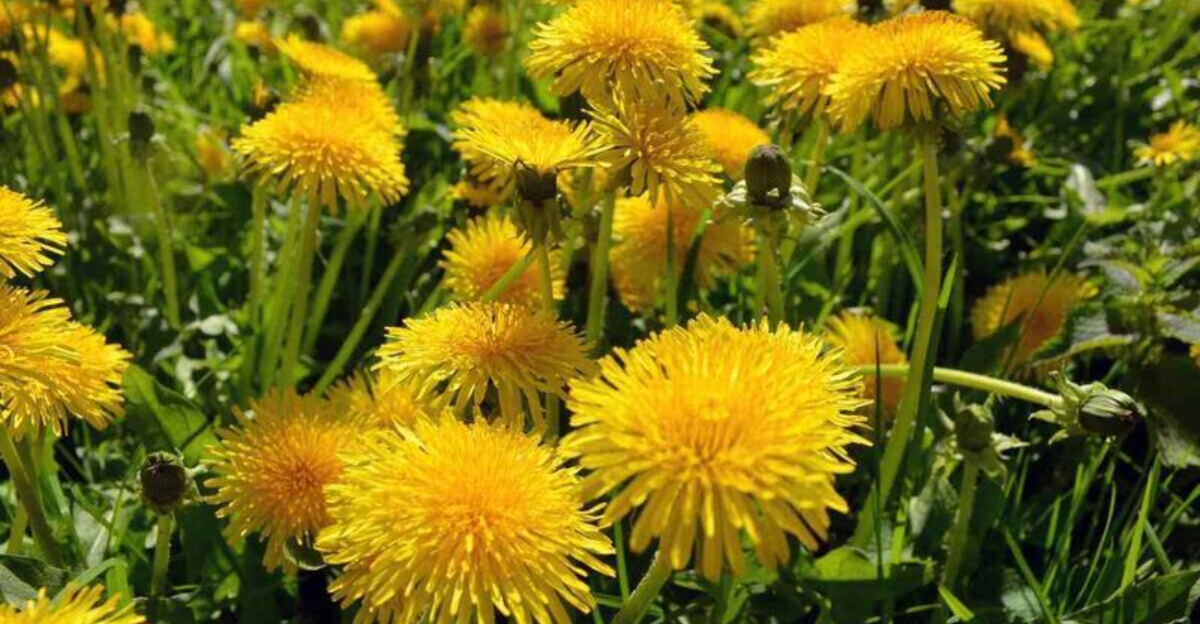
Indiana’s lawns face a persistent challenge from various weeds that can quickly overtake a beautiful green space. Understanding these weeds and knowing how to manage them effectively can save both time and effort. In this guide, we explore 12 common lawn weeds that are prevalent across Indiana and offer practical solutions to control their spread.
Crabgrass
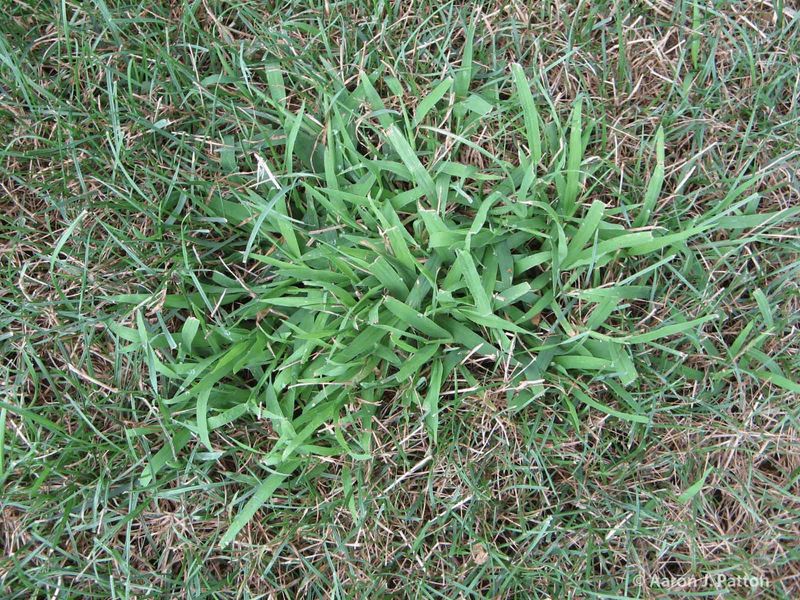
Crabgrass, a persistent and unwelcome guest in Indiana lawns, thrives in the hot summer months. Its aggressive growth pattern allows it to outcompete desirable grasses, making it a challenge to control. The key to stopping crabgrass lies in early prevention.
Applying a pre-emergent herbicide in early spring can significantly reduce its spread. Maintaining a thick, healthy lawn also helps by preventing crabgrass seeds from taking hold. Regular mowing and proper lawn care routines are essential to keep this invader at bay.
Fun fact: Crabgrass is not just a weed but was once used as a food source in some cultures.
Clover
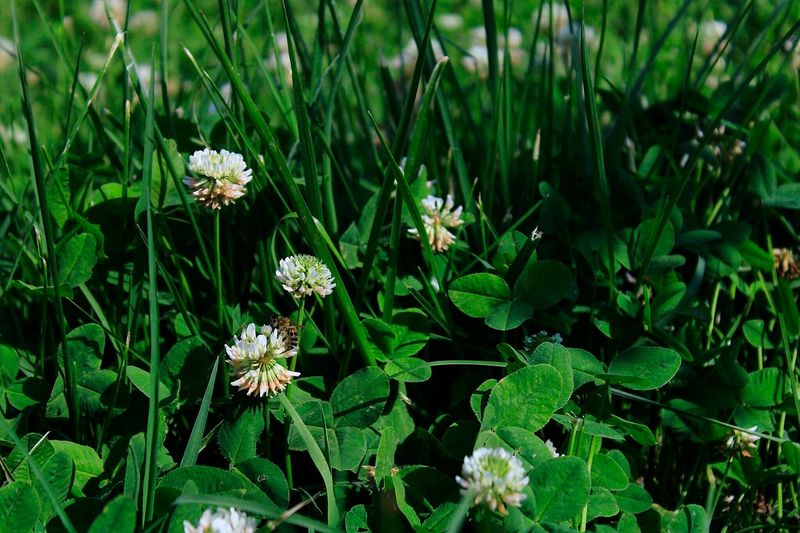
Clover, with its trifoliate leaves and delicate white flowers, adds a touch of charm but can quickly overrun Indiana lawns. Known for its nitrogen-fixing ability, clover often thrives in lawns with poor soil fertility. This balance of benefits and drawbacks makes clover a unique challenge.
To control clover, regular mowing can be effective, particularly before the flowers set seed. Additionally, adjusting soil fertility by applying fertilizers can help the grass outcompete this persistent weed. Some homeowners even embrace clover for its eco-friendly benefits.
Historically, clover was intentionally included in lawn mixtures for its soil-enhancing properties.
Chickweed
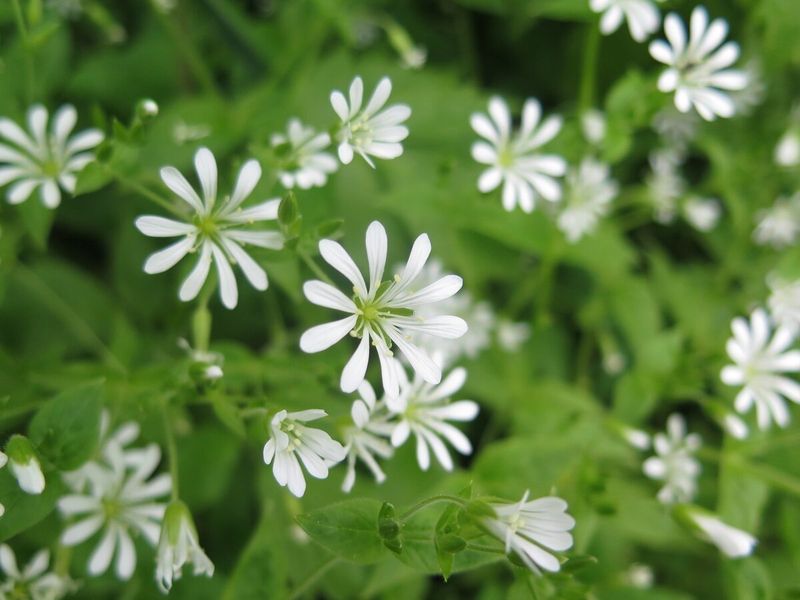
Chickweed, with its tiny star-like flowers and sprawling habit, is an early spring invader in Indiana lawns. Its ability to spread rapidly through both seeds and rooting stems makes it a formidable opponent. Chickweed can be particularly troublesome in shaded, moist areas.
Hand pulling is effective for small infestations, but it’s crucial to remove the entire plant to prevent regrowth. For larger areas, applying a broadleaf herbicide can help. Proper lawn maintenance, including aeration and reducing shade, can deter chickweed growth.
Did you know? Chickweed leaves are edible and often used in salads for their mild taste.
Creeping Charlie
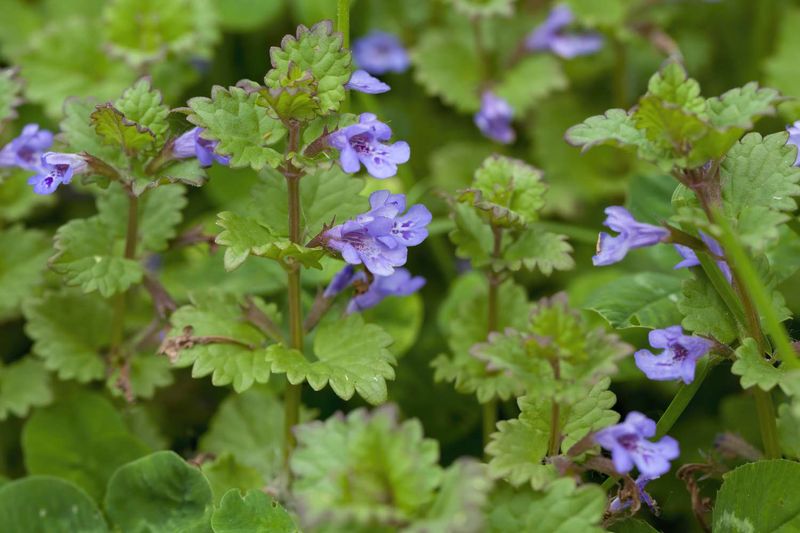
Creeping Charlie, also known as ground ivy, is notorious for its tenacious growth in Indiana lawns. Its charming purple flowers belie its invasive tendencies, as it spreads via creeping stems and extensive root systems. This shade-loving weed can quickly take over if left unchecked.
Combating Creeping Charlie involves a multi-pronged approach: regular mowing, hand pulling, and applying selective herbicides. It’s important to act fast, as this weed can quickly dominate shaded lawn areas. Maintaining strong turfgrass helps prevent its establishment.
Interestingly, Creeping Charlie has been used in traditional medicine, despite its reputation as a persistent weed.
Plantain
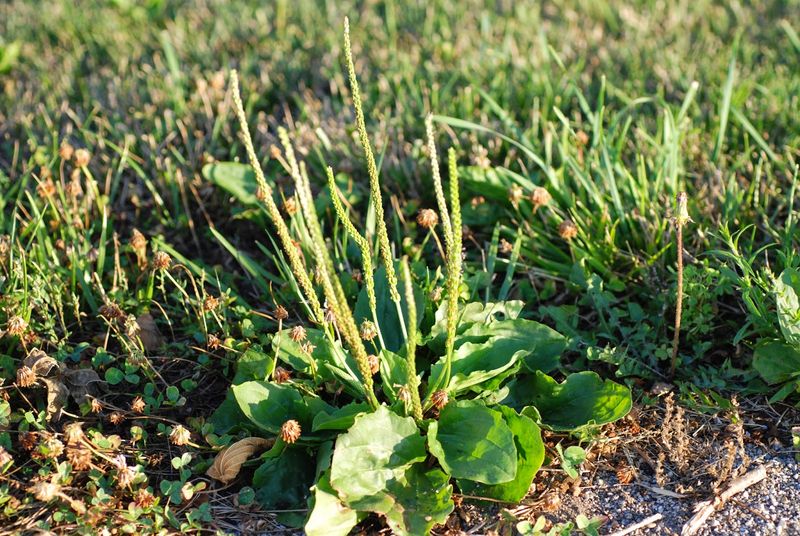
Broadleaf plantain, with its distinctive rosette of large leaves and tall flower spikes, is a common invader of Indiana lawns. Its ability to thrive in compacted soil makes it a tough competitor. This weed’s presence often indicates underlying soil issues that need addressing.
Controlling plantain requires improving soil conditions through aeration and regular overseeding with grass. Applying a broadleaf herbicide can manage existing infestations effectively. Maintaining a healthy lawn through proper care practices can prevent plantain from gaining a foothold.
Historically, plantain was used by Native Americans for its medicinal properties, despite being considered a weed today.
Dandelion
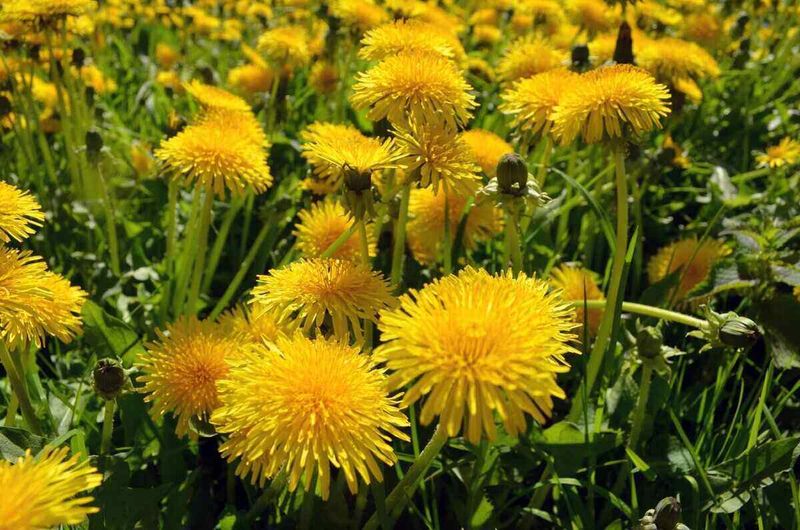
The cheerful dandelion, with its sunny yellow blooms, is a common sight in Indiana’s lawns. While its appearance might seem harmless, this weed is a formidable foe, spreading rapidly through its windborne seeds. Controlling dandelions requires regular mowing and targeted herbicides.
To prevent their spread, it’s essential to remove the entire root system, as even a small fragment can regrow. Consider using a specialized weeding tool for effective extraction. Aerating the soil can also discourage dandelion establishment by promoting healthy grass growth.
Interestingly, dandelions are edible and have been used in traditional remedies, though they remain a nuisance to many gardeners.
Wild Violet
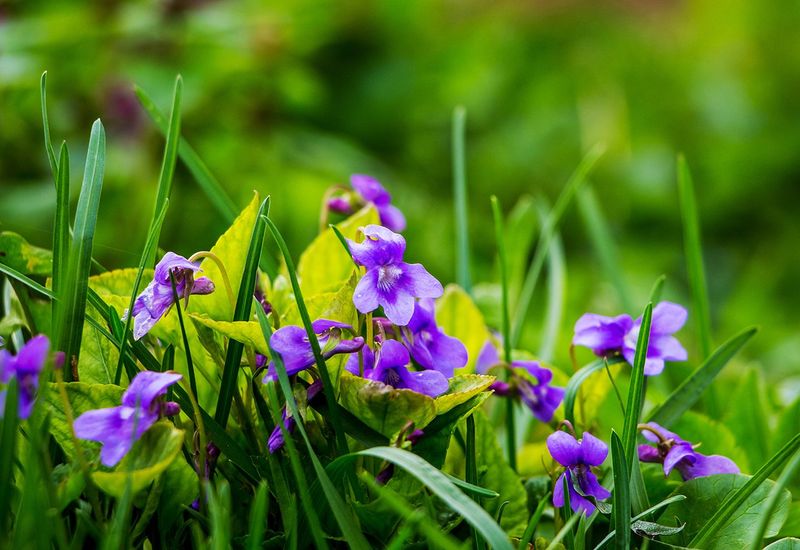
Wild violets, with their charming purple blooms and heart-shaped leaves, can quickly become a gardener’s nemesis in Indiana. These plants thrive in shaded, moist environments, spreading through both seeds and underground rhizomes. Their attractive appearance often masks their invasive nature.
To control wild violets, hand digging can be effective for small patches, ensuring the removal of all roots. For larger areas, a post-emergent herbicide may be necessary. Enhancing lawn health by allowing more sunlight and reducing moisture can help deter this weed.
Fun fact: Wild violets are edible and have been used in culinary dishes for their unique flavor.
Henbit
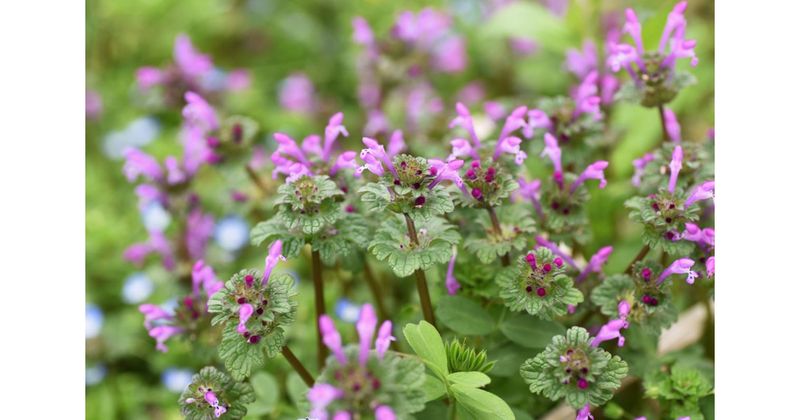
Henbit, with its square stems and tubular purple blooms, is an early spring arrival in Indiana lawns. Known for its rapid growth, henbit can quickly dominate if not controlled. This weed thrives in cool, moist conditions, often appearing before other plants have a chance to establish.
Controlling henbit involves early intervention with pre-emergent herbicides and maintaining a healthy lawn. Regular mowing and reducing soil moisture also help in managing its spread. Encouraging vigorous grass growth can naturally suppress henbit infestations.
Did you know? Henbit is a member of the mint family, recognizable by its unique stem shape.
Ground Ivy
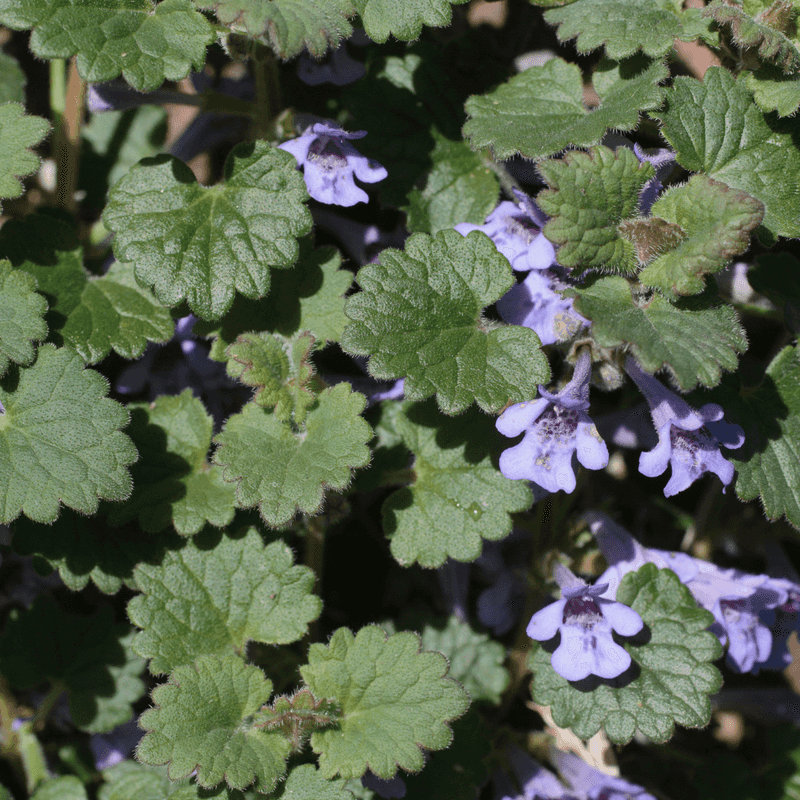
Ground ivy, often confused with Creeping Charlie, is a tenacious weed that thrives in Indiana’s shaded lawn areas. Its scalloped leaves and purple flowers spread via creeping stems, making it difficult to control once established. This weed prefers areas with poor drainage and low sunlight.
Managing ground ivy requires regular lawn care, including mowing, aeration, and applying a selective herbicide. Improving lawn drainage and increasing sunlight exposure can reduce its prevalence. Ensuring a dense grass cover can also help in outcompeting this weed.
Ground ivy was once used in brewing before hops became the standard, showcasing its historical versatility.
Quackgrass
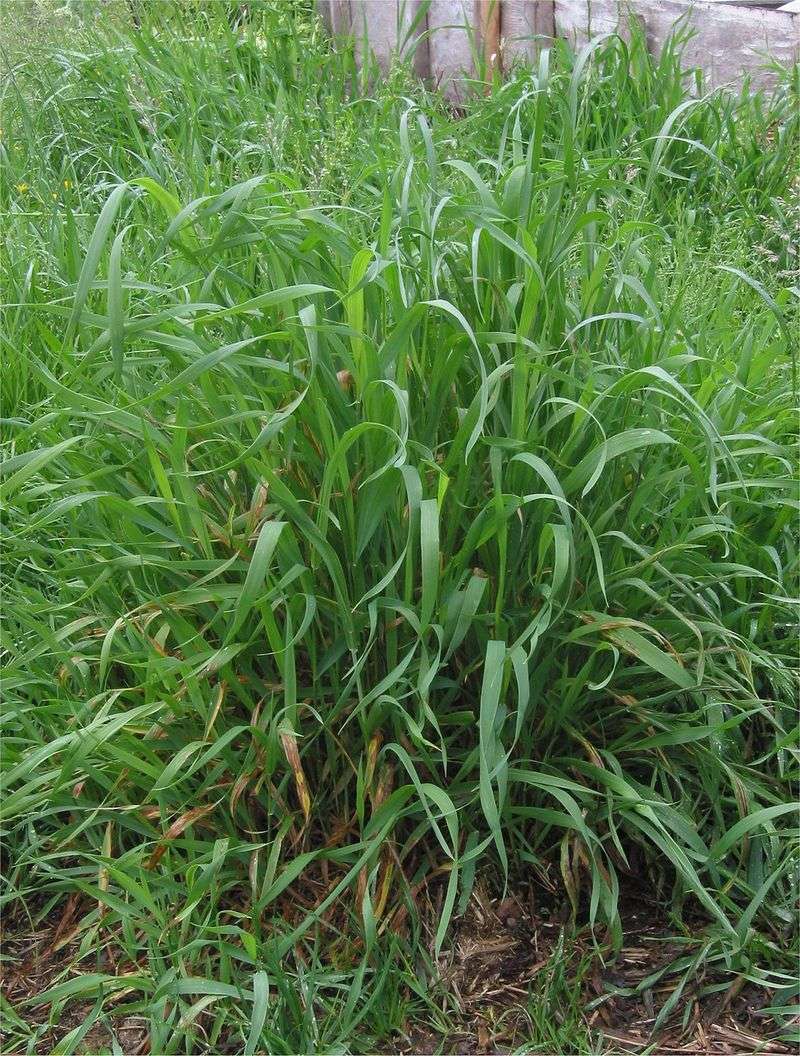
Quackgrass, with its tall, spiky blades, is a formidable invader in Indiana’s lawn and farmland edges. Its robust underground rhizomes make it difficult to eradicate, as they can quickly spread beyond control. Quackgrass thrives in disturbed soil, often outcompeting cultivated plants.
Effective control involves a combination of cultivation and herbicide application, targeting the root system. Consistent monitoring and removal of new growth are crucial to keep quackgrass in check. Encouraging healthy lawn practices can help suppress its spread.
Quackgrass’s resilience has made it a subject of study for its potential agricultural benefits, despite its invasive status.
Nutsedge
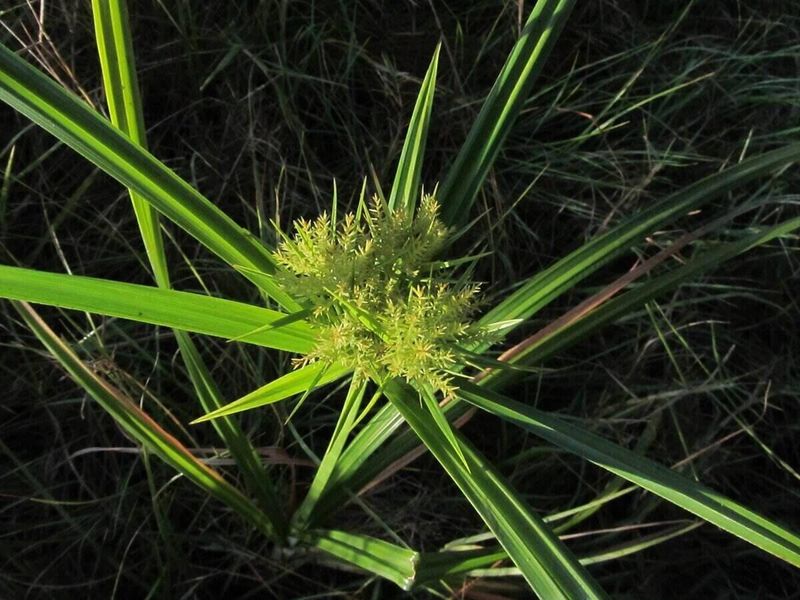
Nutsedge, often mistaken for grass, is a problematic weed in Indiana lawns. Its distinctive triangular stems and bright yellow-green leaves make it easy to identify. Thriving in poorly drained soils, nutsedge can spread rapidly through underground tubers and seeds.
Managing nutsedge involves improving soil drainage and applying a selective herbicide designed for sedge control. Regular mowing can help manage its appearance, but complete eradication requires persistent effort. Strengthening lawn health through proper fertilization and care can prevent nutsedge from overtaking.
Fun fact: Despite its nuisance, nutsedge has been cultivated as a food crop in ancient civilizations.
Thistle
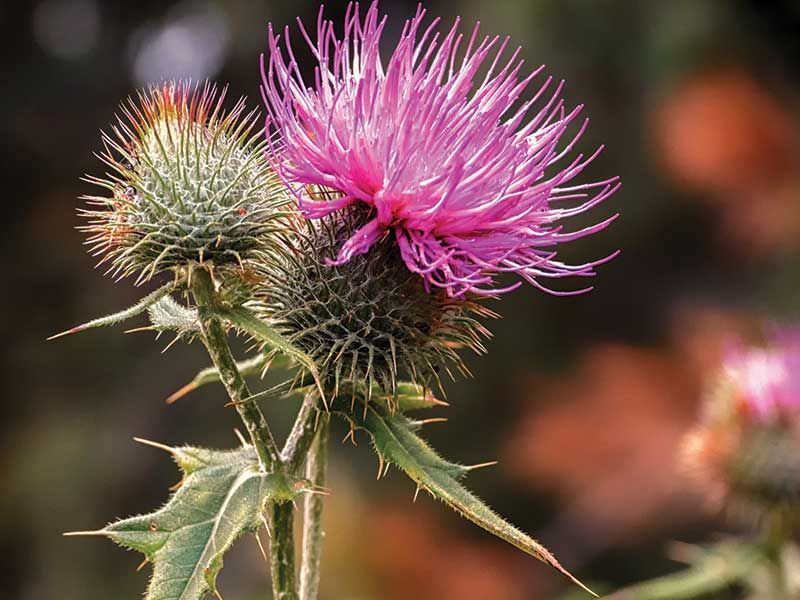
Thistle, with its sharp spines and vibrant purple flowers, is a weed that commands attention in Indiana’s lawns. Its ability to spread through wind-dispersed seeds and robust roots makes it a challenging adversary. Thistles often invade open, disturbed areas where competition from grass is minimal.
Controlling thistle requires removing the plant before it sets seed, often through hand pulling or mowing. For larger infestations, a broadleaf herbicide may be necessary. Ensuring a dense, healthy lawn can naturally suppress thistle growth.
Historically, thistles have been used for their medicinal properties, despite their prickly presence in gardens.