 Complete Gardening
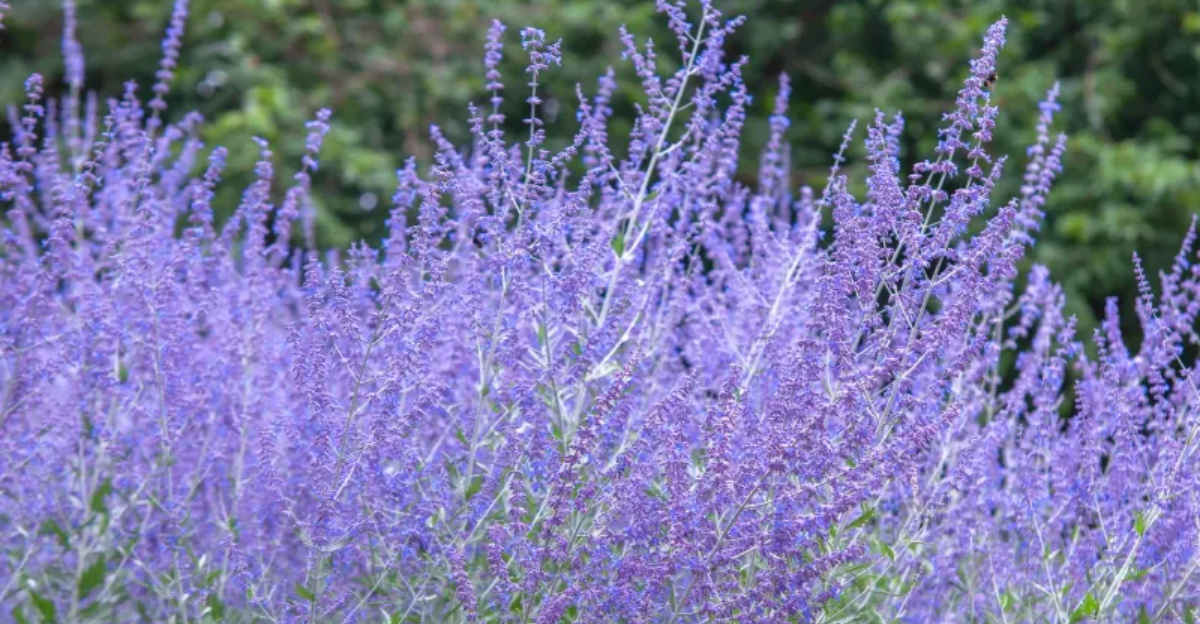
Explore the world of perennials with this guide to 12 varieties that bloom from spring to fall and 8 that never stop. Discover the beauty and resilience of these plants, perfect for any garden.
1. Daylily
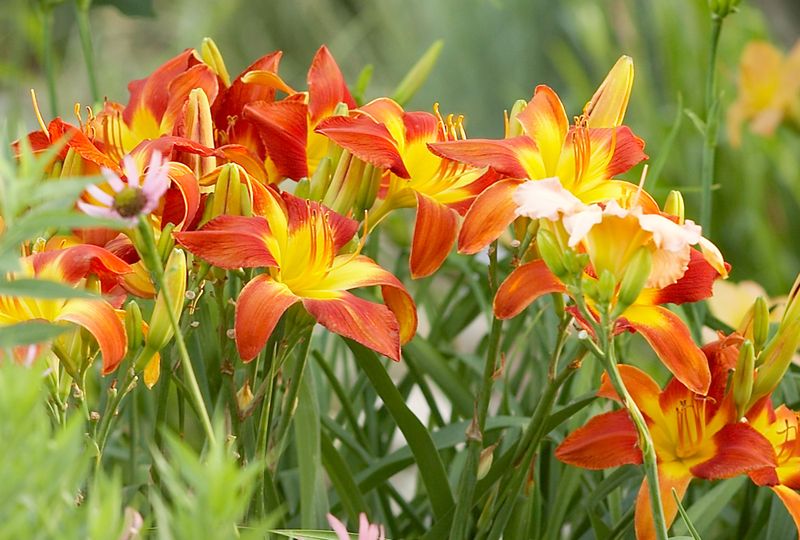
Daylilies are renowned for their vibrant colors and ability to thrive in varied conditions. These hardy perennials bloom consistently from spring to fall. With a spectrum of colors from classic yellow to vivid red, they add a splash of color to any garden. Their name comes from the Greek words for ‘beauty’ and ‘day,’ highlighting their ephemeral blossoms that last only a day. However, each plant produces many buds, ensuring a continuous display. A symbol of resilience, daylilies are perfect for gardeners seeking low-maintenance beauty. Fun fact: Daylilies are edible and used in some culinary dishes.
2. Black-Eyed Susan
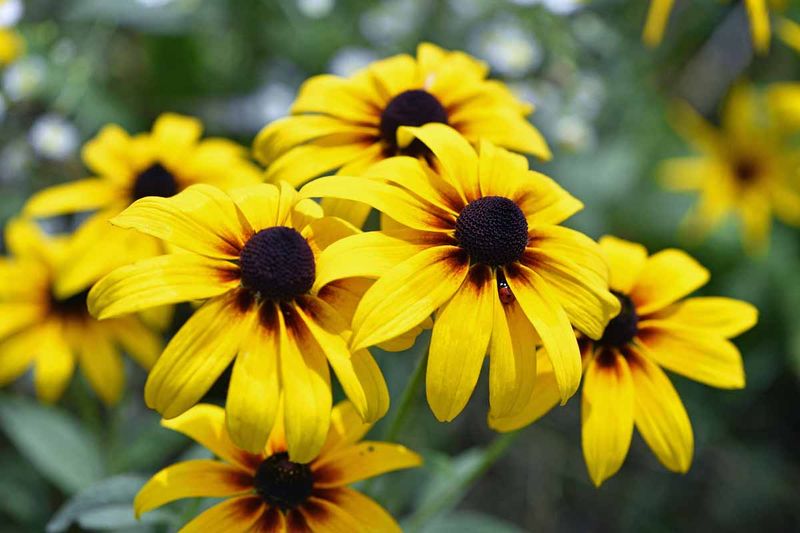
Black-eyed Susans are a garden staple, known for their striking appearance and long blooming season. From late spring to fall, these cheerful flowers with their golden petals and dark centers brighten any landscape. They attract butterflies and provide a vital source of nectar. Their common name refers to the dark ‘eye’ at the flower’s center. These perennials are easy to grow, thriving in both sun and partial shade. Historically, they were used by Native Americans for medicinal purposes. With their robust nature, they symbolize encouragement and motivation. They’re a must-have for any perennial garden.
3. Coneflower
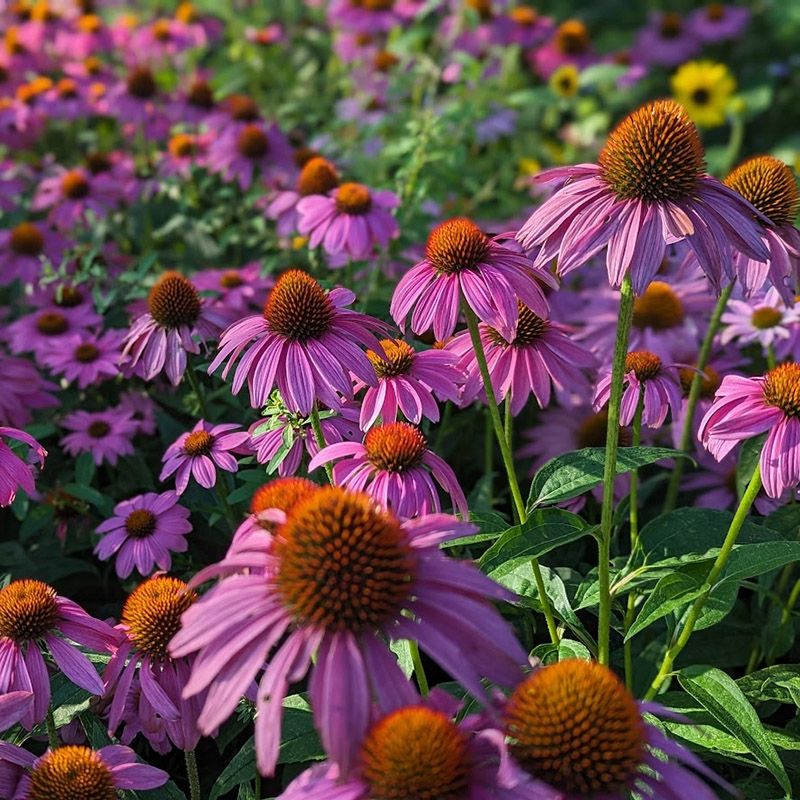
The coneflower, or Echinacea, is celebrated for its daisy-like appearance and medicinal properties. Blooming from summer into fall, its vibrant colors range from purple to pink. Known for its spiky center cone, this flower is a pollinator favorite, attracting bees and butterflies. Originating in North America, it’s often used in herbal remedies, especially for boosting immunity. Coneflowers are drought-resistant, making them ideal for low-maintenance gardens. Their bold look and practical benefits make them a popular choice. Did you know? Native Americans used coneflower as a cure-all herb, believing in its healing powers.
4. Shasta Daisy
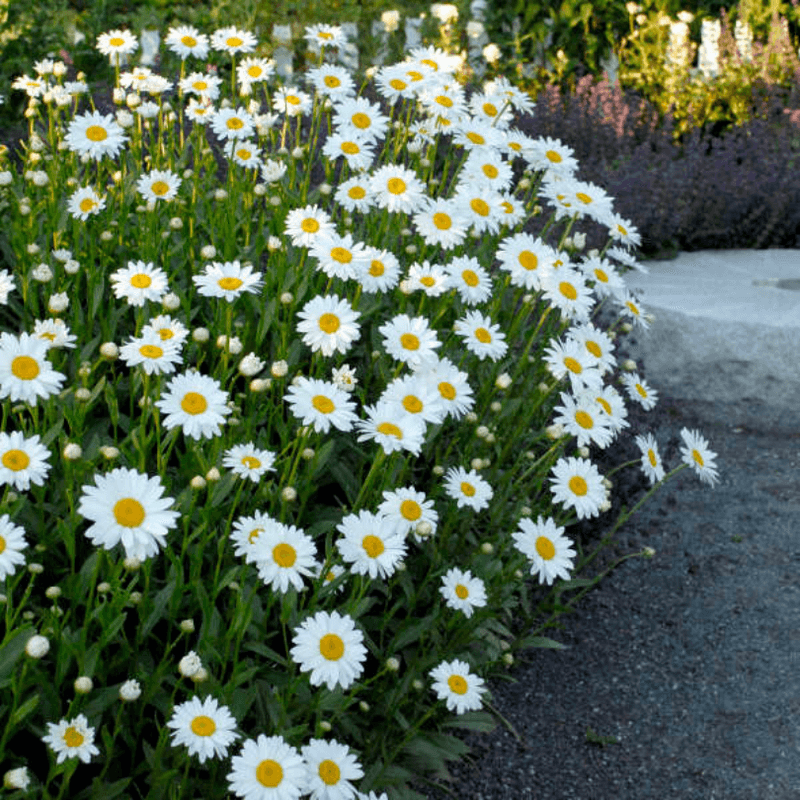
Shasta daisies bring a classic beauty to gardens, reminiscent of childhood summers. Their crisp white petals surround cheerful yellow centers, blooming reliably from early summer to the first frost. These perennials are easy to care for, requiring minimal maintenance. Named after Mount Shasta in California, their origins are linked to horticulturist Luther Burbank. They symbolize purity and innocence, often used in floral arrangements. Shasta daisies thrive in full sun and well-drained soil, making them a garden favorite. Fun fact: Despite their delicate appearance, they are surprisingly resilient, withstanding drought and poor soil conditions.
5. Coreopsis
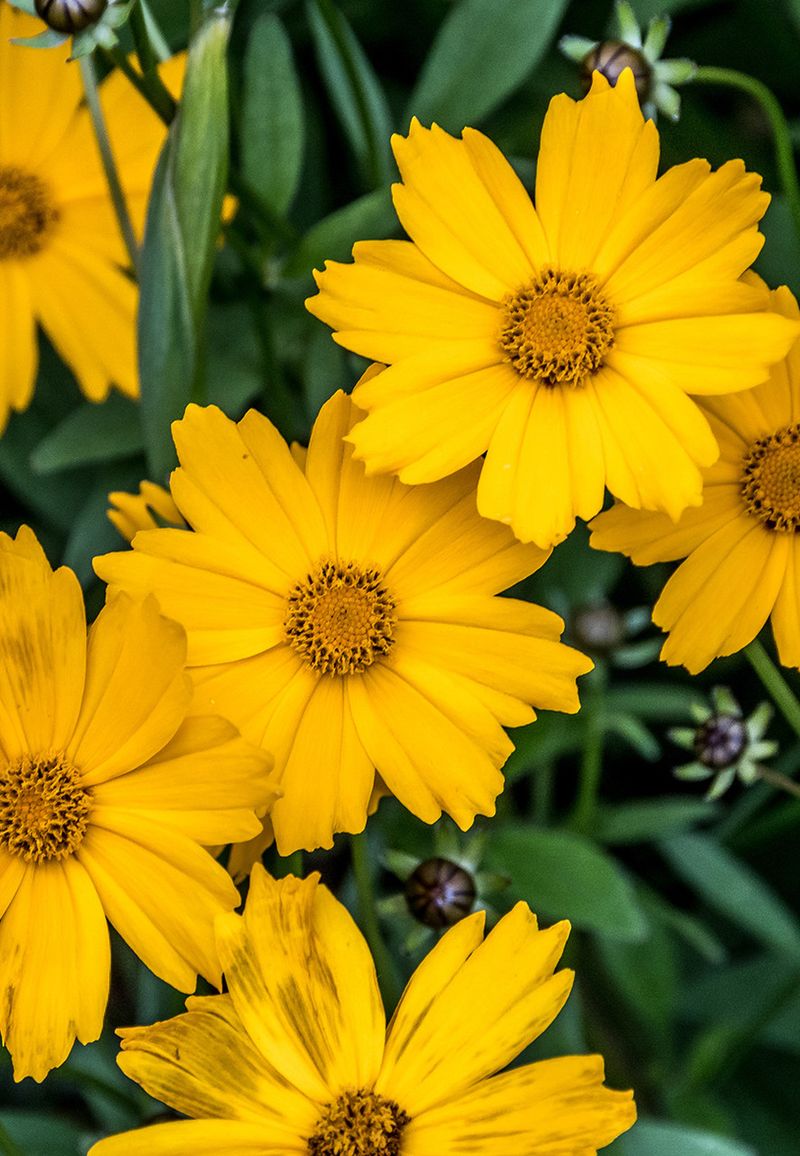
Coreopsis, commonly known as tickseed, is beloved for its bright yellow blooms that resemble a burst of sunshine. These hardy perennials flourish from early summer to fall, offering a long season of color. Native to the Americas, they thrive in a range of soils and climates. Their name derives from the Greek words for ‘bug’ and ‘appearance,’ due to the seeds’ resemblance to ticks. Coreopsis attracts pollinators and is often used in wildflower mixes. With their cheerful disposition, they bring joy to any garden. Historically, they were used by Native Americans for dyes and medicinal purposes.
6. Russian Sage
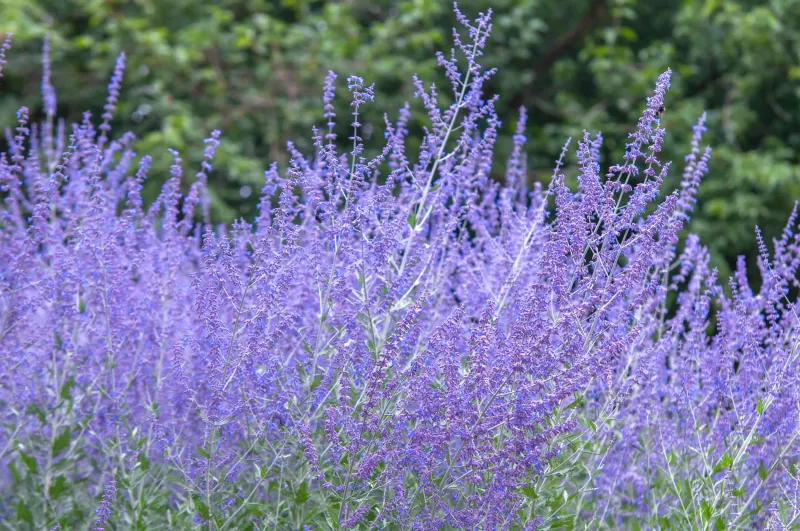
Russian sage offers a stunning combination of silvery foliage and lavender-blue flowers. Blooming from midsummer to fall, it adds a touch of elegance to any landscape. This perennial thrives in sunny, dry conditions, making it ideal for xeriscaping. Its aromatic leaves release a pleasant fragrance when crushed. Russian sage is not just beautiful; it’s also deer-resistant and attracts bees and butterflies. Its airy appearance complements bold, colorful plants. Fun fact: Despite its name, Russian sage is not native to Russia, but rather to Central Asia. It symbolizes wisdom and long life in floral symbolism.
7. Salvia
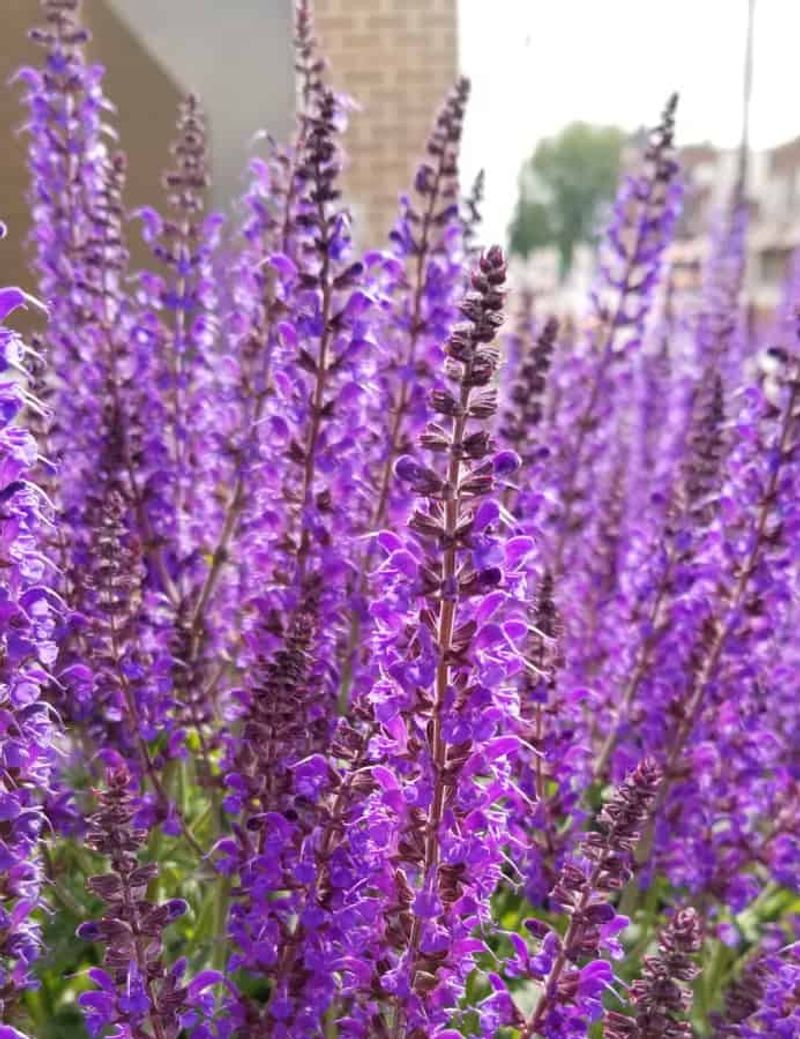
Salvia, or sage, is a diverse genus with numerous varieties that bloom from spring to fall. Known for their bright spikes of color, salvias attract hummingbirds and butterflies. Their aromatic foliage adds texture and interest to gardens. Originating from the Latin word ‘salvare,’ meaning to heal, some salvia species have medicinal uses. These versatile perennials are drought-tolerant and thrive in sunny locations. Whether deep purple, fiery red, or soft blue, there’s a salvia to suit every garden palette. Fun fact: The ancient Greeks believed salvia had the power to ward off evil spirits.
8. Yarrow
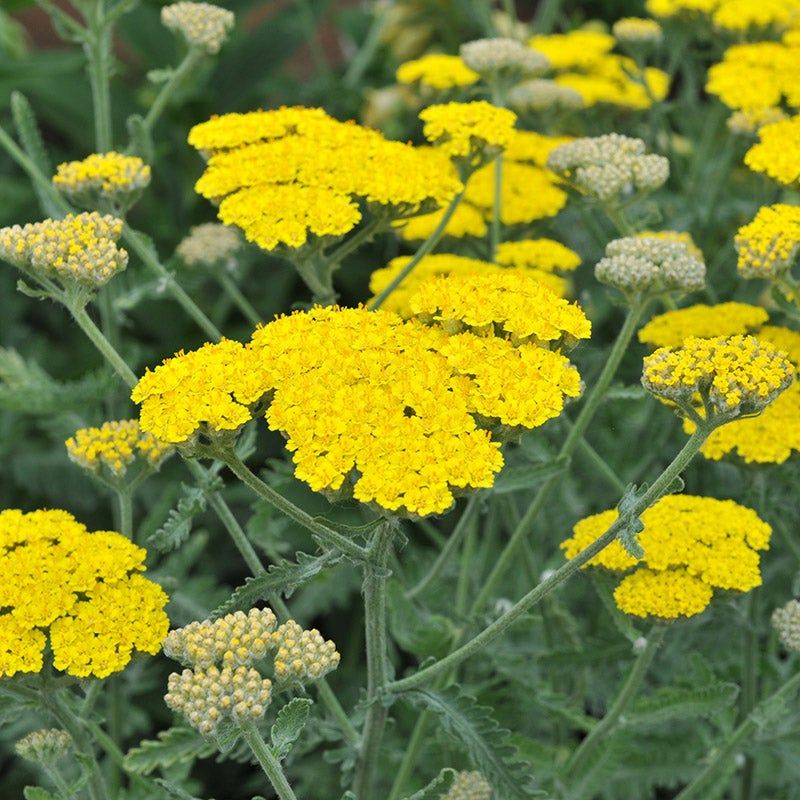
Yarrow is a versatile perennial valued for its feathery foliage and flat-topped clusters of flowers. Blooming from late spring through fall, it comes in shades of white, pink, and yellow. Yarrow is drought-resistant and thrives in poor soils, making it perfect for rock gardens and borders. Its botanical name, Achillea, honors the Greek hero Achilles, who is said to have used it to heal wounds. Yarrow attracts beneficial insects and is often used in companion planting. With its long history in herbal medicine, it symbolizes healing and protection. A fascinating plant for any garden enthusiast.
9. Blanket Flower
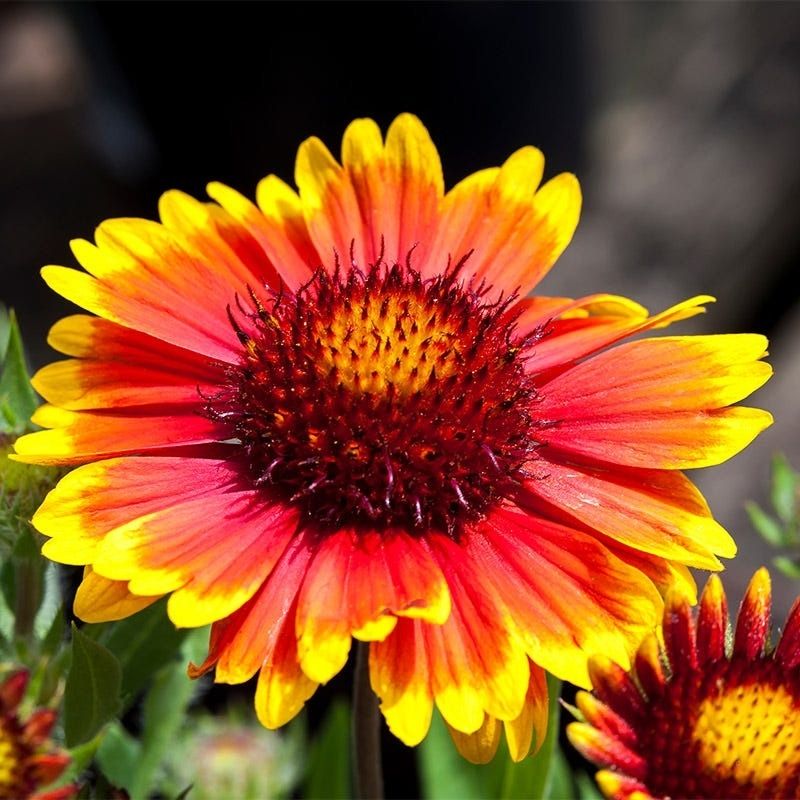
Blanket flowers, or Gaillardia, are vibrant perennials known for their bold red and yellow blooms. They thrive in sunny locations, blooming continuously from summer to fall. Named after the vivid patterns of Native American blankets, these flowers bring warmth and energy to gardens. Their drought-tolerant nature makes them ideal for xeriscaping. Blanket flowers attract pollinators and are a favorite among butterflies. With minimal care needs, they are perfect for novice gardeners. Interestingly, they were named after the French botanist Gaillard de Charentonneau. These cheerful blooms symbolize joy and vibrancy, making them a delightful addition to any landscape.
10. Astilbe
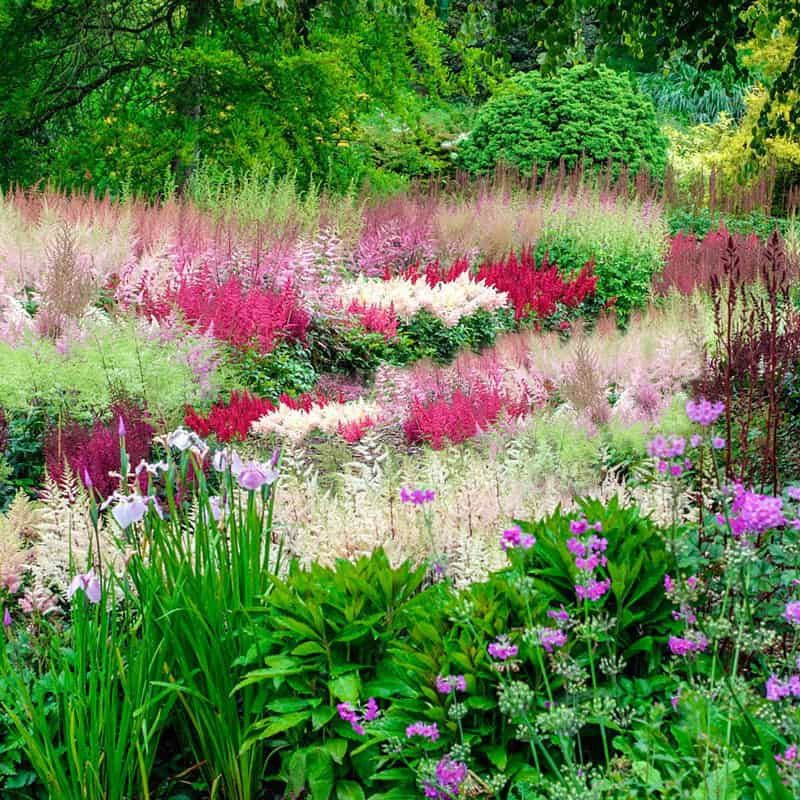
Astilbe is a shade-loving perennial prized for its feathery plumes and fern-like foliage. Blooming from late spring to early fall, it thrives in moist, well-drained soils. Its flowers come in shades of pink, red, white, and purple, adding elegance to shaded corners of gardens. Astilbe’s botanical name, derived from Greek, means ‘without brilliance,’ a nod to its understated beauty. These plants are deer-resistant and low-maintenance, making them popular in perennial borders and woodland gardens. Fun fact: Astilbe was introduced to Europe from Asia in the 1800s, quickly becoming a favorite for its adaptability and charm.
11. Bleeding Heart
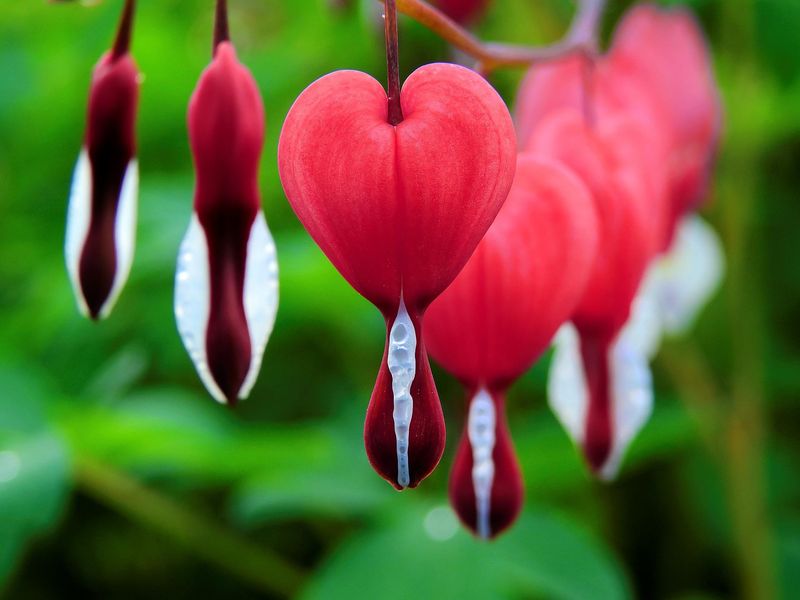
Bleeding Heart is a captivating perennial known for its heart-shaped flowers that dangle gracefully from arching stems. Blooming from spring into early summer, its soft pink or white blossoms add a touch of romance to shaded areas. The plant’s name references the flower’s unique shape, reminiscent of a heart with a teardrop. Native to Asia, Bleeding Heart is often associated with love and compassion. It thrives in cool, moist environments and is a favorite among cottage garden enthusiasts. Fun fact: The flower’s shape inspired numerous legends and stories across different cultures, symbolizing undying love and heartache.
12. Catmint
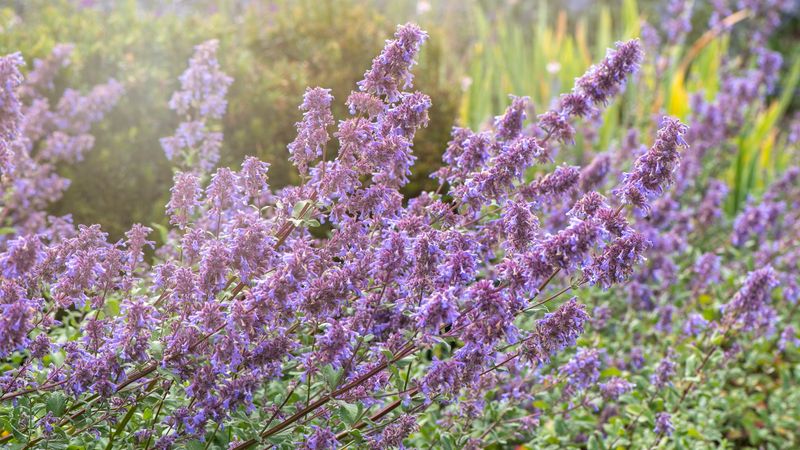
Catmint, or Nepeta, is a perennial favorite for its aromatic foliage and long-lasting blooms. Flowering from late spring to fall, it’s known for its lavender-blue spikes that attract pollinators. The leaves release a minty scent, often irresistible to cats. This plant is drought-tolerant and thrives in sunny locations, making it easy to grow. Catmint’s relaxed, spreading habit adds a soft, informal touch to borders. Fun fact: Catmint contains nepetalactone, the compound that affects cats, causing playful behavior. Historically, it was used in herbal medicine for its calming properties. A delightful addition to any garden.
13. Geranium (Cranesbill)
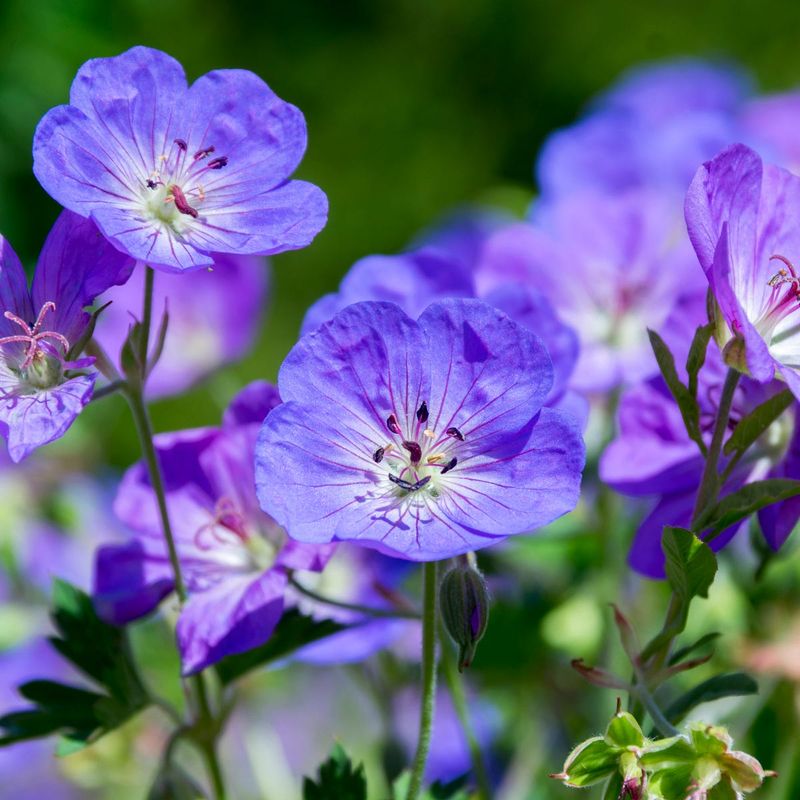
Cranesbill geraniums are beloved for their cheerful blooms and versatility. Flowering from spring to fall, they offer a palette of colors, including pink, purple, and blue. Unlike their tender relatives, these hardy perennials thrive in various conditions, from sun to partial shade. Their name, Cranesbill, comes from the shape of their seed pods, resembling a crane’s bill. Geraniums are low-maintenance and perfect for borders and groundcovers. Fun fact: The genus name Geranium is derived from the Greek word ‘geranos,’ meaning crane. These plants are not only beautiful but also attract beneficial insects to gardens.
14. Garden Phlox
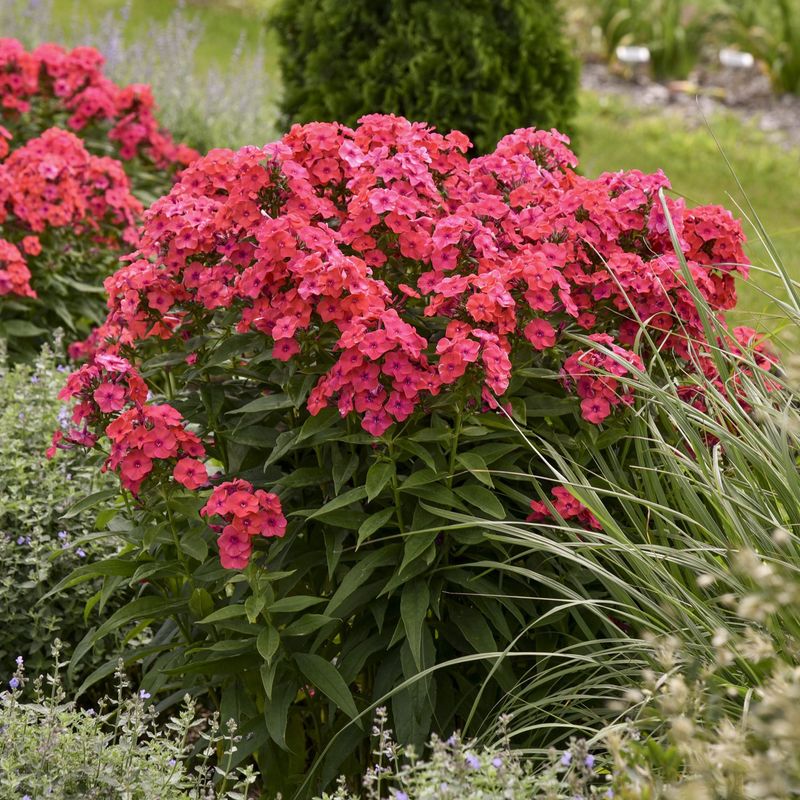
Garden Phlox is a classic perennial prized for its fragrant, colorful blooms. Flowering from mid-summer to early fall, it creates a striking display in shades of pink, white, purple, and red. These plants thrive in sunny locations and well-drained soil. Garden Phlox is a favorite among butterflies and hummingbirds, adding life to gardens. Its botanical name, Phlox, means ‘flame’ in Greek, a nod to its vibrant colors. Though susceptible to powdery mildew, newer varieties offer improved resistance. Fun fact: Garden Phlox was first introduced to Europe in the 1700s from North America, becoming a popular ornamental plant.
15. Sedum (Stonecrop)
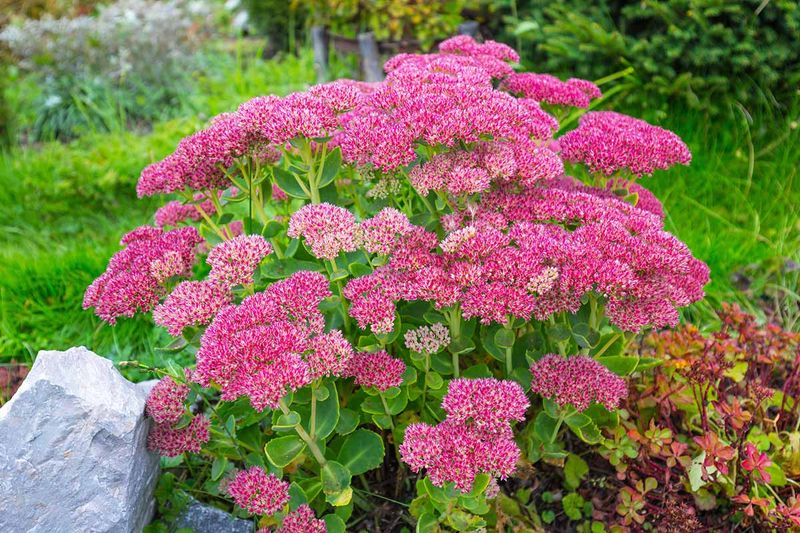
Sedum, commonly known as Stonecrop, is a resilient perennial known for its succulent leaves and star-shaped flowers. Blooming from summer to fall, it thrives in dry, rocky soils, making it perfect for rock gardens and green roofs. Sedum’s name is derived from the Latin word ‘sedeo,’ meaning to sit, reflecting its ability to grow on rocks and walls. These plants come in various sizes and colors, from low groundcovers to tall varieties. They attract pollinators and require minimal care. Fun fact: Sedum was used in traditional medicine for its anti-inflammatory properties. A versatile choice for sustainable gardening.
16. Lavender
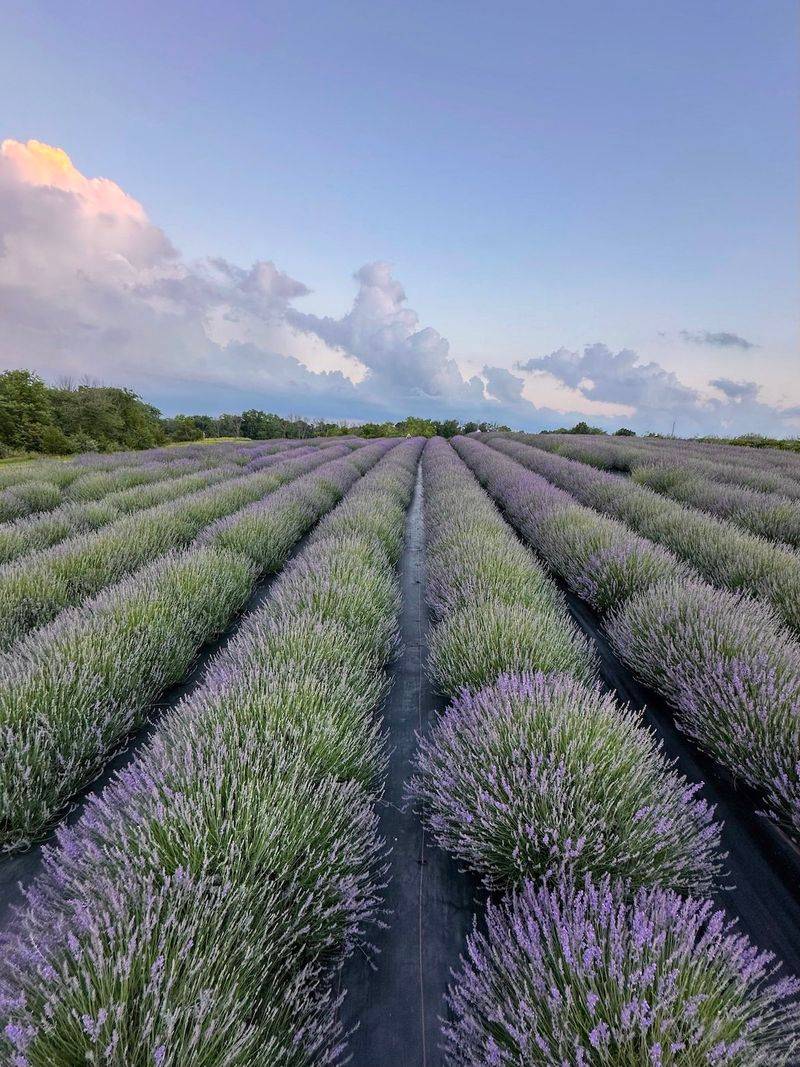
Lavender is cherished for its fragrant flowers and silvery foliage. Blooming from late spring to summer, it fills gardens with its calming scent. This perennial is ideal for sunny locations with well-drained soil. Lavender’s essential oils are used in aromatherapy and cosmetics, promoting relaxation and wellness. Its name comes from the Latin ‘lavare,’ meaning to wash, reflecting its historical use in bathing. Lavender attracts bees and butterflies, supporting pollinators. Fun fact: Lavender bouquets were placed in Victorian homes to ward off evil spirits. Its timeless appeal and versatility make it a garden favorite.
17. Ice Plant
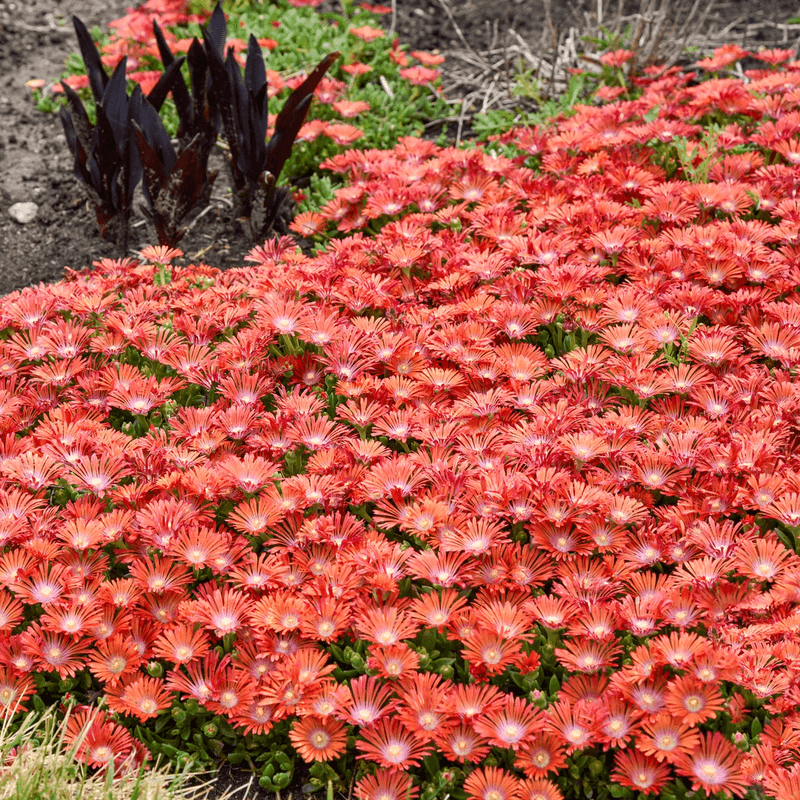
The Ice Plant is a striking perennial known for its dazzling, daisy-like flowers and succulent foliage. Blooming from spring to fall, its vibrant colors range from magenta to yellow. This plant thrives in sandy, well-drained soils, making it perfect for coastal gardens. Its name comes from the shimmering, ice-like appearance of its leaves in sunlight. Native to South Africa, the Ice Plant is drought-tolerant and used for erosion control. It attracts pollinators and adds a splash of color to landscapes. Fun fact: Ice Plants were introduced to California in the early 1900s for railway embankment stabilization.
18. Lantana
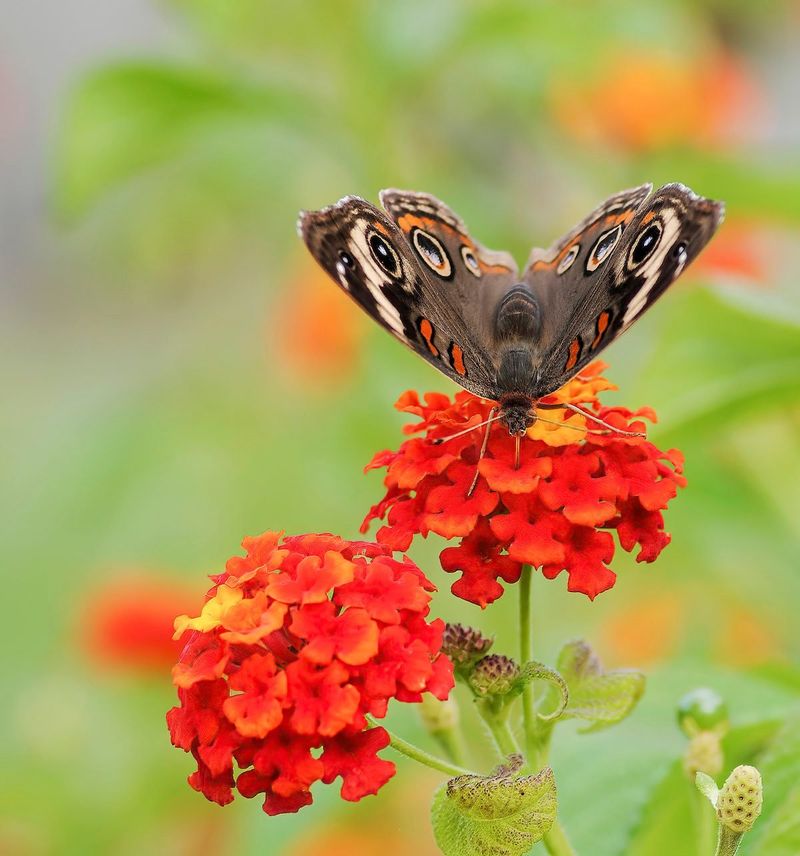
Lantana is a vibrant perennial known for its clusters of brightly colored flowers that change hues as they mature. Blooming year-round in frost-free regions, it attracts butterflies and hummingbirds. Lantana thrives in sunny, well-drained locations and is often used in tropical landscapes. Originating from the Americas, it has spread to warm climates worldwide. Its resilience and continuous blooms make it a garden favorite. Fun fact: While beautiful, Lantana can be invasive in some areas, so it’s important to manage its growth. Its colorful display symbolizes warmth and vitality, adding flair to any garden.
19. Bougainvillea
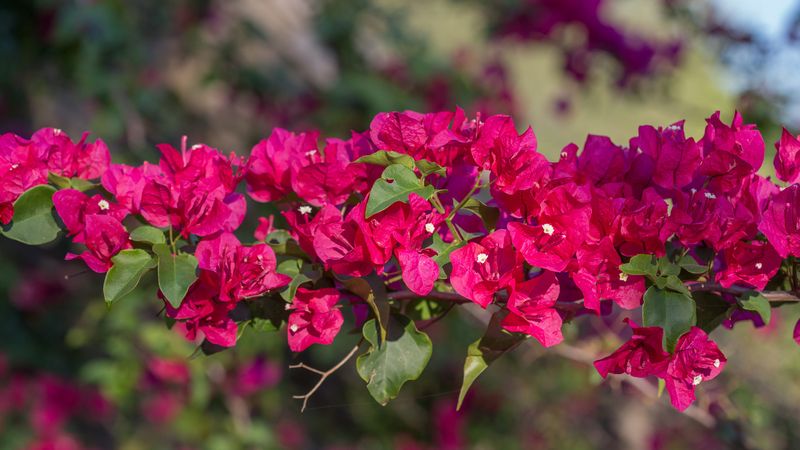
Bougainvillea is renowned for its brilliant, papery bracts that bloom year-round in warm climates. These tropical perennials flourish in sunny, dry conditions. Named after Admiral Louis Antoine de Bougainville, they are native to South America. Bougainvillea’s vibrant display attracts pollinators and adds a splash of color to landscapes. It’s a popular choice for trellises, walls, and hanging baskets, offering a lush, cascading effect. Fun fact: The actual flowers of Bougainvillea are small and white, surrounded by the colorful bracts. This plant symbolizes passion and adventure, bringing exotic flair to gardens.
20. Fuchsia
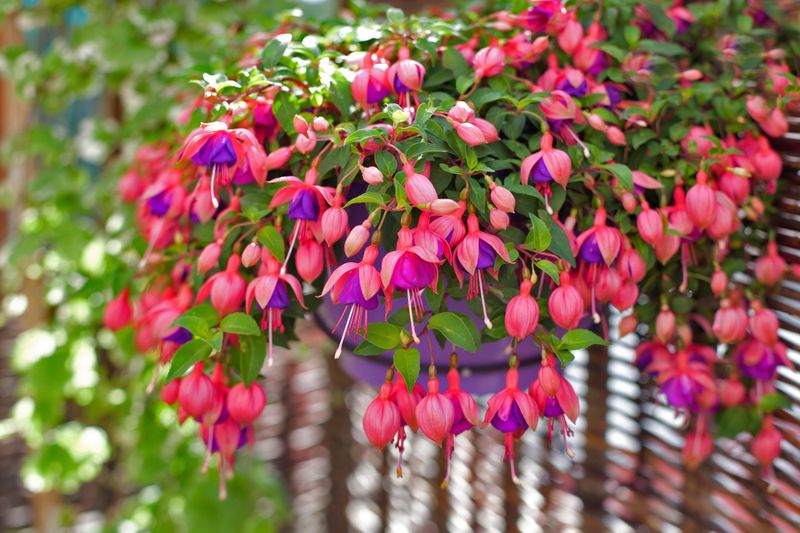
Fuchsia is admired for its unique, pendulous flowers that bloom from spring to fall. These perennials thrive in shaded areas, offering a striking display of pink and purple hues. Native to Central and South America, Fuchsias are often grown in hanging baskets and containers. The plant is named after German botanist Leonhart Fuchs. Fuchsia’s delicate blossoms attract hummingbirds, adding life to gardens. Fun fact: Despite their tropical appearance, some Fuchsia varieties can withstand mild frost. Their name symbolizes confiding love and good taste, making them a delightful choice for romantic garden settings.