 Complete Gardening
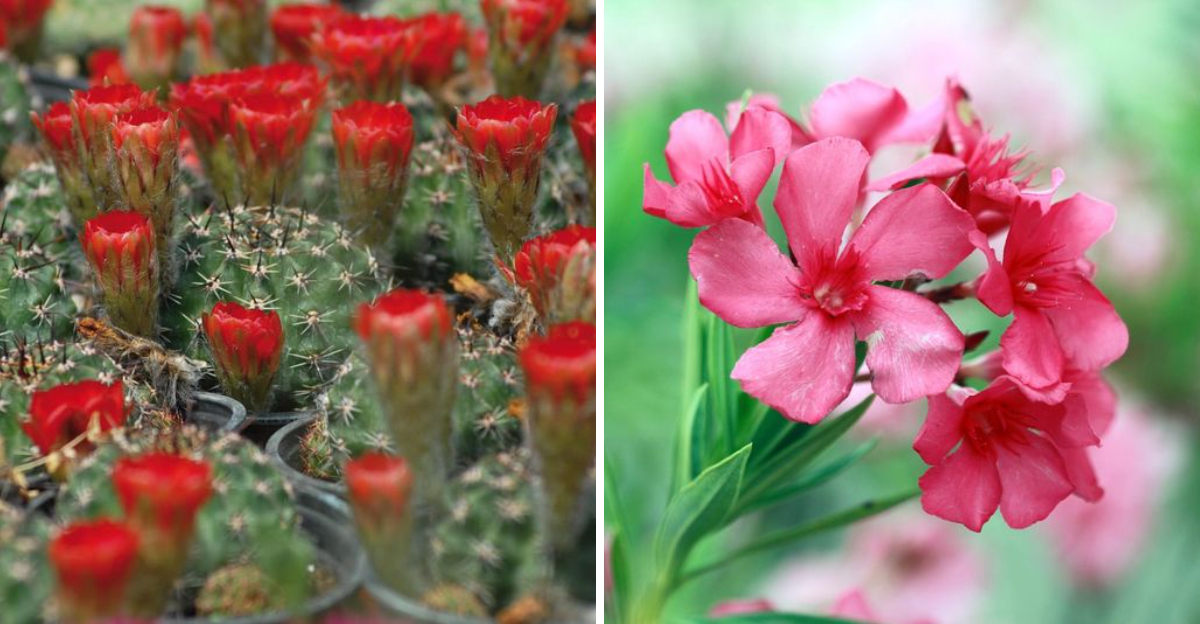
Summer is a vibrant time for gardens, but not all plants thrive with the same care. Some plants, surprisingly, fare better without excessive attention during the hot months.
This guide unveils twelve such plants, often misunderstood in garden maintenance, and explains why they should be left alone in summer.
1. Lavender
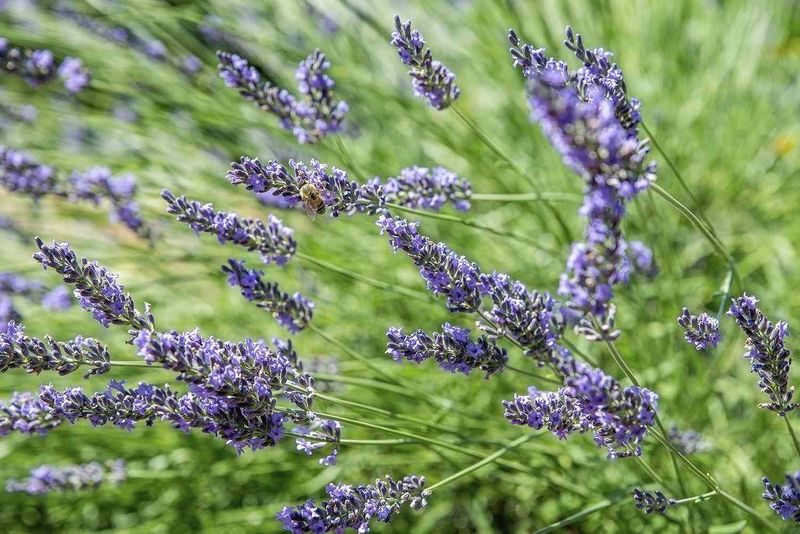
Lavender, with its aromatic allure, often beckons gardeners to nurture it excessively. Yet, this resilient plant prefers neglect in summer. Overwatering can drown its roots, while fertilizers disrupt its natural growth rhythm.
Let the lavender bask in the sun’s glory, where it absorbs strength and vibrancy. Its Mediterranean origins reveal its love for dry, rocky soils.
Remember, pruning can steal its blossoms’ charm. Embrace its wildness, as nature intended. Did you know? Lavender was used in ancient baths for its soothing aroma, believed to calm the spirit and refresh the mind.
2. Rosemary
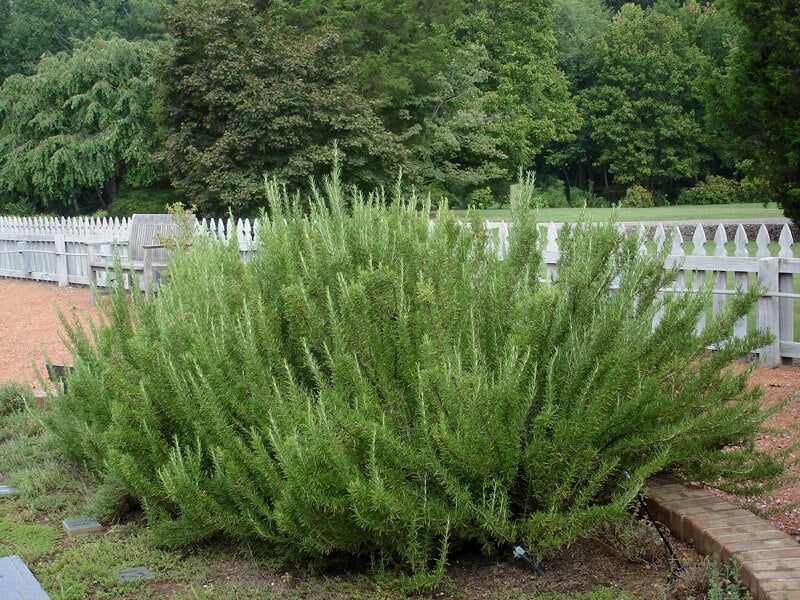
Rosemary thrives under the summer sun, drawing strength from its rays without the need for extra care. Over-fertilizing can overwhelm this herb, overshadowing its natural robustness.
Its needles guard against summer moisture loss, making overwatering unnecessary. This evergreen prefers a subtle touch, resonating with its ancient use as a symbol of remembrance.
Prune sparingly to maintain its characteristic bushy appearance. Fun fact: Rosemary sprigs were once worn at weddings as a token of fidelity and love, a tradition that lingers in some cultures today.
3. Succulents
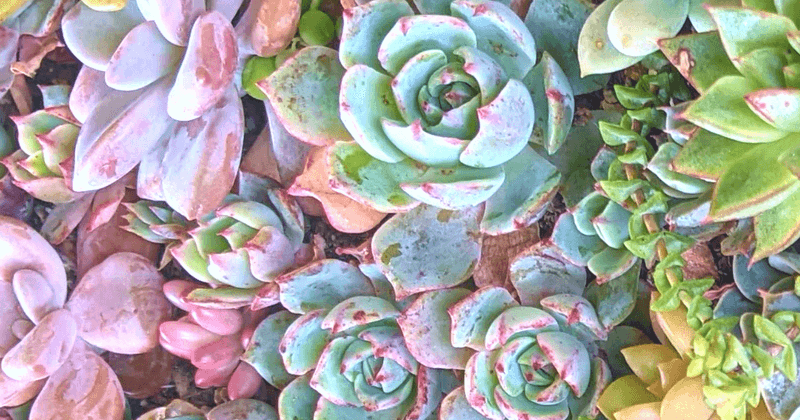
With their fleshy leaves storing water, succulents are masterpieces of self-sufficiency. They revel in summer’s warmth, needing minimal intervention. Watering them too often can spell disaster, as they thrive in dry conditions.
Their varied forms and colors create a natural tapestry, best admired rather than altered. Fertilizers can alter their unique balance, so it’s best avoided.
Pruning, too, should be minimal, letting each plant showcase its individuality. Did you know? Succulents have been symbols of enduring love and tenacity, often gifted to convey lasting affection.
4. Cacti
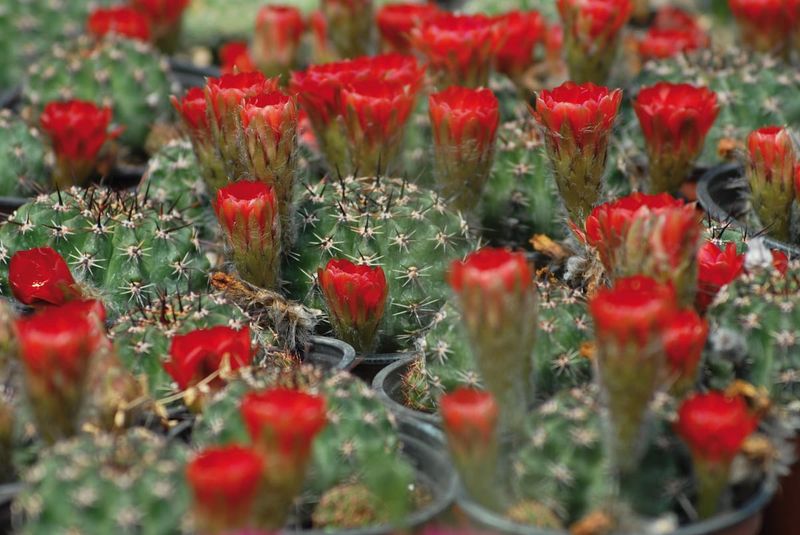
Cacti, iconic desert dwellers, are the epitome of endurance. Their spines conceal reservoirs of water, making hydration a non-issue in summer.
Over-caring can lead to rot, as these tough plants cherish neglect. Fertilization is unnecessary, potentially harming their delicate ecosystem.
Pruning disrupts their natural silhouette. Embrace their steadfast nature. Historically, cacti were revered by indigenous peoples for their medicinal properties and as a source of sustenance.
Let them stand as symbols of resilience and survival in your garden, thriving without constant attention.
5. Thyme
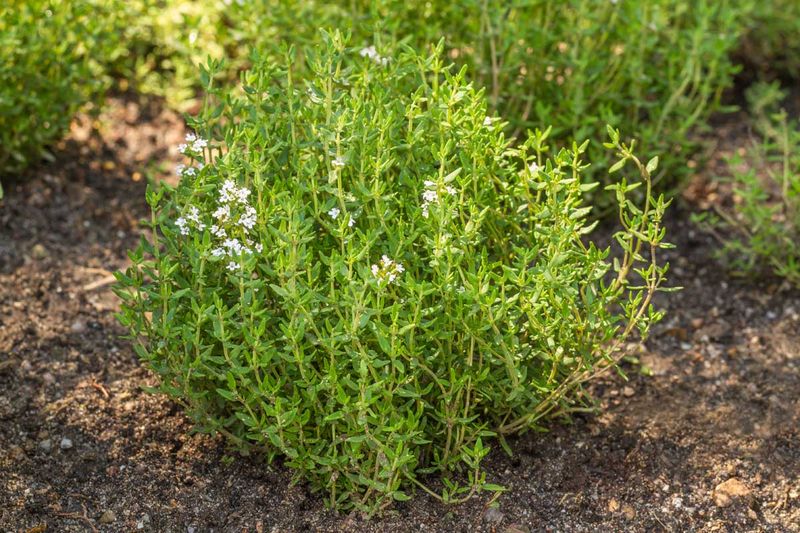
Thyme, a staple in many gardens, thrives in summer’s embrace. This herb loves the warmth, growing heartily without regular watering.
It’s adapted to rocky soils, where its roots anchor firmly. Fertilization can hinder its zest, so it’s best left out.
Prune judiciously to preserve its natural shape and aromatic leaves. Fun fact: In ancient Greece, thyme was burned as an offering to gods, symbolizing courage and strength.
Let thyme fill your garden with its fragrant presence, a testament to its hardy and enduring spirit.
6. Yucca
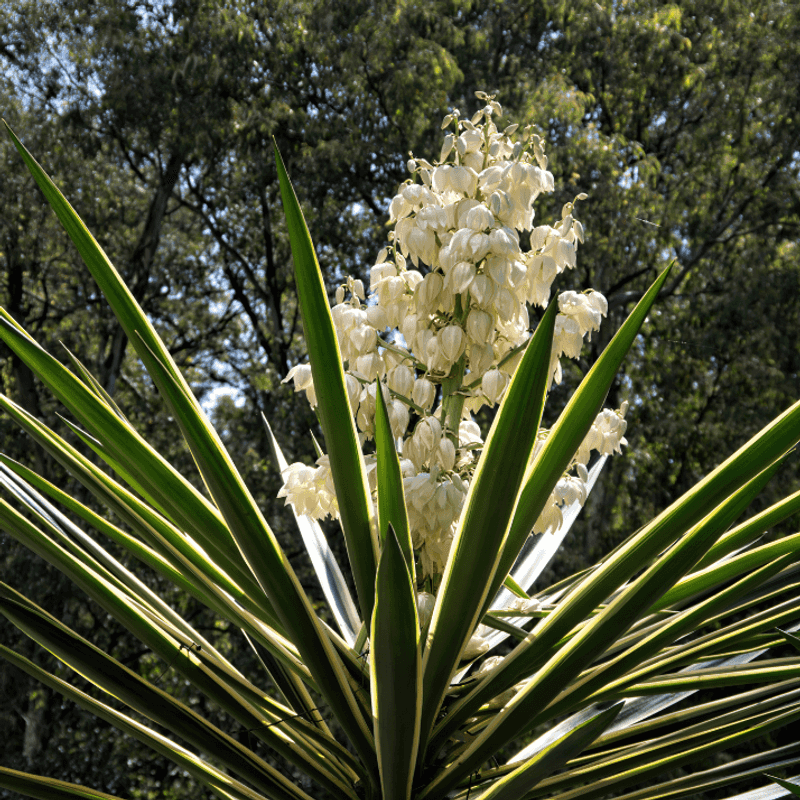
Yucca plants are desert stalwarts, designed for survival. Their sword-like leaves capture sunlight efficiently, reducing the need for summer pampering.
Overwatering and fertilizing disrupt their natural efficiency, as they store water within. Pruning can weaken their robust structure, deterring their iconic look.
Historically, yucca fibers were used by Native Americans for crafting ropes and baskets. Let the yucca stand proud, a testament to nature’s ingenuity.
These plants require little intervention, embodying strength and adaptability in your garden.
7. Russian Sage
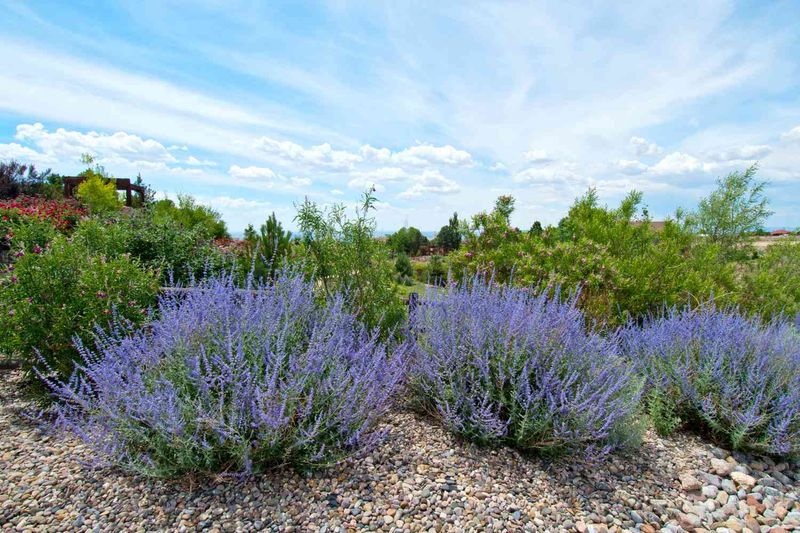
Russian Sage, with its wispy blooms, thrives under summer’s watchful eye. Its drought resistance is legendary, demanding little water.
Fertilizing can dull its silvery sheen, and pruning too early robs its beauty. Embrace its sprawling nature, reminiscent of wild meadows.
Did you know? Russian Sage is not true sage but shares its robust nature, often used in xeriscaping to create low-water landscapes.
Let it dance in the wind, a symbol of carefree elegance and resilience, requiring little from the gardener yet offering much in return.
8. Oleander
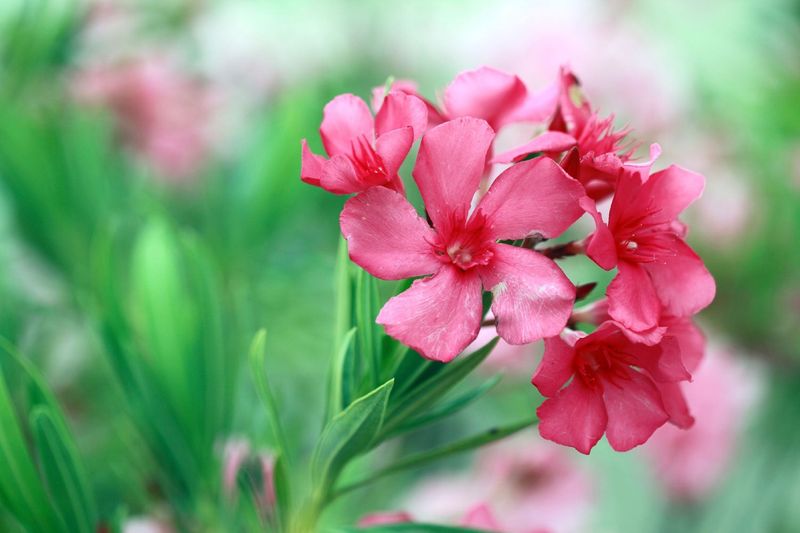
Oleander, with its dazzling displays, is a summer spectacle. This plant thrives in neglect, needing minimal water and care.
Over-fertilizing can harm its vibrant petals, while pruning can disrupt its flowering cycle. Its toxicity makes it a natural defender against pests.
Historically, oleander has been a symbol of caution, with its beauty hiding potential danger. Allow it to flourish in its own time, a visual feast that’s best enjoyed with respect.
Its resilience is unmatched, flourishing without the need for constant gardener intervention.
9. Sedum
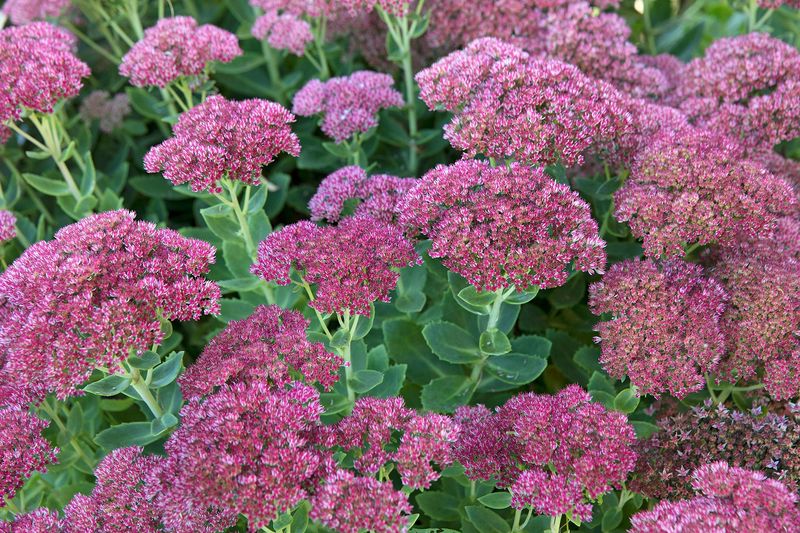
Sedum, admired for its diversity, is a master of minimalism. It craves the summer sun, thriving with little care.
Watering is rarely needed, as its leaves store ample moisture. Fertilizing can interfere with its natural progression, so restraint is key.
Pruning is unnecessary, allowing its unique forms to spread naturally. Did you know? Sedum was used in ancient times for its purported healing properties, believed to soothe ailments.
Let sedum adorn your garden, a living testament to effortless beauty, perfectly suited for summer’s embrace.
10. Bougainvillea
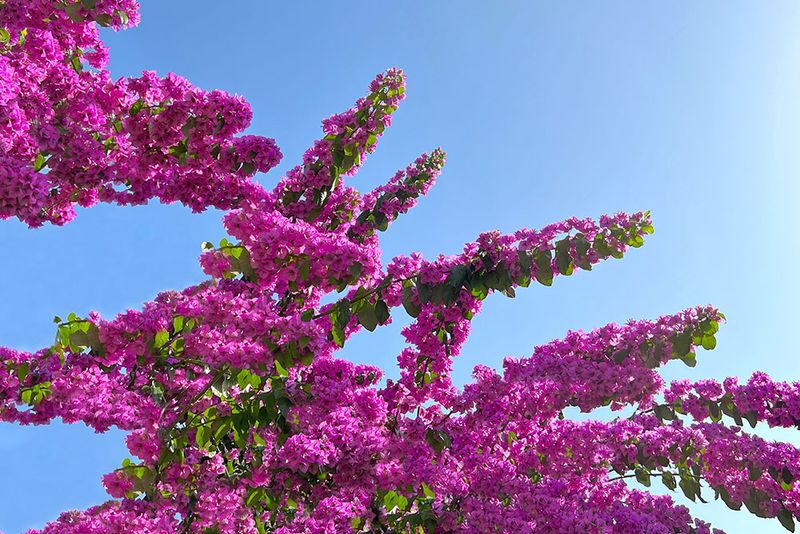
Bougainvillea bursts with color under the summer sun, needing little from the gardener. Overwatering can lead to root rot, while fertilizers may induce excessive growth at the expense of blooms.
Its vibrant bracts thrive in dry conditions, showcasing their brilliance without pruning. Fun fact: Bougainvillea, native to South America, is named after the explorer Louis Antoine de Bougainville.
Allow this plant to cascade freely, a stunning statement of nature’s artistry, proving that less intervention can lead to spectacular results.
11. Santolina
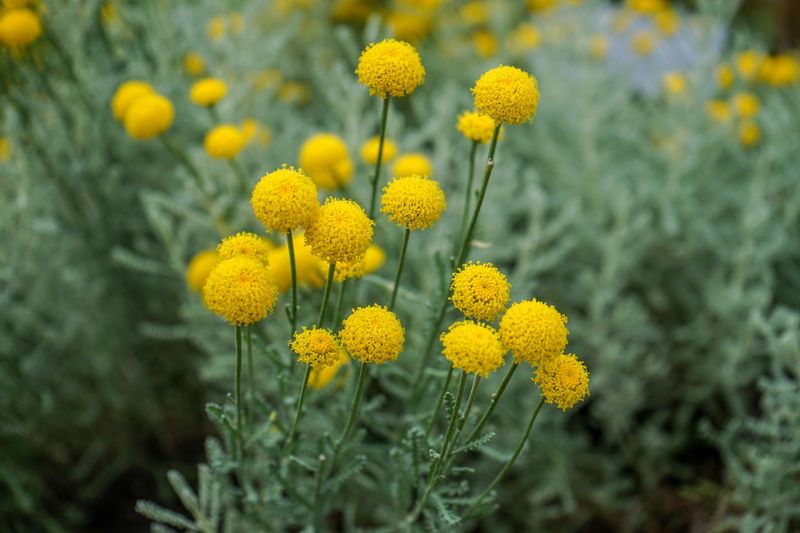
Santolina, with its aromatic foliage, loves the scorching summer. Its drought-tolerant nature means watering is seldom needed.
Over-fertilizing can mute its distinctive scent, and unnecessary pruning can hinder its natural charm. Historically, Santolina was used as a moth repellent, valued for its fragrant leaves.
Let it flourish on its own terms, a testament to resilience and understated beauty. Its silvery leaves glisten in the sunlight, a subtle yet captivating garden feature.
This plant embodies the art of thriving with minimal care, a perfect companion for the lazy gardener.
12. Agave
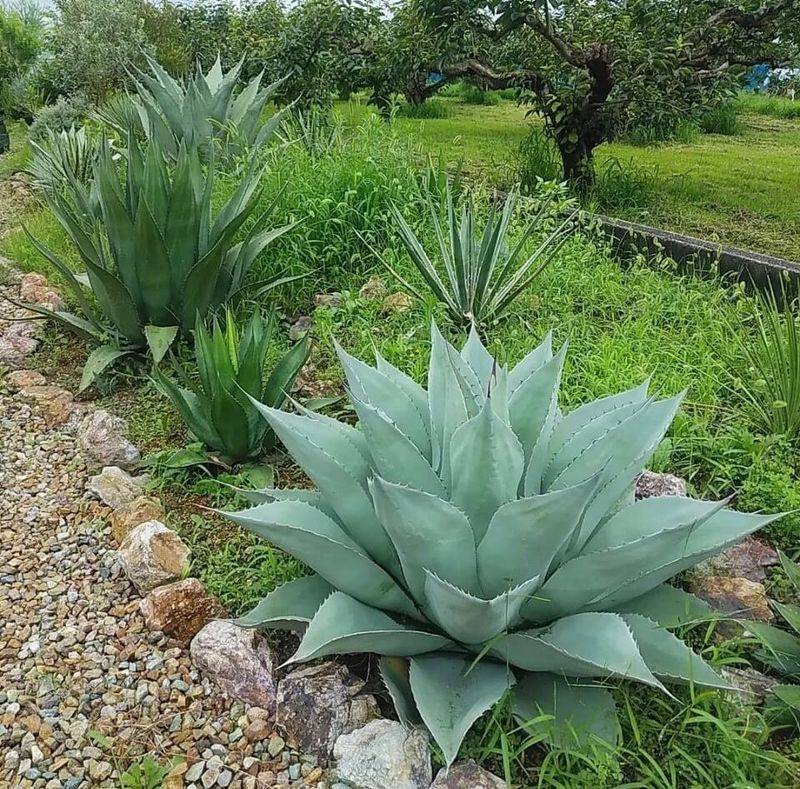
Agave stands as a monument to survival, needing little from its caretaker. It flourishes in summer’s heat, its leaves storing precious water.
Over-fertilizing can alter its natural rhythm, while pruning is rarely necessary, preserving its bold silhouette.
This plant has historical roots, used by indigenous peoples for various purposes, from crafting to culinary uses. Let agave grace your garden, a symbol of endurance.
Its grand presence requires minimal intervention, proving that sometimes, the best care is to simply watch it grow.