 Complete Gardening

Explore the time-honored techniques employed by the Amish to cultivate massive, chemical-free tomatoes.
These methods emphasize natural growth and environmental stewardship, providing a sustainable blueprint for gardeners everywhere.
1. Rich, Well-Amended Soil
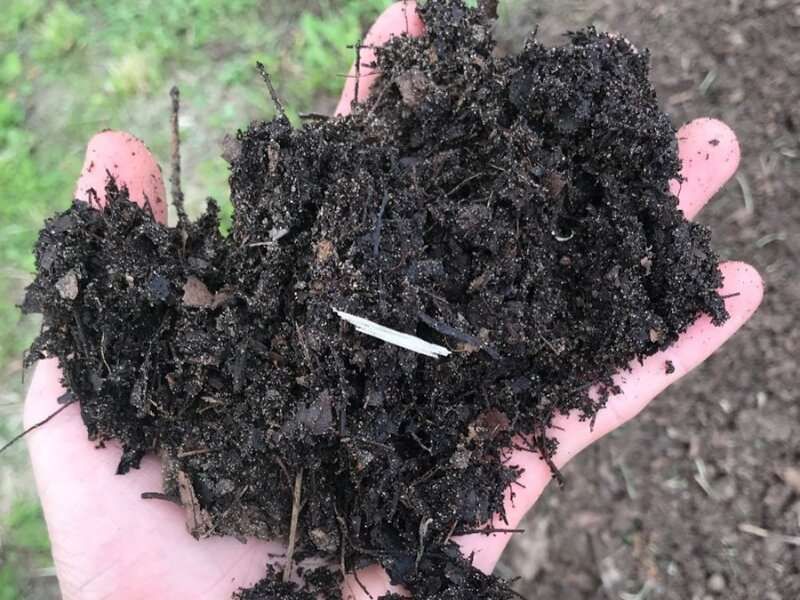
Amish gardeners have long understood the importance of nurturing the soil. By adding compost, aged manure, and leaf mold, they create a fertile ground teeming with beneficial microbes. This rich soil foundation is the secret sauce that fuels the growth of their enormous tomatoes. Each amendment plays a vital role, from the nutrient-rich compost to the moisture-retaining leaf mold, ensuring the soil remains a living, breathing entity brimming with potential.
2. Use of Manure Tea

Imagine a tea made not for sipping, but for boosting growth. The Amish soak aged cow or horse manure in water, creating a nutrient-rich tea. This ‘brew’ is then poured around the base of the plants. With each application, the plants receive a natural growth boost. The nutrients in the manure tea strengthen the plants, enabling them to produce larger, more vibrant tomatoes. It’s nature’s own growth elixir.
3. Crop Rotation
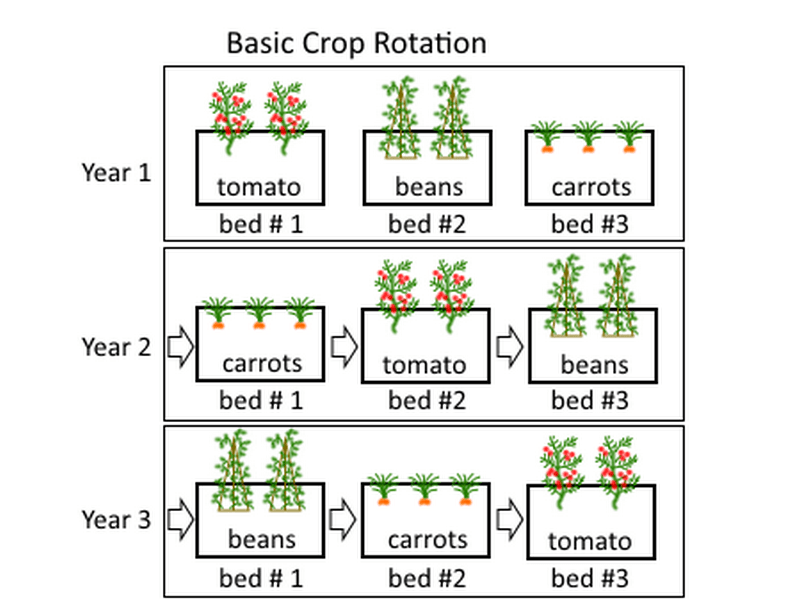
The Amish are masters of crop rotation, a practice that keeps soil healthy and pests at bay. By changing the location of tomato plants each year, they prevent soil depletion and disrupt the life cycles of pests. This method ensures tomatoes don’t follow potatoes or peppers, reducing the risk of disease. Crop rotation creates a balanced ecosystem, where the soil remains fertile and vibrant, ready to nourish the next generation of plants.
4. Worm Castings
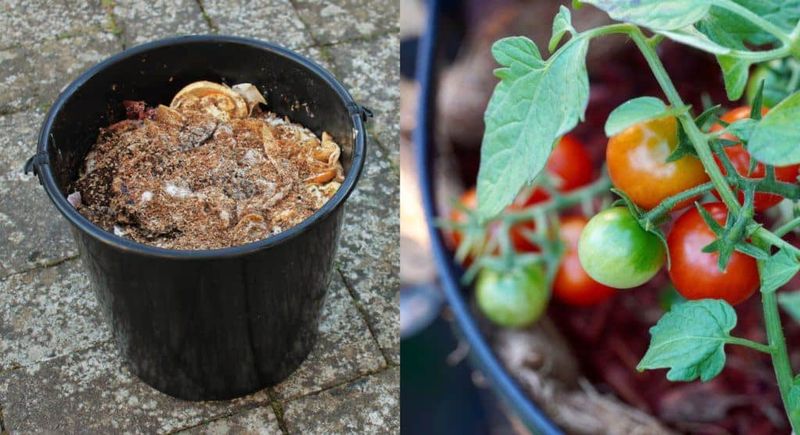
Worm castings, often called ‘black gold,’ are a staple in Amish gardening. These nutrient-rich droppings are used for starting seeds and transplanting. They improve soil structure and enhance root development, giving tomatoes a strong foundation. The castings act as a natural fertilizer, providing essential nutrients in a slow-release form. For Amish gardeners, worm castings are an invaluable tool in their quest for large, healthy tomatoes.
5. Companion Planting
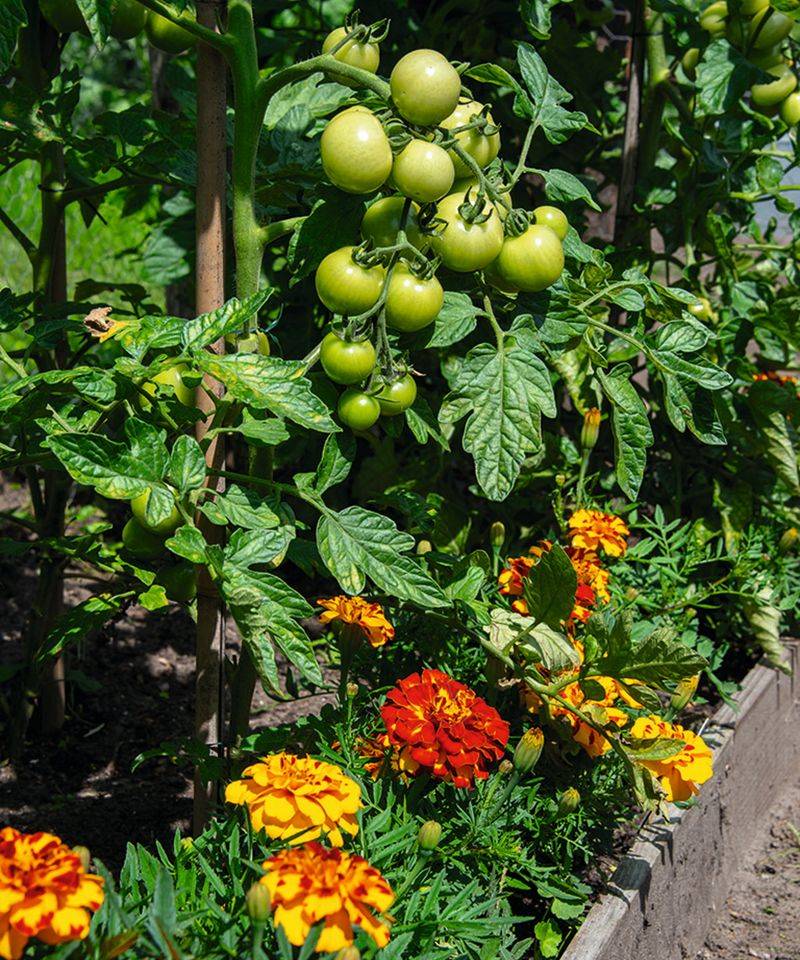
Companion planting is a harmonious dance in the Amish garden. Tomatoes grow alongside basil, marigolds, and onions, creating a natural partnership. Each companion plant plays a role, deterring pests or enhancing flavors. Marigolds ward off nematodes while basil is said to improve tomato growth. This age-old practice enriches the garden ecosystem, ensuring that each plant contributes to the health and vitality of its neighbors.
6. Mulching with Straw or Grass Clippings
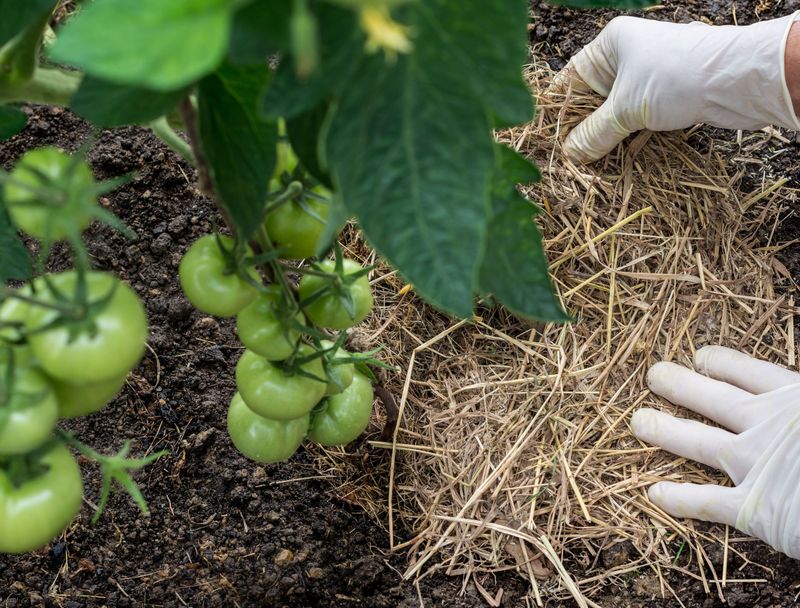
In the Amish garden, mulching is more than just a protective layer. It’s a strategy for moisture retention, weed suppression, and nutrient addition. Straw and grass clippings are used to cover the soil, creating a barrier that locks in moisture. As they decompose, they enrich the soil, providing a steady supply of nutrients. Mulching helps maintain a stable environment, allowing the tomatoes to flourish.
7. Rainwater Harvesting
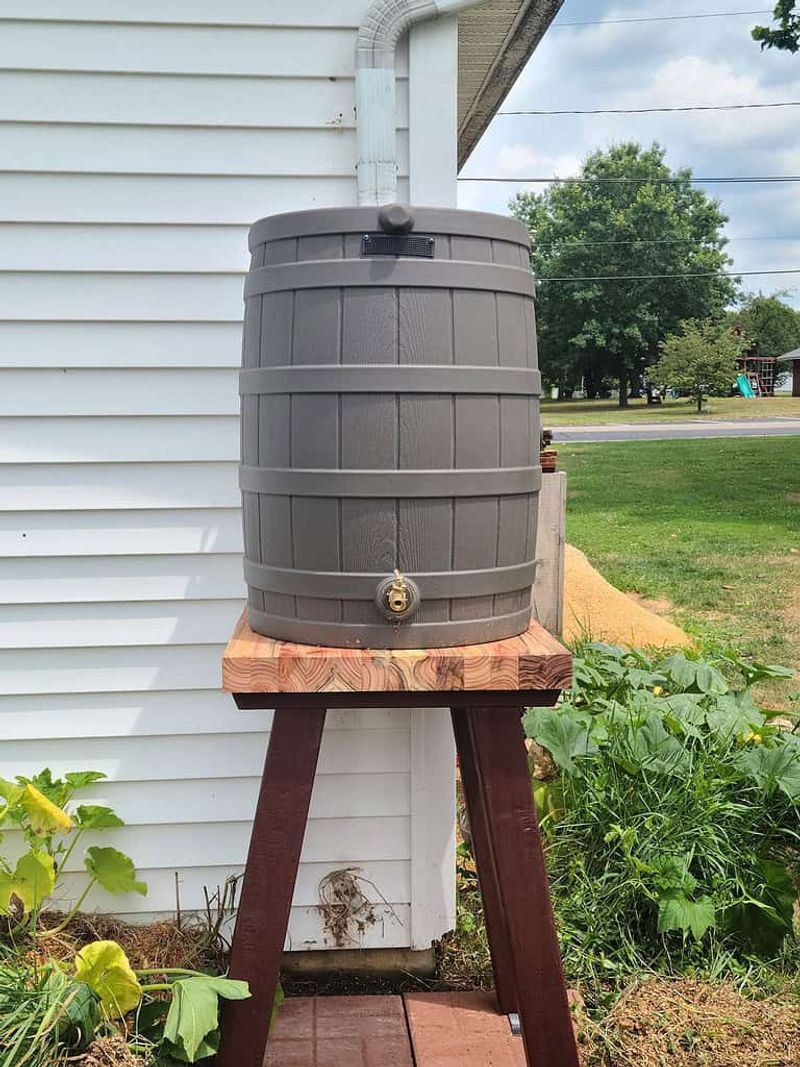
Amish gardeners embrace rainwater harvesting as a sustainable practice. Rain barrels collect mineral-rich water, preferred over chlorinated tap water. This natural watering method is gentle on plants, providing the hydration they need without harmful additives. By capturing and using rainwater, the Amish ensure a consistent water supply, even during dry spells, contributing to the robust growth of their tomatoes.
8. Full Sun All Day

Sunlight is the lifeblood of the Amish garden, and tomatoes bask in its glow for 8-10 hours daily. Carefully sited gardens ensure maximum sun exposure, crucial for developing large fruits. This abundant sunlight fuels photosynthesis, the process that powers growth and fruit production. For the Amish, ensuring their tomatoes receive plenty of sunlight is a fundamental step in cultivating impressive, juicy fruits.
9. Wood Ash for Potassium

Wood ash, a byproduct of Amish stoves, is a secret ingredient in their gardening repertoire. Rich in potassium, it is sprinkled onto the soil around tomato plants. This essential nutrient plays a vital role in fruit development, ensuring tomatoes grow large and juicy. The Amish use wood ash as a natural fertilizer, boosting the soil’s nutrient content without chemicals, supporting healthy and productive plants.
10. Careful Pruning and Staking
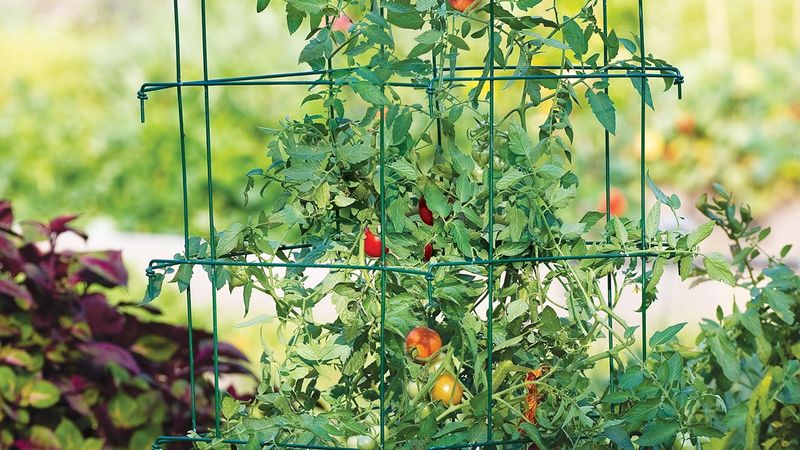
Pruning and staking are practiced with precision in Amish gardens. Removing suckers and strategically supporting plants improves airflow and sunlight exposure. This meticulous care prevents disease and encourages the growth of larger fruits. By dedicating time to these tasks, Amish gardeners maintain plant health and maximize tomato production, a testament to their commitment to quality and sustainability.
11. Homemade Remedies for Pests
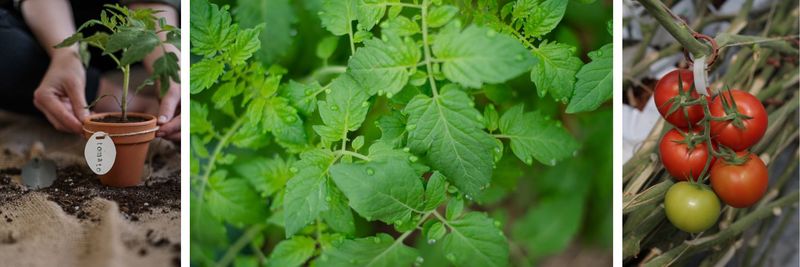
Homemade remedies are the Amish’s answer to pest control. Garlic, cayenne, and soap are crafted into sprays that deter aphids and hornworms. These natural solutions replace synthetic chemicals, preserving the garden’s purity. The Amish believe in working with nature, using ingredients that are readily available and effective. This approach reflects their dedication to maintaining a healthy, chemical-free environment for their tomatoes.
12. Patience and Observation

In the Amish garden, patience and observation are virtues. Gardeners closely monitor their plants, adjusting care as needed. This hands-on approach ensures that water, support, and nutrients are perfectly balanced. By observing and responding to the plants’ needs, the Amish cultivate a deep connection with nature. Their attentive care results in thriving tomato plants, reflecting their respect for the land and its bounty.