 Complete Gardening
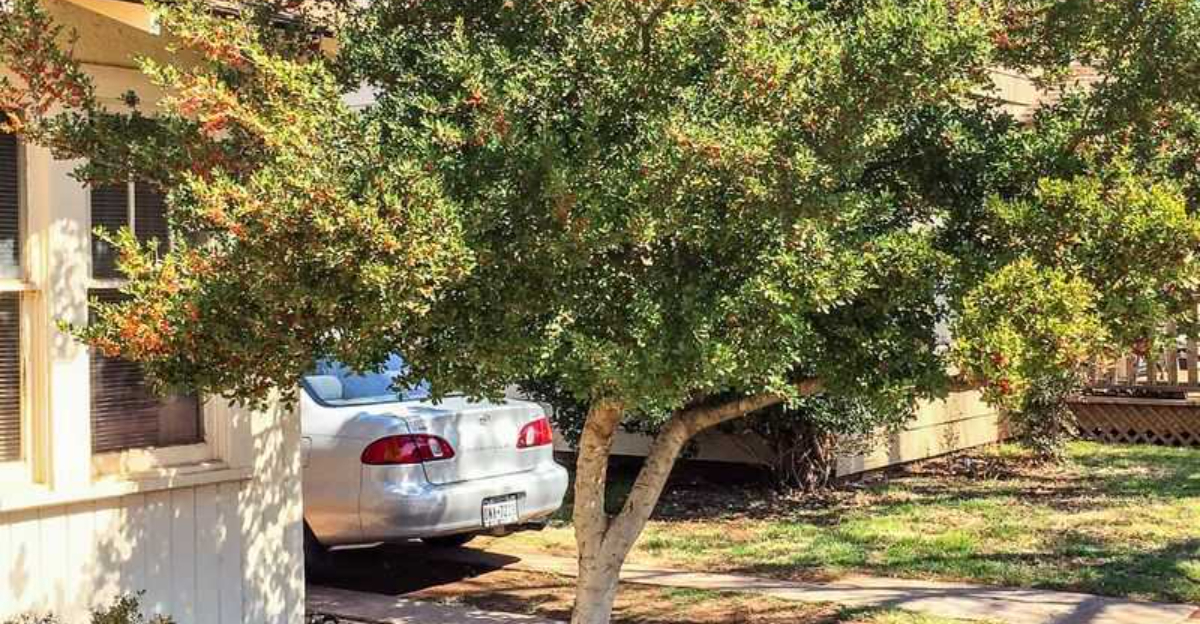
In the diverse climate of Texas, finding the perfect trees that provide ample shade while being friendly to your backyard’s plumbing system can be quite a task. However, there are several small trees that not only offer the much-needed shade but also ensure that your pipes remain safe and intact. Here’s a guide to 12 such trees that are perfect for Texas backyards.
Texas Redbud
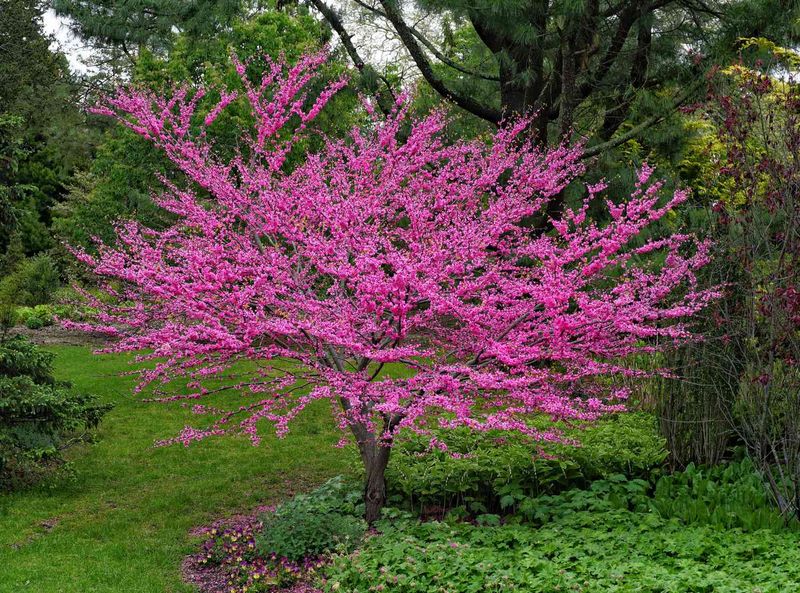
With its heartwarming burst of pink blossoms, the Texas Redbud is a sight to behold every spring. This tree welcomes the warmer months with vibrant colors, creating a stunning visual in any backyard. The native species is well-suited to Texas climates, thriving even in challenging conditions.
Its deep root system ensures that it grows safely away from underground pipes, making it an excellent choice for homeowners. Once the flowers fade, the lush green leaves provide a cool canopy, perfect for relaxing summer afternoons. With minimal water requirements, it’s both beautiful and practical.
As autumn arrives, the leaves transform into a brilliant yellow, offering a different aesthetic throughout the year. An ideal choice for those who cherish seasonal beauty.
Desert Willow
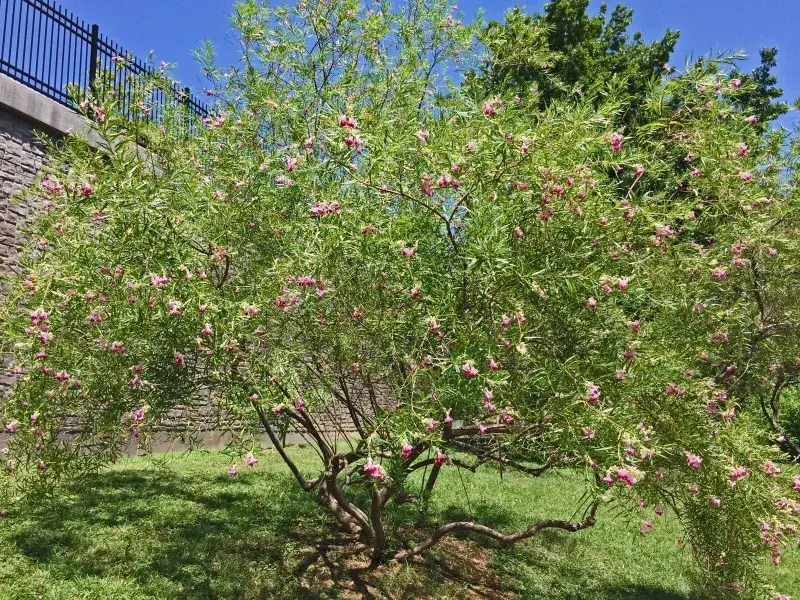
The Desert Willow, with its long, wispy branches, brings a touch of elegance to any Texan backyard. Known for its striking trumpet-shaped flowers that bloom in shades of pink, lavender, and white, it offers a splash of color against the arid Texas backdrop.
Despite its delicate appearance, this tree is incredibly resilient, thriving in dry conditions with minimal water. Its root system spreads horizontally, ensuring that underground pipes remain untouched. Ideal for homeowners looking for low-maintenance yet attractive greenery.
Beyond its visual appeal, the Desert Willow attracts hummingbirds, adding an element of lively activity to your garden. A perfect blend of beauty and functionality.
Mexican Plum
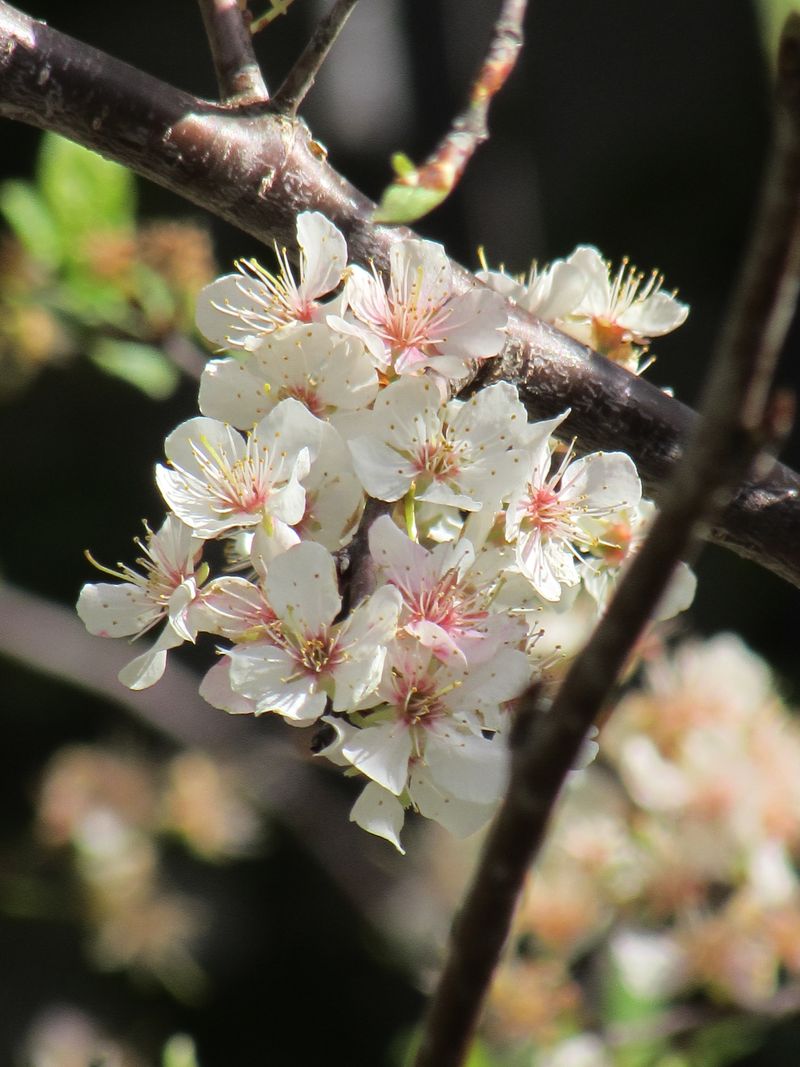
With its charming white blossoms and aromatic scent, the Mexican Plum tree is a delightful addition to any backyard. It stands out not only for its aesthetic appeal but also for the delicious fruits it bears in late summer.
This hardy tree is well-suited to the varied Texas climate and can easily adapt to different soil types. Its compact root system ensures it coexists peacefully with your garden’s infrastructure, posing no threat to pipes.
As the seasons change, the tree’s foliage transforms, offering a rich display of colors from spring through fall. A choice that’s both decorative and fruitful, providing sweet plums for culinary experiments.
Crepe Myrtle
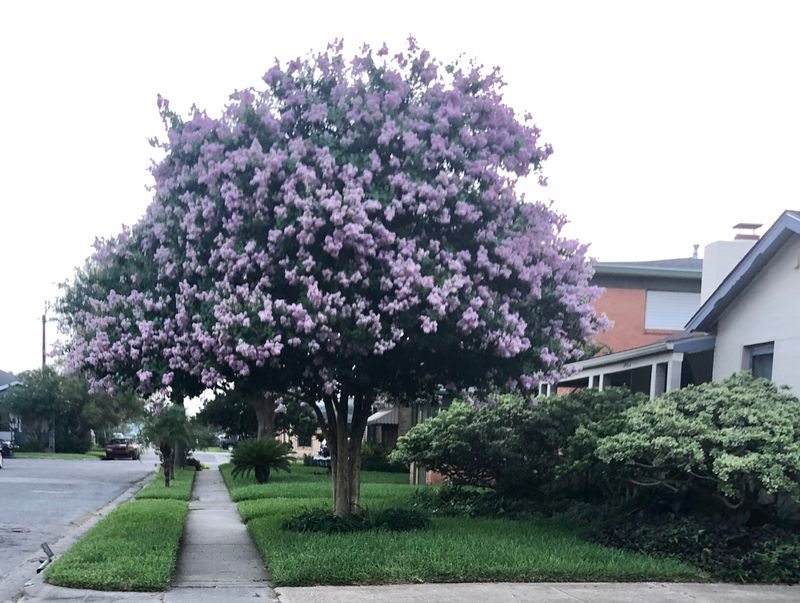
Heralded as the queen of flowering trees, the Crepe Myrtle offers dazzling blooms that last all summer long. Its colorful flowers range from deep reds to soft pinks and pure whites, ensuring a vibrant display regardless of the season.
Despite its grandeur, the Crepe Myrtle remains considerate of your backyard’s plumbing, with a non-invasive root system. This tree thrives in the Texas heat, requiring little more than occasional pruning and watering to maintain its stunning appearance.
Beyond its beauty, the tree’s bark provides visual interest even in winter, peeling back to reveal smooth, multicolored layers. A perennial favorite for those seeking year-round charm.
Anacacho Orchid Tree
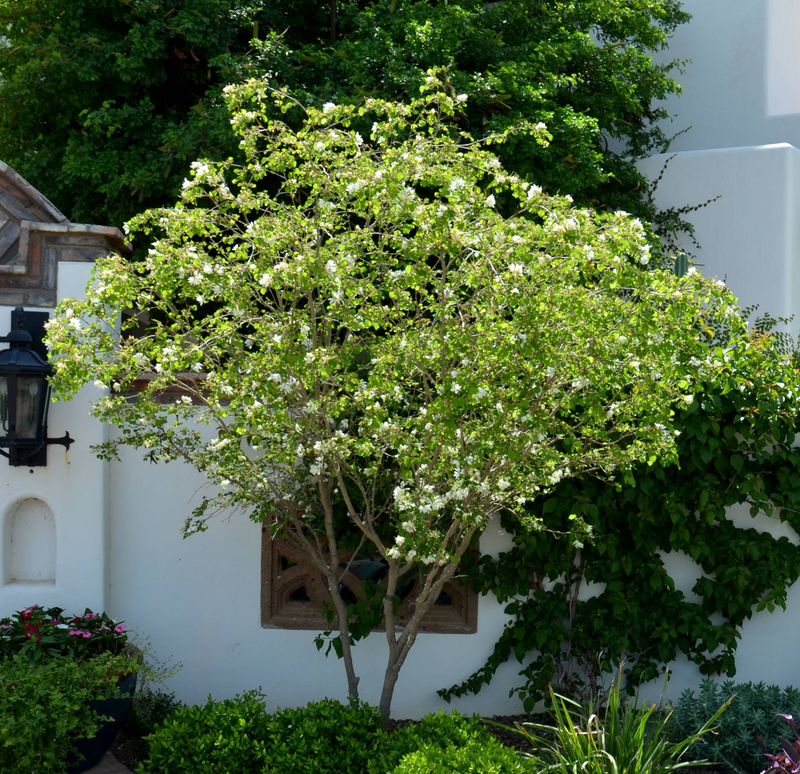
The Anacacho Orchid Tree is synonymous with grace, showcasing delicate orchid-like flowers that captivate onlookers. These blossoms, usually white or pink, are a treat for the senses, exuding a subtle fragrance that lingers in the air.
This petite tree is perfect for smaller spaces, offering shade and elegance without overwhelming your garden. Its root system is gentle, ensuring that it won’t interfere with underground utilities.
Ideal for Texas climates, it requires minimal water and care, making it a favorite among busy homeowners. Its unique appearance and low maintenance make it a standout choice.
Chaste Tree
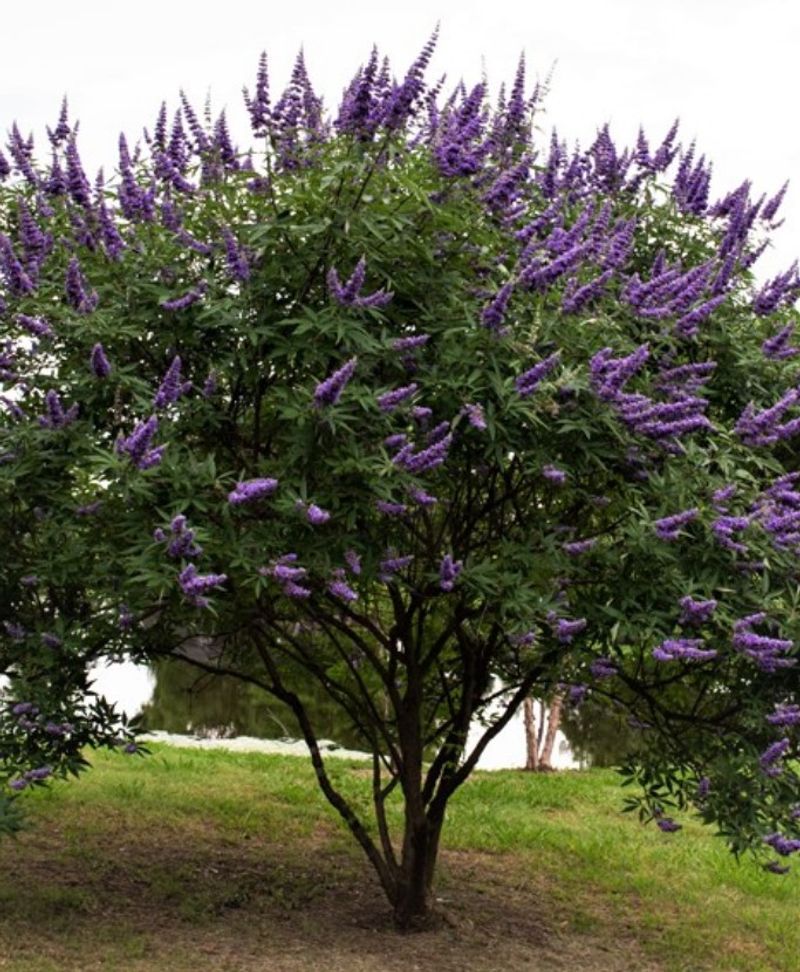
Known for its aromatic, lilac-colored flowers, the Chaste Tree is a beacon for butterflies and bees during the blooming season. Its tranquil presence adds a calming effect to any backyard space, offering both visual and olfactory delight.
This tree is drought-tolerant and thrives in the Texas sun, displaying resilience against the harshest weather. Its roots remain shallow and non-invasive, making it a safe companion for your garden’s plumbing.
Aside from its ornamental value, the Chaste Tree has historical significance, traditionally used for its medicinal properties. A tree that not only beautifies but enriches your backyard.
Vitex Tree
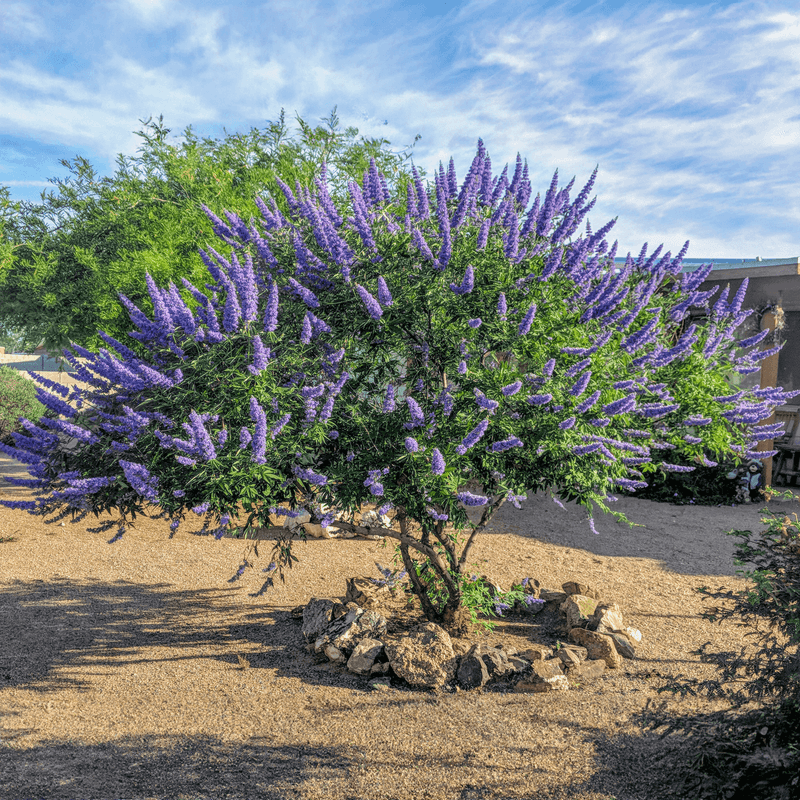
The Vitex Tree, often referred to as the “Texas Lilac,” offers vivid purple blooms that create a striking contrast against its lush greenery. This tree’s showy spikes of flowers are not only beautiful but also attract butterflies and bees, enhancing the biodiversity of your backyard.
It thrives in the Texan climate, requiring little water once established, and its roots are non-aggressive, posing no threat to pipes. The Vitex Tree’s robust nature makes it ideal for those seeking a vibrant yet low-maintenance addition to their garden.
Historically, parts of the Vitex were used in herbal remedies, adding a layer of intrigue to its already impressive profile. A spirited choice for any landscape.
Yaupon Holly
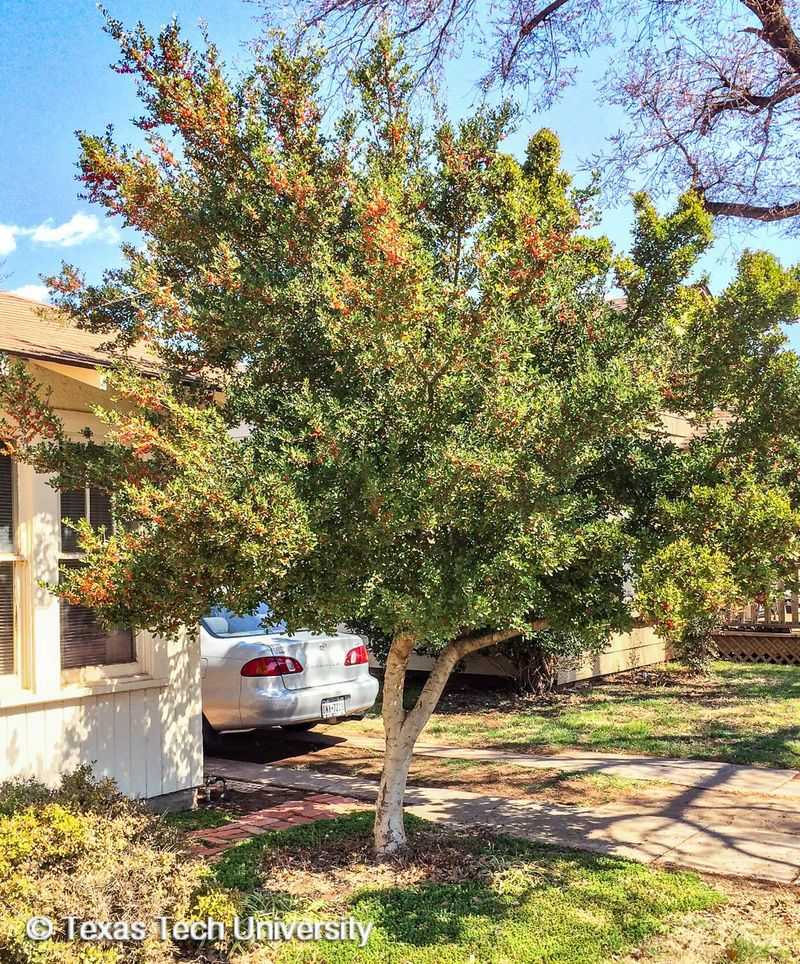
The Yaupon Holly is a versatile tree, known for its lush, evergreen foliage and vibrant red berries that add a splash of color to winter landscapes. Its compact size and dense canopy provide excellent shade without overpowering smaller gardens.
This tree’s roots are well-behaved, making it a safe choice for areas near pipes and foundations. It’s highly adaptable, thriving in various soil types and weather conditions typical of Texas.
Aside from its ornamental appeal, the Yaupon Holly has cultural significance, with its leaves historically used by Native Americans to brew a ceremonial tea. A tree that offers both beauty and a hint of mystery.
Japanese Black Pine
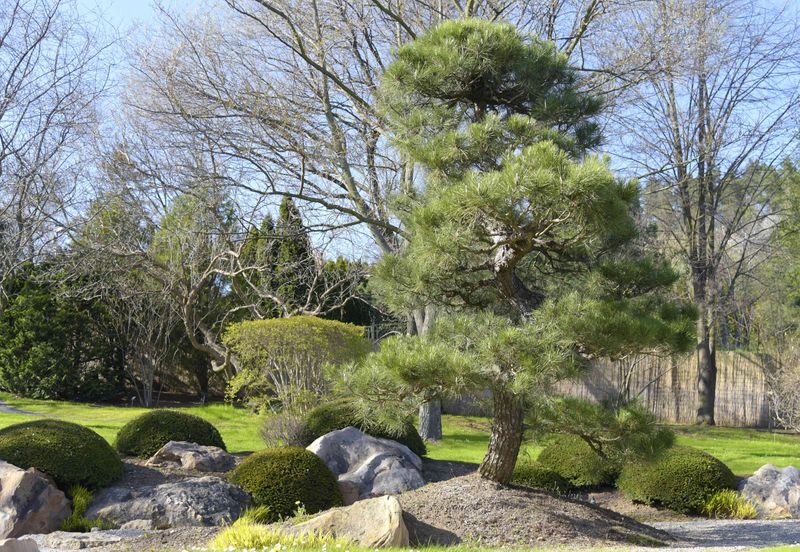
With its unique, sculptural form, the Japanese Black Pine is a striking presence in any backyard. Its dark green needles and rugged bark create a picturesque scene, particularly against the backdrop of a Texas sunset.
This tree’s deep root system ensures that it remains stable and poses no threat to underground utilities. It’s well-suited to sandy and rocky soils, common in many Texan areas, and requires minimal watering once established.
The Japanese Black Pine is often associated with traditional Japanese gardens, symbolizing strength and resilience. A majestic choice for those who appreciate both form and function in their landscape.
Lacebark Elm
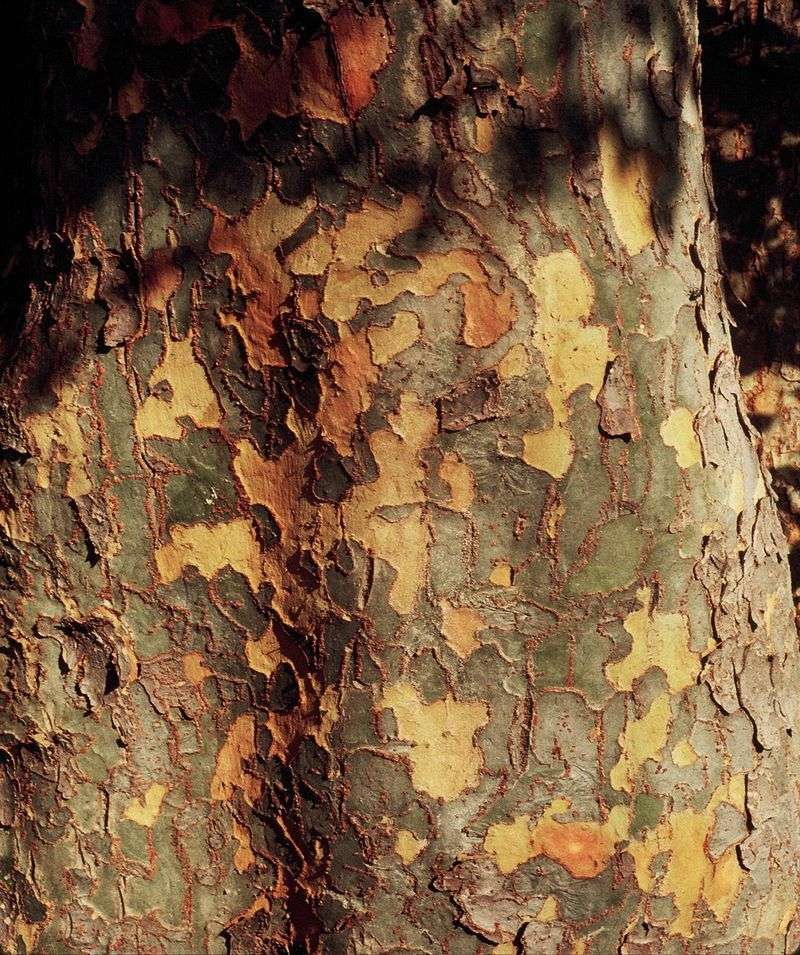
Admired for its fascinating bark, which flakes to reveal a mosaic of colors underneath, the Lacebark Elm is a conversation piece in any garden. Its dense canopy provides substantial shade, making it a perfect retreat from the Texan sun.
The Lacebark Elm’s roots are non-invasive, making it a safe addition to areas near pipes and paved surfaces. It adapts well to various soil conditions, thriving in both urban and rural settings across Texas.
Historically, the elm has been valued for its wood, prized for its strength and durability. An enduring symbol of stability and grace in your backyard.
Eve’s Necklace
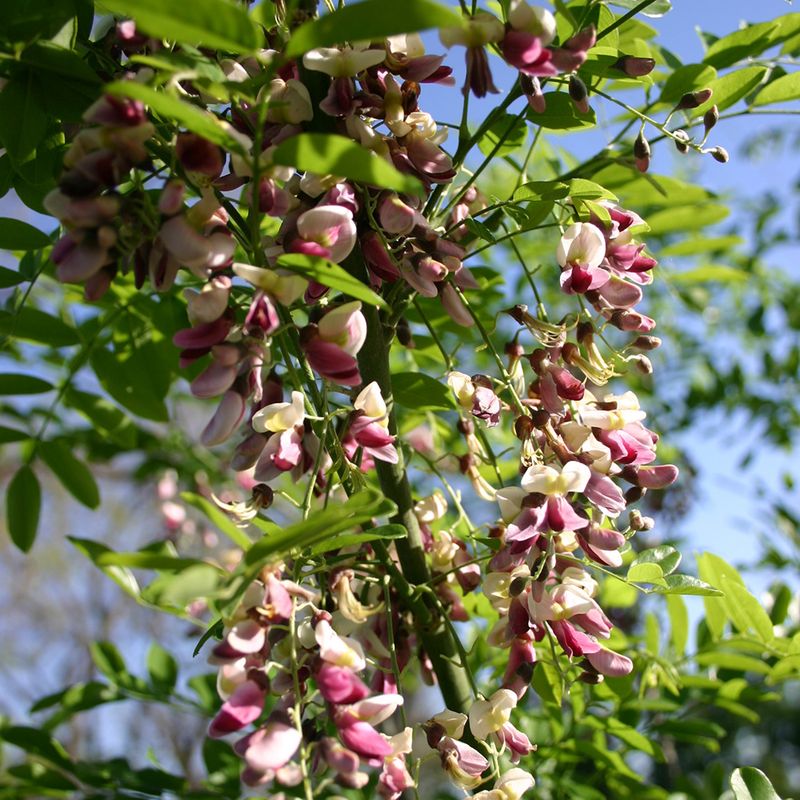
Eve’s Necklace captivates with its pendulous clusters of pink flowers that resemble strands of beads, offering a whimsical touch to any garden. This tree is named for its unique seed pods that hang like delicate jewelry throughout the year.
Adapted to the Texas climate, Eve’s Necklace thrives in well-drained soils and tolerates drought conditions, making it a practical choice for homeowners. Its root system is non-invasive, providing peace of mind when planted near structures.
Beyond its ornamental beauty, this tree serves as a habitat for various bird species, enhancing the ecological value of your backyard. A charming and functional addition to your landscape.
Texas Mountain Laurel
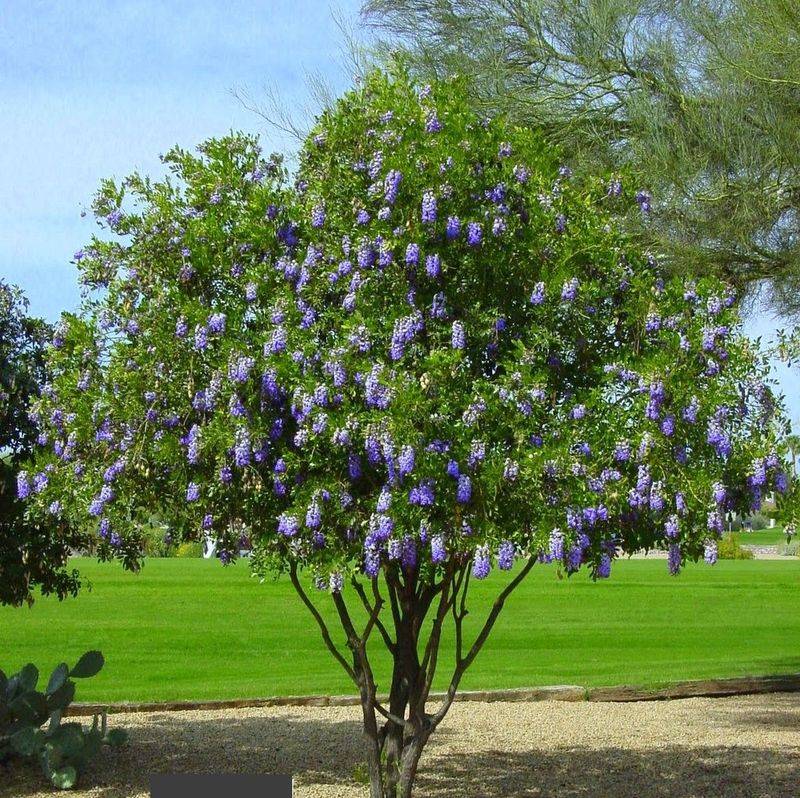
Renowned for its intoxicating grape-soda fragrance, the Texas Mountain Laurel is a sensory delight. Its lush clusters of purple flowers are not only visually appealing but also fill the air with a sweet, inviting aroma during blooming seasons.
This tree’s roots are non-invasive, designed to coexist harmoniously with your garden’s infrastructure. It flourishes in the Texas sun, requiring very little water once it’s established, making it a sustainable choice.
The Texas Mountain Laurel’s resilience and beauty have made it a favorite among gardeners, symbolizing perseverance and grace. A perfect blend of fragrance and fortitude for your backyard.