 Complete Gardening
Ohio gardeners often face challenges in maintaining lush, green lawns. Among the most persistent issues are weeds that threaten to overrun gardens and destroy the aesthetic appeal of lawns. This blog post explores twelve such weeds that should never be ignored.
Dandelion
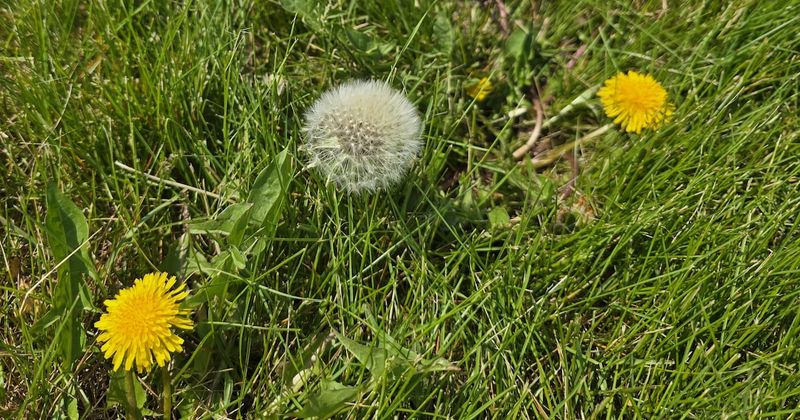
Every child has blown the fluffy seeds of a dandelion, watching them dance in the wind. However, for gardeners, these weeds are less whimsical. Dandelions spread quickly, with taproots that can reach up to 10 inches deep.
Their deep roots make them tough to eradicate, allowing them to bounce back even after being pulled. With their sunny yellow flowers, they might appear cheerful, but they can swiftly overtake a lawn.
Crabgrass
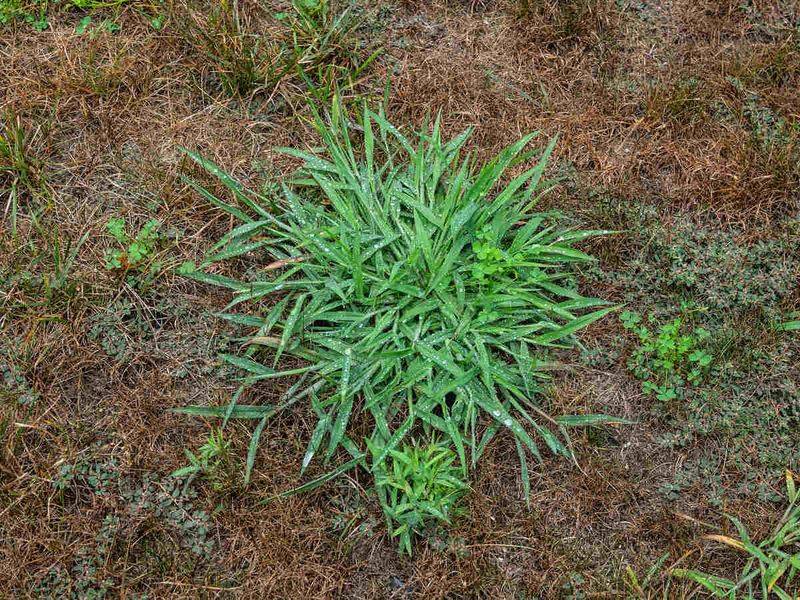
Imagine your lush lawn suddenly disrupted by patches of broad-leafed invaders. Crabgrass is notorious for its aggressive growth. This annual weed thrives in the warmer months, sprawling low across the lawn.
Crabgrass can easily outcompete the grass, leaving bare patches when it dies in the fall. Effective management requires vigilance in early spring before seeds germinate.
Quackgrass
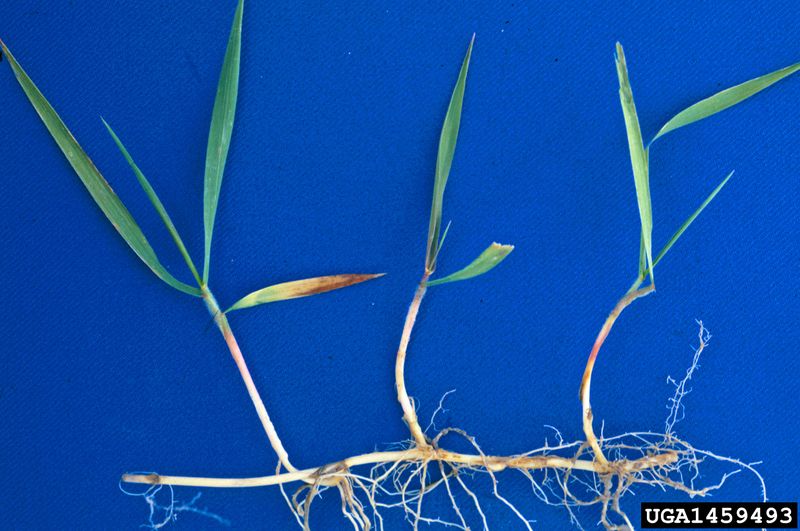
Quackgrass, with its coarse leaves and tough rhizomes, is a gardener’s persistent foe. Its underground network can spread up to 10 feet, making it challenging to control.
Often mistaken for regular grass, quackgrass can smother other plants. It requires persistent effort to manage, often demanding both mechanical and chemical control methods.
Thistle
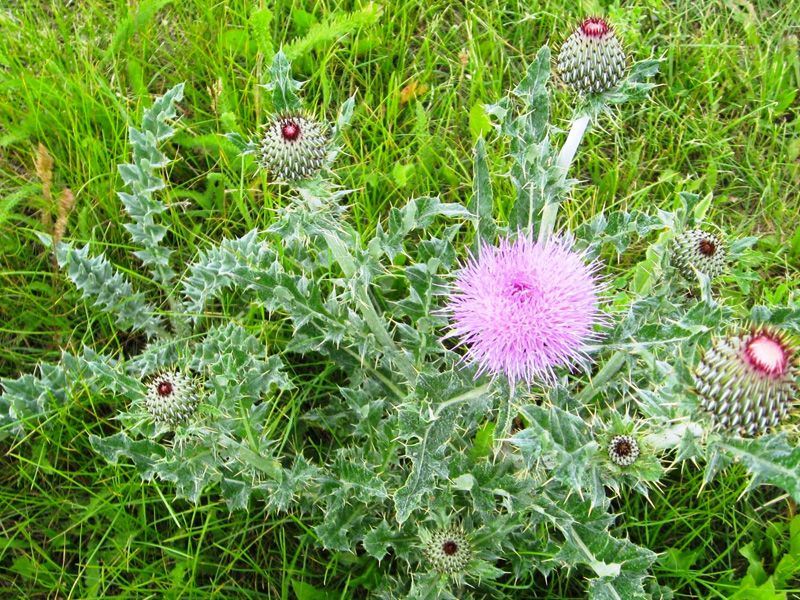
A thistle’s prickly demeanor can be deceiving. These weeds can grow over five feet tall, with spiky leaves that deter both humans and animals.
Their deep roots and hardy nature make them difficult to remove. Thistles are not just an eyesore; they can dominate landscapes if not promptly addressed.
Chickweed
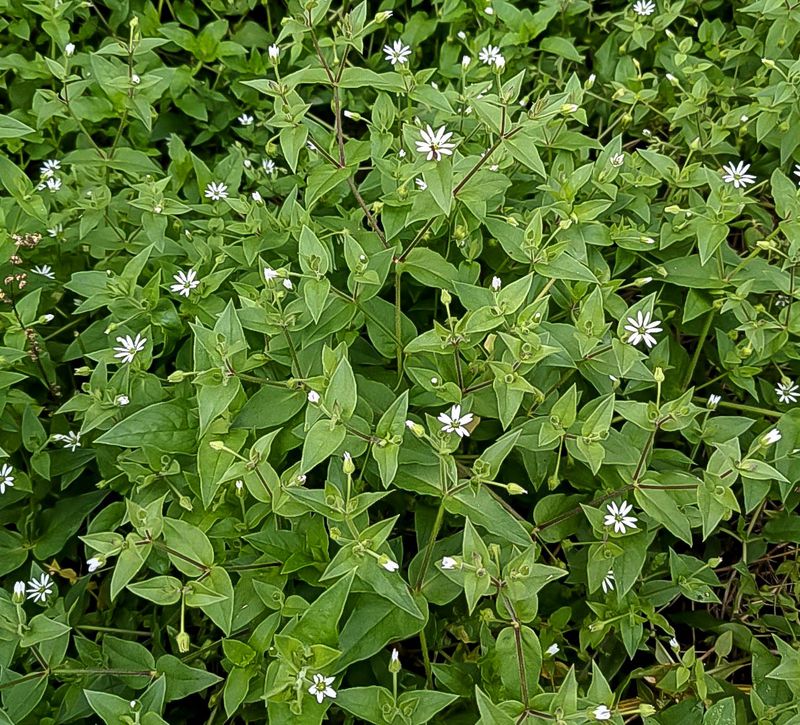
Chickweed, often seen hugging the ground, might seem innocuous, but its rapid growth can suffocate delicate garden plants. With tiny white flowers, it’s an all-too-common sight in Ohio gardens.
This weed prefers cooler temperatures, making late winter and early spring prime times for its spread. Its shallow roots make it easy to pull, but vigilance is required to keep it at bay.
Bindweed
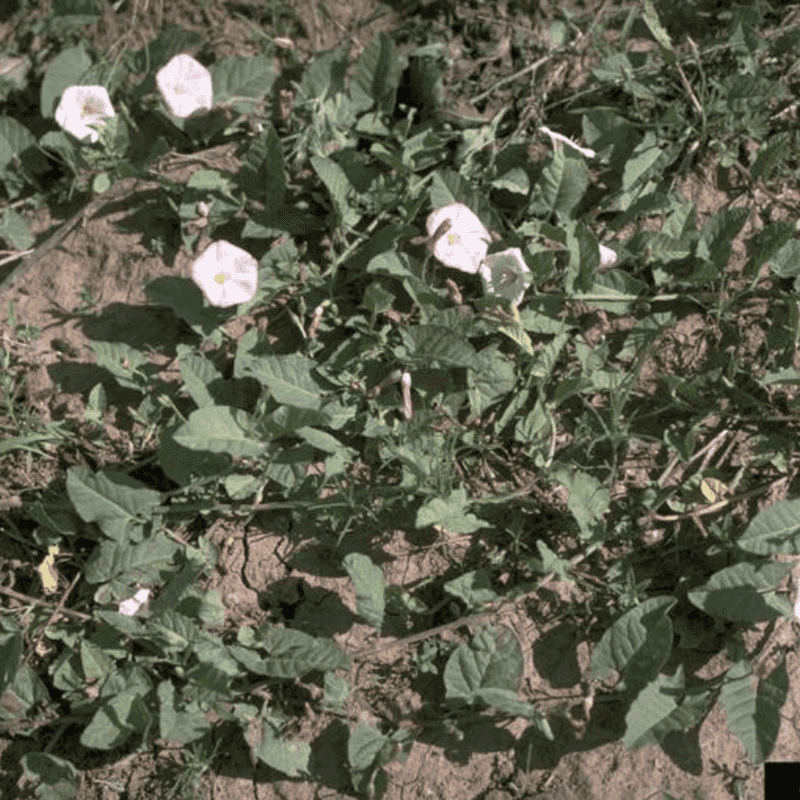
Bindweed is a vine with a charming appearance, adorned with white, funnel-shaped flowers. Yet, beneath its beauty lies a tenacious weed.
This perennial weed’s roots can extend up to 20 feet underground, making it extremely hard to eliminate. Its ability to climb and strangle other plants makes it a formidable adversary in gardens.
Purslane
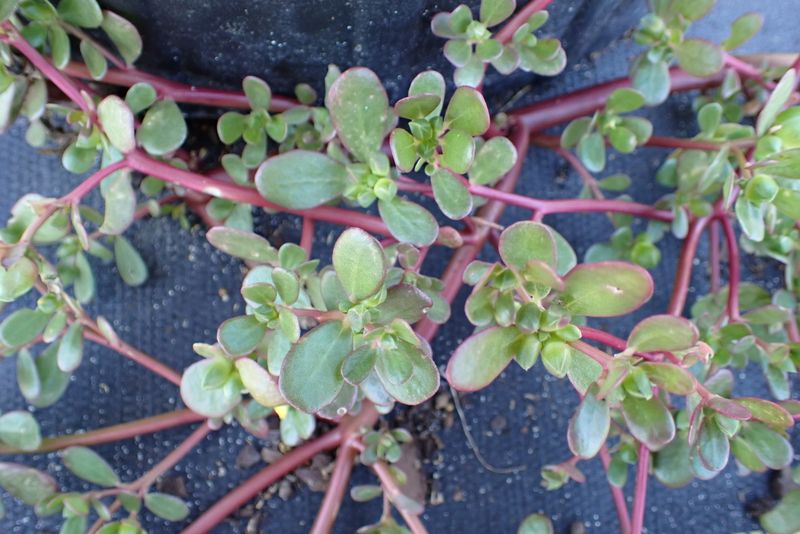
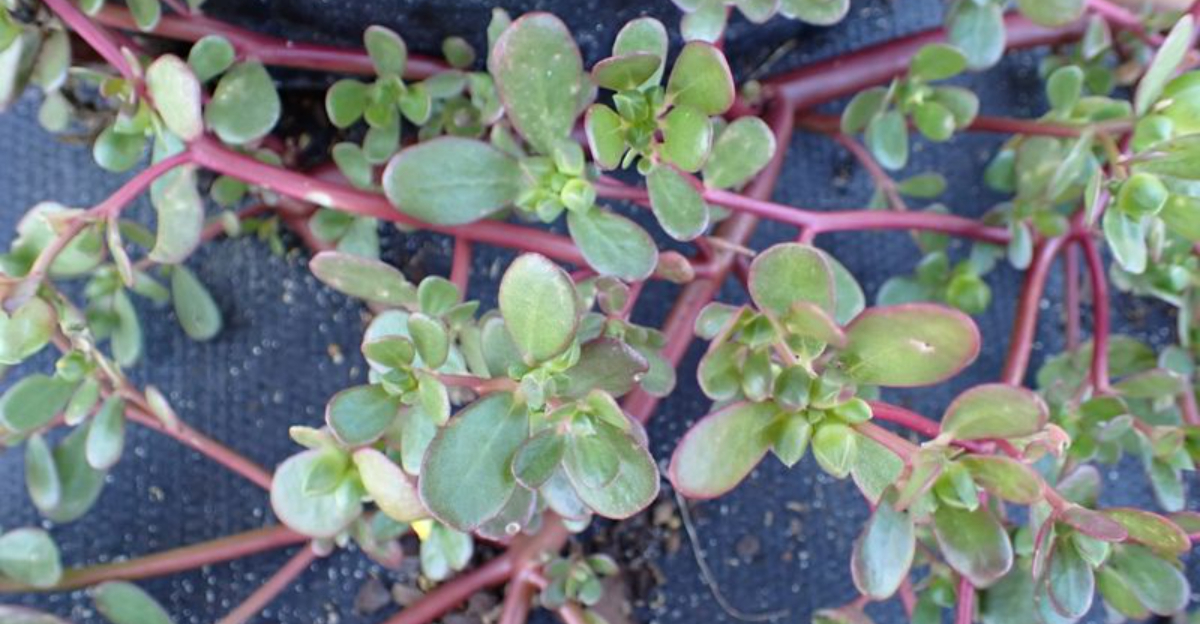
With its fleshy leaves and reddish stems, purslane is more than just a weed; it’s a succulent that can thrive in tough conditions. This weed spreads low and wide, often forming a dense mat.
Purslane’s seeds can remain viable for over 40 years, posing a long-term threat to gardens. It’s edible and nutritious, but that doesn’t make its invasive nature any less problematic.
Clover
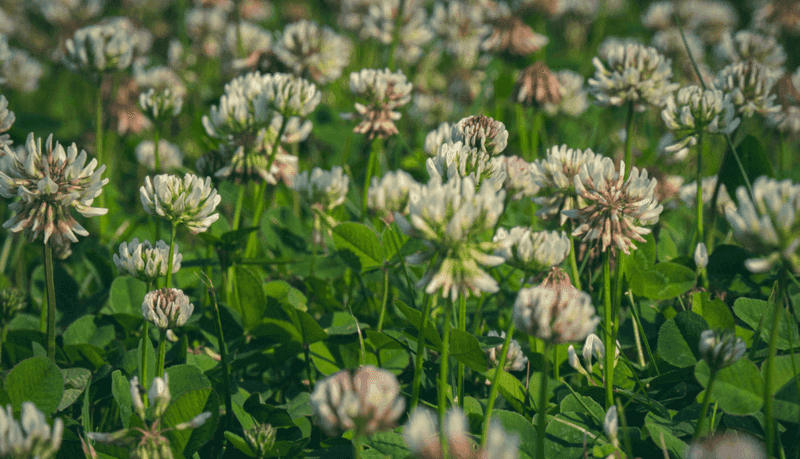
Clover, with its trifoliate leaves, often symbolizes luck, but in lawns, it signifies competition. Known for fixing nitrogen, clover can actually improve soil quality.
However, in a manicured lawn, its presence can be unwelcome. It spreads quickly and can outcompete grass for nutrients and space.
Nutsedge
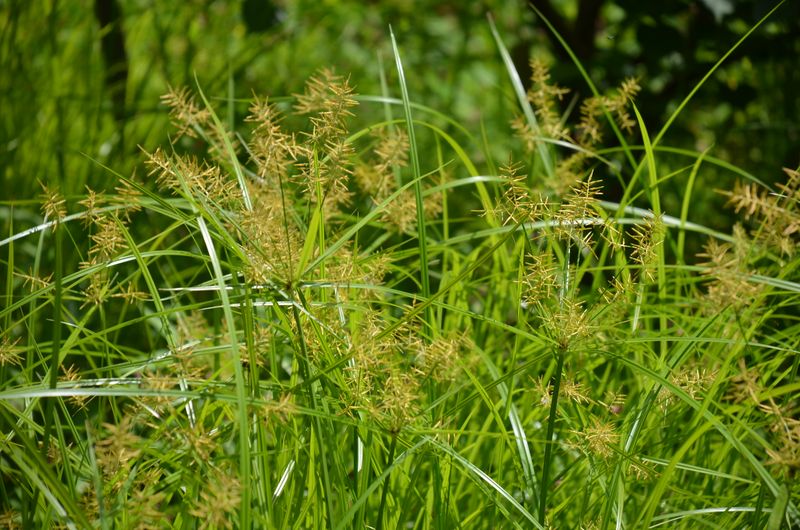
Nutsedge, often mistaken for grass, stands out with its triangular stems and bright yellow-green hue. This perennial weed grows faster than typical lawn grass, making it noticeable.
Its tubers can survive winter, causing it to reappear year after year. Management requires consistent effort and often specialized herbicides.
Ground Ivy
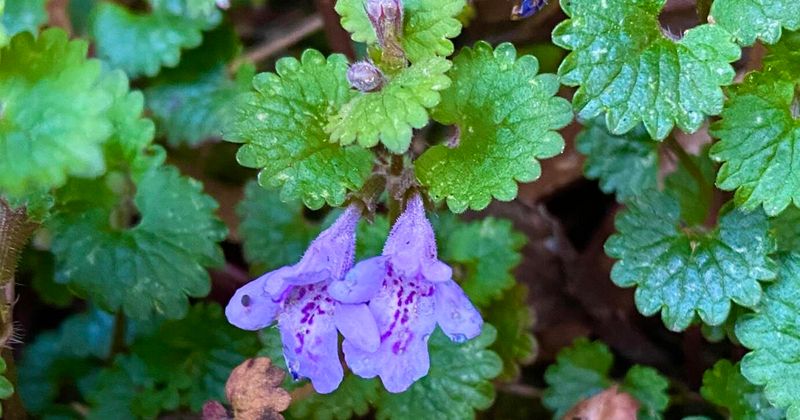
Ground Ivy, also known as Creeping Charlie, can be a charming ground cover with its scalloped leaves and purple blooms. Yet, its rapid spread can choke out other plants.
This perennial is particularly challenging in shaded areas, where it thrives. Persistent pulling and targeted herbicides are often necessary to keep it in check.
Wild Violet
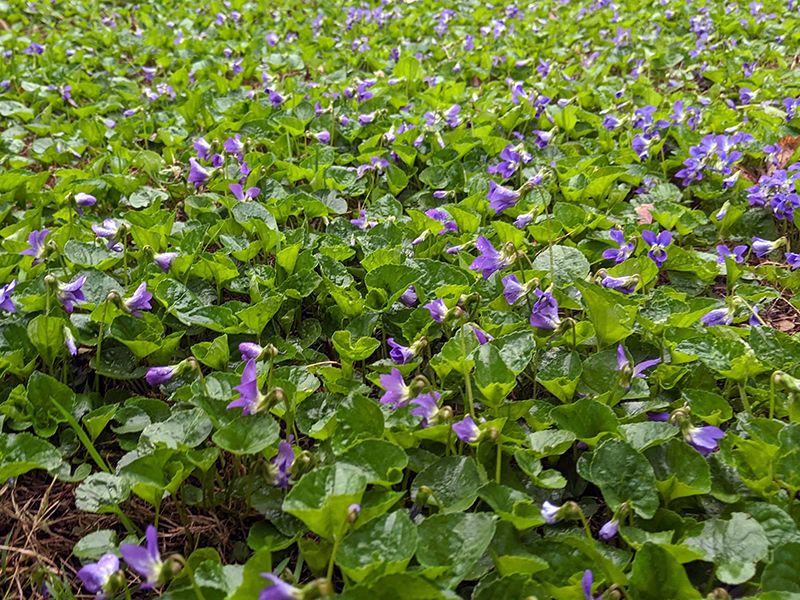
Wild Violets, with their heart-shaped leaves and delicate purple flowers, can be a delightful sight. However, their dense clumps can quickly take over a lawn.
These perennials prefer shady, moist areas and can be stubborn to remove. Their seeds can spread via wind and wildlife, necessitating regular monitoring.
Burdock
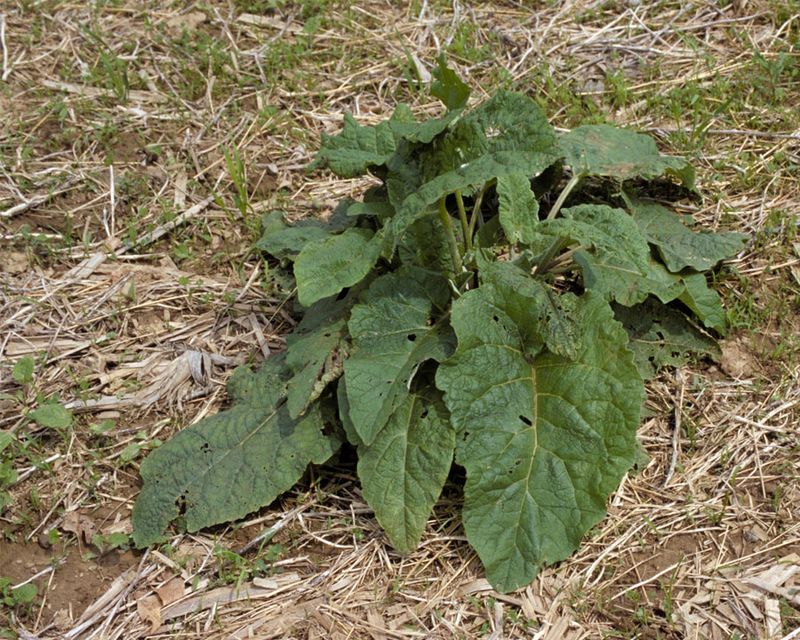
Burdock might be famous for its velcro-like burrs, which stick to clothing and fur, but in gardens, it’s a nuisance. With large leaves, it can overshadow other plants.
It has a deep taproot that makes removal difficult. Known for its medicinal properties, burdock still poses a significant challenge in maintaining pristine gardens.