 Complete Gardening
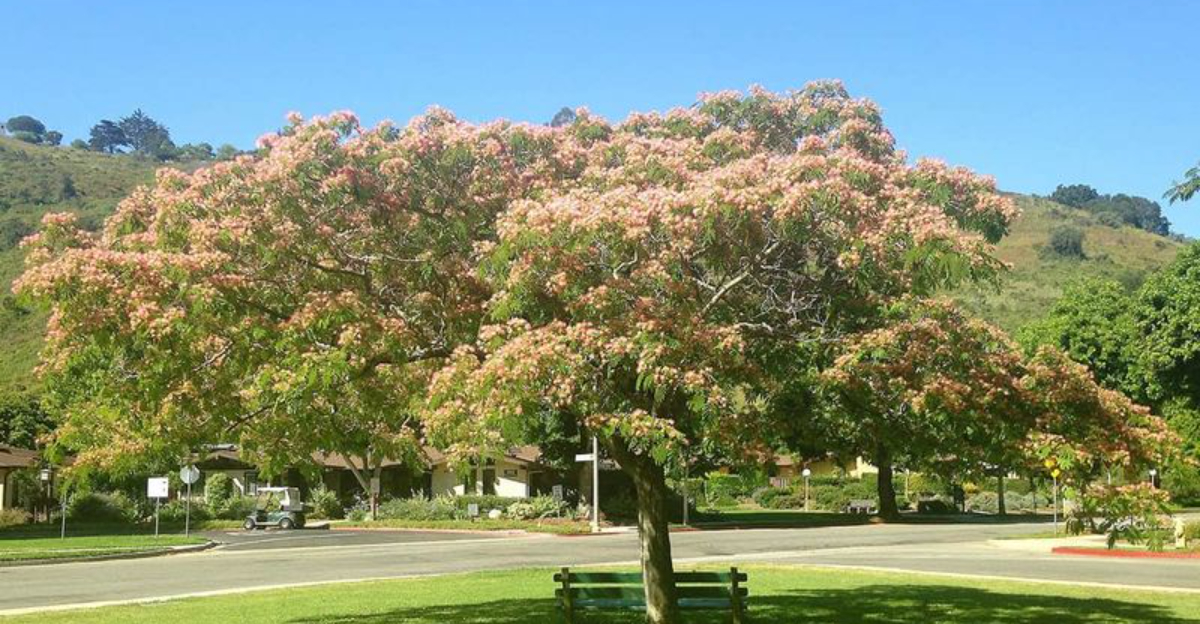
Cultivating healthy soil is crucial for sustainable agriculture and reforestation. Some trees offer the remarkable ability to enhance soil quality while growing at impressive rates, making them ideal for revitalizing degraded lands. Here are 13 such trees that not only thrive in poor soil conditions but also contribute to soil enrichment and ecosystems.
1. Black Locust (Robinia pseudoacacia)
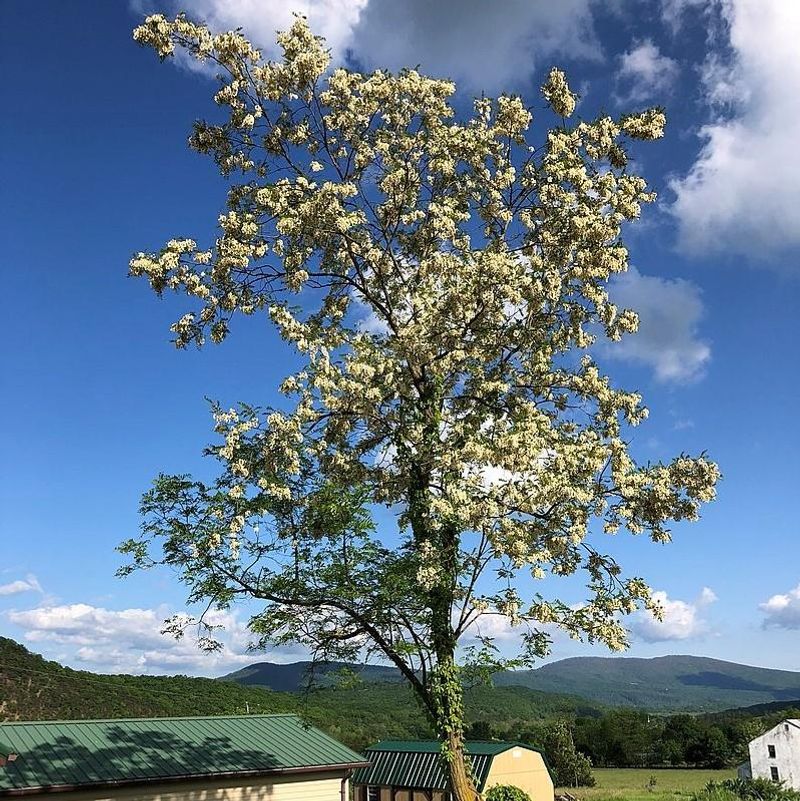
Black Locust stands out with its robust growth and nitrogen-fixing capabilities. This tree can grow up to five feet annually, thriving in various soil conditions, including those that are degraded. Its hardy nature makes it perfect for reforestation efforts as it enriches the soil with nitrogen.
Furthermore, it helps in preventing soil erosion, which is crucial for landscapes recovering from environmental stress. Interestingly, its wood is highly durable, often used for fence posts and flooring. This blend of beauty and utility makes Black Locust a favorite among ecologists and landscapers alike.
2. Alder (Alnus spp.)
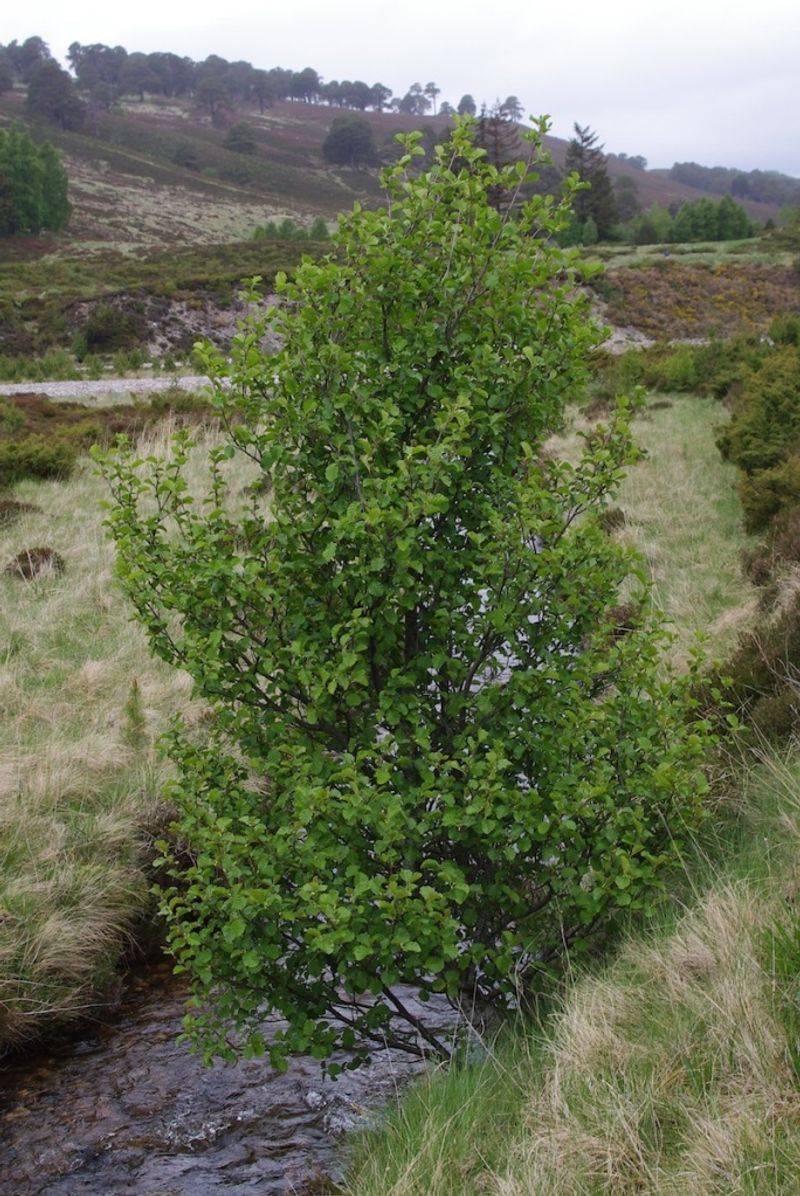
Alders are nature’s first responders, quickly colonizing damaged landscapes and improving soil for successive plantings. These trees grow between two to four feet per year and are especially effective in nitrogen fixation.
Alders thrive in wet and acidic soils, making them ideal for riverbank stabilization projects. Their ability to enhance soil health while offering shade and habitat for wildlife underscores their ecological importance.
In folklore, alders were considered magical, often associated with fairies, adding a touch of mystique to their practical uses.
3. Mimosa (Albizia julibrissin)
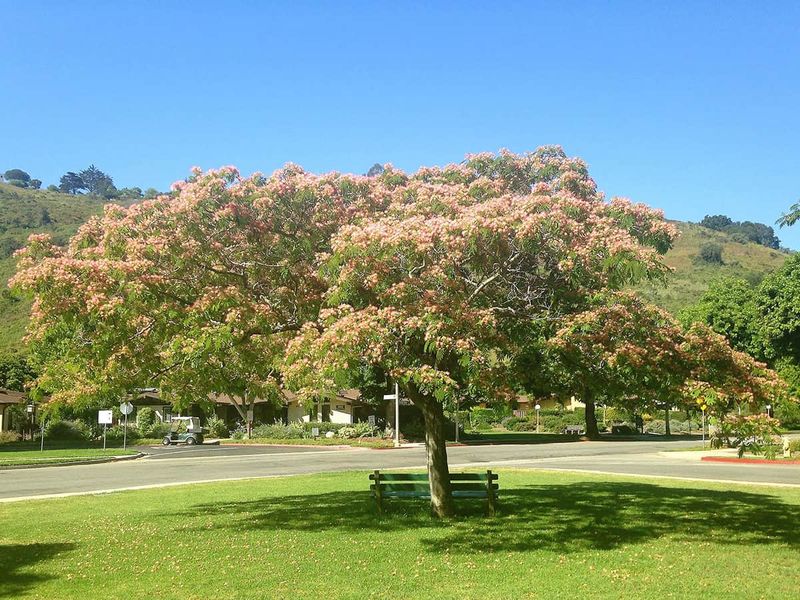
Mimosa, with its airy, fern-like leaves and striking pink blossoms, grows rapidly, reaching over three feet annually. Its nitrogen-fixing ability and drought resistance make it suitable for poor soils.
However, caution is advised as its invasive nature in some regions requires responsible management. Despite this, its ornamental value and ability to rejuvenate soil make Mimosa a gardener’s delight.
Historically, Mimosa has been used in traditional Chinese medicine, famed for its calming properties, earning nicknames like ‘Silk Tree’ for its soft texture.
4. Siberian Pea Shrub (Caragana arborescens)
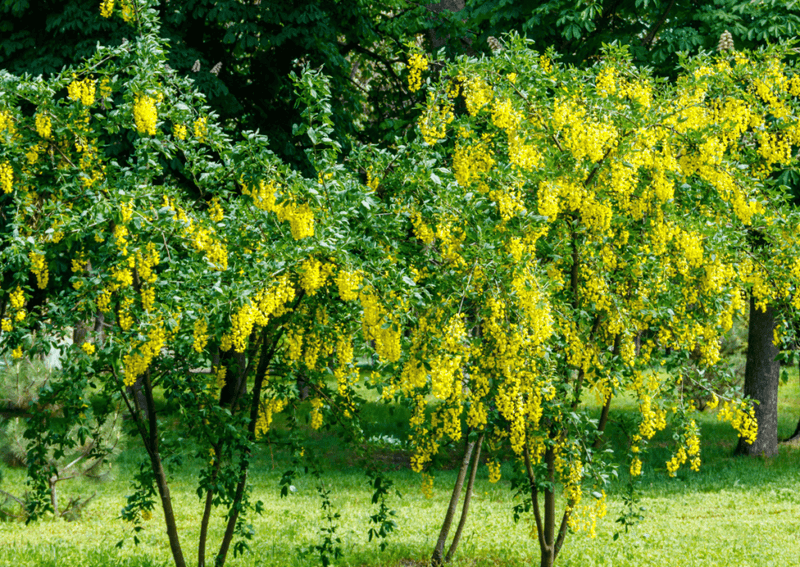
With its bright yellow flowers and resilience to harsh climates, the Siberian Pea Shrub is a beacon of hope for poor soils. It grows up to three feet annually and withstands drought and cold, fixing nitrogen while providing for wildlife.
This shrub not only enriches soil but also supplies edible peas, a nutritious treat for livestock and wildlife. A symbol of endurance, the Siberian Pea Shrub has roots deeply embedded in Eurasian landscapes, where it has been cultivated for centuries.
5. Paulownia (Empress Tree)
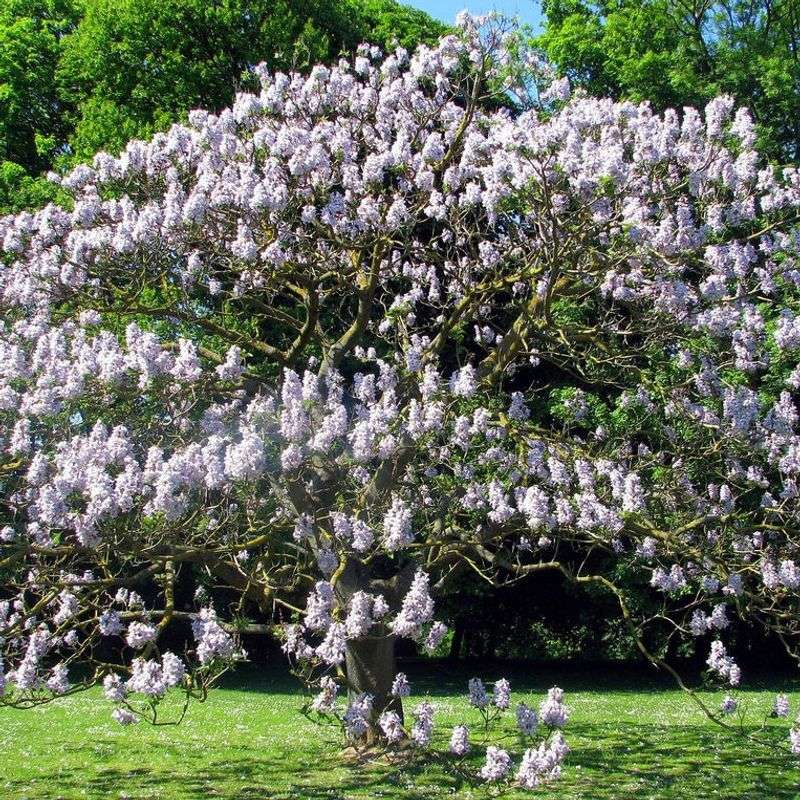
The Paulownia, known as the Empress Tree, boasts one of the fastest growth rates, shooting up 10 to 15 feet annually. Its deep roots help break up compacted soil, enhancing aeration and drainage.
Though potentially invasive, sterile varieties like Paulownia elongata offer a solution for those wanting to harness its benefits responsibly. The tree’s large leaves add organic matter to soil, boosting fertility.
Hailing from Asia, it has cultural significance, often planted to celebrate births and prosperity, symbolizing growth and renewal.
6. White Poplar (Populus alba)
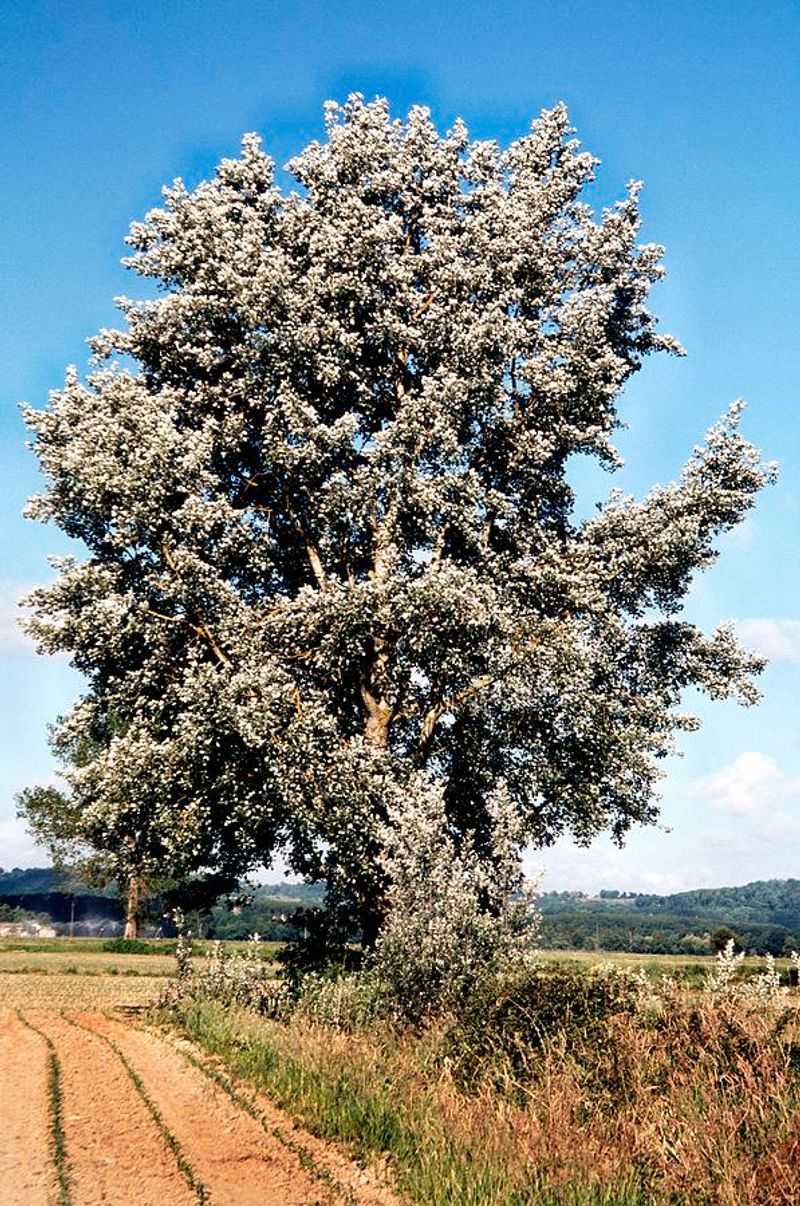
White Poplar, with its distinct silver-white leaves, grows rapidly at five to eight feet per year. It thrives in challenging urban environments, tolerating pollution and stabilizing erosion-prone areas.
This tree serves as a natural air purifier and offers a refuge for urban wildlife. Its unique appearance and robust nature make it a favored choice for city planners aiming to green up industrial sites.
The tree’s historical roots trace back to ancient Roman times, where it was a symbol of resilience and protection in mythology.
7. Autumn Olive (Elaeagnus umbellata)
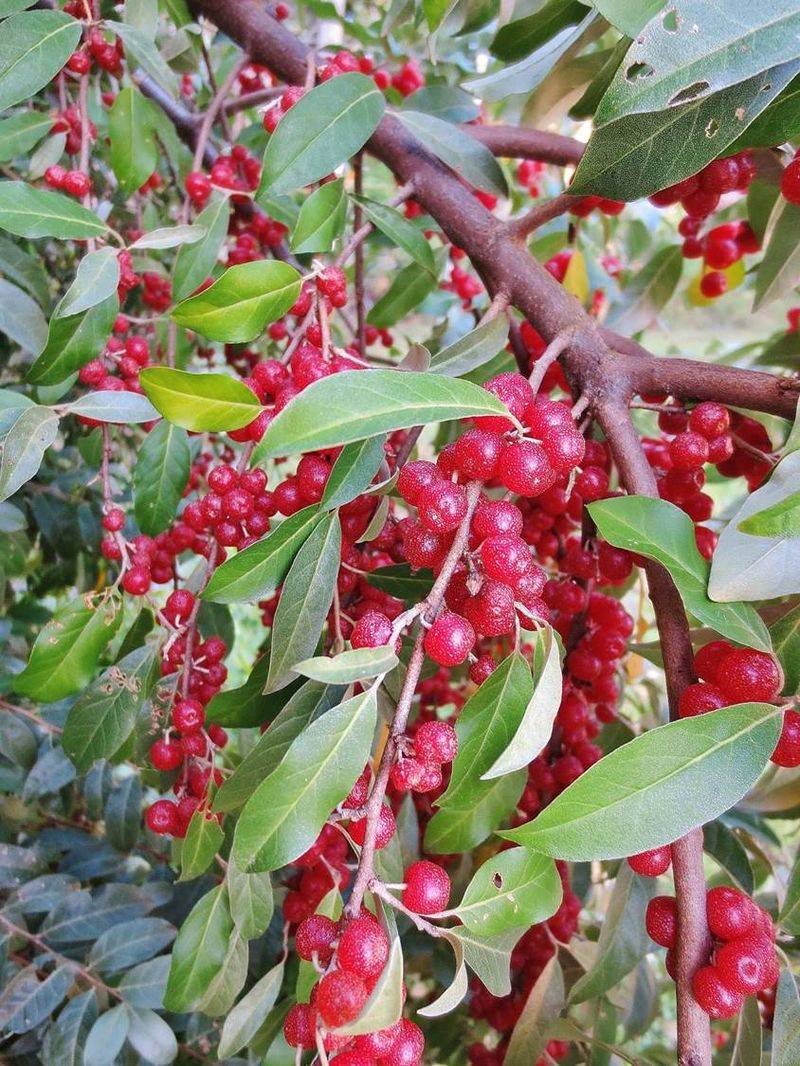
Autumn Olive captivates with its silvery leaves and abundant red berries. Growing up to four feet annually, it fixes nitrogen and withstands drought, making it perfect for revitalizing poor soils.
While its fruit is edible and nutritious, its invasive potential requires careful consideration. Alternatives like the goumi berry provide similar benefits without the risk.
Originating from Asia, the tree has been traditionally used for medicinal purposes, adding a historical layer to its modern ecological role.
8. Mulberry (Morus spp.)
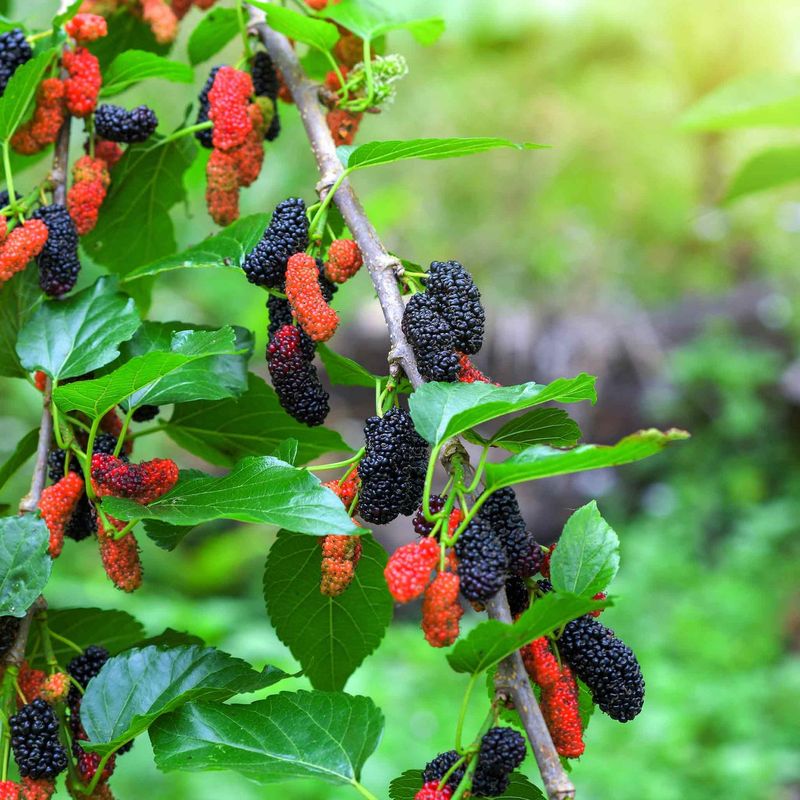
Mulberries are not just fruit-bearing wonders; they significantly improve soil structure with their deep roots. These trees grow up to five feet per year and are drought-tolerant, thriving in less-than-ideal conditions.
Their delicious berries attract wildlife, supporting local ecosystems while delighting humans. Historically, mulberries have been vital in the silk industry, as their leaves are the preferred food for silkworms.
This dual-purpose tree embodies both culinary delight and ecological enhancement, making it a versatile addition to gardens and farms alike.
9. Leucaena (Leucaena leucocephala)
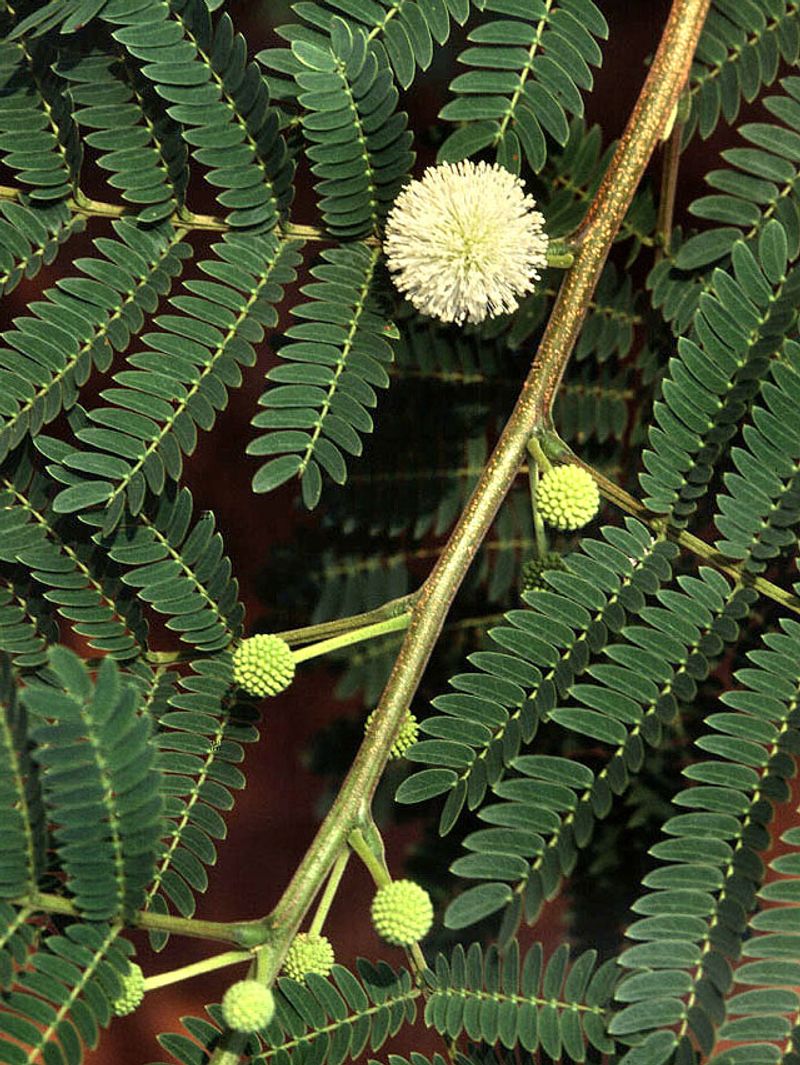
Leucaena, known for its rapid growth of up to 10 feet annually, is a powerhouse in nitrogen fixation. Its adaptability to drought makes it a staple in tropical and subtropical climates.
Despite its benefits, caution is needed as it can become invasive. However, when managed properly, it serves as excellent fodder for livestock and improves soil fertility dramatically.
Originating in Central America, Leucaena has been embraced globally for its versatility, from agroforestry systems to soil rehabilitation projects.
10. Honey Locust (Gleditsia triacanthos)
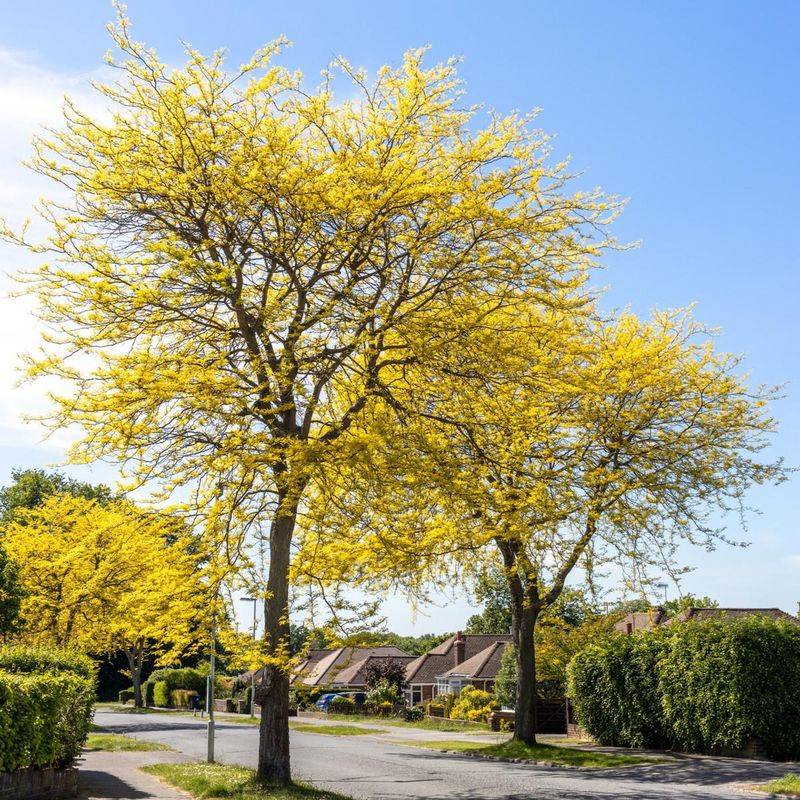
Honey Locust, especially thornless varieties like ‘Sunburst,’ is celebrated for its adaptability to compacted and alkaline soils. Growing up to three feet per year, it offers shade while enriching the soil through nitrogen fixation.
These trees are perfect for urban areas, providing dappled light without overwhelming shade. The pods are a food source for wildlife, adding to its ecological benefits.
This tree’s intriguing history includes its use by Native Americans who cherished its sweet pods for food and natural sweeteners.
11. Willow (Salix spp.)
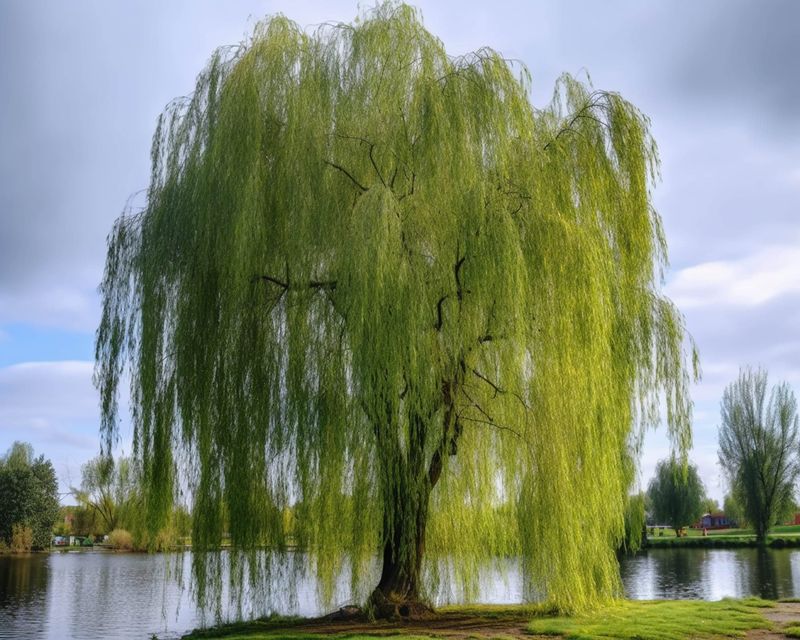
Willows are synonymous with water and healing, known for their rapid growth of up to 10 feet annually. They excel in phytoremediation, cleansing toxins from the soil and preventing erosion.
Ideal for wet, degraded areas, willows absorb heavy metals and create habitats for wildlife. Their historical use in medicine, particularly for aspirin extraction, highlights their multifaceted role in human culture.
This tree’s elegant presence and environmental contributions make it a beloved choice for landscape restoration.
12. Redbud (Cercis canadensis)
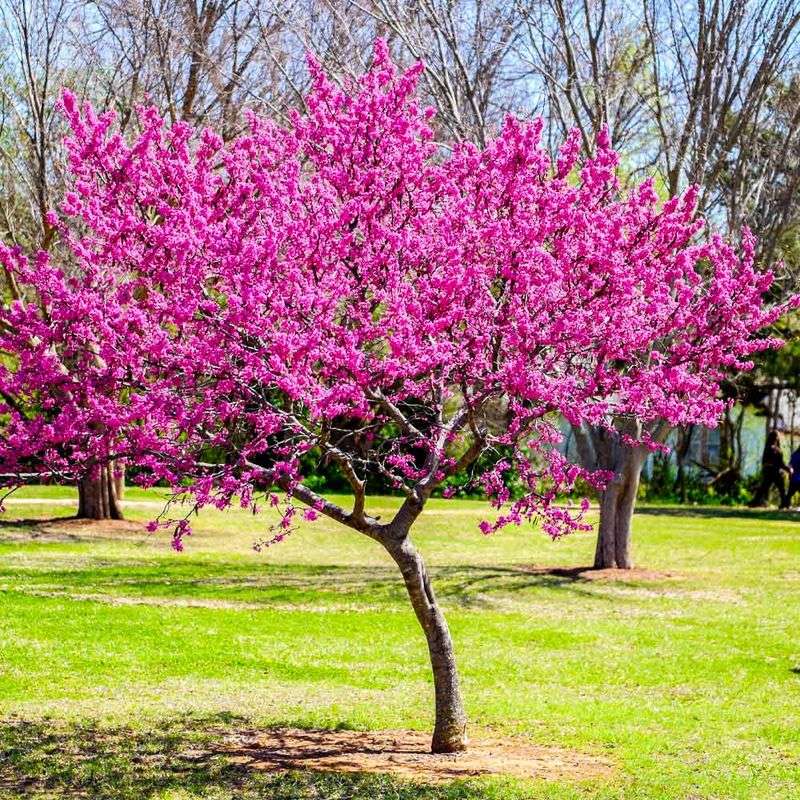
Redbuds bring a burst of color and life to gardens with their striking pink blossoms. Growing one to two feet per year, they tolerate clay soils and fix nitrogen, improving the surrounding soil ecosystem.
Their ornamental appeal is matched by their ecological benefits, making them a top choice for garden enthusiasts. Native to North America, Redbuds have been cherished for their beauty and utility.
Their historical significance includes use in traditional crafts, adding a cultural dimension to their horticultural charm.
13. Tagasaste (Tree Lucerne, Chamaecytisus palmensis)
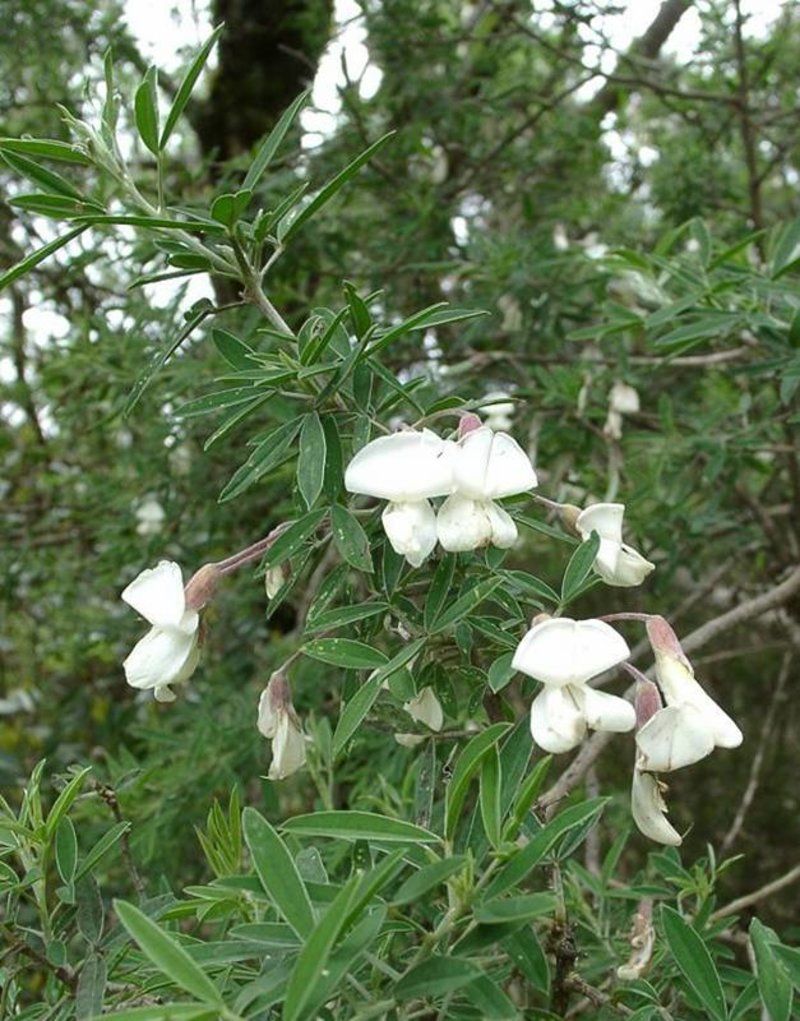
Tagasaste, also known as Tree Lucerne, grows impressively fast at six feet annually. This nitrogen-fixing tree thrives in dry, degraded soils, providing valuable fodder for livestock.
Its drought resistance and ability to enrich soil make it an excellent choice for agroforestry projects. Originating from the Canary Islands, it has spread globally, valued for its hardiness and ecological benefits.
Tagasaste’s role in sustainable agriculture is underscored by its capacity to support livestock and improve land health simultaneously.