 Complete Gardening
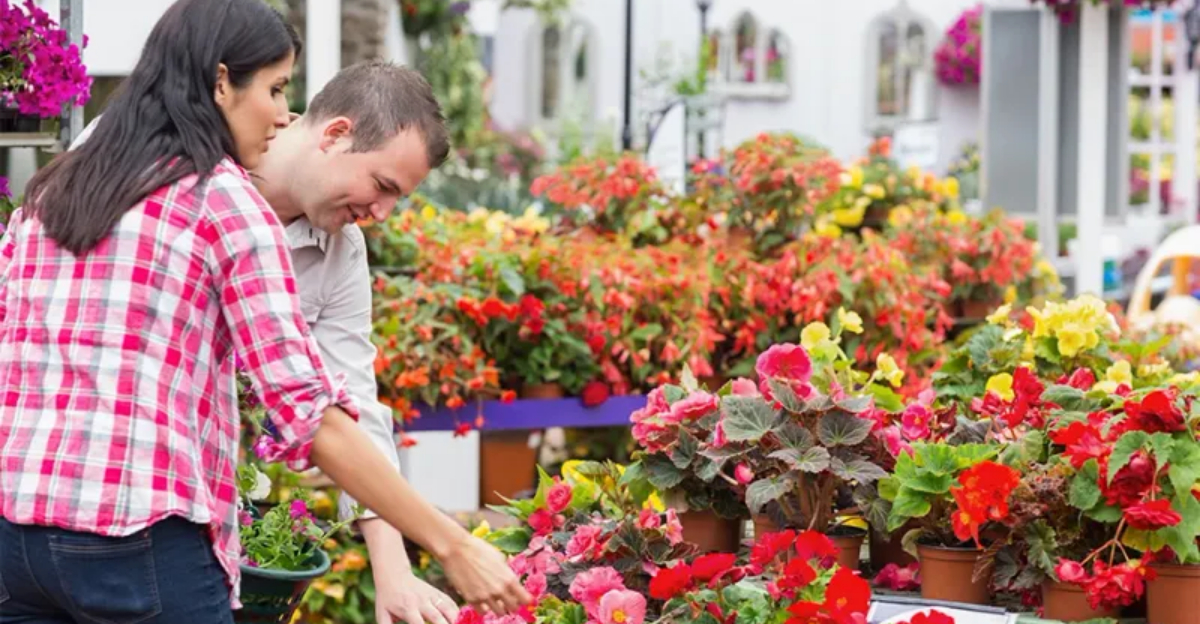
When shopping for plants, it’s easy to get swept up in the vibrant displays and rush to checkout without a second thought. However, savvy gardeners know to keep certain pitfalls in mind.
Here are thirteen common plant-buying mistakes, often overlooked, that can turn your green dreams into gardening nightmares.
1. Falling for Blooming Plants
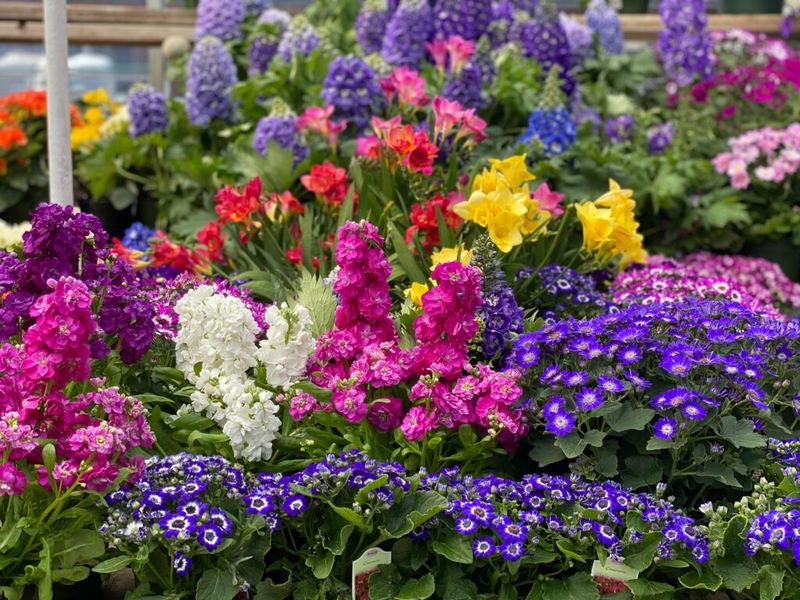
Blooming plants are undeniably beautiful, but they may not be the best choice for your garden. While those lush flowers catch your eye, they can be past their prime, losing vitality soon after planting.
Opt for plants with healthy buds instead—you’ll enjoy a longer blooming period in your garden.
Imagine the delight as these buds unfurl and transform your space over time. By avoiding the blooming trap, you ensure robust growth and sustained beauty. Next time, picture the anticipation of flowers yet to bloom, and let that guide your purchase.
2. Ignoring the Roots
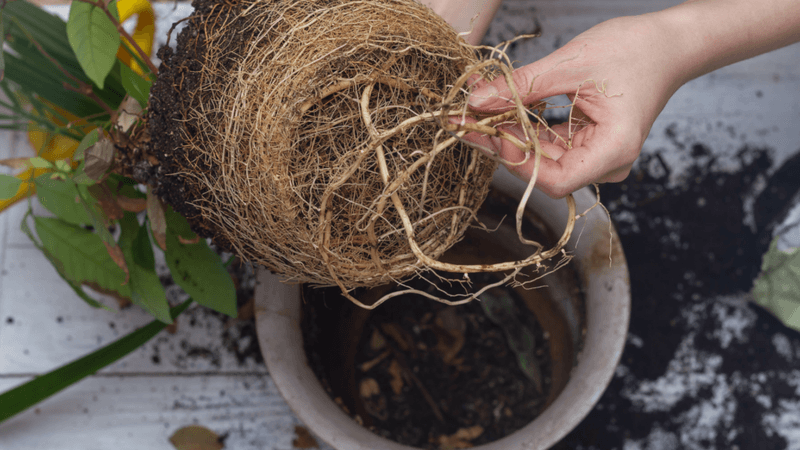
Healthy roots are the hidden powerhouse of any thriving plant. When buying, gently lift the pot to inspect them. Roots should be firm and white, not brown or mushy. Overlook this, and you might end up with a root-bound or unhealthy plant that struggles to adapt.
Consider the roots as the plant’s foundation—strong roots mean a strong plant. Take a moment to check them, and you’ll be rewarded with a flourishing garden. Remember, healthy roots are the secret to vigorous growth and beautiful blooms.
3. Buying Just Because It Looks Pretty

A plant’s allure can be tempting! However, it’s essential to ensure its suitability for your climate. That exotic beauty might not withstand your zone’s conditions, leading to disappointment. Always check plant hardiness and requirements against your local climate.
Think of it as matchmaking—finding the perfect fit for your garden’s environment. By choosing plants that thrive where you live, you increase your chances of success. It’s a balance of beauty and compatibility that ensures your garden flourishes all year round.
4. Skipping the Plant Tag Details
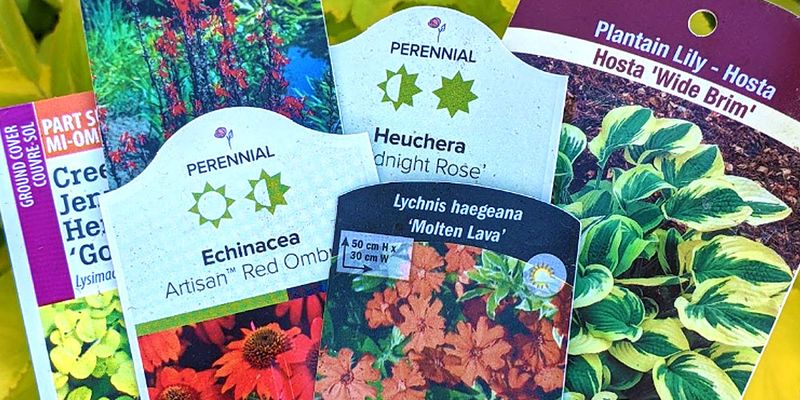
Those little tags hold a wealth of information! Light, water, and spacing needs are clearly laid out, yet often overlooked. Ignoring these details can lead to overcrowding or under/overwatering.
Think of plant tags as the owner’s manual for your new green friend. Pay close attention, and you’ll ensure the plant gets exactly what it needs to thrive. It’s all about understanding and respecting the plant’s needs to see it flourish. Don’t skip the fine print—it’s your guide to gardening success.
5. Assuming Bigger Is Better
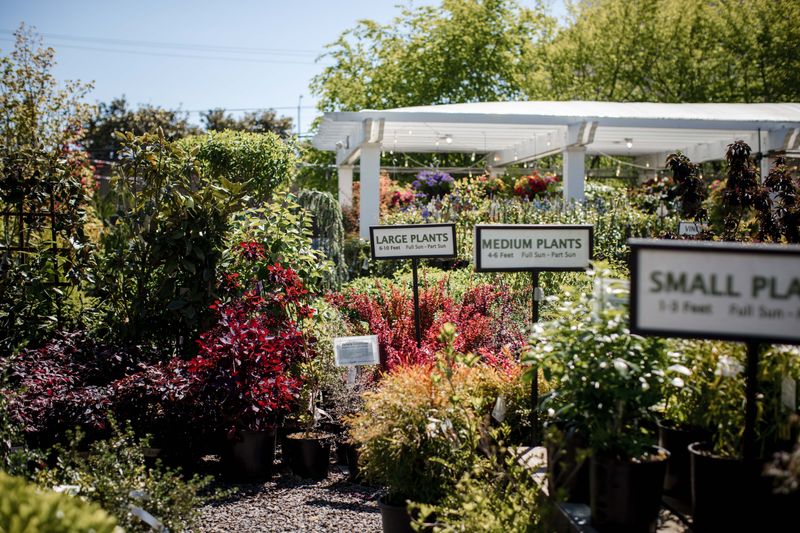
In the plant world, size doesn’t always equate to quality. Larger plants may appear as instant garden fixes, but smaller ones often establish quicker and grow more robustly over time.
Think of the smaller plant as an investment—patient care will reward you with vigorous growth. Larger plants can suffer from transplant shock, while smaller ones adapt faster and flourish. Choose wisely, and let your garden grow at its own natural pace, blossoming beautifully over time.
6. Not Checking for Pests or Disease
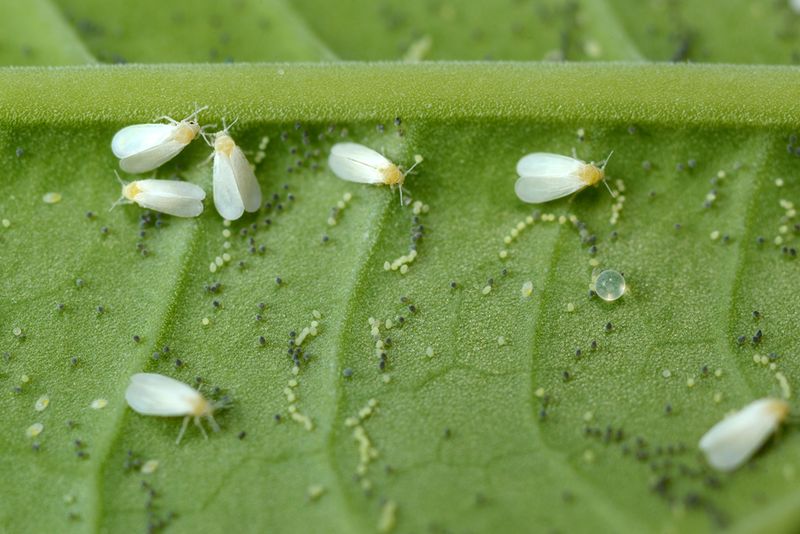
Pests and diseases can hitch a ride from the garden center to your home, wreaking havoc on your garden. Carefully inspect leaves for any telltale signs, like sticky residue or powdery mildew.
Think of it as a health check-up for your plants. A keen eye can prevent an infestation that spreads rapidly. Ensure your new plants are pest-free, and your garden will remain a healthy haven. A little vigilance goes a long way in maintaining a flourishing space.
7. Buying Without a Plan
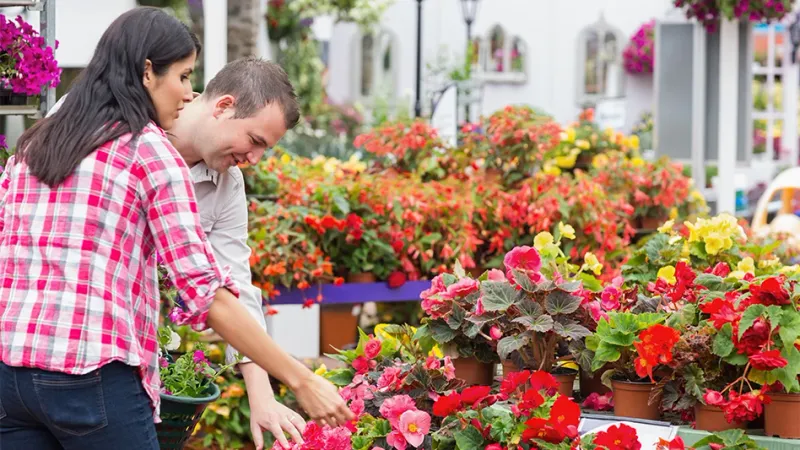
Impulse buys might seem thrilling, but they often lead to mismatched and chaotic gardens. Without a clear plan, your garden may lack cohesion and harmony.
Imagine crafting a masterpiece—each plant should fit into your design. Consider your layout, soil, and sun exposure before buying.
A thoughtful approach ensures your garden is both beautiful and functional, a true extension of your home. Plan before you plant, and watch your garden thrive with intention and style.
8. Shopping at the Wrong Time of Day
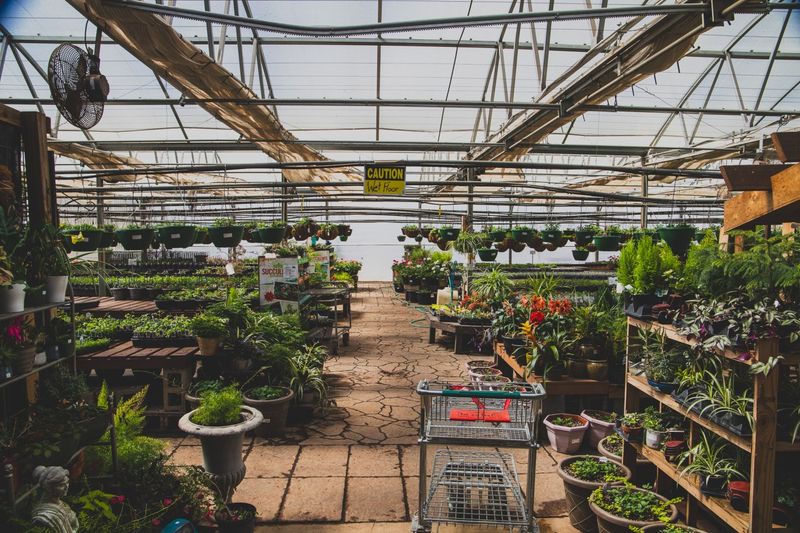
Timing is everything—even when shopping for plants. Shopping during peak hours can lead to rushed choices and less attention from staff. Instead, visit early or midweek to enjoy a more relaxed experience.
Think of it as avoiding the hustle to find the perfect plant. With fewer crowds, you’ll have the chance to ask questions and carefully select the best specimens. It’s about creating the ideal shopping experience for successful gardening.
9. Falling for the “New Arrival” Trap
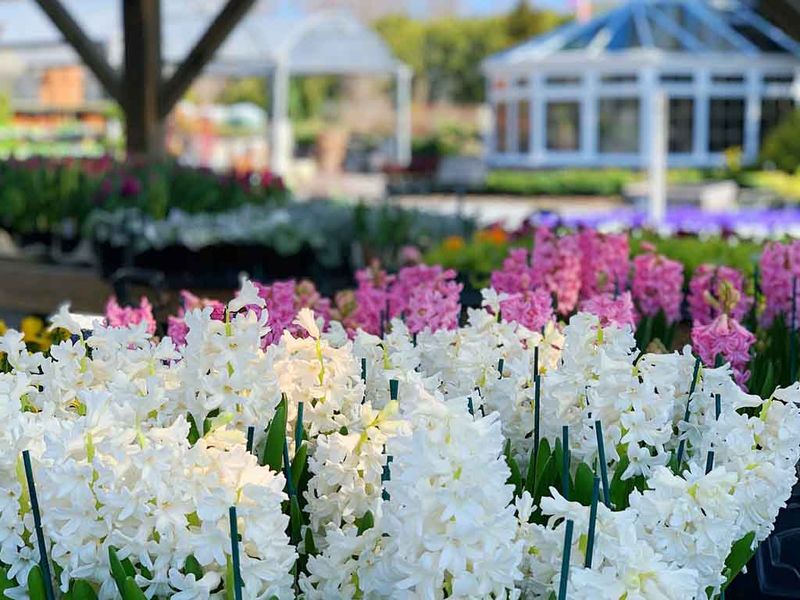
New arrivals can be alluring with their trendy appeal, but they might not be the right fit for your garden or skill level. Just because something is new doesn’t mean it’s better.
Consider your garden’s unique character and your experience as a gardener. It’s about choosing plants that add value rather than just novelty. By being discerning, you ensure your garden remains both vibrant and manageable.
10. Not Asking About Warranties or Guarantees
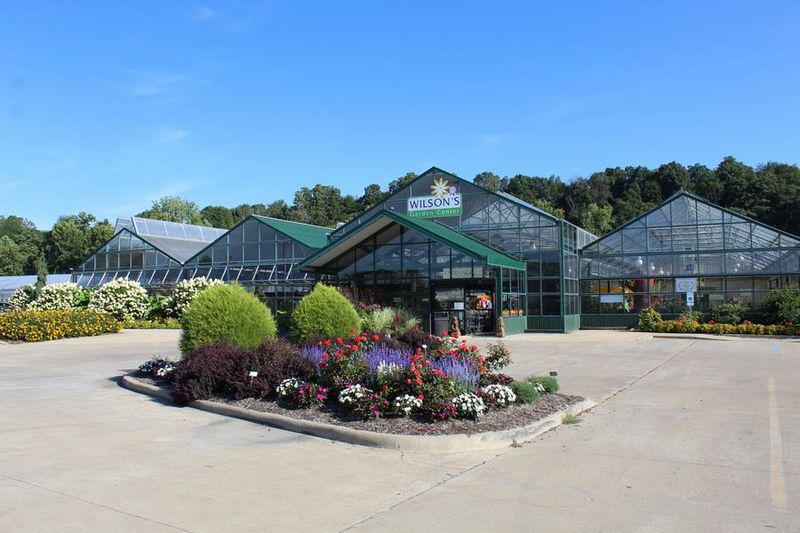
Did you know many garden centers offer warranties or guarantees on their plants? Often, these are not advertised, and unless you ask, you might miss out. These guarantees can be a lifesaver if a plant fails to thrive after purchase.
Think of it as an insurance policy for your garden investment. By inquiring, you secure peace of mind and protect your gardening endeavors. Don’t hesitate to ask—knowledge is power, and this ensures you’re fully covered.
11. Thinking All Plants Are Grown Locally

Not all plants in your local garden center are grown locally. Some are transported from distant climates, which can lead to shock and poor adaptation in your garden.
Imagine the journey these plants have gone through—acclimatizing can be challenging. Choose locally grown varieties when possible to ensure better adaptation and success. Supporting local nurseries also means supporting sustainable gardening practices.
12. Skipping Sales or Clearance Sections
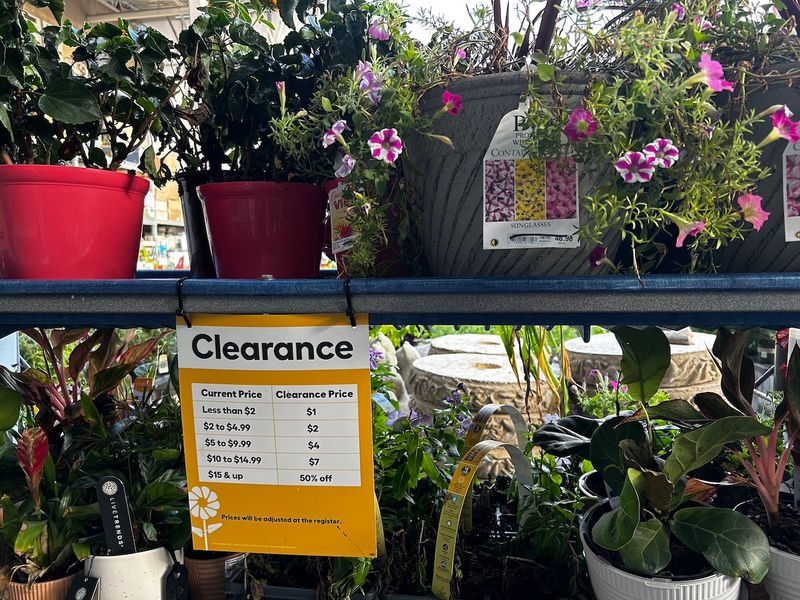
Bargain hunters rejoice! Sales and clearance sections can house hidden gems—hardy, healthy plants at a fraction of the cost. Stores might not highlight these deals, but the diligent gardener knows where to look.
Think of it as a treasure hunt, unearthing potential amidst the marked-down stock. With a discerning eye, you can find plants ready to thrive in your garden. It’s not just about saving money, but finding quality additions that don’t break the bank.
13. Assuming Staff Always Give the Best Advice

Garden center staff may be helpful, but they might not always provide the best advice. Some are seasonal workers without extensive horticultural knowledge.
Think of it as a collaborative effort—use their guidance, but also do your research. Double-check recommendations, especially for tricky or unique plants. Being informed ensures your garden’s success, combining expert insight with personal knowledge.