 Complete Gardening
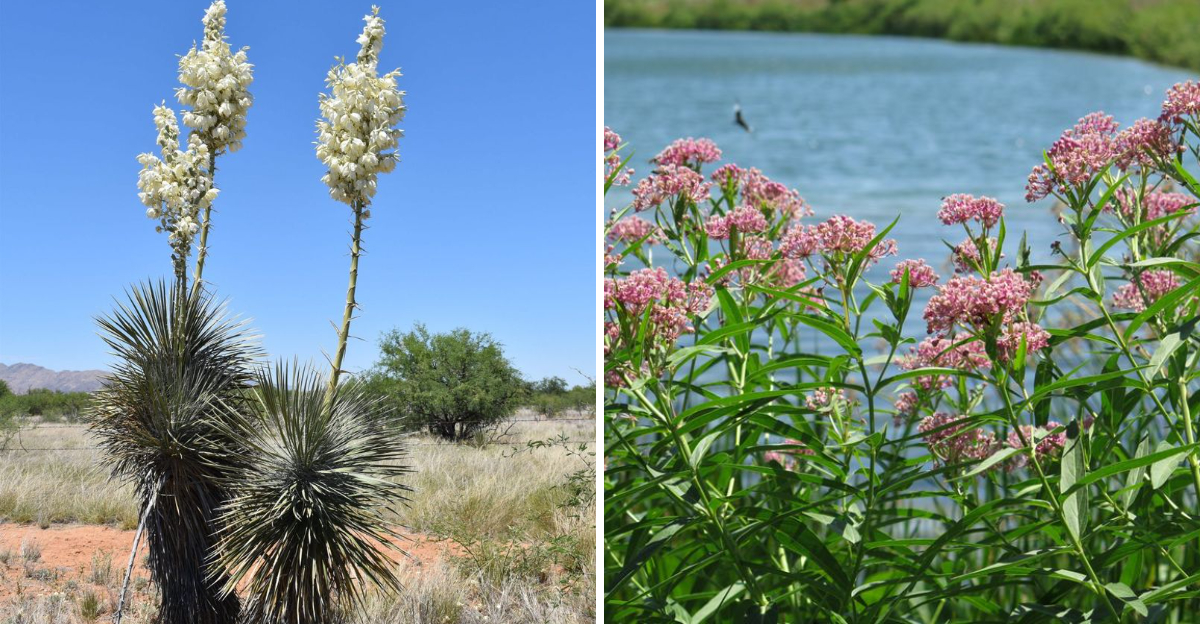
Explore the diverse world of plants and their unique water requirements. Some thrive in dry conditions, wilting with excess moisture, while others flourish in wet environments, craving constant hydration.
Understanding these preferences is crucial for successful gardening, ensuring each plant receives the care it needs.
1. Lavender
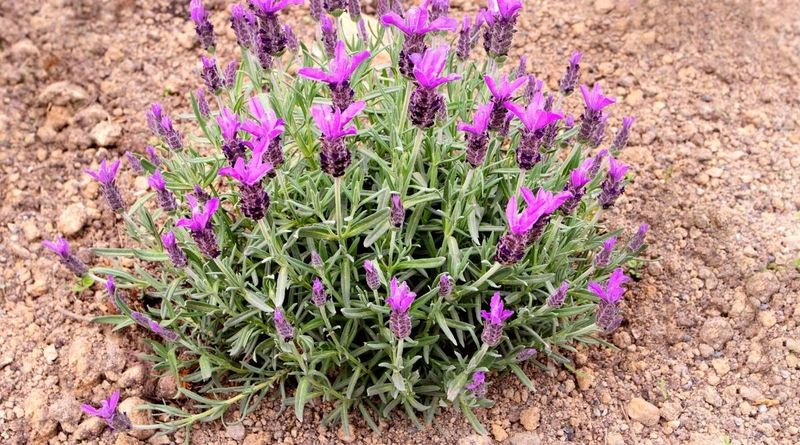
Lavender, with its aromatic blooms, thrives in dry, sunny conditions. Its resilience comes from Mediterranean origins, where it basks in sun-kissed landscapes. While its fragrance enchants, its aversion to wet feet is notable. Overwatering leads to root rot, a common pitfall for novice gardeners. Lavender’s charm lies not just in its scent but in its silvery foliage that complements garden aesthetics. A symbol of serenity, this plant’s needs are simple: well-draining soil and minimal water. Surprisingly, lavender’s oils offer more than aroma; they repel mosquitoes, making it a garden favorite.
2. Rosemary
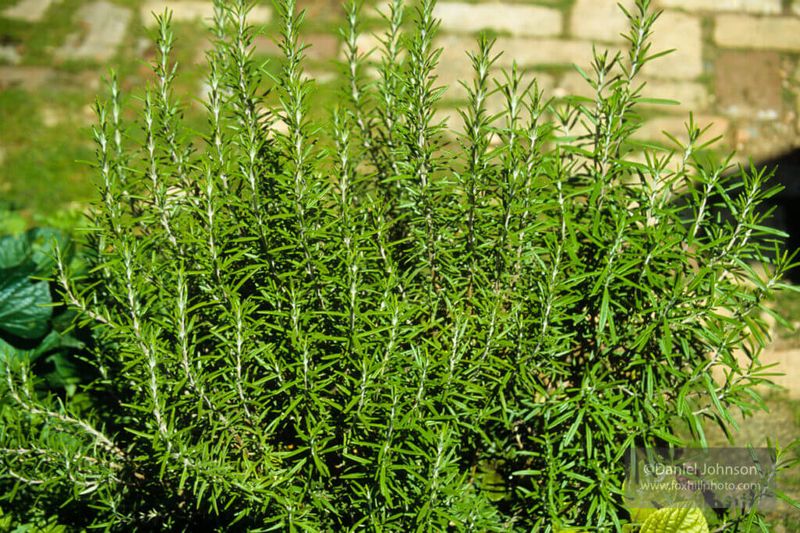
Rosemary is a culinary delight, known for its aromatic leaves. Its Mediterranean roots favor dry, sandy soils, where excess moisture spells doom. Overwatering can stifle its growth, leading to root decay. This herb’s robust nature makes it a staple in drought-prone gardens. Its pine-like scent and needle-like leaves add a rustic touch, while its resilience to pests showcases nature’s ingenuity. Besides culinary uses, rosemary is a symbol of remembrance, often used in weddings. Its essential oils serve therapeutic purposes, calming the mind and invigorating the senses.
3. Russian Sage
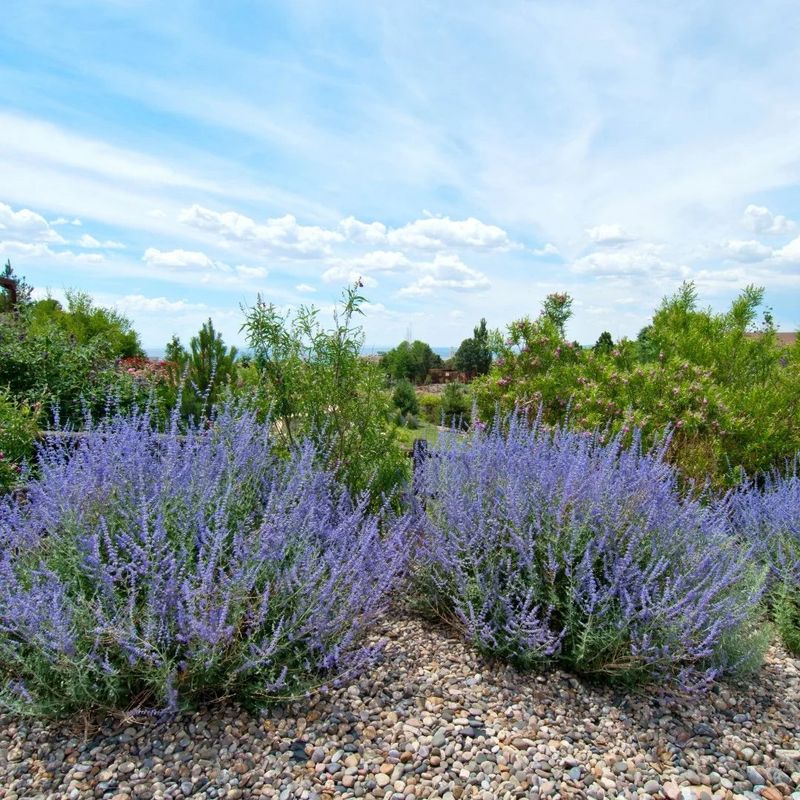
Russian Sage, with its tall, wispy spires, thrives in arid conditions. Its lavender-blue flowers are a summer spectacle, attracting pollinators. Originating from Central Asia, this plant withstands drought with ease. Its dislike for wet soil is evident; overwatering can lead to root rot. Russian Sage’s allure is its ability to bring color to dry landscapes. Its fragrant leaves deter deer, a boon for gardeners. Despite its sage name, it’s unrelated to culinary sage, yet its landscape utility and striking appearance have earned it a special place in dry gardens.
4. Yucca
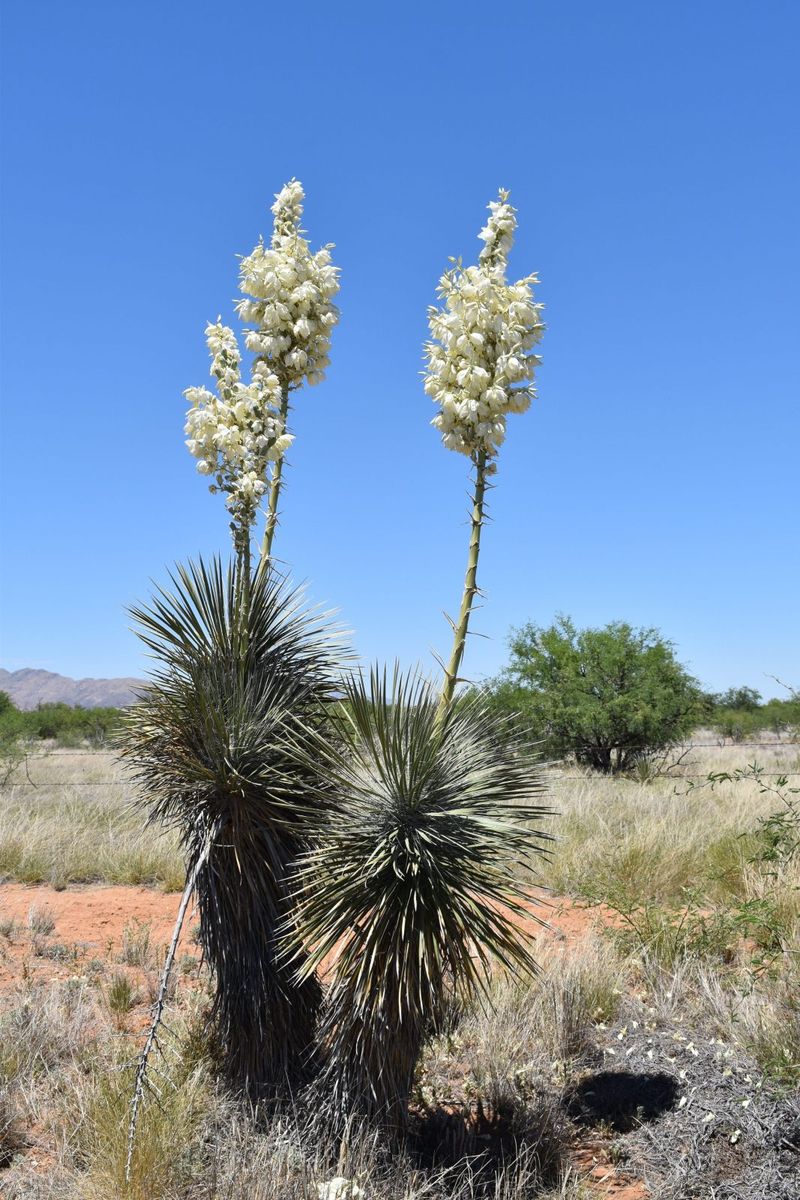
Yucca, a resilient desert native, showcases striking architectural form with its sword-like leaves. Its love for arid environments is remarkable, as it flourishes in sandy soils and relentless sun. Waterlogged conditions are its nemesis, often resulting in root damage. Yucca’s impressive stature adds a dramatic flair to xeriscapes, thriving where few plants can. Its white, bell-shaped flowers are a sight, adding seasonal interest. Beyond aesthetics, yucca plays a role in traditional medicine, offering anti-inflammatory benefits. A symbol of endurance, it embodies survival against elements.
5. Sedum
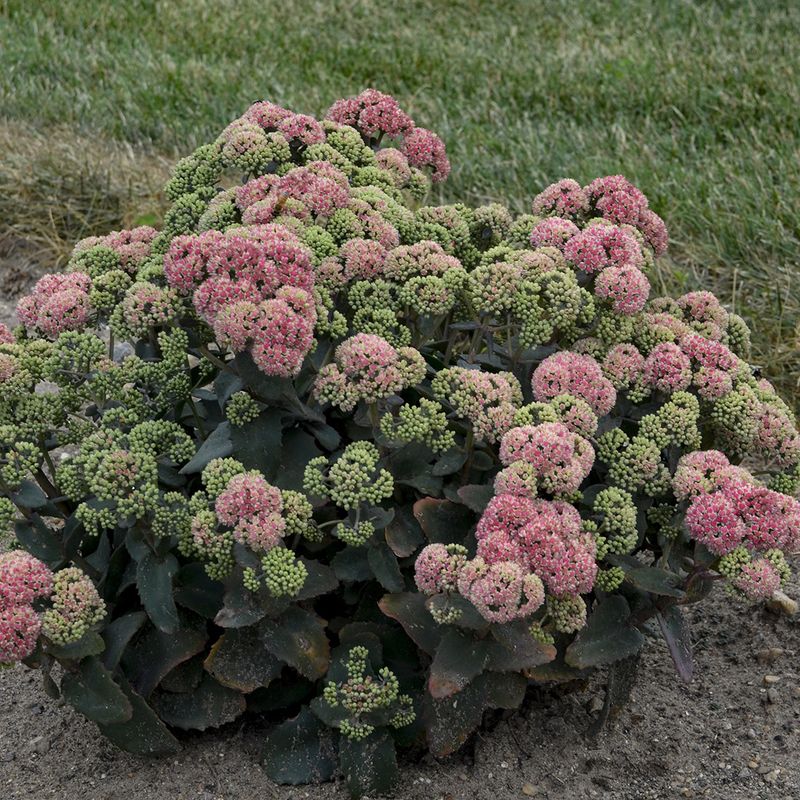
Sedum, known for its fleshy leaves, is a succulent marvel that loves the sun. Its ability to store water makes it drought-tolerant, perfect for rock gardens. Excess moisture, however, can cause rot, limiting its lush growth. These plants are low-maintenance, ideal for beginner gardeners seeking visual interest. Sedum’s star-shaped flowers attract pollinators, adding life to gardens. Interestingly, some Sedum species are edible, offering a tart flavor. Their hardiness and vibrant colors make them a staple in container gardening, thriving where others falter under heat.
6. Echinacea (Coneflower)
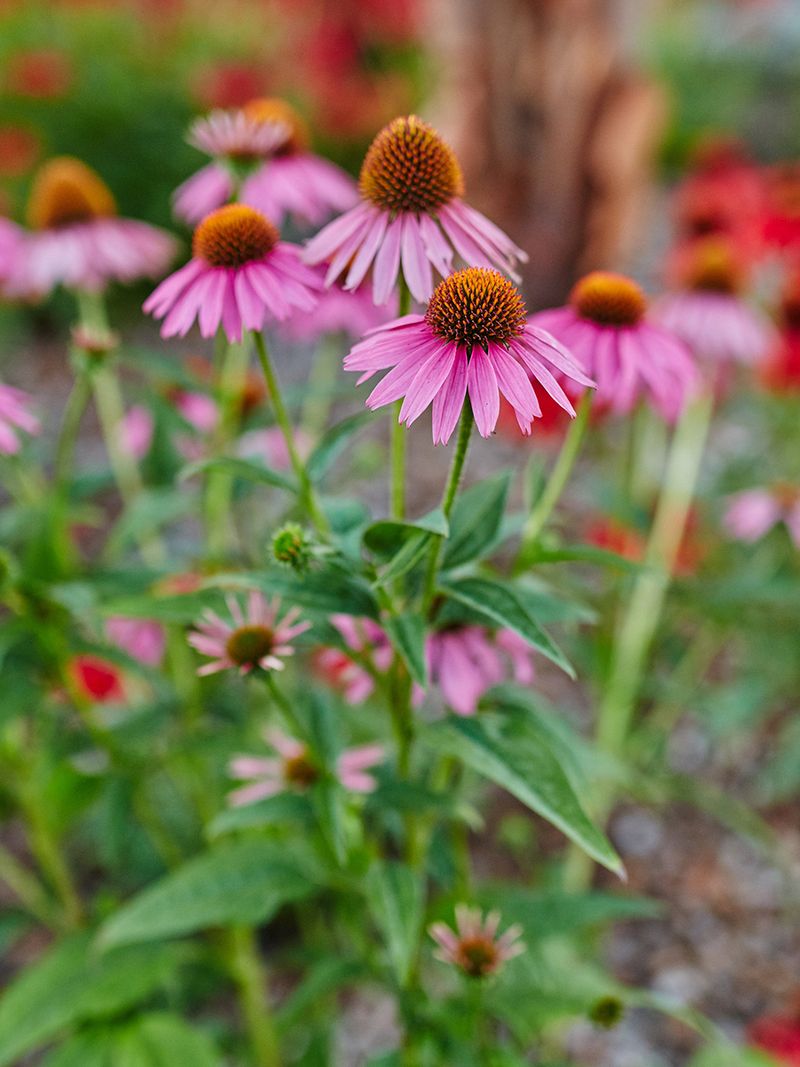
Echinacea, or Coneflower, is a robust prairie native with striking purple blooms. Its drought tolerance makes it a summer favorite. While it flourishes in dry soil, wet conditions can weaken its roots. Echinacea’s beauty is matched by its medicinal value, known for boosting immunity. Its spiky, cone-centered flowers are pollinator magnets, enhancing biodiversity. Echinacea’s adaptability extends beyond gardens, thriving in wildflower meadows and urban spaces alike. Its historical use by Native Americans as a healing herb underscores its enduring appeal, blending beauty and utility.
7. Butterfly Weed
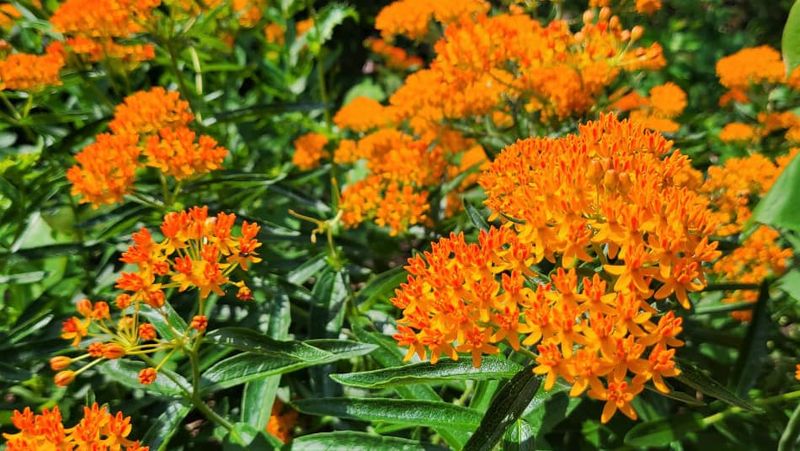
Butterfly Weed, with its vivid orange blooms, is a magnet for pollinators. Thriving in dry, sandy soils, it aptly earns its name, drawing butterflies like magic. Its deep roots anchor it against drought, a testament to its prairie origins. Overwatering is its downfall, leading to root issues. Besides beauty, it’s a vital host for monarch caterpillars, playing a role in their lifecycle. Butterfly Weed’s resilience extends to poor soils, making it a versatile choice for gardeners. Its fiery flowers and ecological role highlight its significance in garden ecosystems.
8. Lamb’s Ear
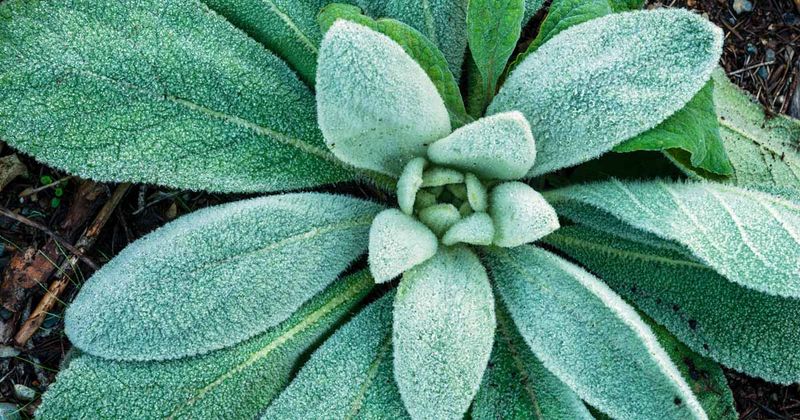
Lamb’s Ear, cherished for its velvety foliage, adds texture to gardens. Its soft, silver leaves are not just a visual delight but a lesson in drought resistance. Native to the Middle East, it thrives on neglect; too much water is detrimental. Lamb’s Ear’s tactile appeal makes it a favorite in sensory gardens. Besides aesthetics, it has historical uses in wound care, thanks to its antibacterial properties. Its ability to thrive in poor, dry soils, coupled with its unique texture, makes it a standout in both traditional and modern landscapes.
9. Salvia
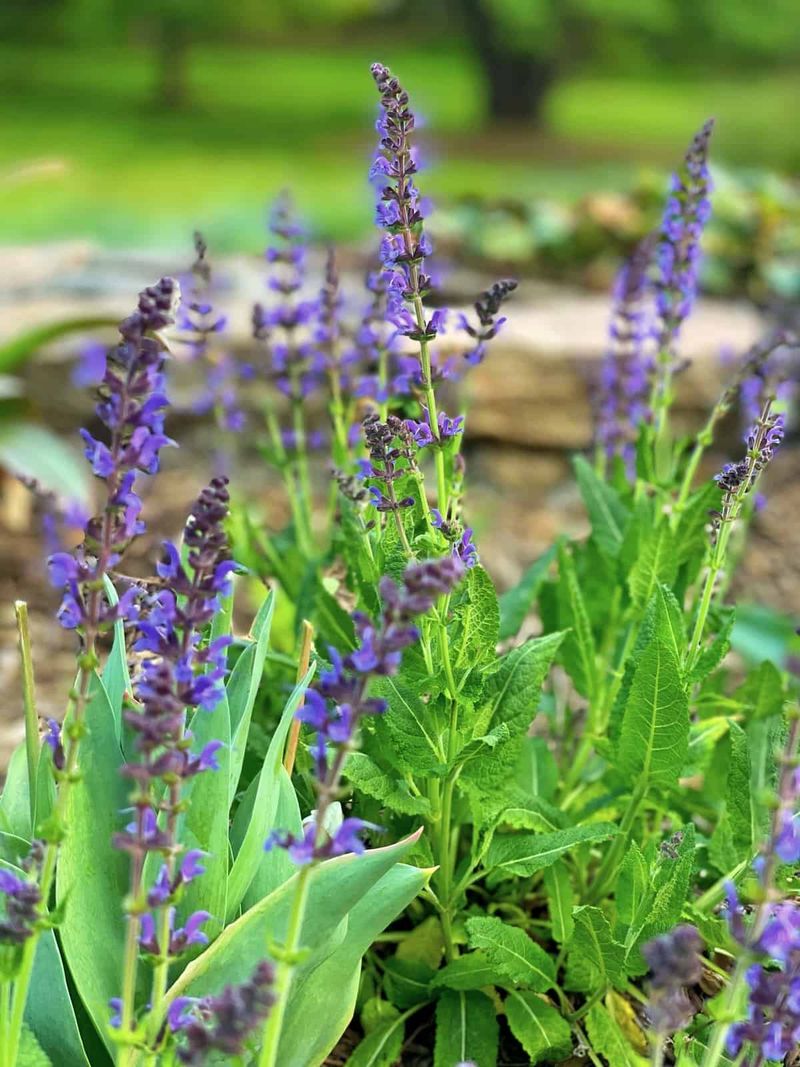
Salvia, a garden staple, dazzles with its vivid spikes. Indigenous to diverse climates, it champions drought tolerance. Overwatering, however, can ruin its charm, leading to fungal woes. Its aromatic leaves and vibrant flowers attract pollinators, enhancing garden life. Salvia’s versatility extends from borders to containers, proving its adaptability. Interestingly, some Salvia species have culinary uses, adding flavor to dishes. Its resilience to heat and minimal care requirements make it a gardener’s ally. Salvia’s blend of beauty and function ensures its place in any landscape.
10. Dianthus
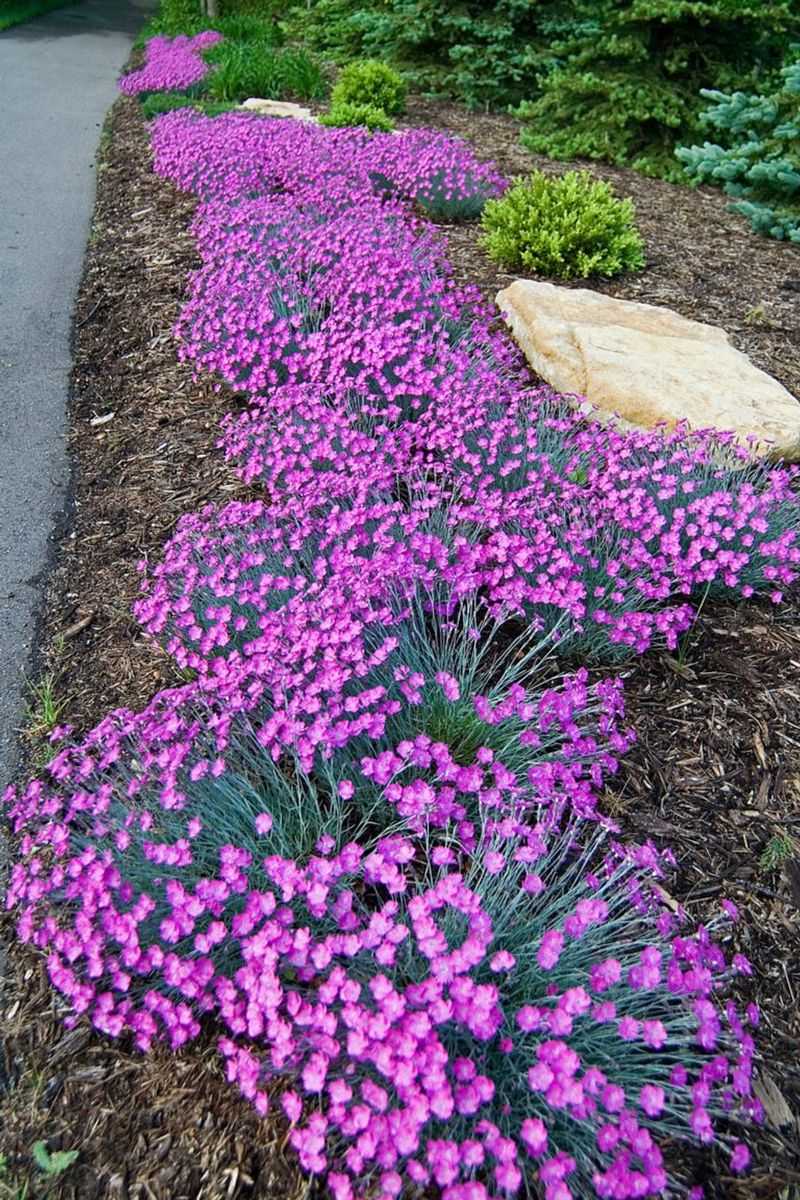
Dianthus, with its spicy fragrance, evokes nostalgia. Its charming pink blooms thrive in sunny, well-drained spots. While it cherishes dry conditions, soggy soil spells trouble, often leading to rot. Dianthus, also known as “pinks,” complements cottage gardens with its delicate beauty. Beyond aesthetics, it’s a symbol of love and passion, often used in bouquets. Its long-lasting blooms attract butterflies, contributing to biodiversity. With minimal maintenance needs, Dianthus is perfect for those seeking color without fuss. Its resilient nature and sweet scent make it a perennial favorite.
11. Hens and Chicks
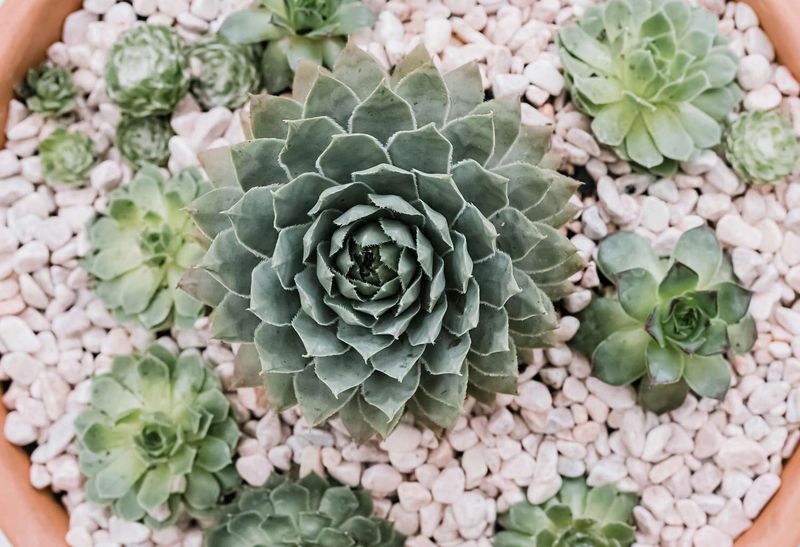
Hens and Chicks, a delightful succulent, thrives on neglect. Its rosette form and ability to multiply make it a favorite among gardeners. Originating from mountainous regions, it prefers well-drained, sandy soils. Excess moisture leads to rot, threatening its charm. Hens and Chicks are perfect for rock gardens, adding visual interest. These hardy plants are not just ornamental; they symbolize protection and love. Their ability to endure harsh conditions with minimal watering makes them ideal for busy gardeners. Their unique structure and ease of care ensure lasting appeal.
12. Coreopsis
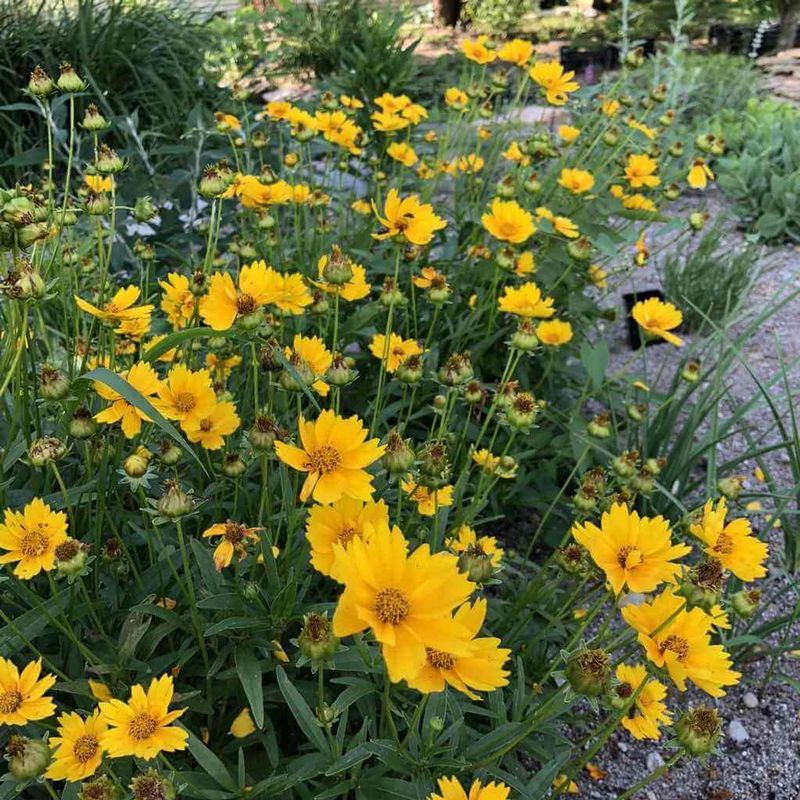
Coreopsis, with its sunny, daisy-like blooms, brings cheer to gardens. Flourishing in dry conditions, it’s a staple in wildflower meadows. While drought-tolerant, overwatering is a concern, leading to root issues. Coreopsis’ vibrant colors attract pollinators, enriching garden biodiversity. Its low maintenance nature makes it suitable for novice gardeners. Fun fact: Coreopsis is Florida’s state wildflower, highlighting its cultural significance. Its ability to thrive in poor soils, coupled with extended blooming periods, ensures its popularity. Coreopsis’ bright hues and ease of growth offer reliable garden joy.
13. Gaillardia (Blanket Flower)
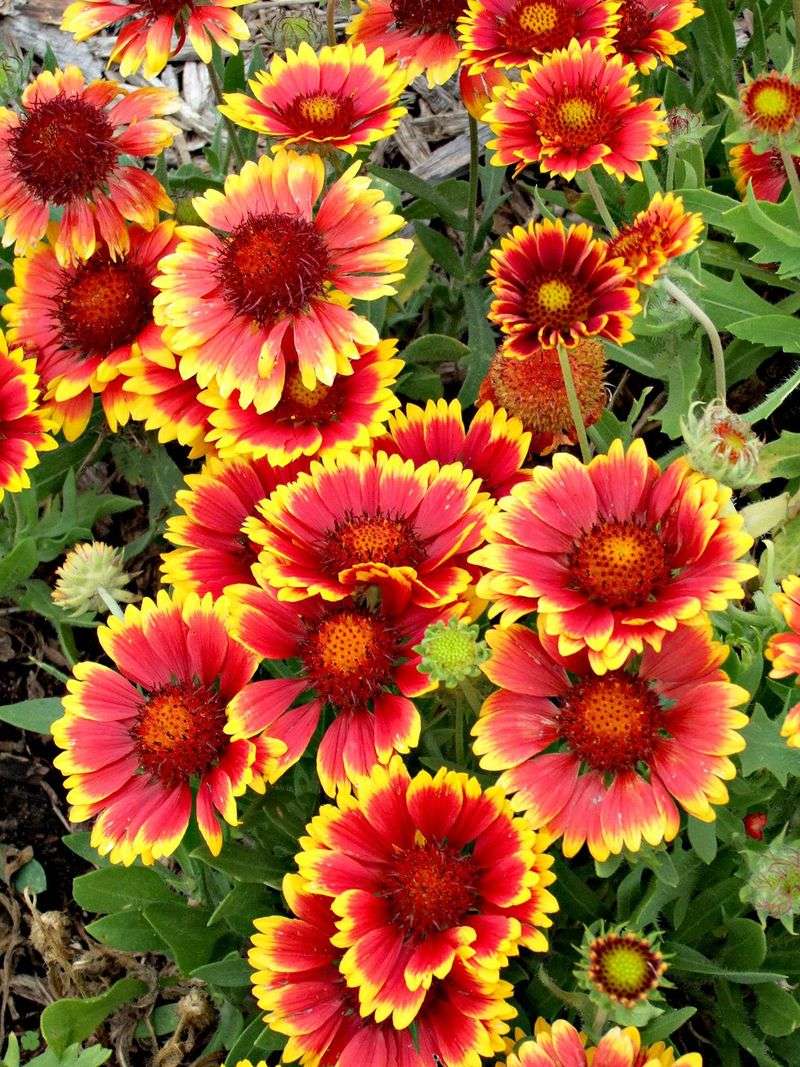
Gaillardia, known as Blanket Flower, paints gardens with fiery hues. Its name reflects the vivid patterns of Native American blankets. Thriving in dry, sandy soils, it’s a drought-resistant marvel. However, wet conditions can compromise its roots. Gaillardia’s daisy-like blooms attract pollinators, supporting ecosystems. Its long flowering period ensures lasting garden color. Beyond beauty, it’s a symbol of bravery and admiration. With minimal care needs, Gaillardia is perfect for novice gardeners seeking vibrant displays. Its resilience and striking appearance make it a favorite in sun-drenched landscapes.
1. Cardinal Flower
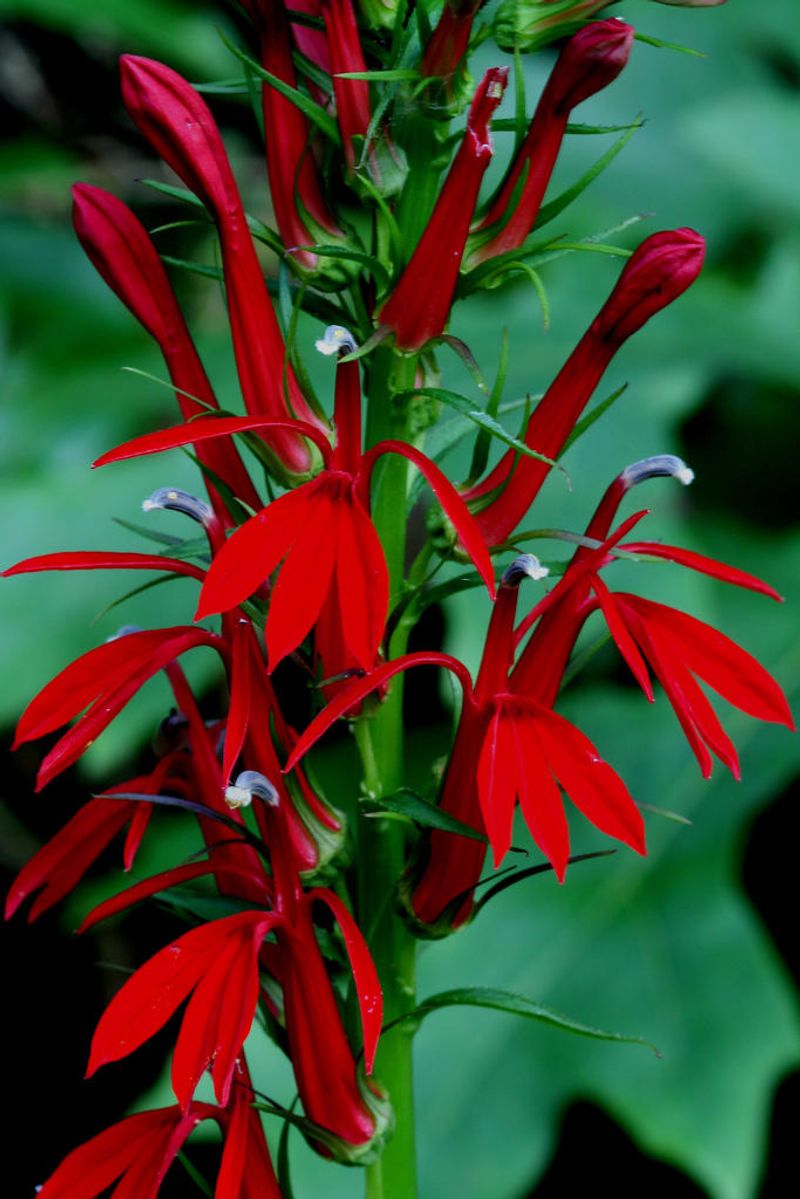
Cardinal Flower, with its striking red blooms, thrives in moist environments. Native to North America, it flourishes along stream banks and wetlands, where moisture is abundant. Its vibrant color attracts hummingbirds, adding life to gardens. While it loves water, well-drained soil is essential to avoid root rot. This perennial’s beauty extends to its unique foliage, offering visual interest throughout seasons. Interestingly, Cardinal Flower is named for its resemblance to a cardinal’s robe. Its ecological value and stunning appearance make it a cherished choice for water gardens and natural landscapes.
2. Canna Lily
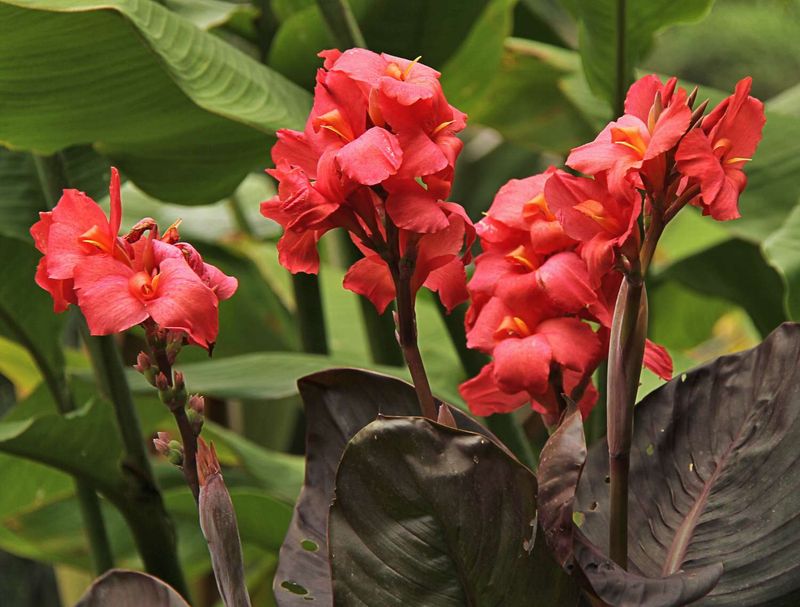
Canna Lily, a tropical delight, boasts bold foliage and vibrant flowers. Its affinity for wet conditions is notable, flourishing in water gardens and bogs. Native to South America, its lush appearance adds an exotic flair. While it loves moisture, it also needs sun, creating a delicate balance. Canna’s towering presence and striking blooms attract pollinators, enriching garden ecosystems. Beyond aesthetics, its rhizomes are edible, used in various cuisines. Canna’s adaptability to wet soils and its dramatic form make it a favorite for gardeners seeking tropical vibes and vibrant displays.
3. Iris (especially Louisiana and Siberian)
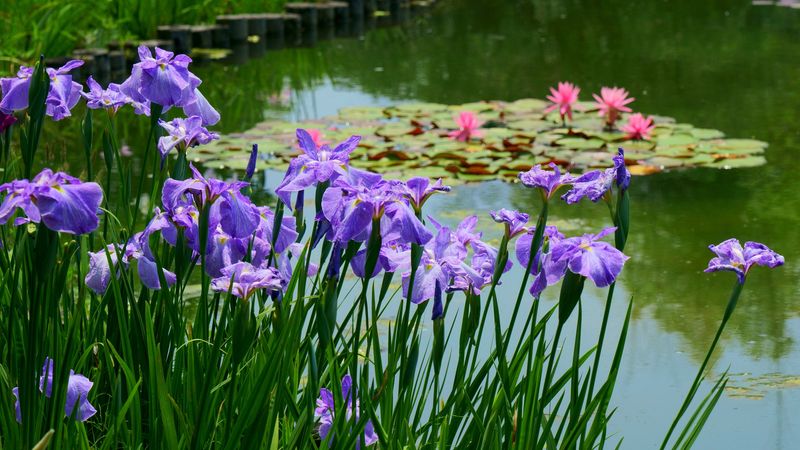
Iris, especially Louisiana and Siberian varieties, thrives in wet soils. Known for intricate blooms, they add elegance to water gardens. Their love for moisture and sun makes them perfect for boggy landscapes. Iris has a storied history, symbolizing royalty and wisdom. Its vibrant colors attract pollinators, enhancing biodiversity. Beyond beauty, it has practical uses; its rhizomes are used in perfumes. Despite wet preferences, good drainage prevents fungal issues. Iris’ regal appearance and adaptability to moist environments ensure its place in garden design. Its cultural significance and charm captivate enthusiasts.
4. Marsh Marigold
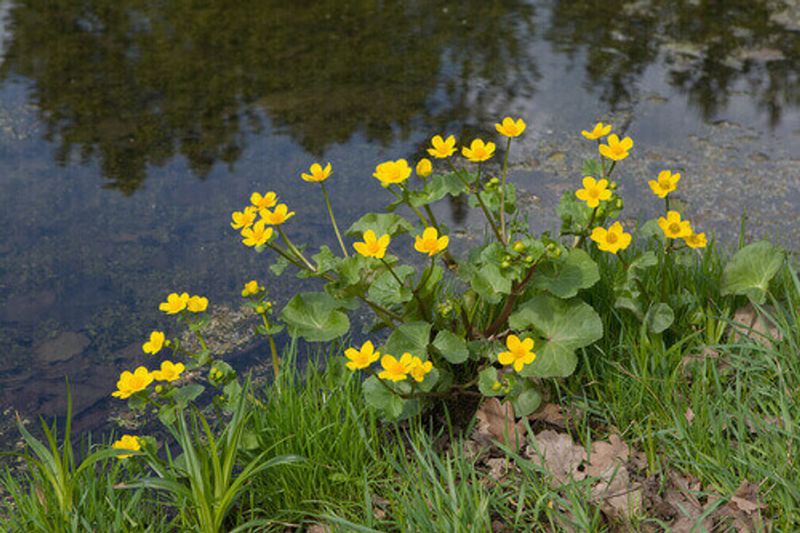
Marsh Marigold, with its cheerful yellow blooms, brightens wetlands. Ideal for moist gardens, it thrives in marshes and along water bodies. Its love for water is evident, flourishing where few others dare. Marsh Marigold’s blooms attract pollinators, supporting wetland ecosystems. Its glossy leaves add texture, making it visually appealing. Interestingly, Marsh Marigold was once used in traditional medicine for its diuretic properties. While it loves moisture, partial shade enhances its growth. Its ability to thrive in wet conditions and its ecological value make it a vital addition to natural landscapes.
5. Joe Pye Weed
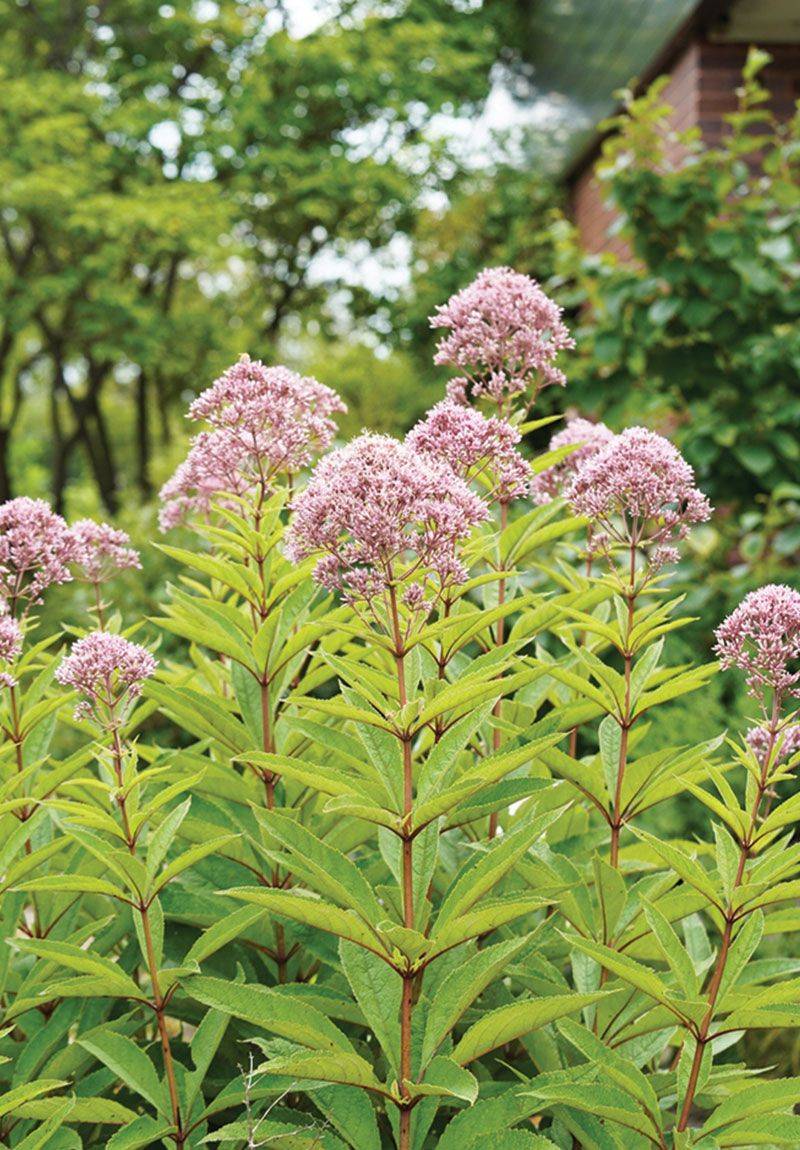
Joe Pye Weed, with its towering presence, is a wetland wonder. Its pink, fluffy blooms attract butterflies, enriching ecosystems. Thriving in moist soils, it’s perfect for water gardens and meadows. Named after a Native American herbalist, it has historical medicinal uses, particularly for fevers. Joe Pye Weed’s height adds vertical interest, complementing other plants. While it loves moisture, it requires sun to reach its full potential. Beyond beauty, its ecological role is significant, supporting pollinators. Its resilience and striking appearance make it a favorite for naturalized gardens.
6. Elephant Ear
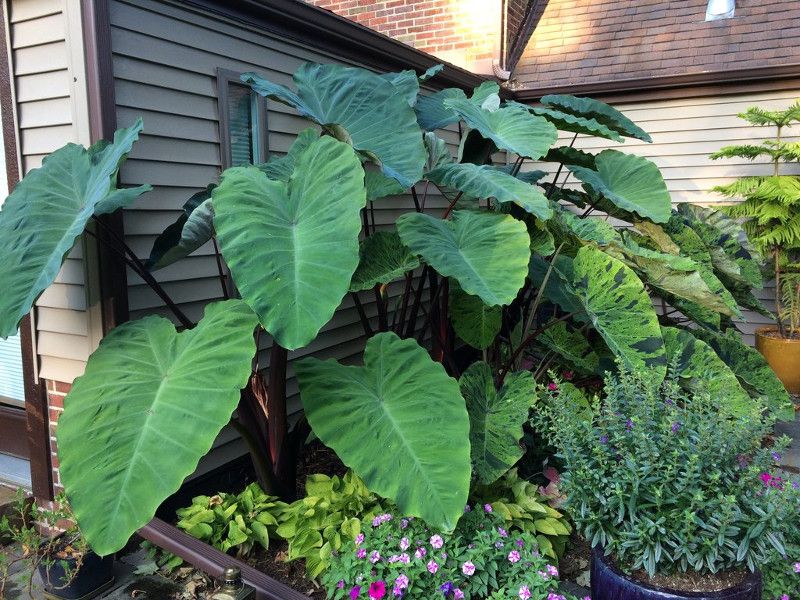
Elephant Ear, with its massive leaves, brings tropical flair to gardens. Its love for moisture makes it ideal for water gardens and boggy areas. Native to tropical regions, its bold foliage creates a dramatic statement. While it thrives in wet conditions, it also needs warmth, making it a summer favorite. Elephant Ear’s size and lush appearance attract attention, adding exotic vibes. Beyond aesthetics, its corms are edible, used in various cultures. Its adaptability to wet soils and impressive form make it a popular choice for gardeners seeking bold, water-loving plants.
7. Pickerelweed
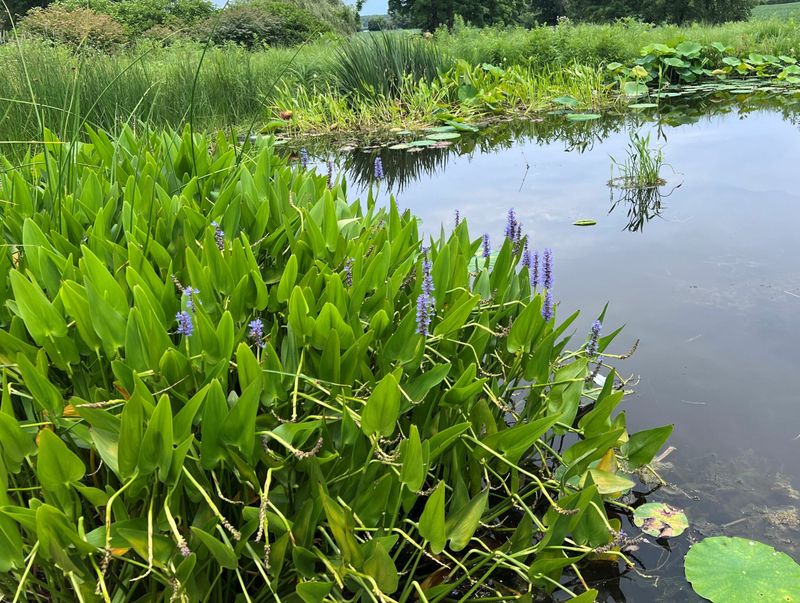
Pickerelweed, a pondside beauty, thrives in water gardens. Its purple spikes add color to aquatic landscapes, attracting pollinators. Native to North America, it flourishes in shallow waters and wetlands. While it loves moisture, its roots need occasional aeration. Pickerelweed’s ability to filter water enhances pond ecosystems, supporting wildlife. Its glossy leaves and vibrant blooms offer visual interest, making it a favorite for naturalized settings. Beyond beauty, it has ecological value, stabilizing shorelines. Pickerelweed’s combination of aesthetic appeal and functionality ensures its place in water gardening.
8. Swamp Milkweed
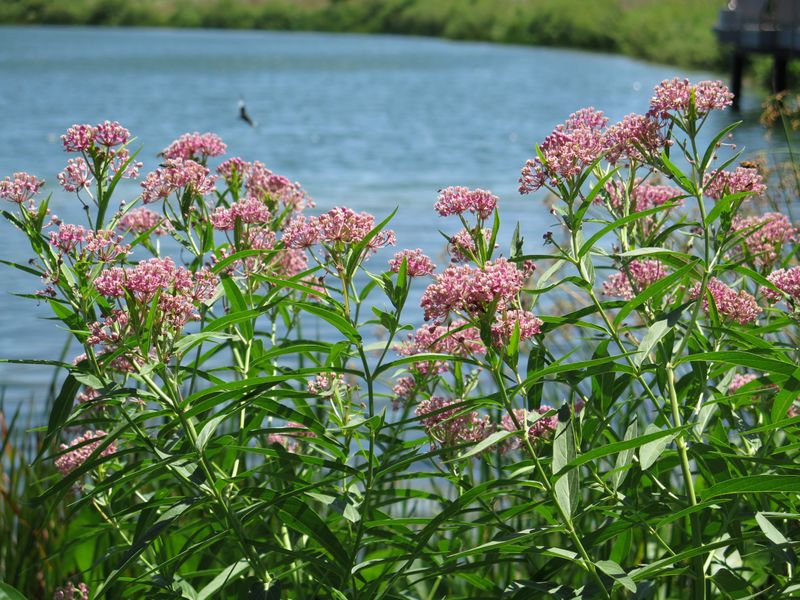
Swamp Milkweed, a monarch magnet, thrives in moist environments. Its pink clusters attract butterflies, supporting ecosystems. Ideal for water gardens, it flourishes in wetlands and along riverbanks. While it loves moisture, good drainage is crucial to prevent root rot. Swamp Milkweed’s ecological importance extends beyond beauty; it’s a host plant for monarch caterpillars. Its tall stature and striking blooms add vertical interest to landscapes. Interestingly, its milk-like sap was historically used in traditional medicine. Its adaptability to wet conditions and role in biodiversity make it a vital garden addition.
9. Japanese Iris
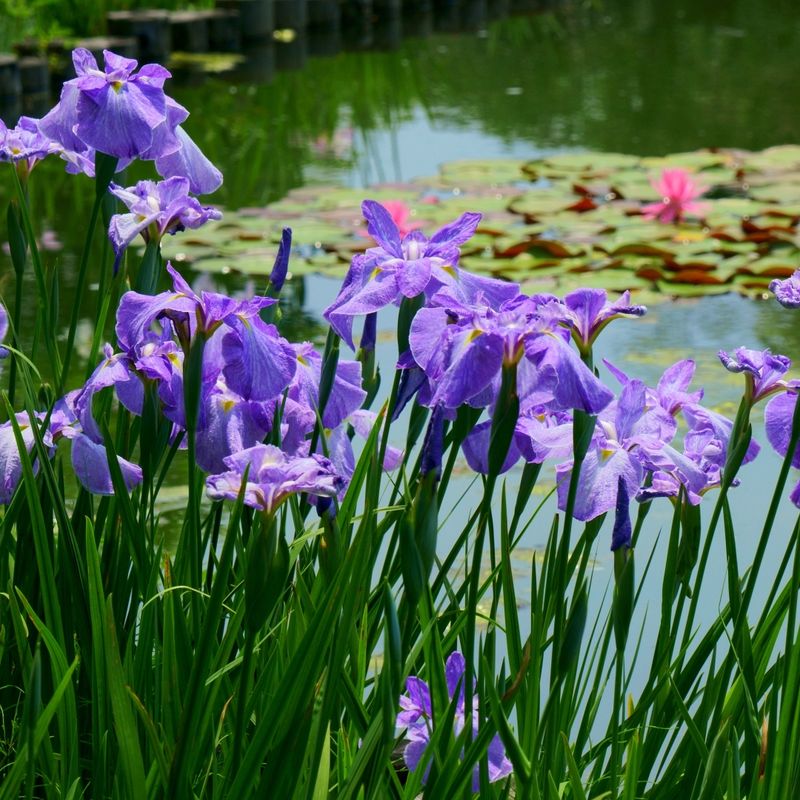
Japanese Iris, with its elegant blooms, thrives in moist conditions. Perfect for water gardens, it’s a favorite among enthusiasts. Its intricate patterns and vibrant colors add sophistication to landscapes. Native to Japan, it symbolizes purity and elegance. While it loves water, partial shade enhances its growth. Japanese Iris attracts pollinators, enriching ecosystems. Interestingly, its rhizomes have been used in traditional medicine. Its ability to flourish in wet soils and regal appearance make it a standout in garden design. Its cultural significance and beauty captivate those seeking refined floral displays.
10. Horsetail
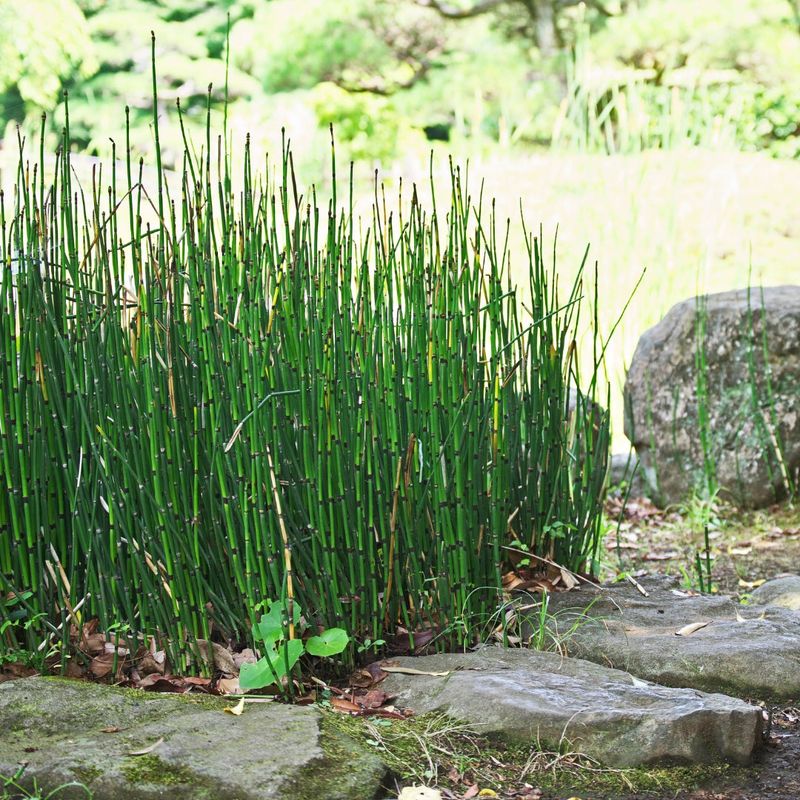
Horsetail, a living fossil, thrives in wet soils. Its jointed stems and rush-like appearance add vertical interest to gardens. Ideal for wetlands and water gardens, it’s a resilient choice for challenging conditions. While it loves moisture, it prefers full sun for optimal growth. Horsetail’s history dates back millions of years, showcasing its adaptability. Beyond aesthetics, it has practical uses; its silica content makes it valuable in traditional medicine. Its ability to thrive in wet conditions and unique form make it a popular choice for those seeking prehistoric charm in their landscapes.
11. Blue Flag Iris
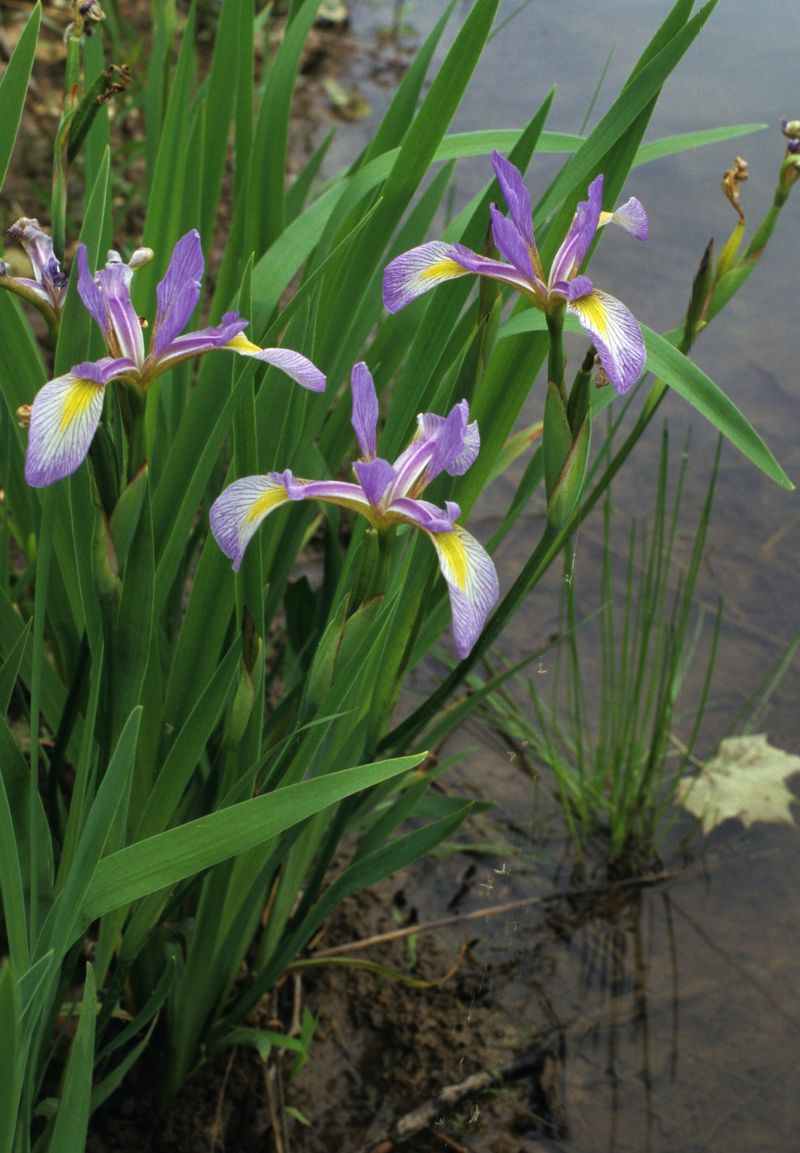
Blue Flag Iris, with its stunning blue blooms, thrives in wet conditions. Perfect for water gardens, it’s a favorite among enthusiasts. Its vibrant colors and sword-like leaves add elegance to landscapes. Native to North America, it symbolizes hope and courage. While it loves moisture, it requires sun to thrive. Blue Flag Iris attracts pollinators, enhancing biodiversity. Interestingly, its rhizomes were historically used by Native Americans for medicinal purposes. Its ecological value and striking appearance make it a cherished choice for gardens seeking vibrant floral displays in wet environments.
12. Corkscrew Rush
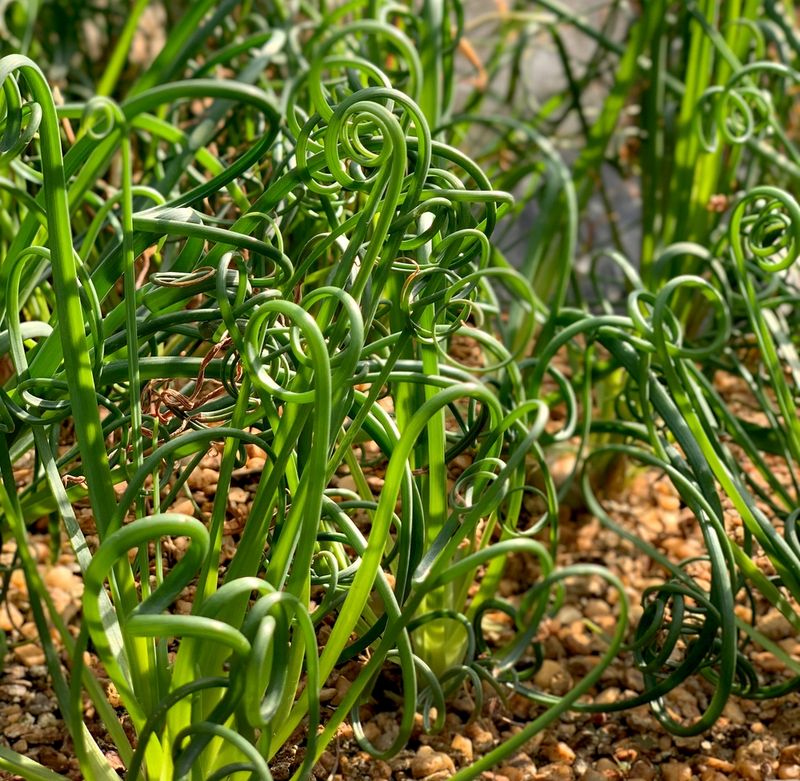
Corkscrew Rush, with its twisted stems, brings whimsy to water gardens. Its love for moisture makes it ideal for ponds and wet landscapes. Native to Eurasia, its spiraling appearance adds intrigue and texture. While it thrives in wet conditions, it requires sun for optimal growth. Corkscrew Rush’s unique form attracts attention, making it a favorite for creative gardeners. Beyond aesthetics, it plays a role in water filtration, supporting pond ecosystems. Its adaptability to moist environments and distinctive appearance ensure its place in garden design, captivating those seeking unusual plant forms.
13. Turtlehead
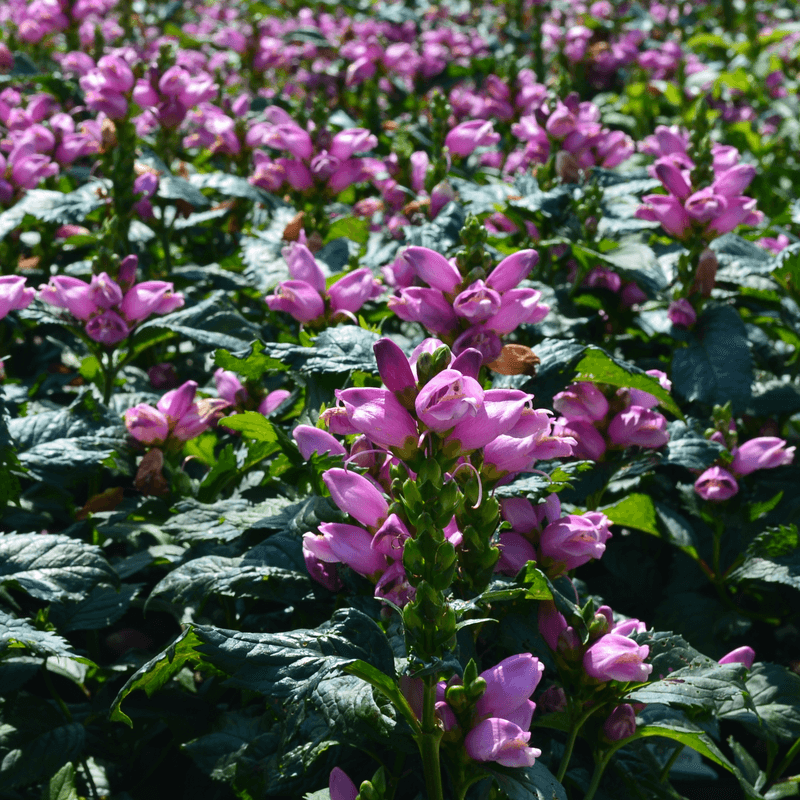
Turtlehead, with its unique flower shape, thrives in moist gardens. Its pink blooms resemble a turtle’s head, adding charm to landscapes. Ideal for wetlands, it flourishes in partial shade, preferring cool conditions. Turtlehead’s love for water makes it a valuable addition to rain gardens. Its ecological role is significant, attracting pollinators and supporting wildlife. Interestingly, its name comes from its flower shape, reminiscent of a turtle’s mouth. Its ability to thrive in wet conditions and quirky appearance make it a favorite for those seeking unique plants. Its charm and ecological value are unmatched.