 Complete Gardening
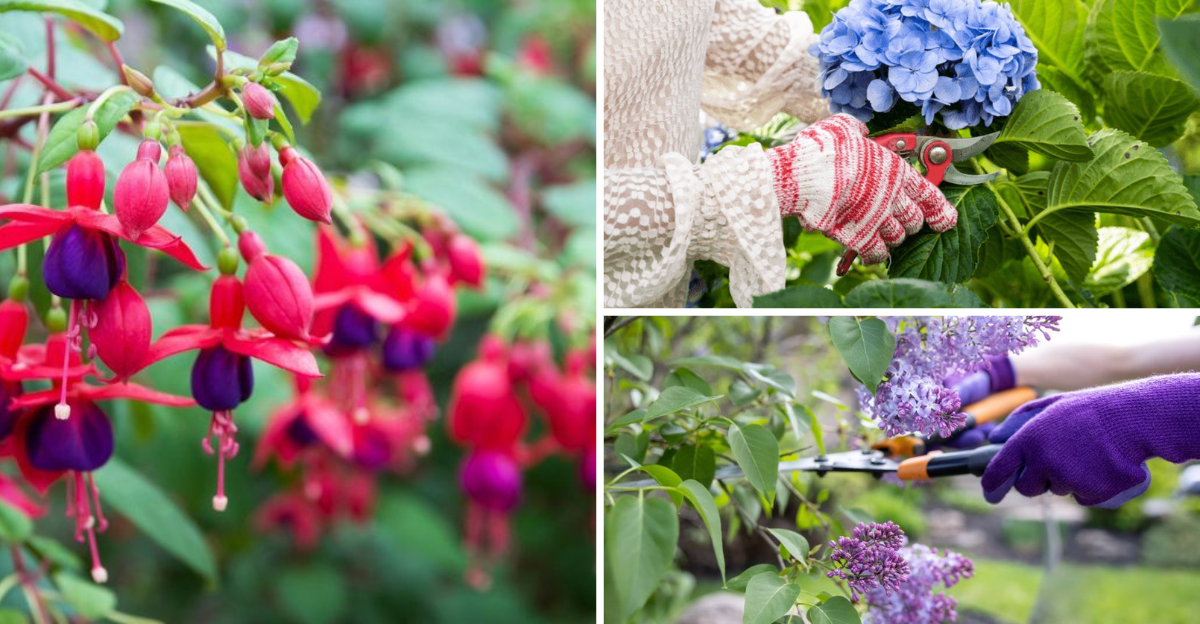
Pruning is a crucial gardening technique for ensuring vibrant and healthy blooms come summer. Knowing which plants to prune now and which to leave alone can significantly impact the beauty of your garden. This guide explores 13 plants that will thrive with pruning and 4 that prefer to be left untouched. Each section provides detailed descriptions, pruning tips, and interesting tidbits to enhance your gardening experience. Whether you’re a seasoned horticulturist or a budding enthusiast, understanding the art of pruning can help you cultivate a garden that’s both beautiful and bountiful.
1. Roses
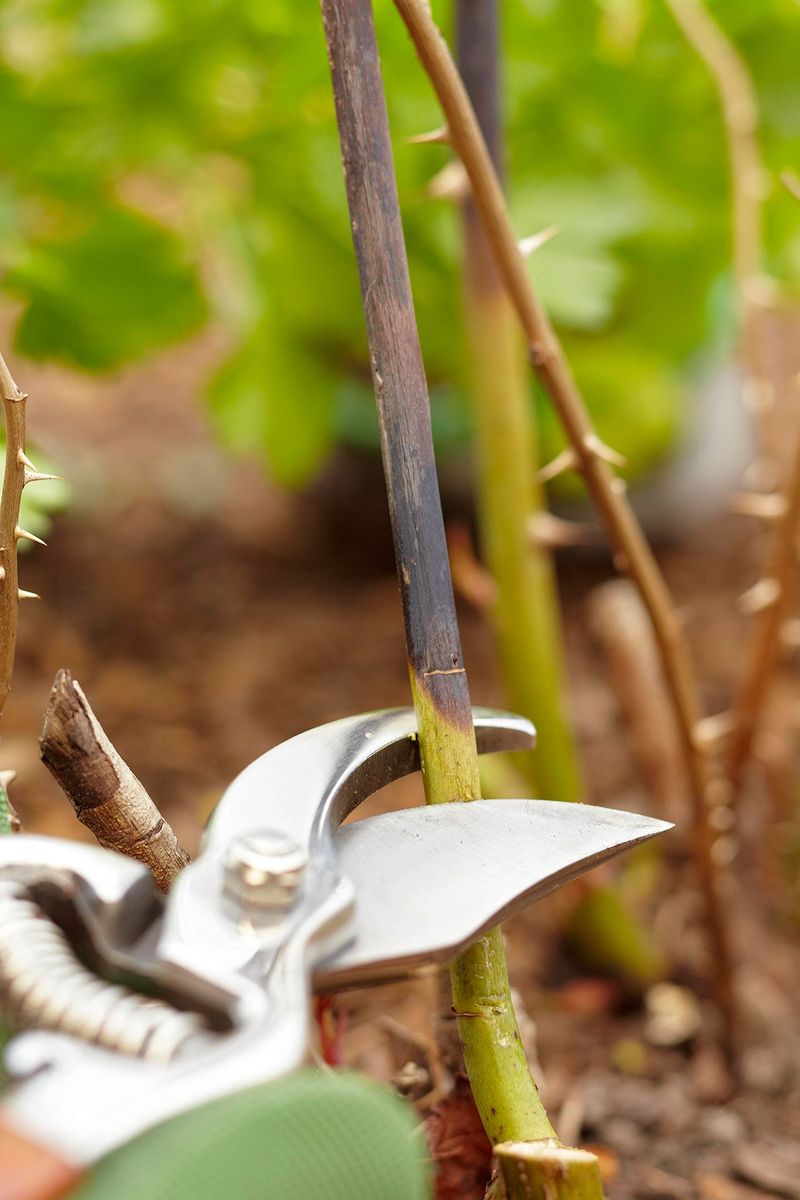
Roses are often regarded as the royalty of the garden. Pruning them encourages new growth and a bounty of blooms. Start by removing dead or damaged canes. Focus on creating an open center to allow sunlight to penetrate. Use sharp shears to make clean cuts just above a bud. This will ensure a beautiful display of color and fragrance in the summer months. Did you know? Roses have been cultivated for over 5,000 years and symbolize love in many cultures.
2. Hydrangeas
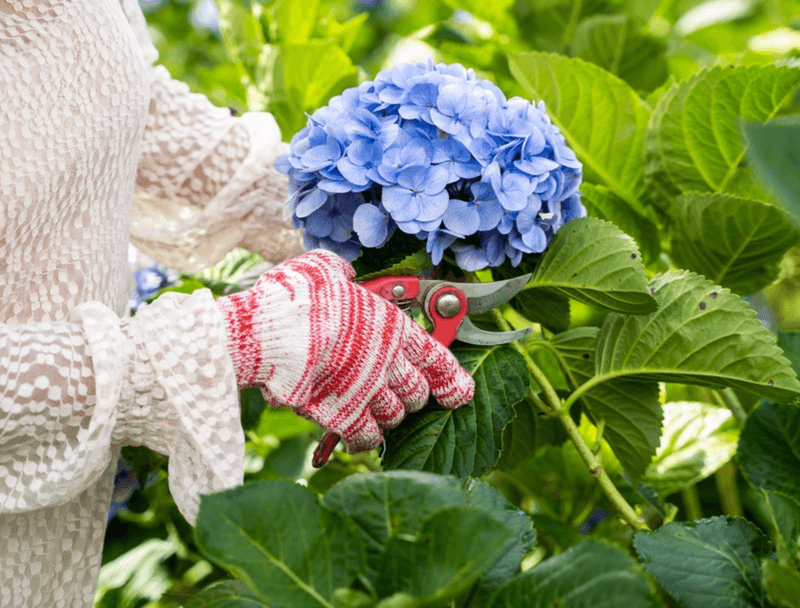
Hydrangeas, with their mesmerizing color-changing blossoms, need specific pruning to thrive. Identify whether you have old wood or new wood varieties. Cut back old wood types after they bloom, while new wood varieties benefit from an early spring pruning. Removing deadwood and spent flowers can enhance their vigor. Fun fact: The flower color of hydrangeas can change based on soil pH—acidic soil turns them blue, while alkaline gives them pink hues.
3. Lilacs
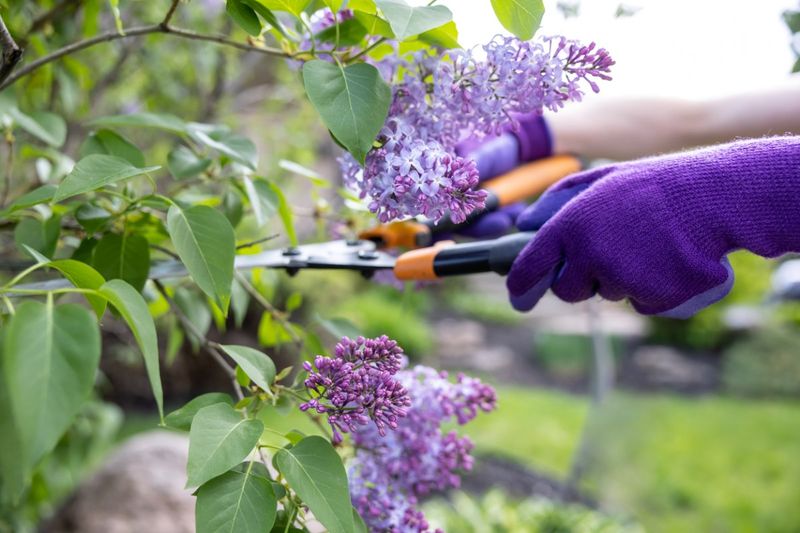
Lilacs, with their intoxicating fragrance, are a gardener’s favorite. Prune them right after blooming to maintain shape and encourage new growth. Focus on removing spent blooms and old stems. This not only helps in managing size but also boosts flowering potential. Interesting tidbit: Lilacs are members of the olive family and symbolize the joy of youth. Their vibrant hues add a striking contrast to any garden.
4. Wisteria
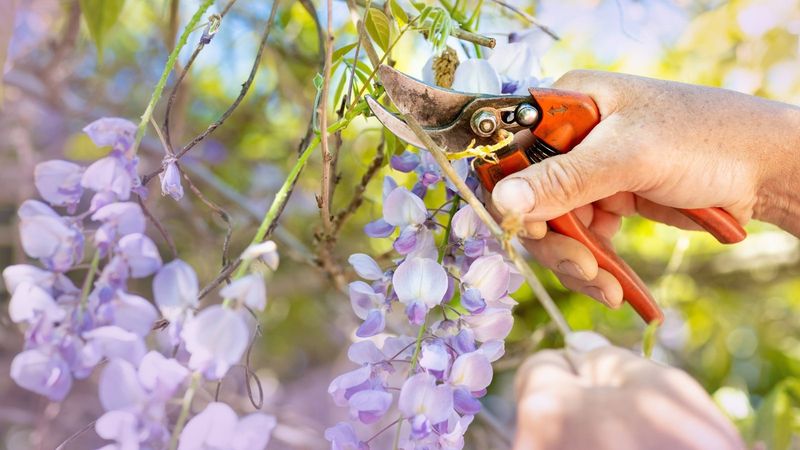
Wisterias are known for their vigorous growth and cascading blooms. Pruning them twice a year is essential. In summer, trim back shoots to promote flowering. Winter pruning helps in maintaining structure. Cut back to three buds from the previous year’s growth. This method ensures a splendid display of blooms. Did you know? Wisteria can live for over 100 years, becoming a cherished heirloom in gardens worldwide.
5. Clematis
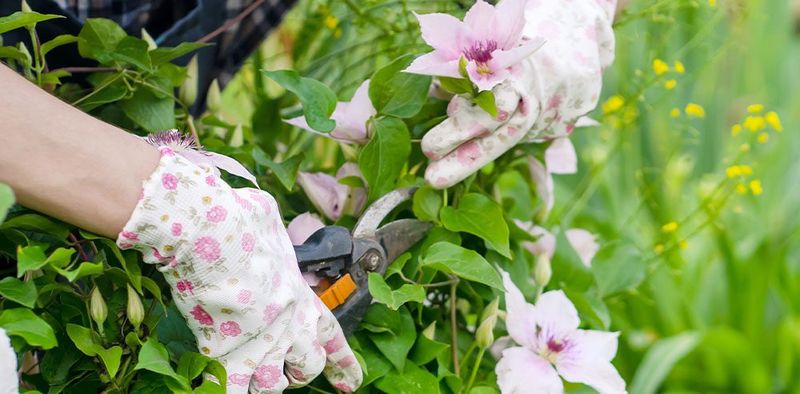
Clematis vines require careful pruning based on their group type. Group 1 blooms early, needing minimal pruning, mainly to remove deadwood. Group 2 benefits from a light trim in late winter or early spring, enhancing flower production. Group 3 should be cut back hard in early spring for summer blooms. Each method ensures a spectacular floral display. Fun fact: Clematis is often called the “queen of climbers” due to its stunning variety of colors and forms.
6. Buddleia (Butterfly Bush)
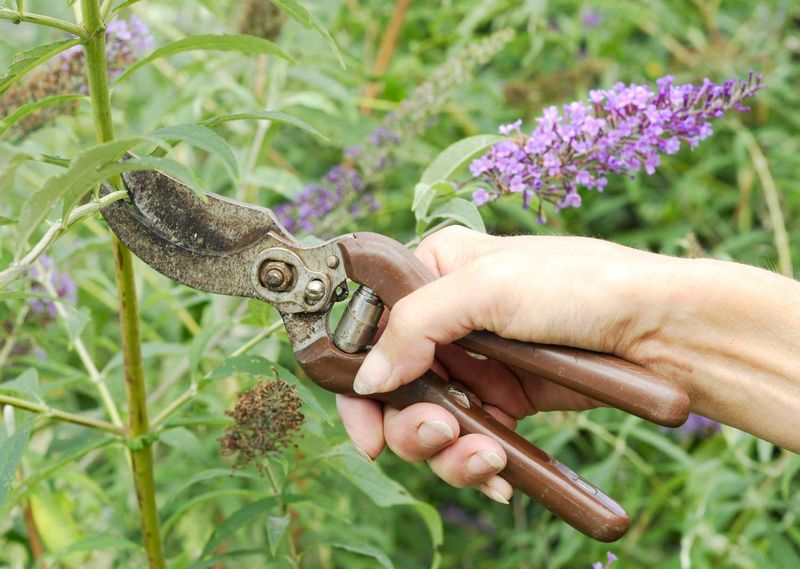
Buddleias are beloved for attracting butterflies with their fragrant blooms. Hard pruning in late winter or early spring promotes vigorous growth and flowering. Cut back to a healthy bud to encourage new shoots. This method results in a bush that’s teeming with vibrant flowers all summer long. Did you know? Despite their name, butterfly bushes originated in Asia and are now popular worldwide for their wildlife appeal.
7. Fuchsias
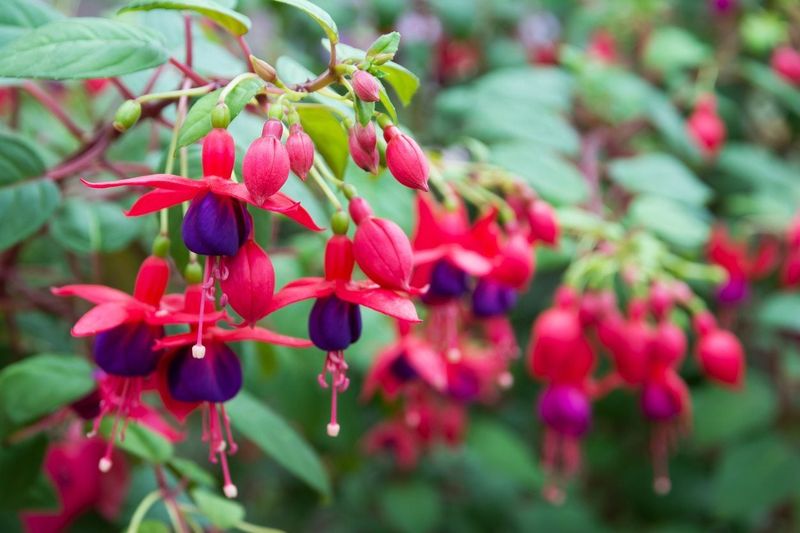
Fuchsias need regular pruning to sustain their exotic look and prolific blooming. In spring, cut back to encourage bushier growth. Remove dead and weak stems to focus energy on blooming. This practice results in a colorful cascade of blossoms that last through summer. Interesting fact: Fuchsias are named after German botanist Leonhart Fuchs and are native to South America, offering vibrant splashes of color in gardens.
8. Lavender
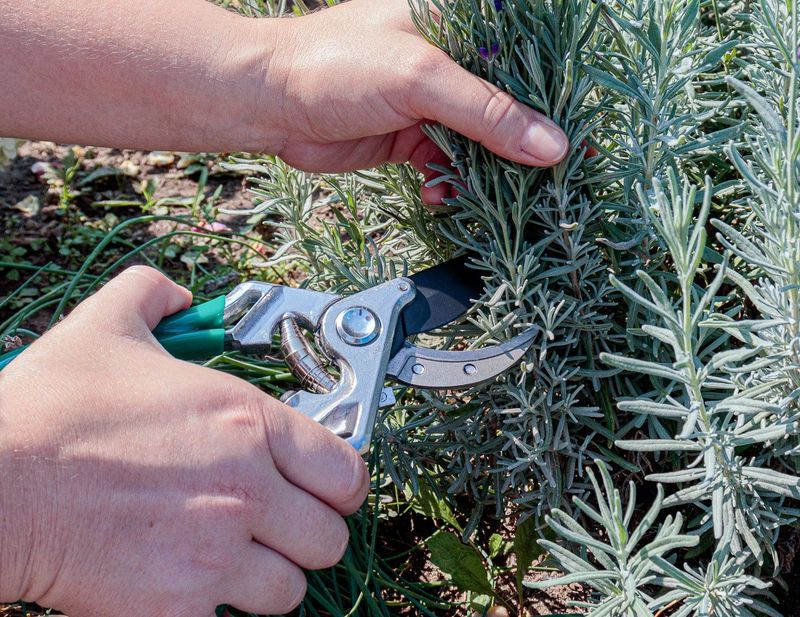
Lavender, known for its aroma and calming presence, requires annual pruning to maintain form and health. Trim right after flowering to prevent leggy growth. Focus on cutting back to the woody part to encourage fresh growth. This ensures a fragrant and lush garden come summer. Fun fact: Lavender has been used for centuries in perfumery and medicine and is often associated with relaxation and tranquility.
9. Peonies
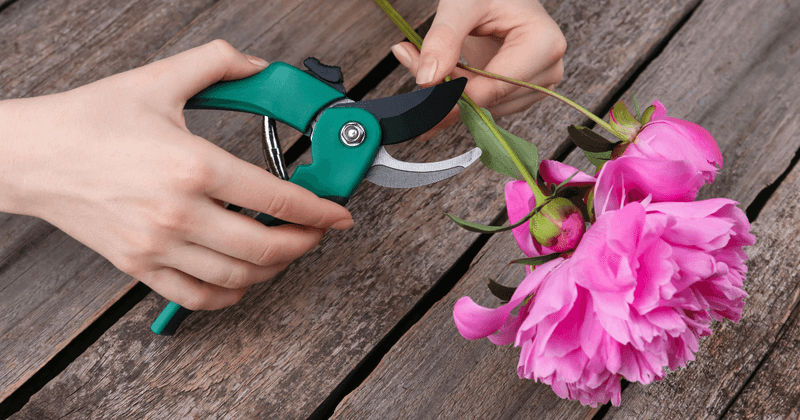
Peonies are cherished for their large, lush blooms and sweet fragrance. Pruning is crucial for maintaining their shape and supporting new growth. Remove spent blooms and any diseased foliage to prevent infection. This not only enhances their appearance but also prepares them for a vigorous bloom the following season. Did you know that peonies can live for over 100 years, becoming a perennial favorite in gardens worldwide?
10. Azaleas
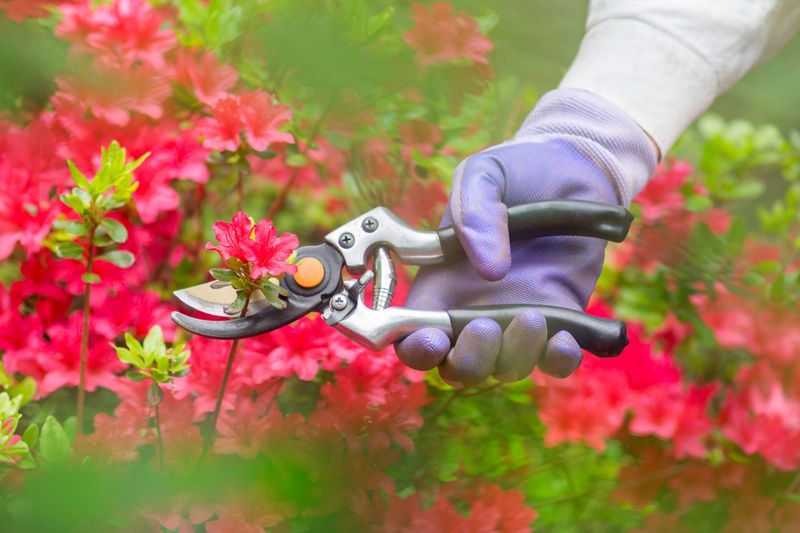
Azaleas, with their vibrant spring display, need careful pruning to maintain their beauty. Prune soon after flowering, focusing on removing spent blooms and thinning out crowded areas. This promotes air circulation and prevents disease while maintaining a compact shape. Interesting fact: Azaleas are part of the rhododendron family and are often associated with temperance and passion in floral symbolism.
11. Forsythia
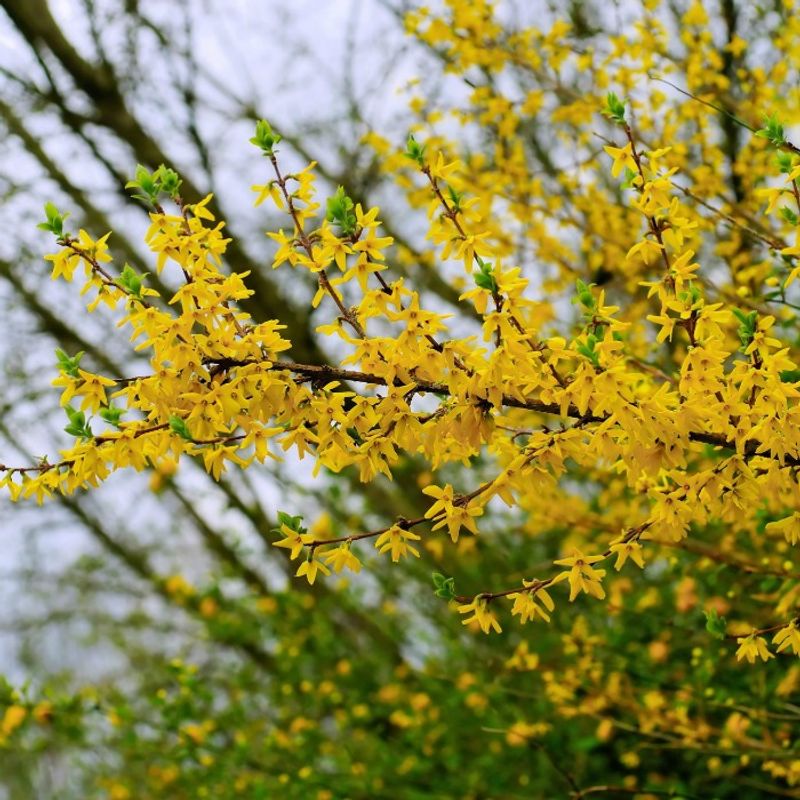
Forsythia bursts into golden bloom early in the season. Prune right after flowering to manage shape and encourage new growth. Removing a quarter of old wood at the base helps rejuvenate the plant. This practice ensures a robust display next year. Did you know? Forsythia is named after Scottish botanist William Forsyth and is often used in traditional Chinese medicine for its healing properties.
12. Spirea
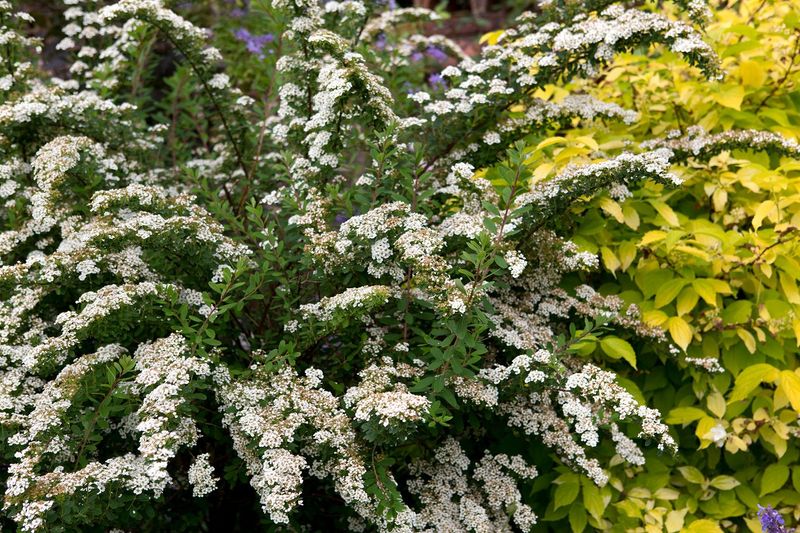
Spirea, with its delicate clusters of flowers, benefits from regular pruning. Trim after the first bloom to encourage a second flowering in summer. Remove deadwood and thin out the center to allow light penetration. This ensures a healthy, flowering plant. Fun fact: Spirea is known for its resilience and is often used in landscaping for erosion control due to its spreading nature.
13. Zinnias
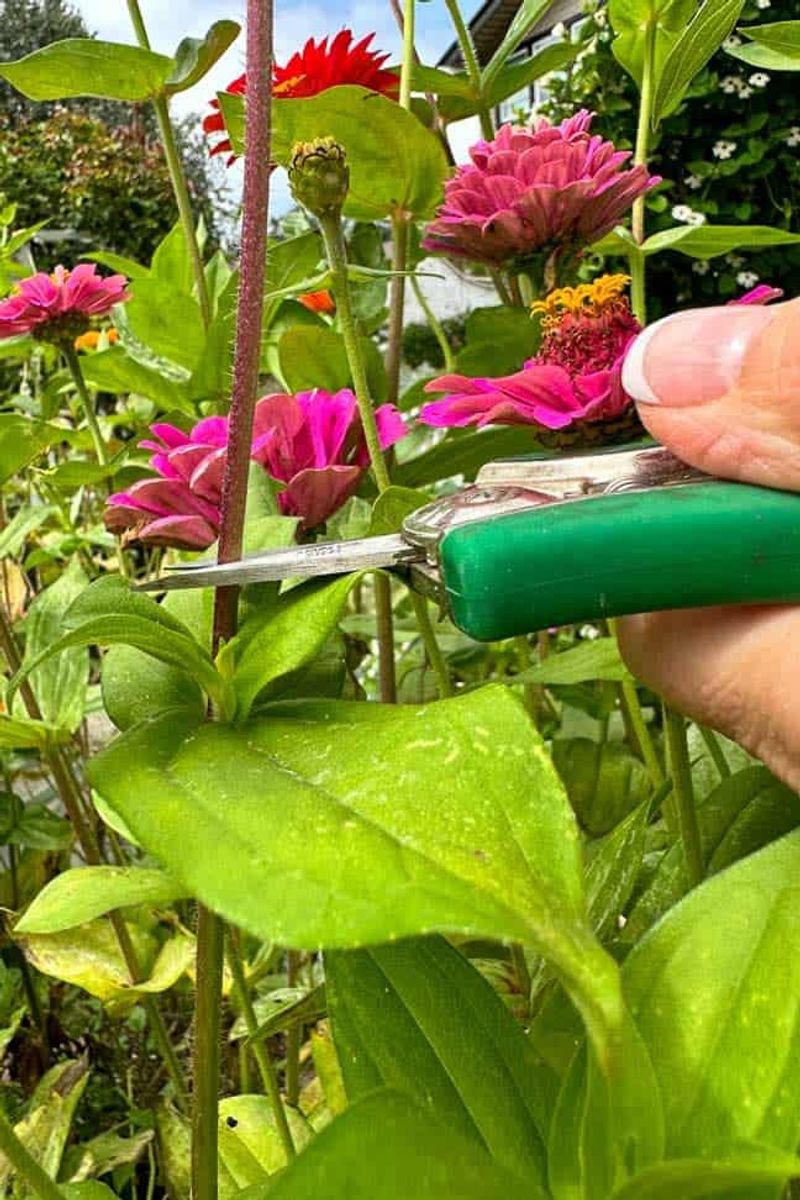
Zinnias are beloved for their bright, cheerful flowers and are easy to grow. Deadheading spent blooms encourages continuous flowering. Regular pruning also helps manage plant size and promotes air circulation. The result is a garden filled with color all summer long. Did you know? Zinnias are native to Mexico and symbolize lasting affection in floral language, making them a garden favorite worldwide.
14. Orchids
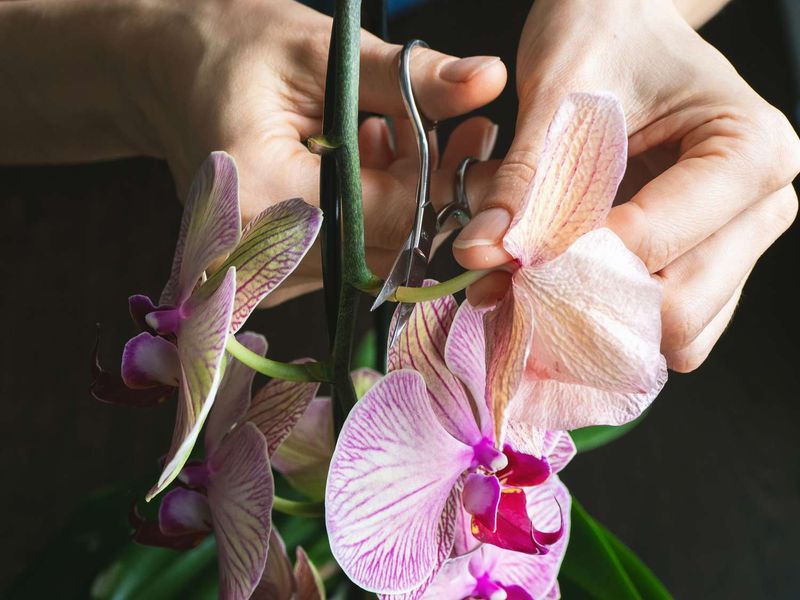
Orchids are exotic and stunning, requiring specific care to bloom. Unlike most, they dislike extensive pruning. Trim only after blooms fade, cutting above a node to encourage new spikes. This careful approach ensures a thriving plant. Fun fact: Orchids can live for decades with proper care and are among the largest family of flowering plants, boasting over 25,000 species worldwide.
15. Bougainvillea
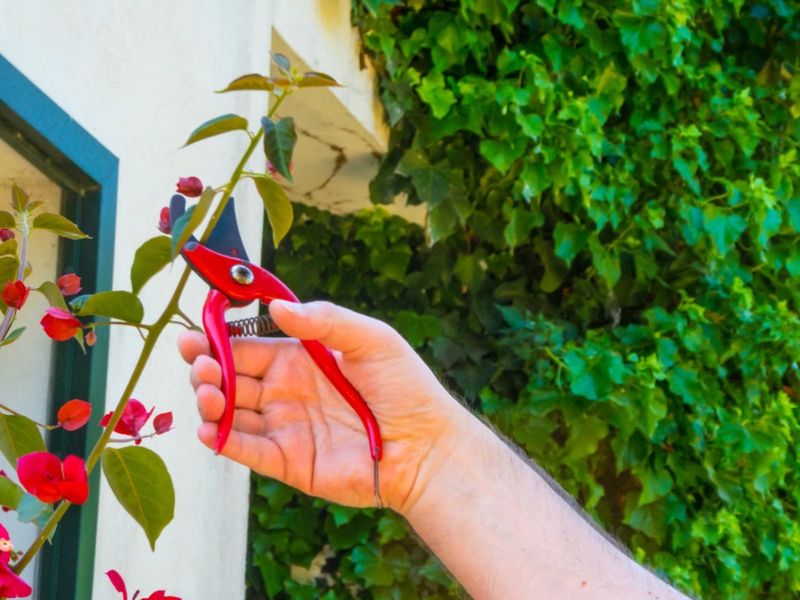
Bougainvillea dazzles with its vivid bracts, yet it resents heavy pruning. Trim minimally to manage shape and remove deadwood. This practice helps maintain their natural growth and flowering pattern. Interesting tidbit: Bougainvillea is native to South America and thrives in warm climates, often adorning trellises and fences with a riot of color.
16. Gardenias
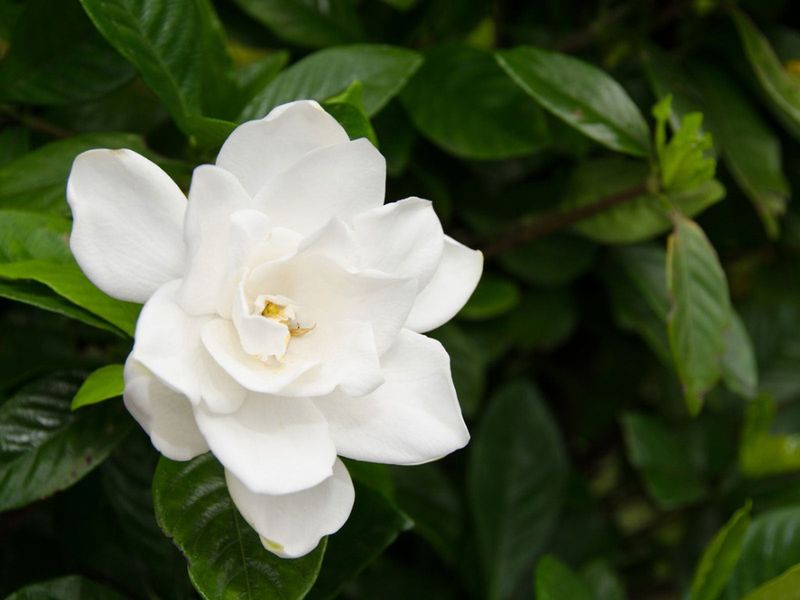
Gardenias are known for their fragrant, creamy blooms and glossy foliage. Light pruning after flowering helps maintain shape without over-stressing the plant. Avoid cutting back too harshly, as gardenias dislike excessive trimming. Did you know? Gardenias are often associated with secret love and elegance, making them a cherished addition to any garden.
17. Camellias
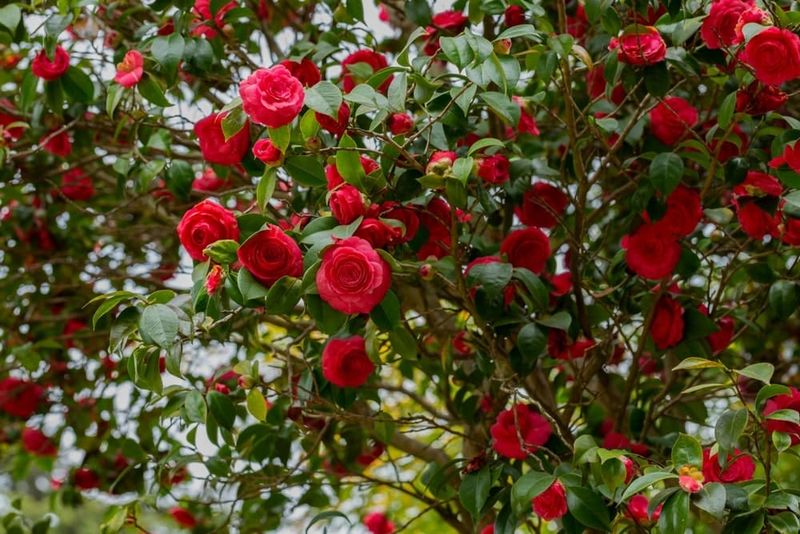
Camellias are another species that prefer minimal interference. Prune sparingly after flowering to maintain shape and remove any dead or diseased wood. This gentle approach ensures a healthy plant and a spectacular bloom. Fun fact: Camellias are native to Asia and symbolize admiration and perfection in floral symbolism, celebrated for their beauty and longevity.