 Complete Gardening
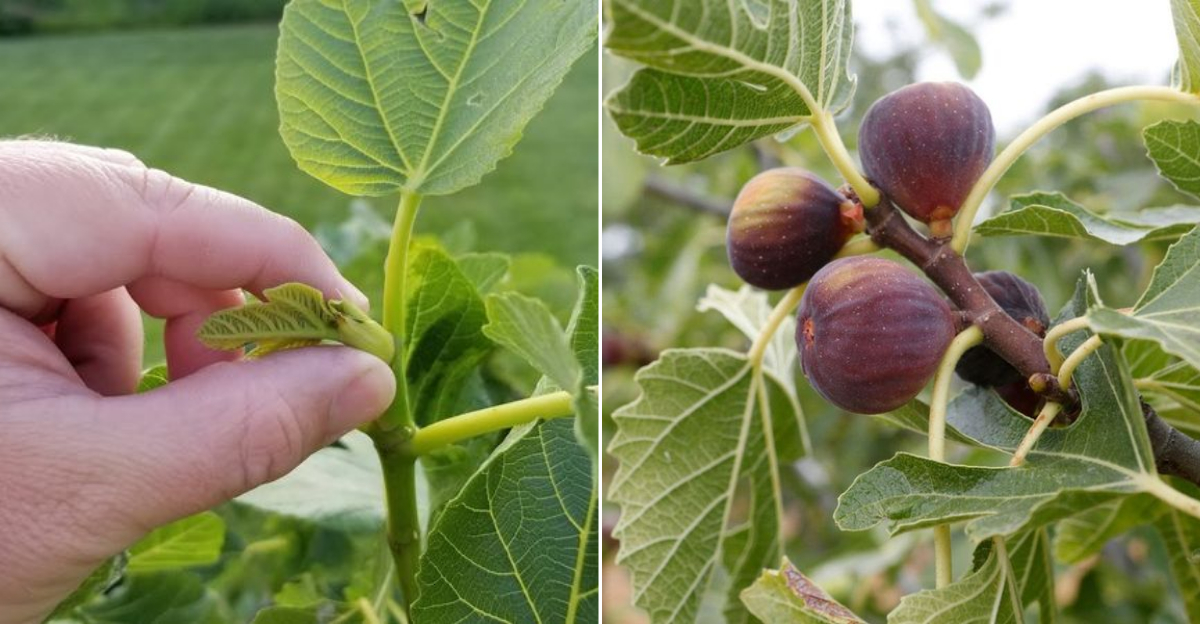
Growing fig trees can be immensely rewarding, especially when you see them laden with juicy, sweet fruits. However, achieving bountiful harvests requires some know-how and specific practices that ensure your fig tree thrives.
In this guide, we’ll explore 13 proven tricks that will help you maximize the fruit output of your fig tree, making your garden the envy of the neighborhood.
1. Prune at the Right Time
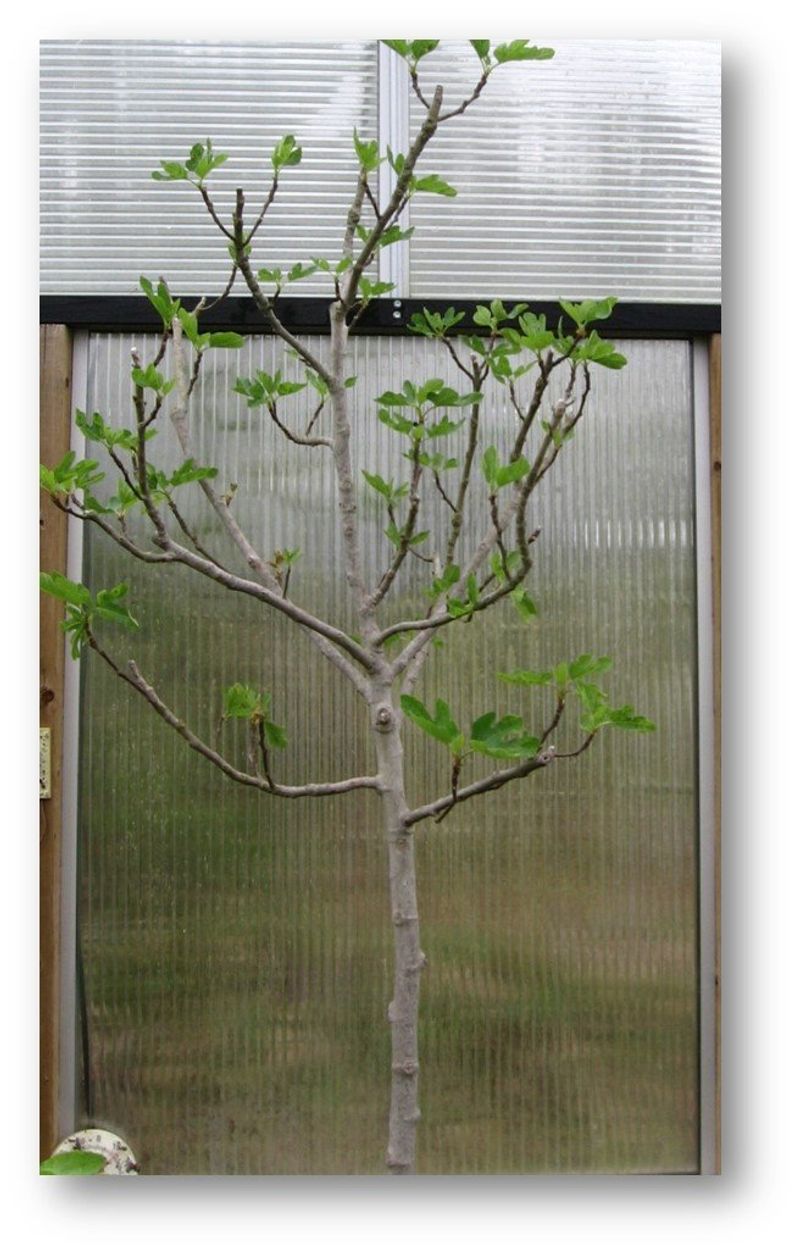
Winter pruning is essential to stimulate new growth and better fruiting. By removing dead, crossing, or weak branches, you allow more sunlight and air circulation, promoting healthy development.
A clean tree structure ensures that the energy goes into producing fruit rather than maintaining unnecessary branches.
Consider pruning during the dormant season to prevent sap bleeding. Keep in mind that over-pruning can lead to excessive vegetative growth, so balance is key. Enjoy the transformation as your fig tree awakens from winter slumber, ready to burst into life.
2. Pinch Back New Growth
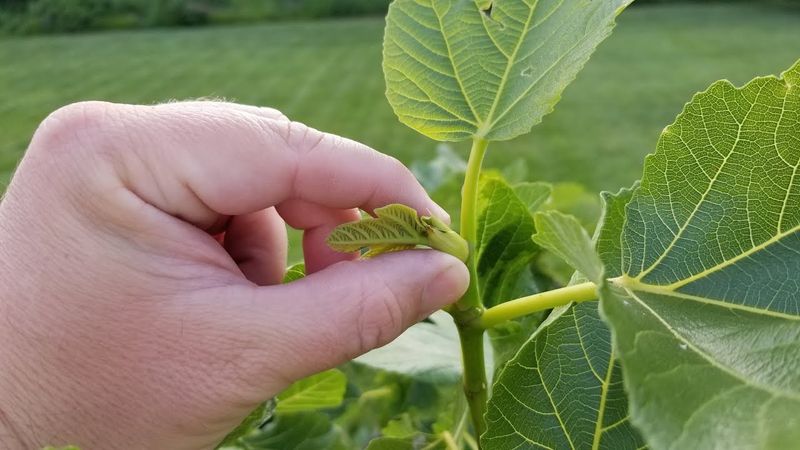
In early summer, pinching back the tips of young shoots can significantly enhance fruit production. This practice encourages the tree to develop more fruit-bearing branches rather than just leafy growth.
By focusing the plant’s energy on fewer branches, you can foster bigger and juicier figs. It’s a simple yet effective technique that requires only your fingers and a bit of patience.
As you walk through your garden, enjoy the tactile connection with your tree, knowing each pinch brings you closer to a fruitful harvest.
3. Choose the Right Variety
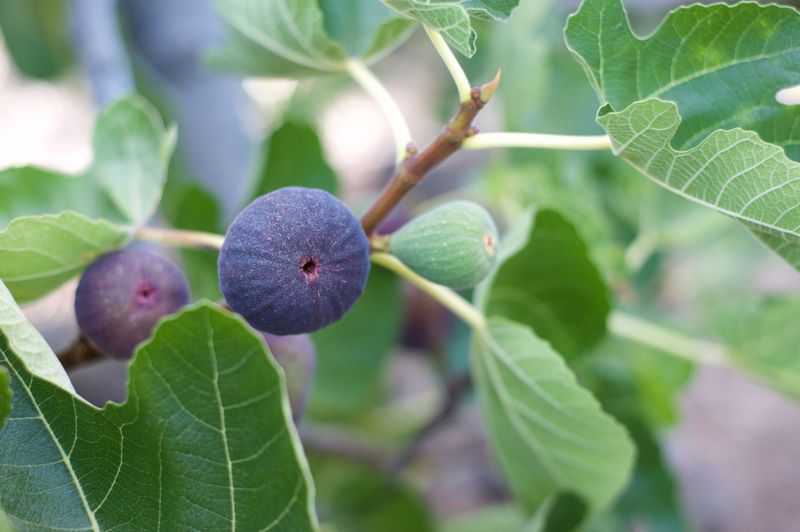
Selecting the right fig tree variety is crucial for maximizing yield. Some varieties like ‘Brown Turkey’ and ‘Celeste’ are known for their reliable productivity. These types adapt well to various climates, making them ideal for both novice and experienced gardeners.
Explore the unique flavors and characteristics of each type, and match them with your taste preferences and regional climate. Choosing a suitable variety ensures not only an abundant harvest but also a delightful culinary experience.
Let your garden be a tapestry of flavors and aromas with the right fig tree variety.
4. Plant in Full Sun
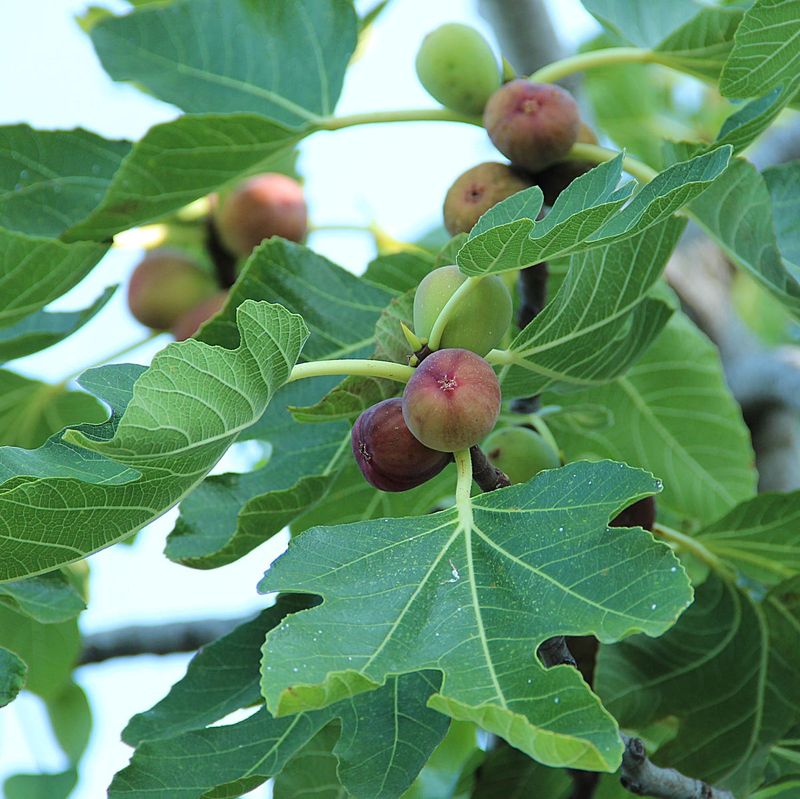
Fig trees thrive in warm climates and need ample sunlight to produce fruit effectively. A location that receives at least 6 to 8 hours of direct sunlight daily is ideal. The sun not only fuels photosynthesis but also contributes to sweeter fruit.
Observe your garden and find a spot where the sun kisses the earth most of the day. Planting your tree in full sun is like giving it a daily dose of happiness. Watch as your tree basks in the golden rays, transforming sunlight into luscious figs.
5. Don’t Overwater
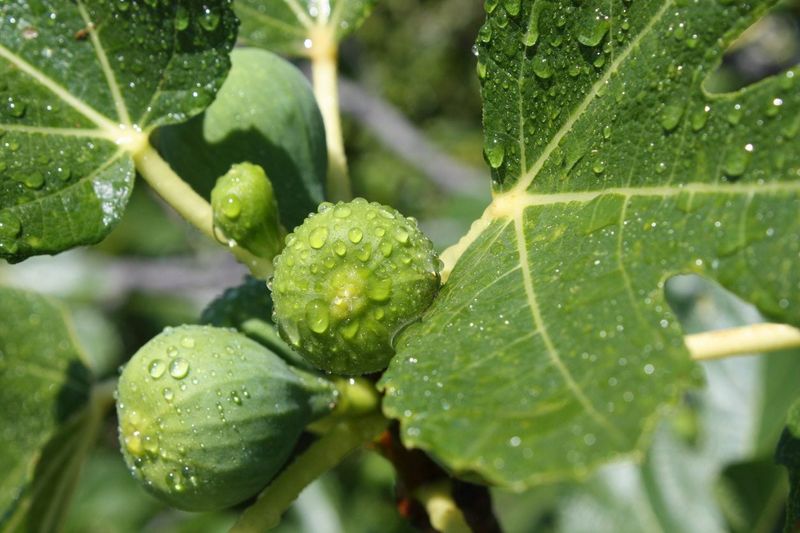
Figs prefer deep, infrequent watering rather than constant moisture. Overwatering can lead to fruit drop and affect the sweetness of the figs. A well-drained soil helps maintain the right balance, preventing sogginess and root rot.
Consider using a soil moisture meter to keep track of when your tree truly needs water. This practice not only conserves water but also encourages the tree to develop a strong root system.
Enjoy the anticipation as your tree drinks deeply, storing moisture for the sun-drenched days ahead.
6. Use the Right Fertilizer
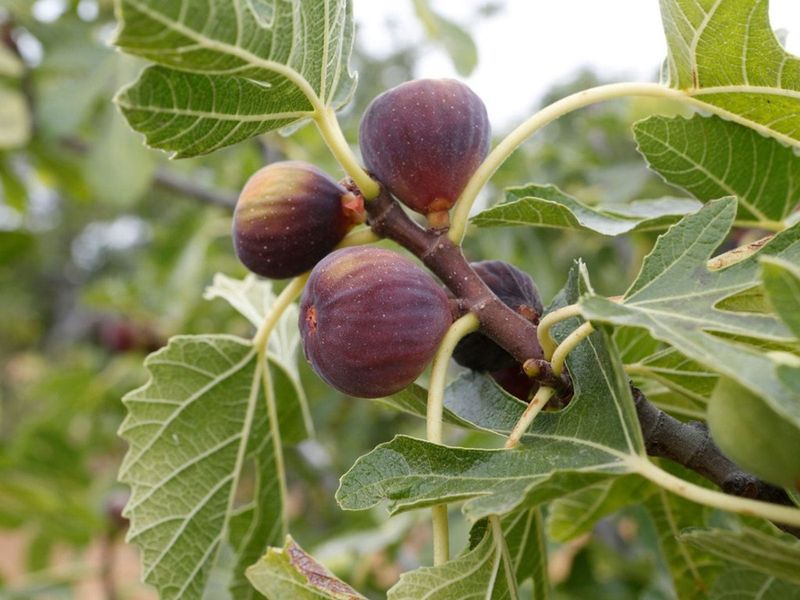
Using the right fertilizer can make all the difference in your fig tree’s fruiting success. Opt for a low-nitrogen fertilizer or compost to avoid excessive leafy growth. Nitrogen promotes leaves, while phosphorus and potassium support flowering and fruiting.
Apply fertilizer sparingly, respecting the tree’s natural growth rhythm. Imagine the nutrients coursing through the tree’s veins, supporting each delicate bloom and developing fruit.
With the right balance, your fig tree will thrive, rewarding you with a harvest that reflects your careful nurturing.
7. Restrict Root Growth
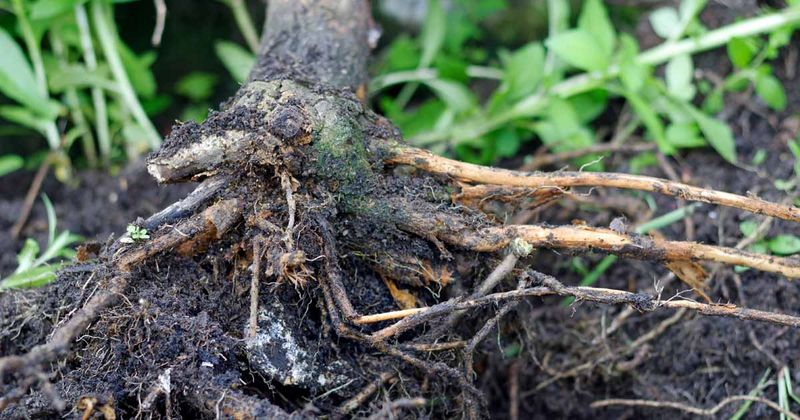
Fig trees often fruit better when slightly root-bound. By restricting root growth, you encourage the tree to focus on producing fruit rather than expanding its root system. Growing in pots or using root barriers can achieve this effect.
Consider partially burying barriers around the root zone to contain its spread. Imagine the roots weaving a tapestry within confined spaces, pushing energy upwards into fruits instead of further into the soil.
This simple technique can transform your tree into a fruit-laden marvel, defying its natural inclination to wander.
8. Mulch to Conserve Moisture
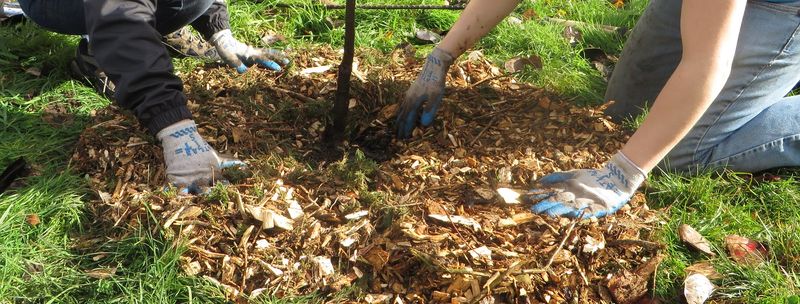
A thick layer of organic mulch is a fig tree’s best friend. It conserves moisture, regulates soil temperature, and reduces weed competition. Spread mulch around the base, creating a cozy blanket that protects the roots from temperature extremes.
As the mulch breaks down, it enriches the soil, providing nutrients naturally. Visualize each layer as a guardian, cradling your tree through the heat of summer and chill of winter.
The result is a resilient tree, ready to reward you with an abundance of fruit season after season.
9. Pollinate If Needed
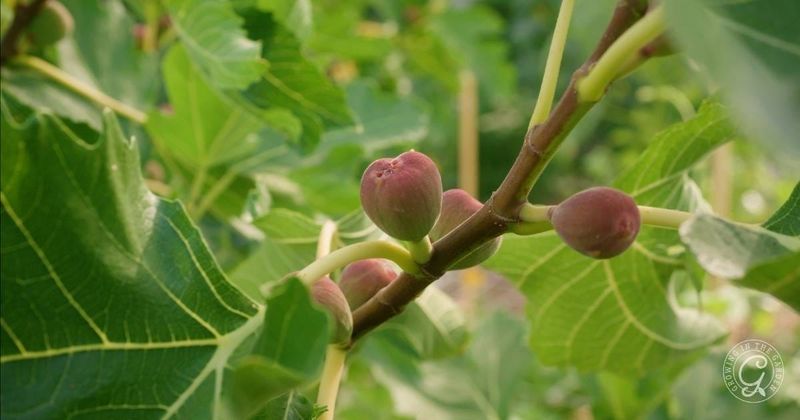
While most common figs are self-pollinating, certain varieties like Smyrna require a little help. Hand pollination or introducing a fig wasp can make a world of difference. Imagine yourself as a matchmaker, uniting pollen with receptive flowers.
It’s a delicate dance that’s rewarding when you see the fruits of your labor. If your tree isn’t producing as expected, consider this intimate intervention.
Engage with nature’s wonders, ensuring each blossom has the chance to grow into a plump, sweet fig, thanks to your careful attention.
10. Thin the Fruit Early
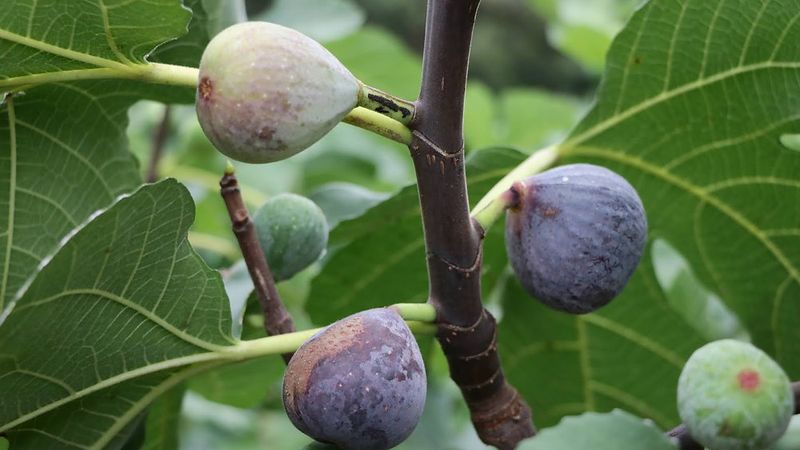
If your fig tree is overloaded with tiny figs, thinning them early can promote healthier growth for the remaining fruit. By removing some figs, you allow the tree to channel its energy into developing larger, juicier ones.
It’s a bit like choosing quality over quantity. Gently remove excess fruits with care, noticing how the tree seems to breathe easier, free from the weight of overcrowding.
Enjoy the transformation as fewer figs mean more flavorful and satisfying harvests, a true testament to your thoughtful gardening approach.
11. Protect from Late Frosts
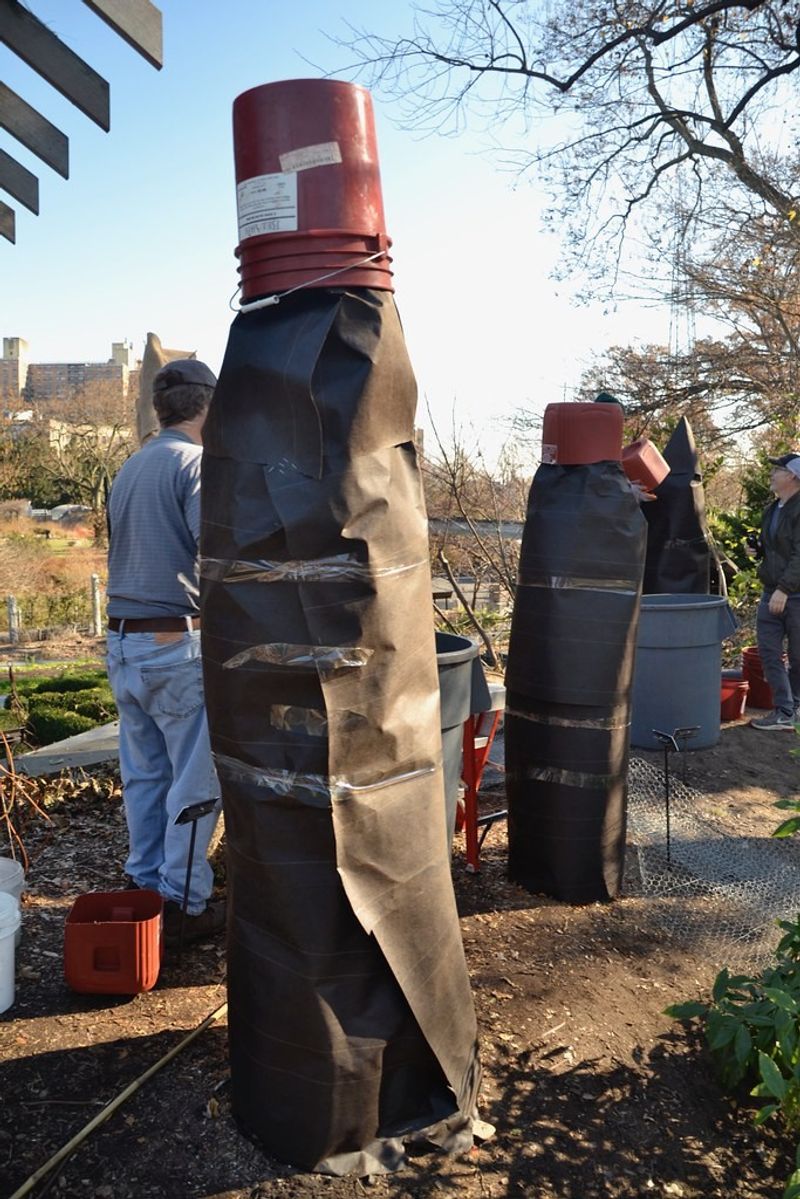
Late frosts in spring can damage new growth, impacting the season’s fruit. Protecting your fig tree is crucial during these unpredictable times. Cover the tree with cloth or burlap to shield it from the cold.
Imagine wrapping your tree in a warm embrace, safeguarding its tender shoots from icy breezes. As the frost melts away, your tree stands resilient and ready to flourish.
This proactive step ensures that your tree greets the new season unscathed, poised to deliver a bountiful harvest.
12. Encourage Two Crops
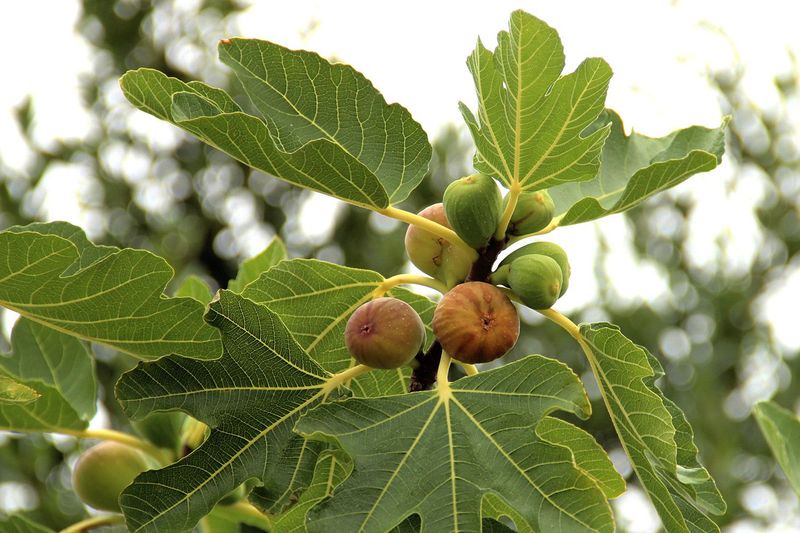
Some fig varieties are capable of producing two crops a year, known as breba and main crop. Encouraging this dual harvest requires careful pruning and maintenance. By supporting both crops, you maximize your tree’s productivity.
Picture your tree adorned with early breba figs, followed by a lush main crop later in the season.
This extended harvesting period allows you to enjoy figs over a longer timeline, each bite a reminder of your strategic cultivation. Celebrate the abundance with every fig that graces your table.
13. Control Pests and Diseases
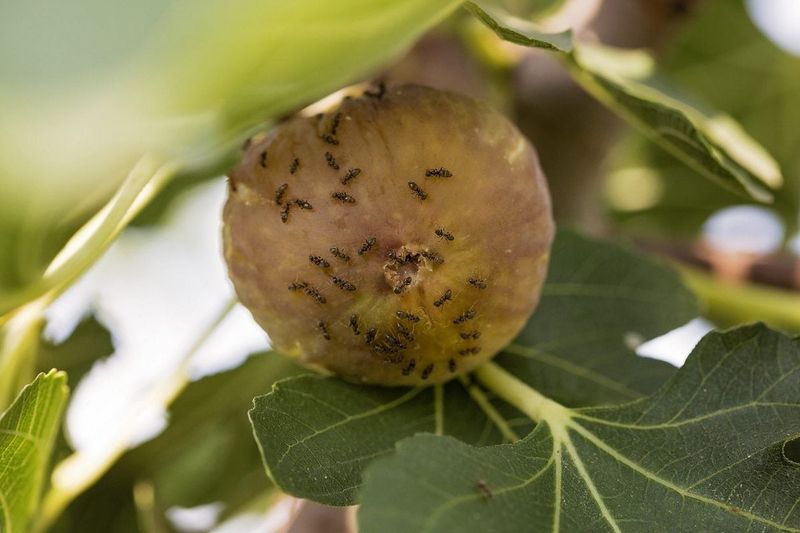
Keeping an eye out for pests and diseases is vital for maintaining a productive fig tree. Fig rust, fruit beetles, and ants can undermine your tree’s health. Regular inspection and organic treatments can keep these nuisances at bay.
Consider natural predators or homemade remedies to tackle infestations. Think of yourself as the guardian of your garden, ensuring that no harm comes to your precious fig tree.
A healthy tree is a fruitful tree, and your vigilance is rewarded with a harvest that reflects your dedication.