 Complete Gardening
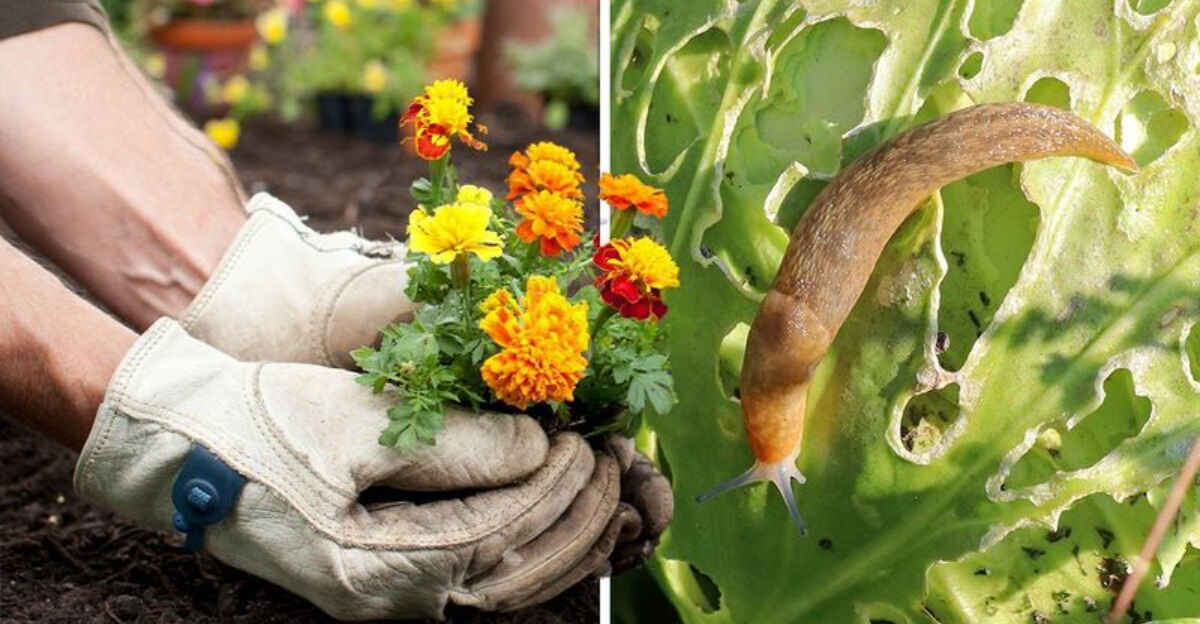
Nurseries often showcase the beauty and allure of classic garden plants, but there are hidden truths that are seldom shared with gardeners. These secrets can impact not only the health and success of your garden but also your gardening experience.
From the high-maintenance needs of roses to the invasive nature of mint, here are 13 secrets about popular garden plants that nurseries typically keep under wraps.
1. Roses Are High-Maintenance Drama Queens
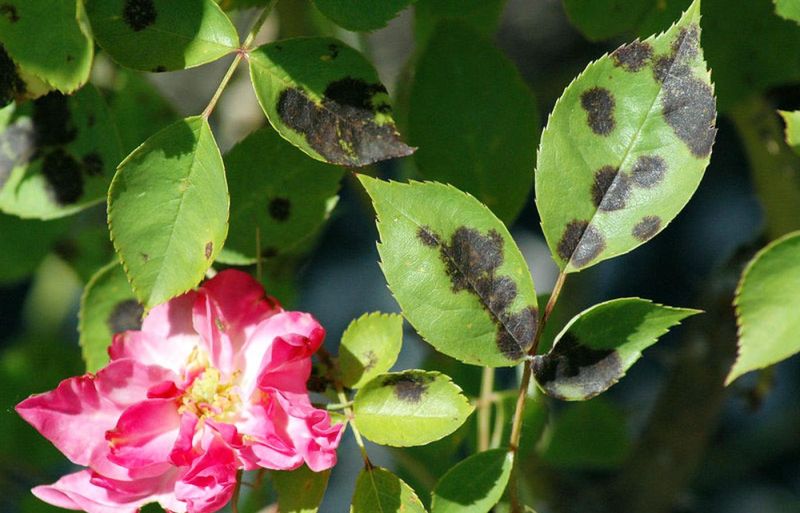
Roses, with their timeless beauty, are the divas of the garden world. These flowers demand constant attention, needing regular pruning and vigilant disease control to maintain their splendor. Despite their allure, they fall prey to black spot, powdery mildew, and aphids, which can tarnish their charm. Enthusiasts often find themselves engulfed in a love-hate relationship with these demanding beauties. Over the years, hybrid teas and other classic varieties have been celebrated for their looks, but not all are prepared for the commitment they entail. A true garden treasure, yet not for the faint-hearted.
2. Mint Will Take Over Your Garden
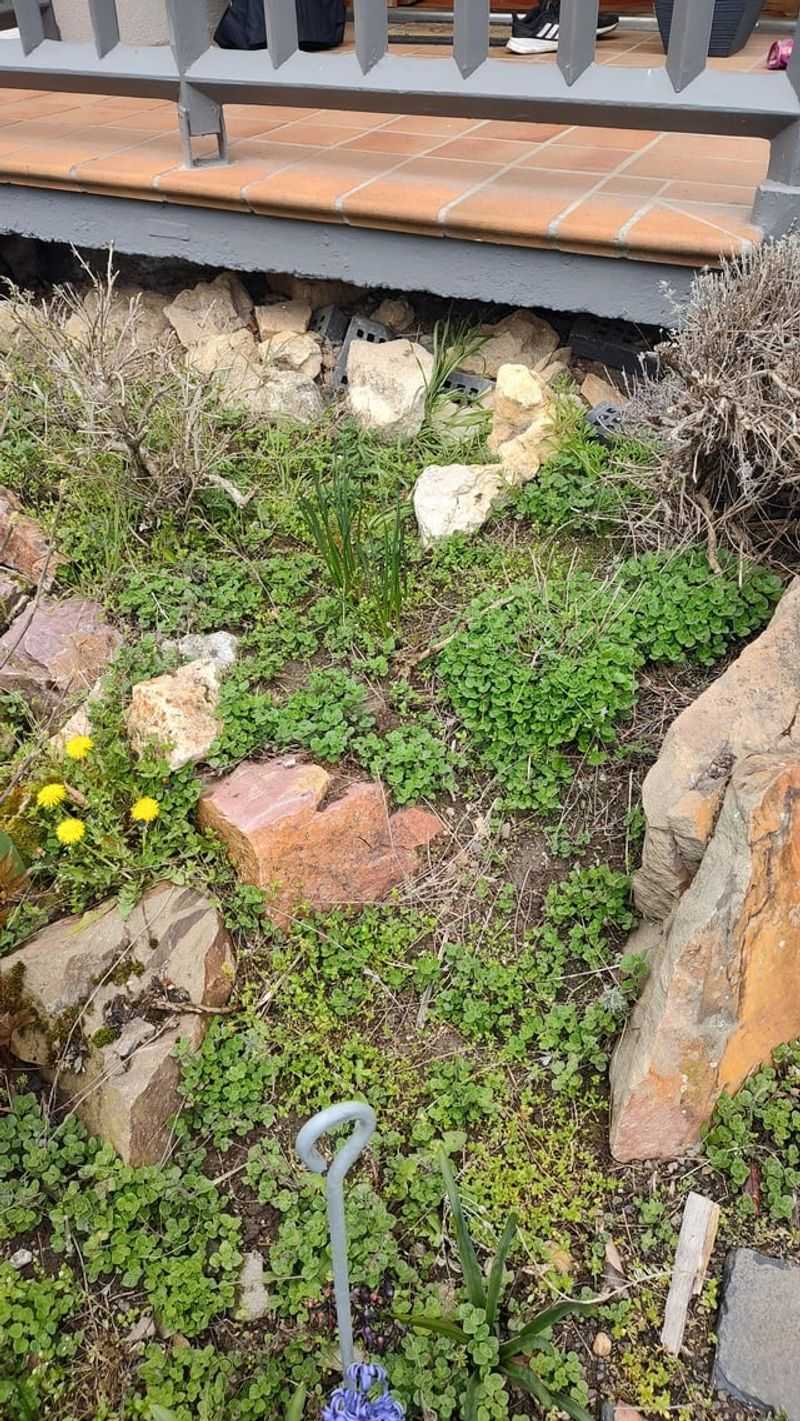
Mint, often admired for its refreshing aroma and versatility, is a stealthy conqueror of garden spaces. Its roots, known for their aggressive nature, spread rapidly and can easily overrun other plants. Without proper containment, mint transforms from a kitchen favorite into an uninvited guest, taking over your backyard. Gardeners appreciate its uses in teas and garnishes, but this plant requires boundaries to be a well-mannered resident. Originating from temperate regions, mint’s adaptability is both its strength and a challenge for those seeking a harmonious garden.
3. Daylilies Are Not Always Low-Maintenance
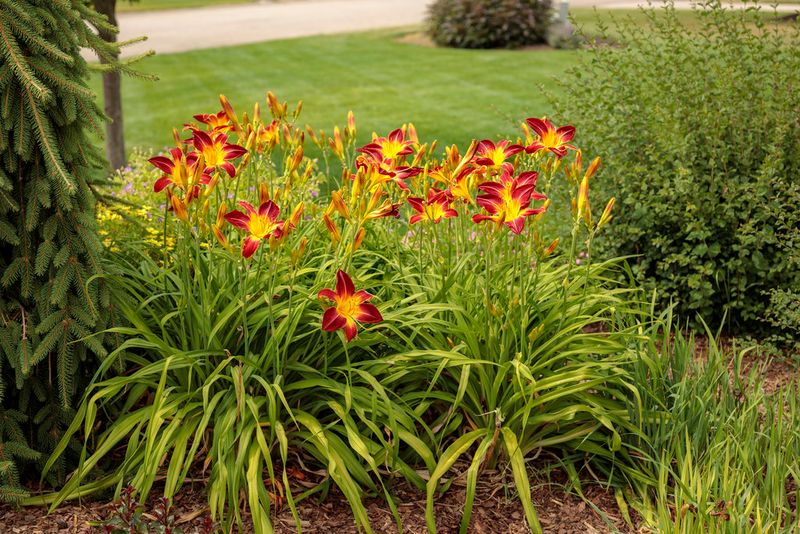
Daylilies, often marketed as easy-to-grow perennials, possess a hidden vigor that can surprise the unprepared gardener. While their blooms bring bursts of color, certain varieties expand rapidly, threatening to overshadow fellow flora. Without regular division, these charming blossoms can monopolize garden beds, turning a once-balanced landscape into a floral monopoly. Despite their reputation, not all daylilies are the ‘set it and forget it’ options they seem. Their hardy nature, while an asset, requires mindful management to avoid garden domination.
4. English Ivy Can Wreck Your Walls and Trees
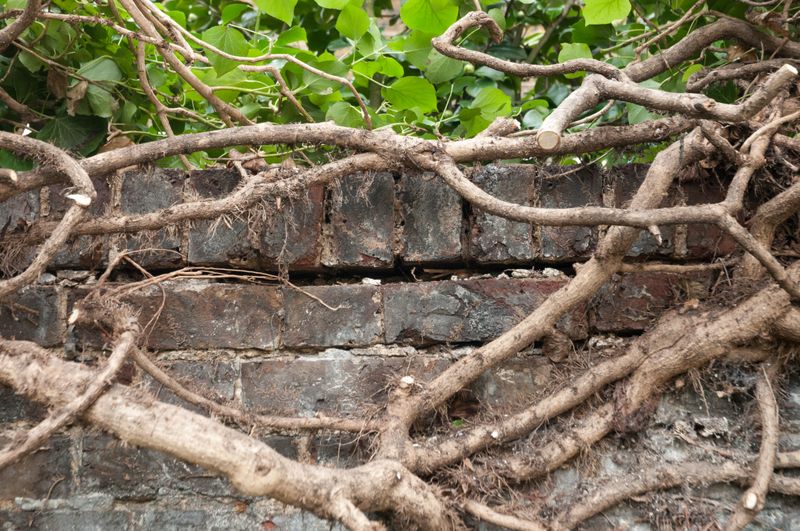
English ivy, with its classic appeal and lush coverage, is a double-edged sword in the garden. While it offers a verdant blanket, its invasive tendencies can lead to structural damage if unchecked. Ivy’s grip is tenacious, capable of harming masonry, gutters, and tree trunks. Although sold for its elegance and ground coverage, this plant demands caution. Its origins trace back to Europe, where its beauty belies a somewhat destructive potential. For those drawn to its allure, a vigilant eye and regular maintenance are key to preserving both plant and property.
5. Lavender Needs More Than Just Sun
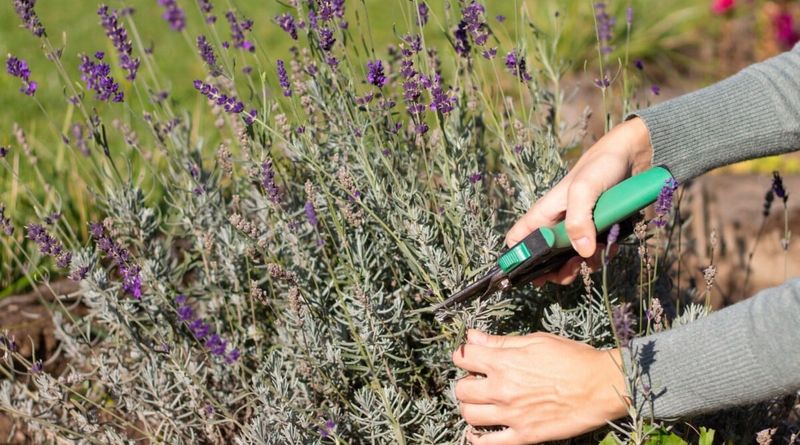
Lavender, with its soothing fragrance and attractive blooms, is often seen as the poster child for easy, drought-tolerant gardening. However, it secretly craves well-drained, sandy soil and proper pruning to maintain its charming, bushy appearance. Without these, it risks becoming woody and sparse, losing its aesthetic appeal. Though celebrated for its low water needs, lavender’s requirements extend beyond just sunlight. Mediterranean in origin, this plant’s delicate balance of conditions underscores the complexity behind its reputed simplicity.
6. Sunflowers Can Deplete Your Soil

Sunflowers, celebrated for their cheerful faces and towering presence, demand a high nutritional price from the soil. Their heavy feeding habits can deplete garden soil of essential nutrients, leaving it less fertile for future plantings. While their blooms bring joy, the aftermath can pose challenges for successive crops. Known for their vigorous growth, sunflowers often overshadow the nutritional needs of their garden companions. Despite their sunny disposition, they require thoughtful placement and soil replenishment strategies to maintain garden harmony.
7. Alliums Can Attract Pests
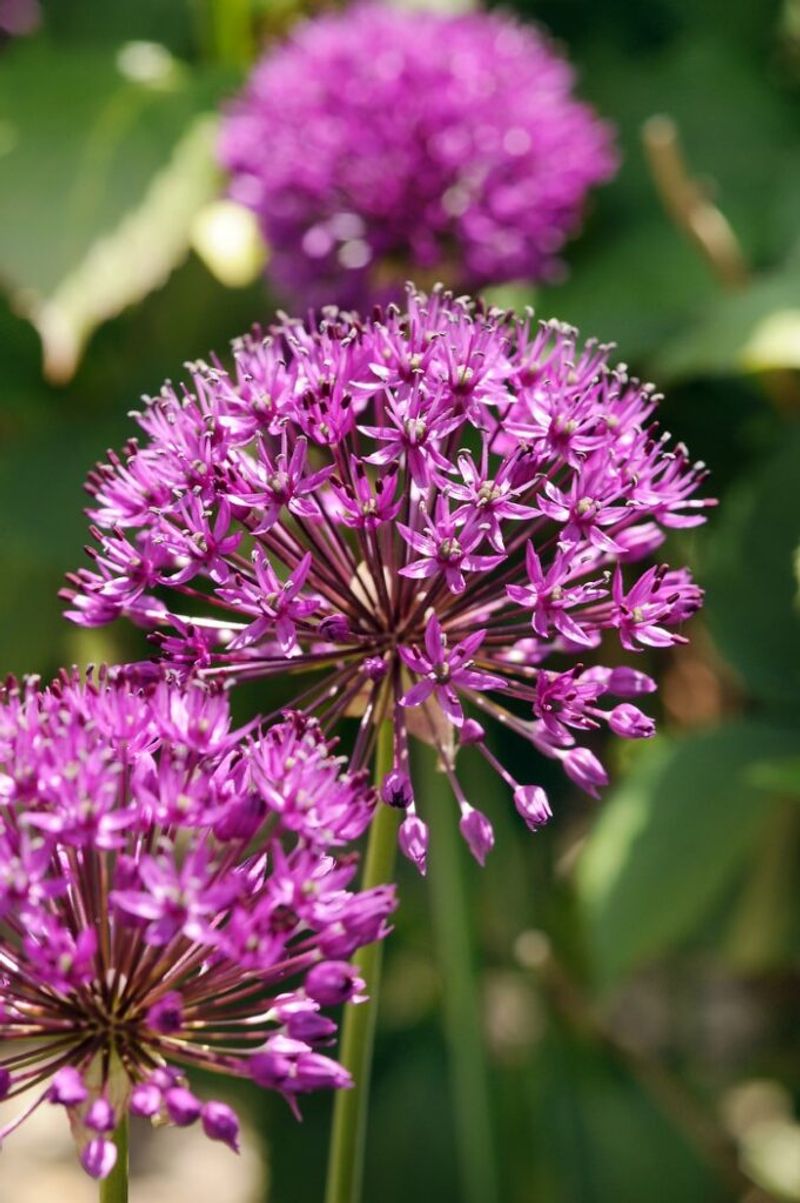
Alliums, with their striking architectural presence, serve a dual role in gardens. While they can deter some pests, they inadvertently attract others, like onion flies, that pose threats to their health. Their unique scent, a protective mechanism, is sometimes a double-edged sword. Gardeners often embrace these blooms for their beauty and pest management abilities, yet their allure can invite unwanted guests. With origins that stretch across various continents, alliums’ role in pest dynamics highlights the delicate balance between aesthetic appeal and garden ecology.
8. Hydrangeas May Not Bloom If You Prune Them Wrong
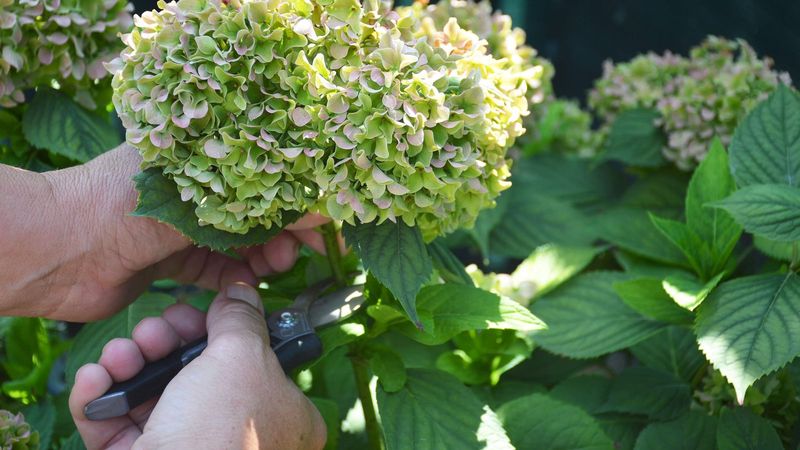
Hydrangeas, beloved for their voluminous blooms, hold a secret in their stems. Pruning at the wrong time can result in a flowerless season, frustrating gardeners who expect vibrant displays. The distinction between old wood and new wood bloomers is crucial, yet often overlooked by nurseries. These plants require timing precision to unlock their full floral potential. Despite their lushness, hydrangeas’ blooming secrets challenge even seasoned horticulturists. Their origin lies in diverse climates, where their flowering intricacies were honed over centuries.
9. Hostas Are Slug Magnets
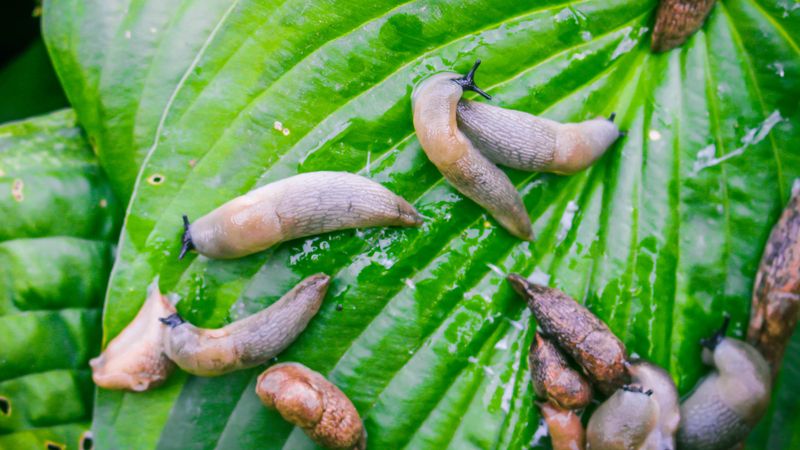
Hostas, with their lush foliage and shade-loving nature, are attractive not only to humans but also to slugs and snails. These mollusks find hostas’ tender leaves irresistible, especially in moist environments. While marketed for their ease and adaptability to shade, the challenge lies in managing these persistent garden guests. Originating from Northeast Asia, hostas’ appeal is matched by their vulnerability. Their role as shade garden staples demands vigilance and creative pest management strategies to keep their beauty intact.
10. Grapevines Require Years to Bear Fruit
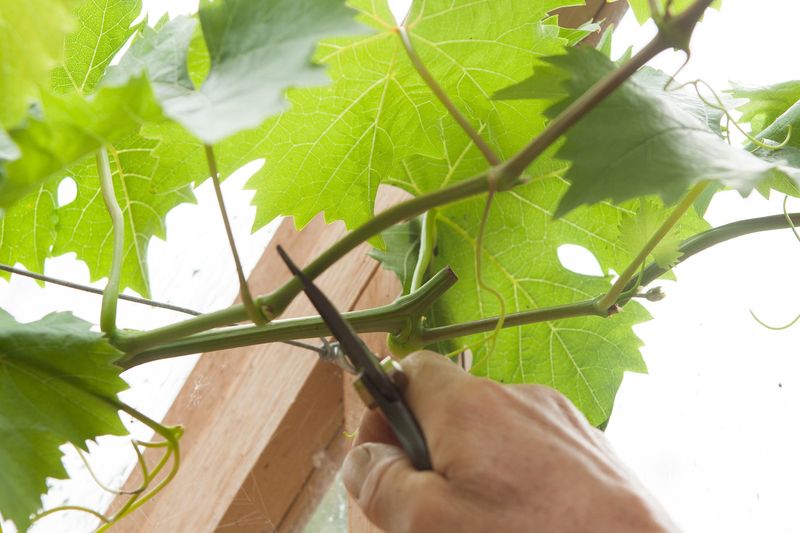
Grapevines, with their romantic allure and promise of bountiful harvests, require patience and effort. Though their lush appearance in nurseries captivates many, it takes years before they produce a worthwhile yield. Pruning and training are essential to guide their growth towards fruitful success. These vines, rich in Mediterranean history, demand commitment and can test the patience of even the most dedicated gardeners. Despite the wait, the reward is sweet and abundant, turning perseverance into a vineyard’s most crucial component.
11. Bamboo Is Almost Impossible to Remove
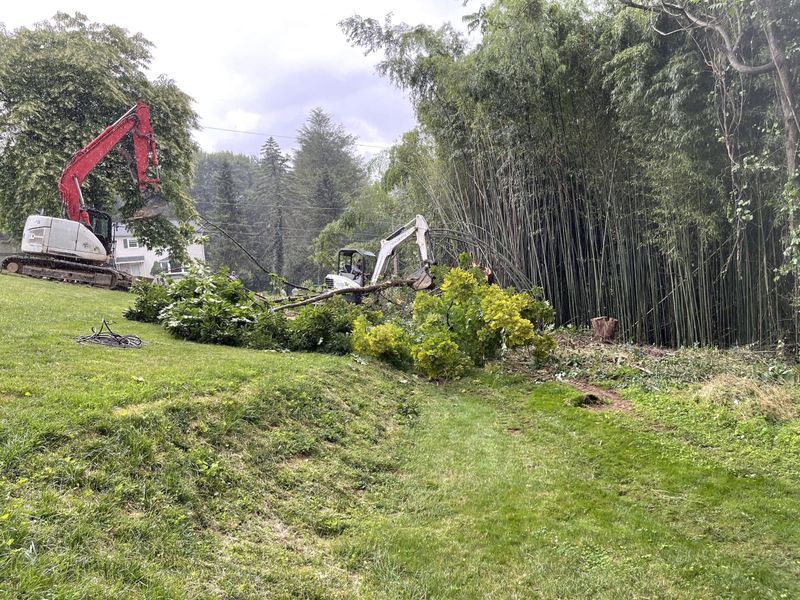
Bamboo, often sought for its privacy and exotic flair, can become a gardener’s nightmare. Running varieties spread aggressively through underground rhizomes, making eradication nearly impossible once established. While its fast growth and towering presence are appealing, controlling its spread requires relentless effort. Originating in Asia, bamboo’s adaptability is both its strength and a challenge for containment. For those enamored by its elegance, understanding its nature is critical to prevent unmanageable invasions that can overwhelm garden landscapes.
12. Marigolds Aren’t a Miracle Pest Deterrent

Marigolds, cherished for their vibrant hue and reputed pest-repelling abilities, aren’t the panacea many believe. While their distinct scent does deter some insects, it doesn’t offer complete protection against garden pests. The notion of them as an all-in-one organic solution is overstated, and gardeners must employ additional strategies to safeguard their plants. Native to Central and South America, marigolds’ role in pest management is supportive rather than standalone. Their limitations highlight the need for a comprehensive approach to garden health.
13. Peonies Hate Being Moved
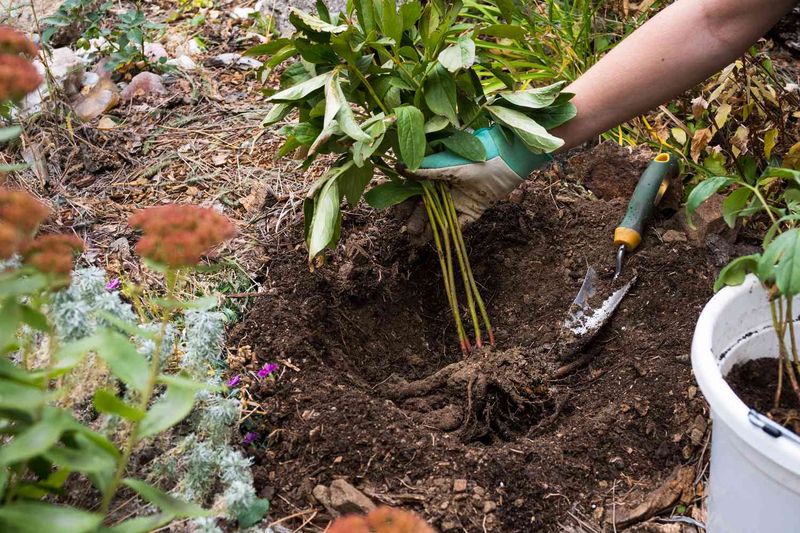
Peonies, celebrated for their enduring beauty, hold a secret disdain for relocation. Transplanting these perennials often leads to years of bloomless growth, as they resent disruption and take time to re-establish. Gardeners are drawn to their lush, fragrant flowers, yet must commit to their chosen location. Hailing from Europe and Asia, peonies’ sensitivity to movement underscores their preference for stability. Their longevity is a testament to patience, with their full potential unlocked only through minimal interference and careful site selection.