 Complete Gardening

Gardening is more than just a hobby; it’s a therapeutic activity that offers numerous mental health benefits, especially for seniors. It encourages physical movement, stimulates the mind, and provides a sense of purpose.
In this article, we explore 13 surprising ways gardening can enhance brain health in seniors, making it an ideal pastime for those looking to maintain cognitive function and mental well-being.
1. Stress Reduction
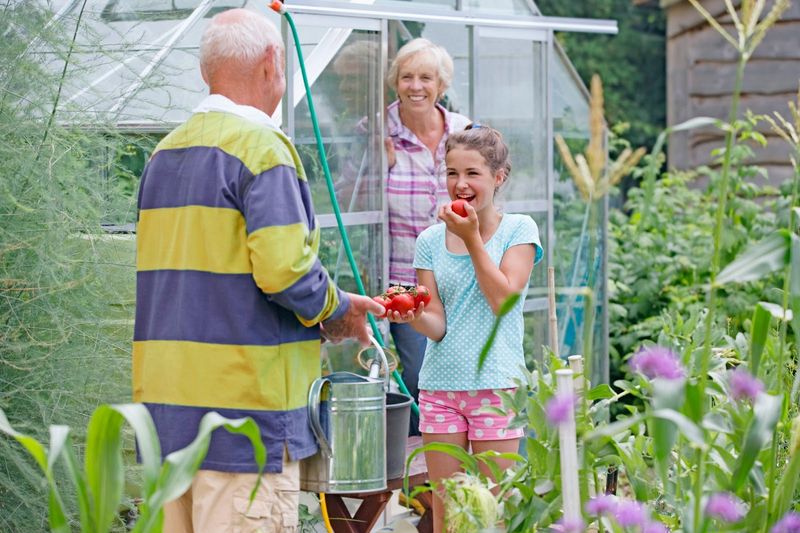
Gardening offers a peaceful retreat from the stresses of daily life, allowing seniors to immerse themselves in nature’s tranquility. This calming activity helps reduce stress levels by promoting mindfulness and relaxation.
Spending time in a garden has been shown to lower cortisol levels, which are often elevated during stress. Seniors find solace as they focus on the rhythmic tasks of planting, watering, and pruning.
These repetitive actions act as a form of meditation, quieting the mind and providing a break from worries, ultimately enhancing brain health by reducing anxiety.
2. Physical Exercise
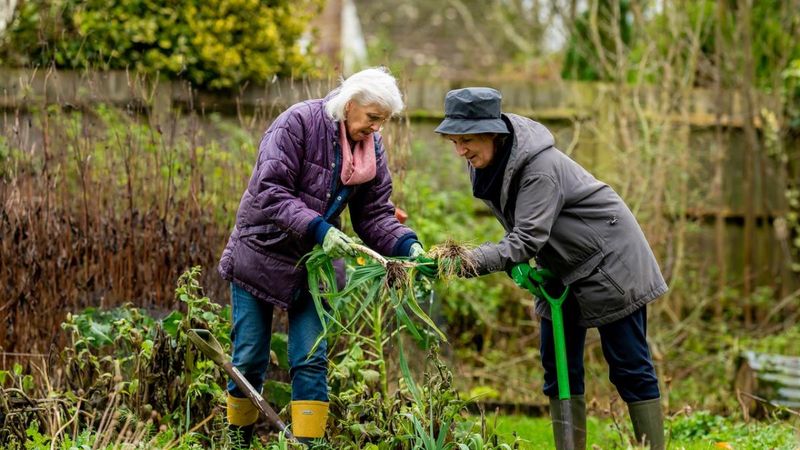
Gardening is a gentle yet effective form of physical exercise, crucial for maintaining brain health. Activities like digging, planting, and weeding provide cardiovascular benefits and improve overall strength.
Physical activity increases blood flow to the brain, enhancing cognitive function and reducing the risk of neurological disorders. For seniors, this means better memory retention and increased mental clarity.
Engaging in regular gardening tasks keeps the body active and the mind sharp, offering a holistic approach to wellness that integrates both physical and mental health.
3. Cognitive Stimulation
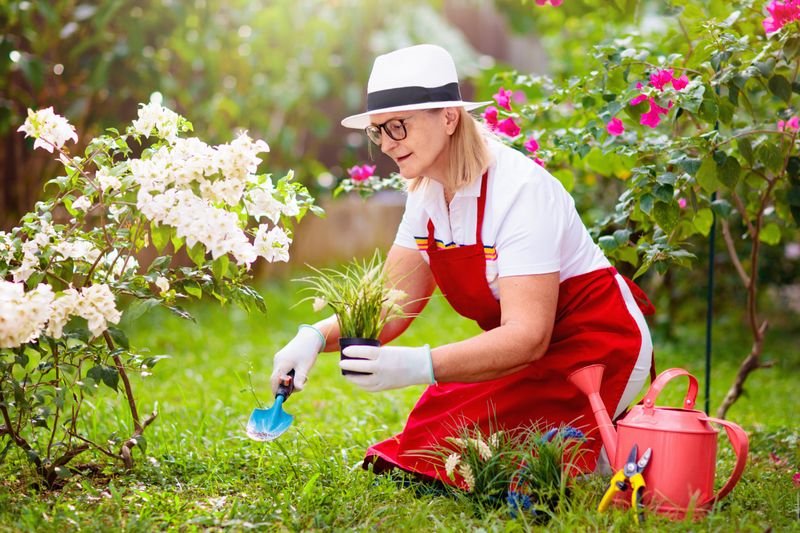
Gardening involves planning, problem-solving, and decision-making, all of which stimulate cognitive function. Seniors engage their minds by choosing which plants to grow, deciding on layouts, and managing resources.
This mental workout strengthens neural connections and enhances brain plasticity, crucial for maintaining mental acuity. Additionally, learning about new plant varieties and gardening techniques keeps the brain engaged and challenged.
These activities not only prevent cognitive decline but also offer a sense of accomplishment, boosting self-esteem and encouraging continuous learning.
4. Social Interaction
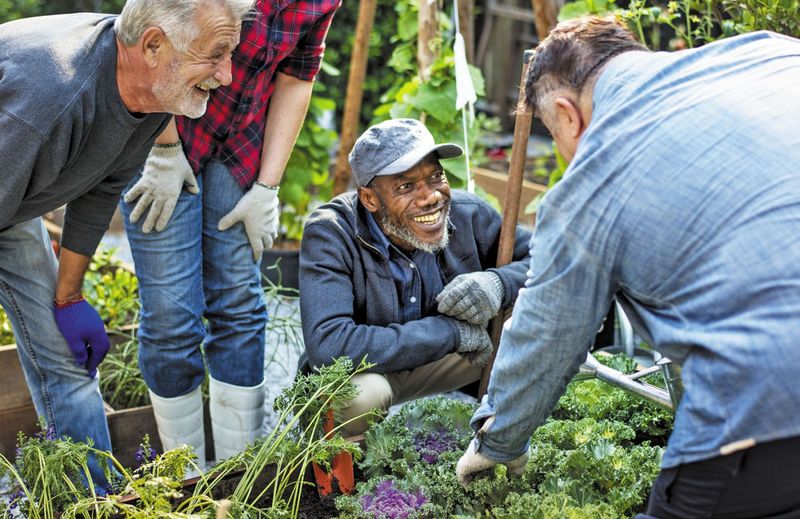
Gardening can be a social activity, especially in community gardens where seniors work together, fostering social bonds. These interactions enhance communication skills and provide emotional support, essential for maintaining mental health.
Regular socializing through gardening reduces feelings of loneliness and depression, as seniors share tips and successes with peers. This sense of community and belonging is vital for emotional well-being.
Moreover, collaborative gardening projects offer opportunities for teamwork, encouraging seniors to engage in meaningful conversations and activities with others.
5. Vitamin D Exposure
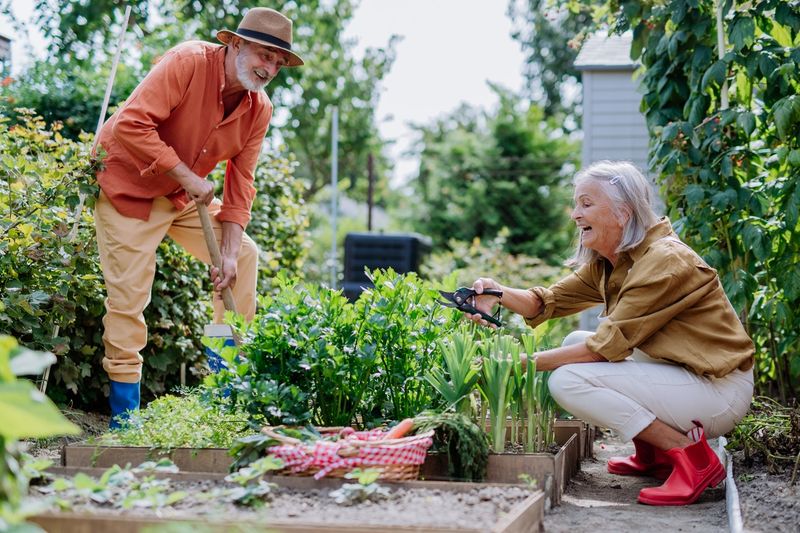
Gardening ensures ample exposure to sunlight, leading to increased Vitamin D production in the body. This vitamin is essential for brain health, influencing mood regulation and cognitive function.
Regular sunlight exposure while gardening helps elevate serotonin levels, enhancing mood and reducing symptoms of depression. For seniors, this natural boost in Vitamin D contributes to better sleep patterns and overall mental well-being.
Embracing outdoor gardening activities not only nurtures plants but also nurtures a healthier, happier brain by promoting essential vitamin synthesis.
6. Connection with Nature
Gardening fosters a deep connection with nature, providing a therapeutic escape and enhancing mental clarity. This immersion in natural surroundings reduces mental fatigue and restores cognitive energy.
For seniors, being amongst plants and wildlife promotes a sense of peace and mindfulness, vital for maintaining brain health. The rhythmic sounds of nature, like rustling leaves and bird songs, contribute to relaxation and stress relief.
Such experiences in the garden create a nurturing environment that supports mental rejuvenation and emotional balance.
7. Sensory Engagement
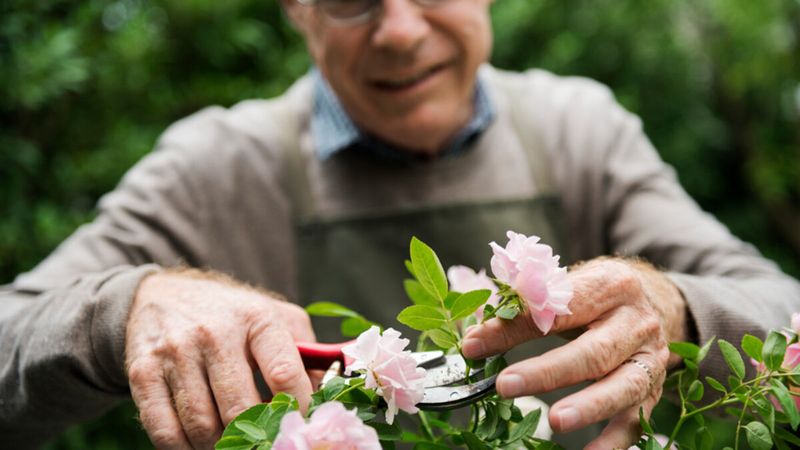
Gardening involves engaging all the senses – sight, smell, touch, and even taste – creating a rich sensory experience. This multisensory engagement enhances cognitive abilities by stimulating different brain areas.
For seniors, touching the soil, smelling fragrant flowers, and observing vibrant colors invigorate sensory pathways, boosting memory and attention.
Additionally, these sensory activities foster creativity and imagination, encouraging the brain to form new connections. Engaging the senses in such a manner provides a fulfilling and mentally stimulating gardening experience.
8. Memory Enhancement
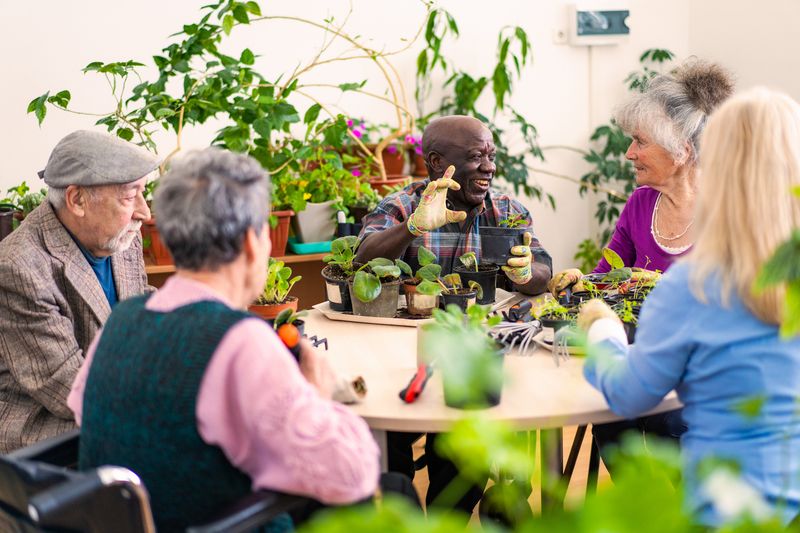
Gardening activities, such as remembering plant names, schedules, and care requirements, serve as excellent memory exercises. For seniors, these tasks enhance recall ability and mental organization.
Regularly practicing these memory exercises strengthens cognitive pathways, helping to prevent memory-related decline. The repetitive nature of gardening routines further reinforces these skills, keeping the mind agile.
Seniors find joy and satisfaction as they witness their efforts blossoming, reinforcing positive memories and encouraging continuous mental engagement.
9. Healthy Eating

Growing their own fruits and vegetables encourages seniors to adopt a healthier diet, rich in essential nutrients beneficial for brain health. Consuming fresh produce supports cognitive function and reduces the risk of age-related diseases.
The act of cultivating and harvesting provides a sense of accomplishment, while the nutritional benefits promote overall mental well-being.
Seniors who engage in gardening enjoy the dual benefits of physical activity and nutritious food, which together contribute to a sharper mind and healthier lifestyle.
10. Creativity Boost

Gardening is a creative pursuit that allows seniors to express themselves artistically through plant arrangements and garden design. This creative expression stimulates the brain’s right hemisphere, promoting problem-solving and innovation.
Engaging in creative activities enhances cognitive flexibility and encourages new perspectives, essential for maintaining mental agility.
By experimenting with colors, textures, and arrangements, seniors tap into their creativity, which not only boosts brain health but also provides personal satisfaction and joy in their gardening endeavors.
11. Mindfulness Practice

Gardening encourages mindfulness by focusing attention on the present moment, enhancing awareness and mental clarity. This practice helps seniors manage stress and improve emotional regulation.
Through mindfulness, seniors learn to appreciate the process of gardening, from planting seeds to nurturing growth, fostering gratitude and contentment.
This mindful approach to gardening supports cognitive health by reducing distractions and promoting a calm, focused mind. It is a gentle reminder of the beauty in simplicity and the benefits of living in the present.
12. Sense of Achievement
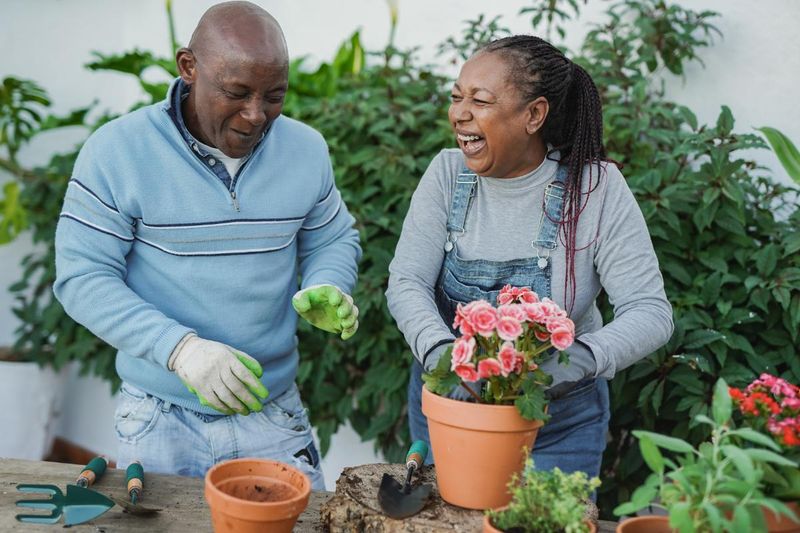
Completing gardening tasks offers seniors a profound sense of achievement, boosting self-esteem and confidence. Watching plants grow and flourish under their care provides tangible proof of their efforts.
This sense of accomplishment enhances motivation and encourages further engagement in gardening activities. It supports emotional wellness by fostering a positive self-image and reducing feelings of inadequacy.
For seniors, the rewards of gardening extend beyond the physical and mental benefits, offering a deep sense of purpose and fulfillment in their daily lives.
13. Routine Establishment
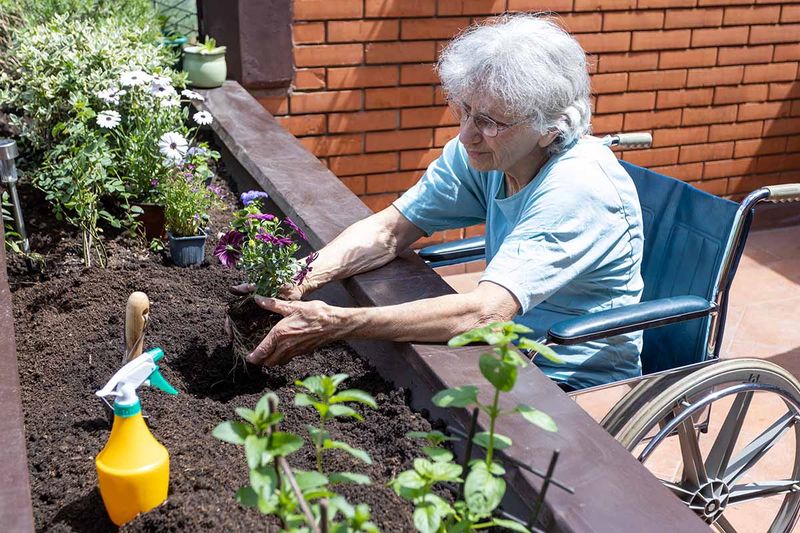
Gardening encourages the establishment of routines, which are beneficial for mental health. For seniors, these routines provide structure and a sense of control over their environment.
Regular gardening activities like watering, weeding, and pruning offer predictable patterns that reduce anxiety and improve time management skills.
The consistency of a gardening routine promotes mental clarity and focus, helping seniors feel grounded and purposeful. This stability is essential for maintaining cognitive health and emotional balance, offering a comforting and reliable daily activity.