 Complete Gardening
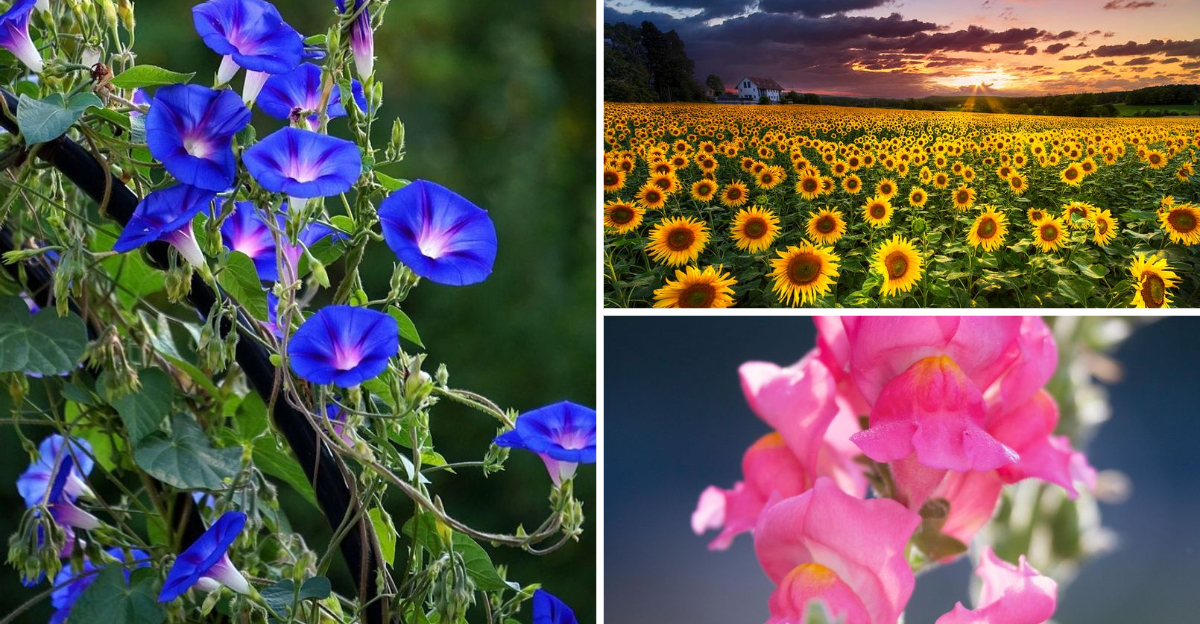
The term “cut-and-come-again” is often misunderstood in the gardening world. While many flowers are known for their ability to bloom repeatedly after being cut, certain varieties defy this expectation. In this post, we’ll explore 14 flowers that, contrary to popular belief, don’t return once snipped. Each flower tells its own story, revealing why it stands apart from its perennial counterparts. For garden enthusiasts looking to understand more about these captivating yet elusive blooms, this list serves as a vital guide to managing expectations and planting choices.
1. Poppies

Poppies, with their delicate petals and vivid colors, often charm gardeners into thinking they will return after cutting. However, these flowers are typically annuals, meaning they only bloom once per season. The vibrant red or orange blossoms are a sight to behold, often associated with remembrance and peace. Despite this, once they’re cut, they rarely make a comeback, leaving gardeners longing for their brief beauty. An interesting fact about poppies is their historical use in medicine, particularly for extracting opium, a practice dating back thousands of years. Their transient nature adds to their mystique.
2. Zinnias
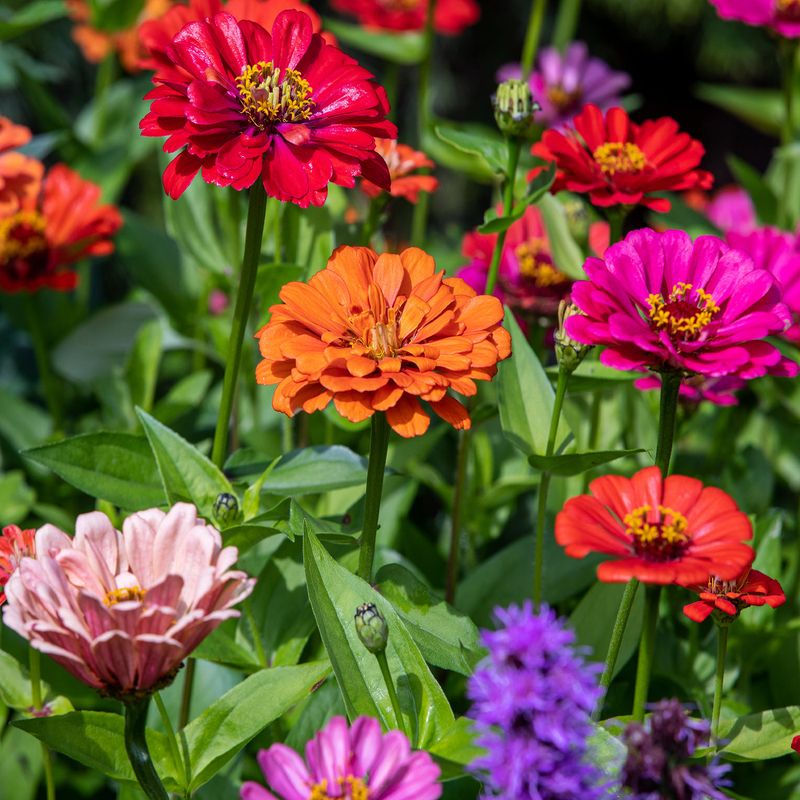
Zinnias are loved for their vibrant and varied colors, making them a favorite in gardens. However, these flowers are also annuals, meaning they complete their life cycle in one season. While they do attract pollinators like butterflies, once cut, they do not regenerate. Gardeners often plant zinnias anew each year to enjoy their cheerful bursts of color. Did you know? Zinnias were one of the first flowers grown in space, demonstrating their adaptability and resilience. Despite their short lifespan, they bring a burst of joy to any landscape.
3. Cosmos
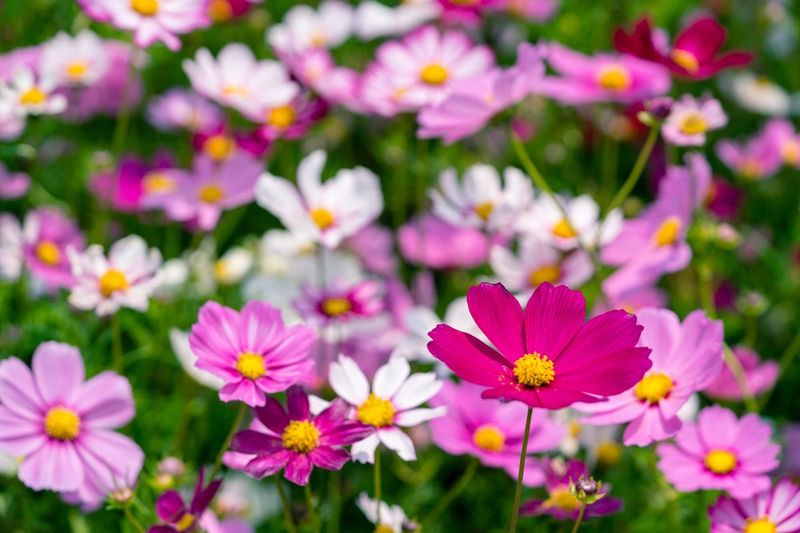
Cosmos, with their tall stems and daisy-like blooms, are often mistaken for perennials. These flowers, however, don’t return once snipped. Known for their ability to thrive in poor soil, cosmos offer a range of colors from white to deep crimson. Their ease of growth makes them popular, but gardeners must replant them each year. Interesting fact: The name “cosmos” is derived from the Greek word for harmony, reflecting the flower’s balanced beauty. Their fleeting presence in a garden is cherished by many, adding a touch of elegance to floral arrangements.
4. Sunflowers
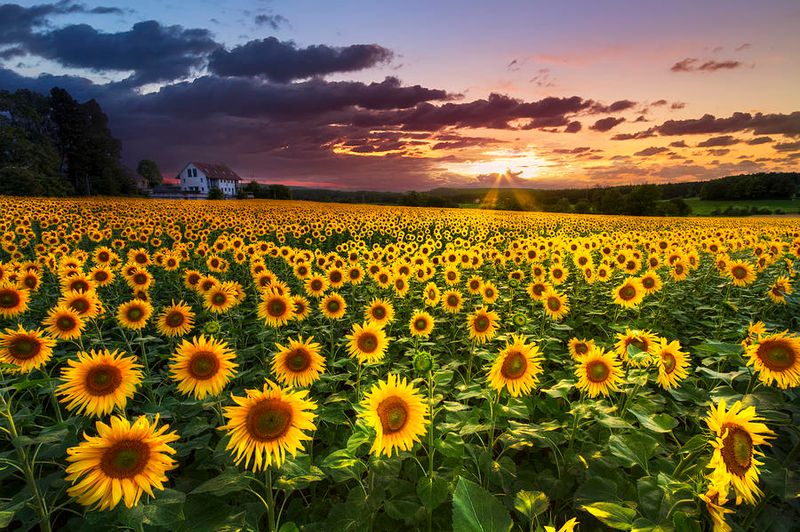
Sunflowers are iconic symbols of summer, known for their towering height and cheerful yellow faces. Despite their robust appearance, they are annuals and do not regrow after cutting. Sunflowers follow the sun with their heliotropic movements, a fascinating trait that captures the imagination. Once harvested, the seeds can be collected for snacks or replanting, but the flowers themselves won’t return. Fun fact: Sunflowers are native to the Americas and were cultivated by Native American tribes for food and oil. Their one-time bloom cycle is a reminder of nature’s fleeting beauty.
5. Marigolds
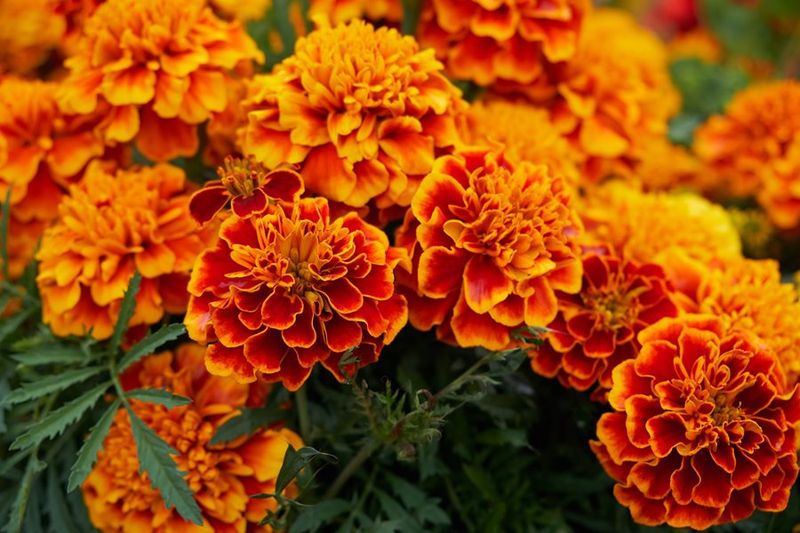
Marigolds are renowned for their pest-repelling properties and vibrant colors, ranging from golden yellow to deep orange. As annuals, these flowers complete their life cycle in a single growing season. Once cut, they do not return, leading gardeners to replant them each year. Marigolds are often used in companion planting to deter pests naturally. Did you know? In Mexico, marigolds are known as “cempasuchil” and are used in Day of the Dead celebrations to honor the deceased. Their bright hues bring warmth and vibrancy to any garden.
6. Snapdragons
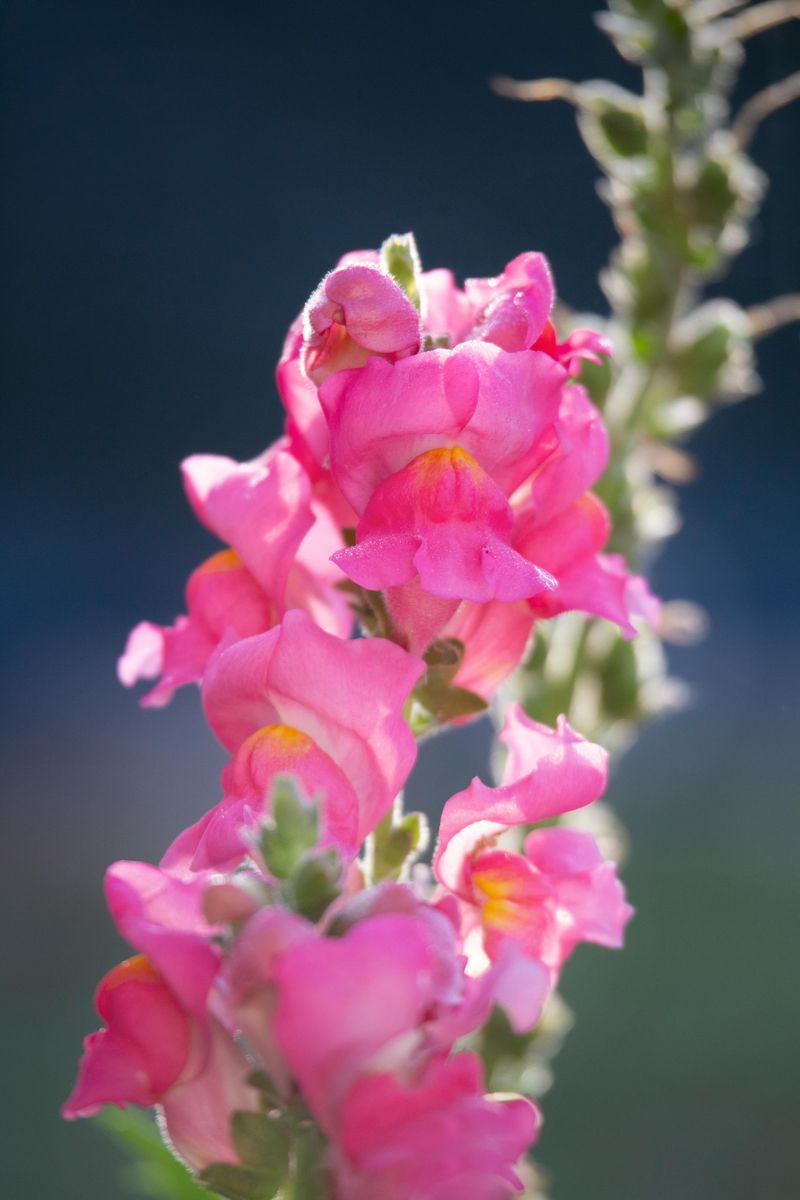
Snapdragons, with their unique dragon-shaped blooms, are a staple in many gardens. These flowers, however, are primarily annuals, not returning once cut. They thrive in cooler weather and are often planted for their striking appearance and range of colors. Despite not regenerating, their vivid presence makes them a favorite for borders and floral displays. Fun fact: The name “snapdragon” comes from the flower’s resemblance to a dragon’s mouth that opens and closes when squeezed. Their playful nature adds a whimsical touch to garden landscapes.
7. Petunias
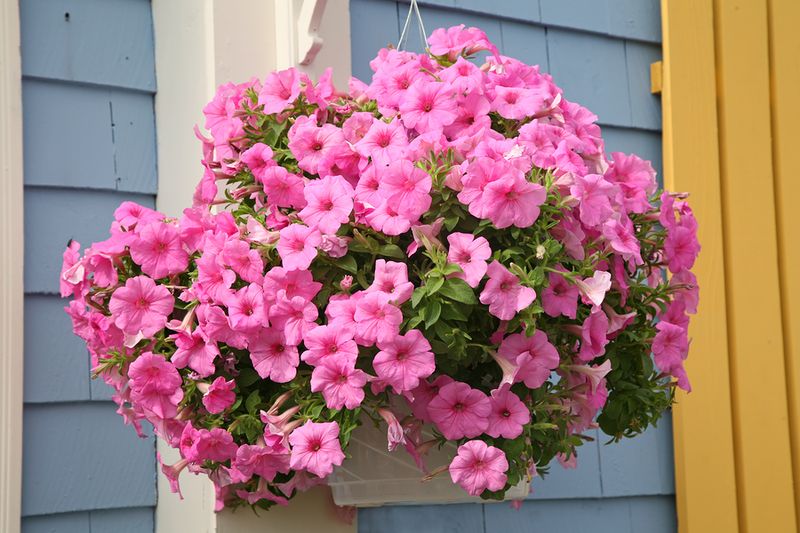
Petunias are beloved for their cascading blooms and vibrant colors, often found in baskets and window boxes. These flowers are annuals, completing their life cycle in one season, and don’t regrow once cut. Known for their ability to bloom continuously throughout summer, petunias require replanting each year. Did you know? Petunias are native to South America and thrive in well-drained soil with plenty of sunlight. Their presence adds a splash of color to any setting, though gardeners must plan for their annual replacements.
8. Impatiens
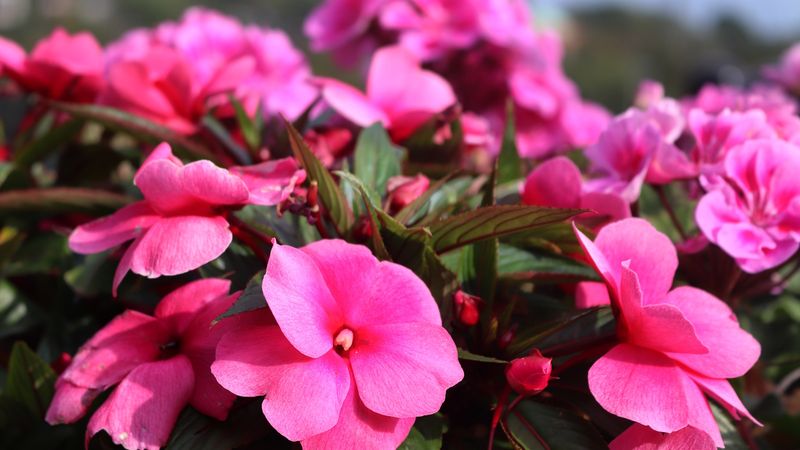
Impatiens are a go-to choice for shaded gardens, offering bright bursts of color where sunlight is limited. These annuals, however, don’t come back after being cut. Their ability to thrive in the shade makes them popular, yet gardeners must replant them each year. Impatiens are often used in mass plantings for their impressive display. Interesting fact: The name “impatiens” refers to the plant’s seed pods, which burst open when ripe. Their vivid presence brings life to shadowy corners, offering a vibrant contrast to leafy greens.
9. Morning Glories
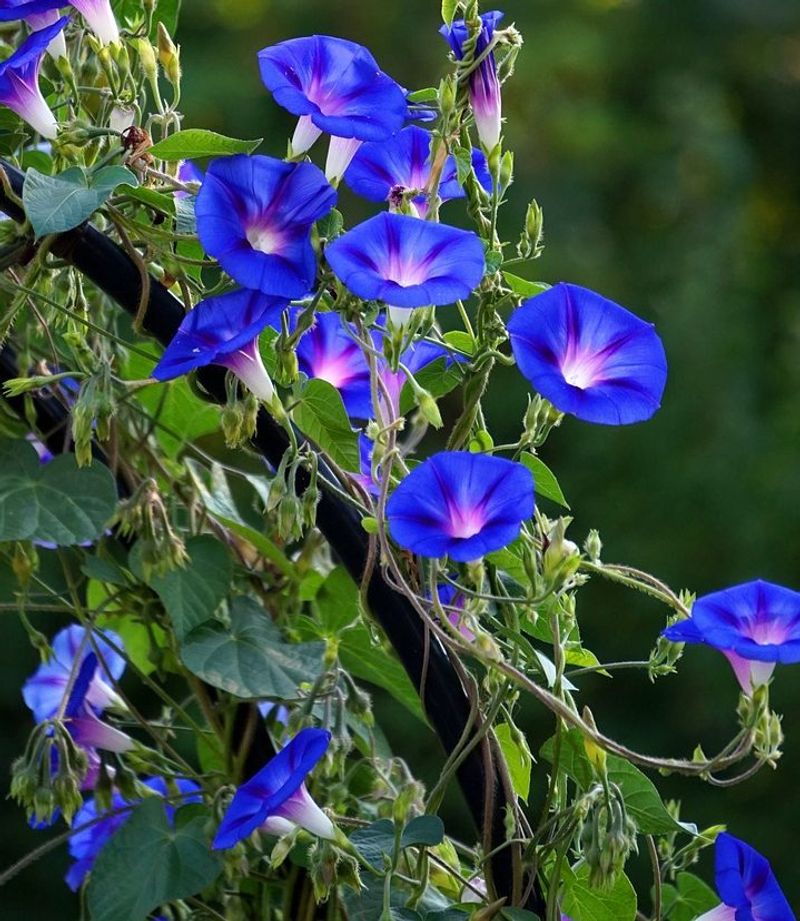
Morning glories captivate with their vibrant, trumpet-shaped blooms that open with the morning sun. As annuals, they do not regrow once cut. These flowers are known for their rapid growth and ability to climb, making them perfect for trellises and fences. Gardeners enjoy their range of colors, from deep blue to soft pinks. Did you know? Morning glories have been used in traditional medicine for their laxative properties. Their ephemeral nature, blooming for just one day, adds a mystical charm to any garden.
10. Nigella
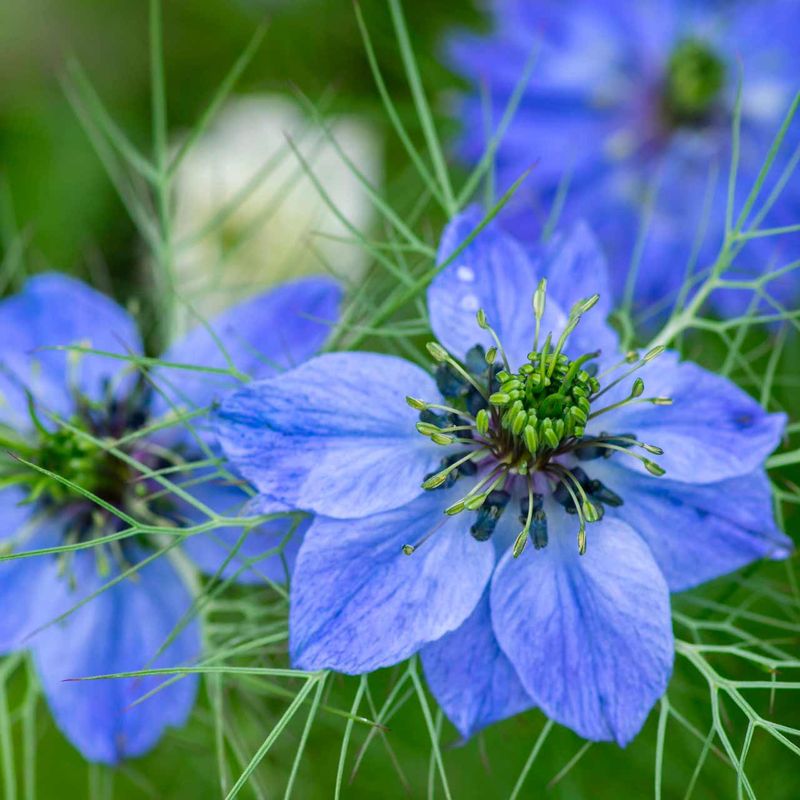
Nigella, often called “Love-in-a-Mist,” is cherished for its delicate, lacy foliage and charming blossoms. These annuals don’t come back once cut, enchanting gardeners with their unique appearance for just one season. The flowers vary in color, including shades of blue, white, and pink. Nigella is known for its seed pods, which add interest to dried flower arrangements. Fun fact: The seeds of nigella are often used as a spice in cooking, known as black cumin or kalonji. Their fleeting beauty is a delightful addition to any garden.
11. Dahlias
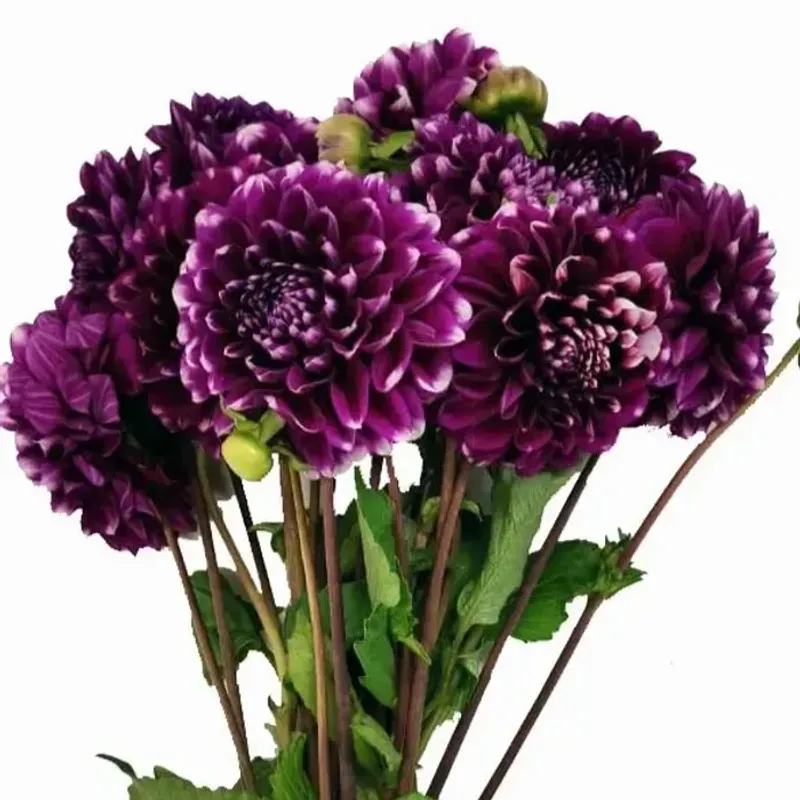
Dahlias are celebrated for their stunning, multi-layered blooms in a wide array of colors and sizes. These tuberous plants, often grown as annuals, don’t return after being cut unless stored properly over winter. Gardeners prize dahlias for their dramatic presence and versatility in floral arrangements. Did you know? Dahlias are native to Mexico and were once used by the Aztecs for food and medicinal purposes. Their intricate petal formations captivate the eye, making them a sought-after choice for cutting gardens.
12. Calendulas
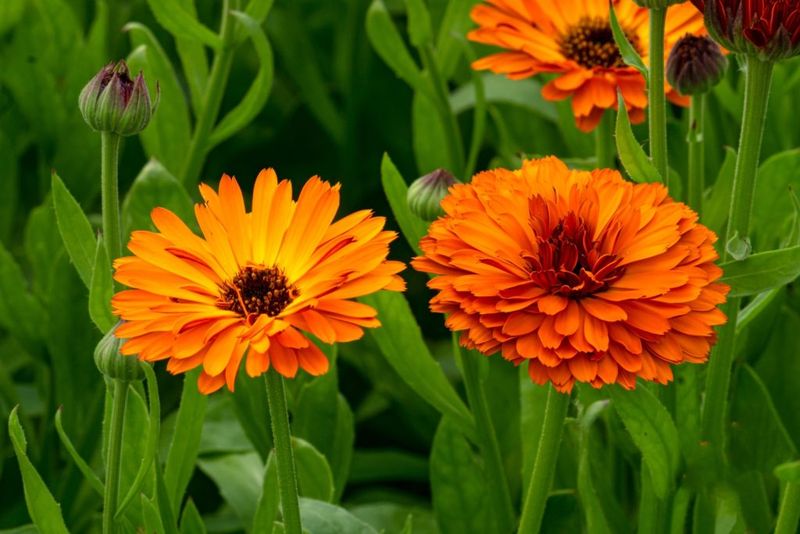
Calendulas, also known as “pot marigolds,” brighten gardens with their sunny yellow and orange blooms. These flowers, often grown as annuals, do not regenerate once cut. Known for their medicinal properties, calendulas are used in creams and teas for their soothing benefits. Gardeners appreciate their ability to attract pollinators and deter pests naturally. Fun fact: Calendula petals are edible and can be used to add color to salads and dishes. Their vibrant presence adds cheer to any garden setting, though they require annual replanting.
13. Balsam
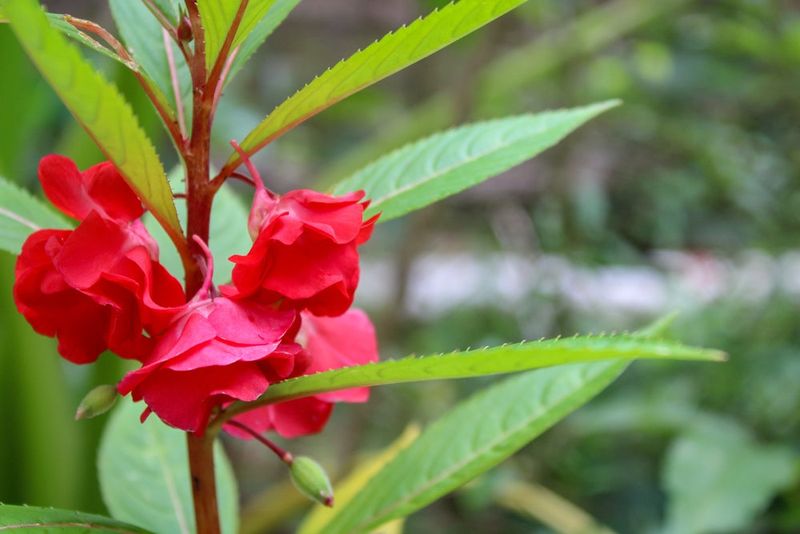
Balsam flowers are known for their charming, rose-like blossoms and ability to thrive in moist conditions. As annuals, they don’t regrow once cut, requiring replanting each season. Balsam is appreciated for its ability to add color to shaded or damp areas. Did you know? Balsam was once popular in Victorian gardens and is closely related to the garden impatiens. Their subtle fragrance and lush blooms create a serene atmosphere in any garden, offering a splash of color where it’s most needed.
14. Four O’Clocks
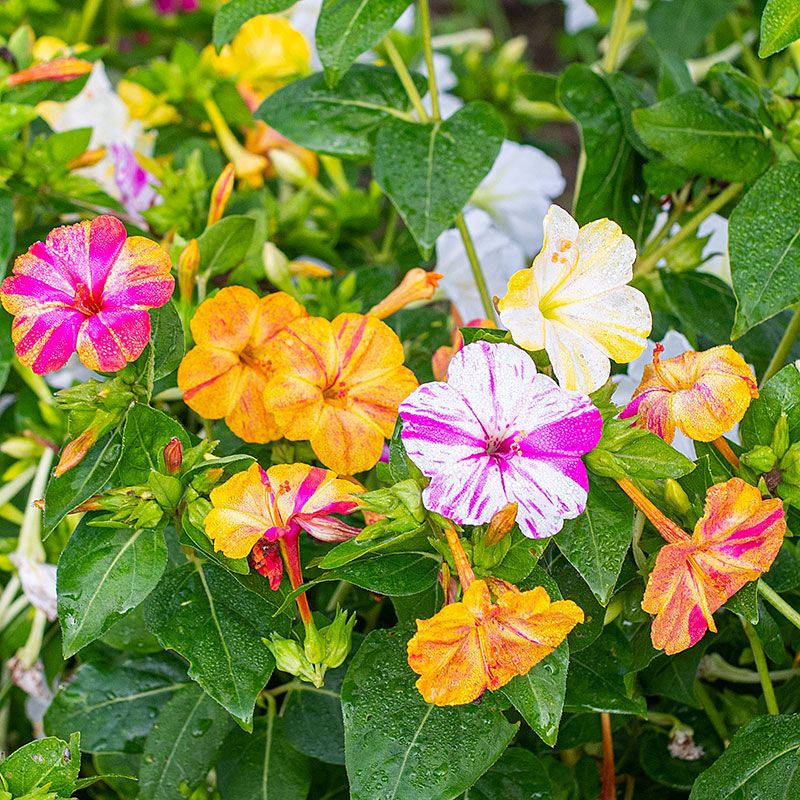
Four o’clocks are unique for their ability to bloom in the late afternoon, showcasing a variety of colors. These annuals do not return once cut, enchanting with their evening display. Known for attracting hummingbirds and moths, they add life to any garden at dusk. Fun fact: Four o’clocks were named for their unusual blooming time, and their scientific name, Mirabilis jalapa, means “wonderful” in Latin. Their enchanting presence creates a magical feel in gardens, though gardeners must replant them annually for continued enjoyment.