 Complete Gardening
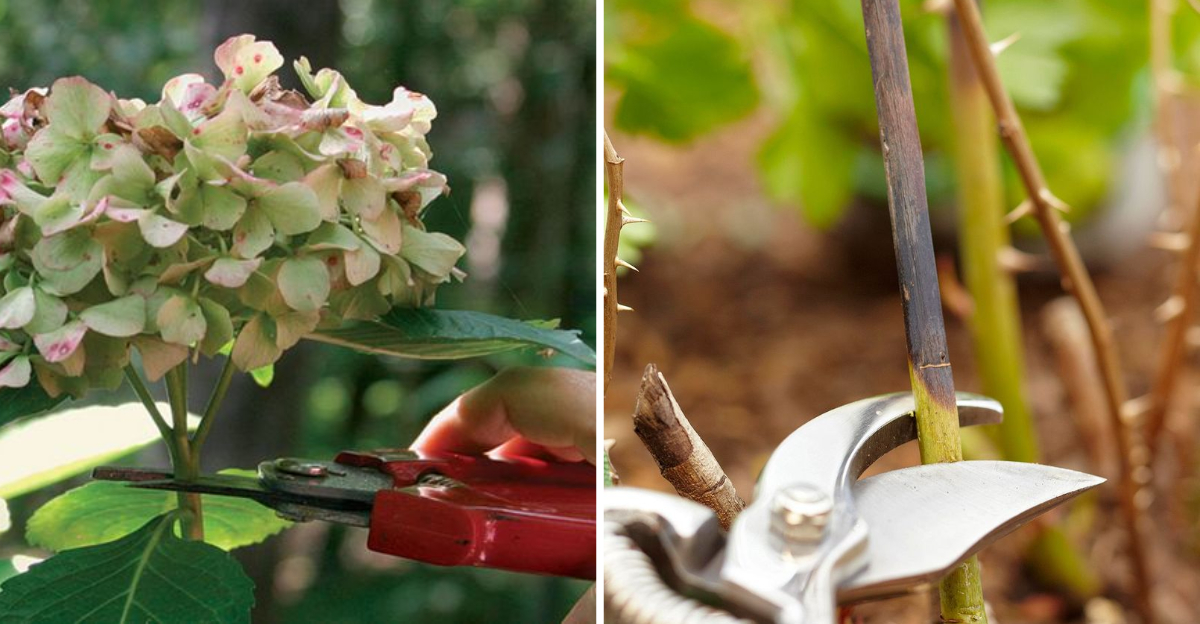
July marks a crucial time for gardeners to take stock of their green spaces. Proper pruning can lead to healthier growth and more vibrant blooms. However, not all plants should be cut back just yet. Explore this guide to know which shrubs and flowers need attention before the month ends and which ones can wait for a later time.
1. Hydrangeas
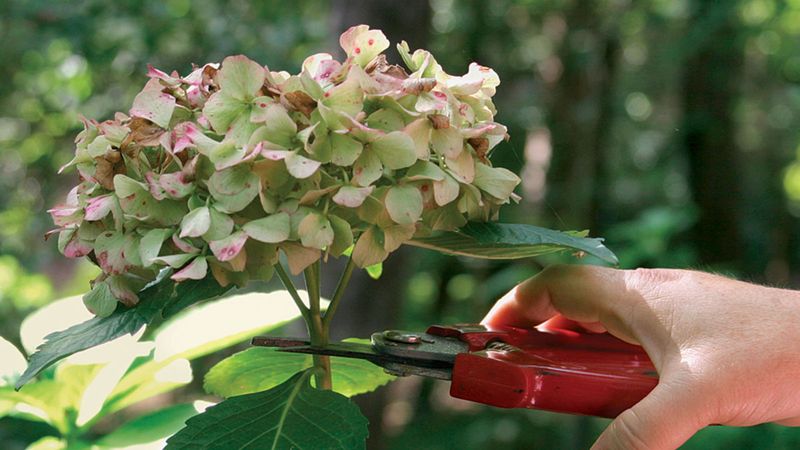
Hydrangeas, with their abundant blooms, offer a delight to the garden landscape. By the end of July, they may start to fade, making it prime time for pruning. This encourages robust growth for the next blooming cycle.
Be sure to cut back only the spent flowers and dead wood. This helps the plant focus energy on new, healthy growth.
Did you know? The color of hydrangea blooms can change based on the soil’s pH level! Whether pink or blue, these flowers brighten up any garden.
2. Roses
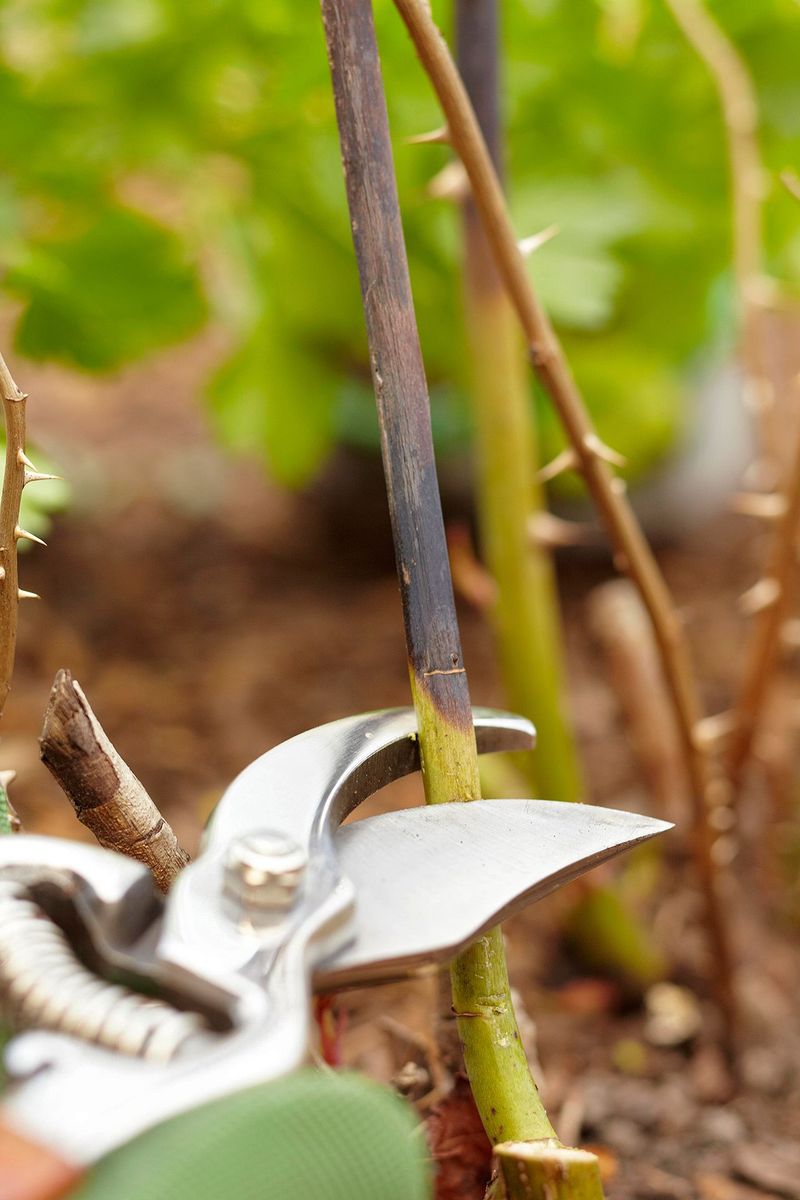
Roses are a gardener’s classic, known for their exquisite beauty. As July ends, consider trimming them to enhance flowering and shape.
Focus on removing faded blooms, which aids in stimulating new growth. Trim carefully to maintain their iconic form.
Roses have been a symbol of love and beauty throughout history. Whether you’re an experienced gardener or a novice, their timeless appeal is undeniable.
3. Lilacs
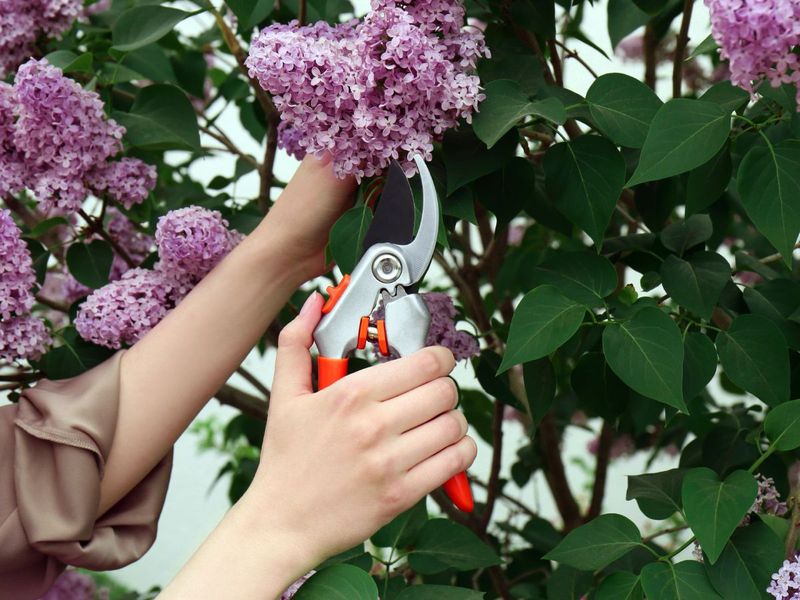
Lilacs fill gardens with an intoxicating fragrance that many adore. Once their bloom fades by mid-summer, it’s time to prune.
Trim away any dead or weak branches to promote healthy growth and prepare for next year’s display.
Known for their longevity, lilacs can thrive for decades with proper care. They are a testament to enduring beauty and resilience in any garden setting.
4. Forsythia
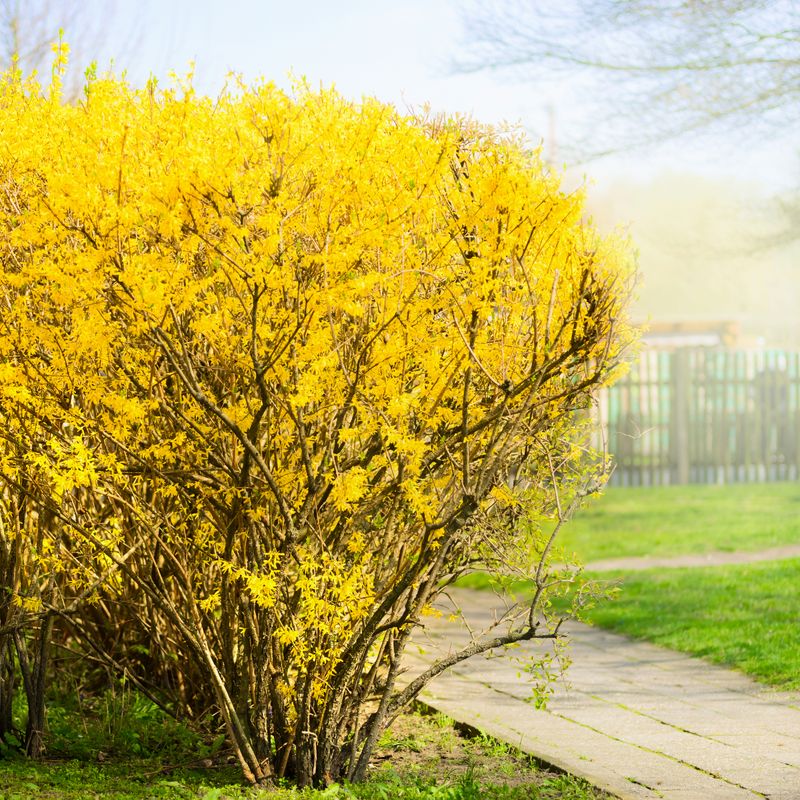
Forsythia’s yellow blooms announce the arrival of spring, but by summer, they need a trim. This helps maintain their shape and encourages vigorous growth.
Prune after the bloom fades to keep them tidy and prevent sprawl.
These cheerful plants are one of the first to flower in spring, making them a beloved choice for many gardeners. Their burst of color is a welcome sight after winter.
5. Lavender
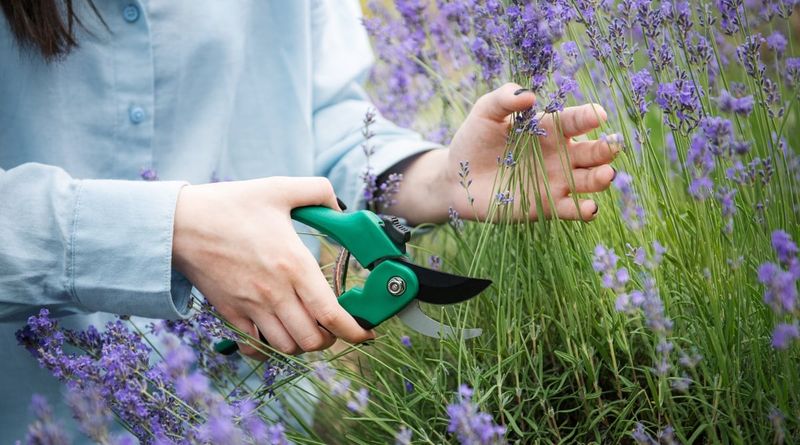
Lavender’s aromatic presence is a staple in gardens worldwide. By late July, a trim ensures continued health and abundant blooms.
Cut back about a third of the plant, focusing on removing dead flowers and unruly growth.
Lavender has been cherished for its soothing scent and versatility. Whether used in sachets or oils, its calming properties are unparalleled. A garden with lavender is always a haven of peace.
6. Butterfly Bush
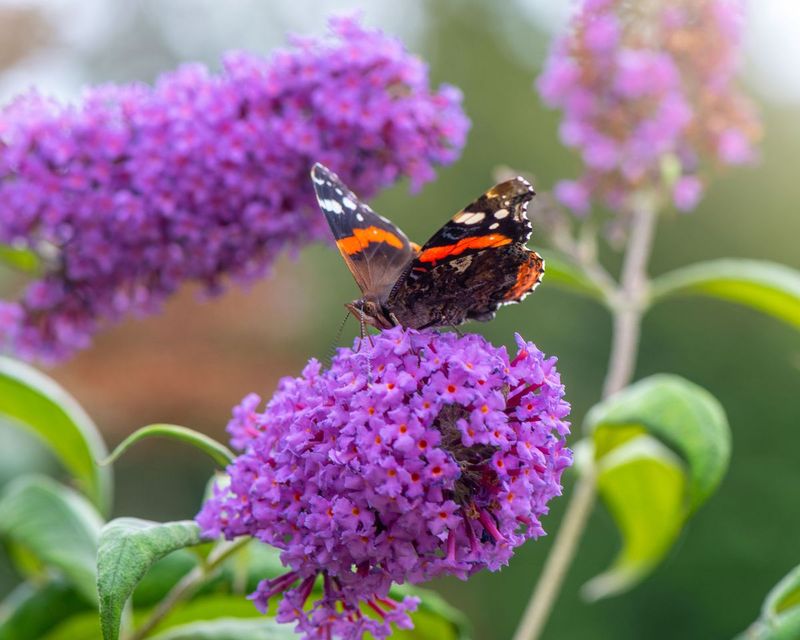
Butterfly bushes are beloved for attracting pollinators like butterflies and bees. As summer progresses, pruning revitalizes their growth.
Trim back spent blooms and any wayward branches. This keeps the plant compact and encourages fresh flowering.
These plants are a magnet for wildlife, offering both beauty and ecological benefits. Their ability to draw in butterflies makes any garden come alive with movement.
7. Crape Myrtle
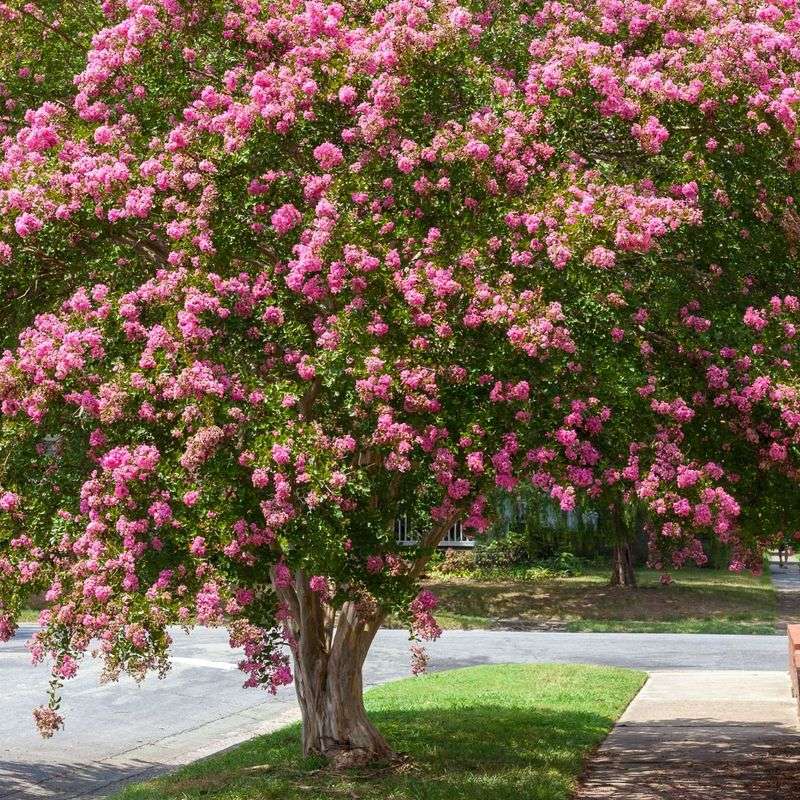
Crape myrtles are known for their stunning, long-lasting blooms. Pruning by July’s end helps maintain their shape and encourages vibrant flowers.
Remove any crowded or crossing branches to promote air circulation.
These trees are a staple in southern landscapes, appreciated for their beauty and adaptability. Their colorful display is a summer highlight in many gardens.
8. Spirea
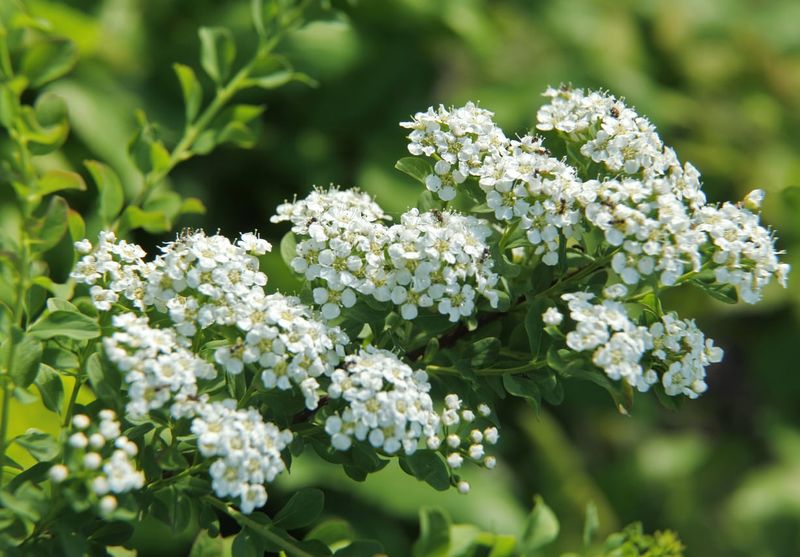
Spirea shrubs are valued for their graceful form and profuse blooms. By late July, they’re ready for a timely cutback.
Focus on removing spent flower heads and any dead wood. This encourages lush growth and more flowers.
Spirea’s delicate beauty makes it a favorite among gardeners. Its versatility and ease of care add to its charm in any setting.
9. Camellias
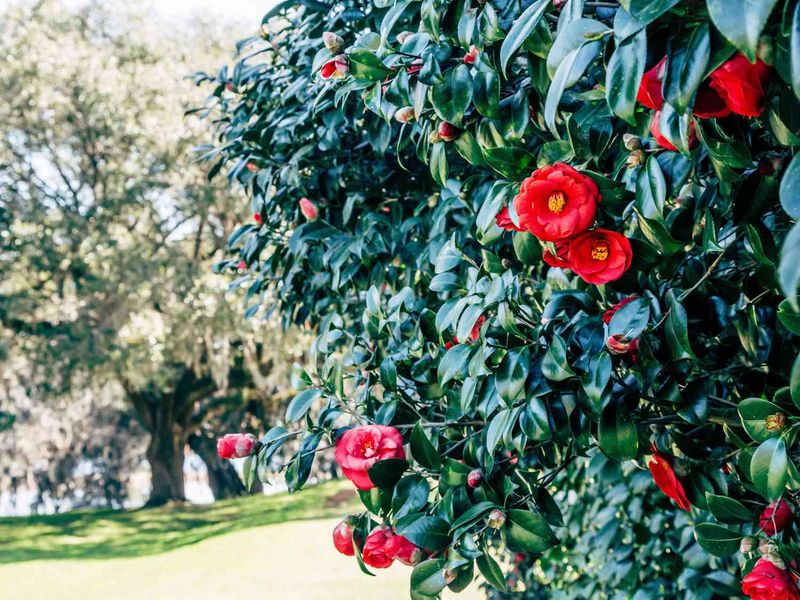
Camellias offer a touch of elegance with their glossy leaves and vibrant blooms. Pruning late in July aids in shaping and growth.
Trim away any damaged or crossed branches to improve structure.
These plants are cherished for their beauty and resilience. Whether in bloom or not, camellias add a sophisticated charm to gardens.
10. Fuchsias
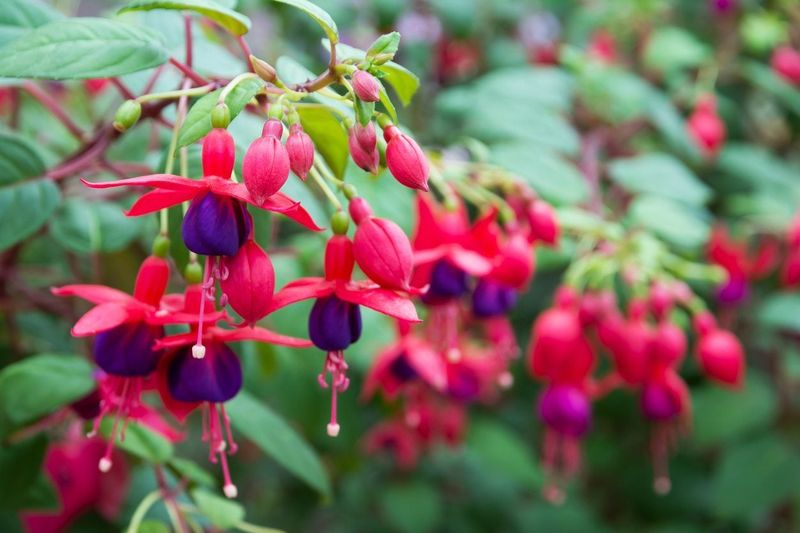
Fuchsias are a vibrant addition to any garden with their distinctive teardrop blossoms. By July’s end, prune to maintain form and encourage blooming.
Focus on cutting back spent flowers and any legginess.
Fuchsias bring a touch of the exotic with their colorful hanging blooms. They’re a delightful choice for adding visual interest and charm to your outdoor space.
11. Azaleas
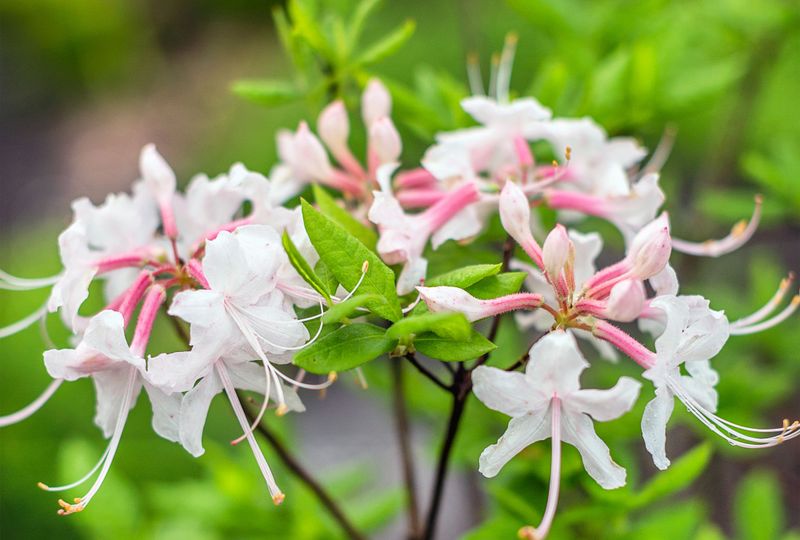
Azaleas, with their vibrant blooms, are a spring garden favorite. Pruning by July ensures they remain healthy and shapely.
Cut back any leggy growth and remove dead flowers to improve vigor.
These plants have a rich cultural history, particularly in Asian gardens. Their bold colors and lush foliage make them a stunning centerpiece.
12. Rhododendrons
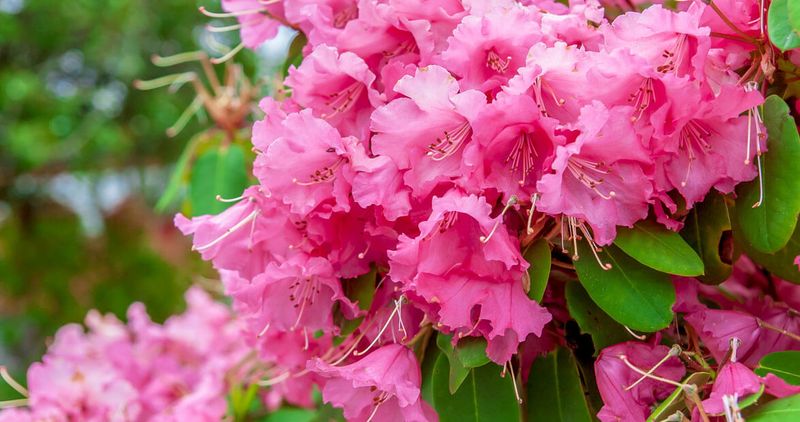
Rhododendrons add grandeur with their large, showy blooms. Pruning at the end of July helps maintain their striking appearance.
Focus on removing spent flowers and any weak growth. This encourages more robust flowering.
These plants are known for their impressive floral displays. A rhododendron in full bloom is truly a sight to behold in any garden.
13. Boxwood
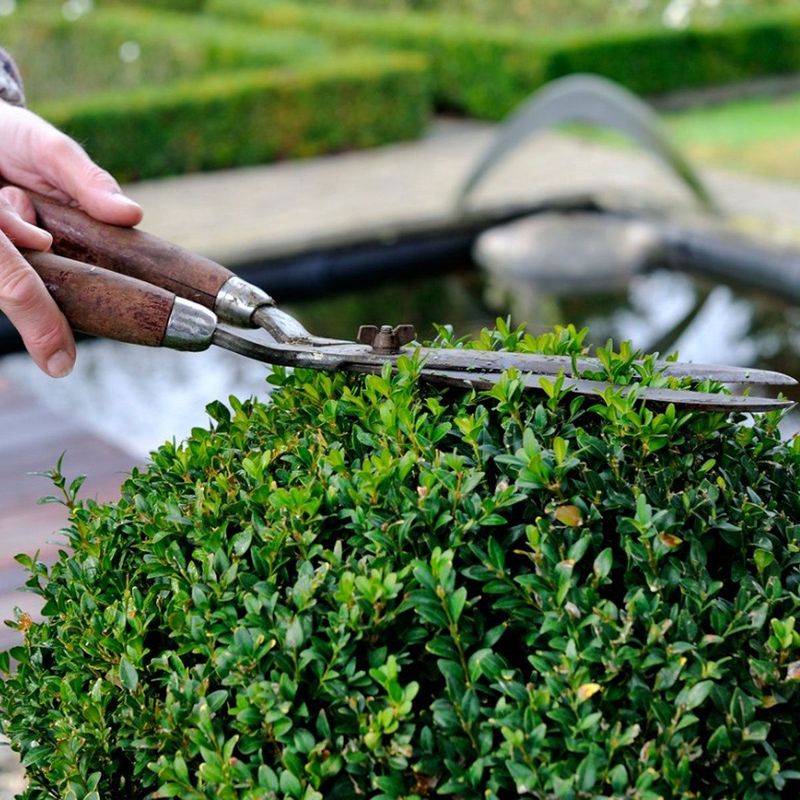
Boxwoods are a staple in formal gardens, offering structure and elegance. Trimming by July’s end keeps them tidy and promotes dense growth.
Prune to maintain shape and remove any dead or diseased branches.
Boxwoods have been used in gardens for centuries, valued for their versatility and classic appeal. They provide a refined backdrop to any planting scheme.
14. Yew
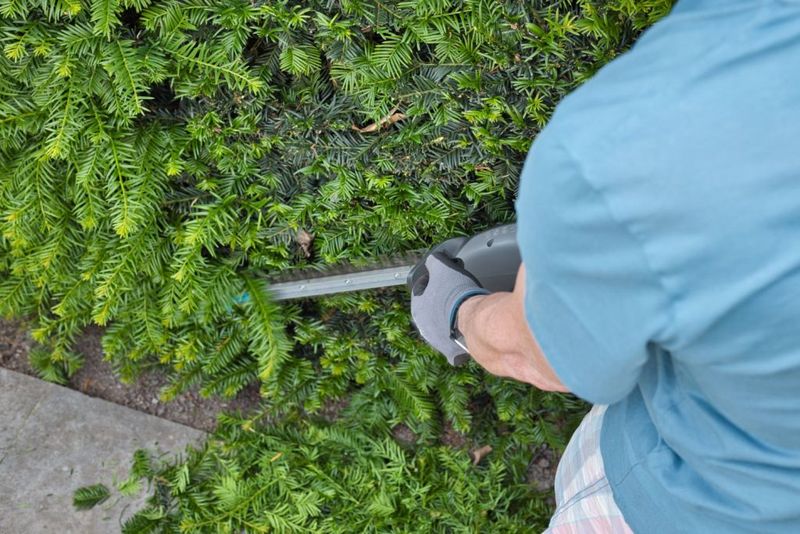
Yews are renowned for their rich, evergreen foliage and adaptability. Pruning by the end of July helps keep them in check and enhances growth.
Trim back overgrown areas and shape to maintain their form.
These plants have been a part of garden landscapes for centuries, appreciated for their long life and hardiness. They add a touch of timeless elegance to gardens.
15. Fruit Trees
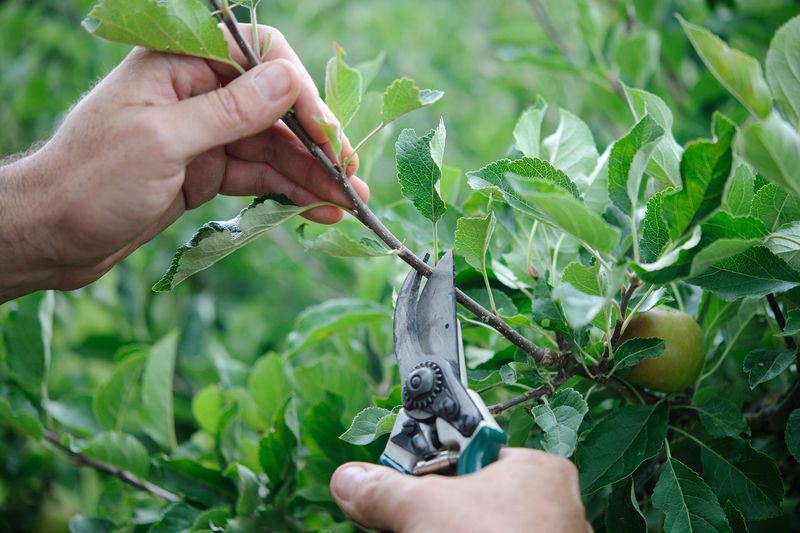
Fruit trees require careful pruning to ensure a bountiful harvest. By July, it’s crucial to remove any dead or diseased wood.
Focus on thinning out crowded branches to allow sunlight and air to penetrate.
These trees not only provide delicious fruit but also add beauty to gardens. A well-pruned fruit tree is a symbol of abundance and care.
16. Hibiscus
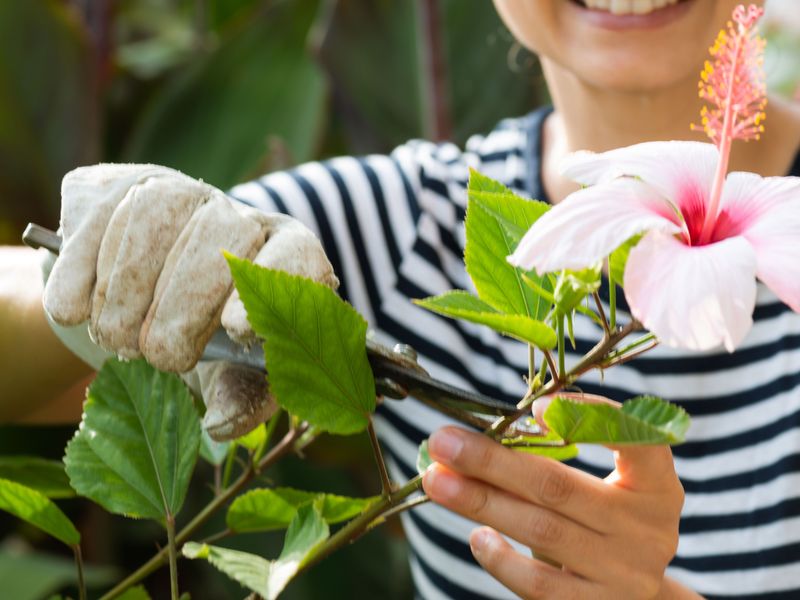
Hibiscus plants bring a tropical feel with their bold, colorful blooms. Pruning by July’s end can encourage fresh growth and more flowers.
Trim back any leggy branches and remove spent blooms.
Hibiscus is cherished for its dramatic presence and exotic appeal. It’s a plant that transforms gardens into tropical paradises.
17. Gardenias
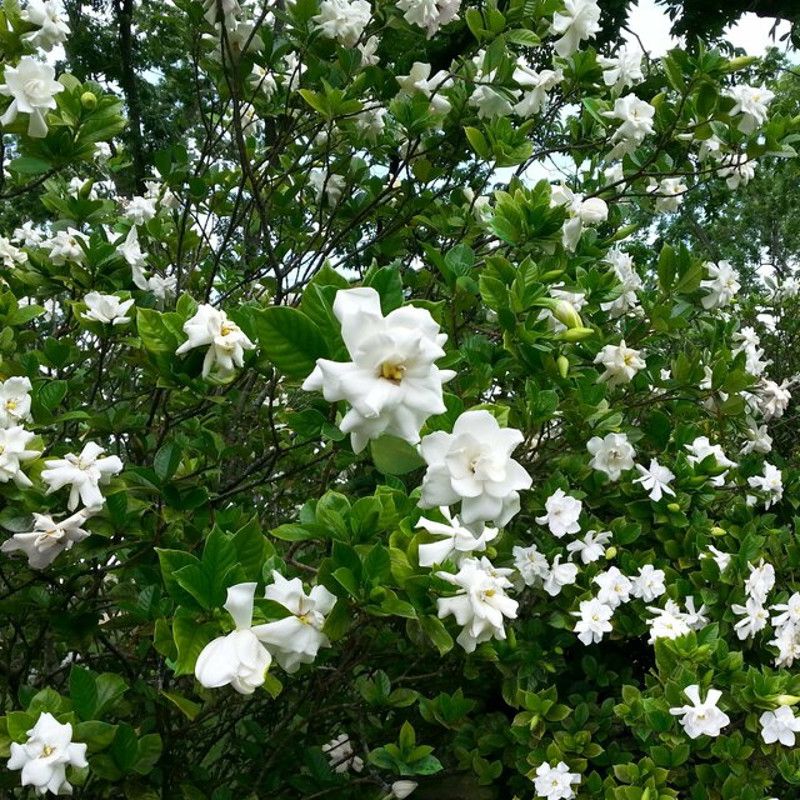
Gardenias offer a heavenly fragrance and elegant blooms. Pruning by late July helps maintain their shape and blooms.
Focus on cutting back spent flowers and any diseased branches.
These plants are a symbol of purity and grace, often used in weddings and special occasions. A garden with gardenias is always a touch more sophisticated.
18. Dahlias
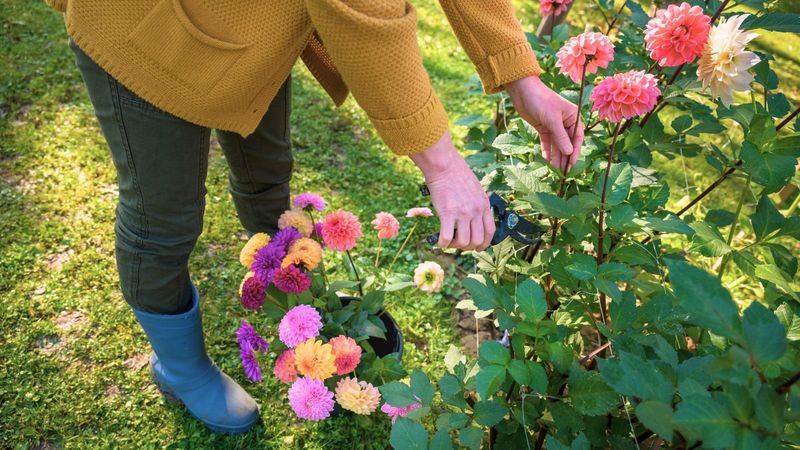
Dahlias captivate with their array of colors and intricate blooms. Pruning towards the end of July can enhance their flowering potential.
Remove any dead or dying flowers and trim back unruly growth.
These flowers are a favorite among gardeners for their dramatic appearance and versatility. They add a splash of color and creativity to any garden setting.
19. Peonies
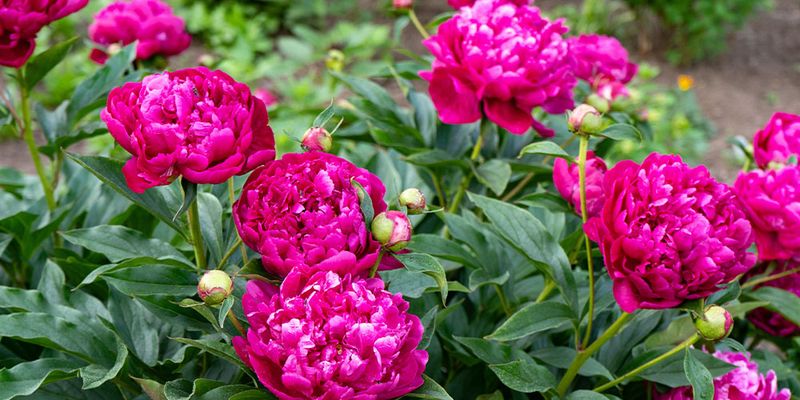
Peonies are adored for their lush, fragrant blooms. While they don’t require much pruning in summer, by July’s end, remove any spent flowers.
This helps the plant conserve energy for next year’s blooms.
Peonies have graced gardens for centuries, admired for their opulent flowers and sweet scent. They’re a timeless choice that never fails to impress.