 Complete Gardening
In the quest for a thriving garden, many gardeners seek plants that can outshine weeds without constant maintenance. Perennials, with their longevity and resilience, can provide the perfect solution. This article explores 15 remarkable perennials that naturally suppress weeds, ensuring your garden remains lush and beautiful.
1. Black-eyed Susan
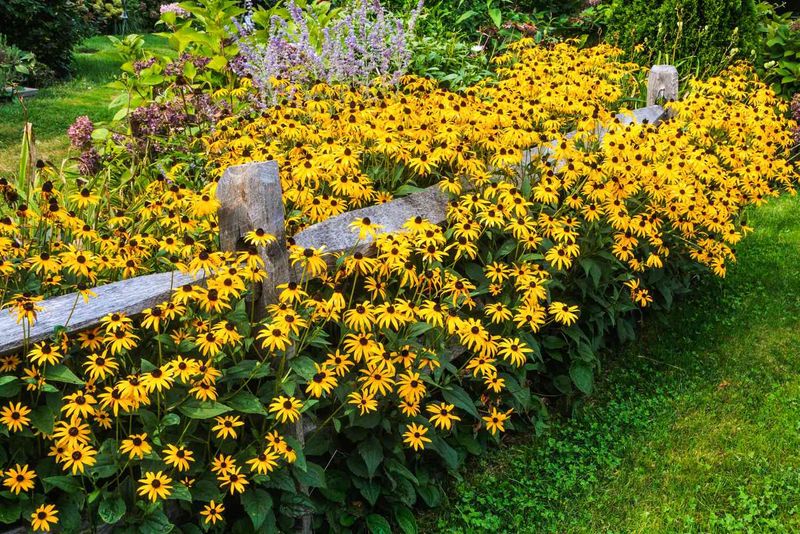
Radiant with golden-yellow petals, Black-eyed Susans are a staple in many gardens. Their ability to spread quickly means they can cover large areas, suppressing weed growth effectively.
These hardy perennials thrive in various soil conditions, making them adaptable and easy to maintain. They bloom from late summer to early autumn, offering a burst of color just when many gardens start to fade.
Loved by butterflies and beneficial insects, they contribute to a biodiverse garden. Their cheerful appearance brings warmth and vibrancy wherever they grow.
2. Daylily
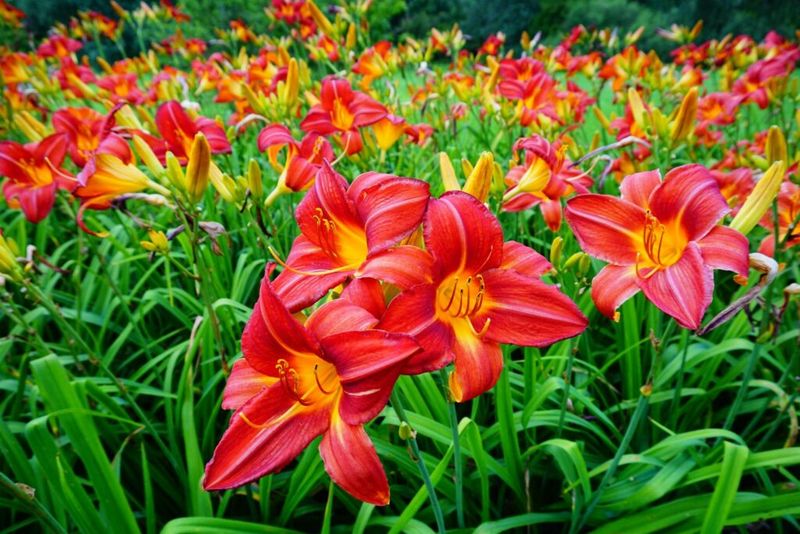
Daylilies, known for their stunning trumpet-like flowers, bring effortless beauty to gardens. Their vigorous growth habit allows them to spread quickly, naturally outcompeting weeds.
With a wide range of colors, from soft pastels to bold oranges, they provide versatility in design. Blooming throughout the summer, they’re a constant source of vibrant color.
These perennials are incredibly resilient, tolerating drought and varying soil types. Once established, they require minimal care, ideal for the hands-off gardener. Their blooms also attract hummingbirds, adding another layer of life to your garden.
3. Hosta
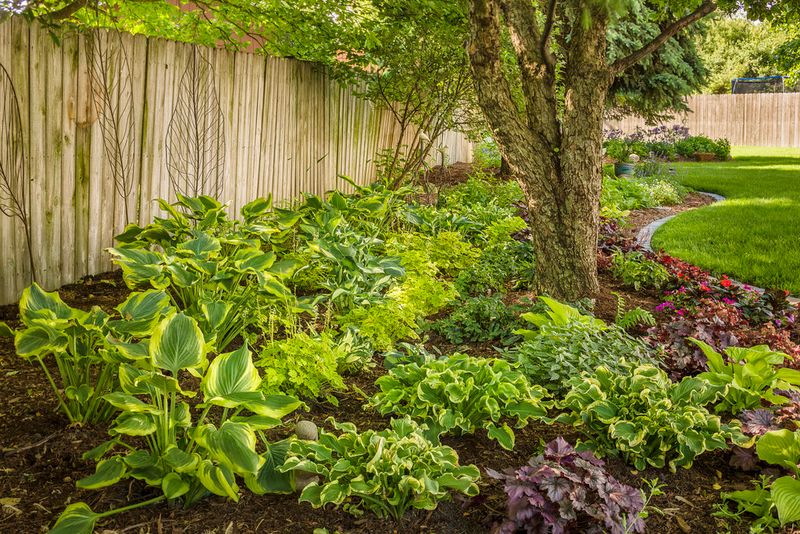
Hostas, with their lush foliage and shade-loving nature, are perfect for filling garden spaces where weeds might otherwise thrive. Their wide leaves create a dense canopy, blocking sunlight from reaching potential weeds.
Available in various sizes and colors, they offer diversity in garden design. Though primarily a foliage plant, their summer blooms add a delicate touch of elegance.
Hostas are low-maintenance and can thrive in different soil conditions. Their adaptability and beauty make them a beloved choice for gardeners looking to cover ground effectively.
4. Sedum
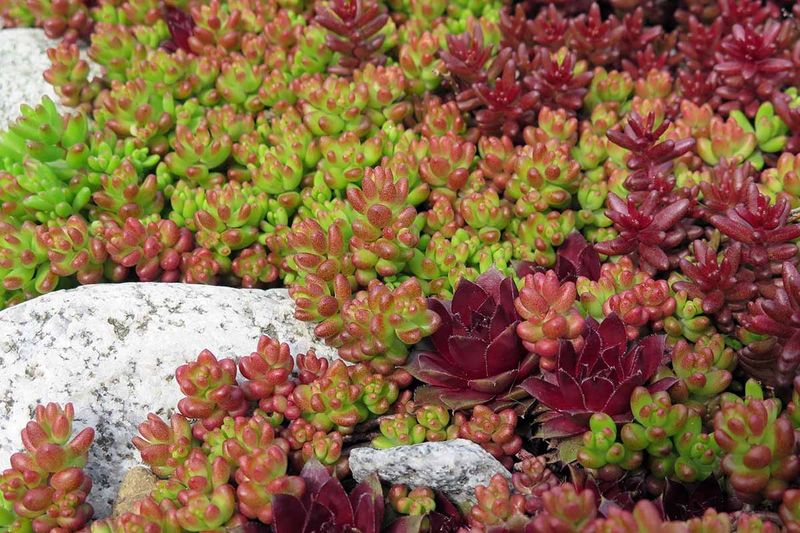
Sedum, or stonecrop, is famed for its hardiness and ability to thrive in poor soil. Its succulent leaves store water, allowing it to withstand drought conditions. This makes sedum an excellent choice for outcompeting weeds.
Its low-growing habit forms a dense mat, ideal for ground cover. The star-shaped flowers attract pollinators, contributing to a healthy garden ecosystem.
Available in various colors, sedum adds texture and interest to landscapes. Its ability to thrive in sunny, rocky areas makes it versatile for different garden settings.
5. Lamb’s Ear
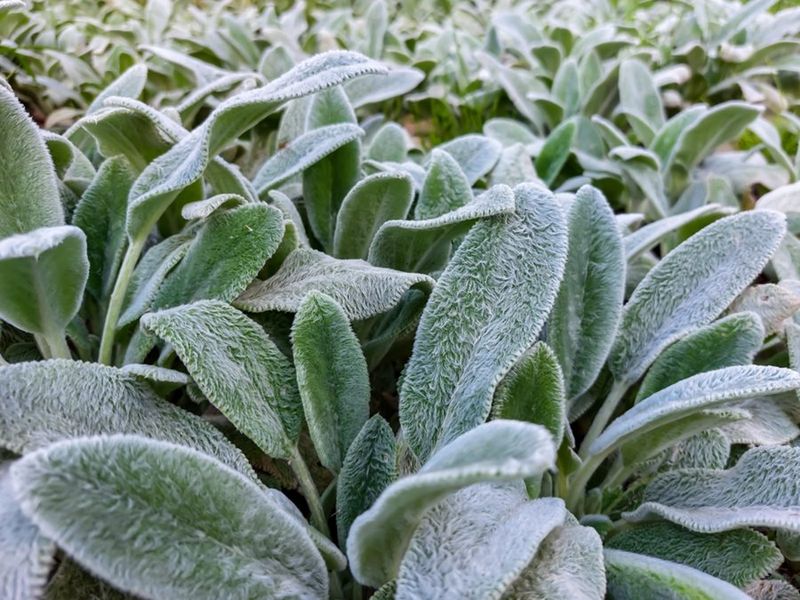
Lamb’s Ear, with its velvety, silver leaves, offers a unique texture to gardens. Known for its ability to thrive in dry conditions, it naturally suppresses weeds through its dense growth.
This perennial’s low, spreading nature makes it perfect for borders and ground cover, creating a soft, serene garden appearance. Its subtle flowers add a gentle hint of color, though the foliage is its main attraction.
With minimal care requirements, Lamb’s Ear is a favorite for gardeners seeking a hardy yet visually appealing plant.
6. Coral Bells
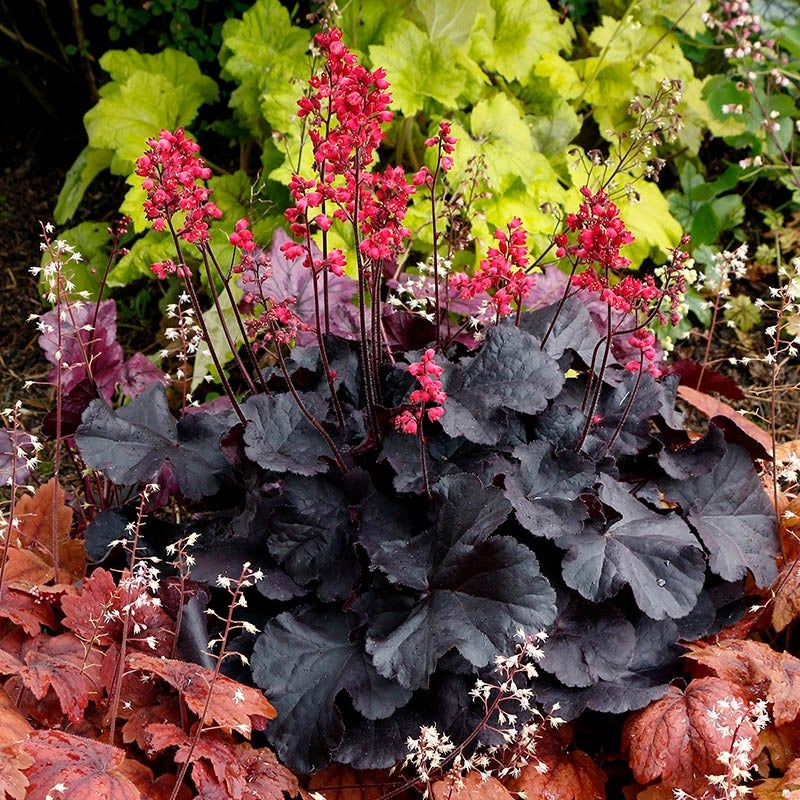
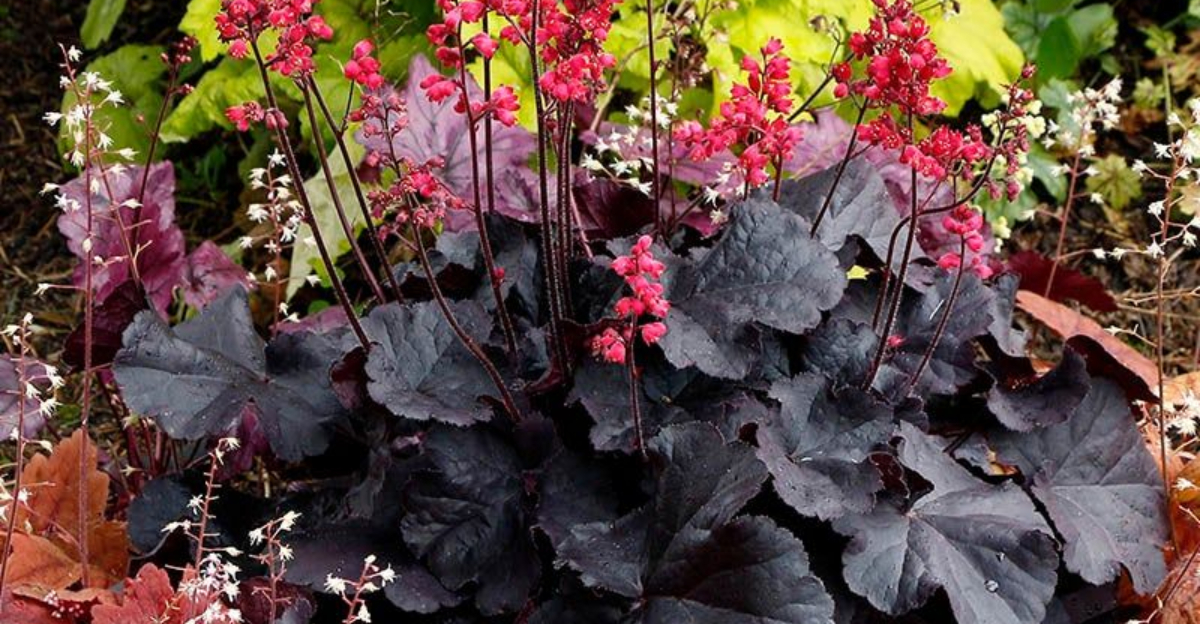
Coral Bells, with their striking foliage and delicate flowers, are a delightful addition to any garden. Known for their vibrant leaves, which range from deep purples to bright greens, they offer year-round interest.
Their compact growth habit helps suppress weeds effectively, especially in shaded areas. Blooming in late spring, their tiny flowers attract hummingbirds and other pollinators.
Coral Bells require minimal maintenance once established, making them ideal for gardeners looking for beauty without the fuss. Their adaptability to different soils enhances their appeal.
7. Yarrow
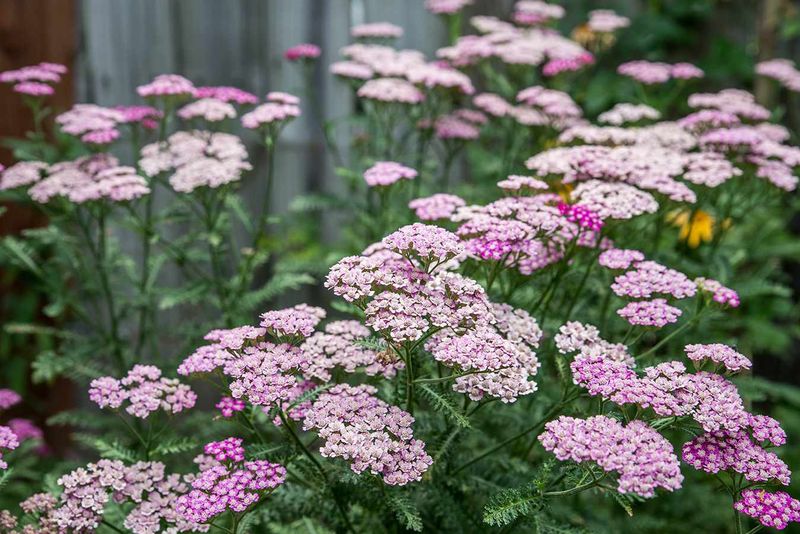
Yarrow, with its feathery foliage and flat-topped flower clusters, is both beautiful and utilitarian. This perennial’s deep roots allow it to draw nutrients from deeper soil layers, depriving weeds of resources.
Blooming in summer, yarrow offers a long-lasting display of colors, from white to pink to yellow. It’s drought-tolerant and thrives in poor soil, making it an excellent choice for tough garden spots.
Yarrow attracts beneficial insects, adding to its ecological value. Its resilience and ease of care make it a gardener’s favorite for outcompeting weeds.
8. Catmint
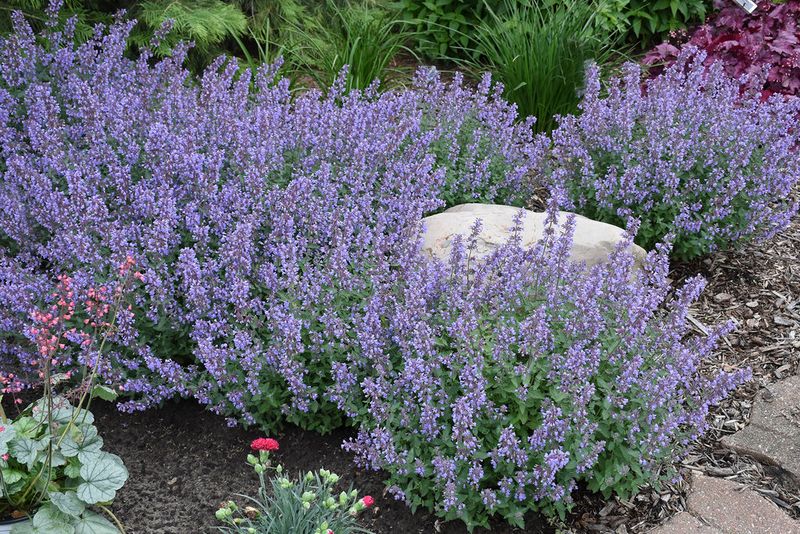
Catmint, celebrated for its aromatic leaves and lavender-blue flowers, is a perennial powerhouse against weeds. Its rapid growth and spreading habit allow it to cover ground efficiently.
Blooming from late spring to early autumn, it offers a long-lasting splash of color. Catmint’s fragrant foliage is not only pleasing to humans but also deters many pests.
This hardy plant thrives in sunny spots and requires minimal maintenance, making it a popular choice for gardeners seeking both beauty and practicality. Its appeal to pollinators further enriches garden life.
9. Bee Balm
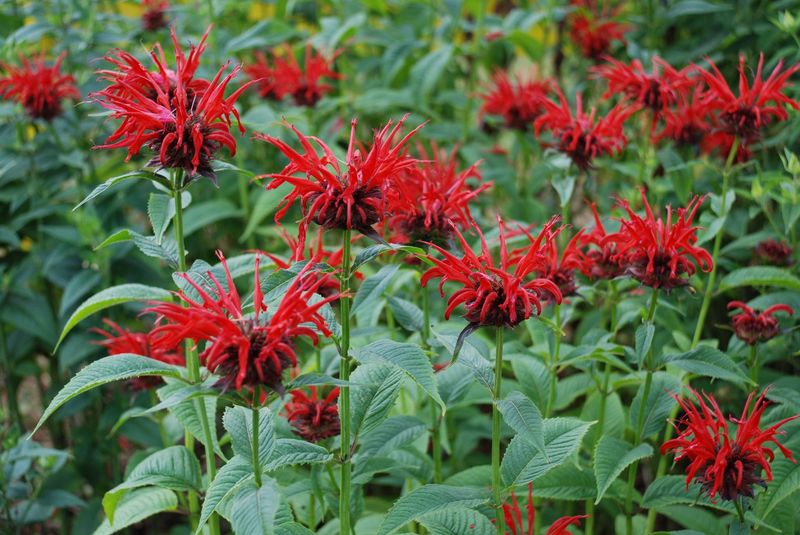
Bee balm, with its vibrant red blooms, is a magnet for pollinators. Its robust nature allows it to spread vigorously, outcompeting many weeds.
The striking flowers not only add color but also a unique architectural element to gardens. Blooming mid to late summer, they ensure continuous garden vibrancy.
Bee balm thrives in full sun and moist soil, though it can tolerate some shade. Its aromatic leaves have been used traditionally in teas, adding another dimension to its appeal. This perennial is both functional and visually captivating.
10. Japanese Anemone
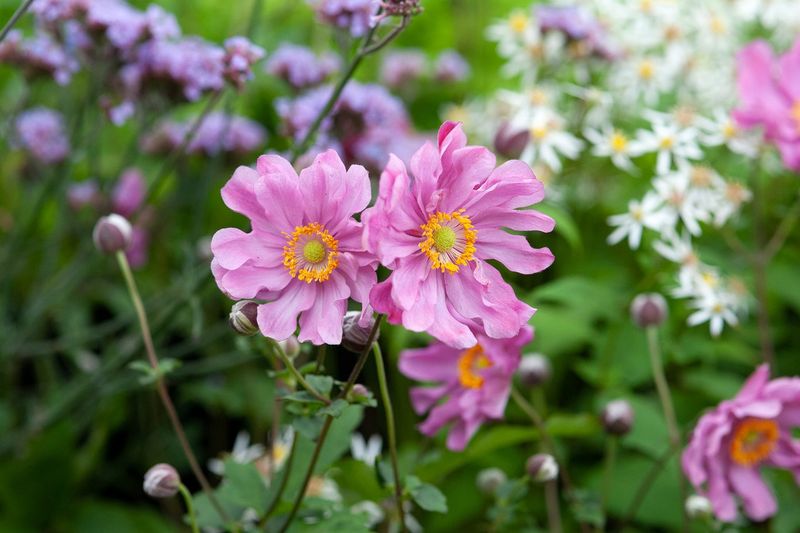
Japanese Anemone, with its graceful flowers and tall stems, brings elegance to gardens. Blooming in late summer to fall, they provide color when many other plants have faded.
Their spreading habit and dense foliage naturally suppress weeds, making them valuable in garden borders. Japanese Anemones thrive in partial shade and rich, well-drained soil.
Their delicate beauty belies a tough nature, capable of withstanding challenging conditions. This perennial’s ability to adapt and thrive makes it a cherished choice for garden enthusiasts.
11. Creeping Jenny
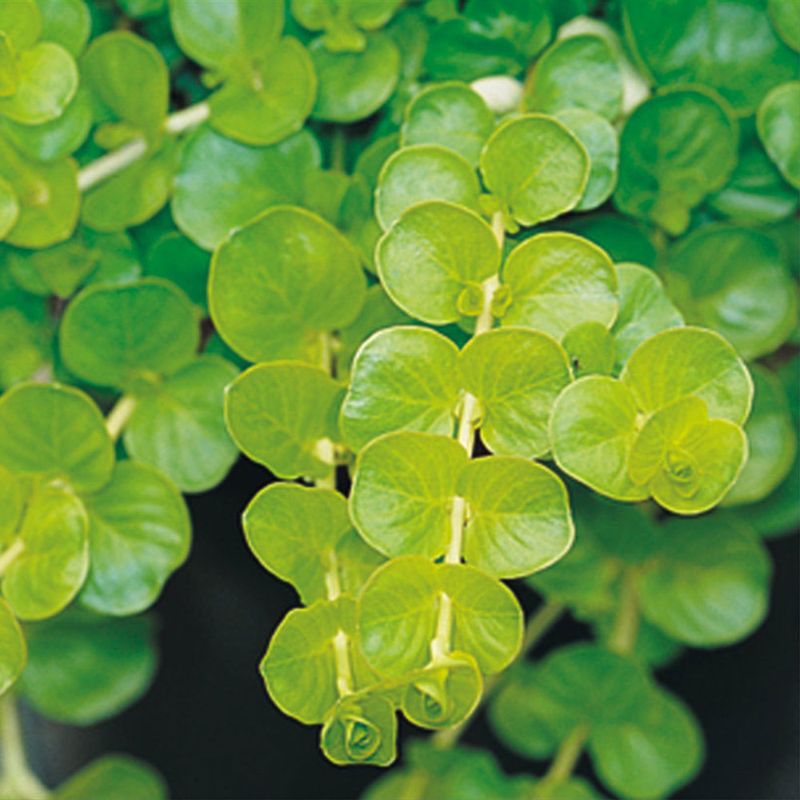
Creeping Jenny, with its cascading stems and vibrant green leaves, creates a lush carpet that effectively chokes out weeds. Its low-growing habit makes it perfect for ground cover and edging.
Thriving in both sun and partial shade, it offers versatility in planting locations. The round, golden leaves turn a beautiful bronze in the fall, adding seasonal interest.
Minimal care is needed once established, making Creeping Jenny a favorite for those seeking effortless beauty. Its ability to thrive in moist soil adds to its appeal in water gardens and damp areas.
12. Ajuga
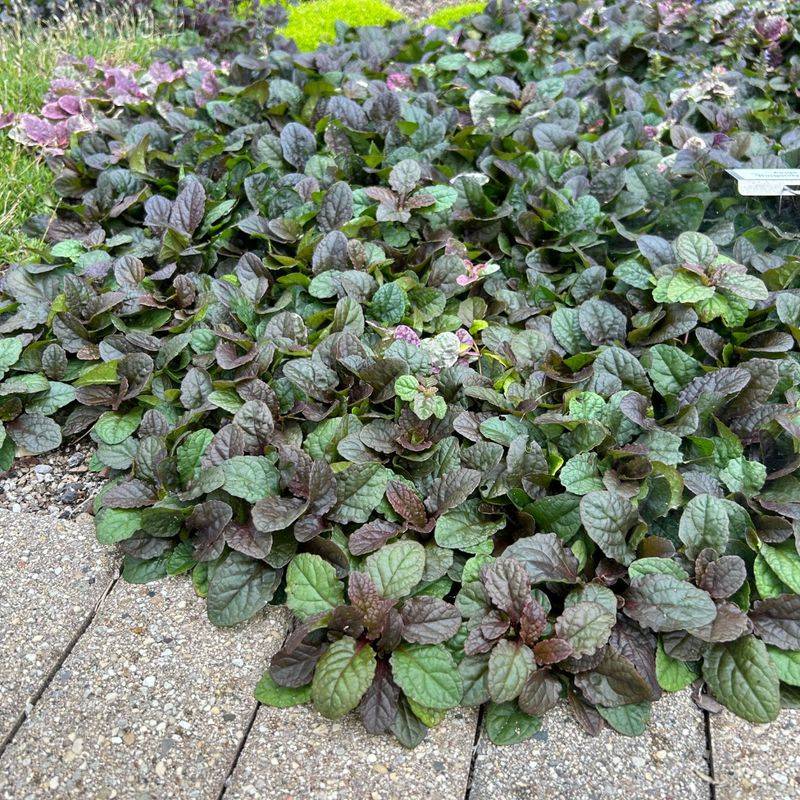
Ajuga, also known as bugleweed, is a tough ground cover with glossy leaves and vibrant flower spikes. Its dense growth habit effectively suppresses weeds, making it a gardener’s ally.
Available in various leaf colors, from deep burgundy to variegated greens, ajuga adds texture and interest to shaded areas. Its spring flowers attract pollinators, enhancing garden biodiversity.
Ajuga thrives in shade and prefers well-drained soil. Once established, it requires little care, perfect for those seeking low-maintenance options. Its resilience and beauty make it a standout choice for weed suppression.
13. Purple Coneflower
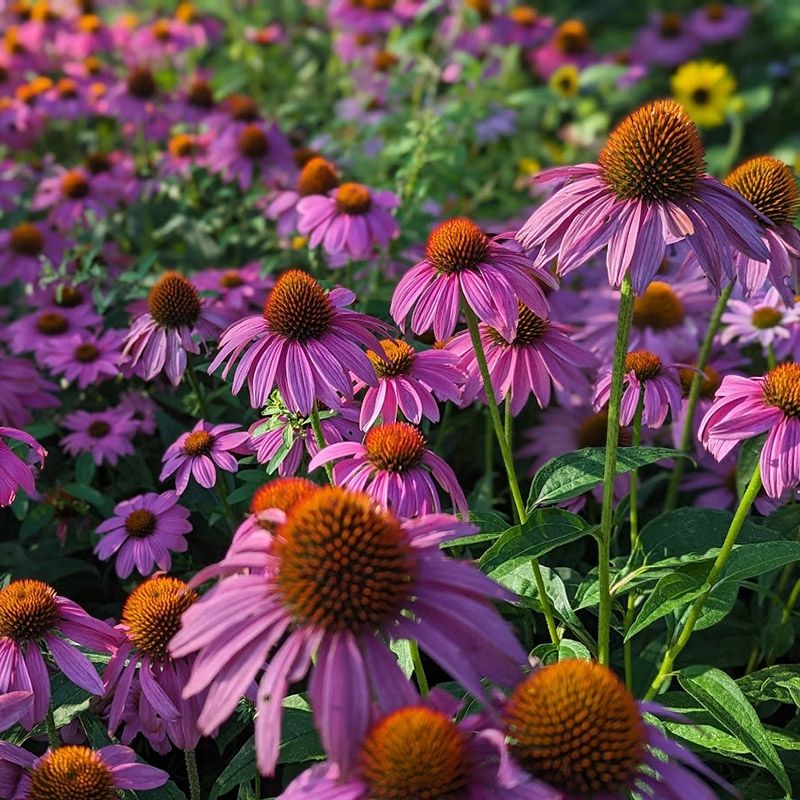
Glancing across a summer garden, the purple coneflower stands tall and striking, attracting butterflies with its vibrant hue. Known for its resilience, this perennial thrives in various conditions, making it a gardener’s ally against weeds.
Native to North America, its daisy-like blooms are not just for show; they play a crucial role in supporting pollinators. Their robust nature allows them to flourish where others falter, naturally outcompeting less hardy weeds.
Did you know? The purple coneflower has been used traditionally for its medicinal properties, adding historical depth to its garden prowess.
14. Russian Sage
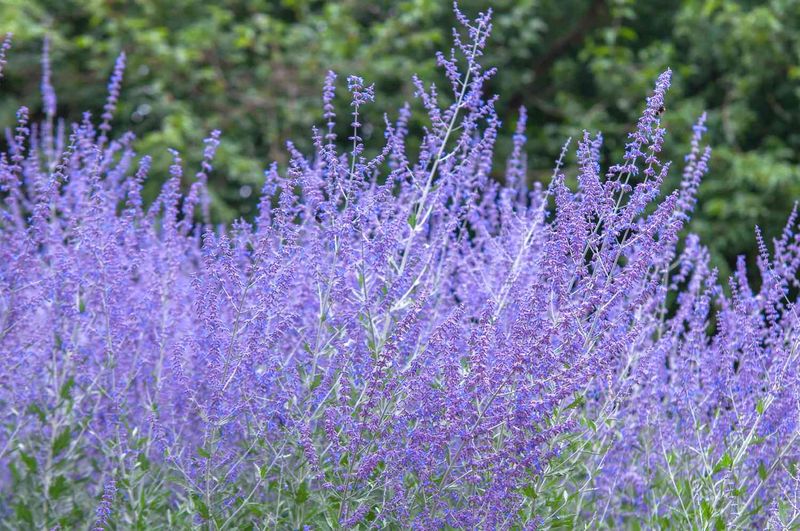
Imagine a garden with a sea of lavender-blue hues swaying gently in the breeze. Russian Sage, with its aromatic foliage, is not only a treat for the senses but a formidable opponent to weeds.
This drought-tolerant plant prefers sunny locales, where it establishes itself with vigor, crowding out unruly competitors. Its long blooming season ensures visual interest while maintaining a weed-free zone.
Originating from the steppes of central Asia, Russian Sage has journeyed far to grace our gardens, bringing with it a rustic charm that’s hard to match.
15. Bergenia
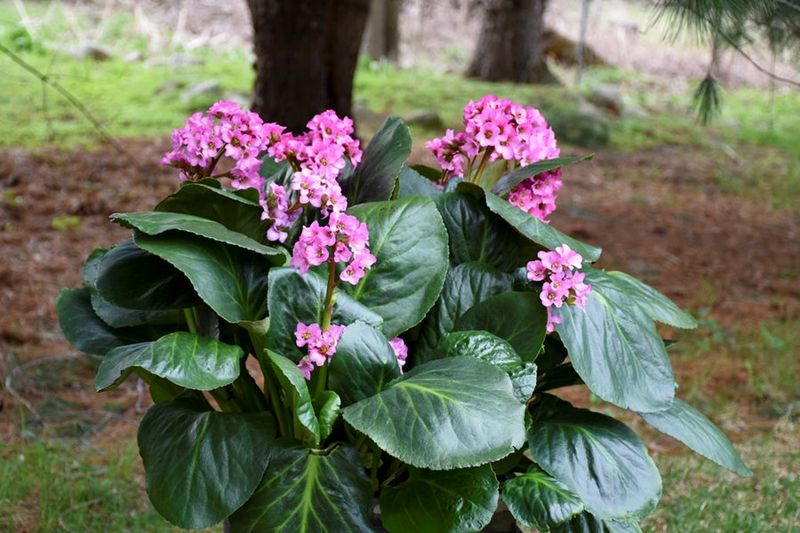
Tucked away in shaded corners, Bergenia, often known as ‘pigsqueak,’ reveals its charm through bold foliage and clusters of charming pink flowers. Its thick leaves form dense mats, efficiently keeping weeds at bay.
This perennial’s ability to thrive in less sunny spots makes it invaluable for those tricky garden areas. Its evergreen nature ensures year-round interest and ground cover.
A fun fact: the name ‘pigsqueak’ comes from the squeaky sound the leaves make when rubbed between fingers, adding a playful element to its robust nature.