 Complete Gardening
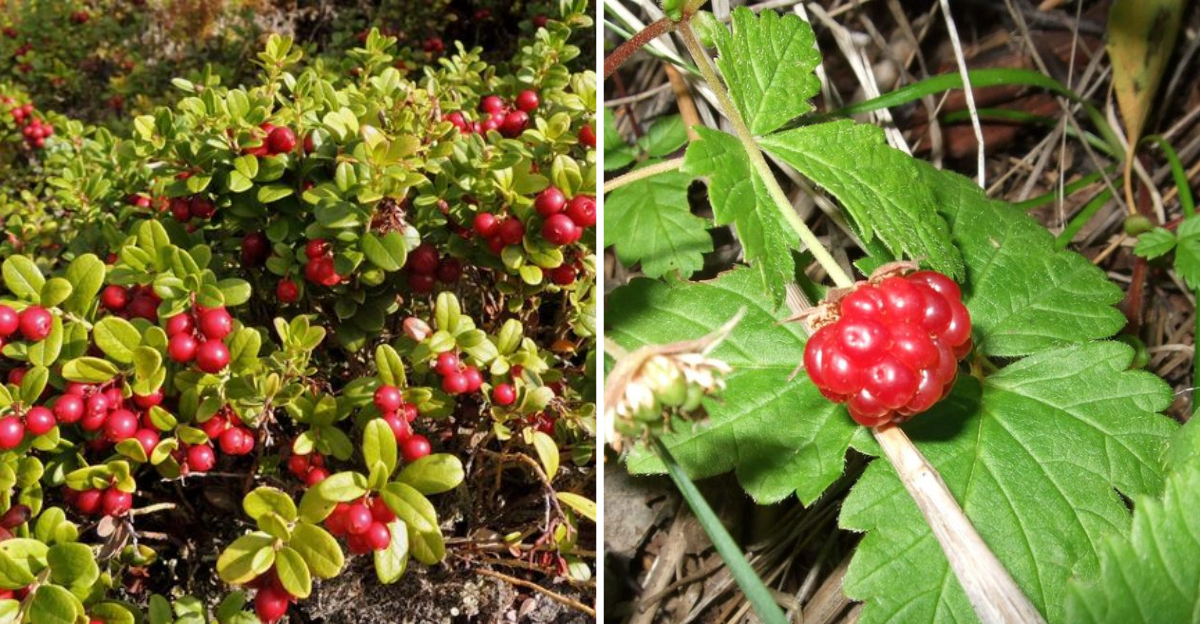
Discover the beauty and resilience of berry bushes that thrive in cold climates. These hardy plants not only survive the frost but also offer a delightful harvest. Ideal for gardeners in chilly regions, these berries bring vibrant colors and flavors to your garden even after the first snow. Explore our list to find the perfect bush for your landscape.
1. Arctic Raspberry
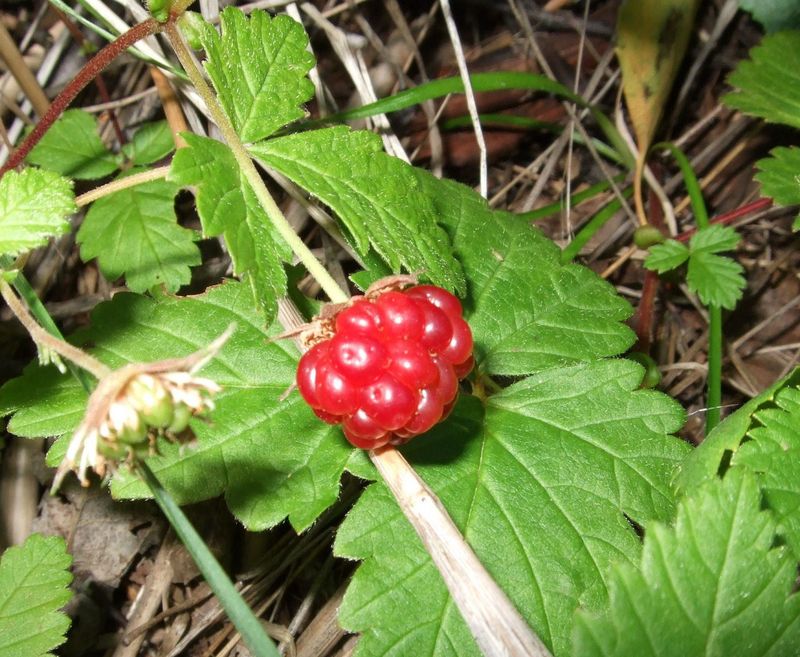
Arctic Raspberry bushes are a marvel of nature, thriving in extreme cold with a zest unmatched by other berries. Their low-growing habit makes them perfect for ground cover. The berries, though small, pack a sweet punch that contrasts beautifully with their icy habitat. In folklore, these berries are said to be the jewels of the north, cherished by indigenous communities for their resilience. The bush’s leaves turn a striking red in autumn, adding to its visual appeal. Whether for jam or fresh snacking, Arctic Raspberries are a delightful addition to any cold-climate garden.
2. Lingonberry
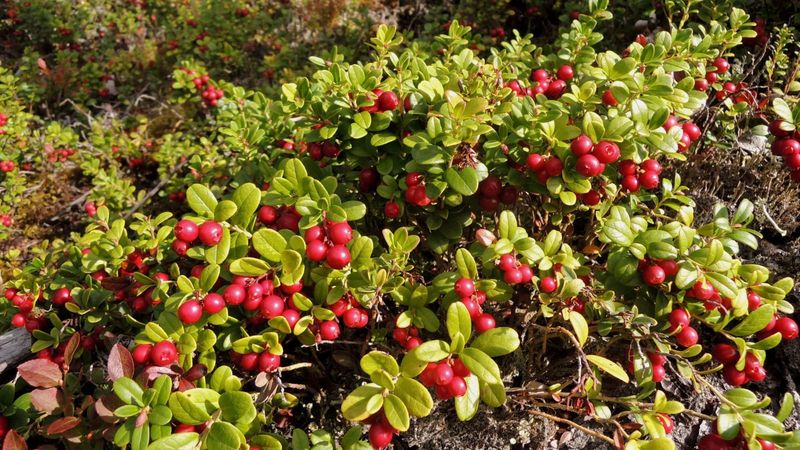
Lingonberries are renowned for their tart flavor and are a staple in Scandinavian cuisine. These evergreen shrubs are not just culinary stars; they also provide year-round greenery and vibrant red berries that brighten winter gardens. Did you know? Lingonberries have been used in traditional medicine for centuries, believed to boost immunity and reduce inflammation. Their resilience in freezing temperatures makes them a favorite among northern gardeners. With their ability to thrive in poor soils, Lingonberries are both practical and decorative, offering both beauty and bounty.
3. Black Currant
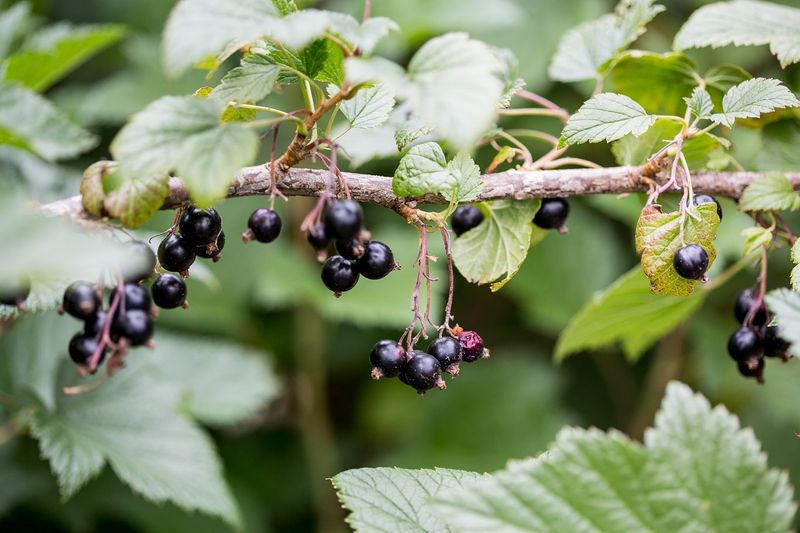
Black Currants are the unsung heroes of the berry world, thriving where others fail. Their rich, earthy flavor is a favorite for jams, jellies, and liqueurs, bringing warmth to cold days. Historically, Black Currants were banned in the U.S. due to their role in spreading white pine blister rust, but they are now making a comeback. These bushes are hardy, disease-resistant, and produce abundant yields even after a harsh frost. Their deep green foliage contrasts with the dark berries, creating a visual feast in wintry gardens.
4. Red Currant
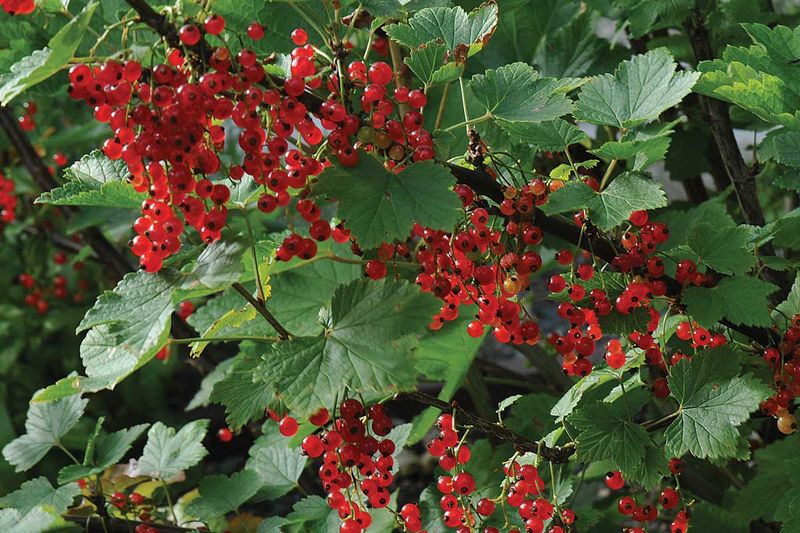
Red Currants add a burst of color and tartness to cold-climate gardens. Their translucent berries resemble jewels, glistening against the winter backdrop. These bushes are highly valued in European cooking, often used in sauces and desserts. Fun fact: In the past, Red Currants were called “wine berries” for their role in making a refreshing summer drink. Their compact size makes them ideal for small gardens. Red Currants are easy to grow, requiring minimal maintenance while providing a generous harvest of tart, vitamin-rich berries.
5. Gooseberry
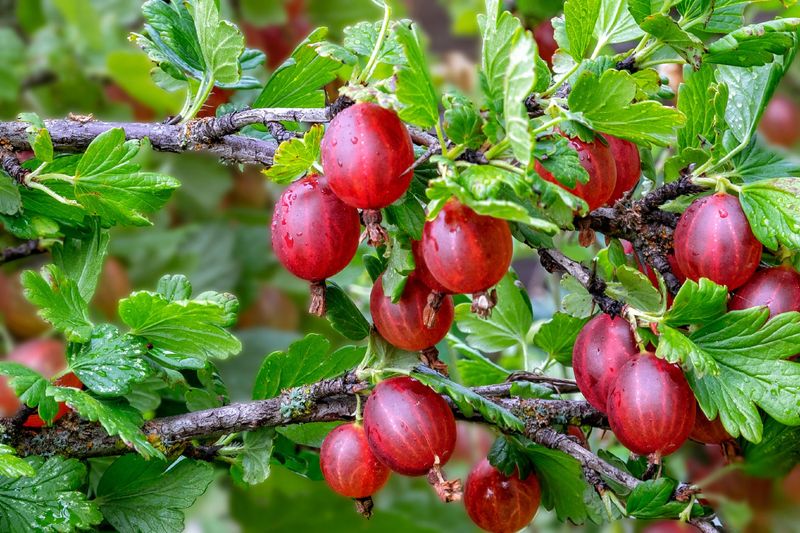
Gooseberries are the gardeners’ secret for a rewarding winter harvest. Known for their tart taste, they are perfect for pies and preserves. These bushes boast a historic charm; in Victorian times, gooseberry clubs competed to grow the largest fruits. With their thorny branches, they deter unwanted visitors, while offering protection to birds. Gooseberries are incredibly hardy, thriving in cold climates where other fruits falter. Their unique flavor profile, combined with their resilience, makes them a cherished plant in frost-kissed landscapes, adding both character and productivity.
6. Sea Buckthorn
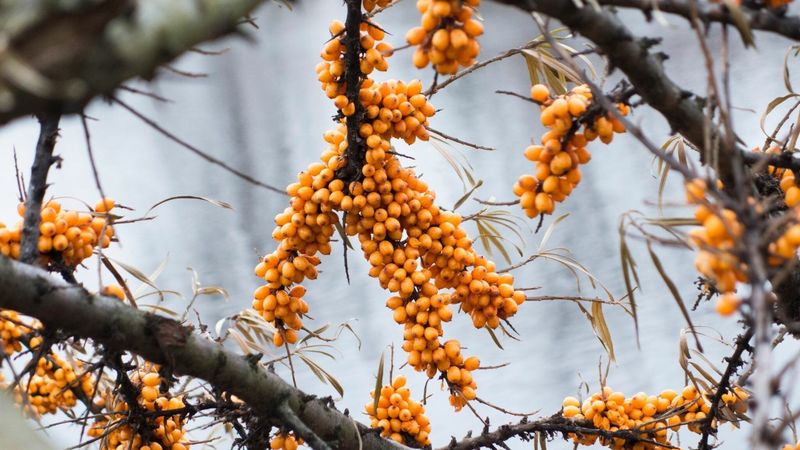
Sea Buckthorn, with its vivid orange berries, is like a burst of sunshine in a winter garden. These bushes are highly valued for their health benefits, as the berries are rich in vitamins and antioxidants. Historically, Sea Buckthorn was used by ancient Greeks to rejuvenate horses after battle. The bush’s silvery leaves and thorny branches add an exotic touch to cold-climate gardens. Sea Buckthorn is resilient, tolerating frost and drought, making it a versatile choice for gardeners seeking both beauty and functionality. Its striking appearance is sure to captivate.
7. Saskatoon Berry
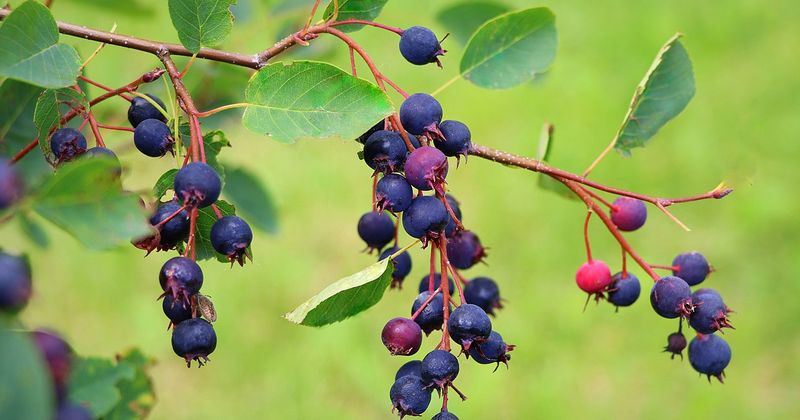
Saskatoon Berries, often mistaken for blueberries, are a delightful find for cold-climate gardeners. Their sweet, nutty flavor is perfect for pies and jams, reminiscent of summer’s warmth. Native to North America, these bushes have been a staple food for indigenous peoples, valued for their nutritional content. Saskatoon Berries thrive in harsh conditions, withstanding frost and poor soil. The bush’s white spring flowers contrast with the deep purple berries of winter, offering a feast for the eyes and palate. Their adaptability makes them a favorite in northern gardens.
8. Cranberry
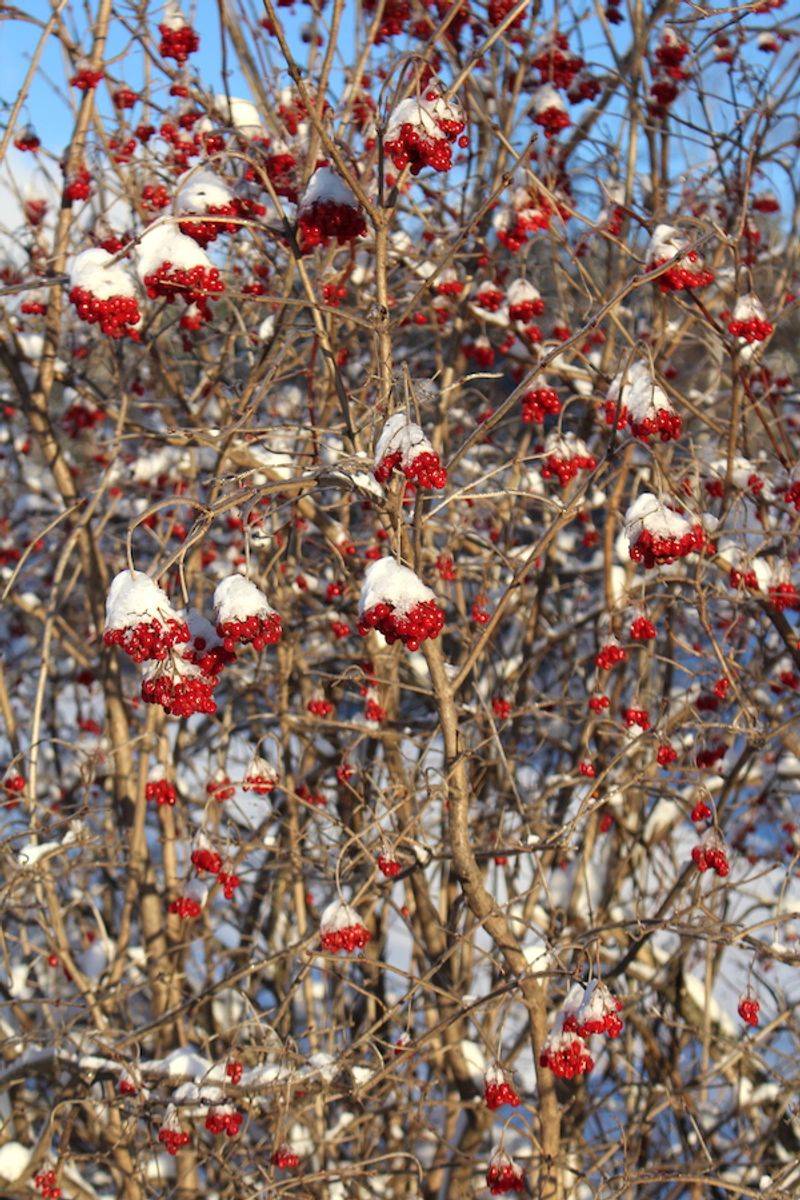
Cranberries are synonymous with fall and winter festivities, offering a tart taste that complements savory dishes. These low-lying bushes are not only decorative but also practical, thriving in boggy, cold conditions. Did you know? Cranberries can bounce when ripe due to small air pockets inside them, a fact that inspired the “bounce test” for ripeness. Their vibrant berries stand out against a snowy backdrop, turning winter gardens into a festive display. Cranberries are loved for their culinary versatility and health benefits, making them a cherished addition to chilly landscapes.
9. Elderberry
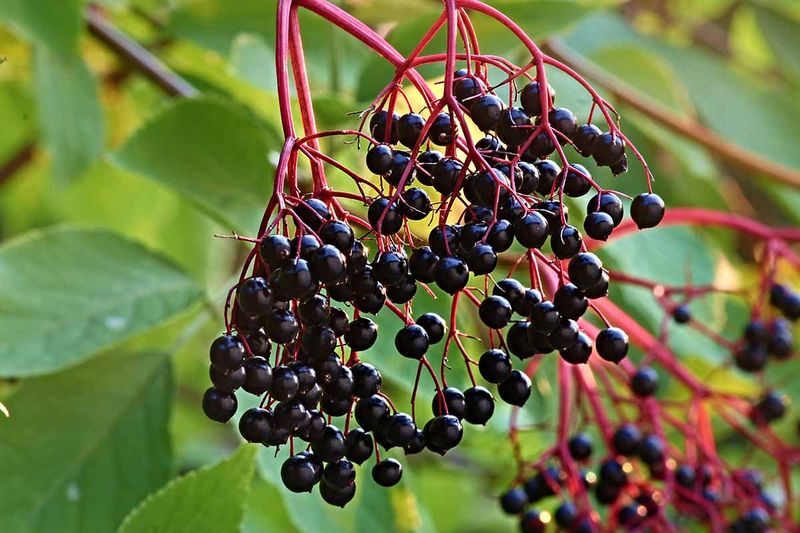
Elderberries are the hidden gems of the berry world, offering medicinal benefits along with their unique flavor. Often used in syrups and wines, they are a cold-climate staple. These bushes are steeped in folklore, believed to ward off evil spirits and promote health. Elderberries thrive even in the harshest winters, with dark, glossy berries that contrast beautifully with snowy landscapes. Their lacy white spring flowers provide an early food source for pollinators. Elderberries are not just a visual delight; they are a hardy, versatile choice for any garden.
10. Blueberry
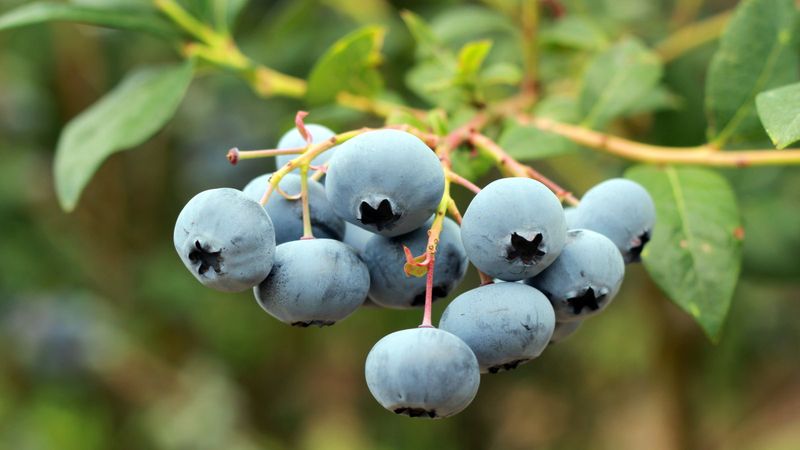
Blueberries are a gardener’s delight, offering sweet rewards for those in cold climates. These bushes are famed for their antioxidant-rich berries, celebrated in both culinary and health circles. Northern varieties are especially hardy, thriving amidst harsh winters. Fun fact: Blueberries were called “star berries” by Native Americans due to the star-shaped blossom end. Their bushes are visually captivating, with red-tinted winter stems and lush summer foliage. Blueberries are as versatile in the garden as they are in the kitchen, providing year-round interest and a bounty of berries.
11. Haskap Berry
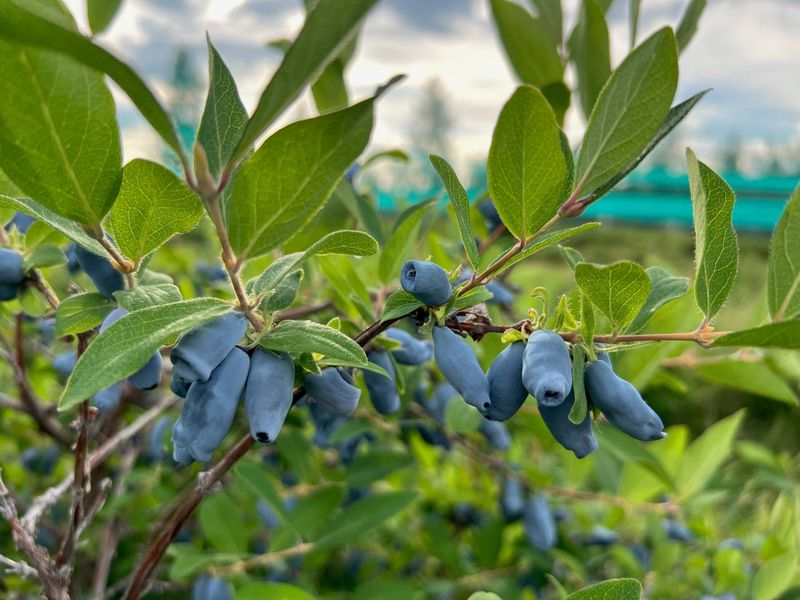
Haskap Berries, also known as honeyberries, are treasures of the north, thriving where few others can. Their tart, sweet flavor is unique, often likened to a combination of blueberry and raspberry. These bushes hail from Russia and Japan, celebrated for their hardiness and early ripening. The berries are rich in antioxidants, offering health benefits alongside their delightful taste. Haskap bushes bloom early, their flowers brave the late frosts, heralding spring. With their adaptability to cold climates and unique flavor, Haskap Berries are a must-have for adventurous gardeners.
12. Cloudberry

Cloudberries, with their amber hue, are the crown jewels of cold-climate gardens. These elusive berries thrive in arctic conditions, offering a tart taste similar to red currants. Did you know? Cloudberries were once a delicacy for Nordic royalty, prized for their rarity and flavor. The bushes are low-growing, often found in boggy areas, adding a touch of gold to the winter landscape. Their unique appearance and taste make them a sought-after berry for jams and desserts. Cloudberries are not just a culinary treasure; they are a symbol of endurance in frosty environments.
13. Wintergreen Berry
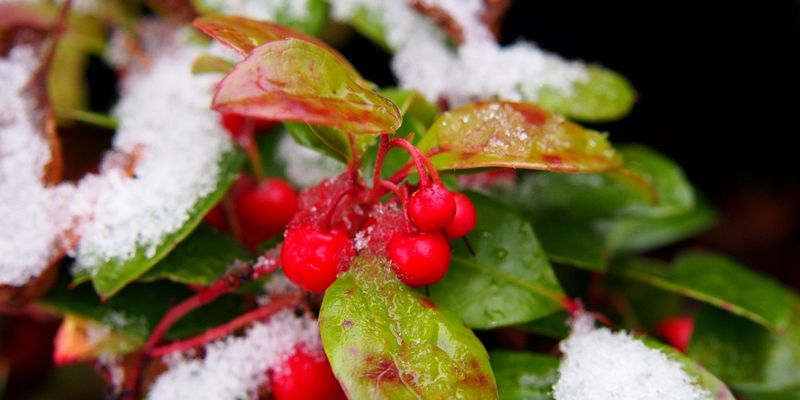
Wintergreen Berries are a true winter delight, offering a refreshing minty flavor that surprises the taste buds. These low-growing bushes are evergreen, providing year-round greenery and bright red berries that add a pop of color to the winter garden. Historically, wintergreen oil was used by Native Americans for medicinal purposes, adding a touch of history to its charm. The berries and leaves are both edible, making them a versatile addition to any garden. Wintergreen Berries are not only visually appealing but also a fragrant, flavorful choice for cold climates.
14. Bearberry
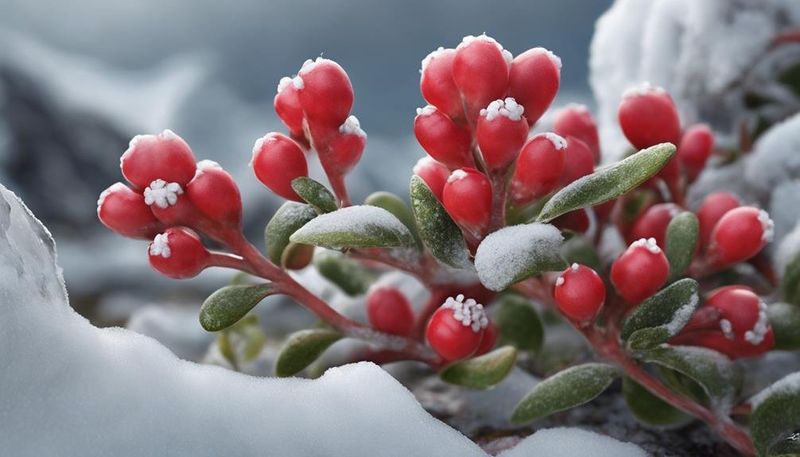
Bearberries are hardy survivors, thriving in rocky, barren soils where few plants dare to grow. Their bright red berries provide a vibrant contrast against the snow, offering visual interest throughout the winter. Traditionally, bearberries have been used in herbal medicine, believed to support urinary health. These low-growing shrubs are ideal for ground cover, preventing erosion in challenging landscapes. Bearberries are not just practical; they are a symbol of resilience and beauty, transforming harsh environments into a tapestry of color and life. Perfect for the adventurous gardener.
15. Serviceberry
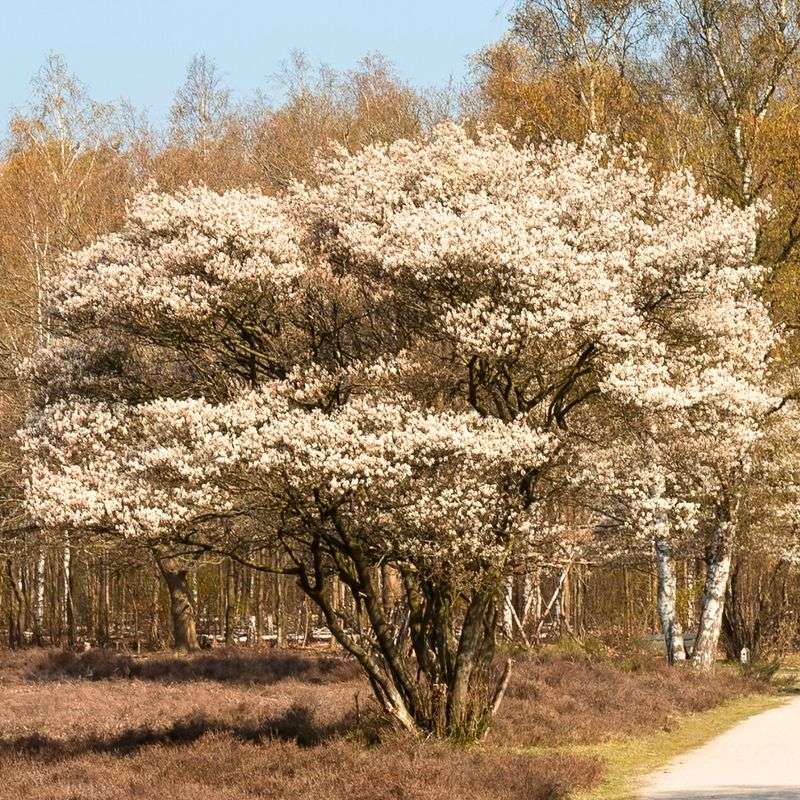
Serviceberries are a delightful surprise in cold-climate gardens, offering a sweet flavor reminiscent of blueberries. These multi-stemmed shrubs are not only productive but also ornamental, with stunning white blossoms in spring and fiery red foliage in autumn. The berries were a key food source for Native American tribes, celebrated for their versatility. Serviceberries are adaptable, withstanding harsh winters and poor soils, making them a practical choice for difficult landscapes. Their beauty and bounty provide year-round interest, from spring blooms to winter berries.