 Complete Gardening
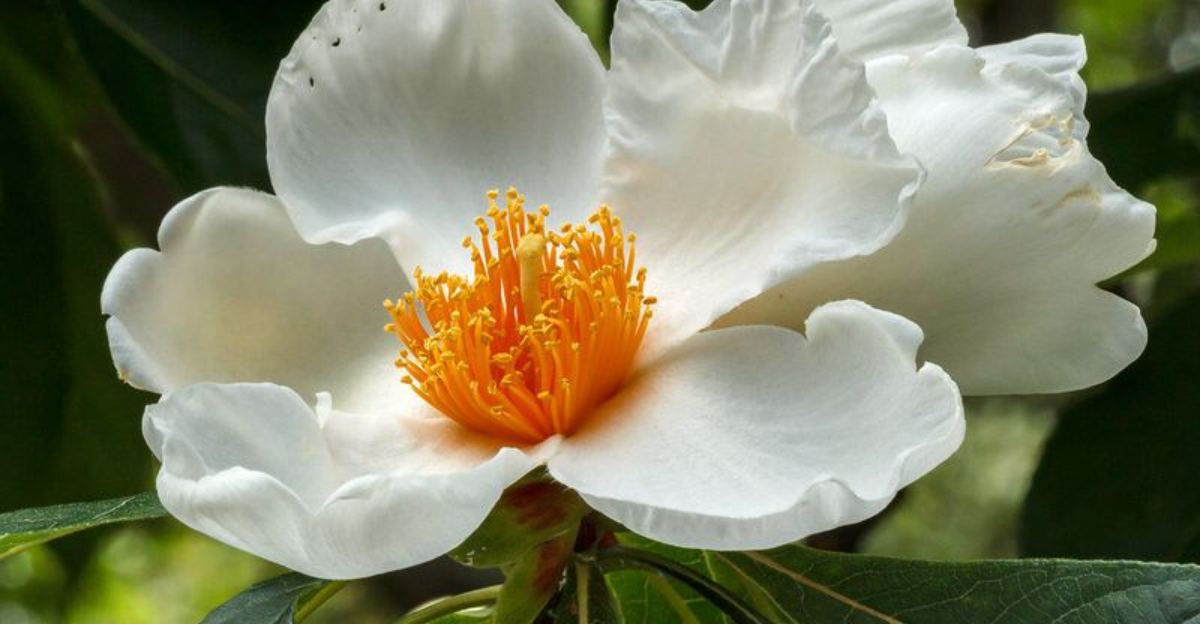
Explore the beauty and mystery of 15 classic American flowers that have become nearly impossible to find. These rare gems once thrived across the United States, each with its own unique story and charm. From delicate orchids to vibrant wildflowers, discover the rich history and significance of these endangered and nearly extinct blooms.
1. Eastern Prairie Fringed Orchid (Platanthera leucophaea)
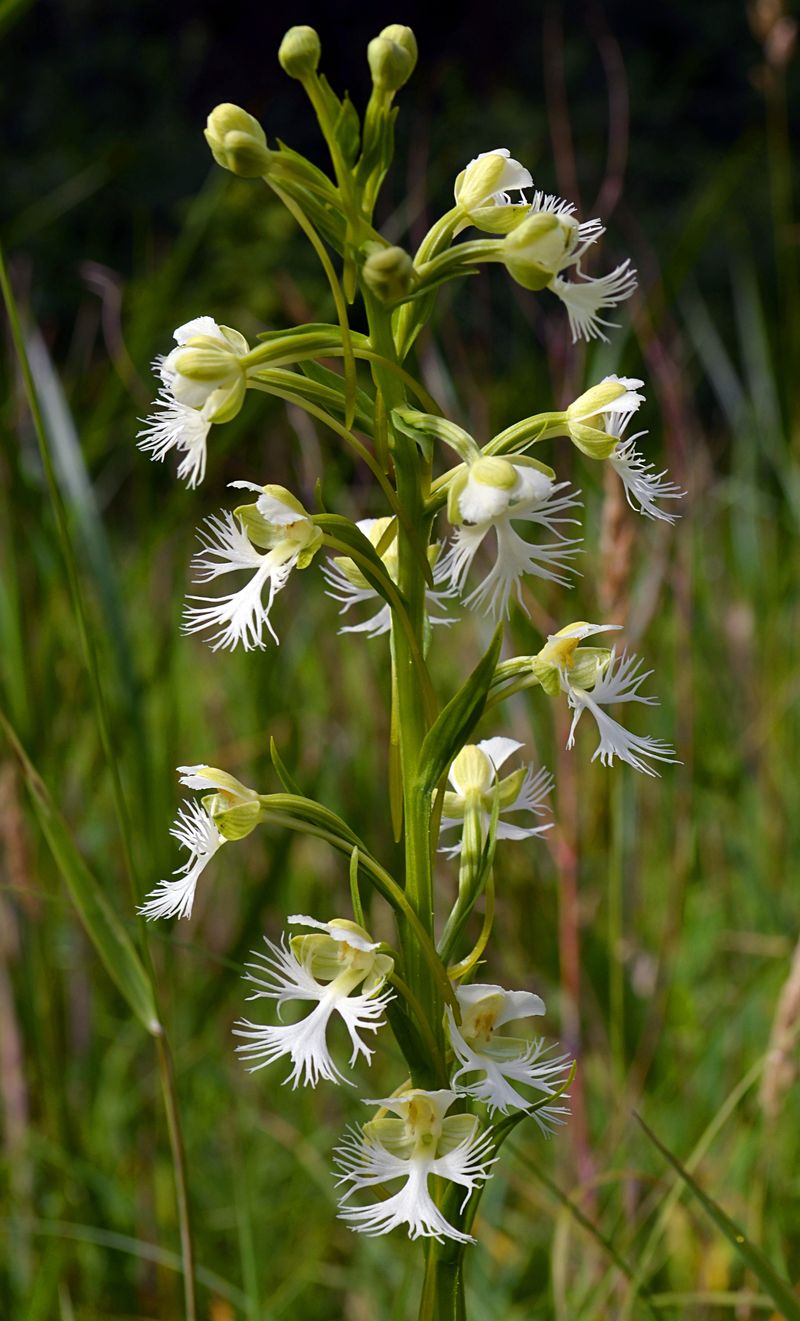
Once a common sight in wet prairies, the Eastern Prairie Fringed Orchid’s delicate beauty is now a rare treasure. It symbolizes the fragility of our ecosystems, threatened by habitat destruction and changing landscapes.
This orchid captivates with its fringed petals, evoking a sense of wonder and nostalgia for the prairies that once flourished.
Despite its threatened status, conservation efforts aim to restore its natural habitat. Fun fact: This orchid is a critical pollinator attractor, playing a vital role in its ecosystem.
2. Texas Trailing Phlox (Phlox nivalis ssp. texensis)
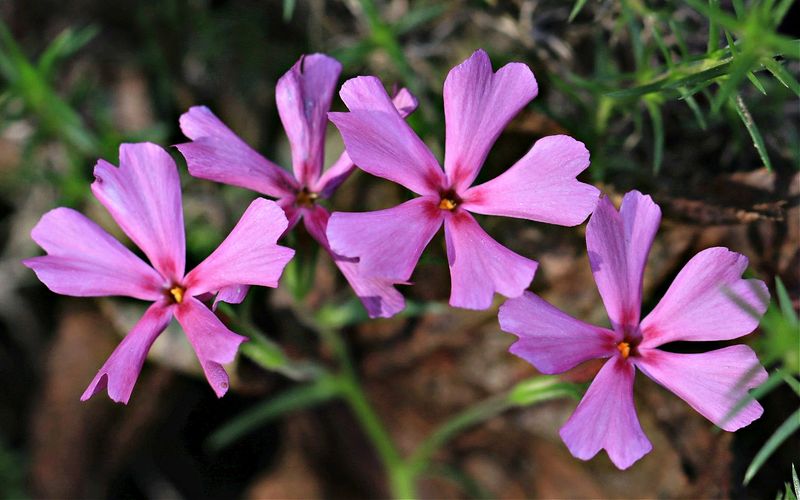
Among the pine forests of East Texas, the Texas Trailing Phlox showcases a vibrant pink splash against the greenery. This wildflower, now endangered, survives only in protected areas, a testament to nature’s resilience.
Its striking color and rare beauty make it a sought-after species for nature enthusiasts.
The Texas Trailing Phlox tells a story of survival against the odds, embodying the spirit of its native land. Did you know? It’s a cousin to the garden phlox, yet much rarer.
3. Small Whorled Pogonia (Isotria medeoloides)
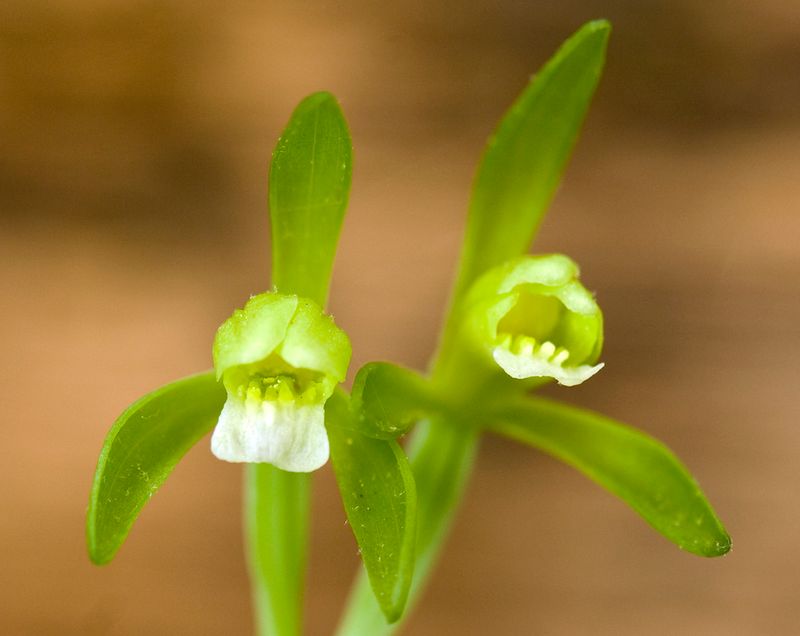
In the shadowy depths of Eastern U.S. forests, the Small Whorled Pogonia emerges, ghostly and enigmatic. This rare orchid, with its pale green hue, is one of North America’s most elusive plants.
Its rarity brings a sense of intrigue and awe, drawing botanists and conservationists alike.
The Small Whorled Pogonia’s survival story is a dance between vulnerability and endurance. Fun fact: It was once thought extinct until rediscovered in the 1970s, reigniting hope for its conservation.
4. Schweinitz’s Sunflower (Helianthus schweinitzii)
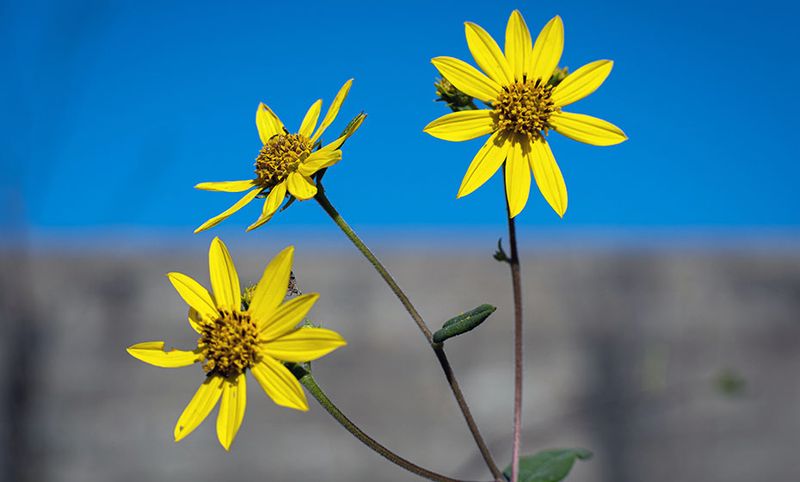
In the Carolinas, Schweinitz’s Sunflower stands as a beacon of rarity and botanical history. Named after a botanist, this sunflower is found in fewer than 20 wild sites, making it an endangered species.
Its bright yellow petals shine with resilience, a testament to nature’s wonders.
The sunflower’s limited presence underscores the importance of preserving biodiversity. Did you know? It can grow up to eight feet tall, towering over other wildflowers with grace.
5. Virginia Round-Leaf Birch (Betula uber)
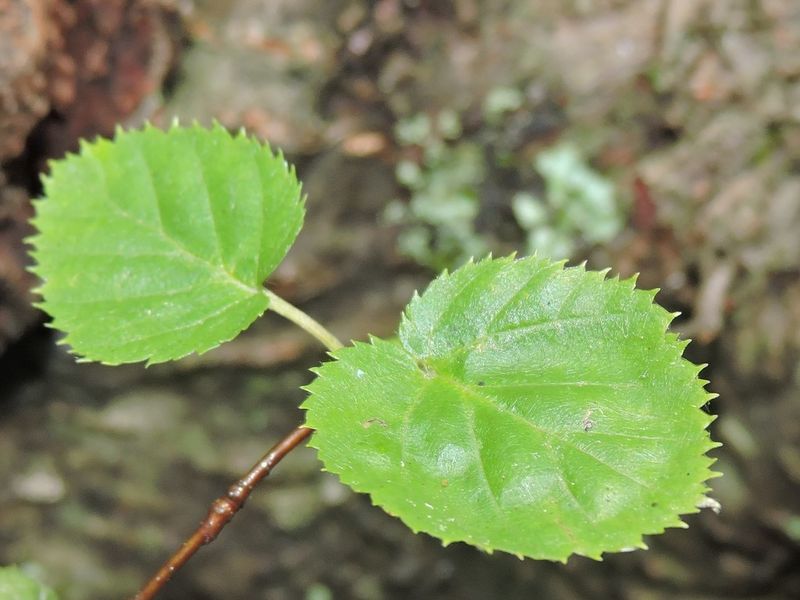
Thought to be extinct until 1975, the Virginia Round-Leaf Birch is a rare gem among trees. With its distinct round leaves, it stands tall in Virginia’s landscape, a symbol of rediscovered hope.
This birch’s survival story is a testament to nature’s surprises and resilience.
The Virginia Round-Leaf Birch’s rarity and unique appearance make it a fascinating subject for botanists and tree enthusiasts. Fun fact: Its rediscovery sparked a wave of conservation efforts to protect this unique species.
6. Michaux’s Sumac (Rhus michauxii)
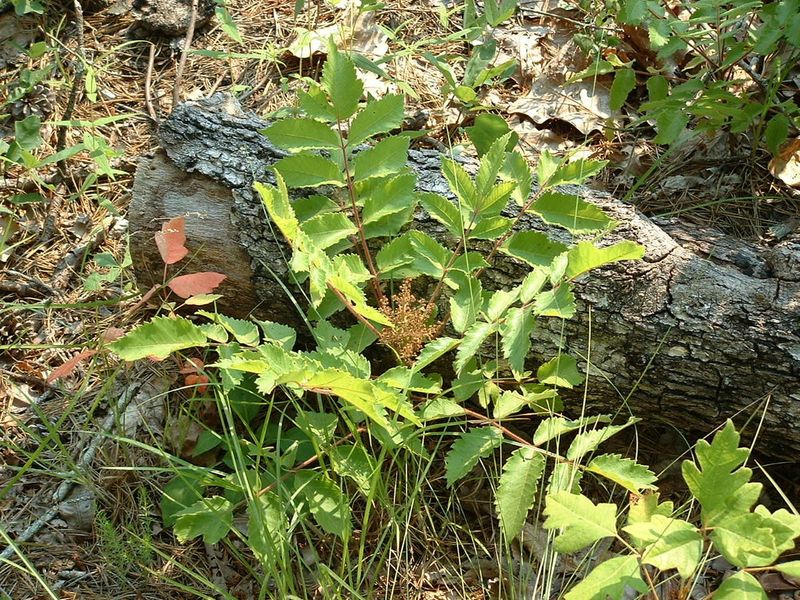
Michaux’s Sumac, with its velvety leaves, is a rare shrub native to the Southeast U.S. Its low-growing nature and unique texture set it apart in the botanical world.
Found in only a handful of locations, it highlights the delicate balance of its ecosystem.
The shrub’s existence is a reminder of the challenges faced by rare plants. Did you know? It was named after French botanist André Michaux, who extensively studied North American flora.
7. Franklinia (Franklinia alatamaha)
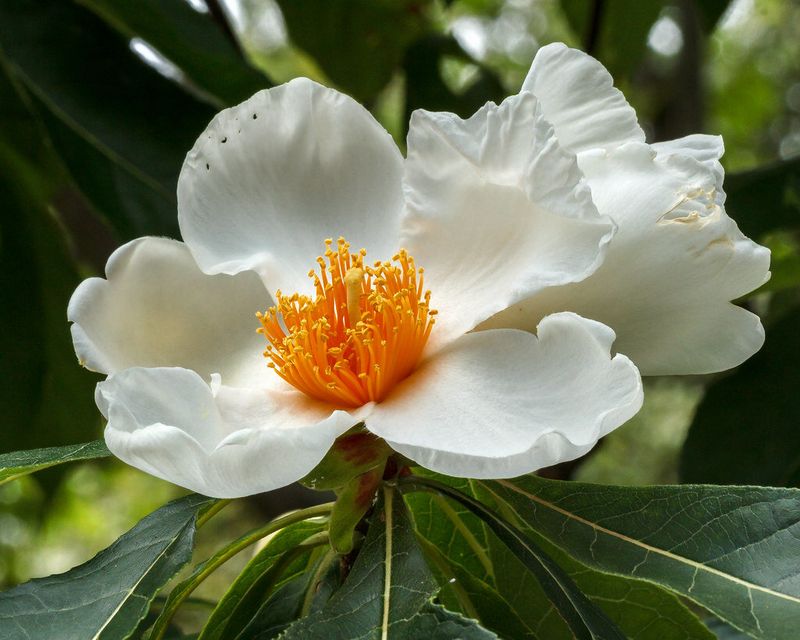
The Franklinia tree, with its elegant white flowers, holds a mystery that has puzzled botanists for centuries. Named after Benjamin Franklin, this tree was last seen in the wild in 1803 along the Altamaha River in Georgia.
Since its disappearance, it has survived solely in cultivation, captivating gardeners with its beauty and historical significance.
The Franklinia’s ghostly charm lies in its delicate petals and its connection to an era long past. Did you know? Despite its extinction in the wild, this tree continues to thrive in gardens worldwide, preserving its legacy.
8. Running Buffalo Clover (Trifolium stoloniferum)
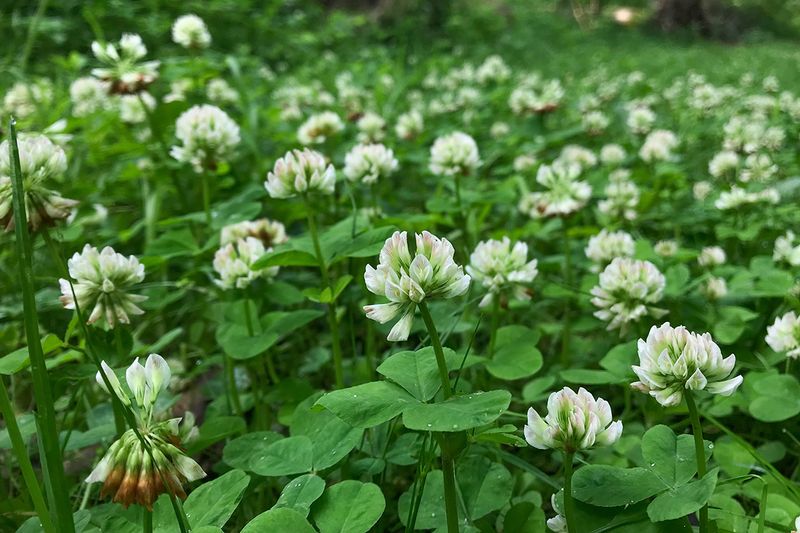
Once widespread across the Midwest and Appalachia, Running Buffalo Clover nearly vanished due to habitat loss and grazing. This clover, now endangered, is making a slow comeback thanks to conservation efforts.
Its presence in meadows tells a story of resilience and rebirth.
The clover’s history is intertwined with the American buffalo, which helped disperse its seeds. Did you know? It’s recently been delisted from the endangered list but remains rare and protected.
9. Harperella (Ptilimnium nodosum)
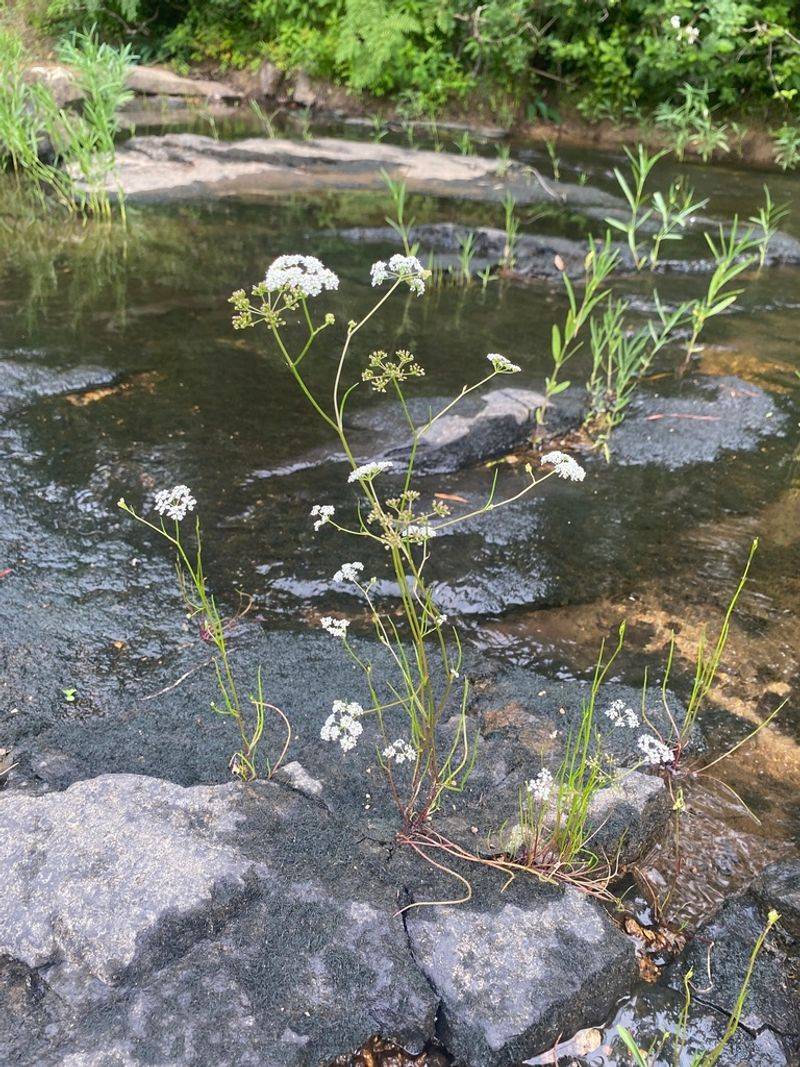
Harperella, a fragile aquatic plant, thrives in only a few streams in the Southeastern U.S. Its delicate nature and rarity make it a symbol of the fragile balance within wetland ecosystems.
This plant’s survival is a delicate dance with the elements, demanding specific conditions to thrive.
Harperella’s story underscores the importance of preserving our natural waterways. Did you know? It’s named after Edwin B. Harper, a botanist who first documented the species.
10. Canby’s Dropwort (Oxypolis canbyi)
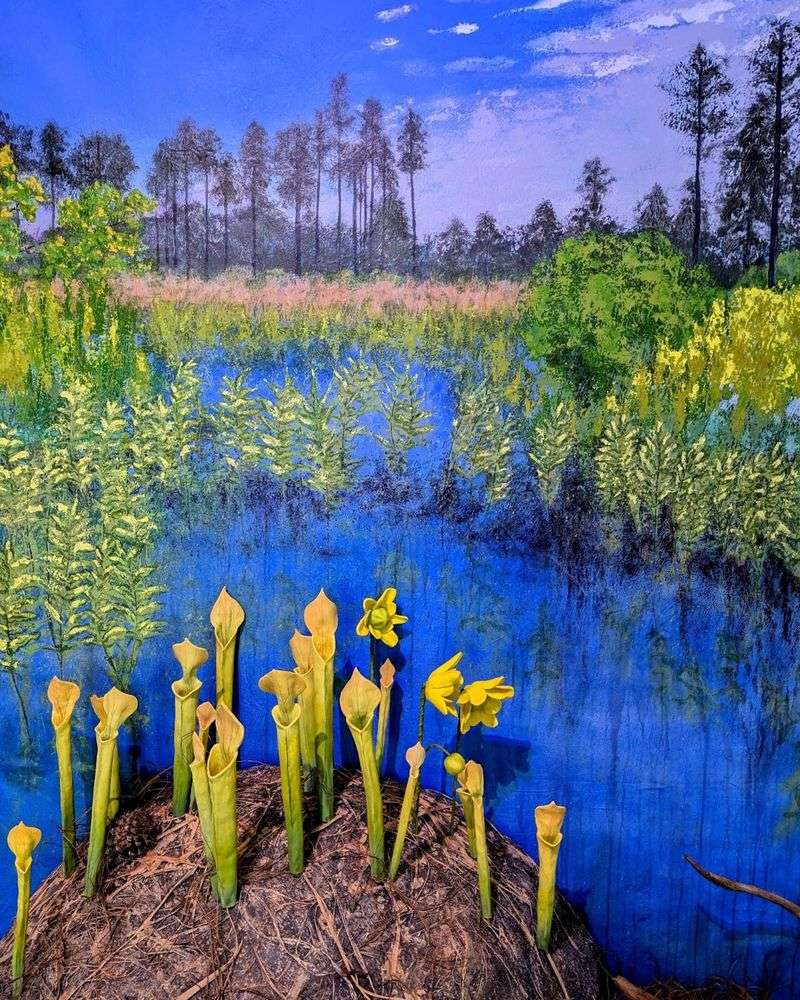
Disappearing from over 90% of its original range, Canby’s Dropwort is an endangered herb found in Mid-Atlantic wetlands. Its intricate structure and rarity make it a botanical treasure.
This plant thrives in wet, open habitats, where it plays a significant role in its ecosystem.
The Dropwort’s dwindling presence reminds us of the fragility of wetland environments. Did you know? It’s named after botanist William Canby, who was passionate about preserving native flora.
11. Short’s Goldenrod (Solidago shortii)
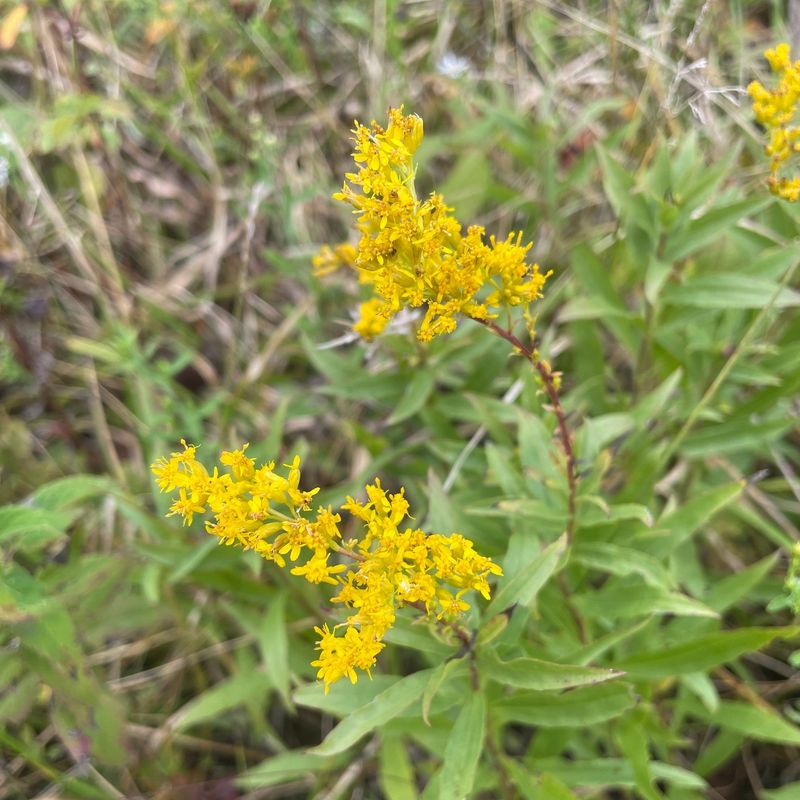
One of the rarest goldenrods, Short’s Goldenrod is found only in Kentucky and Indiana. Its bright yellow flowers are a rare sight, adding a touch of sunshine to its limited habitats.
This plant’s rarity highlights the need for conservation efforts to protect its unique environment.
The goldenrod’s story is one of survival and adaptation. Did you know? It was named after Charles Wilkins Short, a 19th-century botanist who discovered the species.
12. Tennessee Purple Coneflower (Echinacea tennesseensis)
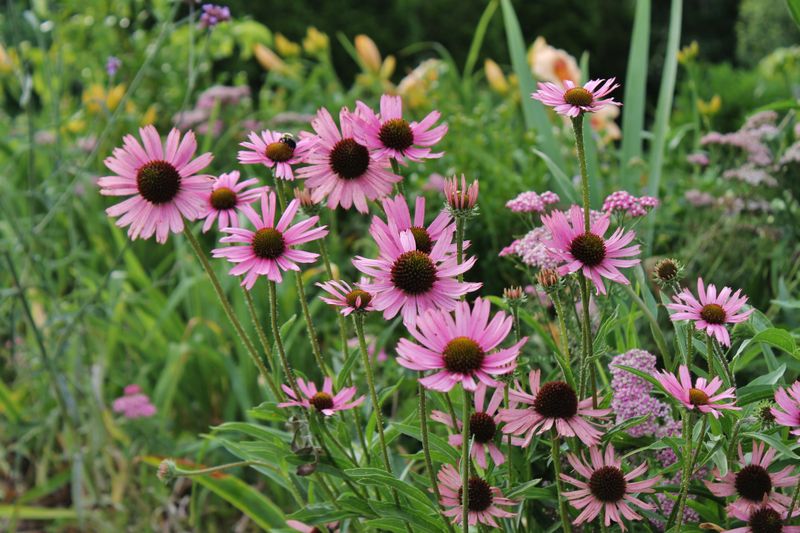
Once on the brink of extinction, the Tennessee Purple Coneflower has made a remarkable recovery thanks to conservation efforts. Its vibrant purple petals and central Tennessee origin make it a symbol of hope and resilience.
This coneflower’s story is a testament to the power of human intervention in preserving nature’s beauty.
The plant’s recovery journey is celebrated by botanists and nature lovers alike. Did you know? It’s one of the few Echinacea species with petals that curve upward, adding to its unique charm.
13. Large-Flowered Beardtongue (Penstemon grandiflorus)
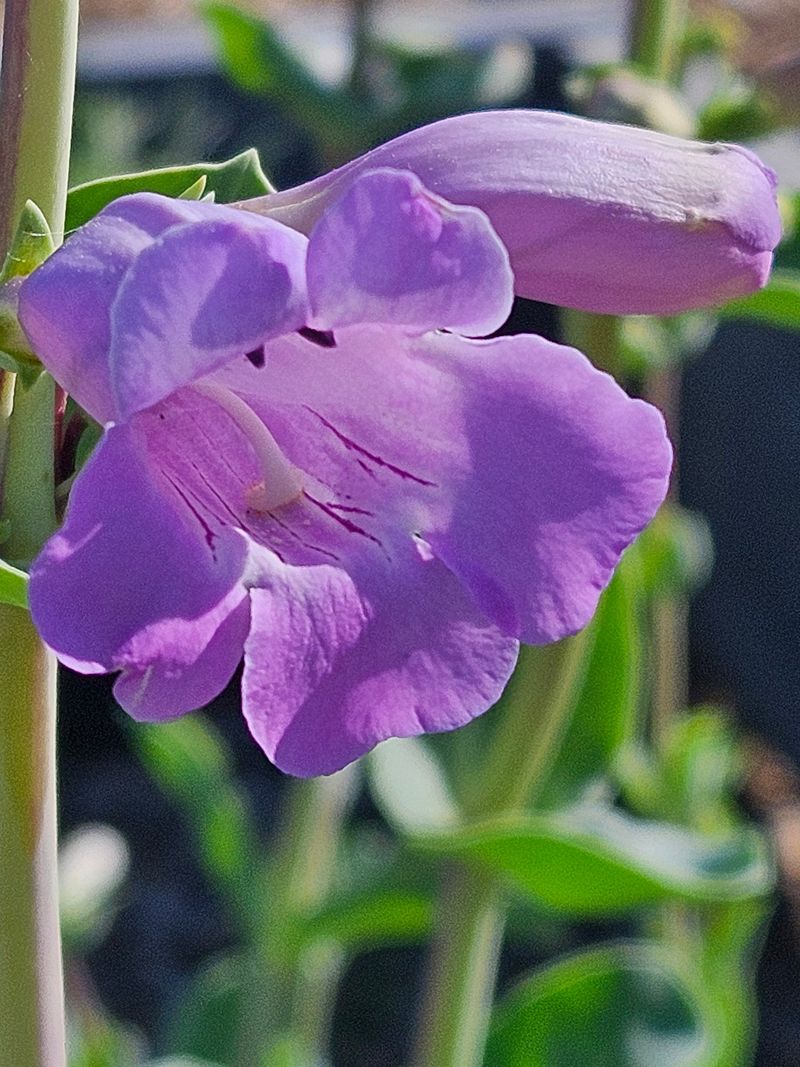
The Large-Flowered Beardtongue, native to the Great Plains, impresses with its showy blooms. Despite its vibrant appearance, this prairie flower is disappearing due to land development and habitat loss.
Its presence in the wild is a testament to the beauty of untouched landscapes.
The Beardtongue’s decline highlights the challenges faced by native flora in a changing world. Did you know? It attracts a variety of pollinators, playing a crucial role in its ecosystem.
14. Sandplain Gerardia (Agalinis acuta)
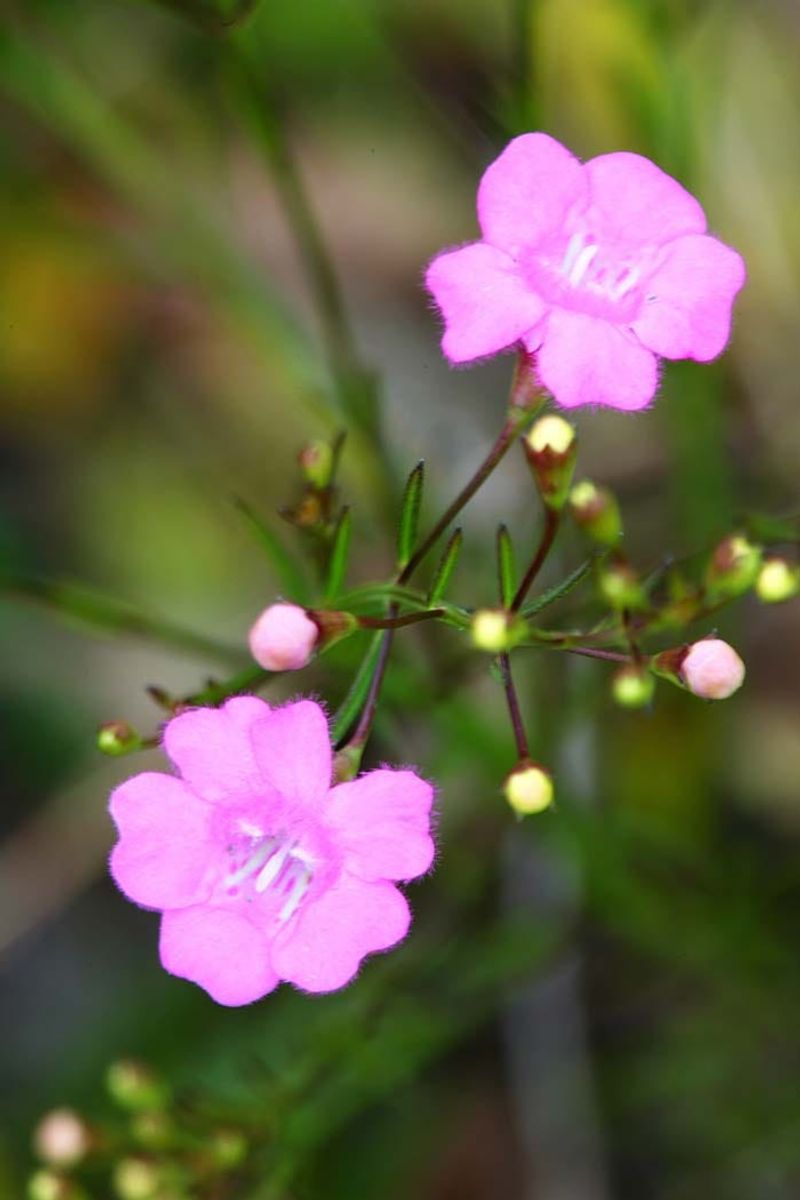
The Sandplain Gerardia, with its delicate pink flowers, is an endangered wildflower found in Northeast coastal areas. Its rarity and beauty make it a precious find for botanists and nature enthusiasts.
This flower’s survival is a delicate balance, dependent on sandy, open habitats.
The Gerardia’s story is a reminder of the impact of habitat loss on rare species. Did you know? It was among the first plants to be listed as federally endangered in the 1980s, highlighting its critical status.
15. Florida Torreya (Torreya taxifolia)
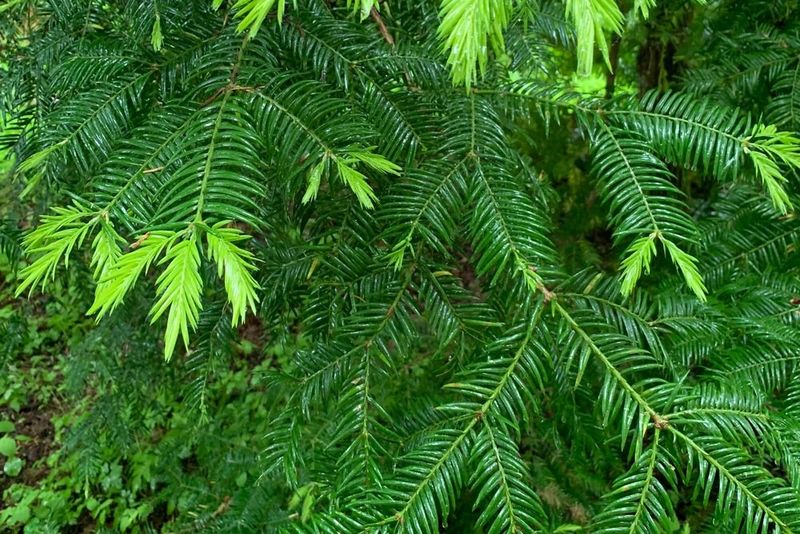
The Florida Torreya, one of the world’s rarest conifers, is critically endangered with fewer than 1,000 trees left. Native to the Florida Panhandle, this tree’s survival is a poignant reminder of the fragility of nature.
Its existence is threatened by disease, habitat loss, and climate change.
The Torreya’s story is one of urgent conservation needs and ecological importance. Did you know? It’s sometimes referred to as the “Stinking Cedar” due to its strong aroma.