 Complete Gardening
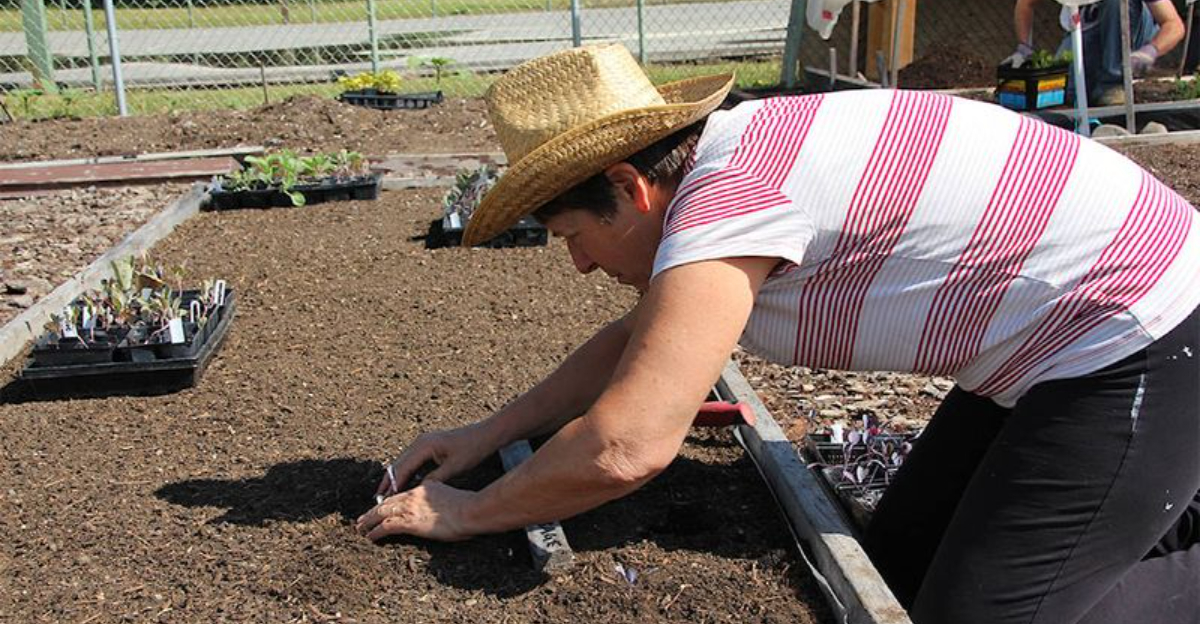
Gardening can be a rewarding endeavor, but certain mistakes can turn your green paradise into a wilted wasteland. Whether you’re a seasoned gardener or a newbie, understanding these common pitfalls will help ensure your garden thrives. In this guide, we explore 15 common gardening mistakes and offer practical solutions to help you cultivate a flourishing garden. From planting errors to pest management, we’ve got you covered with actionable tips and insights.
1. Planting Too Early (or Too Late)
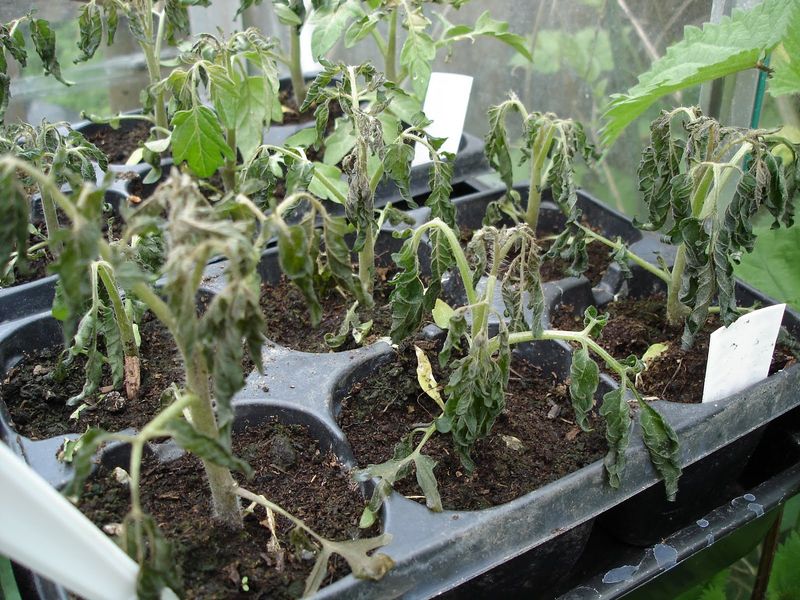
The eagerness to start planting can lead to premature sowing. Frost can destroy tender seedlings, while planting too late may expose cool-weather crops to intense heat. Understanding your local climate is crucial. Locate your last frost date and follow seed packet instructions to time your planting accurately.
This approach minimizes weather-related stress on your plants. With the right start, you’ll set the stage for a robust growing season.
Remember, timing is everything in gardening. A few weeks can make a world of difference between a bountiful harvest and a disappointing yield.
2. Ignoring Soil Health
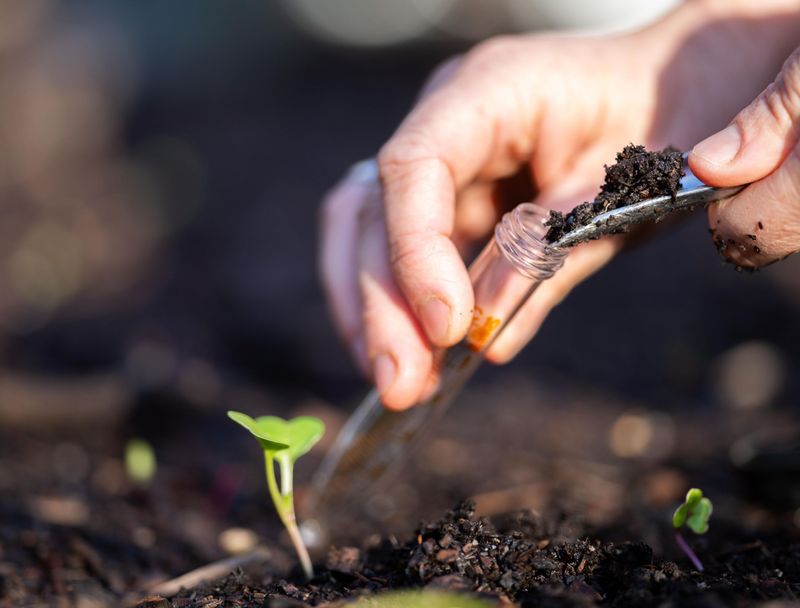
Healthy soil is the foundation of a thriving garden. Neglecting soil health leads to weak, disease-prone plants. Testing your soil’s pH can reveal nutrient deficiencies. Once identified, amending with compost enriches the soil, promoting plant vitality.
Additionally, mulching helps retain moisture and nutrients, creating a conducive growing environment.
By paying attention to your soil’s needs, you’ll nurture a healthier garden ecosystem. Think of your soil as a living entity that requires care and attention, just like your plants. Proper soil management is the cornerstone of successful gardening.
3. Overcrowding Plants
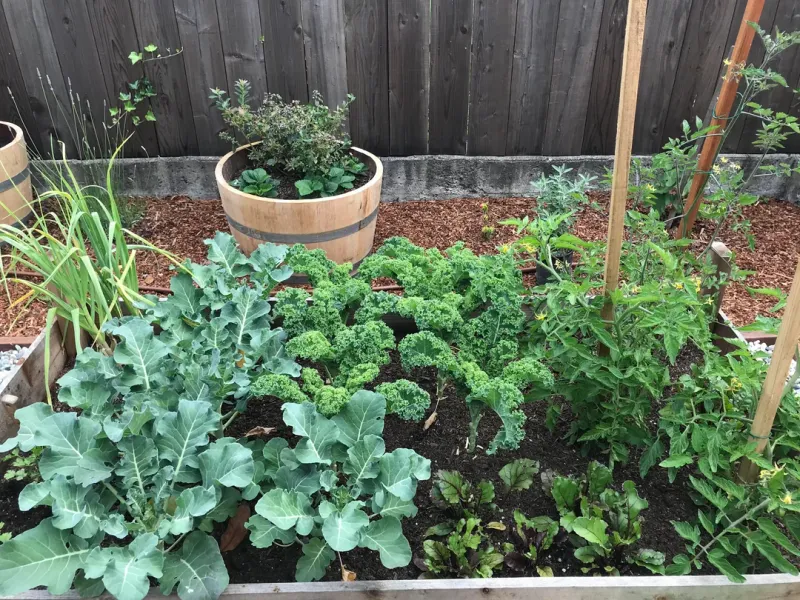
In the excitement of planting, it’s easy to forget that plants need room to grow. Overcrowding leads to competition for light, water, and nutrients, increasing the likelihood of disease. Following spacing guidelines ensures each plant has enough space to flourish.
Thinning seedlings early on can prevent future problems.
Proper spacing results in healthier plants that are better equipped to resist diseases and pests. Visualize your garden’s potential as you plan; generous spacing allows each plant to reach its full potential without hindrance. It’s a simple strategy with significant rewards.
4. Overwatering (Root Rot Alert!)
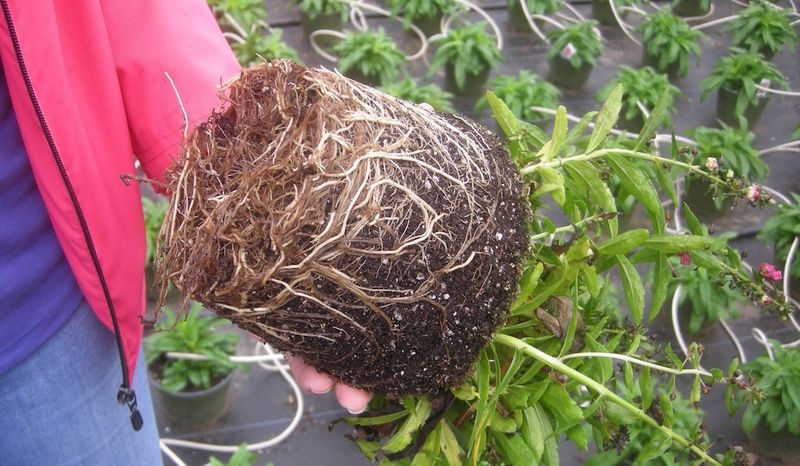
Overwatering is a common mistake that can devastate your garden. Symptoms include yellow leaves, mushy stems, and fungal growth. Allowing the soil to dry slightly between waterings can prevent these issues.
Improving drainage is also vital, as stagnant water suffocates plant roots.
By adjusting your watering routine and enhancing soil drainage, you can maintain a healthy garden. Consider the specific needs of each plant type, as their water requirements may vary. Remember, more water isn’t always better; moderation is key to preventing root rot and maintaining plant health.
5. Underwatering (Crispy Plants)

While overwatering is harmful, underwatering poses its own challenges. Wilting and stunted growth are telltale signs of insufficient water. Deep watering encourages root growth, as opposed to shallow, surface-level watering.
Mulching can also help retain moisture, reducing the frequency of watering needed.
By understanding the water needs of your plants, you can maintain a lush, vibrant garden. Observing your plants regularly helps determine the optimal watering schedule. Remember, consistency is key, not just quantity. The right balance will keep your plants thriving and resilient against the elements.
6. Watering at the Wrong Time
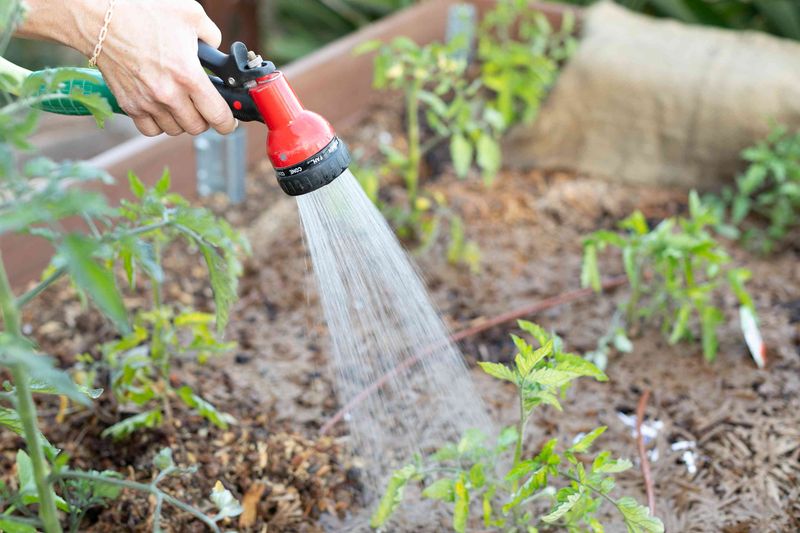
Timing matters when it comes to watering. Watering during the midday heat causes rapid evaporation, wasting valuable resources. Watering in the early morning reduces evaporation and the risk of fungal diseases.
This schedule allows water to reach deeper soil layers, nourishing roots effectively.
Establishing a routine that aligns with your garden’s needs will enhance its health. Consider the environmental conditions, such as humidity and temperature, when planning your watering schedule. A mindful approach ensures your plants receive the hydration they need when it’s most beneficial, promoting robust growth.
7. Not Matching Plants to Sunlight
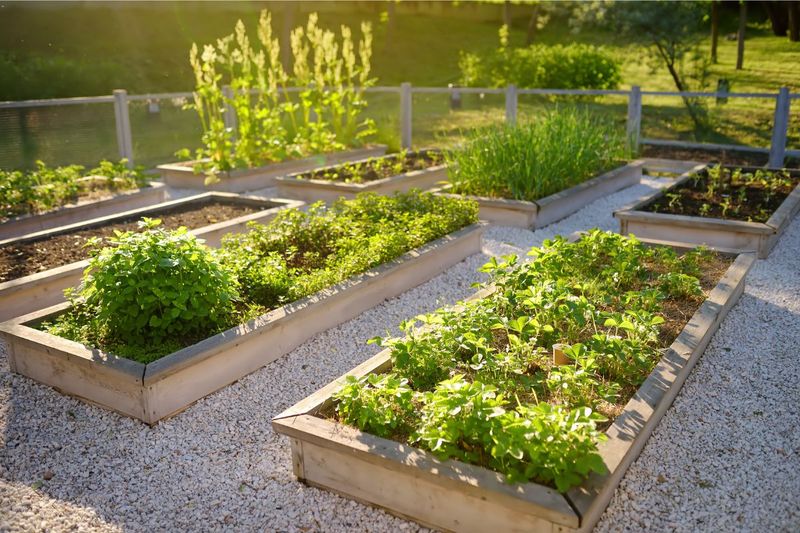
Plants, like people, have specific preferences. Sun-loving plants struggle in the shade, while shade plants can scorch in direct sunlight. Checking plant tags for sunlight requirements is essential for proper placement. Full sun plants need 6+ hours, while shade plants thrive with less than 3 hours.
Appropriate placement ensures plants receive the light they need for photosynthesis.
Balancing your garden’s layout based on light preferences will lead to healthier, more productive plants.
Understanding each plant’s unique needs is key to creating a harmonious garden environment where every species can flourish.
8. Planting in the Same Spot Every Year
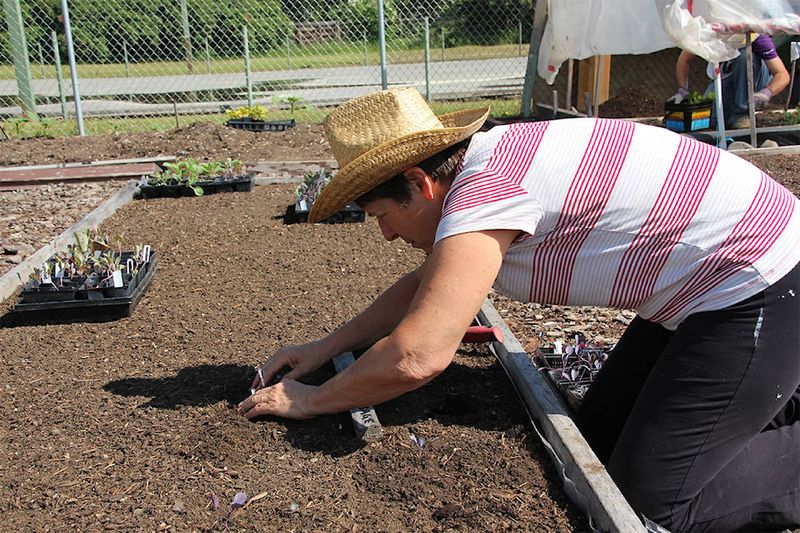
Repetition can lead to soil depletion and pest buildup. Planting in the same spot depletes specific nutrients, weakening plants over time. Rotating crops annually prevents nutrient loss and disrupts pest cycles.
A strategic rotation plan will sustain soil vitality and reduce disease risks.
Consider alternating plant families, such as legumes after heavy feeders like tomatoes.
Adopting crop rotation not only boosts soil health but also enhances biodiversity in your garden. By varying planting locations, you encourage a resilient ecosystem that supports robust plant growth year after year.
9. Ignoring Early Pest Signs
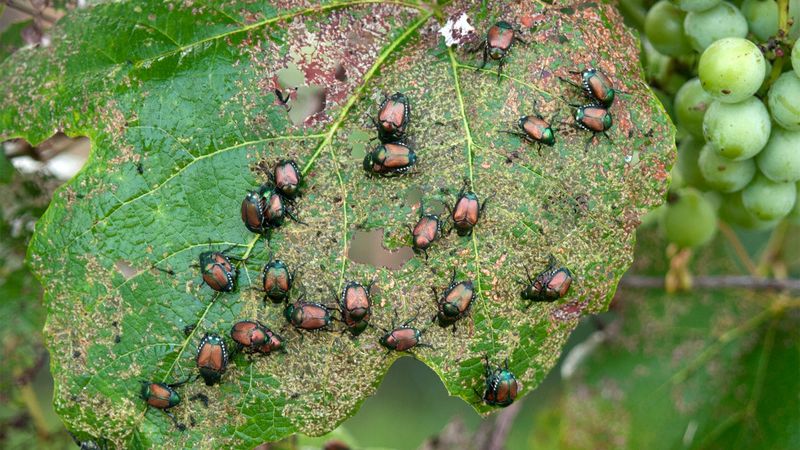
Small pest issues can escalate quickly. Ignoring early signs often leads to infestations that are harder to control. Regularly inspecting your plants can catch problems early. Using natural treatments like neem oil and insecticidal soap can effectively manage pests without harming beneficial insects.
Consistent monitoring is key to maintaining a healthy garden ecosystem.
Acting promptly when you notice pest activity can prevent widespread damage. Knowledge of common pests and their behaviors will aid in early detection. A vigilant approach helps maintain the balance in your garden, keeping plants healthy and thriving.
10. Using Too Much Pesticide
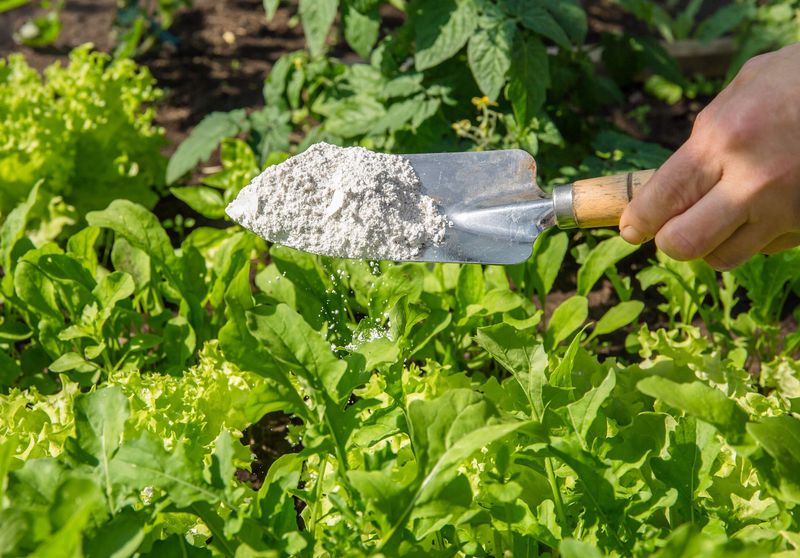
Excessive pesticide use can harm beneficial insects such as bees and ladybugs. These helpers play vital roles in pollination and pest control. Instead, opt for natural remedies like garlic spray or diatomaceous earth.
Using pesticides judiciously protects both your plants and the ecosystem.
By fostering a balanced environment, you encourage natural pest control methods to flourish. Understanding the role of beneficial insects will help you make informed choices. A garden that supports a diverse range of life is healthier and more resilient to pest pressures. Thoughtful pesticide use is a cornerstone of sustainable gardening.
11. Not Cleaning Garden Tools
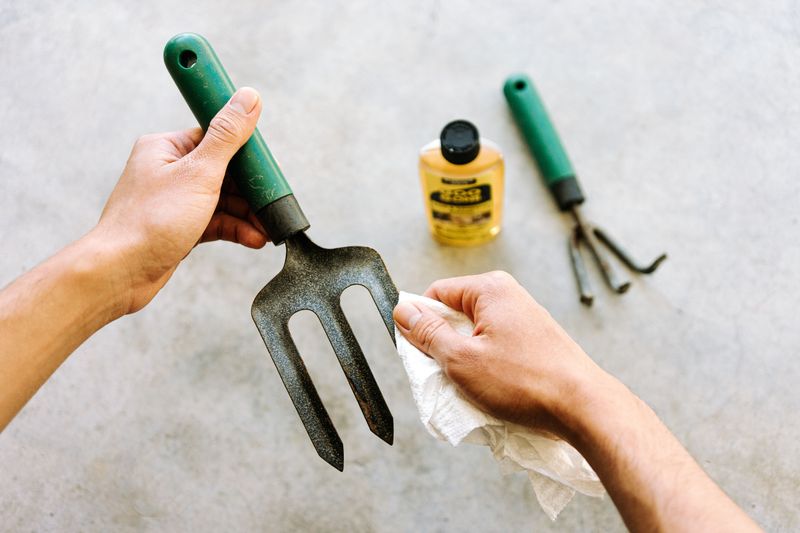
Garden tools can spread diseases if not properly cleaned. Plant residue on tools harbors pathogens that easily transfer between plants. Disinfecting pruners and stakes with rubbing alcohol can prevent disease spread.
A simple cleaning routine protects your plants from potential outbreaks.
Regular maintenance of tools not only extends their life but also ensures a healthier garden. Consider cleaning tools after each use to minimize risks.
A proactive approach to tool hygiene is a small effort that yields significant benefits. Protect your garden by keeping your tools as clean as the spaces you cultivate.
12. Over-Fertilizing (Chemical Burn!)
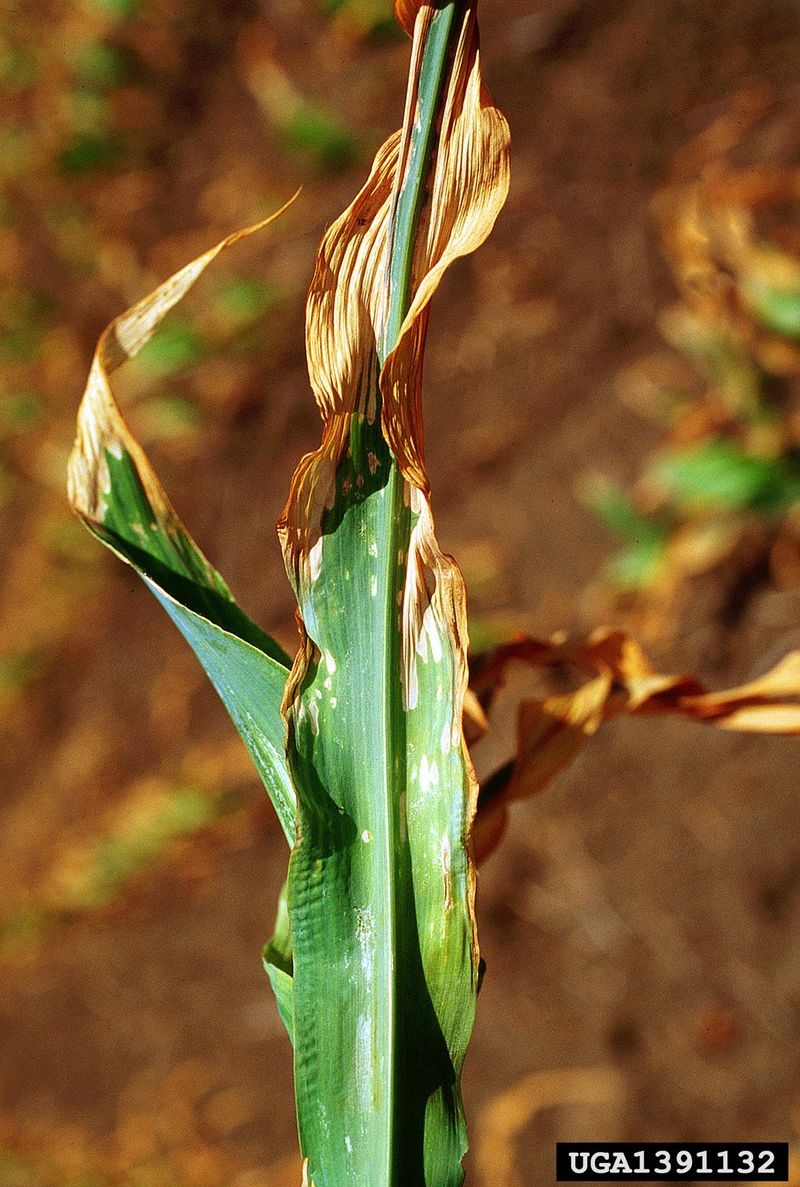
Enthusiasm for growing can lead to over-fertilization, causing chemical burn. Signs include yellow or brown leaf edges and stunted growth. Following package instructions and opting for organic fertilizers like compost tea can prevent these issues.
Organic options offer a gentler approach to feeding plants.
Understanding your garden’s specific nutritional needs allows for targeted fertilization. Avoiding excess ensures your plants receive just the right amount of nutrients. Thoughtful fertilization practices contribute to a thriving garden, minimizing the risk of chemical damage while promoting growth and resilience.
13. Using the Wrong Fertilizer
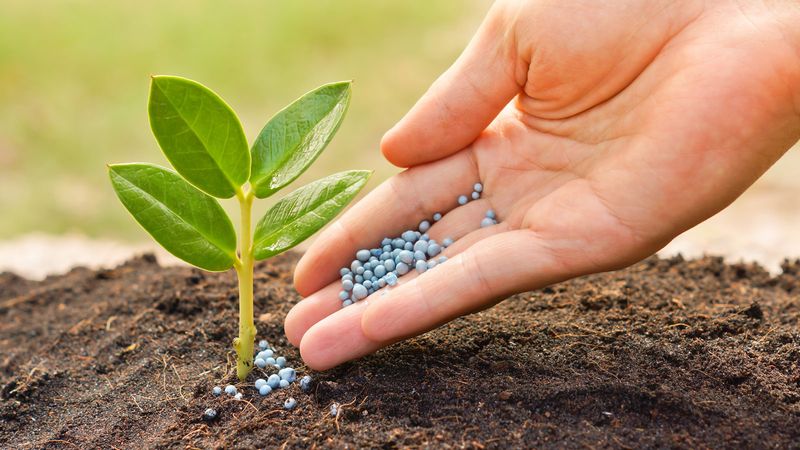
Each plant has unique nutritional requirements. Using the wrong fertilizer can result in too much nitrogen, leading to lush foliage but no fruit. Balanced fertilizers (10-10-10) suit most veggies, while bloom-boosters (low nitrogen) are ideal for flowers.
Tailoring fertilizer choice to plant needs enhances growth and productivity.
Understanding fertilizer labels and plant requirements will guide your selections.
A well-fed garden is a productive garden, where each plant can perform to its fullest potential. By choosing the right fertilizers, you support robust and fruitful growth throughout the gardening season.
14. Not Deadheading Flowers
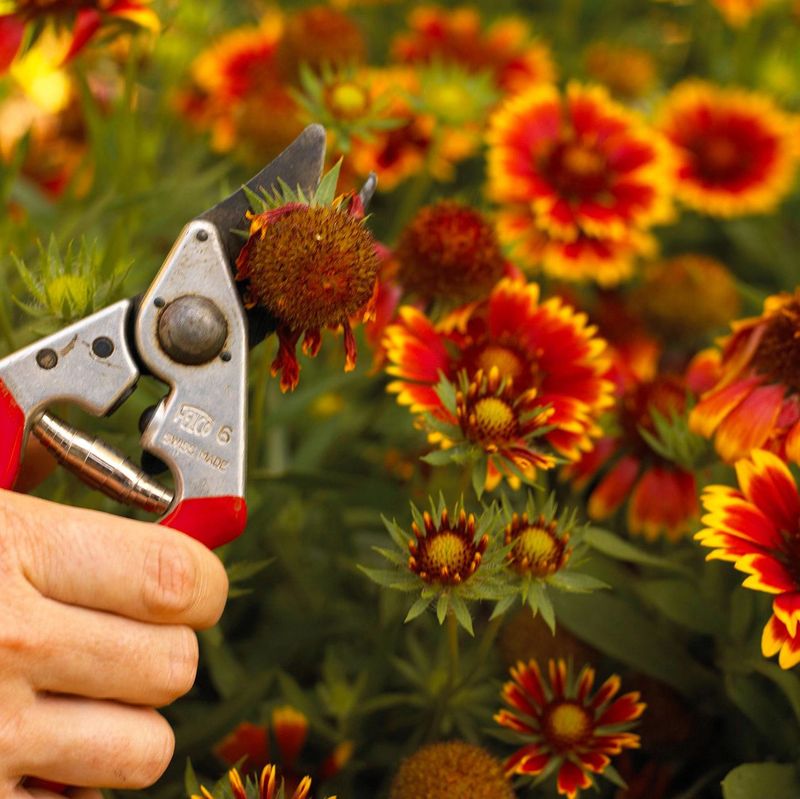
Deadheading is more than aesthetic; it directs energy towards new growth rather than seed production. Failing to remove spent flowers diverts plant resources. Pinching off old blooms encourages further flowering, ensuring a continuous display.
Regular deadheading keeps your garden vibrant and productive.
This simple practice can dramatically enhance flower output, maintaining garden vitality. By dedicating a few moments to this task, you promote a lively and colorful garden landscape. Deadheading fosters a cycle of renewal, where plants focus on producing beauty rather than seeds, leading to an ever-blooming haven.
15. Letting Weeds Take Over
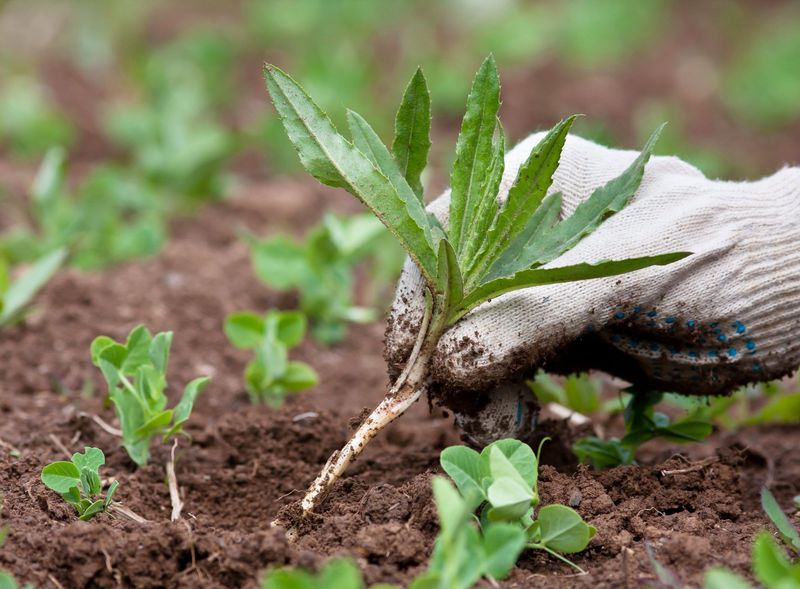
Weeds are more than an eyesore; they compete for nutrients and water. Allowing weeds to spread weakens your garden’s productivity. Early intervention is key. Removing weeds promptly prevents their seeds from dispersing.
Using mulch or landscape fabric can suppress weed growth effectively.
A weed-free garden promotes healthier plant growth and reduces maintenance needs. Understanding the types of weeds in your area can guide your control strategies. A diligent approach to weed management ensures your garden remains a vibrant and fruitful space, free from competition that hinders plant success.